

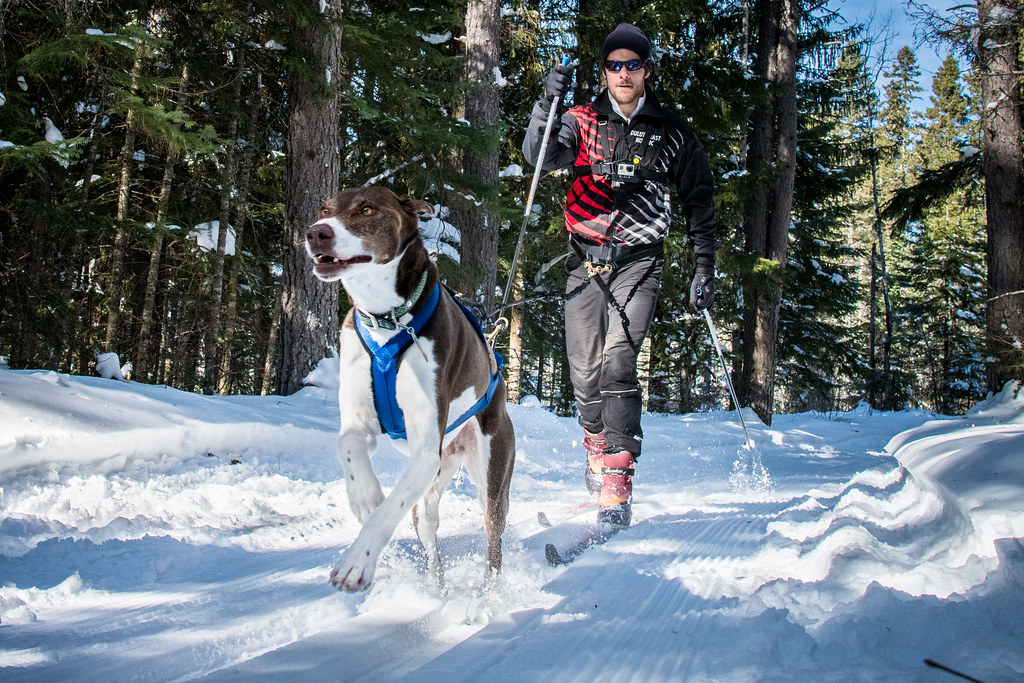

Understanding Winter’s Impact on Canine Coats (Image Credits: Flickr)
As winter arrives with its biting winds and frosty ground, dog owners face the challenge of maintaining their pets’ coats amid drier air and harsher conditions.
Understanding Winter’s Impact on Canine Coats
Dogs’ coats naturally thicken in colder months to provide insulation, but this change brings vulnerabilities. Dry indoor heating strips natural oils from the fur, leading to itchiness and brittleness. Snow and salt on walks can irritate skin beneath the coat, potentially causing hotspots if left unchecked.
Owners often notice increased shedding or tangles as the undercoat grows denser. Neglecting grooming during this season heightens risks of matting, which traps moisture and invites infections. Regular attention ensures the coat remains a reliable barrier against the elements, promoting overall comfort for active pups.
Mastering Brushing Routines for Seasonal Coats
A surprising fact emerges from veterinary insights: dogs with double coats shed their undercoat heavily in winter, but brushing removes dead hair before it clumps. Start with a wide-toothed comb to detangle knots gently, working from the ends toward the skin. Use a slicker brush next for even distribution of oils across the fur.
Frequency matters – aim for daily sessions of five to ten minutes, especially for breeds like Huskies or Golden Retrievers. This practice not only prevents painful mats but also stimulates blood flow to the skin, enhancing coat shine. Avoid over-brushing, which can damage fragile hairs; instead, focus on thoroughness over speed.
Combating Dryness and Static in Cold Weather
Winter’s low humidity often results in flaky skin and static sparks that discomfort dogs during pets. Apply a vet-approved moisturizing spray after brushing to restore hydration without greasiness. Ingredients like oatmeal or aloe vera soothe irritation effectively, drawing from natural remedies used in professional salons.
For static-prone coats, a grounding spray with anti-static agents helps during grooming. Bathe sparingly – once every four to six weeks – to preserve essential oils, opting for lukewarm water and a gentle, moisturizing shampoo. Post-bath, towel-dry thoroughly and avoid blow-drying on high heat, which exacerbates dryness.
Protecting Paws and Sensitive Areas
Paw pads crack under ice and de-icing salts, indirectly affecting coat health by causing dogs to lick excessively and lose fur. Wipe paws after every outing with a damp cloth to remove irritants, then apply a protective balm formulated for pets. This simple step prevents infections that could spread to the coat.
Ears and tails deserve attention too; check for snow buildup that leads to chilling. Trim excess fur around paw pads to reduce ice balling, but leave enough for insulation. These measures keep the entire coat system functioning, as healthy extremities support a robust outer layer.
Nutrition and Professional Support for Optimal Coats
Diet plays a pivotal role in winter coat resilience, with omega-3 supplements bolstering oil production for a glossier finish. Feed high-quality kibble rich in fish oils during colder months to combat environmental stress. Hydration remains key; ensure fresh water access to flush toxins and maintain skin elasticity.
Schedule professional grooming every six weeks to address hard-to-reach areas and detect issues early. Experts recommend undercoat raking for thick-furred breeds, reducing shedding indoors. Combining home care with salon visits yields the best results, keeping dogs cozy without overwhelming owners.
Key Takeaways
- Brush daily to manage shedding and distribute natural oils.
- Use moisturizers to fight dryness from indoor heating.
- Protect paws from salts to prevent secondary coat damage.
In summary, proactive winter grooming transforms potential coat woes into a season of vitality for dogs, ensuring they stay warm and playful amid the chill. What grooming challenges do you face with your pup this winter? Share your experiences in the comments below.

- Urban Coyotes Show Remarkable Adaptability, Learning to Thrive in City Environments - July 22, 2026
- Beavers Are Nature’s Engineers, Creating Vital Habitats for Other Wildlife Species - July 21, 2026
- The Recovery of the California Condor Offers Hope for Other Critically Endangered Birds - July 21, 2026