
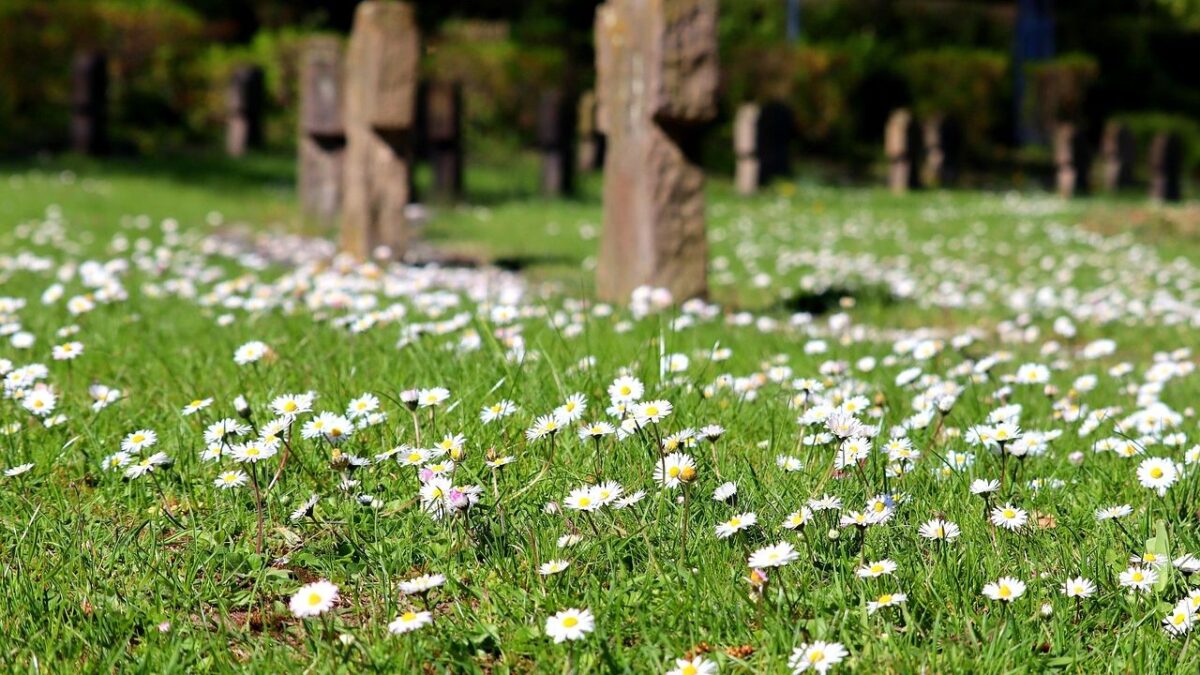
The Site That Changed the Timeline
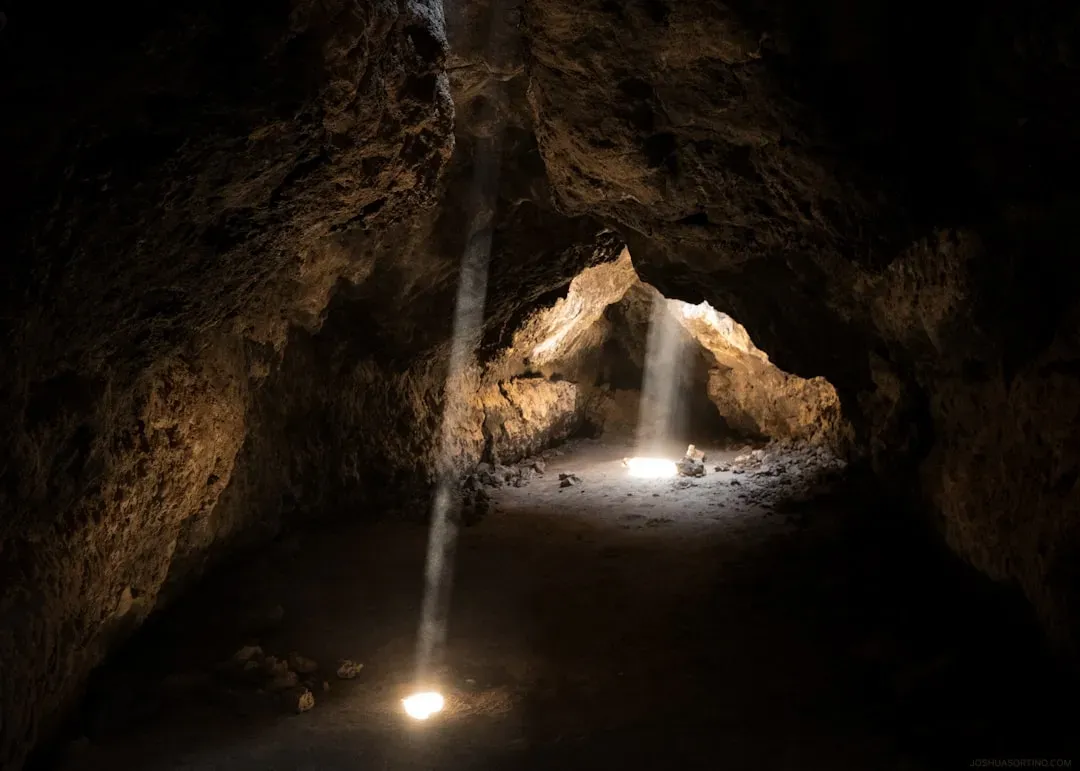
Excavations in a cave setting revealed skeletal remains positioned with care, accompanied by clusters of pollen that researchers link to flowers placed at the time of burial. The dating places this activity around 130,000 years ago, well before the emergence of known religious systems. Such positioning suggests the group did not simply discard the body but treated it with a sense of occasion.
Soil layers and associated artifacts help confirm the context, showing the remains were not disturbed by later activity. This pushes the record of intentional funerary behavior deeper into the past than many earlier estimates allowed. The discovery forces a rethink of when symbolic acts around death first appeared in the human story.
Interpreting the Flowers in Context
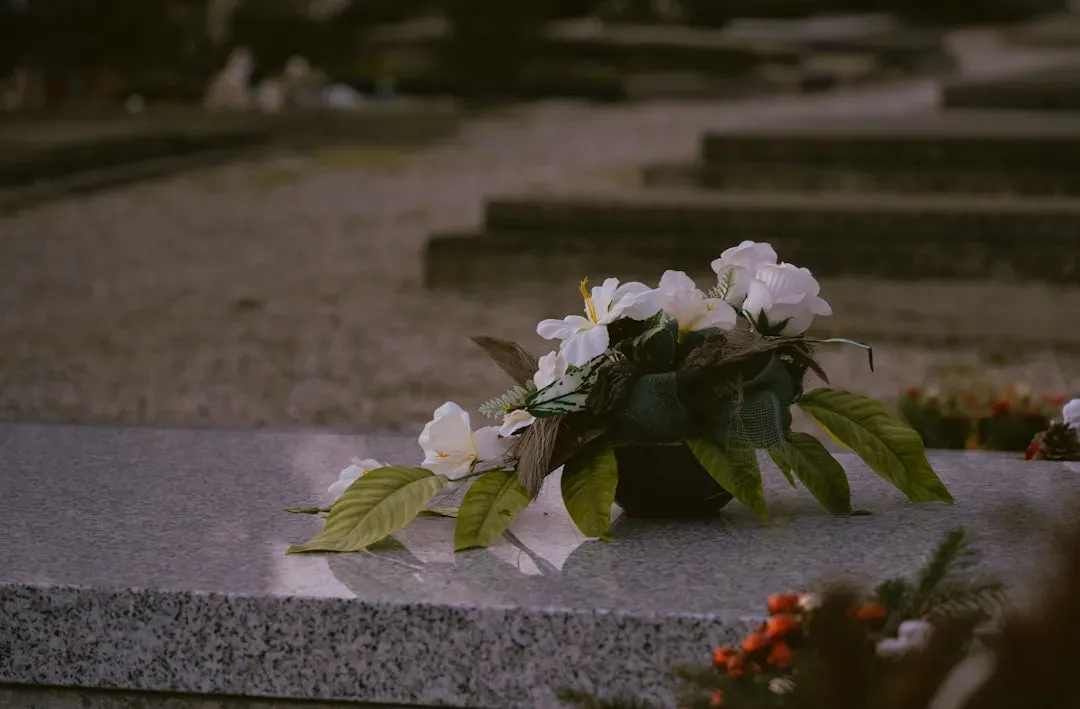
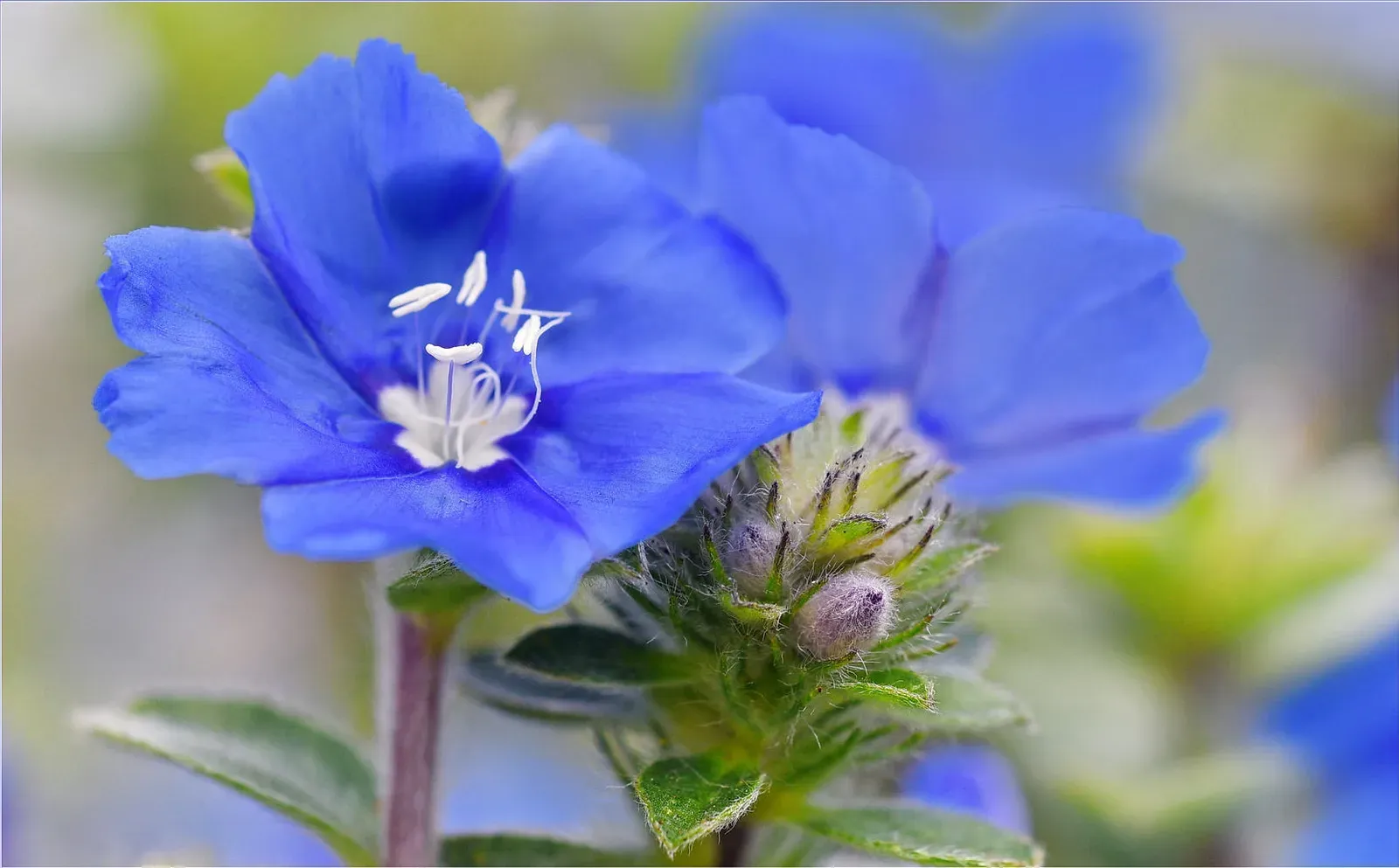
Pollen analysis points to specific plant species that would have been in bloom nearby, hinting that the flowers were gathered and arranged rather than scattered by chance. In a world without written records, these organic offerings stand as one of the few tangible signs of ritual. The choice of blooms may have carried meaning tied to the season or the qualities of the plants themselves.
Researchers note that similar gestures appear in much later burials across different continents, creating a thread of continuity. Yet the extreme age here makes the act feel especially deliberate. It invites consideration of whether the flowers served as a farewell gesture or something more enduring.
Signs of Symbolic Thought Emerging Early
Placing flowers with the dead requires planning, memory of the individual, and perhaps a shared understanding within the group. These elements point to cognitive abilities that go beyond basic survival needs. The behavior aligns with other early evidence of art and personal adornment that also date to this broad period.
Such actions imply the dead were viewed as more than physical remains. Groups may have held ideas about continuity or transition that we can only infer from the material record. This layer of meaning adds depth to reconstructions of daily life from so long ago.
How This Fits With Later Burial Practices
By the time of the first clear religious texts, elaborate grave goods and rituals had become common across many societies. The earlier flower placement shows a simpler version of the same impulse to honor or prepare the deceased. Continuity in the basic act of burial suggests the roots run deeper than any single cultural tradition.
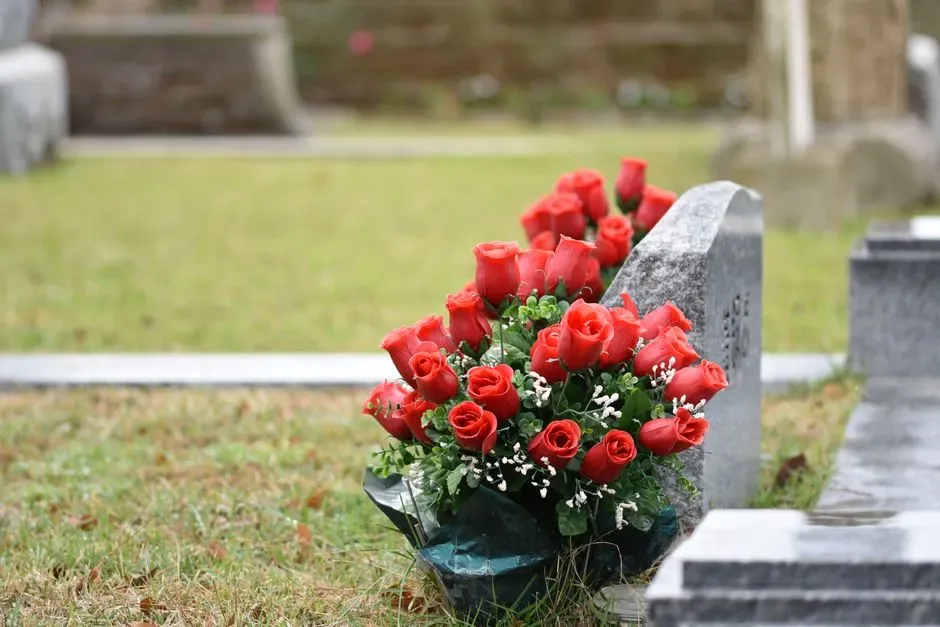
Modern examples of leaving flowers at graves echo this ancient pattern in a direct way. The persistence of the custom across vast stretches of time highlights a fundamental human response to loss. It also underscores how little some core gestures have changed despite enormous cultural shifts.
Challenges in Reading Intent From Ancient Evidence
Pollen can travel through natural processes, so scientists must weigh alternative explanations before concluding the flowers were placed by hand. Ongoing debates focus on whether the arrangement was intentional or the result of environmental factors. Careful excavation techniques and multiple lines of evidence help strengthen the case for deliberate action.
Even with these cautions, the overall pattern of body positioning supports the idea of respectful treatment. Future studies may refine the interpretation as new methods become available. The discussion itself reflects how archaeology balances possibility with rigor.
What This Suggests About Early Human Minds
The capacity to imagine an ongoing existence for the dead likely developed alongside other forms of abstract thinking. Burials with offerings indicate groups invested time and resources in ways that served no immediate practical purpose. This investment points to emotional and social bonds that extended past the moment of death.
Small-brained hominins and early members of our own species both show traces of such behavior in different regions. The pattern suggests the impulse was widespread rather than limited to one lineage. It broadens the picture of when complex social emotions took hold.
A Quiet Reminder of Shared Human Roots
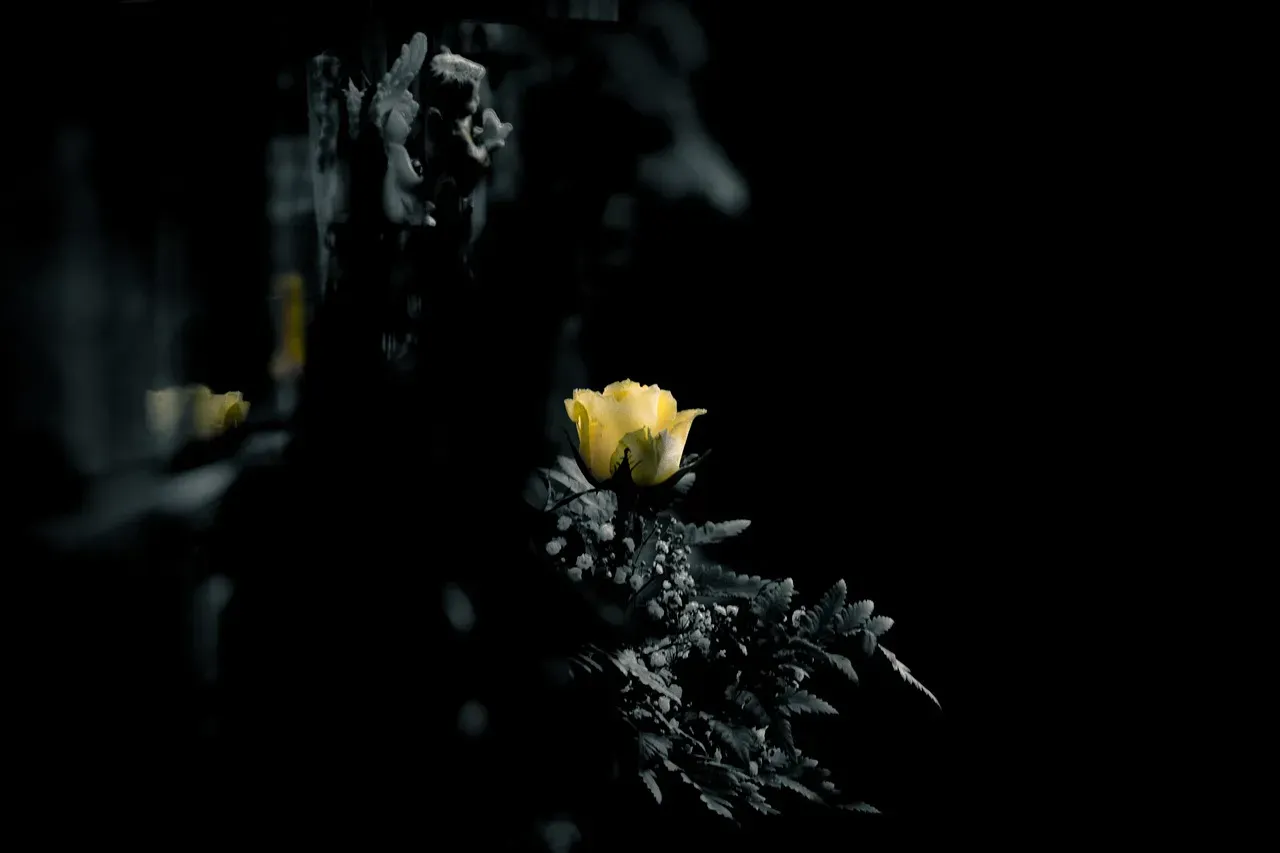
Evidence from deep time like this burial reminds us that concern for the dead is not a recent invention tied to any one faith. It appears as a recurring thread across human history, expressed in whatever materials were at hand. The flowers, fragile as they are, stand in for a larger sense of connection that transcends individual lives.
Recognizing these early gestures encourages a more expansive view of our species and its predecessors. It also invites reflection on how we continue similar practices today, often without tracing their origins. In the end, the find underscores a simple continuity: people have long sought ways to mark the passage from one state to another.

- 6 US States With the Most Chickens - July 26, 2026
- 10 Everyday Sounds That Are Secretly Causing Your Dog Stress and Anxiety - July 26, 2026
- 10 Cat Breeds That Act More Like Dogs – And Why People Love Them - July 26, 2026