


Breed-specific legislation (BSL) represents one of the most divisive issues in animal welfare and public policy today. These laws single out particular dog breeds, most commonly pit bull-type dogs, Rottweilers, and German Shepherds, restricting or banning their ownership based on the presumption that certain breeds pose inherent dangers to communities. The emotional and practical implications of these laws affect millions of dogs and their owners across the United States and around the world. While proponents argue that BSL provides necessary protection from potentially dangerous animals, critics maintain that such measures unfairly discriminate against responsible pet owners and condemn countless dogs based solely on their appearance rather than their behavior. This article examines the fairness, effectiveness, and consequences of breed-specific laws from multiple perspectives, exploring whether they truly serve their intended purpose or ultimately fail both the dogs they target and the communities they aim to protect.
The History and Evolution of Breed-Specific Legislation

Breed-specific legislation began gaining traction in the 1980s following highly publicized dog attacks that generated widespread fear. The first significant wave of BSL in the United States emerged after a series of attacks involving pit bull-type dogs captured media attention, creating what some experts call “breed panic.” By the 1990s, hundreds of municipalities had enacted ordinances targeting specific breeds, with Denver, Colorado, becoming one of the most notable examples by implementing a comprehensive pit bull ban in 1989. The United Kingdom followed a similar path with the Dangerous Dogs Act of 1991, which banned four specific breeds: the Pit Bull Terrier, Japanese Tosa, Dogo Argentino, and Fila Brasileiro.
These early laws typically focused on outright bans, but as opposition mounted, many jurisdictions evolved toward more nuanced approaches. Some replaced bans with restrictions requiring special licensing, muzzling in public, mandatory spaying/neutering, liability insurance, or specialized containment requirements for targeted breeds. This shift represented an acknowledgment that complete prohibition might be excessive, though critics argue that even modified restrictions remain fundamentally flawed in their breed-specific approach. The trend has continued to evolve, with over 1,100 U.S. cities having enacted some form of BSL at their peak, though that number has declined as many jurisdictions reconsider their effectiveness.
Common Targets of Breed-Specific Legislation

While breed-specific legislation varies widely in scope and severity, certain breeds consistently find themselves targeted more frequently than others. Pit bull-type dogs—including American Pit Bull Terriers, American Staffordshire Terriers, Staffordshire Bull Terriers, and any dogs resembling these breeds—face the most widespread restrictions. This broad categorization often extends to mixed-breed dogs with physical characteristics resembling pit bulls, creating identification challenges even for experts. Rottweilers typically rank second in frequency of restrictions, followed by German Shepherds, Doberman Pinschers, and Chow Chows. Some ordinances cast an even wider net, including breeds like Akitas, Alaskan Malamutes, Siberian Huskies, Wolf-hybrids, Mastiffs, and Bullmastiffs.
The criteria for inclusion on these lists rarely stem from comprehensive bite statistics or behavior studies. Instead, they often reflect media portrayal, public perception, and isolated incidents that generate fear. Many BSL ordinances target breeds with physical characteristics like muscular builds, broad heads, or powerful jaws—attributes that don’t necessarily correlate with aggression or bite frequency. This tendency toward visual profiling raises serious questions about the scientific validity of breed selection in these laws, as targeted breeds change over time with shifting public perceptions rather than empirical evidence about relative risk.
The Case for Breed-Specific Legislation

Proponents of breed-specific legislation typically build their case around public safety concerns, citing statistics that certain breeds are responsible for disproportionate numbers of serious injuries and fatalities. They argue that breeds developed historically for fighting or protection possess physical characteristics—such as powerful jaws, muscular builds, and tenacious temperaments—that make their attacks potentially more damaging than those of other breeds. Advocates point to studies like a 2019 analysis of hospital data showing that pit bull bites were associated with higher medical costs, longer hospital stays, and greater injury severity compared to bites from other dogs. From this perspective, BSL represents a preventative measure addressing breeds that pose statistically higher risks to community safety.
Supporters also contend that breed-specific laws provide clear guidelines for enforcement, allowing animal control officers to intervene before attacks occur rather than only reacting afterward. Some municipalities report decreases in dog bite incidents following BSL implementation, which advocates attribute directly to these policies. The argument extends beyond bite statistics to include quality-of-life concerns, with proponents suggesting that residents feel safer knowing certain breeds face restrictions. From this viewpoint, the community’s right to safety outweighs individual owners’ interests in keeping potentially dangerous breeds, with BSL serving as a reasonable compromise to protect vulnerable populations like children and the elderly.
The Case Against Breed-Specific Legislation

Opponents of breed-specific legislation argue that these laws fundamentally misunderstand dog behavior and risk factors for aggression. They point to comprehensive studies showing that breed alone is a poor predictor of whether a dog will bite, with factors like socialization, training, neutering status, and responsible ownership playing much more significant roles. Organizations including the American Veterinary Medical Association, the Centers for Disease Control and Prevention, and the American Bar Association have taken positions against BSL, citing lack of evidence for its effectiveness. Critics highlight research demonstrating that visual breed identification—the foundation of most BSL enforcement—is notoriously unreliable even among animal professionals, leading to inconsistent application and enforcement.
Economic and ethical concerns also feature prominently in arguments against these laws. Housing restrictions created by BSL often force families to choose between their homes and their pets, contributing to shelter surrenders and euthanasia of healthy, well-behaved dogs. Implementation and enforcement of breed-specific policies require significant public resources for identification, legal proceedings, and housing seized animals. Meanwhile, these resources could potentially achieve better safety outcomes if redirected toward breed-neutral dangerous dog laws, owner education programs, and enforcement of existing animal control regulations. Perhaps most fundamentally, opponents view BSL as a form of canine discrimination that punishes the vast majority of dogs within targeted breeds who will never bite anyone.
Impact on Shelter Systems and Euthanasia Rates

One of the most significant consequences of breed-specific legislation is its profound impact on animal shelter systems and euthanasia statistics. When BSL is implemented in a community, owners of affected breeds often find themselves forced to surrender their pets if they cannot relocate or comply with burdensome restrictions. This creates sudden influxes of targeted breeds into local shelters, many of which already operate at or near capacity. Research from areas with strict BSL shows these dogs face substantially reduced adoption prospects, with many shelters unable to transfer restricted breeds to areas where they remain legal. A 2019 study of shelter outcomes found that dogs identified as pit bull-type breeds stayed in shelters nearly three times longer than similarly sized dogs not carrying breed labels, with substantially higher euthanasia rates.
The financial burden on shelter systems extends beyond just housing more animals. Shelters in BSL jurisdictions must allocate resources to breed identification procedures, often requiring staff training or expert consultations to determine which dogs fall under restrictions. Legal challenges from owners disputing breed determinations further strain municipal budgets. Some communities have documented significant increases in taxpayer costs following BSL implementation, with one mid-sized city reporting additional annual expenses exceeding $200,000 for enforcement, sheltering, and legal proceedings. These financial and ethical costs raise serious questions about whether the theoretical safety benefits of BSL justify their concrete impacts on animal welfare systems and the thousands of individual dogs euthanized not for behavior but solely because of physical appearance.
Scientific Evidence on Breed and Aggression

The scientific literature on the relationship between dog breeds and aggression presents a more complex picture than BSL typically acknowledges. Comprehensive studies examining dog bite incidents have consistently found that breed alone serves as a poor predictor of aggressive behavior. A landmark 2014 study published in the Journal of Veterinary Behavior examined over 9,000 dogs across multiple breeds and found that breed accounted for only a small percentage of behavioral variation between individual dogs. Factors including early socialization, training methods, spay/neuter status, and owner behavior demonstrated much stronger correlations with aggression than genetic heritage. Research on canine genetics further complicates the picture, showing that behavior traits are influenced by complex interactions between multiple genes and environmental factors rather than simple breed inheritance.
Bite strength and severity represent another area where science contradicts common BSL assumptions. While certain breeds do have stronger jaws than others, research has demonstrated that bite strength correlates primarily with overall head size and body mass rather than breed-specific traits. Studies of hospital records reveal that serious dog bite injuries come from a wide variety of breeds roughly proportional to their popularity, with breed identification in medical records often based on victim reports rather than verified determinations. When controlled for population numbers, breeds commonly targeted by BSL do not consistently show higher bite rates than other breeds of similar size. These findings suggest that BSL may focus on perceived rather than actual risk factors, potentially missing opportunities to address the most significant contributors to serious dog bite incidents.
Challenges in Breed Identification
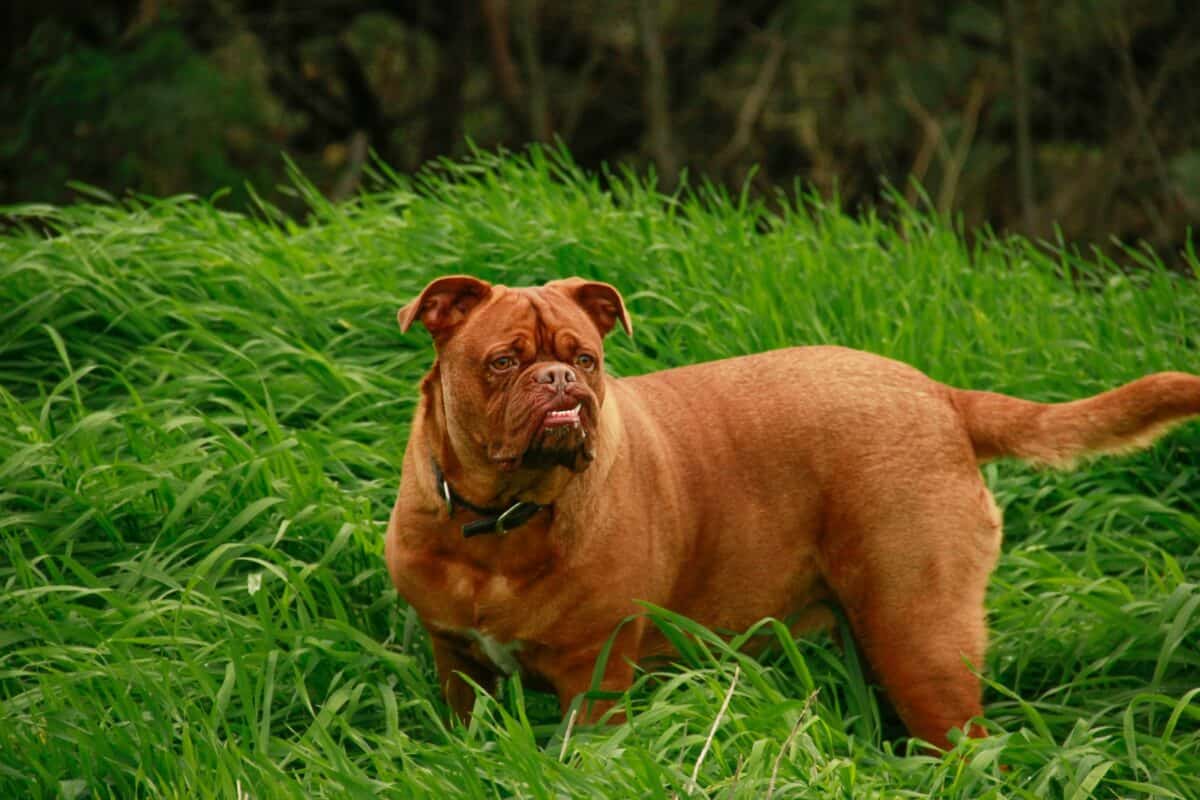
Perhaps the most fundamental practical flaw in breed-specific legislation lies in the difficulty of accurately identifying dog breeds, particularly mixed-breed dogs that make up the majority of the canine population in many communities. Multiple studies have demonstrated that visual identification of dog breeds, even by animal professionals including veterinarians, shelter workers, and animal control officers, achieves accuracy rates barely better than random chance when compared to DNA testing results. A 2016 study published in The Veterinary Journal found that even experienced shelter staff correctly identified predominant breeds in mixed-breed dogs only 67% of the time. For dogs labeled as “pit bull-type,” the inconsistency proved even more pronounced, with different evaluators reaching contradictory conclusions about the same dogs approximately 60% of the time.
This identification uncertainty creates significant enforcement challenges and due process concerns. Many BSL ordinances rely on subjective visual assessments rather than genetic testing, leading to inconsistent application based on which official examines the dog. Owners of mixed-breed dogs that happen to have certain physical features may find themselves suddenly subject to restrictions despite their pets having little or no genetic relationship to prohibited breeds. The lack of standardized, reliable identification protocols means that similarly situated dogs and owners may face dramatically different treatment depending on evaluator bias or varying interpretations of breed standards. Courts have increasingly recognized these identification challenges as problematic from both practical and constitutional perspectives, contributing to legal vulnerabilities in BSL enforcement that have helped drive the recent trend toward repealing such measures.
Effective Alternatives to Breed-Specific Legislation

Communities seeking to enhance public safety without the drawbacks of breed-specific approaches have increasingly turned to breed-neutral dangerous dog laws that focus on individual animal behavior and owner responsibility. These comprehensive ordinances typically establish escalating consequences for incidents ranging from at-large violations to demonstrated aggression, creating systems that address problematic dogs regardless of breed while leaving responsible owners of well-behaved dogs unaffected. Calgary, Alberta, implemented perhaps the most successful example of this approach, achieving a 78% reduction in dog bite incidents through a combination of strict leash laws, enhanced licensing enforcement, substantial penalties for irresponsible owners, and extensive public education programs. Notably, Calgary accomplished this without restricting or banning any breeds, demonstrating that targeting behavior rather than breed characteristics can produce superior safety outcomes.
Other effective alternatives include enhanced owner education requirements, especially for first-time dog owners, and improved resources for low-cost spay/neuter services, which studies link to reduced aggression in male dogs particularly. Some communities have implemented special licensing structures that reward responsible ownership practices like completing training courses, properly containing animals, and maintaining current vaccinations with reduced fees. These approaches address the root causes of dangerous dog behavior—primarily inadequate training, socialization, and containment—rather than making sweeping assumptions based on physical appearance. By focusing limited animal control resources on actual problem dogs and their owners rather than entire breeds, these communities typically achieve better compliance, more efficient enforcement, and ultimately safer environments for both humans and canines.
Legal Challenges and Constitutional Concerns

Breed-specific legislation has faced numerous legal challenges on constitutional grounds, with varying outcomes depending on jurisdiction and the specific provisions being contested. While courts have generally upheld the authority of municipalities to regulate dogs for public safety purposes, the implementation of these regulations has sometimes failed legal scrutiny. Due process concerns arise frequently, particularly regarding how breeds are identified and how owners can appeal breed determinations. Several courts have struck down BSL ordinances for vagueness when they failed to provide clear standards for identifying restricted breeds, recognizing that subjective visual assessments create inherent uncertainty about which dogs and owners fall under the restrictions. Equal protection challenges have also succeeded in some jurisdictions when plaintiffs demonstrated that similarly situated dangerous dogs received different treatment solely based on physical appearance rather than behavior.
Property rights represent another significant legal battleground for BSL challenges. Dogs are legally classified as property in all U.S. jurisdictions, and restrictions or seizures based on breed alone have sometimes been found to constitute improper takings without sufficient due process or evidence of public necessity. Some courts have required municipalities to demonstrate a rational relationship between the specific breeds targeted and legitimate public safety concerns, a standard that becomes increasingly difficult to meet as scientific evidence continues to undermine breed-based risk assumptions. These legal vulnerabilities have contributed to a significant trend of BSL repeal across the United States, with 22 states now having enacted preemption laws that explicitly prohibit municipalities from implementing breed-specific regulations, reflecting a growing legal consensus that breed-neutral approaches better balance public safety and individual rights.
The Economic Impact of Breed-Specific Legislation

Beyond the ethical and practical concerns, breed-specific legislation creates substantial economic burdens for communities, individuals, and businesses. Municipalities implementing BSL typically face increased costs for animal control operations, including additional staffing for enforcement, specialized training for breed identification, legal expenses from challenges to breed determinations, and expanded shelter capacity for housing seized or surrendered animals. These costs often exceed initial projections, with some communities reporting enforcement expenses two to three times higher than comparable jurisdictions using breed-neutral approaches. A 2019 economic analysis of ten municipalities before and after implementing BSL found average annual cost increases of $157,000 to $430,000 depending on community size, with minimal documented improvements in public safety outcomes to justify these expenditures.
For individual dog owners, the financial impacts can be devastating. Families with targeted breeds often face difficult choices between surrendering beloved pets or incurring significant expenses for compliance with special requirements like liability insurance (which can exceed $1,000 annually), specialized containment systems, or relocation to non-BSL areas. Housing restrictions create particularly severe economic hardships, with rental properties, homeowners associations, and insurance companies frequently implementing their own breed restrictions that extend beyond municipal requirements. These cascading effects disproportionately impact lower-income pet owners who have fewer housing options and financial resources to comply with specialized requirements. The economic repercussions extend to businesses as well, with negative impacts documented for veterinary practices, pet supply retailers, training facilities, and boarding kennels in areas where substantial portions of their potential client base become effectively prohibited.
International Perspectives and Changing Trends

The global landscape of breed-specific legislation offers valuable insights into the long-term effectiveness and evolving perspectives on these policies. Several countries that implemented broad BSL measures in the 1990s have since reversed course after evaluating outcomes. The Netherlands, which had banned pit bull-type dogs for over 15 years, repealed its ban in 2008 after government studies concluded it had not reduced bite incidents and was impossible to enforce effectively. Italy similarly abandoned its list of “dangerous breeds” in 2009, replacing it with owner responsibility requirements that apply regardless of breed. The United Kingdom, despite maintaining its 1991 Dangerous Dogs Act, has faced growing criticism and reform pressure after government data revealed no decrease in hospitalizations for dog bites despite three decades of breed prohibitions.
This international trend toward BSL repeal reflects accumulating evidence that breed-neutral approaches produce better outcomes. Spain, which replaced breed-specific measures with comprehensive owner responsibility laws in 2002, documented a 38% reduction in serious dog attacks over the following decade. Germany’s state-by-state approach provides a natural experiment, with states using breed-neutral policies showing comparable or better safety statistics than those maintaining breed restrictions. Even in countries maintaining some form of BSL, enforcement has generally shifted toward behavioral assessments rather than strict breed prohibitions. This global evolution mirrors trends in the United States, where the number of municipalities with BSL has declined by approximately 22% since 2018, reflecting growing recognition that targeting owner behavior rather than dog appearance produces more effective public safety outcomes while avoiding the practical and ethical problems inherent in breed discrimination.
Conclusion: Rethinking Breed-Specific Legislation

Breed-specific laws (BSLs) may be rooted in a desire to protect public safety, but they often fall short of delivering fair or effective outcomes. By focusing on a dog’s breed rather than its individual behavior, these laws risk punishing responsible owners and well-behaved pets while failing to address the root causes of aggression—such as neglect, poor training, or abuse. Scientific research consistently shows that no breed is inherently more dangerous than another; rather, a dog’s environment, upbringing, and human interactions play a far greater role in shaping its behavior.
Ultimately, fairness in canine legislation requires moving beyond stereotypes and fear-driven policies. Comprehensive, breed-neutral approaches that emphasize responsible ownership, education, proper training, and enforcement of existing animal welfare laws are far more effective at promoting community safety and animal well-being. Every dog deserves to be judged by its actions, not its appearance. By shifting the focus from breed to behavior, we honor both public safety and the fundamental rights of dogs to be treated as individuals.

From exploring the marine wonders in the Azores and witnessing the vast savannas of Kenya, to delving deep into the rich biodiversity of South Africa and traversing iconic landscapes in Australia and the US like Yellowstone, Chris's experiences are vast.
With a penchant for diving alongside sharks, the ocean holds a special place in his heart.
Through his academic insights, he champions wildlife conservation, striving with 'Animals Around The Globe' to cultivate a profound connection between humans and animals, enhancing our mutual appreciation.
Connect with him at Feedback@animalsaroundtheglobe.com.
- This Monkey Has a Mustache - July 21, 2026
- How Steve Irwin Changed the World’s View of Wildlife - July 21, 2026
- The Catfish That Caused Earthquakes in Japanese Folklore - July 21, 2026