

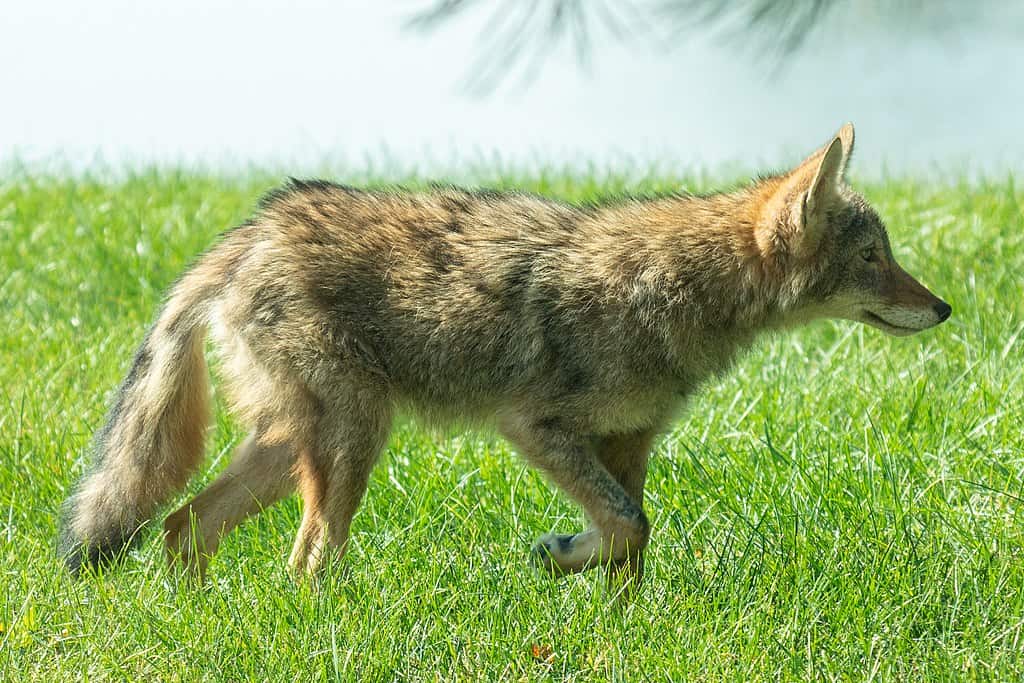
The age-old debate about animal intelligence has taken an interesting turn as scientific research continues to reveal surprising insights about our canine companions and their wild relatives. For years, domestic dogs have been celebrated for their remarkable cognitive abilities and emotional intelligence that have evolved alongside humans for thousands of years. But when it comes to raw problem-solving abilities, adaptability, and survival intelligence, mounting evidence suggests that coyotes may have the upper hand. This article explores the fascinating comparison between coyote and dog intelligence, examining what science has to say about which canid truly deserves the title of more intelligent species.
The Evolution of Canine Intelligence
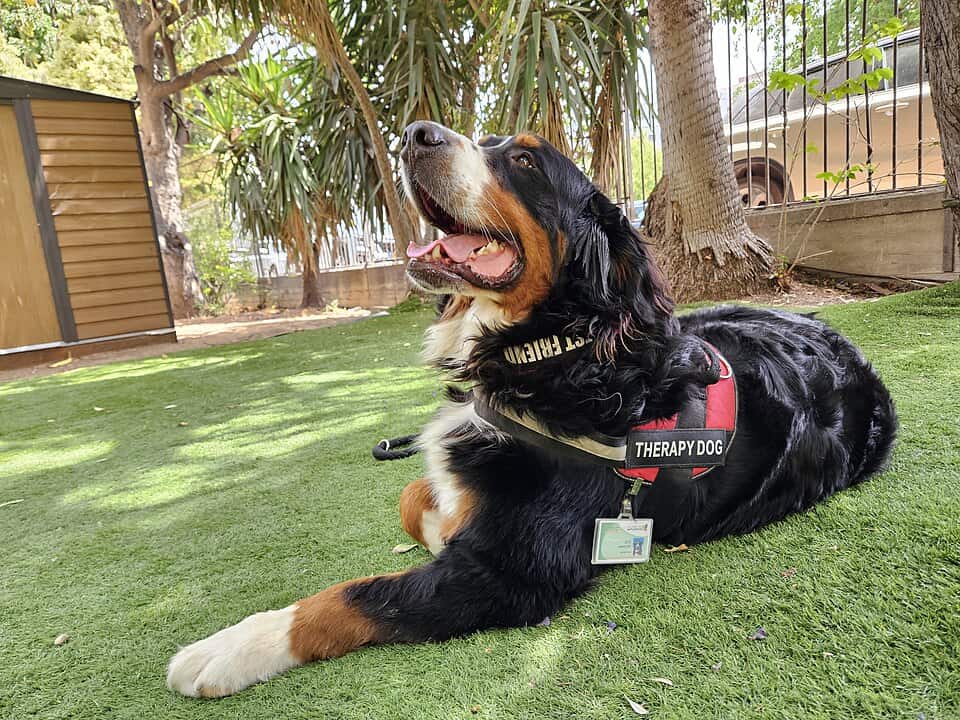
To understand the intelligence gap between coyotes and dogs, we must first consider their evolutionary paths. Dogs (Canis familiaris) began diverging from their wolf ancestors roughly 15,000-40,000 years ago through domestication, with humans selectively breeding for traits like docility, trainability, and social attentiveness. This artificial selection prioritized dogs that could understand human cues and integrate into human society, but not necessarily those with the highest problem-solving abilities.
Coyotes (Canis latrans), on the other hand, have evolved as wild predators for millions of years, facing constant environmental pressures that demand quick thinking, adaptability, and independent problem-solving. Unlike dogs, who could rely on humans for food and protection, coyotes had to continuously develop their hunting strategies, territorial awareness, and survival tactics to thrive in changing and often hostile environments. This natural selection has honed different aspects of intelligence compared to the socially-oriented intelligence found in domestic dogs.
Measuring Intelligence: The Scientific Approach

When scientists discuss animal intelligence, they consider multiple dimensions rather than a single measure. Comparative cognition researchers evaluate factors including problem-solving abilities, memory, learning speed, adaptability, tool use, social intelligence, and sensory perception. This multifaceted approach helps researchers understand that different species may excel in different cognitive domains based on their evolutionary needs.
In laboratory settings, coyotes and dogs have been subjected to various tests that measure these different aspects of intelligence. While dogs typically outperform in tests involving understanding human gestures and commands (social intelligence), coyotes consistently demonstrate superior performance in tests of independent problem-solving, innovation, and adapting to new challenges. These different testing paradigms reveal that intelligence varies based on the skills most valuable to each species’ survival strategy.
Problem-Solving Prowess: The Coyote Advantage
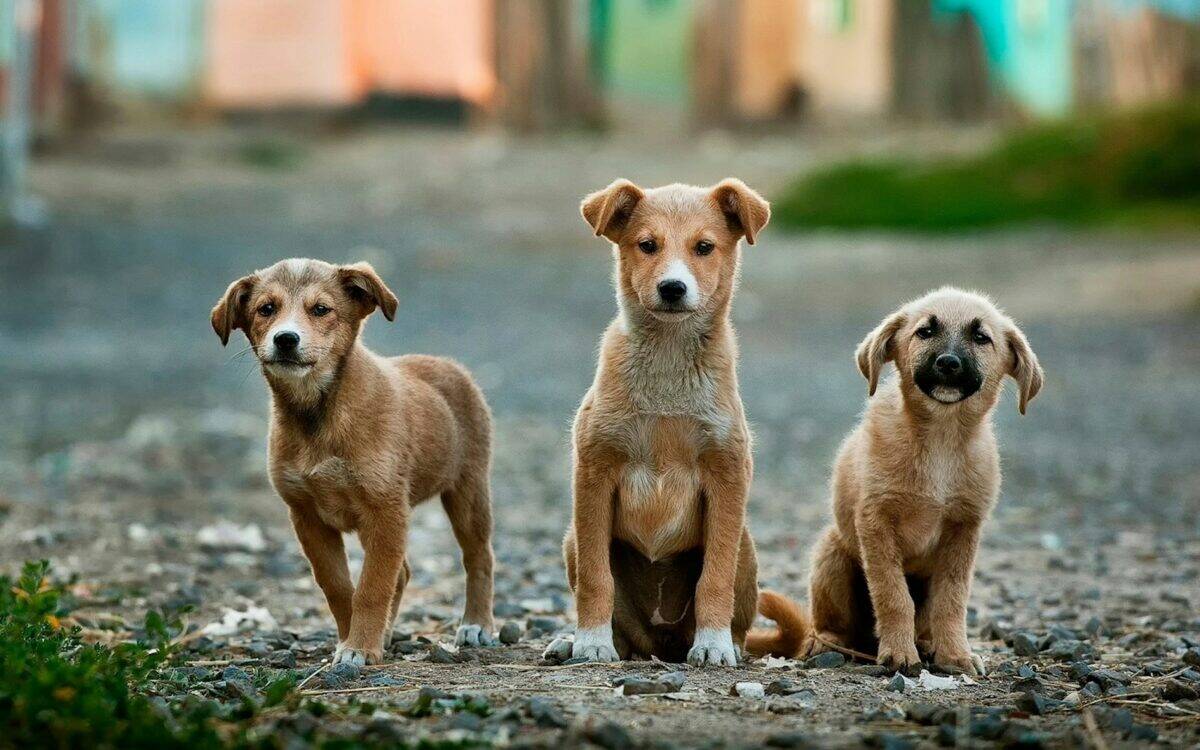
One of the most striking differences between coyotes and dogs comes in their approach to novel problems. Research conducted at the USDA National Wildlife Research Center in Utah found that captive coyotes outperformed domestic dogs in puzzle box tests designed to assess problem-solving abilities. When presented with complex mechanical puzzles with food rewards, coyotes demonstrated greater persistence, tried more solutions, and succeeded more frequently than domestic dogs of similar size and age.
In these experiments, dogs often looked to human experimenters for help when they encountered difficulty—a behavior called “social referencing” that reflects their co-evolved relationship with humans. Coyotes, meanwhile, continued to work independently until they solved the puzzle or exhausted possibilities. This difference highlights how coyotes have maintained the cognitive independence necessary for survival in the wild, while dogs have developed a cognitive dependency on humans that, while useful in a domestic setting, may limit their independent problem-solving abilities.
Adaptability and Learning: Surviving in Changing Environments

Perhaps the most impressive demonstration of coyote intelligence is their remarkable adaptability to new environments and challenges. While dogs typically require careful breeding and training to adapt to new roles, coyotes have successfully expanded their range across North America despite intense human persecution. They’ve thrived in environments ranging from remote wilderness to urban centers, adjusting their diets, social structures, and behaviors to match local conditions.
This adaptability requires sophisticated learning mechanisms and behavioral flexibility. Studies have shown that coyotes quickly learn to avoid traps after just one negative experience and can pass this knowledge to others in their social group. They modify hunting techniques based on prey type and environmental conditions, and rapidly learn to exploit new food sources when traditional ones become unavailable. In contrast, most domestic dogs struggle to find adequate food or shelter without human assistance, despite retaining many instinctual behaviors.
Social Intelligence and Communication

Dogs have long been celebrated for their ability to read human emotions and respond to subtle social cues—skills developed through thousands of years of co-evolution with humans. They excel at understanding pointing gestures, following eye gaze, and responding to emotional states in humans. This human-oriented social intelligence has been crucial to their success as companion animals.
Coyotes, however, display sophisticated social intelligence within their own species. They maintain complex family structures and coordinate hunting tactics with remarkable precision. Research from the Urban Coyote Research Project in Chicago has documented elaborate communication systems among coyote family groups, including vocalizations with specific meanings, body language signals, and territorial marking behaviors that convey detailed information. These communication systems allow coyotes to maintain social bonds and coordinate group activities without the need for human direction, demonstrating a different but equally impressive form of social cognition.
Memory and Spatial Navigation

Both coyotes and dogs possess impressive memory capabilities, but they apply these skills differently. Dogs excel at remembering commands, routines, and associations with human activities. Coyotes, meanwhile, demonstrate exceptional spatial memory and navigation abilities essential for survival in the wild. Tracking studies have shown that coyotes can remember the locations of hundreds of food caches across large territories, return to productive hunting grounds on seasonal schedules, and navigate complex urban environments while avoiding human detection.
In experimental settings, coyotes have demonstrated the ability to remember solutions to problems for longer periods than domestic dogs, particularly for tasks relevant to survival. While dogs may forget a learned behavior if it isn’t regularly reinforced, coyotes retain critical survival skills even after long periods without practice. This difference reflects the higher stakes of memory in wild environments, where forgetting a food source or danger zone could have fatal consequences.
Sensory Intelligence and Perception
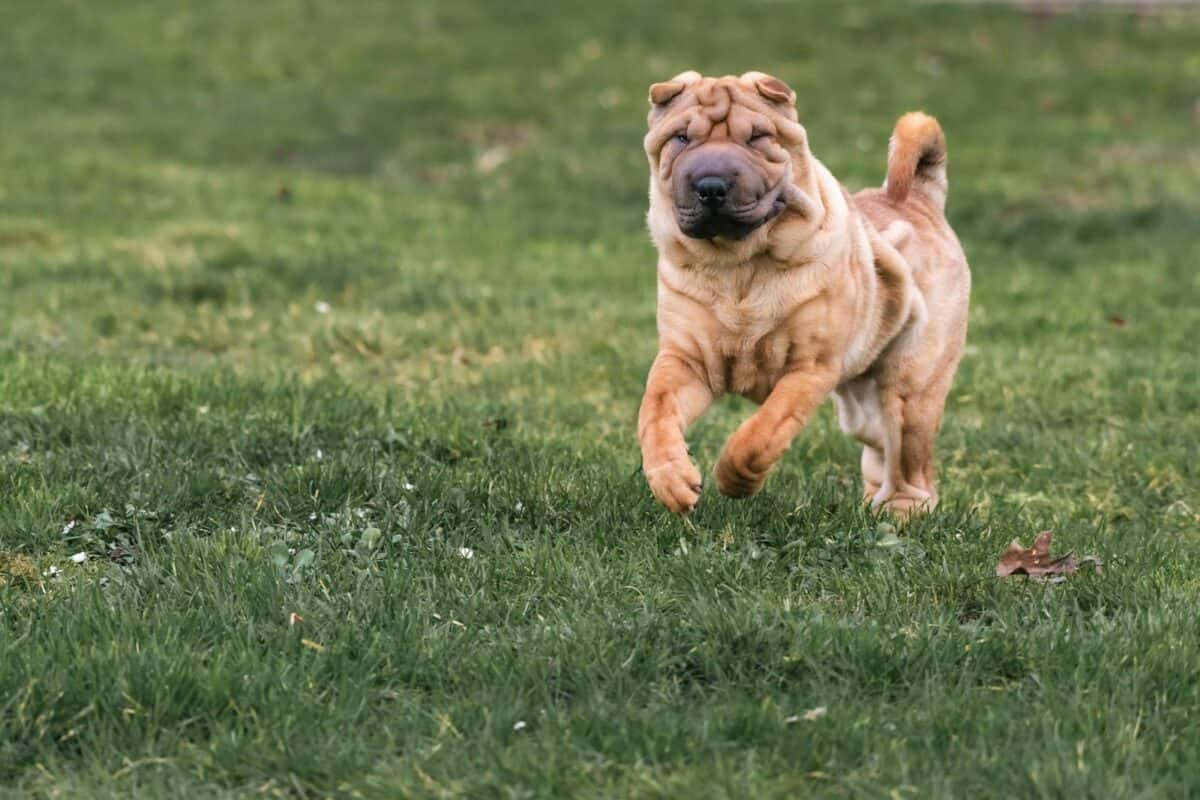
Intelligence isn’t limited to problem-solving but also includes how effectively animals process and use sensory information. While both canids have impressive sensory capabilities, coyotes generally maintain more acute senses than most domestic dog breeds. Their survival depends on detecting prey, avoiding predators, and navigating diverse environments without human assistance.
Coyotes possess approximately 220 million olfactory receptors compared to the average dog’s 150-300 million (varying by breed). Their hearing is fine-tuned to detect the movement of small prey animals, and they can hear frequencies up to 80 kHz (compared to 65 kHz in dogs). These sensory advantages, combined with their ability to integrate multisensory information for hunting and survival, represent another dimension of intelligence where coyotes typically exceed their domestic relatives.
Tool Use and Innovation
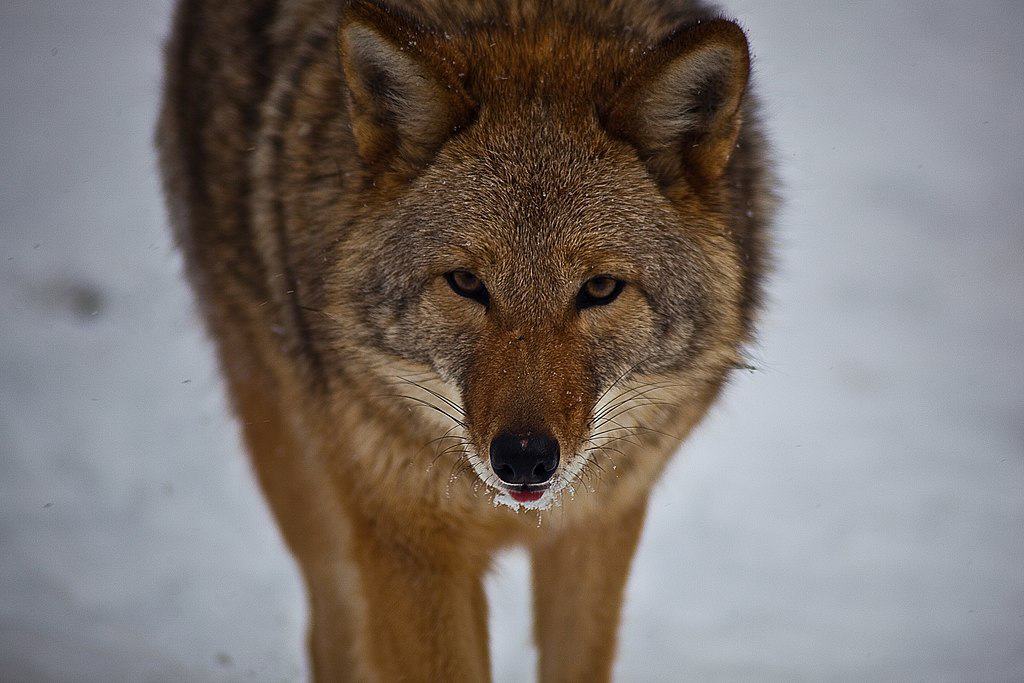
True tool use is rare in canids, but innovation in hunting and survival techniques can be considered a related cognitive skill. Field researchers have documented coyotes using remarkable innovative techniques that suggest advanced cognitive abilities. For example, coyotes have been observed working in pairs to hunt pronghorn antelope—one coyote chases the prey in a wide circle while the other cuts across the diameter to intercept it, demonstrating an understanding of spatial relationships and prediction.
Urban coyotes have developed strategies for navigating human-dominated landscapes that showcase their innovative thinking. They learn traffic patterns to cross busy roads safely, use railway corridors as travel routes, and even exploit human structures for shelter. One documented case involved coyotes learning to wait near golf course sprinklers that force earthworms to the surface at predictable times—a level of innovation rarely seen in domestic dogs without human training.
The Impact of Domestication on Canine Cognition

The cognitive differences between coyotes and dogs can be largely attributed to the effects of domestication on canine brains. When researchers compared the brain sizes of domestic dogs to their wild relatives, they found that domestication has led to a reduction in brain size relative to body size. This decrease isn’t uniform across all brain regions; areas involved in aggression and certain independent survival skills have shrunk more than others.
Brain imaging studies suggest that domestication has enhanced neural pathways involved in processing human social cues while potentially reducing capacity in areas related to independent decision-making and environmental problem-solving. This trade-off has produced dogs that excel at cooperating with humans but may struggle with tasks requiring independent thinking. Coyotes, maintaining their wild neural architecture, preserve cognitive abilities that have been diminished in dogs through generations of selective breeding for traits compatible with human cohabitation.
Learning from Human Interactions
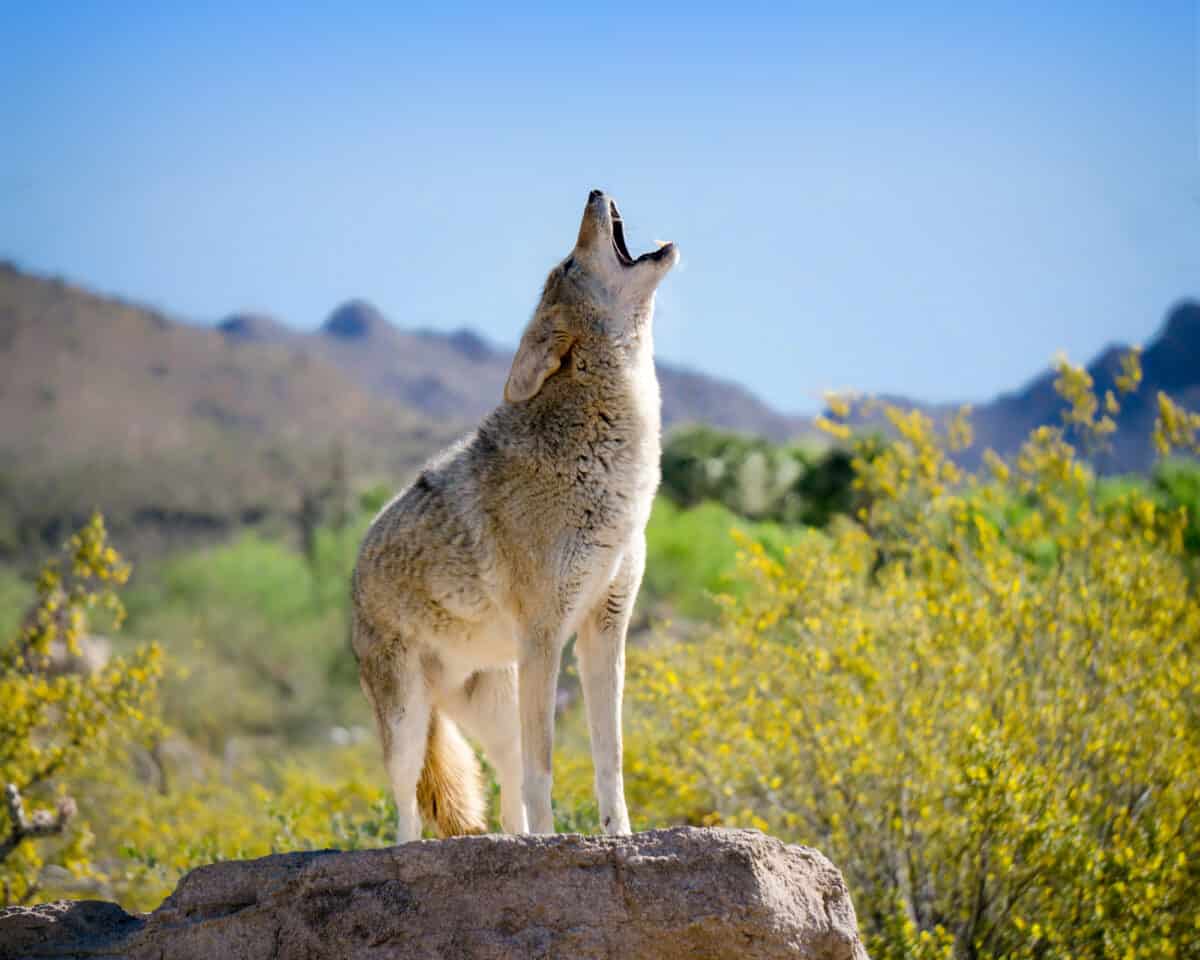
One area where the intelligence comparison becomes more nuanced involves learning from human interactions. Dogs have been selectively bred for their ability to learn from humans, making them exceptionally good at acquiring behaviors through direct training. A well-trained border collie can learn hundreds of words and commands, demonstrating impressive associative learning abilities.
Interestingly, studies with captive coyotes show they can also learn from human demonstration, but they approach this learning differently. Rather than focusing on pleasing the human instructor, coyotes observe the demonstration to extract useful information they can apply independently. Research at the National Wildlife Research Center found that coyotes watching humans solve a puzzle would later use some of the observed techniques but modify them based on their own experimentation. This suggests coyotes may possess a more analytical form of observational learning compared to the more imitative style typically seen in dogs.
Survival Intelligence vs. Social Cooperation

Perhaps the most important distinction when comparing coyote and dog intelligence is understanding that they represent different evolutionary strategies rather than a simple hierarchy. Coyotes exemplify survival intelligence—cognitive abilities optimized for independent survival in challenging and changing environments. Their intelligence serves their need to hunt, avoid dangers, find mates, and raise offspring without external support.
Dogs, conversely, showcase cooperative intelligence—cognitive specialization in working alongside humans as social partners. Their ability to read human emotions, follow complex commands, and integrate into human social structures represents a different but equally remarkable form of intelligence. The trade-off for this specialized social cognition appears to be some reduction in independent problem-solving and survival skills.
Implications for Conservation and Coexistence

Understanding the sophisticated intelligence of coyotes has important implications for wildlife management and human-wildlife conflict resolution. Traditional control methods that rely on traps, poison, or hunting often fail because coyotes quickly learn to avoid these threats. More effective approaches recognize and respect coyote intelligence, using their learning abilities to condition them to avoid certain areas or food sources through negative stimuli that don’t cause harm.
For dog owners living in areas with coyote populations, this intelligence differential suggests that domestic dogs should not be expected to “outthink” their wild cousins in confrontations. Despite being similar in size to many coyotes, even intelligent dog breeds typically lack the strategic thinking and survival instincts that make coyotes such effective predators. Responsible pet ownership in coyote country includes recognizing these cognitive differences and taking appropriate precautions to keep domestic animals safe.
Conclusion

As we continue to share landscapes with these remarkably intelligent wild canids, developing a deeper appreciation for their cognitive abilities may help foster strategies for coexistence based on mutual respect rather than conflict. The science suggesting that coyotes may indeed be smarter than dogs in certain cognitive domains challenges us to reconsider our assumptions about the hierarchy of intelligence in the animal kingdom and the unique evolutionary paths that shape different forms of cognition.

From exploring the marine wonders in the Azores and witnessing the vast savannas of Kenya, to delving deep into the rich biodiversity of South Africa and traversing iconic landscapes in Australia and the US like Yellowstone, Chris's experiences are vast.
With a penchant for diving alongside sharks, the ocean holds a special place in his heart.
Through his academic insights, he champions wildlife conservation, striving with 'Animals Around The Globe' to cultivate a profound connection between humans and animals, enhancing our mutual appreciation.
Connect with him at Feedback@animalsaroundtheglobe.com.
- This Monkey Has a Mustache - July 21, 2026
- How Steve Irwin Changed the World’s View of Wildlife - July 21, 2026
- The Catfish That Caused Earthquakes in Japanese Folklore - July 21, 2026