


Every day, millions of animals live their entire lives in industrial farming facilities that most people will never see. These factory farms, or concentrated animal feeding operations (CAFOs), produce about 99% of the meat, eggs, and dairy consumed in the United States. The debate surrounding their ethics has intensified as consumers become more aware of what happens behind closed doors. While some argue these facilities are necessary to feed the world’s growing population, others contend they represent one of the most significant moral failures of our time. This complex issue touches on animal welfare, environmental sustainability, public health, and economic realities that affect every one of us.
The Scale of Modern Industrial Agriculture
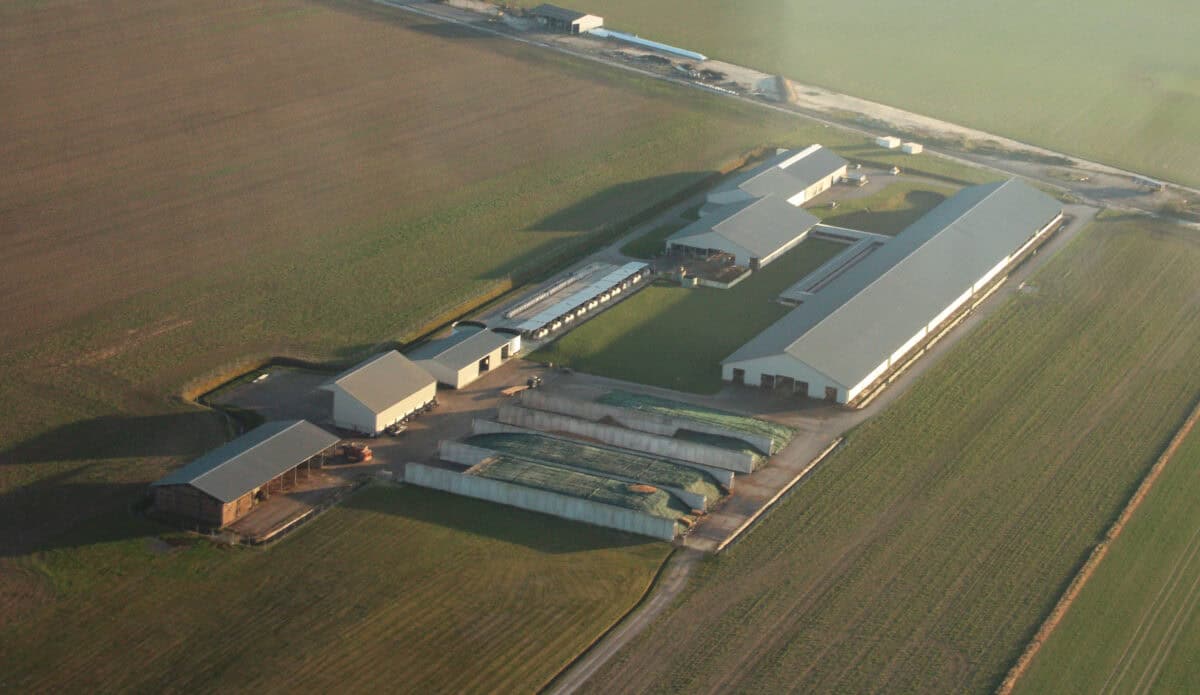
Factory farming operates on a scale that would have been unimaginable just decades ago. A single broiler chicken facility can house over 30,000 birds, while some dairy operations milk thousands of cows multiple times per day. The numbers are staggering: approximately 70 billion land animals are raised and slaughtered globally each year, with the vast majority living in industrial conditions.
This massive scale allows for unprecedented efficiency in meat production. A modern broiler chicken reaches market weight in just 6-7 weeks, compared to 16 weeks for traditional breeds. Pork production has similarly accelerated, with pigs reaching slaughter weight in about 6 months rather than the year it once took.
The concentration of animals in these facilities creates unique challenges and opportunities. While it enables economies of scale that keep food prices low, it also creates conditions that many find morally troubling. Understanding this scale is crucial to grasping both the benefits and the ethical concerns surrounding factory farming.
Arguments in Favor: Feeding a Growing Population
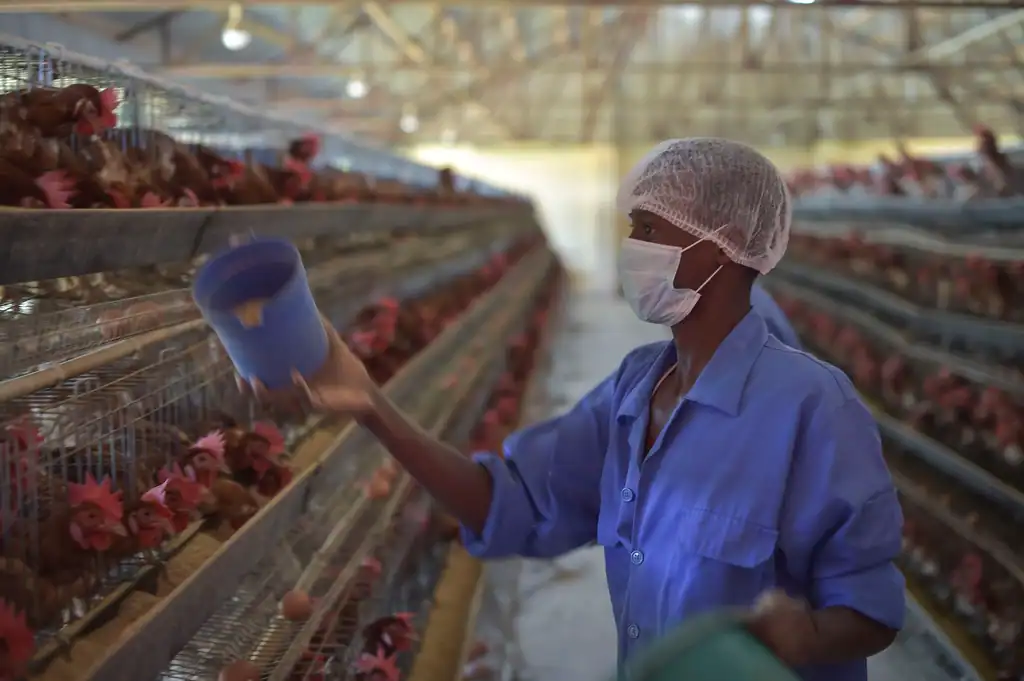
Proponents of factory farming argue that industrial agriculture is essential for food security in an increasingly populated world. With the global population expected to reach 9.7 billion by 2050, traditional farming methods simply cannot produce enough protein to meet demand. Factory farms can produce meat, eggs, and dairy at quantities and prices that make animal protein accessible to millions of people who otherwise couldn’t afford it.
The efficiency of these operations is remarkable from a production standpoint. A single farm can produce millions of pounds of meat annually, using less land per pound of protein than traditional farming methods. This efficiency translates to lower prices at the grocery store, making nutritious animal products available to lower-income families.
Supporters also point to technological advances that have improved conditions over time. Modern ventilation systems, automated feeding, and monitoring technologies have made these facilities more humane than they were in previous decades. They argue that continuous improvements in animal welfare standards show that the industry is responsive to ethical concerns.
The Economic Reality Behind Industrial Farming
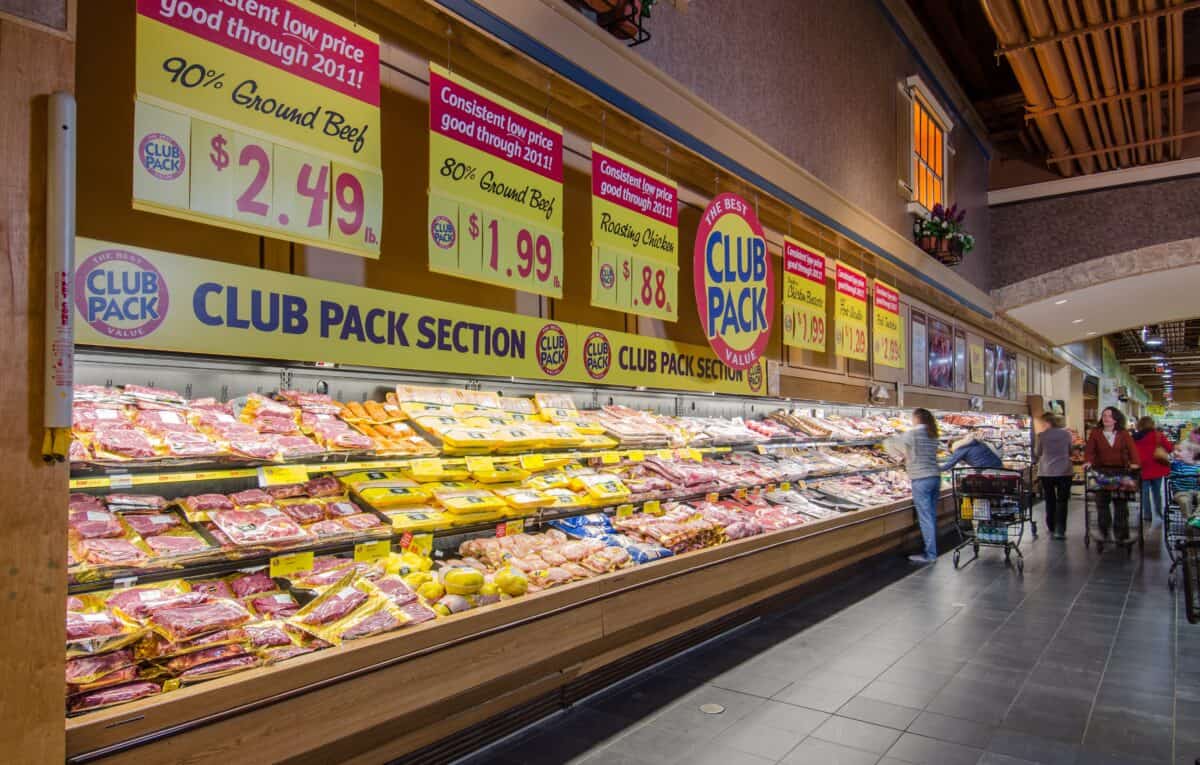
The economic arguments for factory farming are compelling and complex. These operations have dramatically reduced the cost of animal protein, making it affordable for millions of families worldwide. A chicken that cost the equivalent of $20 in today’s money during the 1930s now costs less than $5, largely due to industrial farming efficiencies.
Rural communities often depend on these facilities for employment and economic stability. A large poultry operation can employ hundreds of people directly and support thousands of indirect jobs in transportation, feed production, and processing. Many small towns have been revitalized by the presence of these agricultural operations.
The economic efficiency also extends to resource utilization. Modern factory farms use sophisticated feed conversion ratios, meaning they can produce more meat with less feed than traditional methods. This efficiency becomes increasingly important as grain prices fluctuate and arable land becomes more scarce globally.
Animal Welfare Concerns: The Heart of the Debate

The treatment of animals in factory farms represents perhaps the most emotionally charged aspect of this debate. Critics argue that confining animals in small spaces, preventing natural behaviors, and treating them as production units rather than sentient beings is fundamentally wrong. Broiler chickens often live in windowless warehouses with thousands of other birds, unable to engage in natural behaviors like dust bathing or foraging.
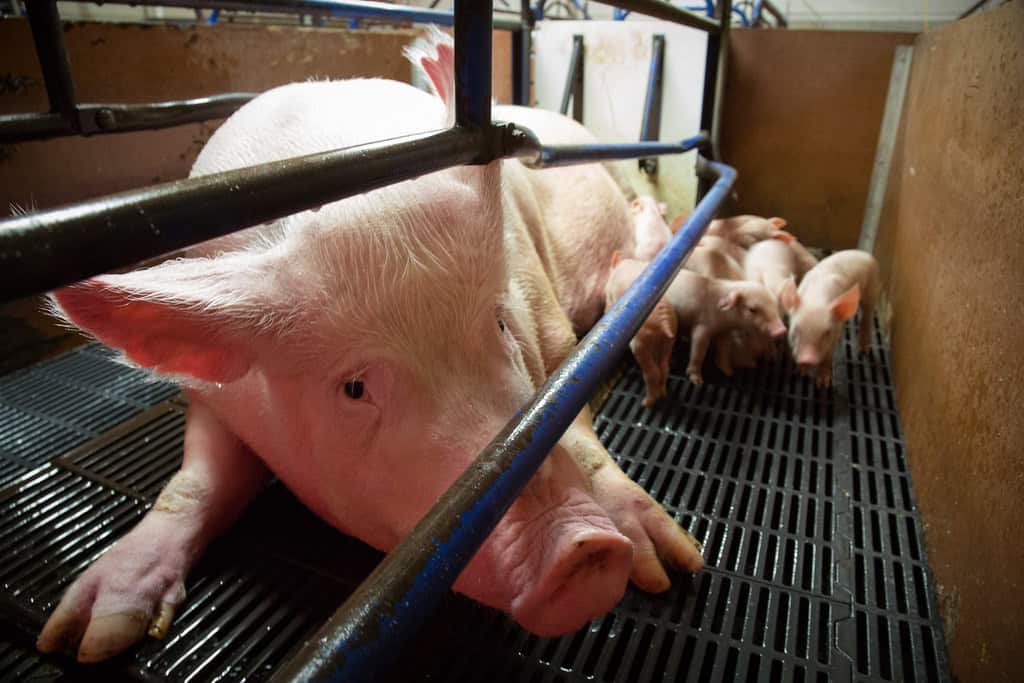
Sows in some facilities spend their entire adult lives in gestation crates so small they cannot turn around. Dairy cows may never see pasture, living instead in concrete lots or indoor facilities. These conditions, while legal and standard in the industry, raise serious questions about animal suffering and our moral obligations to creatures under our care.
However, the industry has responded with welfare improvements over the years. Many companies have committed to cage-free eggs, group housing for pigs, and improved slaughter methods. Animal welfare auditing systems have been implemented to ensure compliance with standards, though critics argue these measures don’t go far enough to address fundamental ethical concerns.
Environmental Impact: The Hidden Costs
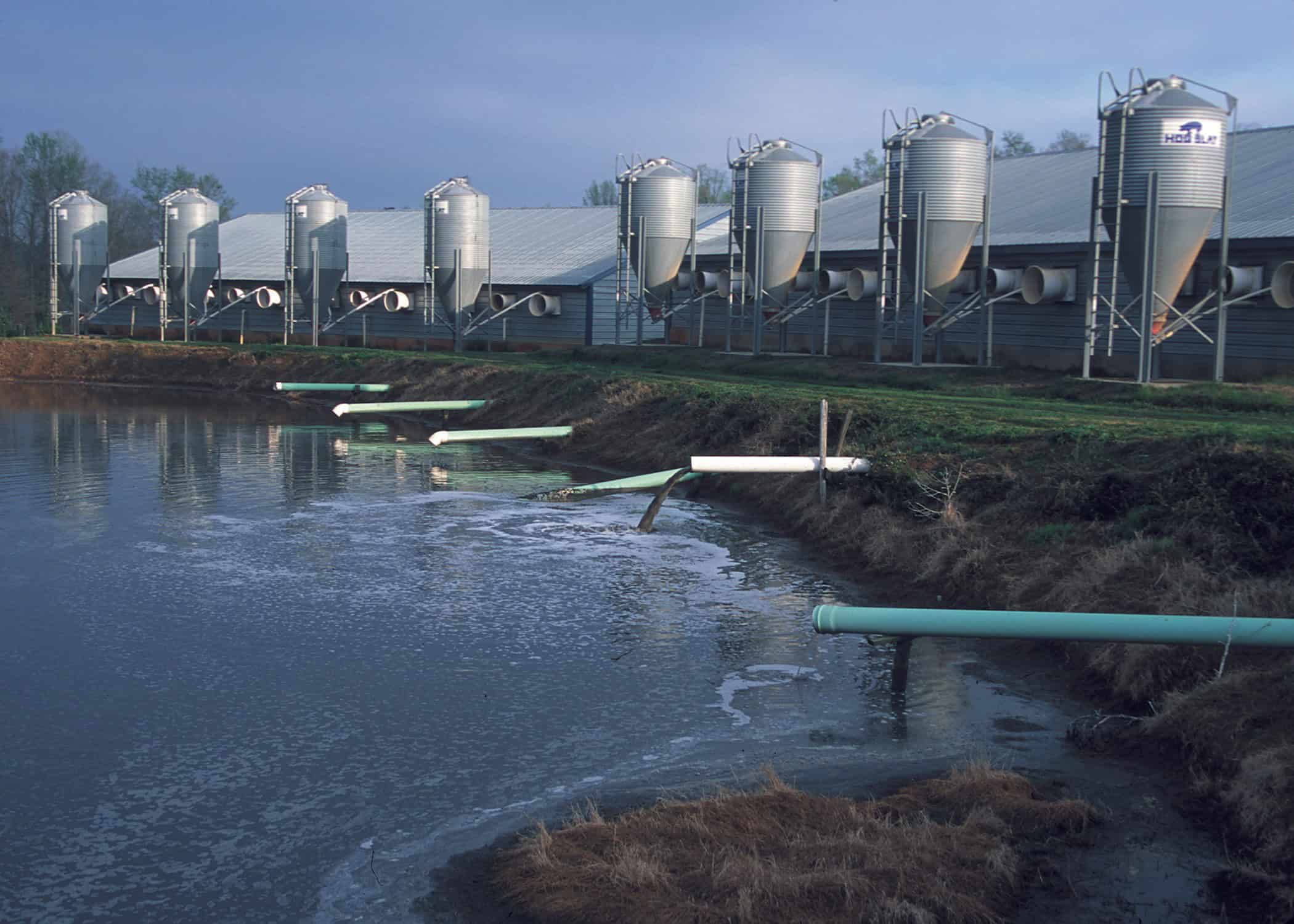
Factory farming’s environmental footprint extends far beyond the boundaries of individual farms. Livestock production is responsible for approximately 14.5% of global greenhouse gas emissions, with industrial operations contributing a significant portion of this total. The concentration of animals in factory farms creates massive amounts of waste that can overwhelm local ecosystems.
Water pollution from these facilities has contaminated rivers, lakes, and groundwater in many agricultural regions. A single large dairy operation can produce as much waste as a small city, but unlike municipal waste, animal waste often receives minimal treatment before being applied to fields or stored in lagoons.
The environmental costs also include deforestation for feed production, particularly soybeans grown in sensitive ecosystems like the Amazon rainforest. However, supporters argue that industrial farming’s efficiency actually reduces the total environmental impact per pound of meat produced compared to less intensive methods.
Public Health Implications
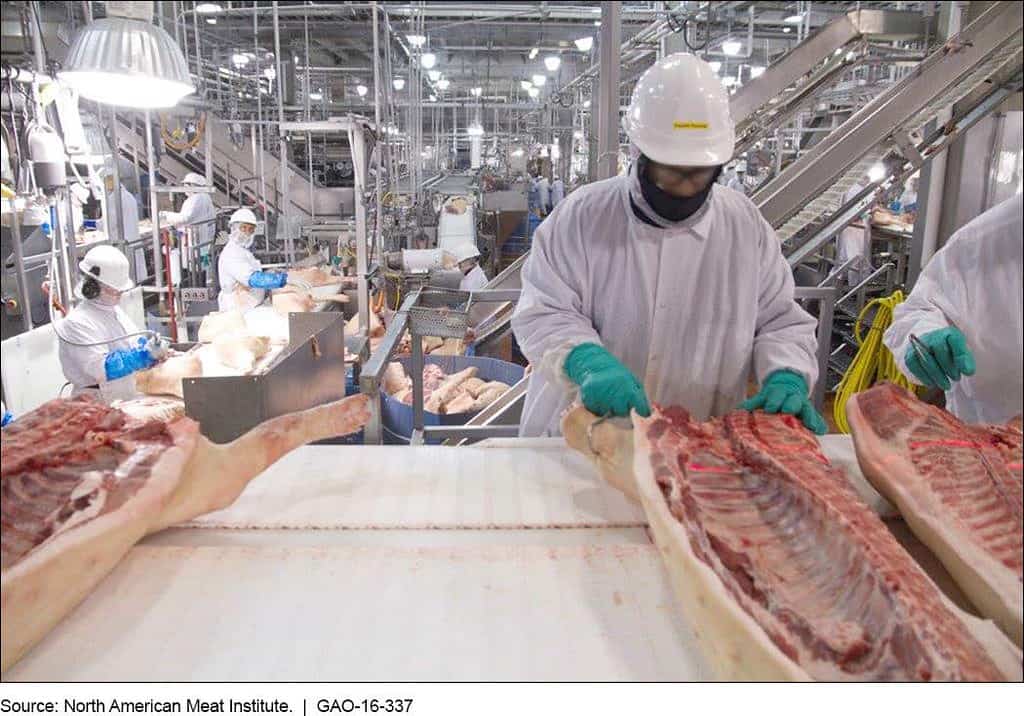
The concentration of animals in factory farms creates ideal conditions for disease transmission, requiring extensive use of antibiotics to prevent outbreaks. The World Health Organization has identified antibiotic resistance as one of the top global health threats, with agricultural use of antibiotics being a significant contributing factor.
These facilities can also serve as breeding grounds for zoonotic diseases that can jump from animals to humans. The 2009 H1N1 pandemic, commonly known as swine flu, highlighted the potential for industrial animal agriculture to contribute to global health crises. The COVID-19 pandemic has renewed attention to the connections between animal agriculture and disease emergence.
On the other hand, industrial farming’s standardization and regulation can provide better food safety controls than smaller, less regulated operations. Modern processing facilities have sophisticated monitoring systems and safety protocols that have reduced foodborne illness rates compared to historical levels.
Labor and Working Conditions
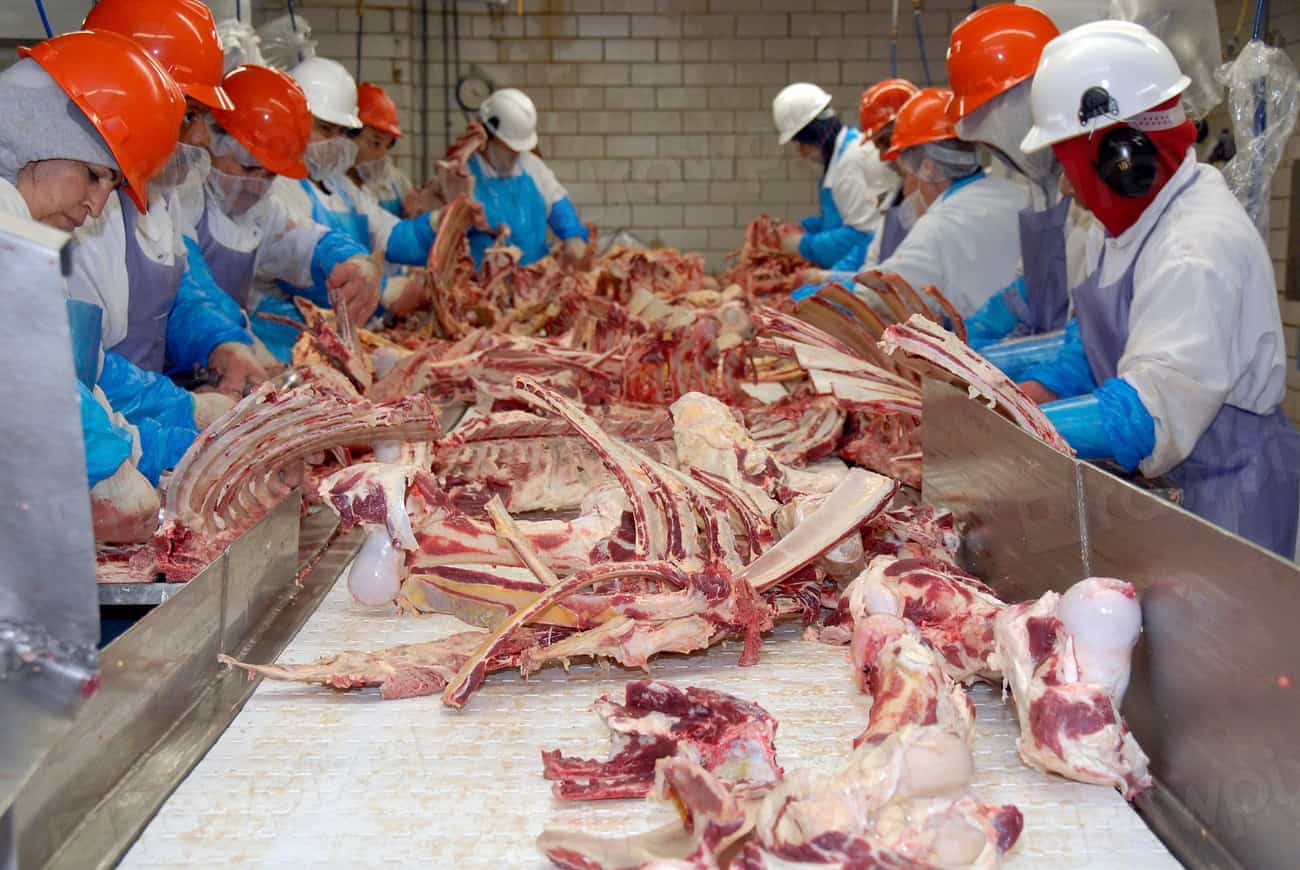
Factory farming operations often provide employment in rural areas where jobs are scarce, but the working conditions in these facilities raise their own ethical concerns. Slaughterhouse workers face some of the highest injury rates of any occupation, with repetitive stress injuries and cuts being common. The psychological toll of killing animals for hours each day also affects workers’ mental health.
Many of these jobs are filled by immigrant workers who may be vulnerable to exploitation due to their legal status. Language barriers, fear of deportation, and economic desperation can prevent workers from reporting unsafe conditions or advocating for better treatment.
However, these jobs also provide important economic opportunities for communities that might otherwise lack stable employment. The wages, while often modest, can support families and contribute to local economies in rural areas that have been hit hard by economic changes.
Alternative Approaches: Pasture-Based Systems
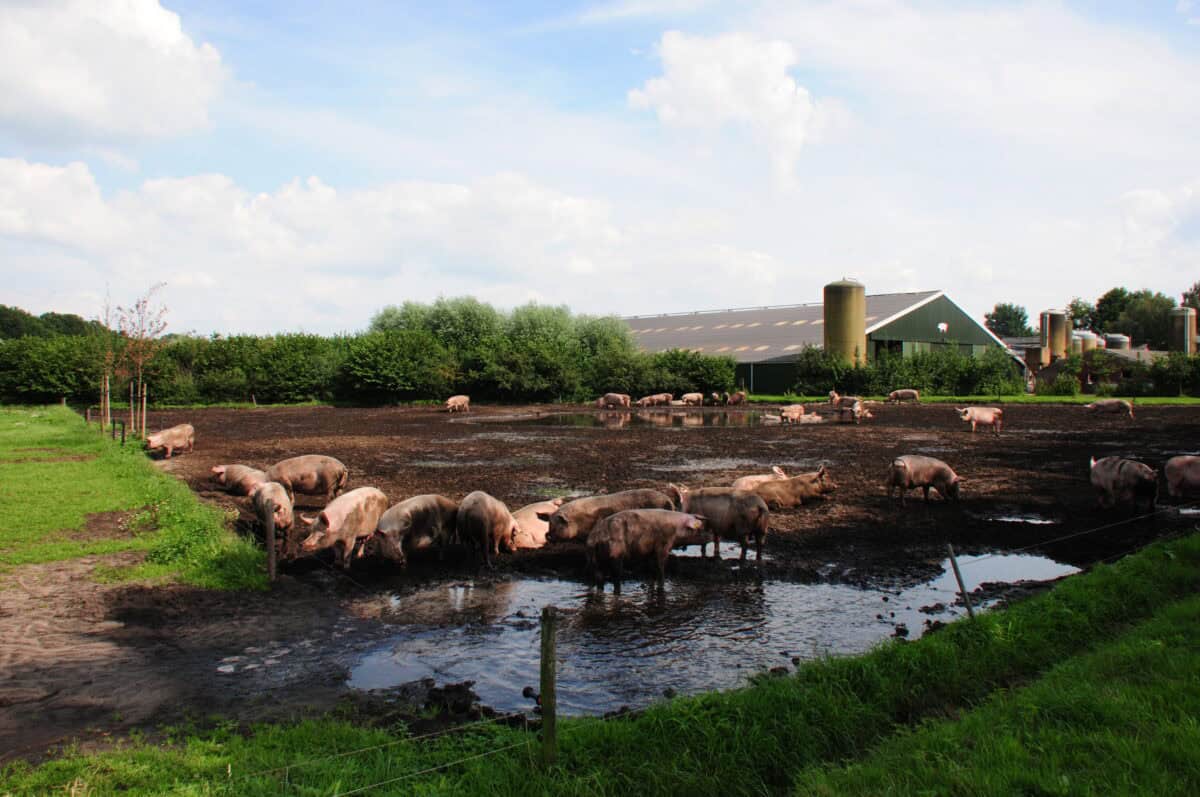
Pasture-based farming represents a stark contrast to factory farming methods. Animals in these systems live outdoors, express natural behaviors, and generally experience higher welfare standards. Cattle graze on grass, pigs root in dirt, and chickens scratch for insects and seeds.
These systems can provide environmental benefits, including carbon sequestration in grasslands, improved soil health, and reduced need for synthetic fertilizers. The animals’ natural behaviors contribute to ecosystem health through processes like seed dispersal and soil aeration.
However, pasture-based systems face significant challenges in terms of scale and efficiency. They require more land per animal, produce less meat per acre, and result in higher costs for consumers. Critics argue that these systems couldn’t possibly feed the world’s current population, let alone a growing one.
The Role of Technology in Improving Conditions
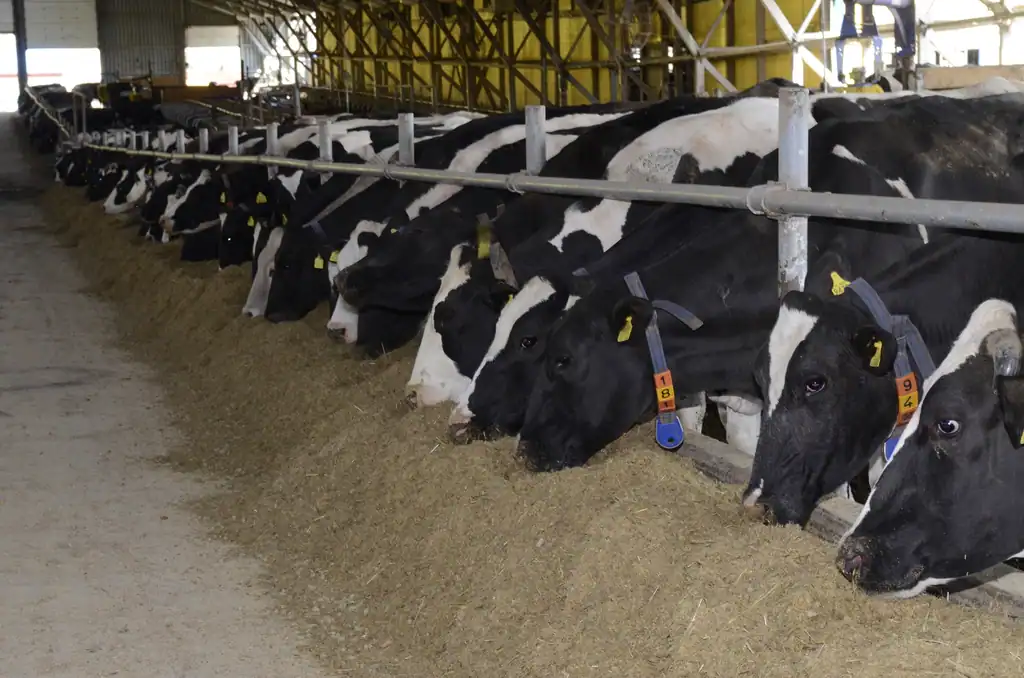
Technological innovations are beginning to address some of the ethical concerns surrounding factory farming. Precision agriculture technologies can monitor individual animals’ health and behavior, potentially improving welfare outcomes. Automated systems can provide more consistent care and reduce human error in animal handling.
Genetic technologies are being developed to address specific welfare issues, such as breeding chickens that grow more slowly and experience fewer health problems. Environmental monitoring systems can track air quality, temperature, and other factors that affect animal comfort.
Some companies are investing in alternative proteins, including plant-based meats and cultured meat grown from animal cells without raising animals. These technologies could potentially provide the benefits of factory farming efficiency while eliminating many of the ethical concerns.
Consumer Choice and Market Demand
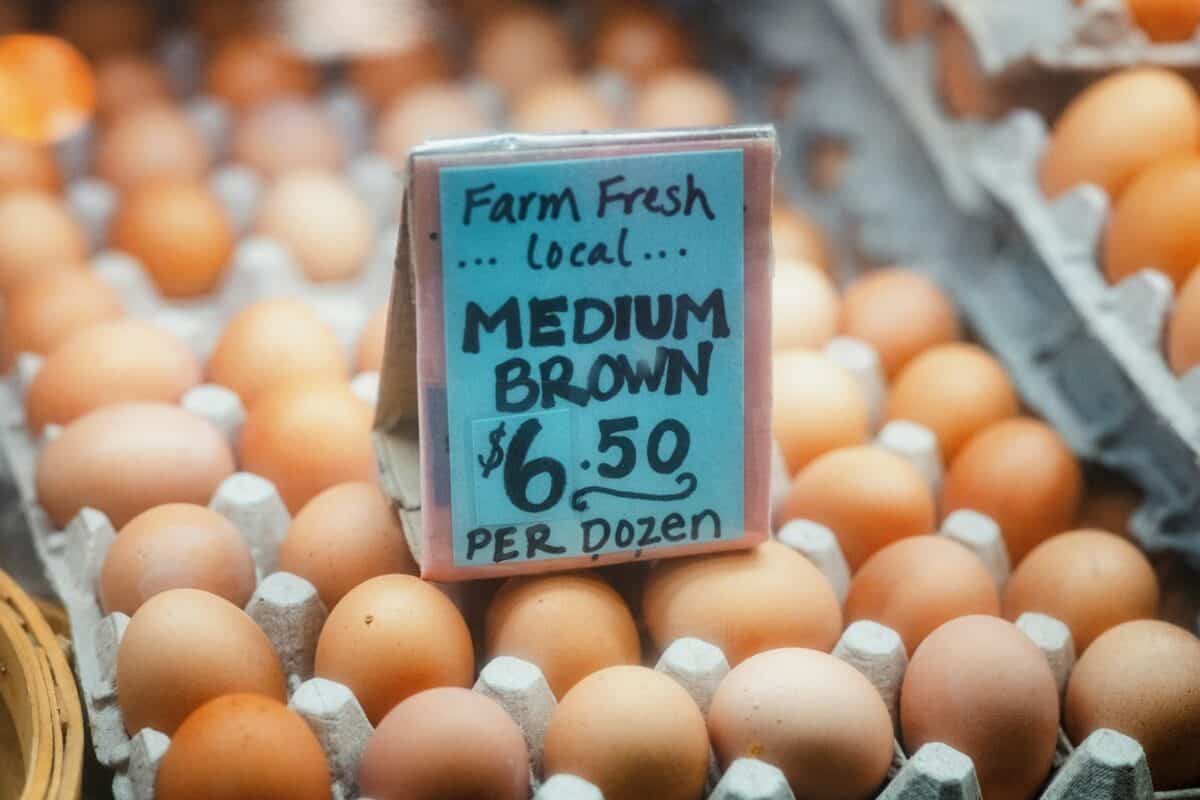
Consumer preferences are driving changes in the industry as people become more aware of farming practices. Demand for organic, free-range, and humanely-raised animal products has grown significantly, even though these products represent a small percentage of total consumption.
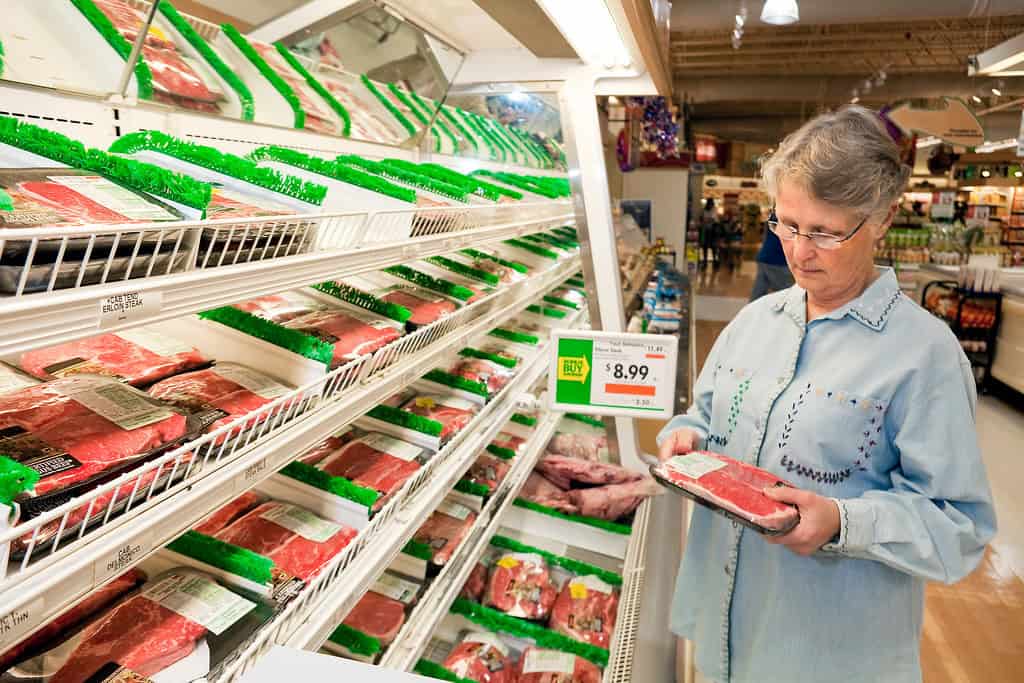
However, consumer behavior often reveals a disconnect between stated preferences and purchasing decisions. While surveys show that most people are concerned about animal welfare, the majority still choose the least expensive options at the grocery store. This price sensitivity maintains demand for factory-farmed products.
The role of marketing and labeling in shaping consumer perceptions is also significant. Terms like “natural” and “farm-fresh” can create impressions of higher welfare standards even when the actual conditions may be similar to conventional factory farms.
Regulatory Frameworks and Standards
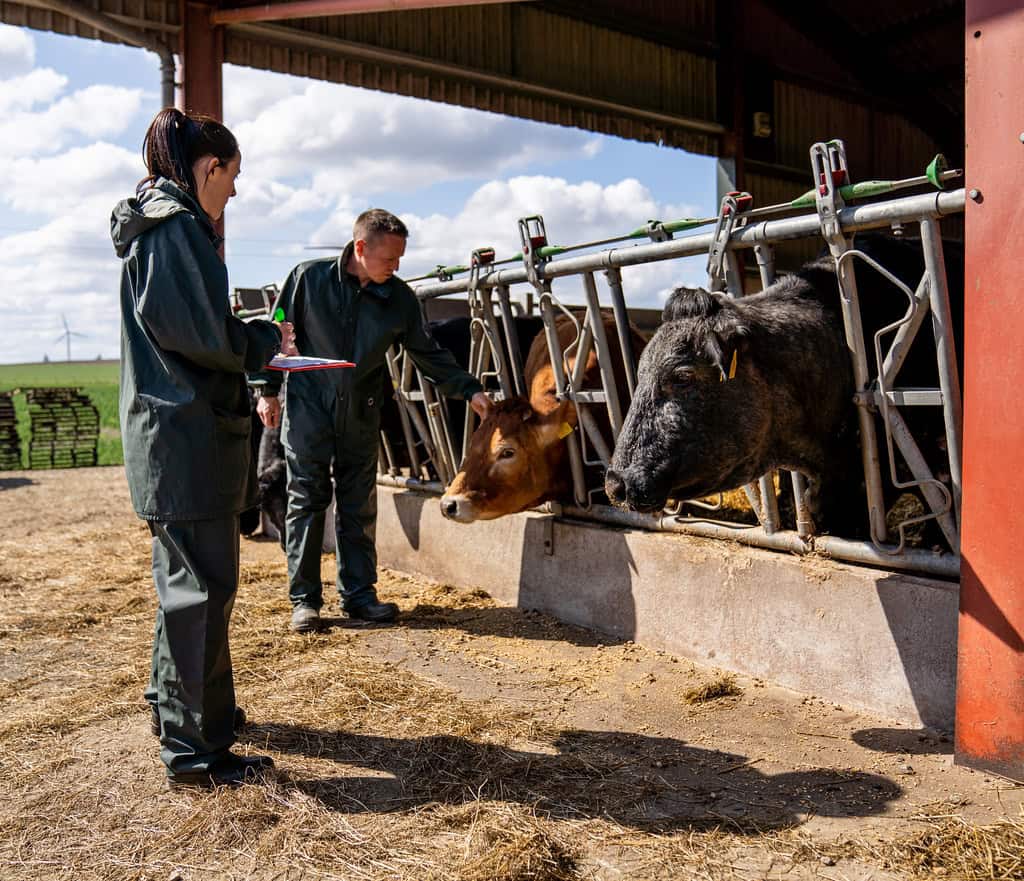
The regulation of factory farming varies dramatically across different countries and regions. The European Union has implemented some of the world’s strictest animal welfare standards, banning battery cages for laying hens and requiring more space for pigs. These regulations have improved conditions but also increased costs for producers.
In the United States, regulation is more fragmented, with states taking different approaches to animal welfare. Some states have banned certain confinement practices, while others maintain minimal standards. This patchwork of regulations creates challenges for companies operating across multiple jurisdictions.
International trade agreements and standards also play a role in shaping global practices. As consumers in importing countries demand higher welfare standards, exporting nations may be forced to improve their practices to maintain market access.
The Philosophy of Animal Rights

The ethical debate surrounding factory farming ultimately rests on fundamental questions about the moral status of animals. Animal rights philosophers argue that sentient beings have inherent value that cannot be reduced to their utility to humans. From this perspective, using animals for food production is inherently wrong, regardless of how well they are treated.
Others take a more utilitarian approach, arguing that the benefits to humans must be weighed against the costs to animals. This framework allows for animal use but requires that we minimize suffering and maximize welfare wherever possible.
Traditional views that see animals primarily as resources for human use continue to influence policy and practice. These perspectives often emphasize responsible stewardship rather than rights-based approaches to animal welfare.
Economic Externalities and True Cost Accounting

The low prices of factory-farmed products may not reflect their true costs to society. Environmental cleanup, public health consequences, and animal welfare concerns represent externalities that aren’t captured in market prices. If these costs were internalized, the economics of factory farming might look very different.
Healthcare costs associated with antibiotic resistance, environmental degradation, and occupational injuries represent billions of dollars in hidden costs. These expenses are often borne by taxpayers and society as a whole rather than by the companies or consumers who benefit from cheap animal products.
Some economists argue for carbon pricing and other mechanisms that would make these hidden costs visible in market prices. This approach could level the playing field between industrial and alternative farming methods.
Cultural and Religious Perspectives

Different cultures and religions have varying attitudes toward animal use and welfare. Many indigenous cultures have traditions of honoring animals and using every part of those killed for food. These perspectives emphasize respect and gratitude rather than efficiency maximization.
Religious traditions also offer different frameworks for thinking about our relationship with animals. Some emphasize stewardship and compassion, while others focus on dominion and use. These varying perspectives contribute to the complexity of the ethical debate.
The globalization of food systems has sometimes created conflicts between traditional practices and industrial methods. As factory farming spreads to new regions, it may clash with local cultural values and practices.
The Future of Protein Production

Emerging technologies are creating new possibilities for protein production that could reshape the entire debate. Cellular agriculture, which grows meat from animal cells without raising animals, could potentially provide the benefits of factory farming without many of the ethical concerns.
Plant-based protein technologies are advancing rapidly, creating products that closely mimic the taste, texture, and nutritional profile of animal products. These alternatives could reduce demand for factory-farmed animals while meeting consumer preferences.
However, these technologies face significant challenges in terms of scale, cost, and consumer acceptance. The transition to alternative proteins will likely take decades and may not eliminate the need for animal agriculture entirely.
Global Food Security Considerations
The relationship between factory farming and global food security is complex and contested. While industrial agriculture produces large quantities of animal protein, it also consumes significant amounts of plant protein that could feed humans directly. It takes approximately 7 pounds of grain to produce 1 pound of beef, raising questions about efficiency in a world with limited resources.
In many developing countries, animals serve multiple functions beyond meat production, including providing draft power, fertilizer, and economic security. The industrial model may not be appropriate or sustainable in these contexts.
Climate change is also affecting the viability of different farming systems. Some regions may become unsuitable for intensive animal agriculture due to water scarcity or extreme weather events, while others may become more suitable.
The Psychology of Moral Disengagement
Many people experience psychological discomfort when confronted with the realities of factory farming, yet continue to consume animal products. This phenomenon, known as the “meat paradox,” involves various psychological mechanisms that allow people to maintain their behavior despite moral concerns.
Moral disengagement strategies include avoiding information about farming practices, emphasizing the necessity of animal products, and focusing on other ethical considerations. These psychological processes help explain why awareness of factory farming conditions doesn’t always translate into changed behavior.
Understanding these psychological dynamics is important for both advocates and industry representatives who are trying to influence public opinion and policy. Effective communication strategies must account for people’s emotional responses and cognitive biases.
International Variations in Farming Practices
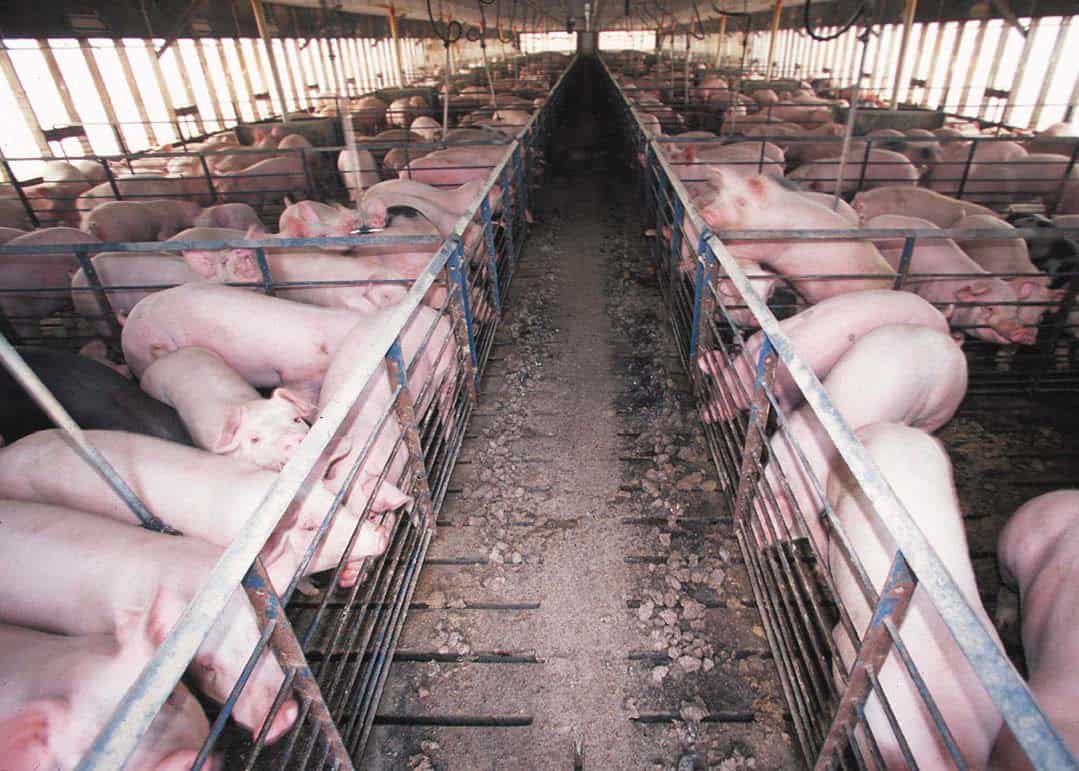
Factory farming practices vary significantly across different countries and regions, reflecting local regulations, cultural values, and economic conditions. Some countries have implemented comprehensive animal welfare laws, while others have minimal regulations.
These differences create challenges for global food companies that must navigate varying standards and consumer expectations. They also create opportunities for countries with higher standards to differentiate their products in international markets.
The trend toward harmonizing international standards could lead to improvements in factory farming practices globally. However, this process is slow and often faces resistance from industries and governments concerned about competitiveness.
The Role of Corporate Responsibility

Major food companies and restaurant chains have significant influence over farming practices through their purchasing decisions. Many have made commitments to improve animal welfare standards in their supply chains, though implementation timelines and enforcement mechanisms vary.
Consumer pressure and advocacy campaigns have been successful in pushing some companies to adopt higher welfare standards. However, critics argue that these commitments often fall short of addressing fundamental ethical concerns and may be more about marketing than meaningful change.
The challenge for companies is balancing consumer expectations, cost considerations, and practical implementation challenges. Some have found that improved welfare standards can actually reduce costs through better animal health and productivity.
The debate over factory farming ultimately reflects deeper questions about our relationship with animals, the environment, and each other. While industrial agriculture has succeeded in producing large quantities of affordable animal protein, it has also created significant ethical, environmental, and social costs that cannot be ignored. The arguments on both sides have merit: the need to feed a growing population is real, but so is the suffering of billions of animals in industrial conditions.
Conclusion

As we move forward, the solution likely lies not in choosing one extreme or the other, but in finding ways to maintain food security while addressing the legitimate concerns about animal welfare, environmental sustainability, and public health. This may involve improving conditions within existing systems, transitioning to alternative production methods, or developing new technologies that can provide the benefits of industrial agriculture without the ethical costs. The choices we make as consumers, voters, and global citizens will ultimately determine which path we take. What kind of food system do we want to leave for future generations?

- How Accurate Is the Wolf Behavior in Twilight and Game of Thrones? - July 28, 2026
- Spiders of the Amazon Rainforest: Fierce and Fascinating - July 28, 2026
- From Babe to Babe 2: What’s Life Like for Real Farm Animals? - July 27, 2026