


Zoos have existed for centuries, evolving from royal menageries to modern biodiversity reserves. Initially, the main purpose of zoos was entertainment, providing the public with a chance to view exotic animals they would never encounter in their everyday lives. However, in recent decades, zoos have refocused their mission. Today, many zoos emphasize conservation, education, research, and recreation. They aim to serve as living classrooms and genetic reservoirs for many endangered species.
Conservation Efforts

One of the strongest arguments in favor of zoos is their role in conservation. As human activities threaten natural habitats, zoos act as arks for endangered species, offering breeding programs and research opportunities. For instance, the role of zoos in the recovery of species like the California condor and the black-footed ferret is often celebrated. These institutions provide a controlled environment where breeding and scientific studies can be conducted without the pressures faced in the wild.
Educational Impact
Another crucial function of zoos is education. They offer a firsthand experience that can inspire and educate the public, especially younger generations about biodiversity and environmental issues. Interactive exhibits, informational plaques, and guided tours aim to foster a connection between visitors and the animals, potentially igniting a commitment to wildlife conservation. This educational mission raises awareness about the impacts of habitat destruction, poaching, and climate change on wildlife populations.
Scientific Research
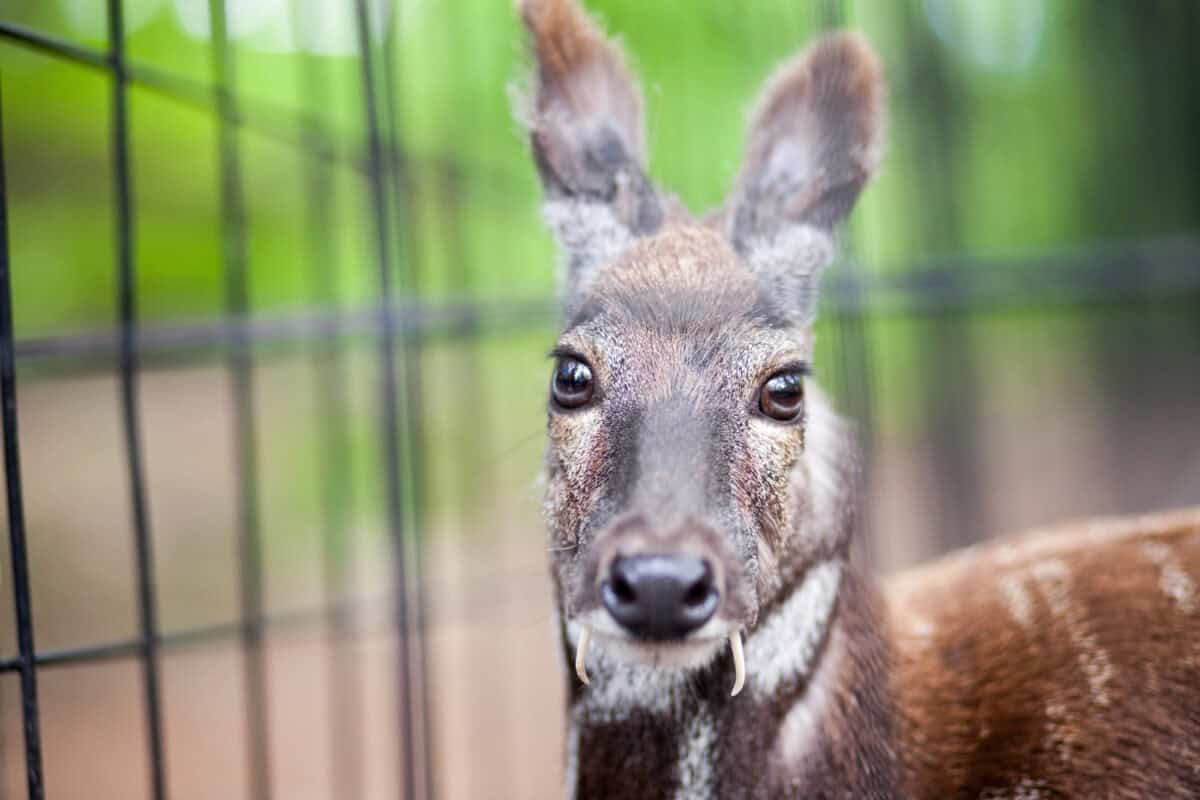
Zoos also contribute to scientific research. They provide a valuable resource for studying animal behavior, genetics, and reproduction. This knowledge can be critical in developing strategies for wildlife conservation both in captivity and in the wild. Long-term data collection on animal health and genetics is invaluable for understanding the needs of species that may otherwise be impossible to study due to their declining numbers in the wild.
Ethical Dilemmas
Despite their many contributions, zoos are not without ethical controversies. Critics argue that keeping animals captive for human entertainment is inherently unethical, regardless of the potential conservation benefits. The restricted space and unnatural conditions of captivity can lead to physical and psychological stress among animals, a phenomenon often referred to as “zoochosis.” Symptoms can include repetitive behaviors, depression, and aggression, raising questions about the quality of life for animals living in zoos.
Considerations of Space and Habitat
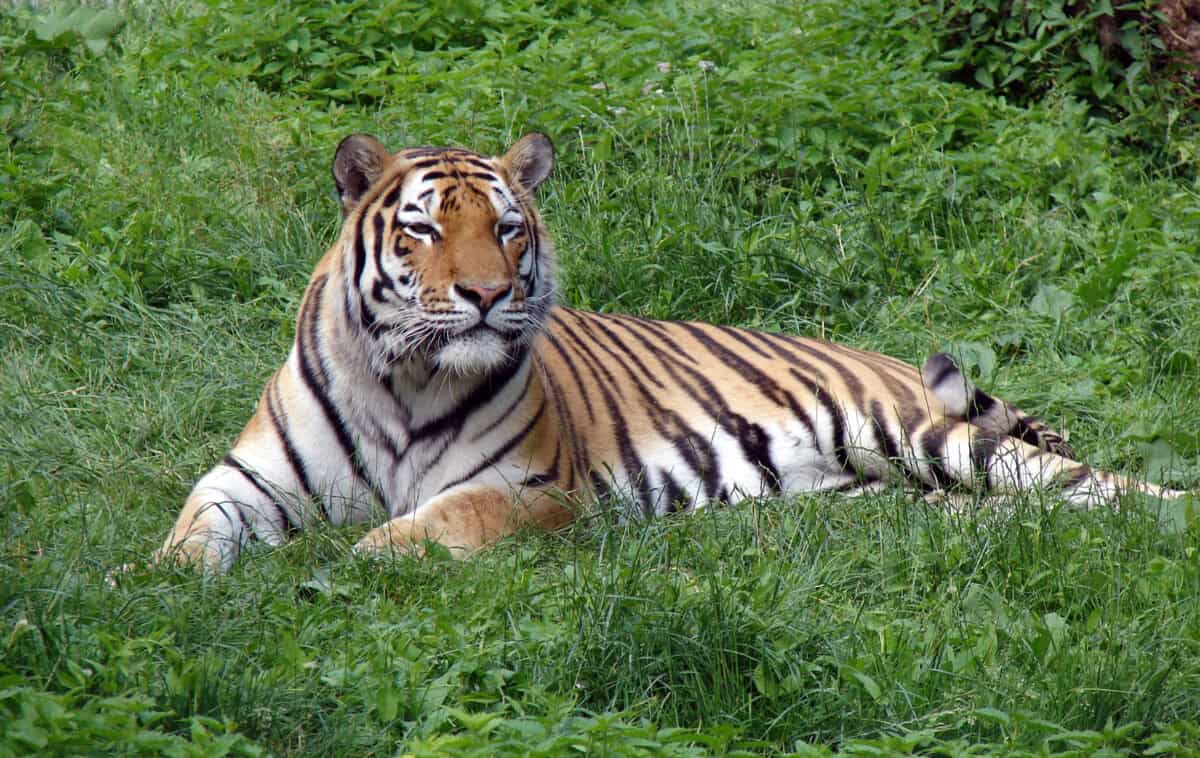
One of the most contentious issues is the adequacy of captive habitats. Animals in the wild roam for miles, hunt for food, and interact in complex social structures. In comparison, zoo enclosures, though often designed to mimic natural habitats, are limited in size and complexity. For social animals or those with vast ranges in the wild, such restrictions can significantly impact their well-being, challenging the notion of zoos as sanctuaries.
Sanctuaries as Alternatives
Animal sanctuaries present an alternative to traditional zoos by prioritizing animal welfare over public display and commercial interests. These facilities focus on rescuing and rehabilitating animals, often those that are no longer able to survive in the wild due to trauma or habitat loss. Unlike zoos, sanctuaries do not breed animals unless it’s part of a reintroduction program or to safeguard a species. They strive to provide environments that closely resemble the animals’ natural habitats, thus minimizing human interference and maximizing animal autonomy.
The Middle Ground: Ethical Zoos

Some argue for a reimagining of the traditional zoo model, transforming them into ethical centers for conservation and education. This approach emphasizes spacious, well-enriched habitats, prioritizes species that benefit the most from conservation efforts, and showcases fewer animals while dedicating more resources to improving their living conditions. The best of these institutions work collaboratively with wildlife organizations worldwide and contribute significant resources to conservation efforts in the wild.
Conclusion
The debate over whether zoos are lifesaving sanctuaries or ethical quagmires remains complex. While they play a significant role in conservation and education, the ethical dilemmas associated with captivity cannot be dismissed. The challenge lies in balancing the needs of animals with the educational and conservational missions. Perhaps the future of zoos will depend on embracing innovations and ethical practices that prioritize animal welfare while continuing to educate and inspire the public to conserve wildlife and their natural habitats.
What are your thoughts, are zoo’s a good place for animals? Do you think these are ethical places for animals to be kept? What would be an alternative to a zoo? Comment your thoughts below!

From exploring the marine wonders in the Azores and witnessing the vast savannas of Kenya, to delving deep into the rich biodiversity of South Africa and traversing iconic landscapes in Australia and the US like Yellowstone, Chris's experiences are vast.
With a penchant for diving alongside sharks, the ocean holds a special place in his heart.
Through his academic insights, he champions wildlife conservation, striving with 'Animals Around The Globe' to cultivate a profound connection between humans and animals, enhancing our mutual appreciation.
Connect with him at Feedback@animalsaroundtheglobe.com.
- Meet the Mantis Shrimp: The Sea Creature That Punches Like a Bullet - July 18, 2026
- Dugongs and Their Slow Mating Rituals in the Ocean - July 18, 2026
- How Animal Exhibits Are Evolving to Promote Conservation - July 17, 2026