

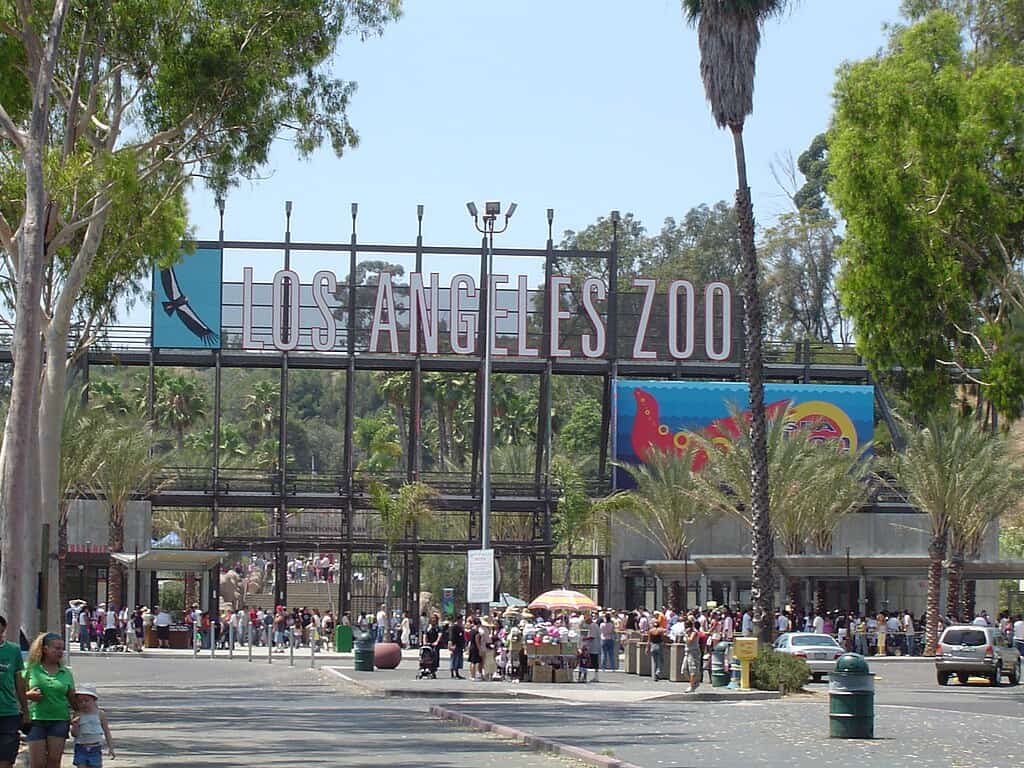
As we navigate through 2025, the ethical standing of zoos continues to be a complex and evolving conversation. The traditional concept of zoos has undergone significant transformation over the decades, shifting from mere entertainment venues to conservation centers with educational missions. However, as our understanding of animal cognition, welfare needs, and rights expands, so too does the scrutiny applied to these institutions. Today’s zoos face unprecedented challenges balancing their historical roles with modern ethical expectations, advanced technological alternatives, and changing public perceptions. This article examines whether zoos can still claim ethical legitimacy in 2025’s cultural, scientific, and environmental landscape.
The Evolution of Zoos: From Menageries to Conservation Centers
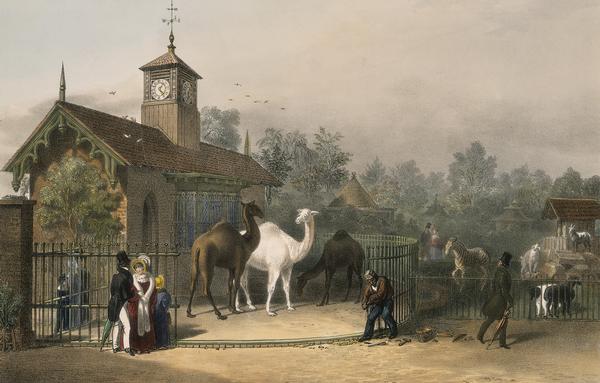
The concept of zoos has dramatically transformed since their inception. Early zoos, or menageries, dating back to ancient civilizations, primarily existed to display exotic animals as symbols of power and wealth. By the 18th and 19th centuries, public zoological gardens emerged across Europe and North America, focusing primarily on entertainment and rudimentary scientific study. The transition toward conservation and education began in earnest during the late 20th century, accelerating into the 21st. By 2025, many accredited zoos have positioned themselves as critical conservation hubs, participating in breeding programs for endangered species, conducting valuable research, and providing educational experiences that aim to foster ecological awareness. This evolution reflects broader societal shifts in how we perceive our relationship with wildlife and our responsibility toward environmental stewardship. However, critics argue that despite these progressive changes, the fundamental concept of captivity remains problematic.
Conservation Success Stories: When Zoos Make a Difference
Proponents of modern zoos point to tangible conservation successes as evidence of their ethical value. By 2025, coordinated breeding programs have helped bring numerous species back from the brink of extinction. The Arabian oryx, California condor, black-footed ferret, and Przewalski’s horse stand as testaments to zoo-based conservation efforts. The latest data shows that accredited zoos worldwide now participate in over 800 species survival plans, contributing to the preservation of genetic diversity for threatened species. The San Diego Zoo Wildlife Alliance alone has helped reintroduce 44 species to their native habitats as of 2025. Beyond breeding programs, many zoos fund field conservation projects, with the Association of Zoos and Aquariums (AZA) member institutions collectively contributing over $250 million annually to conservation initiatives in natural habitats. These concrete achievements form the backbone of the ethical case for zoos in the modern era, representing tangible benefits that advocates argue outweigh the costs of maintaining animals in captivity.
The Captivity Controversy: Space Constraints and Natural Behaviors
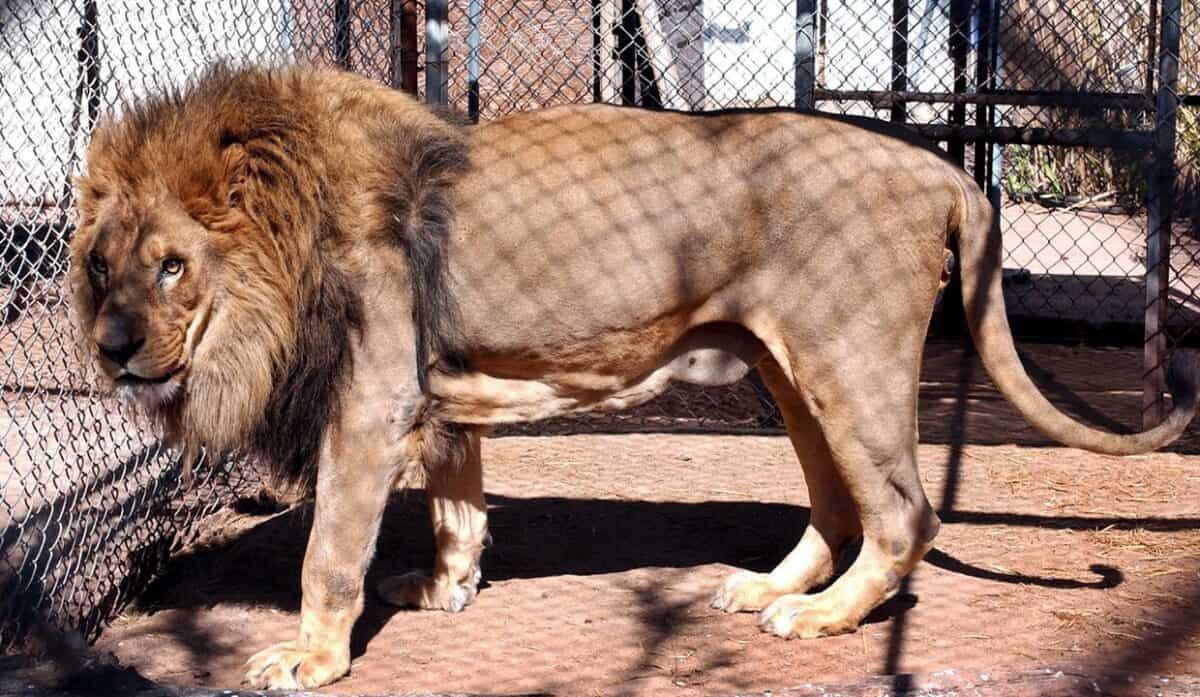
Despite conservation successes, the fundamental issue of captivity remains ethically contentious. Critics emphasize that even the most advanced zoo habitats in 2025 cannot replicate the spatial dimensions and complexity of natural environments. Large, wide-ranging animals like elephants, which naturally travel up to 50 miles daily in the wild, typically have access to just a fraction of that space in captivity. Marine mammals face similar restrictions, with orcas that swim up to 100 miles daily in the ocean confined to tanks. Recent neuroscience research has further illuminated how captivity affects brain development and function in various species, with documented impacts on cognitive abilities and stress response systems. While leading zoos have implemented environmental enrichment programs to stimulate natural behaviors, studies continue to document stereotypic behaviors—repetitive movements like pacing, swaying, or self-mutilation—in captive animals, indicating psychological distress. These behaviors are observed in approximately 85% of captive large carnivores worldwide, raising questions about whether even the most well-resourced facilities can truly meet the psychological and behavioral needs of all species in their care.
The Education Argument: Do Zoos Actually Teach?
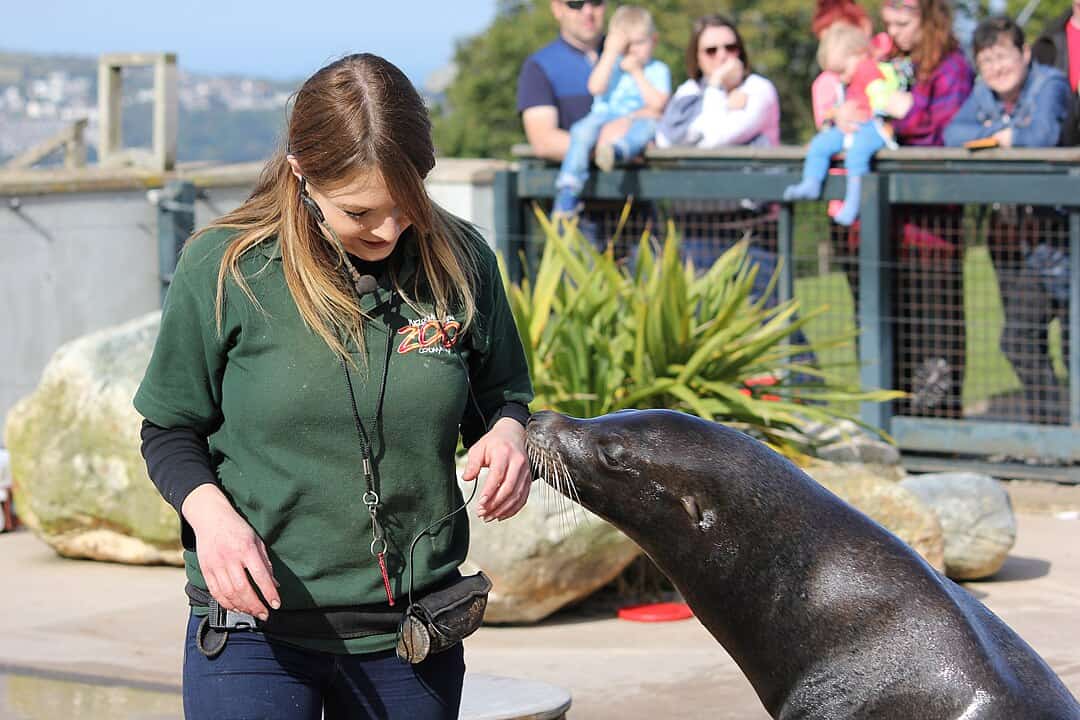
By International Fund for Animal Welfare – https://www.dailymaverick.co.za/article/2015-03-16-canned-lion-hunting-cruel-and-barbaric-says-australia/, CC BY-SA 4.0, https://commons.wikimedia.org/w/index.php?curid=103194081. Image via Wikipedia
Education represents a cornerstone of the modern zoo’s ethical justification. Zoos maintain that observing living animals creates powerful, memorable learning experiences that foster conservation awareness and environmental stewardship. In 2025, many accredited zoos have developed sophisticated educational programming, incorporating interactive technology, guided experiences, and curriculum-aligned materials. However, research examining the actual educational impact of zoo visits shows mixed results. A comprehensive 2024 meta-analysis of 45 studies found that while zoo visits do increase immediate knowledge about animals, the long-term behavioral impact on conservation actions remains modest. Critics argue that seeing animals in artificial environments may actually reinforce problematic human-animal relationships rather than teaching ecological understanding. They point to studies showing that many visitors spend less than a minute at each exhibit, often focusing more on entertainment aspects than educational content. Additionally, the emergence of advanced virtual reality nature experiences, high-definition wildlife documentaries, and immersive educational technology has provided alternatives that some argue deliver comparable or superior learning outcomes without the ethical complications of captivity.
Animal Welfare Advancements: The 2025 Standards
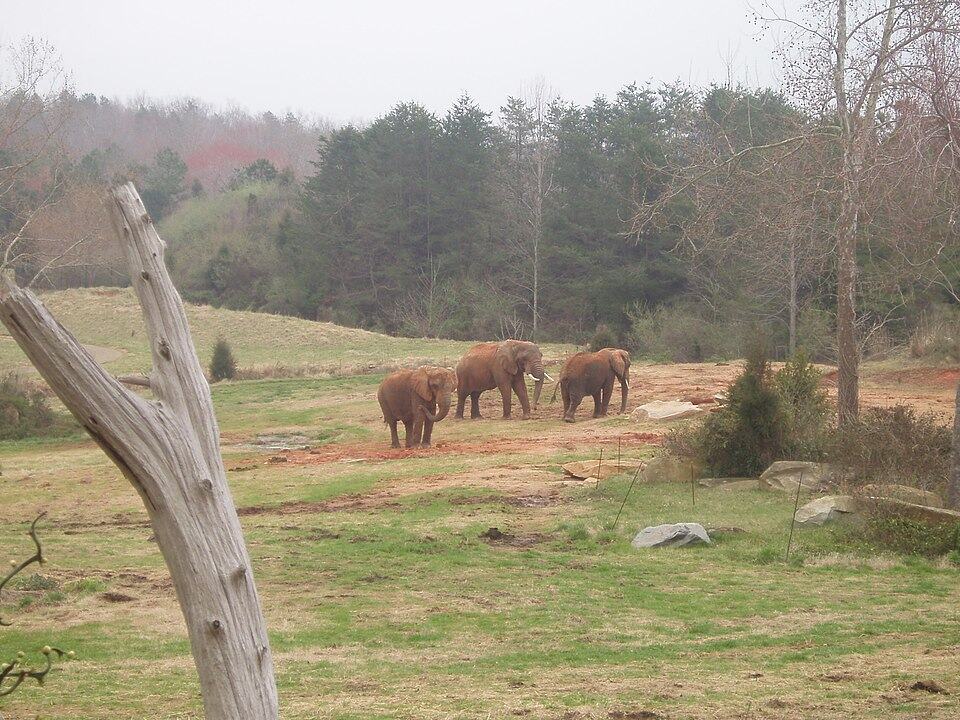
The past decade has witnessed significant advancements in zoo animal welfare standards. By 2025, leading accreditation bodies have implemented rigorous welfare assessment protocols that go beyond basic needs to consider psychological well-being and natural behavior expression. Modern zoos increasingly utilize evidence-based welfare assessment tools that measure positive states rather than merely the absence of suffering. The Five Domains Model, which considers nutrition, environment, health, behavioral interactions, and mental state, has become the gold standard. Advanced monitoring technologies, including AI-powered behavior analysis systems, now allow for continuous welfare assessment at progressive facilities. Habitat design has evolved dramatically, with ethical zoos allocating substantially more resources to creating complex, enriched environments that offer greater choice and control to animals. These improvements include larger, more naturalistic enclosures, variable terrain, multiple microhabitats, and sophisticated feeding systems that encourage foraging behaviors. While these advancements represent significant progress, critics maintain that they merely mitigate rather than solve the inherent problems of captivity, particularly for certain species with complex cognitive, social, and spatial needs that cannot be adequately addressed within zoo settings.
The Economics of Modern Zoos: Financial Pressures and Ethical Compromises
The economic realities of operating zoos in 2025 create tensions that often influence ethical decisions. Running a modern, welfare-centered zoo requires substantial financial resources. The average annual operating budget for a medium-sized accredited zoo now exceeds $20 million, with larger institutions requiring significantly more. These costs have risen sharply with improved welfare standards, sophisticated habitats, and conservation programs. To meet these financial demands, zoos rely on visitor revenue, requiring them to balance welfare considerations with visitor expectations and entertainment value. This economic pressure can lead to ethically questionable decisions, such as prioritizing charismatic “visitor-attractive” species over those with greater conservation needs, or designing exhibits that favor visitor viewing over animal welfare. The commercial aspects of many zoos—gift shops, food concessions, special events, and animal encounters—further complicate their ethical standing. Additionally, smaller or under-resourced zoos often struggle to meet higher welfare standards while remaining financially viable. Recent economic analyses reveal that only about 30% of zoo expenditures typically go directly to conservation programs, raising questions about whether the captivity of thousands of animals can be justified by the portion of resources actually dedicated to saving wild populations.
The Impact of Climate Technology: New Conservation Approaches

Technological advancements in 2025 have transformed conservation efforts, offering alternatives to traditional zoo-based approaches. Drone monitoring, satellite tracking, environmental DNA sampling, and AI-powered wildlife monitoring systems now allow for non-invasive study and protection of species in their natural habitats. Genome banking initiatives have advanced significantly, with cryopreservation techniques now capable of storing genetic material from thousands of threatened species without requiring living specimens in captivity. Reproductive technologies like artificial insemination, embryo transfer, and even synthetic embryos provide new pathways for species preservation. Virtual and augmented reality technologies have created immersive wildlife experiences that some studies suggest generate comparable emotional connections and educational outcomes to in-person animal encounters. Additionally, sophisticated habitat restoration technologies and community-based conservation initiatives have demonstrated impressive success rates in protecting species in situ. These technological developments raise important questions about whether the traditional zoo model remains the most effective or ethical approach to conservation in 2025, particularly as the climate crisis intensifies and habitat preservation becomes increasingly urgent.
The Sanctuary Alternative: A Middle Ground?

Wildlife sanctuaries have emerged as an ethical alternative to traditional zoos, gaining significant public support by 2025. Unlike conventional zoos, true sanctuaries focus primarily on providing lifetime care for animals that cannot survive in the wild due to injury, confiscation from illegal trade, or prior captivity. These facilities typically do not breed animals, purchase specimens, or use them for commercial entertainment. Leading sanctuaries offer substantially more space per animal than typical zoos, with some providing hundreds of acres for elephants or primates to roam. They prioritize the animals’ natural behavior and psychological well-being over visitor viewing opportunities. By 2025, the Global Federation of Animal Sanctuaries has established rigorous accreditation standards that over 200 facilities worldwide now meet. While sanctuaries typically accommodate fewer species and individuals than zoos, their welfare-centered approach has been shown to significantly reduce stress behaviors and health issues in formerly captive animals. Many sanctuaries complement their rescue work with conservation initiatives, anti-poaching efforts, and educational programs. This model represents a potential middle ground that addresses some ethical concerns about captivity while still providing opportunities for conservation and education.
Public Opinion Shifts: How Society Views Zoos in 2025

Public perception of zoos has undergone significant transformation by 2025, influenced by increased awareness of animal cognition, ethical considerations, and environmental issues. Recent polling data shows a marked generational divide, with Generation Z and younger millennials expressing substantially more skepticism about the ethics of animal captivity than older generations. A 2024 global survey of 25,000 respondents across 30 countries found that 67% support zoos that demonstrate strong conservation outcomes, but only 28% support facilities primarily focused on entertainment. Public approval varies dramatically by species, with support for keeping large, intelligent, wide-ranging animals like elephants, great apes, and cetaceans in captivity dropping below 30% among respondents under 35. Social media campaigns highlighting captive animal welfare concerns have significantly influenced public discourse, with several viral incidents prompting regulatory reviews. This evolving public sentiment has already impacted attendance patterns and financial viability at facilities perceived as having lower welfare standards. Forward-thinking zoos have responded by increasing transparency, emphasizing their conservation impact, and in some cases, phasing out exhibits of particularly controversial species in favor of focusing on animals that adapt better to captivity or have urgent conservation needs.
The Species-Specific Ethical Question

The ethics of zoo captivity has increasingly become recognized as a species-specific question rather than a one-size-fits-all issue. By 2025, a substantial body of evidence demonstrates that different species adapt to captivity with varying degrees of success. Research combining behavioral, physiological, and cognitive measures has identified species characteristics that predict poor welfare outcomes in zoo settings. Animals with large natural ranges, complex social structures, high intelligence, specialized foraging behaviors, and specific environmental needs typically fare worse in captivity. Elephants, large cetaceans, polar bears, cheetahs, and certain primates show particularly high rates of stress-related behaviors and health issues in zoo environments. Conversely, some species—including certain reptiles, smaller mammals, and some bird species—demonstrate relatively successful adaptation to appropriate captive habitats. This recognition has led progressive facilities to make species-specific ethical assessments, phasing out exhibits of animals that consistently show poor welfare outcomes while focusing conservation breeding efforts on species that can thrive under human care. This nuanced approach acknowledges that the ethical evaluation of zoos cannot be reduced to a simple yes or no question but requires careful consideration of each species’ unique needs and capacities.
Legal and Regulatory Developments

The legal landscape governing zoos has evolved significantly by 2025, reflecting changing ethical standards and scientific understanding. Several jurisdictions have enacted legislation specifically addressing the welfare needs of captive wild animals. The European Union’s updated Zoos Directive, implemented in 2023, established more stringent welfare requirements and conservation contributions for all EU zoological facilities. In North America, several states have passed legislation prohibiting the captivity of certain species, particularly marine mammals and elephants, with grandfather clauses for existing animals but bans on new acquisitions. New Zealand’s groundbreaking 2024 Captive Wildlife Ethics Act introduced a sliding scale of requirements based on species-specific welfare research, imposing the strictest standards for highly cognitive, wide-ranging species. At the international level, CITES (Convention on International Trade in Endangered Species) has strengthened regulations regarding the movement of endangered species between zoological facilities, requiring more robust evidence of conservation benefit to approve transfers. These legal developments have created a more demanding regulatory environment that smaller or less-resourced facilities struggle to meet, contributing to industry consolidation and specialization. The trend indicates a legal framework increasingly focused on welfare outcomes and conservation impact rather than minimum standards of care.
The Future Zoo: Emerging Models and Innovations

In response to ethical challenges, innovative zoo models have emerged by 2025 that reimagine the traditional concept. Several forward-thinking institutions have transitioned to become primarily conservation centers with limited public access, focusing resources on breeding and research programs for critically endangered species while reducing their overall collection size and diversity. Others have pioneered the “biodome” approach, creating large-scale enclosed ecosystems that allow animals significantly more space and natural behavior opportunities while still enabling public education. Some zoos have established partnerships with wildlife reserves in species’ native ranges, creating “sister sanctuaries” where animals can be transferred to semi-wild conditions while maintaining conservation and research programs. Technology integration has accelerated, with some facilities incorporating virtual and augmented reality to supplement or replace live animal exhibits for certain species. The “conservation park” model combines limited species-specific animal habitats with ecosystem restoration areas, creating venues that focus on habitat conservation rather than individual animals. These evolving approaches suggest potential pathways for ethically defensible zoo-like institutions in the future, emphasizing that the ethical evaluation of zoos is not static but continues to develop alongside our understanding of animal needs and conservation challenges.
The question of whether zoos remain ethical in 2025 defies a simple answer, reflecting the complex intersection of animal welfare, conservation necessity, educational value, and evolving social values. The ethical standing of any particular zoo depends on multiple factors: its specific practices, resource allocation to welfare and conservation, species selection, habitat design, and transparency. While the traditional zoo model faces legitimate criticism, the conservation contributions of well-resourced, accredited facilities cannot be dismissed, particularly as wild habitats continue to disappear at alarming rates. Moving forward, the most ethically defensible path appears to involve a transformation rather than wholesale rejection of zoological institutions—evolving toward models that prioritize the welfare of individual animals, make meaningful conservation contributions, and honestly acknowledge the limitations of captivity. This evolution must include phasing out the captivity of species that consistently demonstrate poor welfare outcomes while focusing resources on those that can thrive under human care while benefiting from conservation intervention. As we navigate these complex ethical waters, continued research, public dialogue, and regulatory oversight remain essential to ensure that our efforts to preserve biodiversity respect the intrinsic value and needs of the individual animals in our care.

- The Story Behind the Red Panda’s Endangered Status - July 18, 2026
- Are You Really Swallowing Spiders in Your Sleep? - July 18, 2026
- Why Japanese Macaques Love Hot Springs - July 17, 2026