

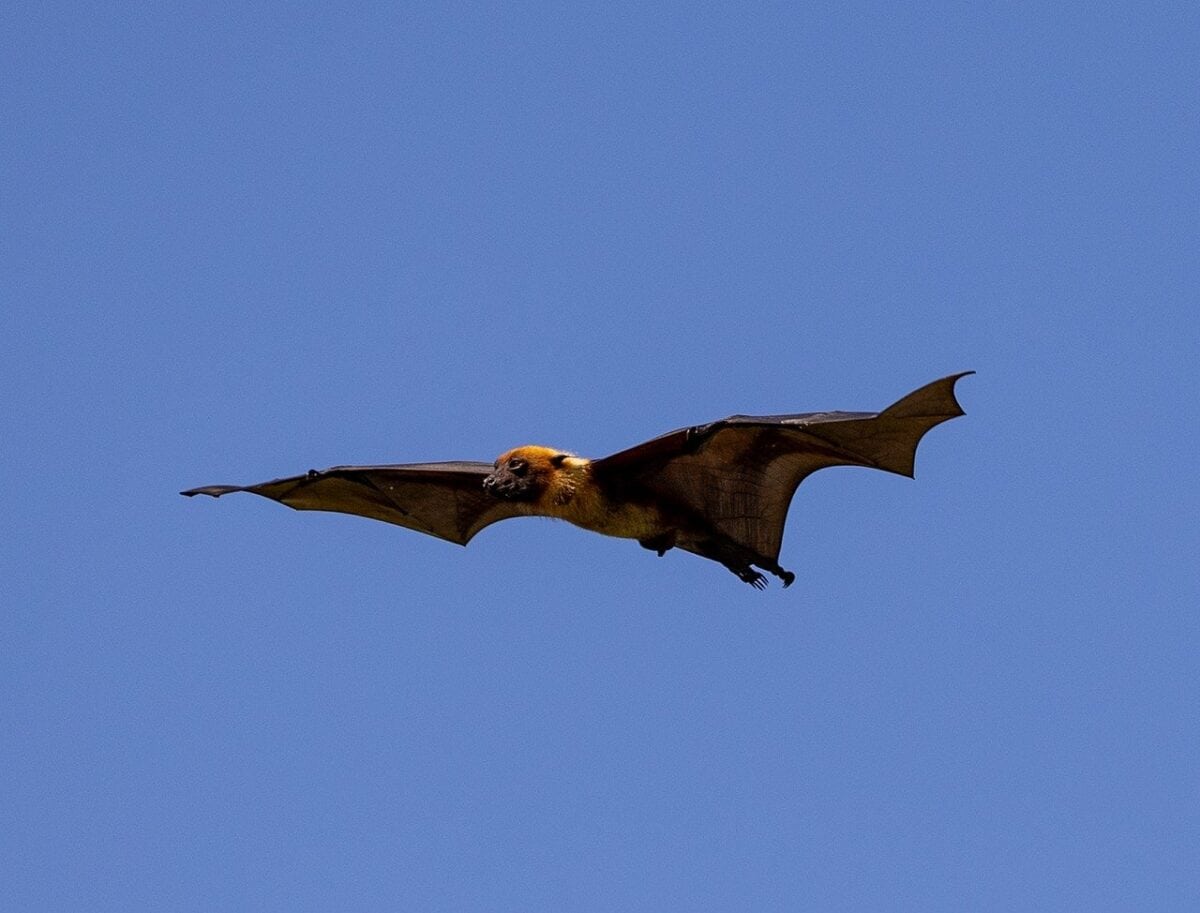
Arizona’s diverse landscapes host 28 different bat species, making it one of North America’s most bat-rich regions. These winged mammals have traditionally followed predictable seasonal migration patterns, but researchers are now documenting a concerning trend: Arizona’s bats are migrating earlier than ever before. This shift in migratory timing has significant implications not only for the bats themselves but also for the ecosystems they support and the agricultural sectors that benefit from their natural pest control. As climate change continues to alter environmental conditions across the Southwest, understanding these changing bat behaviors has become increasingly important for conservation efforts and ecological management.
Climate Change Driving Earlier Migrations

The primary factor behind Arizona’s bats’ earlier migration patterns appears to be climate change. Rising temperatures across the region have created a cascade of ecological changes that directly impact bat behavior. Research conducted by the University of Arizona and the Arizona Game and Fish Department shows that average spring temperatures in the state have increased by approximately 2.5°F since the 1970s. This warming trend has shifted the emergence of insects—the primary food source for most bat species—to earlier in the year. Consequently, bats are adjusting their migration schedules to synchronize with food availability, arriving in Arizona up to three weeks earlier than they did just 30 years ago. These altered migration patterns represent one of the most visible biological responses to climate change in the Southwest.
Which Bat Species Are Most Affected

Not all of Arizona’s bat species are experiencing the same degree of migratory change. The Mexican free-tailed bat (Tadarida brasiliensis), one of the state’s most abundant species with colonies numbering in the millions, has shown some of the most dramatic shifts in arrival times. Researchers have documented these bats arriving at traditional roosts in southern Arizona as early as late February, whereas historically they wouldn’t appear until mid-March or early April. Other significantly affected species include the lesser long-nosed bat (Leptonycteris yerbabuenae), which has crucial roles in pollinating saguaro cacti and agave plants, and the hoary bat (Lasiurus cinereus), one of North America’s most widespread migratory bats. Cave-dwelling species and those that hibernate rather than migrate long distances appear to be less affected by these timing changes, though they face other climate-related challenges.
Methods for Tracking Bat Migration Changes

Scientists employ several sophisticated methods to track and document changes in bat migration patterns across Arizona. Acoustic monitoring stations equipped with ultrasonic microphones record bat echolocation calls, allowing researchers to identify species and track their presence over time. More recently, miniaturized GPS transmitters weighing less than a gram have been attached to larger bat species, providing precise data on their movements and timing. Citizen science initiatives, like the Arizona Bat Count, engage volunteers in monitoring known roost sites and reporting first sightings each season. Additionally, thermal imaging cameras installed at cave entrances and under bridges count bats as they emerge for nightly feeding, creating valuable long-term datasets that reveal migration trends. These combined techniques have produced compelling evidence of the shifting migration schedules that many Arizona bat species now follow.
Ecological Consequences of Early Migration
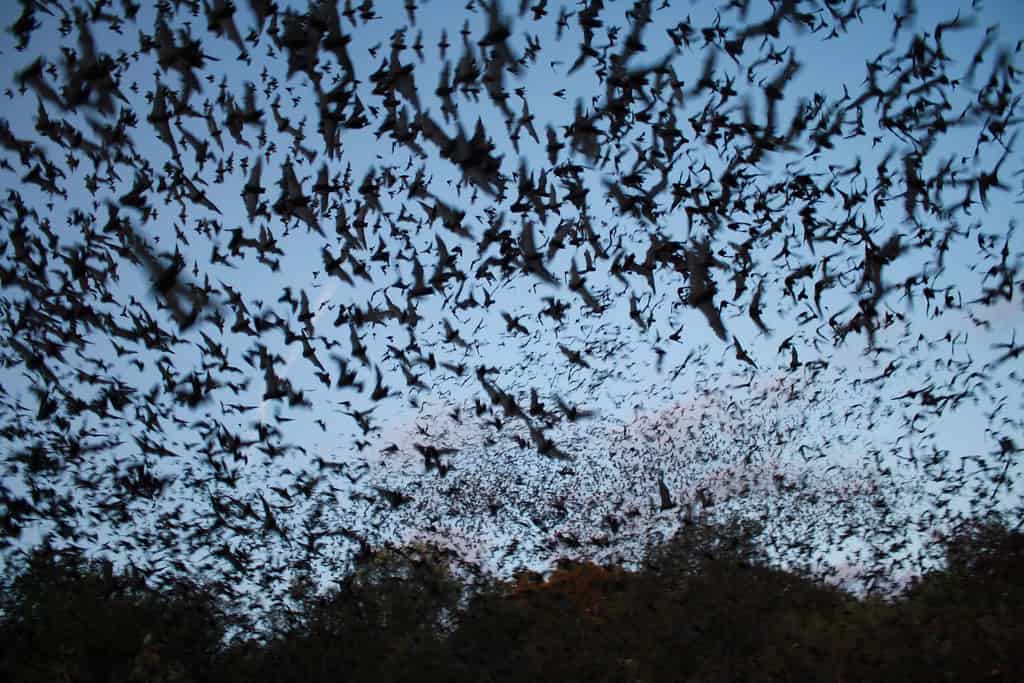
The premature arrival of migratory bats in Arizona creates potential ecological mismatches that concern conservationists. When bats arrive earlier than their traditional food sources are available, they may face nutritional stress during a critical period when females are often pregnant or preparing for reproduction. This ecological mismatch can reduce reproductive success and population health. Furthermore, shifts in bat migration timing can disrupt the intricate timing of pollination for many desert plants that have co-evolved with specific bat species. For example, the lesser long-nosed bat’s pollination relationship with saguaro cacti depends on precisely timed interactions. Changes in arrival times could potentially lead to reduced pollination success, affecting not just the plants but entire desert food webs. These disruptions illustrate how climate-driven changes in migration patterns can have far-reaching consequences throughout Arizona’s ecosystems.
Benefits of Bats to Arizona’s Agriculture

Arizona’s agricultural sector receives substantial economic benefits from the state’s bat populations, making changes to their migration patterns a concern for farmers. A single Mexican free-tailed bat can consume up to its body weight in insects nightly, with large colonies providing natural pest control valued at millions of dollars annually to Arizona’s cotton, corn, and vegetable crops. Research from the University of Arizona estimates that bats save Arizona farmers approximately $14 million yearly in reduced pesticide costs and crop damage. Additionally, nectar-feeding bats serve as critical pollinators for economically important plants like agave, used in tequila production, and various fruits. Earlier bat migrations could initially benefit early-season crops by providing pest control sooner, but if bats depart earlier as well, late-season crops might lose their natural protection. Agricultural stakeholders are now working with conservationists to monitor these changes and adapt farming practices accordingly.
The Role of Urbanization in Changing Bat Behavior

Beyond climate change, Arizona’s rapid urbanization contributes significantly to altered bat migration patterns. Phoenix and Tucson, among America’s fastest-growing metropolitan areas, create urban heat islands where temperatures can be 7-10°F warmer than surrounding natural areas. These artificially warmed environments maintain higher insect activity during winter months, encouraging some bat species to arrive earlier or even become permanent residents rather than seasonal migrants. Urban light pollution further disrupts natural migration cues that bats have evolved to follow. Interestingly, certain adaptable species like the Brazilian free-tailed bat have begun establishing year-round colonies in urban structures, abandoning their traditional migration patterns entirely. While this adaptation demonstrates bats’ resilience, it also changes predator-prey dynamics and may alter disease transmission patterns. Urban development continues to reshape the landscape for Arizona’s bats, compounding the migration timing changes already driven by broader climate shifts.
Conservation Challenges Posed by Earlier Migrations

The shifting migration timelines of Arizona’s bats create novel conservation challenges that require adaptive management strategies. Protected roosting sites like caves and abandoned mines that have traditionally been closed during certain seasons to avoid disturbing bats may need revised management schedules to accommodate earlier arrivals. Conservation funding and staffing for bat monitoring programs must similarly adjust to track earlier migration periods. Additionally, changing migration patterns complicate international conservation efforts, as many of Arizona’s bats winter in Mexico where conservation resources may be limited. The U.S. Fish and Wildlife Service and Mexican conservation agencies have begun collaborative efforts to protect the full migratory corridor used by these bats, regardless of when they’re traveling. However, as migration timing becomes less predictable, designing effective protection measures becomes increasingly complex, requiring greater flexibility and resources from already-stretched conservation organizations.
The Future of Bat Migration in a Warming Arizona

Climate projections for Arizona suggest the state will continue warming at rates exceeding global averages, with an anticipated additional 4-6°F rise by mid-century according to the National Oceanic and Atmospheric Administration. Based on current trends and ecological models, researchers predict bat migration timing will continue advancing earlier into the year. Some species may eventually abandon migration altogether if year-round resources become available, fundamentally changing the ecological dynamics of the region. The most vulnerable species appear to be specialized pollinators like the endangered lesser long-nosed bat, which depend on sequential flowering of different plants as they migrate northward. More generalist insect-eaters like the canyon bat may adapt more successfully to changing conditions. Long-term population monitoring will be essential to track these changes, with the recognition that Arizona’s bat communities of the future may function very differently than they have historically.
Comparing Arizona’s Trends with Other Regions
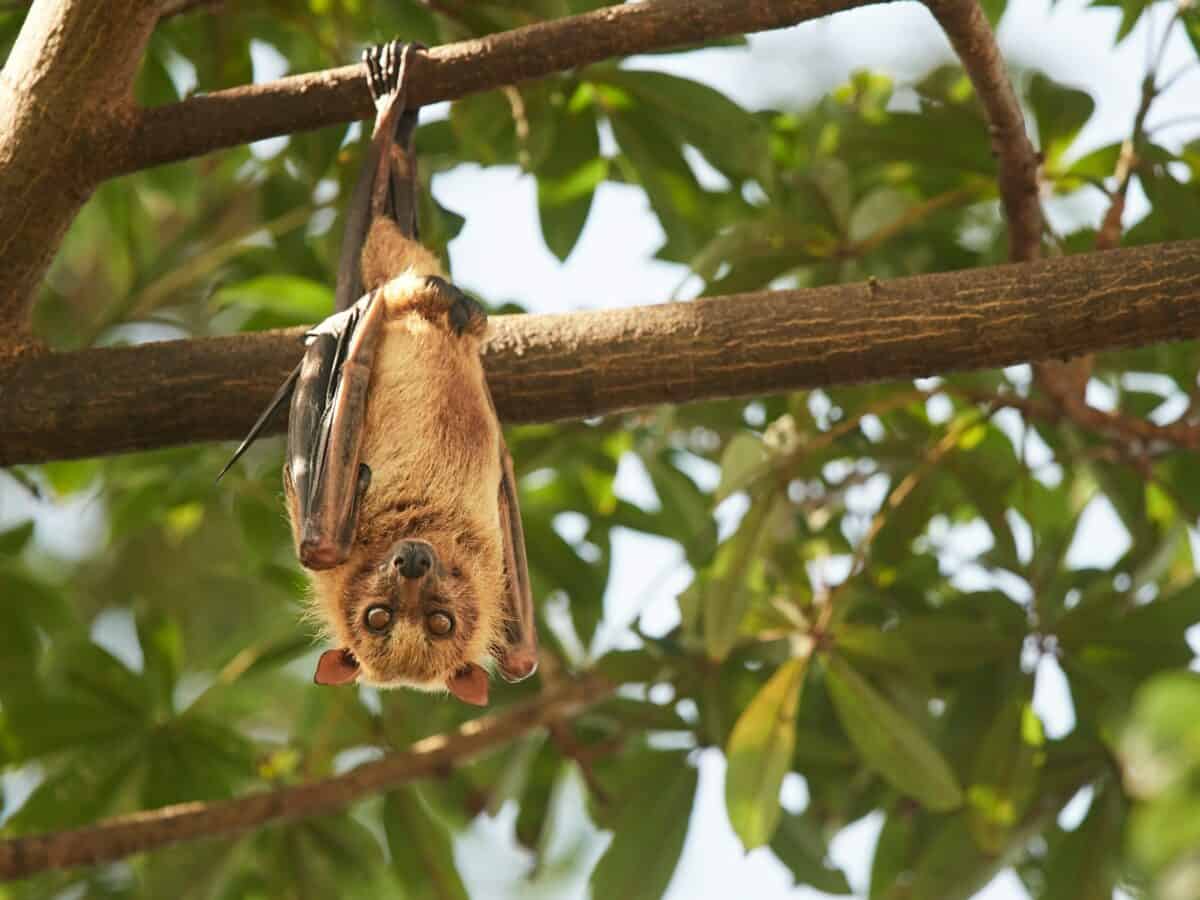
Arizona’s early bat migrations mirror similar patterns observed in other regions, confirming this is part of a global phenomenon. Studies from Texas show Mexican free-tailed bats arriving at Bracken Cave approximately two weeks earlier than they did in the 1980s. In the Pacific Northwest, hoary bats are extending their northern range and arriving earlier each spring. European research demonstrates even more dramatic shifts, with some bat species in Spain and Portugal showing migration timing changes of up to a month earlier than historical records. However, Arizona’s situation is particularly pronounced due to the state’s position as a critical migratory corridor and its extreme temperature increases. The Southwest is warming faster than most other North American regions, creating more dramatic ecological responses. These comparative studies help scientists distinguish between localized effects and broader climate-driven patterns, confirming that early bat migrations represent a consistent biological response to global warming across different geographic contexts.
Citizen Science Opportunities for Monitoring Bat Migrations

The changing migration patterns of Arizona’s bats have created valuable opportunities for public involvement through citizen science initiatives. Programs like the Arizona Bat Monitoring Project enable volunteers to contribute meaningful data while learning about these fascinating mammals. Participants use smartphone apps with ultrasonic microphones to record bat calls during evening walks, with the resulting data helping scientists track species distribution and arrival times across the state. The Annual Arizona Bat Count engages community members in observing known roosting sites and counting bats as they emerge at dusk. Schools across Arizona have incorporated bat migration monitoring into science curricula, providing students with hands-on experience in ecological fieldwork. These citizen science efforts not only generate valuable data covering a broader geographic area than professional scientists could monitor alone but also build public awareness and support for bat conservation. Interested Arizonans can connect with these programs through the Arizona Game and Fish Department’s website or local nature centers.
Adapting Bat Conservation Strategies

As Arizona’s bats adjust their migration timing, conservation strategies must evolve accordingly. Traditional approaches based on fixed seasonal protections are increasingly inadequate as bat activity periods shift and become less predictable. Forward-thinking conservation organizations are now implementing flexible protection measures, such as dynamic closure dates for caves based on real-time monitoring rather than calendar dates. Habitat conservation efforts increasingly focus on creating climate refugia—areas that may remain suitable for bats despite broader environmental changes. These include protecting higher-elevation forests that maintain cooler temperatures and managing water sources to ensure availability during extended dry periods. Conservation groups are also working with private landowners to create and protect artificial roosting structures like bat boxes, which can provide climate-controlled alternatives to natural roosts. The Arizona Game and Fish Department has revised its bat management protocols to include earlier seasonal surveys and has expanded monitoring efforts to previously untracked areas where bats may be appearing earlier in the year.
How Individuals Can Help Arizona’s Bats

Arizona residents and visitors can take several meaningful actions to support bat populations adapting to changing migration patterns. Installing bat houses on private property provides additional roosting options, particularly valuable as natural roosts become less suitable due to changing conditions. Creating water features in gardens, especially in drought-prone areas, gives bats reliable drinking sources during increasingly hot spring arrivals. Reducing outdoor lighting or using bat-friendly lighting options (amber LEDs rather than bright white lights) helps maintain natural movement patterns and reduces disorientation. Gardening with native plants that flower at various times throughout the season supports food sources for nectar-feeding bats and attracts insects for insectivorous species. Participating in citizen science projects not only contributes valuable data but creates engaged bat advocates within communities. Additionally, supporting conservation organizations focusing on bat research and protection helps fund critical monitoring of these changing migration patterns. Through these collective efforts, Arizonans can help create a more resilient landscape for bat populations adjusting to accelerated migration schedules.
The earlier migration patterns of Arizona’s bats represent one of the most visible biological responses to our changing climate, serving as an ecological warning system that demands attention. As these winged mammals adjust their age-old travel schedules, they highlight the cascading effects of rising temperatures throughout ecosystems, from plant pollination to agricultural pest control. While some bat species demonstrate remarkable adaptability to these changing conditions, others face significant challenges that may affect their long-term survival. The future of Arizona’s bat populations will depend on our collective ability to understand these changes, protect critical habitats, and implement flexible conservation strategies that accommodate shifting migration timelines. By supporting research, engaging in citizen science, and making bat-friendly choices, Arizonans can help ensure these remarkable creatures continue to fill the desert skies for generations to come, even as the timing of their ancient journeys continues to evolve.

- Why So Many Marine Animals Are Bioluminescent - July 21, 2026
- Wildlife Mysteries That Took Decades to Solve - July 21, 2026
- The Largest Python Ever Captured in Florida’s Everglades - July 21, 2026