

The Vast Loneliness of Deep Space Radio
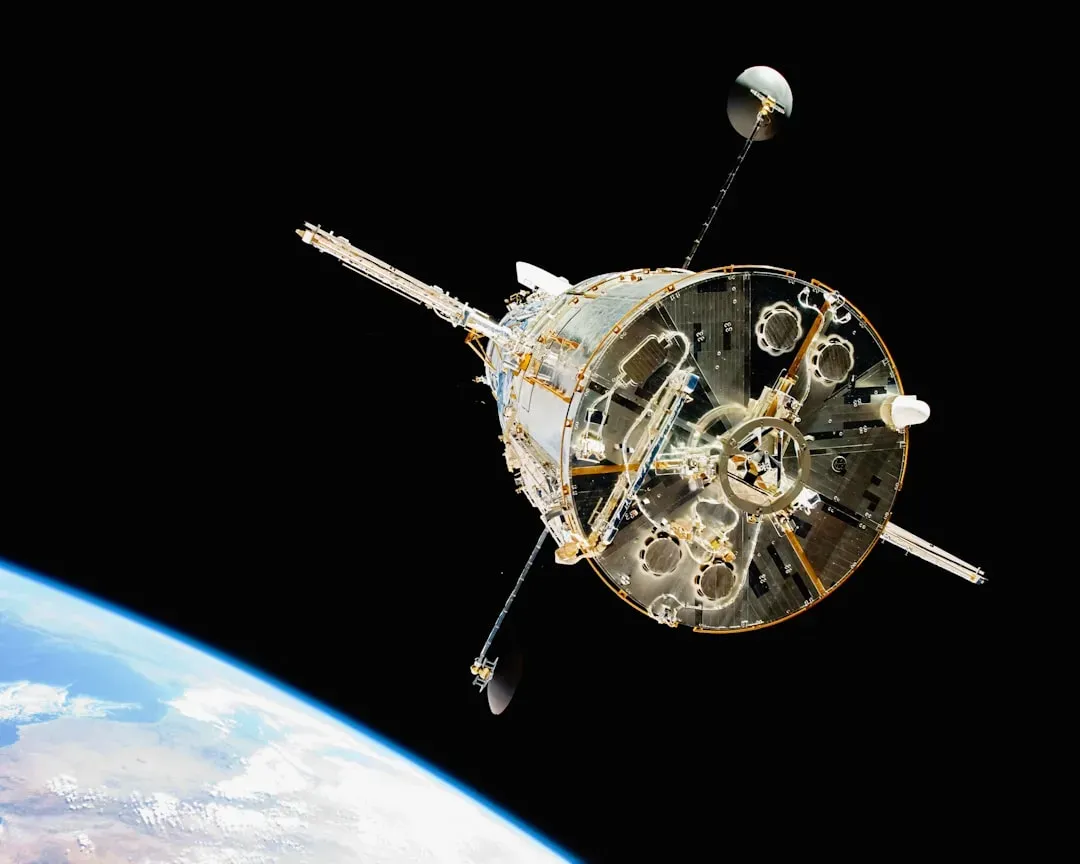
When we think of radio communication, we imagine something instant. A voice, a signal, a ping. Radio signals travel at the speed of light, and understanding the delays they accumulate across vast distances is essential for appreciating just how enormous space actually is. That starts to break down the moment you look beyond our solar neighborhood.
Our nearest neighboring star lies 4.4 light years away, meaning even a round-trip message would require more than 10 years to complete. Scale that up across the galaxy, and the numbers become almost philosophically uncomfortable. Communication with an extraterrestrial civilization on a planet just 50 light years away, which is relatively close by galactic standards, would still take place on a timescale of 100 years.
As Carl Sagan noted, this makes communication with extraterrestrial intelligence an intergenerational project: effective communication across astronomical distances would require unprecedented cooperation spanning several human lifetimes. So even before we ask whether anyone is transmitting, we have to reckon with how poorly prepared our own civilization is to participate in that kind of conversation.
When the Static Is the Signal
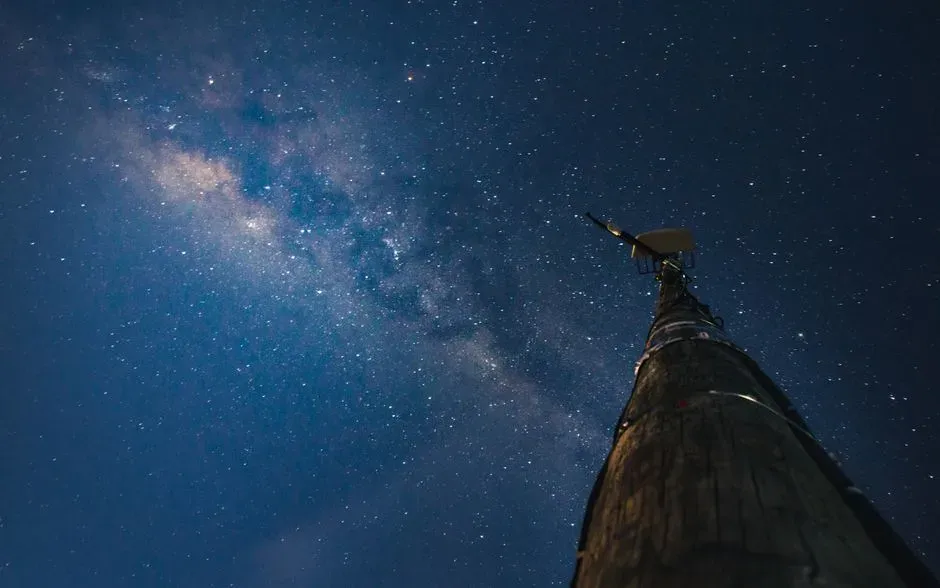
One of the most quietly radical ideas in radio astronomy is that the noise surrounding a signal may carry just as much information as the signal itself. The noise that signals pick up as they ripple past planets, moons, and asteroids provides a window onto our cosmic neighborhood. In some instances, the static is as valuable as the message itself. That realization should make us pause before dismissing what appears to be silence.
The spaces between detectable transmissions are not acoustic silence. They’re filled with interference, plasma turbulence, cosmic microwave background radiation, and the constant low murmur of the universe doing physics. The question worth asking is whether structured gaps, specifically recurring intervals of non-transmission, might themselves constitute information. A pattern of silence, deliberately spaced, is still a pattern.
One deep space object, GPM J1839-10, produces bright bursts that last about five minutes followed by roughly seventeen minutes of silence before the next pulse arrives, and archival records show this has been happening for at least 33 years. Whether or not that specific object is natural, its behavior illustrates a broader truth: the universe regularly produces structured intervals of signal and non-signal that carry meaning precisely because of their regularity.
SETI and the Problem of Searching at the Wrong Frequency
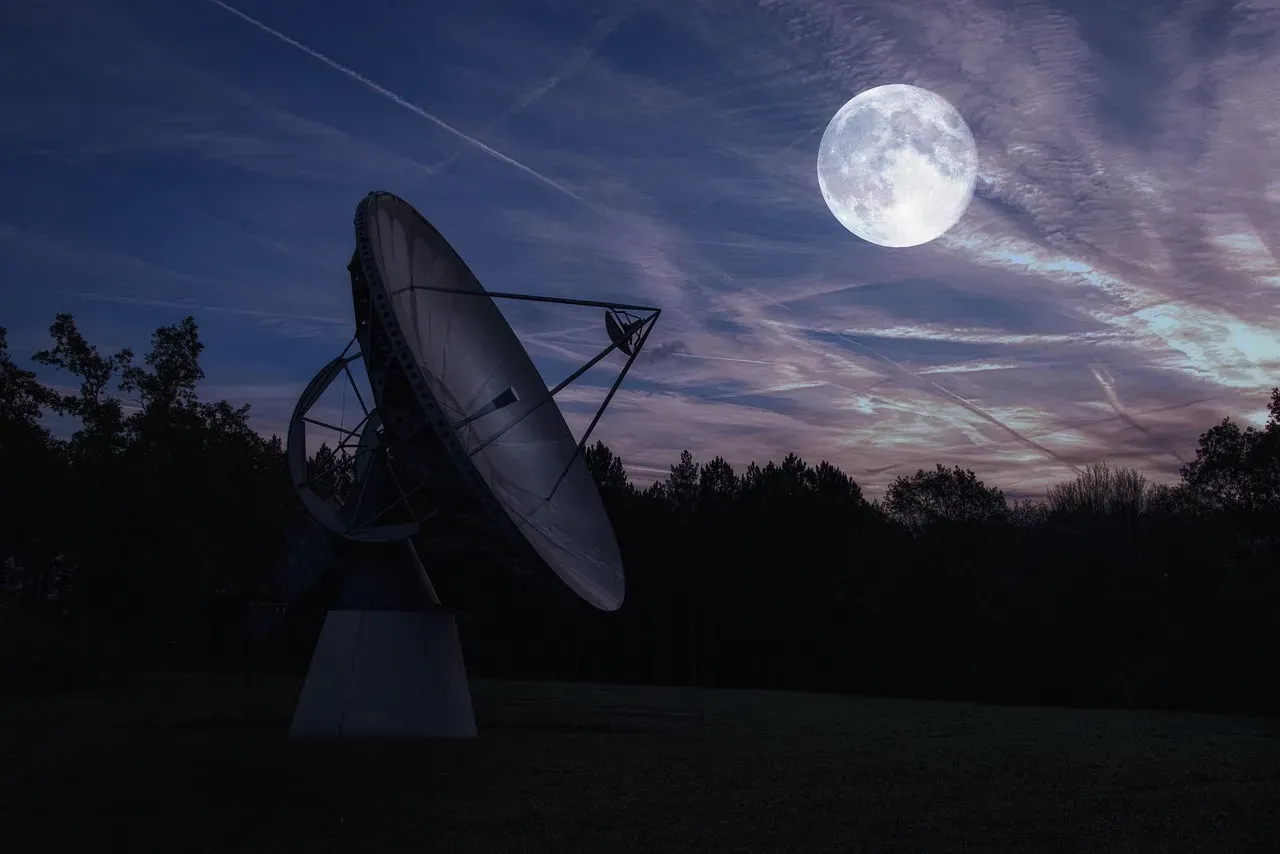
Most SETI work over the past six decades has involved using large antennas to try and eavesdrop on radio signals that alien civilizations might be transmitting, alongside optical experiments searching for flashing laser light. The underlying assumption has generally been that an intelligent civilization would transmit continuously, or at least frequently enough for us to catch it within a reasonable observation window.
SETI has primarily looked for continuous radio signals, and until relatively recently, radio SETI had not conducted comprehensive searches for periodic pulse trains, even though a train of pulses is remarkably energy-efficient as a means of interstellar communication across vast distances. That’s a significant gap in methodology. If a civilization is transmitting in pulses with long intervals between them, continuous-signal searches would simply miss it.
A 2026 study by researchers at the SETI Institute suggests that stellar space weather could make radio signals from extraterrestrial intelligence harder to detect, with stellar activity and plasma turbulence near a transmitting planet able to broaden an otherwise ultra-narrow signal, spreading its power across more frequencies. This means we may not just be searching at the wrong intervals. We may be searching in the wrong shape altogether.
The Wow! Signal and What Its Silence Taught Us
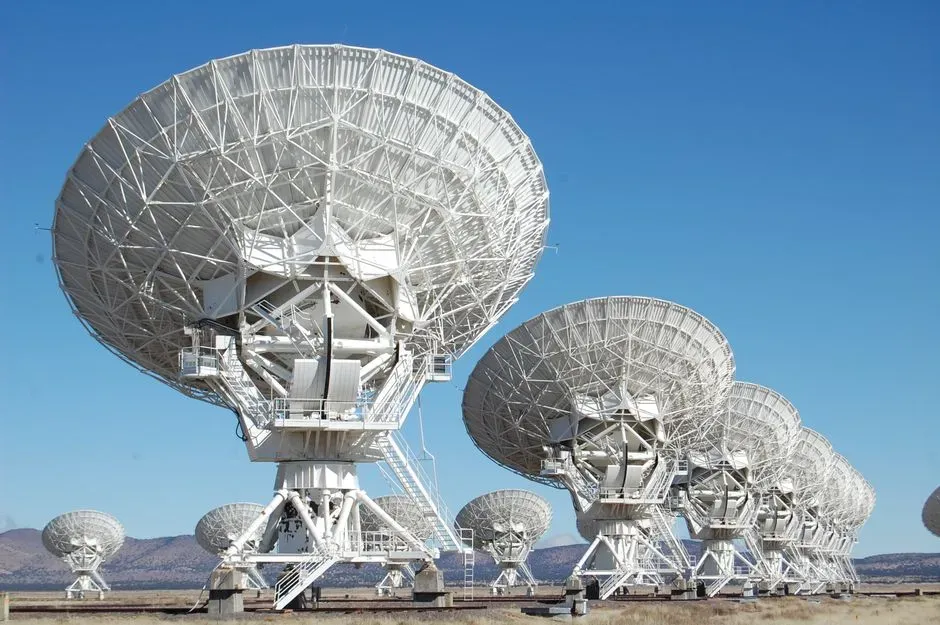
On the night of August 15, 1977, the Big Ear Observatory at Ohio State University picked up a mysterious deep space signal that was detected right in the frequency range SETI researchers had been monitoring, and was recorded over the course of 72 seconds before it disappeared. It remains one of the most discussed anomalies in the history of radio astronomy.
One of the most maddening aspects of the Wow! Signal is that it has never been detected again, despite numerous efforts to re-observe the same region of space. Years passed, technology improved, but the signal never reappeared. The lack of repetition makes it almost impossible to study or confirm its origin, leaving scientists with a single piece of tantalizing data and a host of unanswered questions.
Here is where the silence becomes fascinating rather than frustrating. If the Wow! Signal was artificial in origin, then nearly half a century of quiet that followed it isn’t a dead end. It could be the natural rhythm of a transmission operating on a cycle that simply hasn’t completed its next interval yet. From within a cosmic timescale, 47 years of quiet between pulses would be unremarkable. From a human perspective, it’s an entire professional career spent waiting.
Timescales That Dwarf Human Civilization
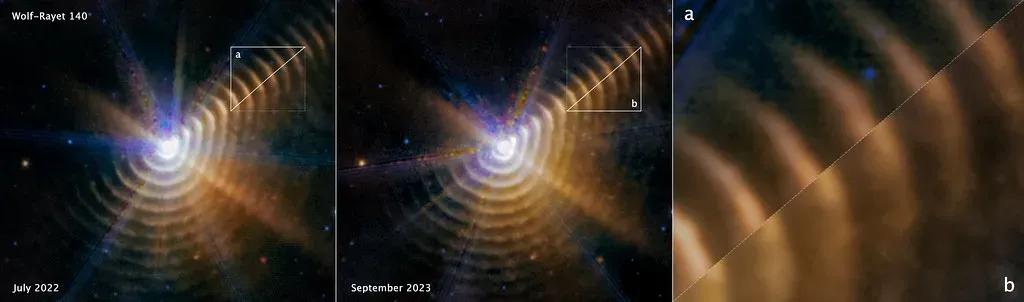
Gamma-ray bursts have the correct rates of occurrence and plausibly the correct energetics to have consequences for the evolution of life on a galactic scale, and if they are lethal to land-based life, they provide a mechanism that prevents the rise of intelligence until the mean time between bursts is comparable to the timescale for the evolution of intelligence itself. This is astrophysics working at civilizational timescales, meaning millions to hundreds of millions of years.
The time it takes a civilization to colonize from one end of the galaxy to another is roughly 100 million years, with more careful studies suggesting times ranging from 50 million years to a billion years. Any communication intended to survive those spans would necessarily have to be structured around pauses that human civilization, in its current few-thousand-year record of organized knowledge, cannot meaningfully track.
There is a specific time interval during which an alien civilization uses radio communications: before this interval, radio is beyond the civilization’s technical reach, and after it, radio will be considered obsolete. We have to be listening with our radio telescopes during this precise period of the alien civilization’s development to even receive their radio signal. This window problem alone suggests that most of what’s being transmitted across the galaxy may be arriving in between our own brief moments of looking.
Could Silence Be a Structured Language?
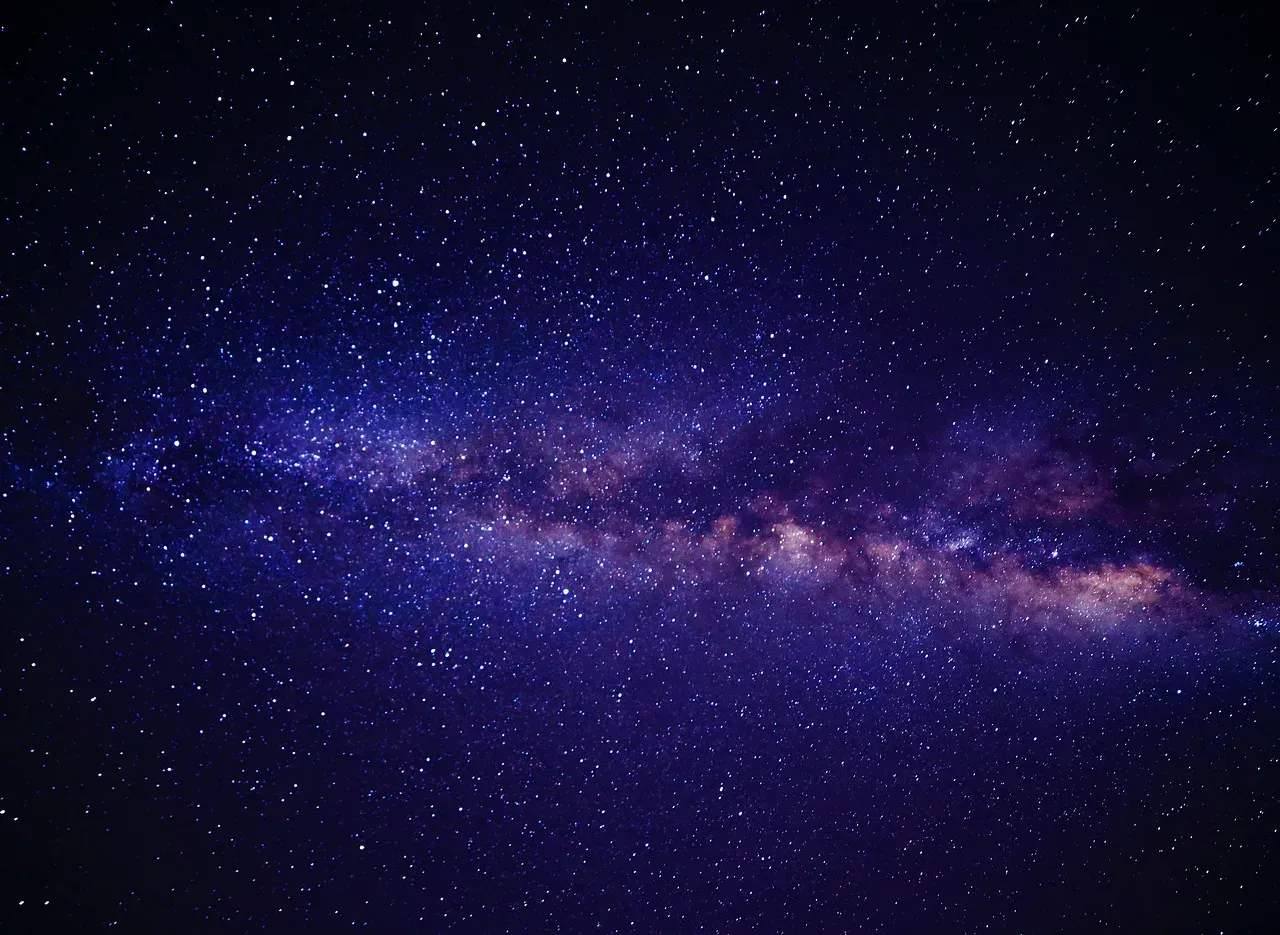
It is crucial that we expand our thinking about alien technology from mere extrapolations of human technology and begin looking for any system or process that displays the hallmark of intelligent manipulation. That principle applies just as directly to how we interpret gaps as it does to signals themselves. A structured absence can carry as much information as a structured presence, which is actually fundamental to how our own binary communication systems work.
Think of Morse code. The meaning doesn’t live only in the dots. It lives in the spaces between them, too. A long pause means something different from a short pause, and both are part of the encoding. Scale that logic up to interstellar distances, where even “short” pauses might span decades, and the silence between detectable signals starts to look less like failure and more like vocabulary. The commonly anticipated SETI signal is a narrowband, slowly modulated signal of sustained duration, with bandwidths less than 1 Hz and signal durations of days and longer often hypothesized. That assumption may be dramatically underselling what’s possible.
The Breakthrough Listen Investigation for Periodic Spectral Signals mission is actively looking for repeating, pulsed signals that could be communication beacons. The very fact that this search now exists reflects a growing recognition among researchers that meaning may live inside periodicity, and that periodicity requires intervals of silence to be periodic at all.
Mathematics as the Bridge Across the Pause

Scientists propose that mathematics could form the foundation for interstellar communication with extraterrestrial civilizations, transcending language barriers and cultural contexts, with research exploring how creatures with genuinely alien minds can engage in mathematics and suggesting that sufficiently advanced extraterrestrials might do the same, opening unprecedented possibilities for cosmic contact grounded in shared mathematical principles. This is compelling precisely because mathematical relationships don’t require shared cultural context to be intelligible.
The idea that mathematics represents a universal language predates modern SETI by centuries. Galileo Galilei described the universe as a grand book written in the language of mathematics, encapsulating the truth that mathematical principles govern physical reality regardless of observer location. If a civilization were transmitting at intervals dictated by mathematical constants, those intervals would be as legible to another intelligent species as the signals themselves, but only if the receiving species knows to look at the gaps.
What It Would Mean to Relearn How to Listen
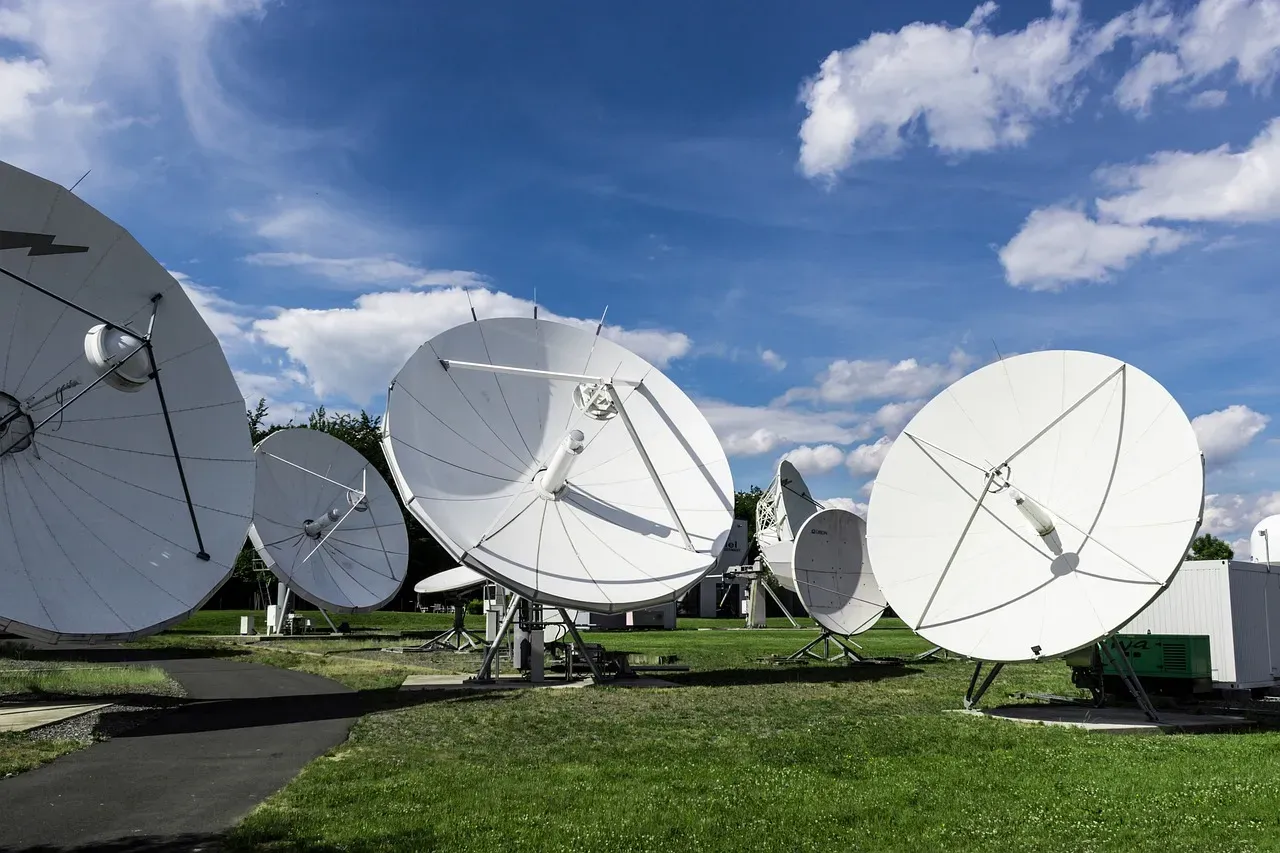
After decades of traditional SETI, the scientific community is increasingly recognizing the need to widen the search from radio signals alone, using the full array of scientific methods from genomics to neutrino astrophysics to scrutinize the solar system and our region of the galaxy for any hint of past or present cosmic company. That expansion is partly driven by a deeper realization: our listening methods were built around our own communication habits, not around what communication might look like at scale.
According to research from the SETI Institute, decades of searches for alien transmissions may have been hamstrung by an overlooked problem, with space weather near distant stars potentially distorting signals before they even leave home. A narrowband radio signal begins as a sharp spike but as it passes through the plasma-filled environment surrounding its host star, turbulence broadens it into a wider, flatter shape that current instruments would likely miss entirely. This suggests that even the signals we have detected may only be the outer edge of a much richer transmission.
Relearning to listen means accepting that a message operating on a timescale of centuries or millennia would look, to us, almost exactly like silence. It would require patient, multigenerational observation of the same patch of sky. It would require treating absence as data. That’s a significant shift in how we approach the cosmos, and honestly, it may be one of the most important intellectual adjustments our civilization is being invited to make.
Conclusion: The Patience the Universe Requires of Us
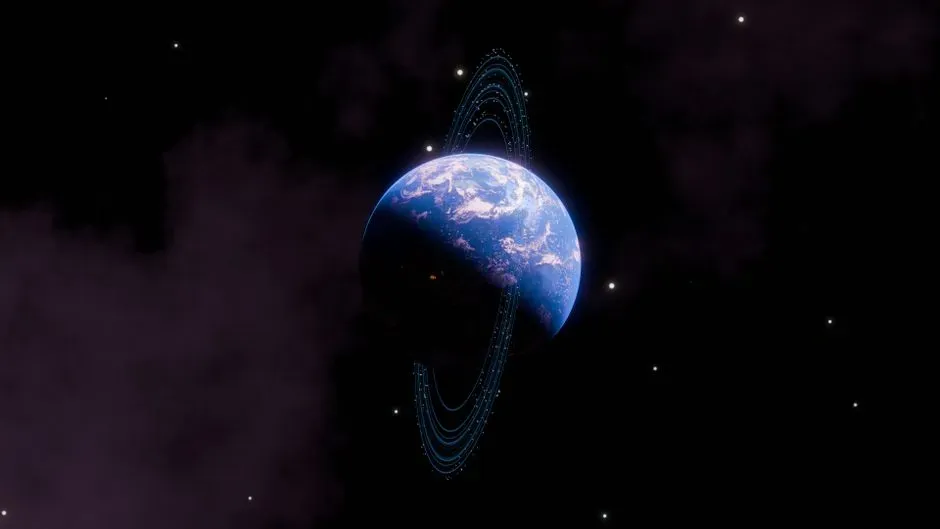
There’s a version of the silence that is genuinely empty, of course. It’s possible no one is transmitting. It’s possible we are, as the Fermi paradox grimly suggests, uniquely alone in a galaxy that had every opportunity to produce other minds and somehow didn’t, or had them and lost them before we arrived. That possibility deserves honest acknowledgment.
Still, the most honest thing astrophysics can currently say is this: we don’t yet know what we’re not hearing. Undaunted by the silence, scientists continue to scout the universe for evidence of other civilizations, conducting the largest radio search in history while expanding their techniques to detect the heat of alien megastructures, chemical traces in planetary atmospheres, and the nighttime glow of lights from extraterrestrial cities. The search is getting richer, not narrower.
The deeper shift happening in astrophysics right now isn’t about whether we’ll find a signal. It’s about whether we’ve been defining “signal” too narrowly all along. If intelligence operates on timescales that dwarf human civilization, then its language would almost certainly include pauses we’d mistake for nothing. The universe isn’t obligated to communicate in real time. Perhaps the most sophisticated thing it could ask of us is simply to wait long enough, and pay close enough attention, to tell the difference between nothing and something we haven’t understood yet.

- The Ancient Secrets of Yellowstone’s Wild Animals Revealed - August 6, 2026
- Are Some Common Pet Behaviors Actually Signs of Undiagnosed Stress? - August 6, 2026
- 8 US States With the Most Horseshoe Crab Spawning Beaches - August 6, 2026