

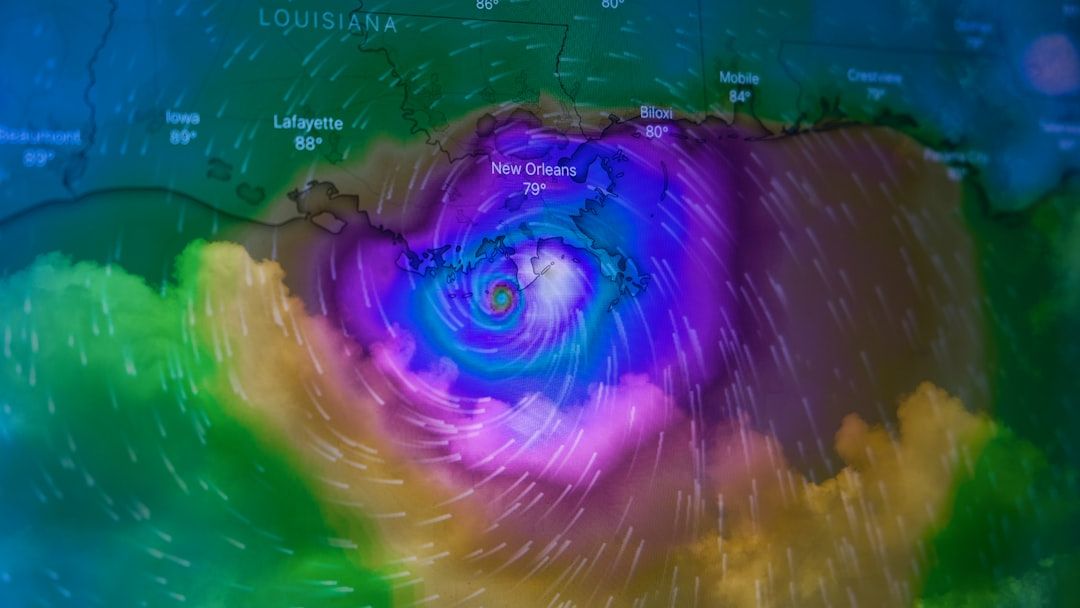
Atlantic Tropical Weather Outlook – Image for illustrative purposes only (Image credits: Unsplash)
Miami – The National Hurricane Center issued its first routine Tropical Weather Outlook of the year on Friday, May 15, signaling the official start of daily tracking for the Atlantic basin. Forecasters reported no signs of tropical cyclone development over the next seven days across the North Atlantic, Caribbean Sea, and Gulf of America. This marks the beginning of a season-long effort to monitor conditions that could affect coastal communities from the Caribbean islands to the U.S. East Coast. The outlook serves as an early reminder that hurricane season does not wait for dramatic headlines. Residents and emergency managers now have a consistent source of information to follow as the months ahead unfold.
Why the May 15 Start Matters for Coastal Areas
The routine issuance of these outlooks each year helps communities prepare before any potential threats develop. With no disturbed weather systems currently showing signs of organization, the immediate focus remains on routine monitoring rather than urgent alerts. This calm period gives local officials time to review evacuation plans and stock supplies without the pressure of an active storm. Coastal residents often use this window to check insurance coverage and review family emergency kits. The absence of expected formation in the short term does not eliminate the need for vigilance later in the season, when conditions typically become more favorable for development.
Key Details on Outlook Timing and Updates
The National Hurricane Center releases the Tropical Weather Outlook four times daily during the season. These reports cover any areas of disturbed weather and assess their potential to become tropical cyclones within seven days. Special updates can be issued between regular times if conditions change rapidly. Issuance times remain consistent through November 30:
– 2 a.m. EDT
– 8 a.m. EDT
– 2 p.m. EDT
– 8 p.m. EDT After the switch to standard time in November, the schedule shifts one hour earlier. A graphical version of each outlook is available online for quick reference by the public and media.
How the Information Reaches Those Who Need It Most
Emergency managers along the Gulf and East coasts rely on these reports to guide decisions about resource allocation and public messaging. Boaters and tourism operators also monitor the updates closely, as even distant systems can influence travel plans and marine safety advisories. The product continues through the end of November, providing a steady stream of data during the peak months of August through October. Forecasters emphasize that the lack of activity now simply reflects current atmospheric patterns rather than any long-term forecast.
Staying Ready as the Season Progresses
Communities benefit from treating the start of monitoring as a prompt to review personal preparedness steps. Simple actions such as updating contact lists and identifying safe shelter locations can reduce stress if conditions shift later. The National Hurricane Center continues to refine its tools and communication methods each year. This ongoing work ensures that when activity does increase, the public receives clear and timely guidance. For now, the focus remains on steady observation rather than immediate concern.
