
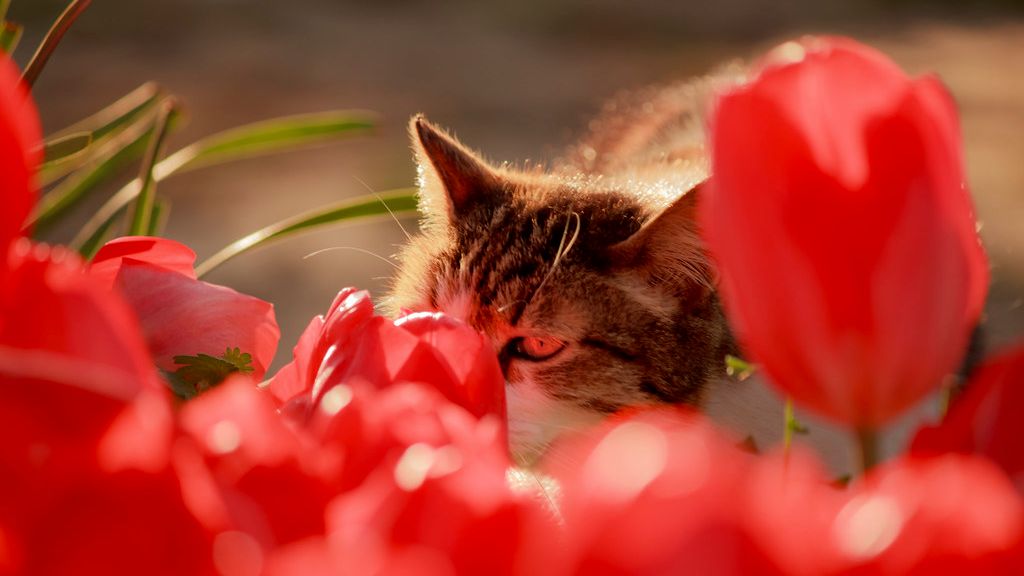
Valentine’s Day is all about expressing love, showering those closest to us with affection, and making romantic gestures. Flowers are often the go to choice when you want to say something special. They brighten up a room instantly and fill the air with a delicate fragrance that feels almost magical.
Yet not every bloom is as innocent as it seems. While you’re busy planning the perfect Valentine’s celebration, your curious cat might already be eyeing that gorgeous bouquet sitting on the dining table. Dogs, too, have a knack for investigating anything new that enters their space. What seems like a thoughtful gift could quickly turn into a veterinary emergency if you’re not careful about which flowers you bring home. Let’s dive in and explore which blossoms pose the biggest threat to your furry family members.
Lilies: The Silent Killer Hiding In Bouquets

Lilies are among the most dangerous flowers for pets, especially cats. Even a small nibble of a lily’s leaves or petals, exposure to its pollen, or a sip of vase water can cause fatal kidney failure in cats. It’s honestly terrifying how little exposure it takes to cause serious harm.
Cats don’t even have to eat a lily to be poisoned, as sniffing or getting pollen on their fur can lead to organ failure. Ingesting the pollen, chewing on the leaves, or drinking water from their vase can cause kidney failure and death within 72 hours. The entire plant is toxic, from stem to bloom.
Treatment is often fatal if delayed longer than 18 hours after ingestion. This narrow window makes early detection absolutely critical. If you even suspect your cat has come into contact with a lily, immediate veterinary care is essential.
Tulips: Spring’s Beautiful But Dangerous Blooms
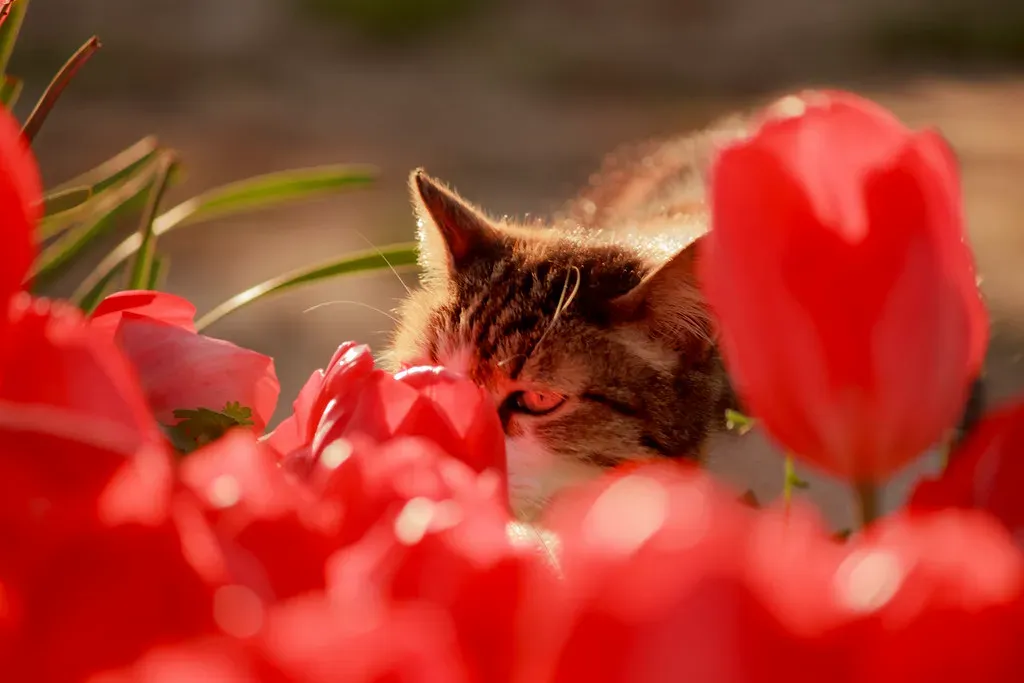
Tulips bring such cheerful color to any setting, making them a popular choice for Valentine’s arrangements. Tulips contain compounds that can be toxic to cats, and tulips are as toxic as lilies to cats and are poisonous to dogs as well as horses.
Tulips contain toxic compounds known as tulipalin A and tulipalin B, which are found throughout the plant but are most concentrated in the bulbs. They contain allergenic lactones, which, if swallowed, can lead to vomiting, diarrhea, and depression.
The risk increases significantly if your dog decides to dig up and chew the bulbs in your garden. Even cut tulips within reach can be problematic if your pet takes an interest in them. The symptoms may not be as severe as with lilies, but they’re still concerning enough to warrant keeping these flowers completely out of reach.
Daffodils: Cheerful Yet Perilous For Pets
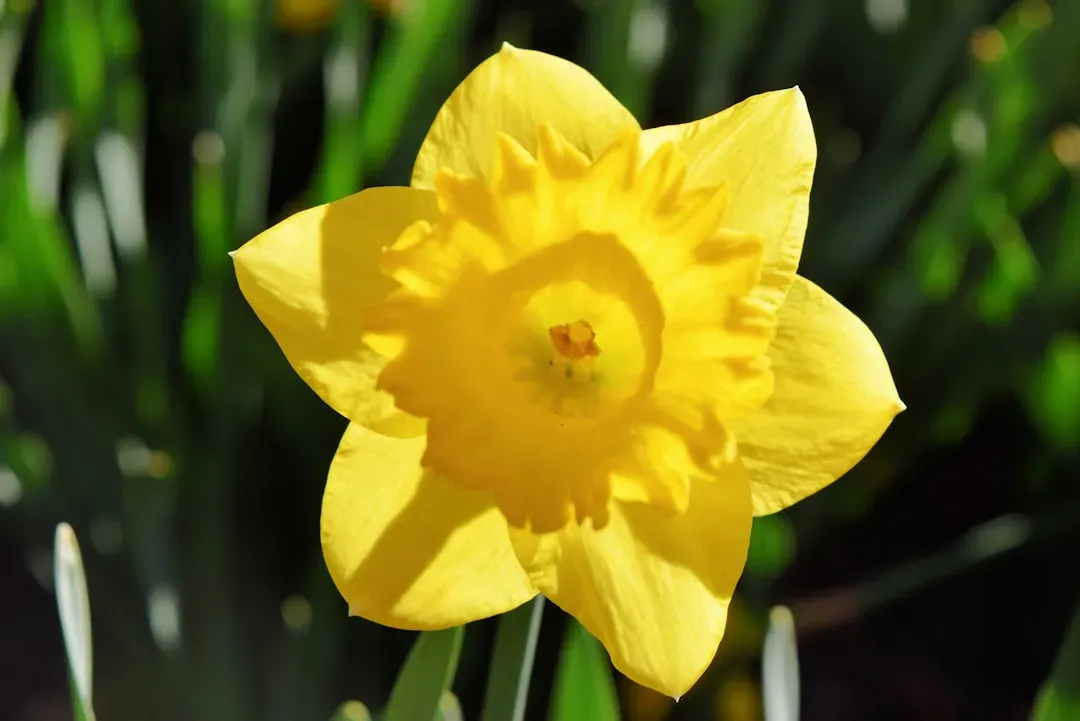
Daffodils contain lycorine and other toxic alkaloids throughout the entire plant. These bright yellow flowers that symbolize spring and new beginnings can quickly become a source of distress for both you and your pet if ingested.
Even small amounts can cause severe vomiting, diarrhea, abdominal pain, and drooling, while in serious cases, ingestion can lead to low blood pressure, tremors, and heart arrhythmias. Honestly, the severity of the reaction depends on how much of the plant your pet has consumed.
The bulbs are particularly dangerous, containing the highest concentration of toxins. If your pet shows any signs of distress after potential exposure to daffodils, contact your veterinarian immediately. Time is of the essence when dealing with plant poisoning.
Hyacinths: Fragrant But Harmful To Your Furry Friends
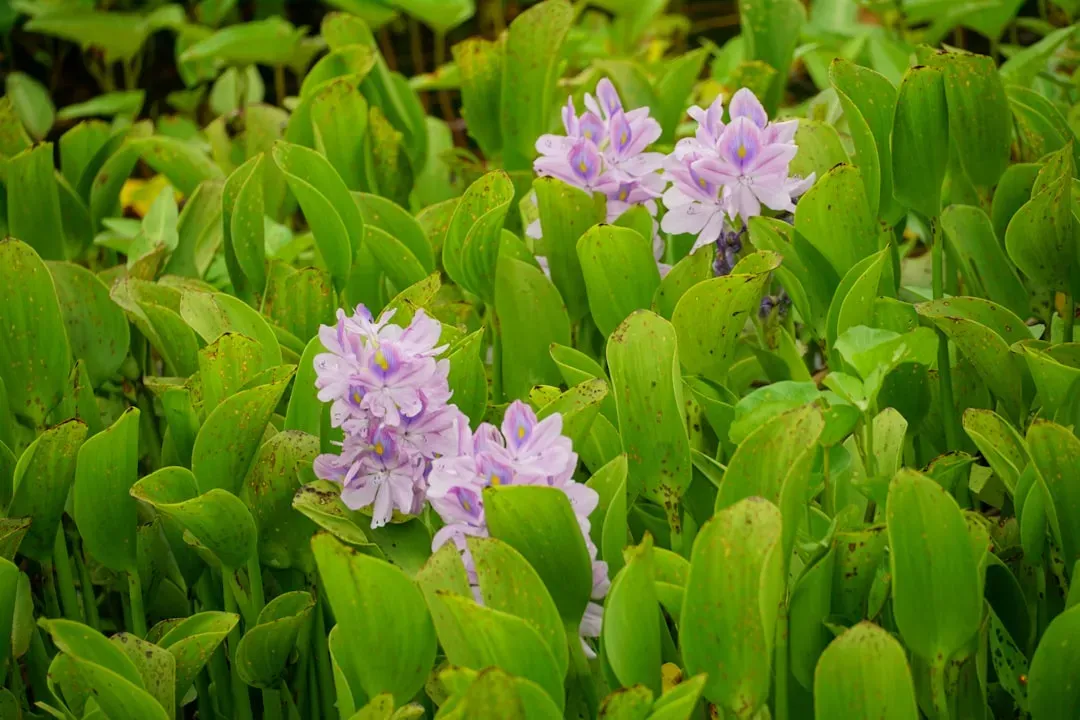
Hyacinths are known for their intoxicating fragrance and vibrant colors, making them a tempting addition to Valentine’s Day displays. Hyacinths can cause severe vomiting, diarrhea, drooling, and tremors in pets if ingested, and in larger amounts, they can lead to difficulty breathing and changes in heart rate.
Belonging to the Liliaceae family, the highest concentration of poison in hyacinths is in the bulbs. This makes them especially dangerous if you’re planning to plant them in your garden where dogs might dig them up. Cats, with their curious nature, might also be attracted to the potted versions indoors.
The symptoms can escalate quickly depending on the amount consumed. While small exposures might result in mild stomach upset, larger quantities can create life threatening situations. It’s simply not worth the risk when there are so many safer alternatives available.
Carnations: The Underestimated Threat
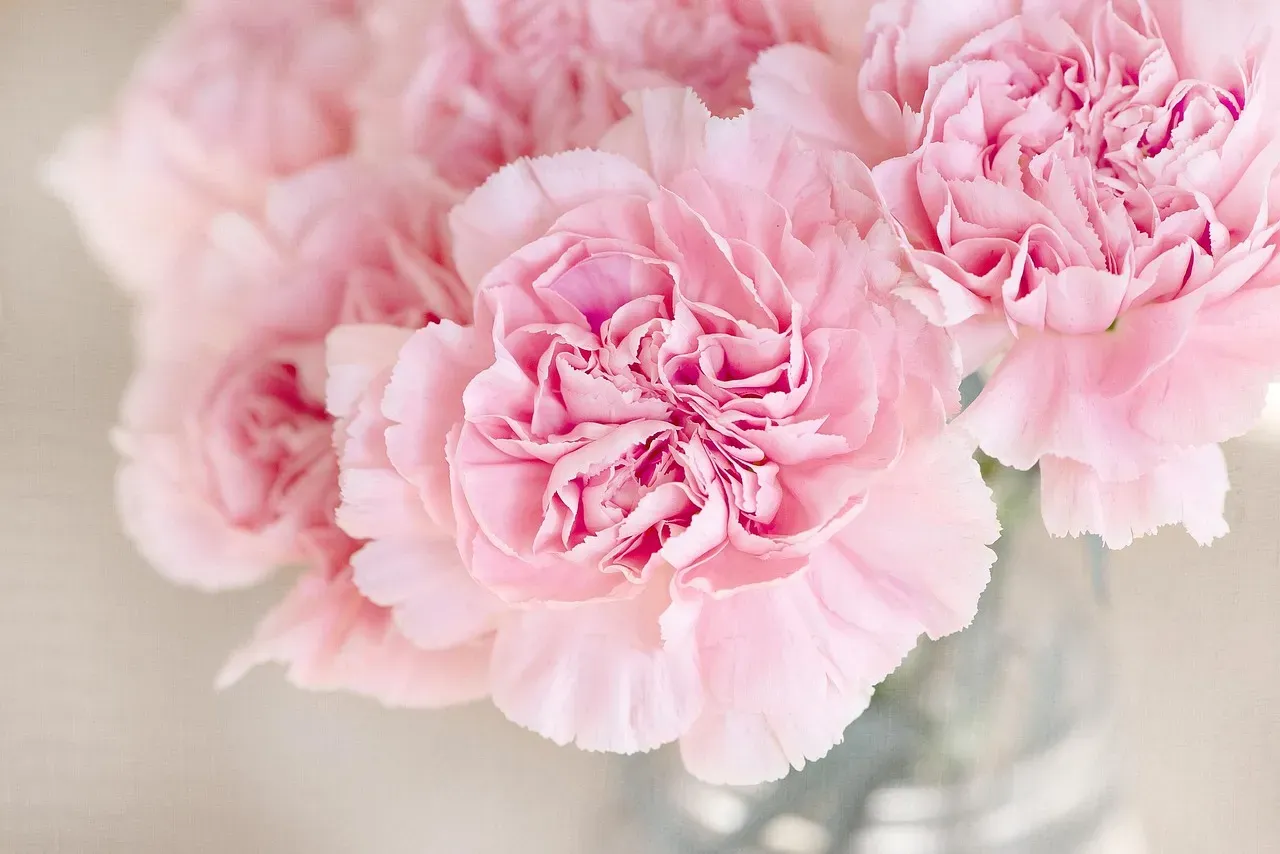
Carnations might seem like a harmless choice compared to lilies and tulips, but they still pose risks to your pets. Carnations cause vomiting and diarrhea when ingested by cats and dogs. While they’re not as deadly as some other flowers on this list, they can still make your pet quite uncomfortable.
Many pet owners don’t realize carnations are problematic because they’re so commonly found in mixed bouquets. They’re affordable, long lasting, and come in nearly every color imaginable. Their popularity means they often show up in Valentine’s arrangements without a second thought.
The good news is that carnation toxicity is generally mild compared to other flowers. Still, watching your beloved pet suffer through gastrointestinal distress is never pleasant. Prevention is always better than treatment, so it’s best to skip the carnations altogether if you share your home with pets.
Chrysanthemums: Beautiful But Potentially Hazardous
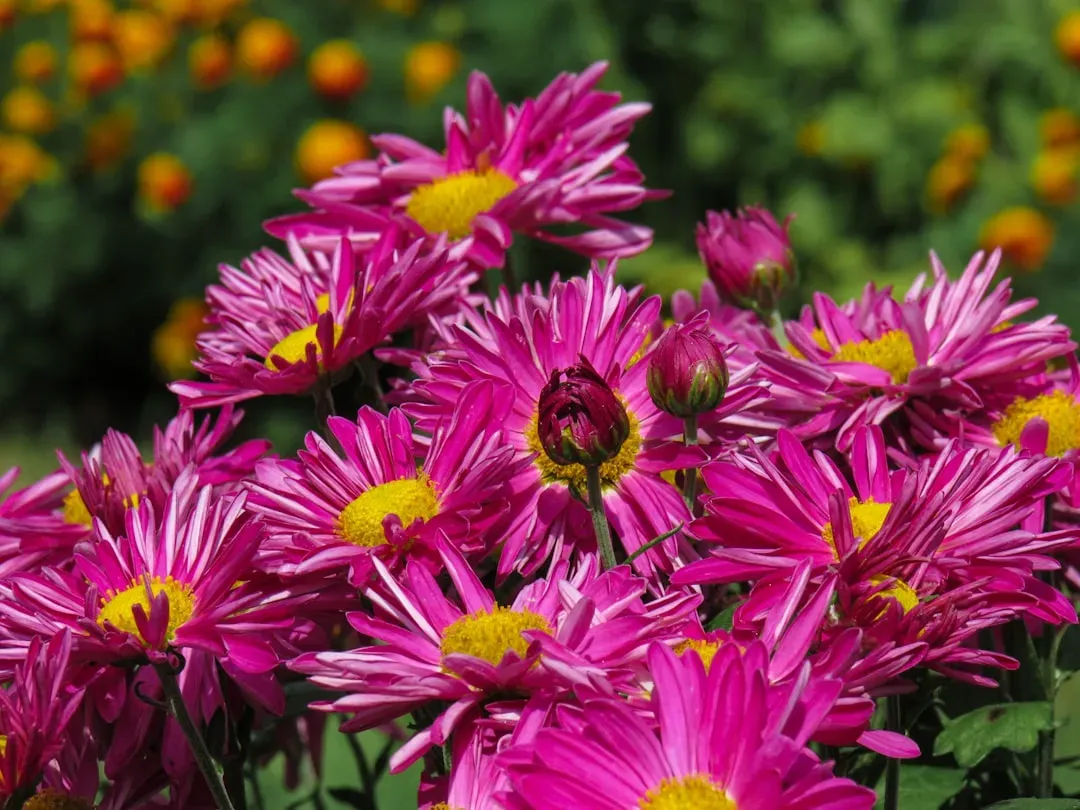
Chrysanthemums contain pyrethrins, which are used in dog flea and tick medications and are particularly poisonous to cats. These compounds, while useful in controlled doses for pest control, become toxic when ingested directly from the plant.
Vibrant in color, the chrysanthemum is highly toxic to cats and can also be toxic to dogs. The range of symptoms can vary, but they typically include gastrointestinal upset and general malaise. In more severe cases, pets may experience lack of appetite and lethargy.
Chrysanthemums are often featured in fall arrangements, but they’re versatile enough to appear in Valentine’s bouquets as well. Their full, lush appearance and wide color range make them attractive to florists. If you receive an arrangement containing these flowers, it’s wise to keep them in a room your pets can’t access or better yet, pass on them entirely.
Conclusion: Celebrating Love Safely

Valentine’s Day should be a celebration of love for everyone in your household, including those with four legs and fur. By choosing pet friendly flowers, understanding common hazards, and being intentional about design and placement, it’s possible to enjoy the tradition of Valentine’s flowers without compromising pet safety.
The truth is, there are plenty of stunning alternatives to these dangerous blooms. Roses, orchids, sunflowers, and gerbera daisies are all considered safe for pets and can create equally beautiful arrangements. When ordering flowers, don’t hesitate to specify that you need a pet safe bouquet. Most florists are more than happy to accommodate this request.
Remember that even with non toxic flowers, it’s best to keep arrangements out of reach. Some pets are simply more curious than others, and even safe plants can cause mild stomach upset if consumed in large quantities. What do you think about it? Are you surprised by how many common Valentine’s flowers are actually dangerous to pets? Share your thoughts in the comments below.

- 10 Animals That Use Deception to Survive – Proven by Science - June 22, 2026
- 12 Cat Breeds That Echo Your Zodiac Sign’s Hidden Traits - June 22, 2026
- 12 Astonishing Facts About Human Evolution That Rewrite Our Origins - June 22, 2026