


American badgers (Taxidea taxus) are powerful, ground-dwelling mammals found throughout the western and central United States. Known for their distinctive flat bodies, grizzled fur, and long claws, they’ve adapted perfectly to a life underground. Badgers mostly live in prairies, deserts, and open woodlands where they dig vast burrow systems in pursuit of prey.
Though elusive and rarely seen, they play a quiet but vital role in balancing small animal populations. Still, if caught off guard, these animals can become defensive fast—and that’s when things can get dicey.
Why Surprise Encounters Can Turn Ugly
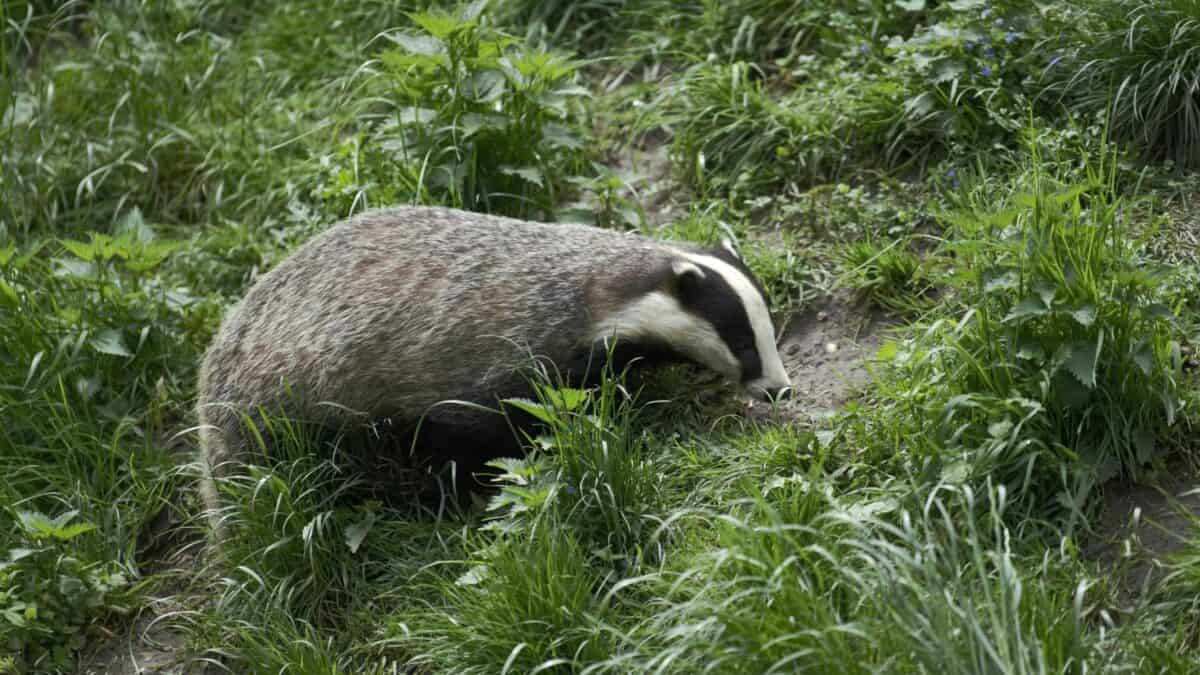
Badgers don’t go looking for trouble, but they’re fully equipped for it. If a person or dog accidentally stumbles too close to a badger’s den, the reaction can be fast and aggressive.
- Badgers have impressive strength and speed, which they use to catch prey—but they can also turn it on perceived threats.
- Their powerful jaws and sharp claws can injure humans or pets in seconds.
- When cornered, badgers will hiss, growl, and lunge without hesitation.
- Most incidents happen when someone unknowingly walks too close to a burrow, especially during early morning or dusk.
Fortunately, attacks on people are rare. Badgers prefer to flee, but they’ll stand their ground if they feel threatened—or if young are nearby.
What to Do If You Cross Paths

Your odds of encountering a badger are slim, but here’s how to stay safe if you ever do:
- Keep your distance – Never approach a burrow or follow a badger, even out of curiosity.
- Stay alert in open grasslands, especially in states like Colorado, Wyoming, or the Dakotas.
- Back away calmly – Don’t run, yell, or make sudden moves.
- Keep dogs on leashes – Curious pets can get into serious trouble with a defensive badger.
- Avoid walking through tall grass or brush at dawn or dusk, when badgers are most active.
If bitten or scratched, seek medical help immediately. Wild animals can carry bacteria or parasites, even if they look healthy.
The Bigger Picture: Why Badgers Matter
Though they’re often dismissed as mean or scary, badgers are important predators in the ecosystems they call home. Here’s what makes them worth protecting:
- Natural pest control: Badgers hunt gophers, ground squirrels, mice, and other burrowing rodents, helping control populations that damage crops and spread disease.
- Soil aeration: Their digging habits churn up the earth, promoting healthy soil and making it easier for water to reach plant roots.
- Food for other species: Abandoned badger dens are used by foxes, skunks, and even owls. Their burrows also create temporary shelters for reptiles and amphibians.
- A sign of land health: Where badgers live, there’s often a rich and balanced environment—free of too much urban sprawl or pollution.
Despite their benefits, American badgers face habitat loss due to land development, road construction, and farming. Seeing one in the wild is not just rare—it’s a sign that the ecosystem around you is still functioning as nature intended.
Final Thought
Badgers may not be headline-makers like bears or cougars, but they’re just as deserving of caution and respect. These solitary diggers are tough, elusive, and vital to their environment. While they pose little threat when left alone, they can defend themselves ferociously if startled. So if you’re hiking through open country and spot a badger or a suspicious burrow, do the smart thing: give it a wide berth, let it do its job, and appreciate one of America’s wildest underdogs from afar.

- Texas Ranchers Injured and Horses Killed in Aggressive Bee Attack - July 19, 2026
- Cougar Attack on Cyclists Shakes Washington Wilderness - July 19, 2026
- Snake Found in Arizona Toilet Shocks Homeowner - July 19, 2026