


You might not see them, but stingrays are often buried just under the sand near shorelines, especially in warm coastal waters. Swimmers, surfers, and even people wading in knee-deep water have found out the hard way that one wrong step can trigger a stingray’s defense mechanism.
These flat, pancake-shaped sea creatures aren’t aggressive, but they strike quickly when startled, often leaving behind excruciating pain and a wound that needs immediate attention.
What Happens When a Stingray Strikes
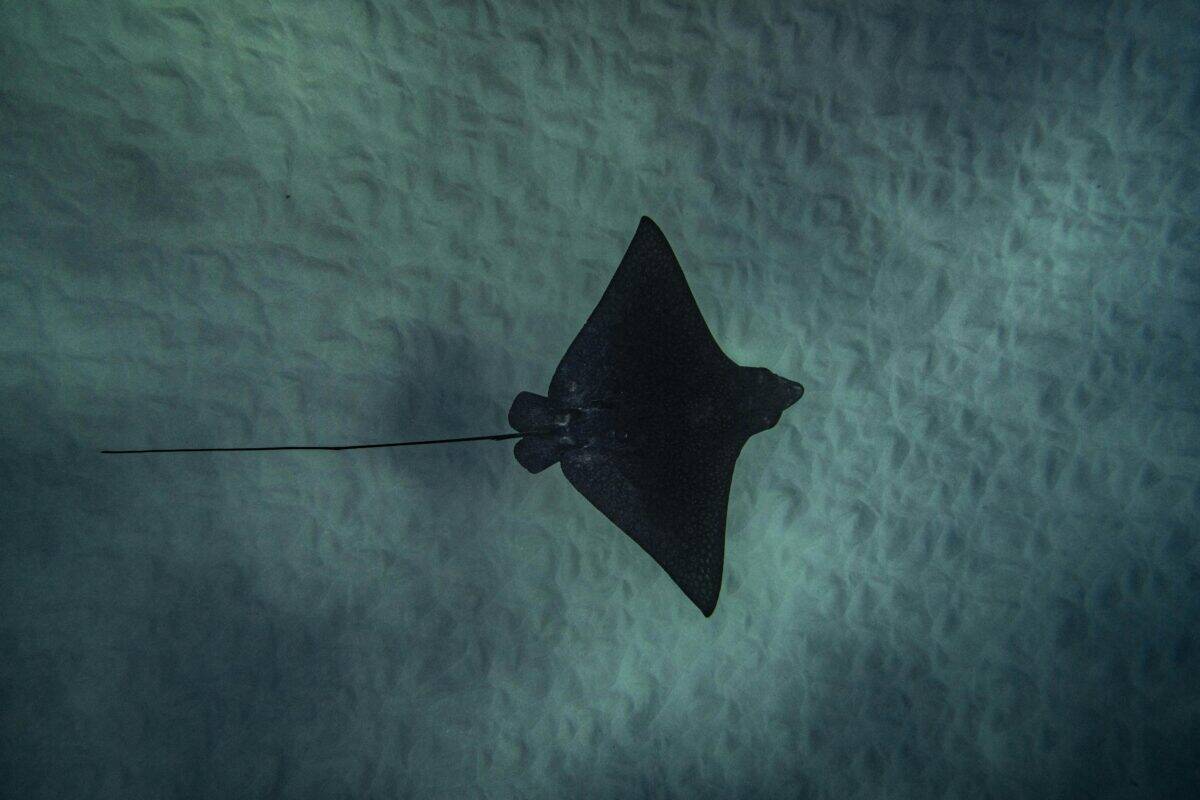
The stingray’s weapon is its tail—specifically the sharp, barbed spine near its base. When stepped on, the ray instinctively whips its tail upward, embedding the spine into the victim’s foot or leg.
Symptoms include:
- Sudden, intense pain that spreads from the wound
- Swelling and bruising
- Muscle cramps and nausea
- Rarely, breathing problems or infections if not treated properly
The pain isn’t just from the stab itself—venom from the stingray’s spine triggers a chemical reaction in the body, which is what really makes people wince and panic.
Shuffle, Don’t Step
One of the simplest ways to avoid a stingray sting is to do what lifeguards call the “stingray shuffle.”
Instead of lifting your feet as you walk into the water, drag them gently along the sand. This motion gives nearby stingrays a heads-up, giving them a chance to swim away before you get too close.
Research has shown this technique significantly reduces accidental stings, especially in popular beach areas like California, Florida, and South Carolina during the summer.
What To Do If You’re Stung

If you get stung, don’t panic. Quick action helps prevent complications:
- Get out of the water calmly and sit down where it’s safe.
- If the spine is sticking out and visible, don’t yank it out unless it’s loose and easy to remove.
- Soak the area in hot water (around 40–45°C / 104–113°F) for 30 to 90 minutes. This helps break down the venom and relieve the pain.
- Clean the wound with fresh water and apply a clean dressing.
- Seek medical care—doctors can check for leftover spine fragments and prescribe antibiotics to prevent infection.
Why It’s Happening More Often
Increased beach traffic, warmer waters, and shifting sandbanks mean more stingrays are gathering near popular swimming spots. Places like Pensacola, Hilton Head Island, and San Diego see seasonal spikes in stingray incidents, especially between May and September.
Final Thought
Stingrays aren’t out to get you—but they are everywhere on shallow, sandy beaches. Doing the stingray shuffle might feel silly, but it’s one of the best ways to avoid a nasty surprise. And if you ever do get stung, knowing what to do can turn a painful situation into a manageable one.
Treat the ocean with respect, keep your eyes open, and most importantly—shuffle those feet.

- Texas Ranchers Injured and Horses Killed in Aggressive Bee Attack - July 19, 2026
- Cougar Attack on Cyclists Shakes Washington Wilderness - July 19, 2026
- Snake Found in Arizona Toilet Shocks Homeowner - July 19, 2026