

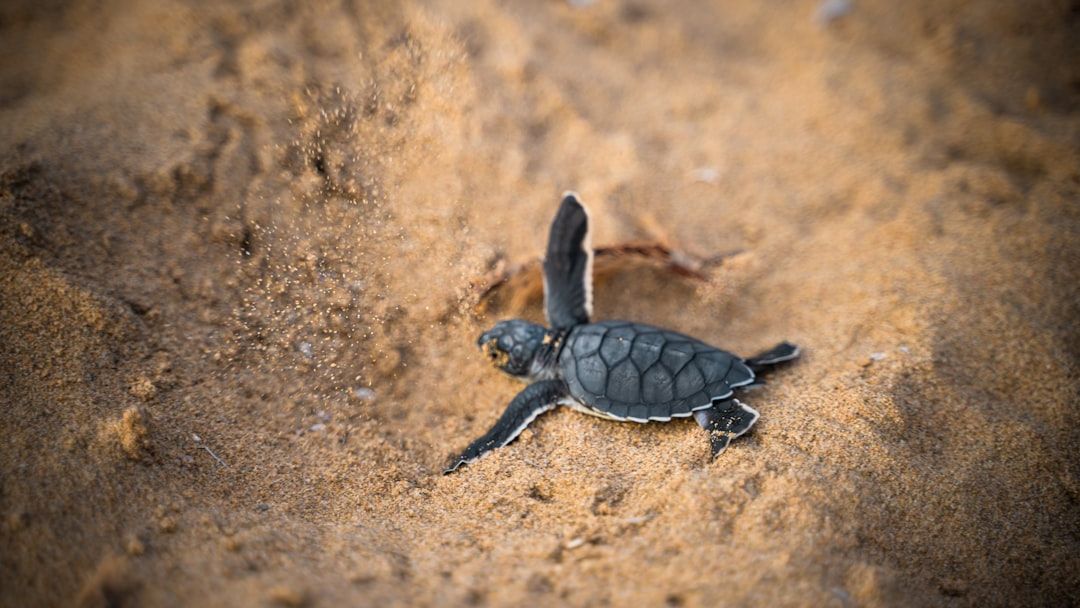
Every year, thousands of sea turtle hatchlings make their desperate scramble from nest to ocean, facing odds so slim it’s almost heartbreaking to think about. Most won’t make it. The ocean is unforgiving, predators are everywhere, and that’s before you even factor in the growing threats posed by humans.
Gabon, a small Central African nation hugging the Atlantic coast, is quietly becoming one of the most important battlegrounds for sea turtle conservation on the planet. What’s happening there right now is equal parts science, strategy, and raw determination. Let’s dive in.
Why Gabon Matters More Than You’d Think
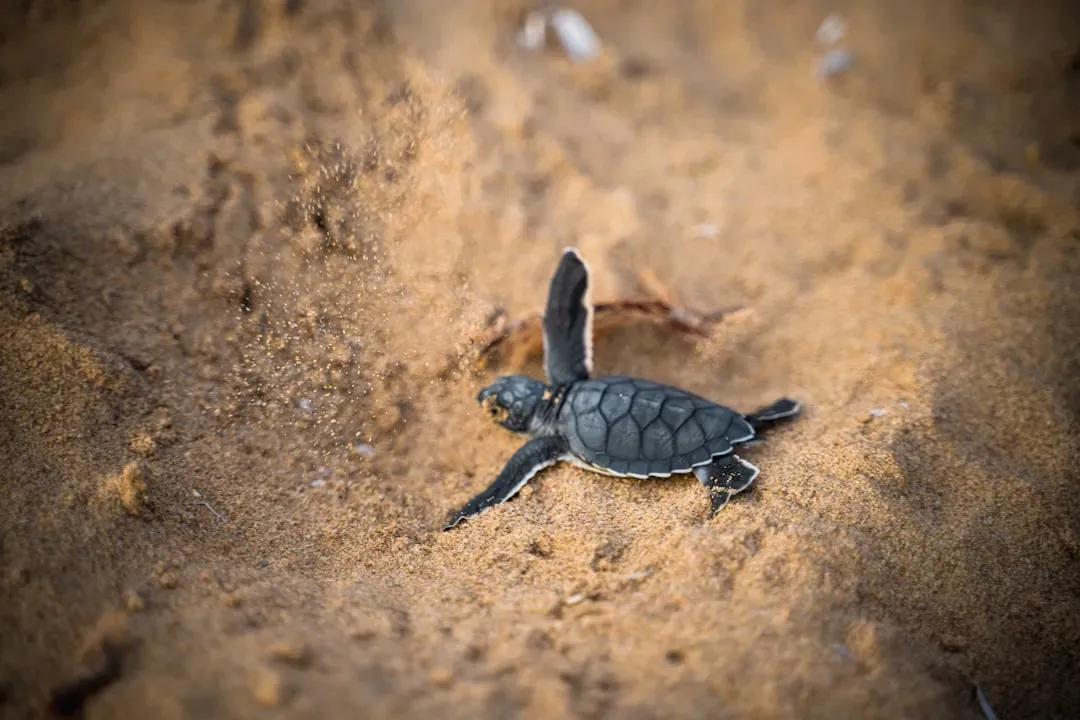
Here’s the thing most people don’t realize: Gabon hosts some of the most significant sea turtle nesting beaches in all of Africa. The country’s coastline stretches for hundreds of kilometers, and large stretches of it remain relatively undisturbed compared to other parts of the continent. That makes it extraordinarily valuable.
Leatherback and olive ridley turtles are among the species that return season after season to nest on Gabonese shores. These ancient animals have been doing this for millions of years, and Gabon’s beaches represent a critical corridor for their survival. Losing ground here would be losing ground everywhere.
The Brutal Reality Hatchlings Face From Day One
Let’s be real: being a baby sea turtle is one of nature’s most punishing starting positions. From the moment they crack out of their shells, they’re racing against time, heat, dehydration, and a long list of hungry predators. Roughly only one in a thousand hatchlings is estimated to survive to adulthood. That statistic still stops me cold every time I read it.
The threats aren’t just natural. Poaching, fishing bycatch, plastic pollution, and artificial lighting that disorients hatchlings as they try to find the ocean all stack the odds even further against them. It’s a miracle any of them make it at all. Which is exactly why targeted intervention efforts in Gabon are generating real excitement among conservationists.
What Researchers Are Actually Doing on the Ground
Conservation teams working along Gabon’s coast are taking a hands-on, data-driven approach to improving hatchling survival rates. Nests are being carefully monitored, and in some cases relocated away from areas at high risk of flooding or predation. It sounds simple, but the logistics of doing this across remote beaches in a tropical climate are anything but.
Researchers are also tagging adult females to track nesting behavior and better understand reproductive cycles. This kind of long-term data collection is the unglamorous backbone of real conservation work. It doesn’t make headlines, but it builds the knowledge base that makes smarter protection strategies possible over years and decades.
Local Communities as Conservation Partners
One of the most encouraging aspects of what’s unfolding in Gabon is the deliberate effort to involve local fishing communities in the conservation work. Historically, sea turtles were hunted for meat and eggs across the region, so this shift in relationship represents something genuinely significant. It didn’t happen overnight.
Community members are now being trained as nest monitors and patrol guards, creating both economic incentive and local pride around protecting the turtles. Honestly, this model works better than outside enforcement almost every time. When people feel ownership over a resource, they protect it. That’s not idealism, that’s just how human behavior works.
The Role of Science and Technology in Tracking Success
Modern conservation in Gabon isn’t just boots on the beach. Satellite telemetry, drone surveillance, and genetic sampling are all being deployed to build a clearer picture of population health and movement patterns. These tools allow researchers to ask questions that would have been impossible to answer even fifteen years ago.
Genetic analysis, for example, can reveal how closely related different nesting populations are across the Atlantic basin. That information matters enormously for understanding whether protecting Gabon’s beaches has broader regional impact. It’s hard to say for sure just how interconnected these populations are, but early evidence suggests the ripple effects of local conservation extend far beyond the immediate coastline.
Climate Change Is Quietly Reshaping the Equation
Here’s something that doesn’t get talked about enough in mainstream coverage: rising sand temperatures caused by climate change are beginning to affect the sex ratios of sea turtle hatchlings. Because turtle sex is determined by incubation temperature rather than genetics, warmer nests produce more females. That might sound fine at first, but extreme imbalances over time could threaten population viability.
Gabon’s conservation teams are already factoring this into their management approach, experimenting with shading techniques over nests to moderate temperature. It’s a small intervention with potentially significant consequences. The broader climate threat to sea turtles is immense, but this kind of adaptive, localized response is exactly the kind of nimble thinking the situation demands.
What the Future Looks Like for Gabon’s Sea Turtles
The picture in Gabon is cautiously hopeful, which in conservation is about as good as it gets. Nesting numbers on monitored beaches have shown encouraging trends, and the combination of scientific rigor and community involvement creates a foundation that feels more durable than many short-term protection schemes.
Still, the work is far from done. Funding remains a persistent challenge, and the pressures of development, illegal fishing, and climate change aren’t going anywhere. What Gabon is demonstrating, though, is that meaningful progress is possible when the right people commit to the right methods over the long haul.
A Final Thought Worth Sitting With
I think what moves me most about this story is the sheer improbability of it all. A tiny hatchling, smaller than your palm, navigating pitch-dark sand toward an ocean it’s never seen, running on instinct alone. And then a team of researchers and local community members quietly stacking the odds ever so slightly in its favor.
Conservation doesn’t often announce itself with fanfare. Most of the time it looks like someone crouching on a beach at two in the morning, counting eggs by headlamp. Gabon is proving that this kind of quiet, persistent effort can genuinely move the needle. The turtles, if they could know, would probably be grateful. What do you think it will take to scale this model to other critical nesting regions around the world? Drop your thoughts in the comments below.

- Urban Coyotes Show Remarkable Adaptability, Learning to Thrive in City Environments - July 22, 2026
- Beavers Are Nature’s Engineers, Creating Vital Habitats for Other Wildlife Species - July 21, 2026
- The Recovery of the California Condor Offers Hope for Other Critically Endangered Birds - July 21, 2026