
Worried about unexpected vet bills?
Pet insurance can cover thousands in unexpected vet costs. Get a free quote from Lemonade in under 2 minutes.
Get My Free Quote →Sponsored · Opens Lemonade.com
The relationship between bears and humans stretches back tens of thousands of years, woven into the very fabric of our shared evolutionary story. From ancient cave paintings depicting these magnificent creatures to modern-day encounters in increasingly urban landscapes, bears have captured our imagination while simultaneously sparking fear and respect. Today, as human populations expand and bear numbers recover in many regions, understanding this complex dynamic has never been more critical.
Scientists are now piecing together a fascinating picture of how our species have both competed and coexisted throughout history. While popular culture often portrays bears as mindless killing machines, the reality is far more nuanced and surprisingly hopeful.
The Numbers Game: Just How Dangerous Are Bears Really?
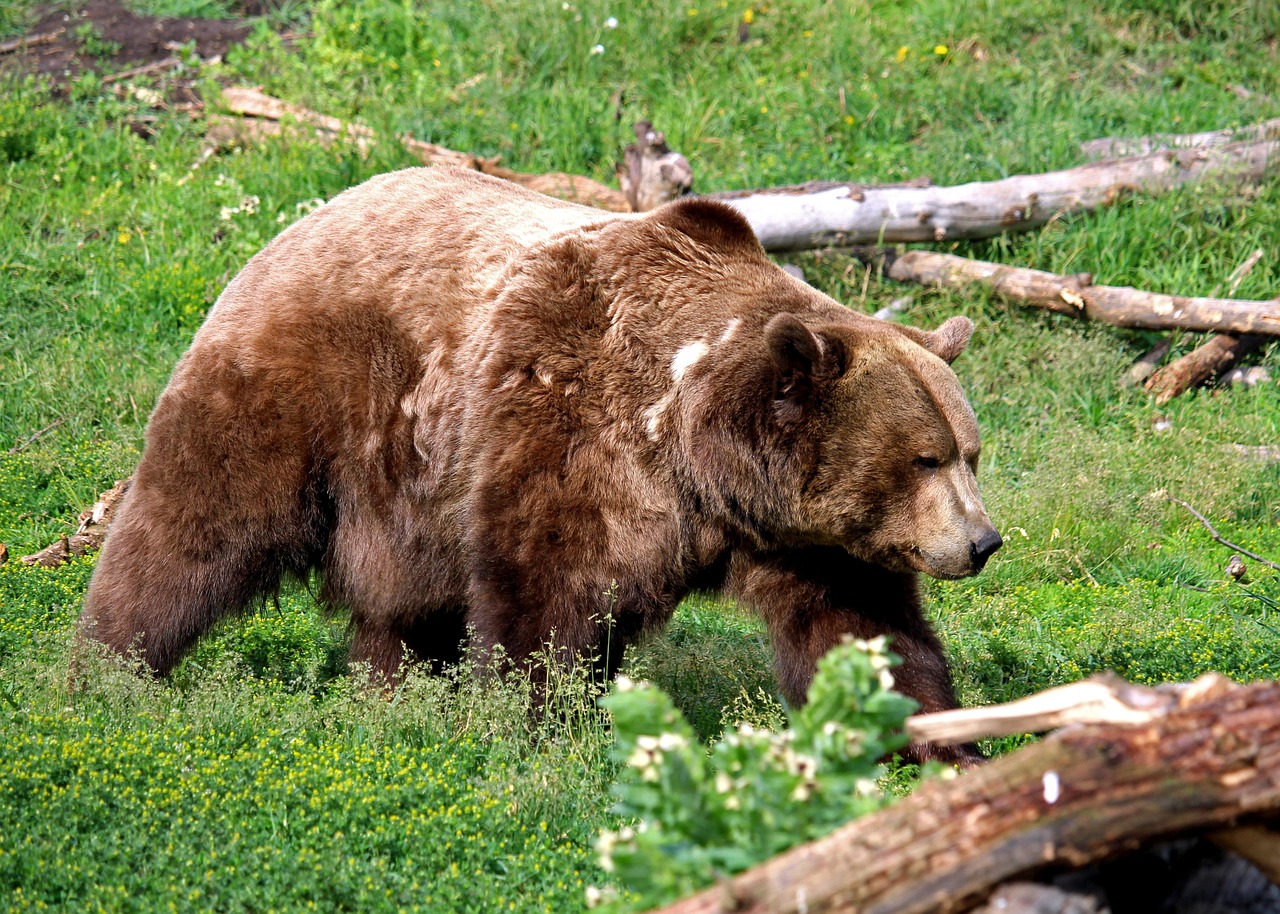
There have been approximately 200-250 fatal human/bear conflicts in North America since 1784. To put this in perspective, that’s fewer than one fatal attack per year across an entire continent where nearly one million black bears roam alongside hundreds of millions of people.
Negative encounters with brown bears are extremely rare and mainly non-fatal. Recent research analyzing bear attacks worldwide found a global attack rate of 39.6 attacks (approximately 40 attacks) per year, with 11.4 attacks per year in North America and 18.2 attacks per year in Europe.
The statistical reality might surprise you. Less than a dozen non-fatal conflicts happen each year, and the vast majority of encounters end with zero bodily contact. Your chances of being struck by lightning are significantly higher than being attacked by a bear.
Black Bears: The Misunderstood Giants Next Door
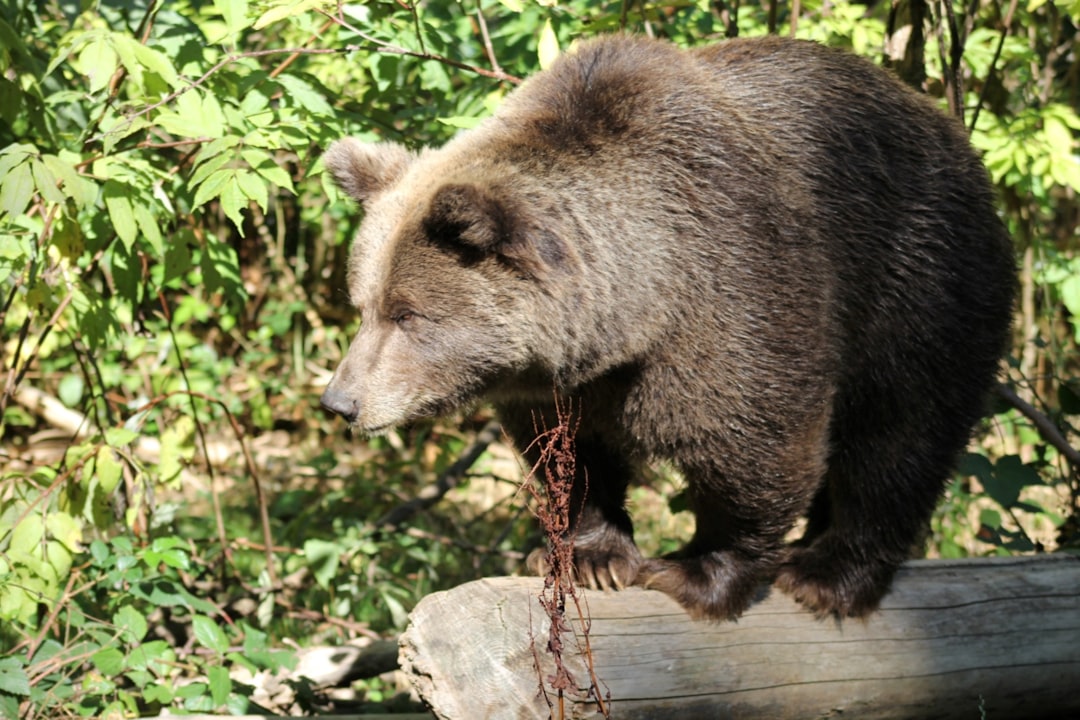
Black bears, despite their name, come in various colors and represent the most common bear encounters for North Americans. There are around 900,000 black bears in North America. These impressive animals have learned to live surprisingly close to humans, yet fatal encounters remain exceptionally rare.
Since 1784 there have been approximately 89 fatal human/bear conflicts by wild black bears. What’s particularly interesting is that bear researcher Stephen Herrero determined that in black bear attacks, the bear acted as a predator in 88 percent of fatal incidents. This might sound terrifying, though the absolute numbers remain incredibly small.
Black bears are far more likely to run away from you than engage. Most encounters end with humans simply watching as the bear leaves the area, creating what many describe as a profound wildlife experience rather than a dangerous confrontation.
Brown Bears and Grizzlies: The Apex Encounter
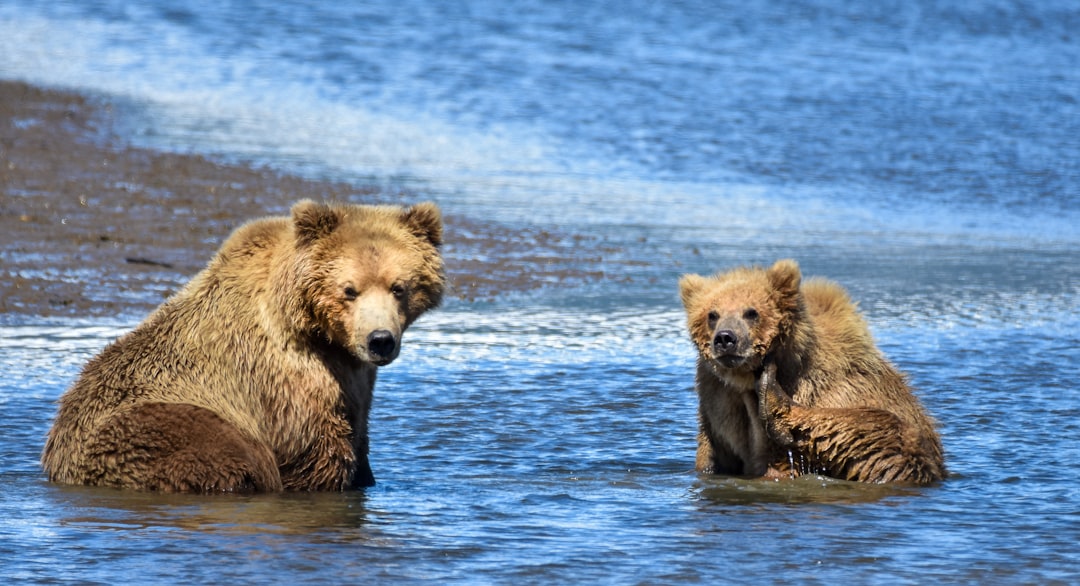
Grizzly bears command a different level of respect and caution. Research reveals that an attack by grizzly bear is 3.5 times more dangerous than attacks from polar bears and 21 times more dangerous than black bear. Their size, power, and territorial nature create genuinely dangerous scenarios when encounters go wrong.
According to research from the National Park Service, approximately 16-18% of attacks by brown bears are fatal. However, Their territory doesn’t creep any further south than parts of Wyoming, Montana, and Idaho. Areas of densest population are in western Canada and Alaska. It’s estimated that there are around 45,000 grizzlies in North America, and only about 1,000 of them are believed to be in the lower 48.
The timing of encounters matters significantly. Most attacks occur in the months of July, August and September, the time when the number of outdoor recreationalists, such as hikers or hunters, is higher.
The Psychology of Fear vs. Reality
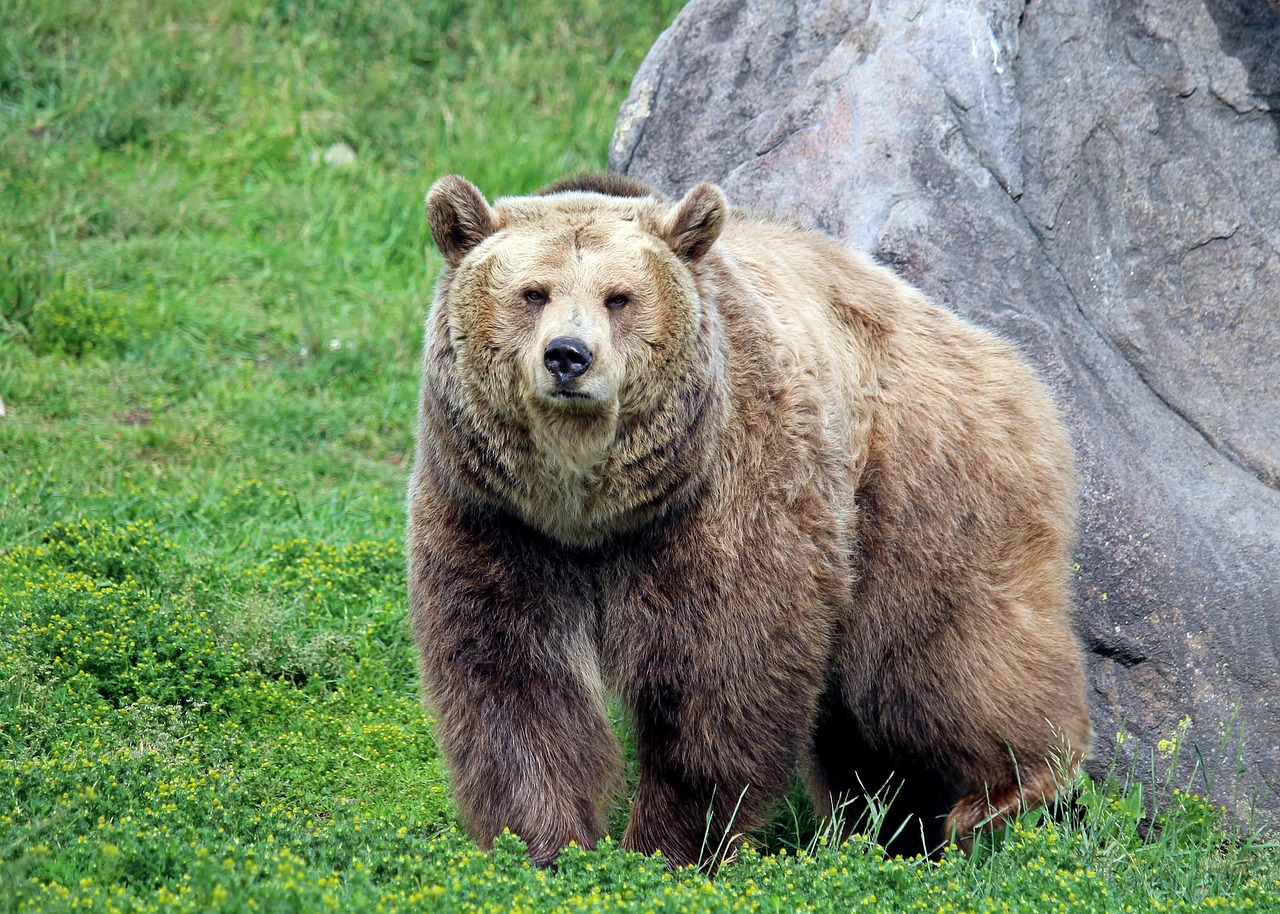
When they do occur, attacks on humans elicit considerable media attention, which can lead people to overestimate the risk of an attack. Additionally, when using negative framing and graphic contents to describe an attack, the media does not help to correctly inform people but rather unnecessary alarms the public about a phenomenon that is actually very rare.
A bear’s first reaction upon detecting a human is to run away. This instinctive behavior likely evolved over millennia, and some speculate that bears inherited their cautious nature from thousands of years ago when they had to be wary of larger and more dangerous carnivores.
Modern research consistently shows that people who run are statistically more likely to be attacked than those who stand their ground. People who assert their presence through noises tend to be less vulnerable, as they alert bears to their presence.
Our Shared Evolutionary Story
The relationship between bears and humans runs deeper than simple predator-prey dynamics. The relationship between bears and humans dates back tens of thousands of years, during which time we have competed with bears for shelter and food.
Archaeological evidence reveals fascinating insights into our ancient connections. A Neanderthal burial of ‘Le Regourdou’, in France, shows the skeleton of a Neanderthal in a foetal position under a funeral slab surrounded by the bones of a brown bear. Bears were also represented in rock paintings in caves inhabited by our ancestors in Europe.
Humans and bears have shared landscapes for far longer than we have been separate. The substantial span of our shared history suggests that coexistence, rather than conflict, has been the historical norm.
When Encounters Go Wrong: Understanding the Triggers
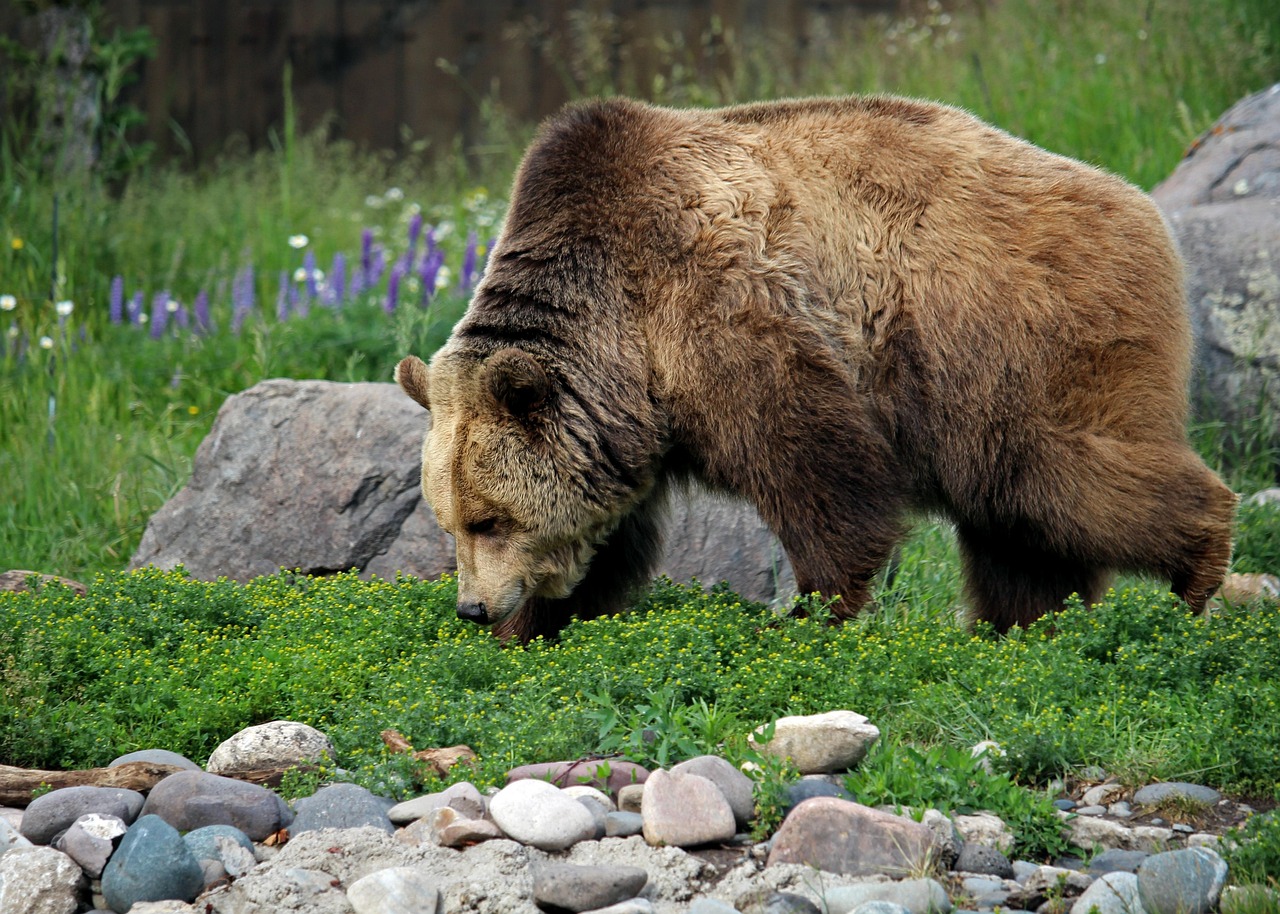
Most bear attacks result from specific, preventable circumstances. Almost all recorded bear attacks in the wild have resulted from humans surprising them. Most bear attacks result from hunters suddenly appearing in front of them, startling a bear into an instinctive act of aggression.
Food plays a crucial role in dangerous encounters. The rest of those attacks revolve around a drive for food. Whether it was foraging in campsites or following a hiker to swipe their stash, that 48% had food on their minds. It’s highly likely that they’d been conditioned to associate human presence with easy calories.
The majority of attacks on humans are because the bears feel threatened. Bears lash out to protect their cubs or their food. Understanding these triggers helps explain why bear attacks, while dramatic, remain statistically rare events.
The Path Forward: Science-Based Coexistence

Modern research is revolutionizing how we approach human-bear relationships. In a 2008 study, Smith found that bear spray effectively halted aggressive bear encounters in 92 percent of the cases. Researchers conducted lab tests on how well bear spray performed in Arctic conditions, including wind and cold, and found it to be effective in all conditions. The takeaway: Everyone should carry bear spray when in bear country.
The number of human-black bear interactions is surging nationwide, with 18 state wildlife agencies reporting an increase in 2022. Numbers are up in many places and one of the things that we see across all the bear populations is that the more people and more bears you have, the more problems you have.
However, this challenge is driving innovative solutions. Adaptation policies and actions are needed for promoting sustainable human-wildlife coexistence. Sustainable practices must be perpetuated, encompassing the refinement of protection policies, effective conservation strategies and ongoing stakeholder engagement.
What emerges from decades of research is a surprisingly optimistic picture. While our ancient rivalry with bears continues, science shows us that coexistence isn’t just possible – it’s happening successfully in communities worldwide. The key lies not in eliminating risk entirely, which is impossible, though in understanding and managing it intelligently. When we respect bears as the intelligent, adaptable creatures they are, we discover that sharing our world with them enriches rather than endangers our lives. Have you ever wondered what it would be like if we truly embraced our role as neighbors to these magnificent animals?
Worried about unexpected vet bills?
Pet insurance can cover thousands in unexpected vet costs. Get a free quote from Lemonade in under 2 minutes.
Get My Free Quote →Sponsored · Opens Lemonade.com
