

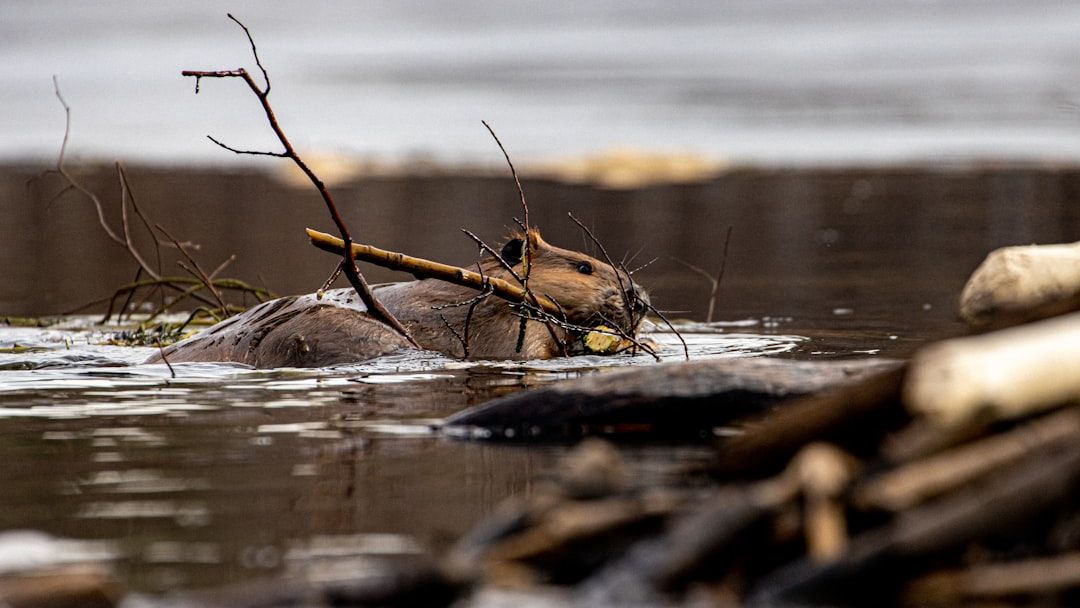
If you’ve ever walked through a quiet forest and stumbled onto a beaver pond, you know the feeling: it’s like stepping into a completely different world. The air is cooler and stiller, the water is held back in a glassy pool, birds chatter at the edges, and there’s a sense that a lot is going on just out of sight. That transformation is not an accident. It’s the result of small, determined animals chewing trees and stacking branches exactly where they’re needed.
Beavers don’t read ecology textbooks, but they build and remodel entire landscapes in ways that scientists spend careers trying to understand. Their dams slow rivers, create wetlands, change soil, shape forests, and even influence local climates. Far from just being “rodents that cut trees,” they are living construction crews that make life possible for countless other species. The more we learn about them, the harder it is to see them as pests – and the easier it is to see them as partners.
The Surprising Power Of A Single Beaver Dam
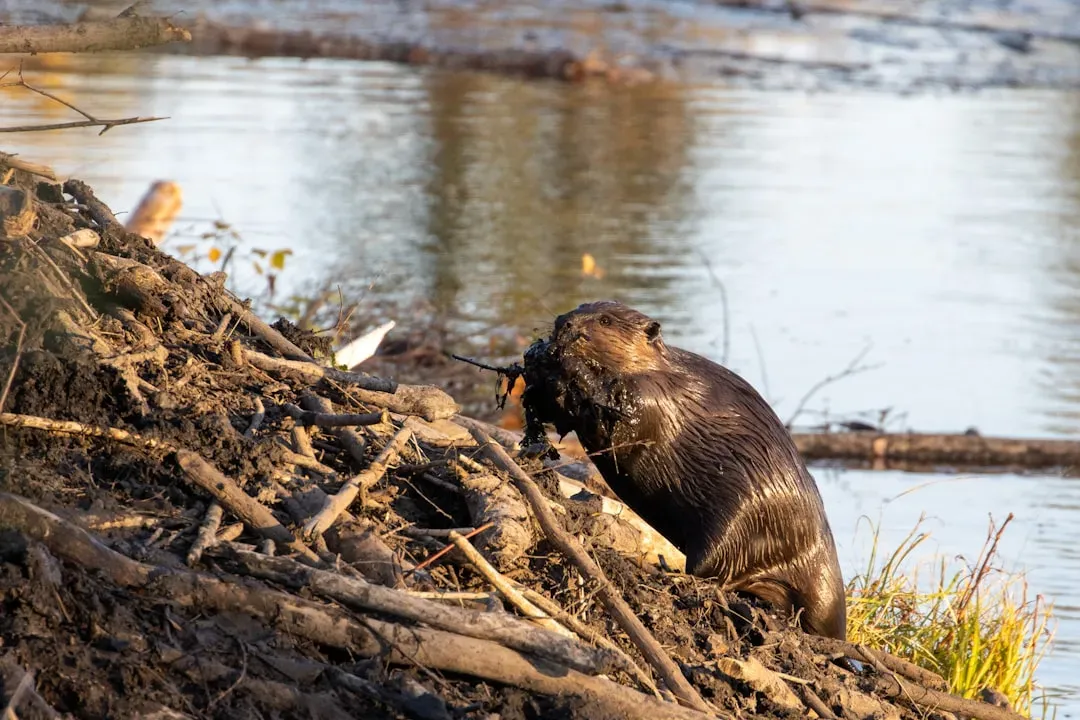
Walk along a stream with no beavers, and you’ll probably see fast water, eroding banks, and a fairly narrow zone of life. Add a single beaver dam, and suddenly the entire scene changes: the flow slows down, water spreads out, and a shallow pond begins to form. That pool acts like a magnet for wildlife, drawing insects, amphibians, fish, birds, and mammals that prefer calmer, richer waters. It’s wild to realize that one structure, built by teeth and instinct, can flip an ecosystem into a new state.
Ecologists have measured how these dams trap sediment, store water, and reduce the force of floods downstream. Instead of stormwater racing through like a firehose, it’s held back, soaked into the ground, and released slowly, more like a sponge being gently squeezed. That buffering effect can protect downstream habitats and human communities alike. In many valleys, the most productive, diverse patches of habitat sit directly behind beaver dams, all starting with a few felled trees and a lot of persistence.
How Beavers Rewire Rivers And Streams
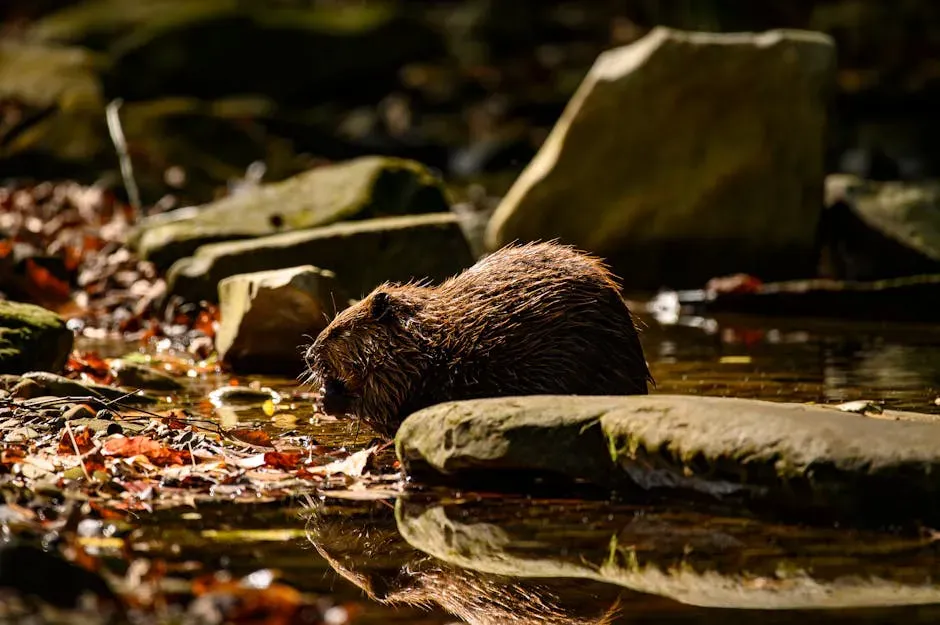
Most rivers and streams, left alone, try to balance speed and stability. They carve deeper channels, carry sediment, and look for the easiest path downhill. Beavers interrupt that process by building dams at strategic points where the current is strong enough to bring materials but not so strong that it rips everything apart. Over time, those dams force water to spread sideways into side channels and old floodplains that may have been dry for years. The result is a complicated web of water instead of a single, straight line.
That branching maze matters. Slower water gives fish resting spots, creates spawning areas, and makes it easier for young fish to survive. Side channels cool down faster and often stay cooler in summer, which is crucial for species like trout and salmon that struggle in warm water. I still remember the first time I stood next to a beaver complex that stretched across an entire valley – what used to be one narrow stream had become a patchwork of pools, trickles, and marshes, all humming with life.
Wetlands Built By Beavers: Refuge For Birds, Frogs, And More
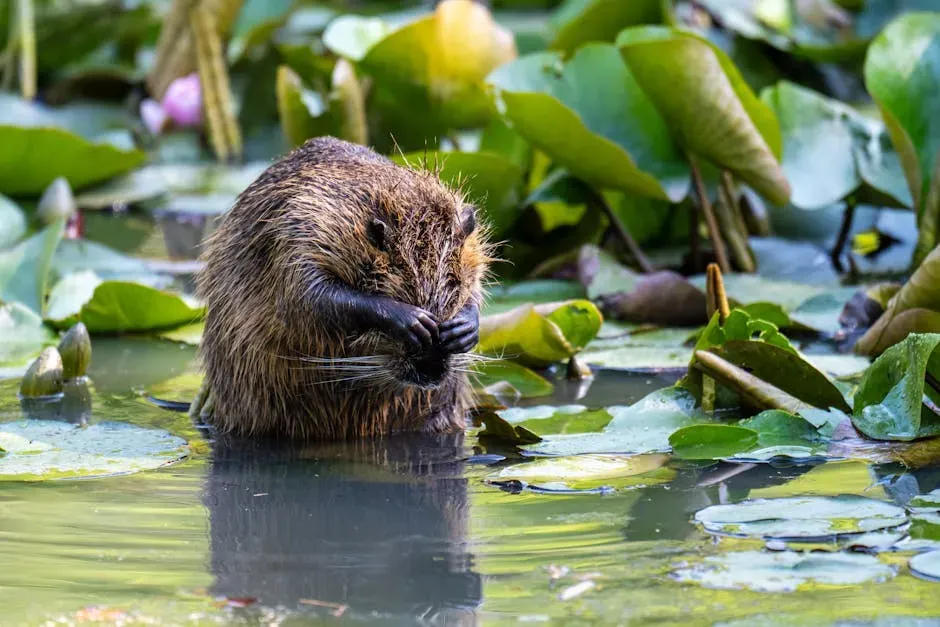
Beaver ponds aren’t just pretty – they’re functioning wetlands, and wetlands are some of the most productive ecosystems on Earth. When a beaver dam floods a flat area, shallow marshes form at the edges, with cattails, sedges, and shrubs taking root in the soggy soil. Those plants, in turn, offer breeding grounds and hiding places for frogs, salamanders, insects, and nesting waterfowl. It’s like turning a simple ditch into a bustling neighborhood overnight.
Birds respond especially quickly. Ducks find calm places to raise their young, herons and egrets hunt along the muddy margins, and songbirds use the dense shrubs and dead trees (called snags) as perches and nest sites. Many amphibians rely on these still, shallow waters where fish are limited and eggs are less likely to be eaten. When people talk about beavers as “ecosystem engineers,” this is a big part of what they mean: their construction work literally creates new homes for other species that weren’t there before.
Fish And Beavers: From Old Myths To New Science
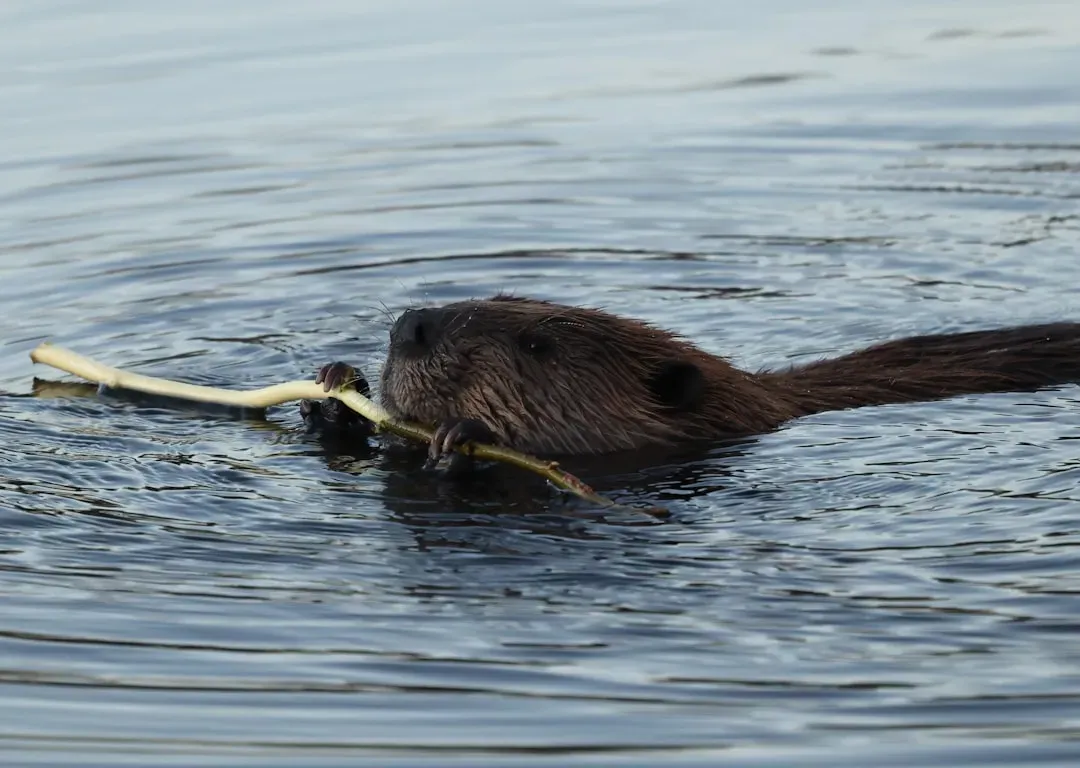
For a long time, many anglers thought beavers were bad news for fish, especially trout and salmon. The logic sounded simple: dams block movement, so they must be barriers. But as more streams and beaver complexes have been studied, that story has become a lot more complicated – and, in many cases, flipped. In smaller streams, most beaver dams are low enough or leaky enough that fish can get past them during high flows. The reward for making it upstream is a network of cool ponds and channels that act as nurseries for young fish.
Those ponds offer food, shelter from fast currents, and protection from big predators that patrol main river channels. In places where beavers returned after being gone for decades, researchers have found that juvenile salmon and trout often thrive in the restored habitat. There are still situations where beaver dams can be a problem – like in already heavily modified systems where fish are barely hanging on – but the overall picture is far more positive than the old myths suggested. In a lot of cold-water streams, beavers and fish turn out to be better allies than enemies.
Beaver Ponds As Life-Saving Water Banks In A Warming World
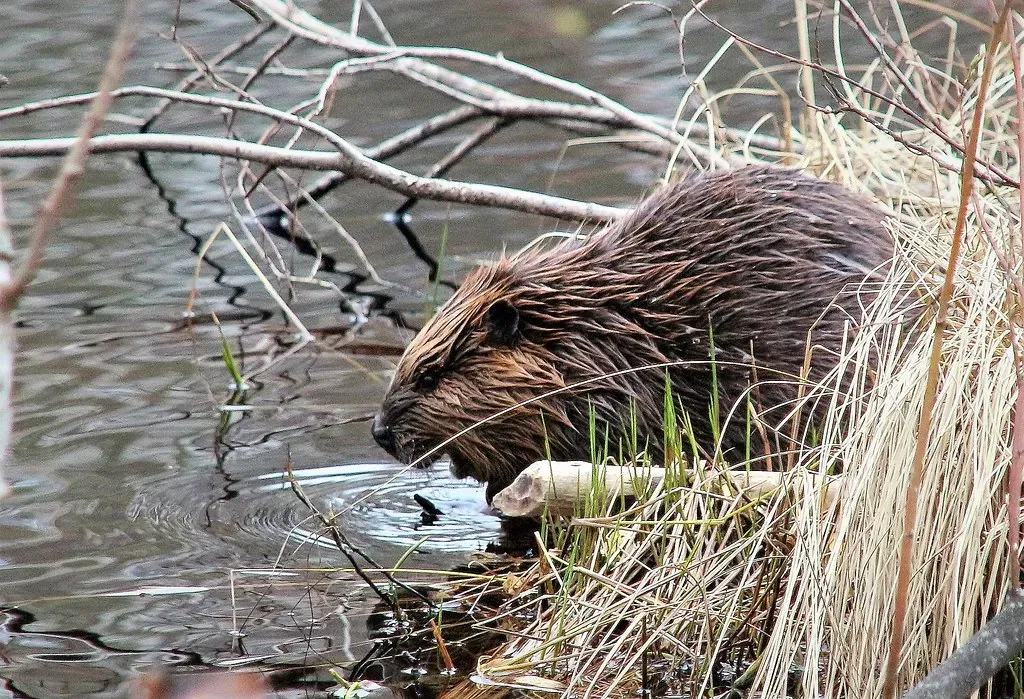
As climate change drives more intense droughts and heat waves, the ability of landscapes to hold water becomes crucial. Beaver ponds act like natural reservoirs, storing water in both surface pools and in the soils around them. When streams would normally shrink to a trickle or dry up entirely, beaver complexes often keep pockets of water on the landscape. That can be the difference between survival and collapse for fish, amphibians, and even large mammals that rely on drinking water.
Researchers and land managers have noticed that valleys with active beavers tend to stay greener longer into the dry season. The ponds recharge groundwater, which then seeps back into streams slowly, keeping flows going when everything else is baking in the sun. In some western North American watersheds, these “water banks” created by beavers are being treated as a form of natural climate adaptation. It’s hard not to be impressed by the idea that a medium-sized rodent, armed with nothing but teeth and determination, can help a landscape ride out a hotter, drier future.
Fire Breaks And Green Oases During Wildfires
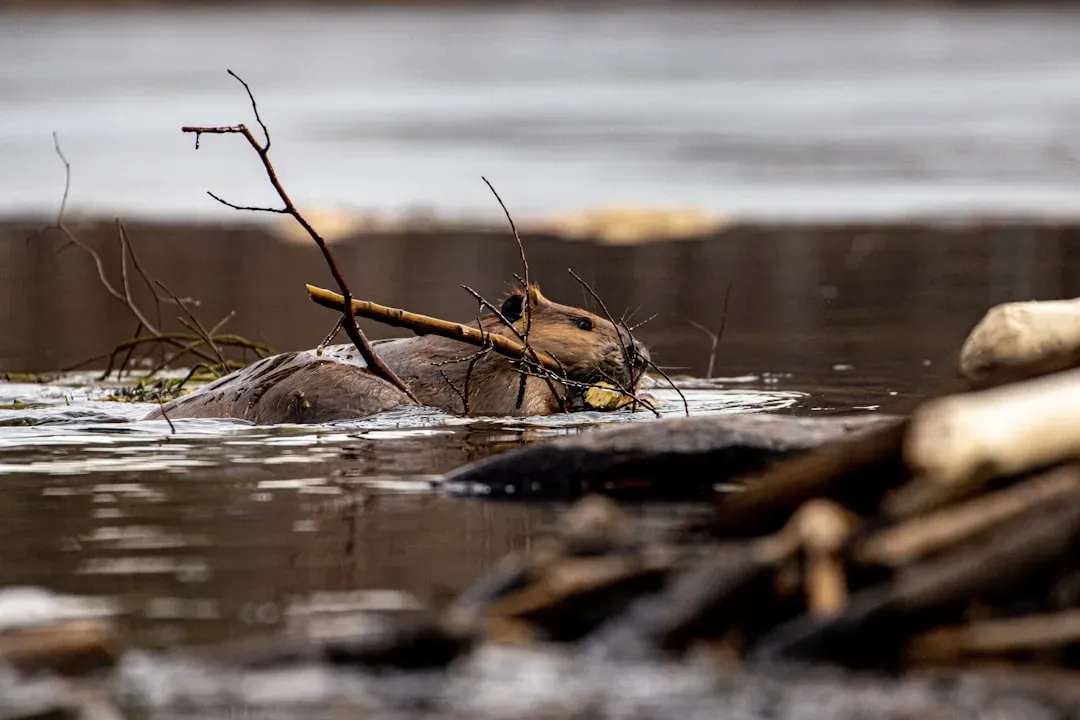
One of the most striking discoveries in recent years has come from wildfire zones. When big fires rip through forests and grasslands, they tend to burn hottest and most completely in dry, uniform areas. Beaver wetlands break up that pattern. Photos and satellite images from major fires have shown long, green ribbons and patches of unburned vegetation clustered around active beaver complexes. While the land around them turned black, these damp areas functioned like natural fire breaks.
The explanation is straightforward: wetter soils, higher humidity close to the ground, and open water are much harder to burn. Wildlife caught in the path of a fire often use these beaver-created wetlands as emergency refuges, hunkering down in the damp zones until the flames pass. Some land managers now see beavers as unofficial members of the fire mitigation team. They do not replace careful planning and fuel management, but they add resilience to the landscape in a way no bulldozer or water truck can fully mimic.
Creating Homes For Mammals, From Otters To Moose
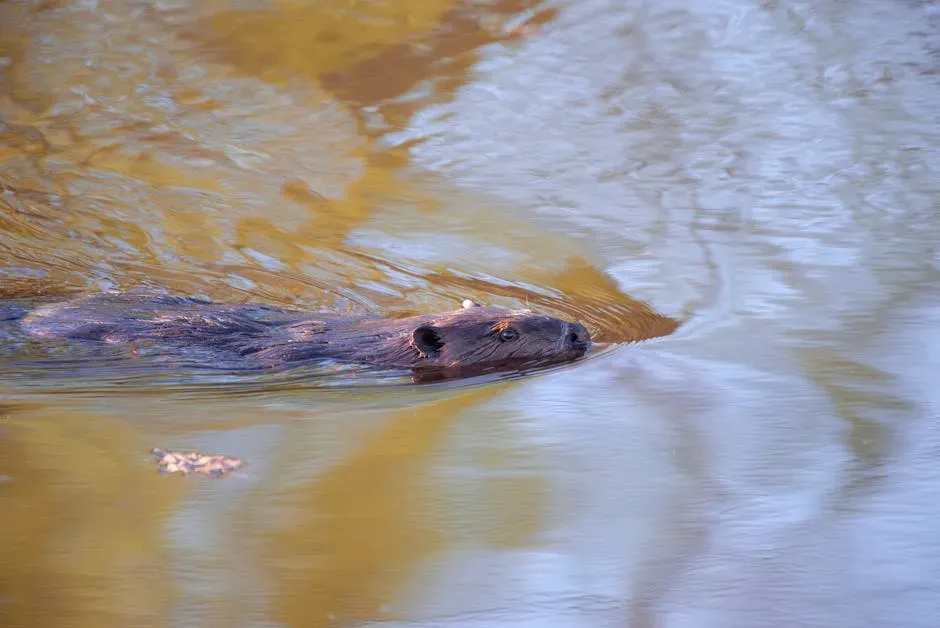
While beavers are busy building dams and lodges for themselves, they’re also shaping prime real estate for other mammals. River otters hunt in the deep pools for fish and crayfish, weaving in and out of the complex channels like underwater acrobats. Muskrats sometimes share parts of beaver lodges or burrow into the banks of ponds. Even predators like mink and fox will patrol the edges, taking advantage of the concentrated prey drawn to the water. A working beaver pond is a feeding ground, highway, and safe haven all in one.
Larger mammals also show up in these engineered landscapes. Deer and moose browse on the tender shoots of willows and other shrubs that sprout in the newly wet soil. In northern regions, moose are often spotted standing belly-deep in beaver ponds, munching on aquatic plants and cooling off on hot days. I remember once watching a moose wade through a beaver marsh at sunset, dragonflies buzzing over its back, and thinking how many different animals were relying on that one patch of flooded ground – many of them never seeing the beaver that started it all.
From “Pest” To Partner: Rethinking Our Relationship With Beavers
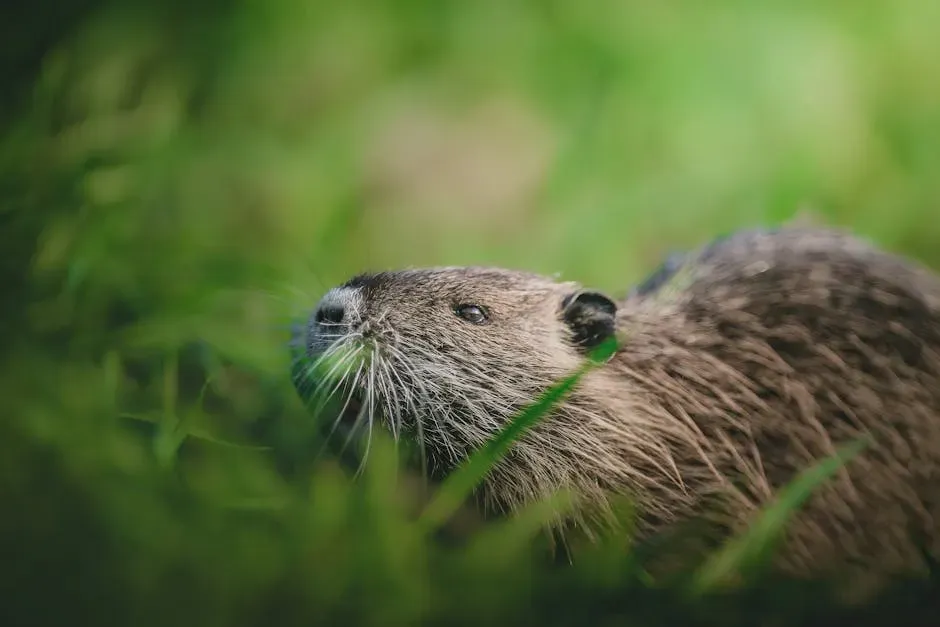
For much of recent history, humans have mostly seen beavers as problems to be trapped, removed, or fenced out. They flood roads, chew trees we value, and occasionally clog culverts in ways that drive landowners crazy. Those impacts are real, and anyone who has watched a driveway slowly disappear under a rising beaver pond knows how frustrating it can be. But the more we understand about their benefits, the more it becomes clear that simply killing or removing them is a short-term fix with long-term costs for ecosystems.
In many places, communities and agencies are shifting from conflict to coexistence. Simple tools like flow devices can keep water levels below a problem point without removing the dam entirely. Strategic fencing can protect valuable trees while leaving others available for beavers to use. When people see the extra birds, healthier streams, and cooler, wetter valleys, it becomes easier to view beavers as partners in land and water management. It’s a mindset shift: instead of asking, “How do we get rid of them?” we start asking, “How can we work with them?”
Beaver-Led Restoration: Letting Wildlife Do The Heavy Lifting
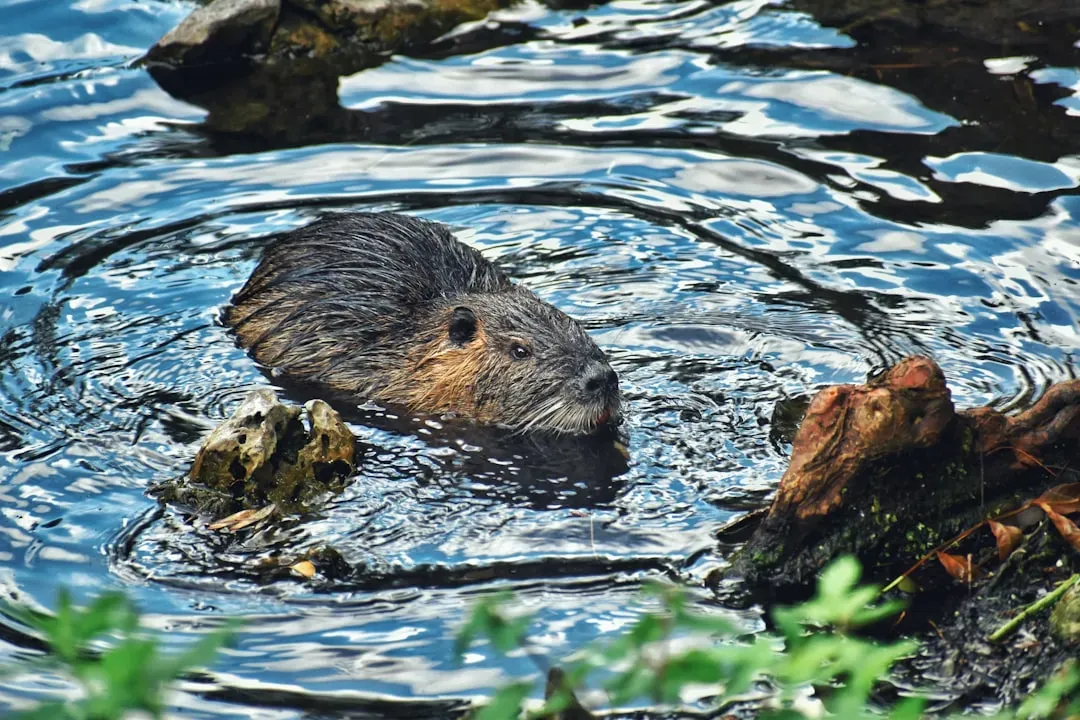
Restoring damaged streams and wetlands with heavy machinery is expensive, noisy, and often short-lived. Beavers offer something radically different: self-maintaining, self-repairing infrastructure powered by hunger and instinct. Some conservation groups and agencies now experiment with helping beavers return to places where they used to live, or with building “beaver dam analogues” that mimic their structures until real beavers move in. Once the animals take over, they continuously adjust, patch, and expand their dams in tune with the river’s moods.
This approach is not a magic wand. It works best where there is enough water, food, and space, and where people are ready to tolerate flooding in some areas while protecting others. But when it works, it can jump-start recovery in rivers that had been straightened, drained, or heavily grazed. Seeing muddy trickles turn into complex wetland mosaics over a few years, largely driven by beaver activity, is one of those things that feels almost like cheating – like we’ve hired a full-time restoration crew that never sends an invoice.
A Shared Future With Nature’s Engineers
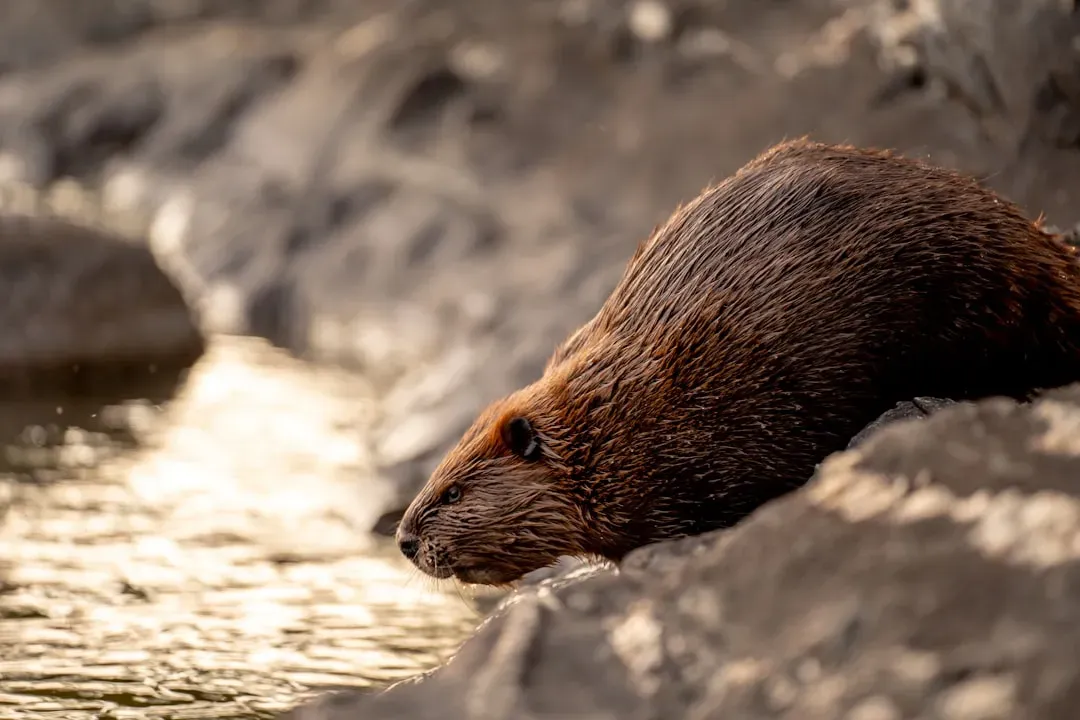
Beavers remind us that you do not need advanced tools or blueprints to be a powerful engineer. With nothing more than teeth, mud, and an inborn urge to stop running water, they reshape entire landscapes in ways that boost biodiversity, store water, and soften the blows of climate stress and wildfire. They do not build for us, of course; they build for themselves. But the side effects of their work spill over generously to fish, birds, mammals, insects – and to us.
Living with beavers is not always simple, and it asks for patience, creativity, and sometimes a willingness to let water go where we did not originally plan. Yet the payoff is a richer, wetter, wilder world that can better withstand the shocks already on our doorstep. Next time you see a gnawed stump or a half-finished dam, it might be worth pausing to imagine the habitat that could bloom there in a few years. In a century of sprawling concrete and steel, how often do we get to partner with another species that builds for life instead of against it – and what might change if we said yes more often?
