

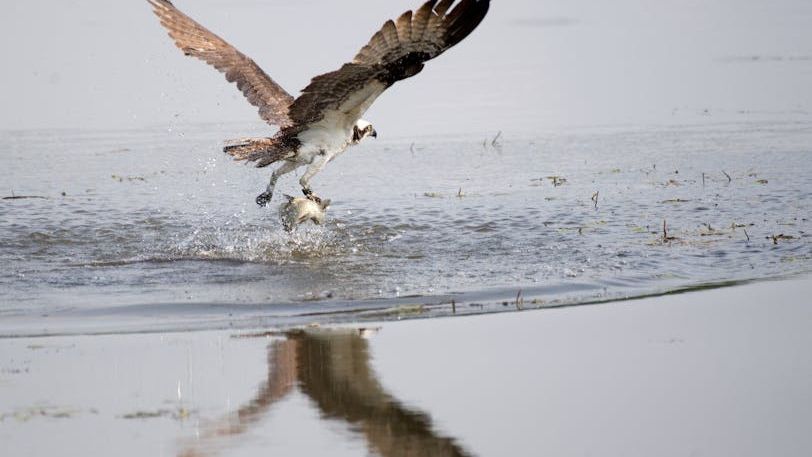
Watch the sky over a river in late spring, and you might see it: a dark-and-white raptor hovering, then plunging feet-first into the water and rising with a wriggling fish in its talons. That’s an osprey, and its growing presence across lakes, rivers, and coastal estuaries in the United States is one of the most quietly hopeful conservation stories of the last few decades. Where ospreys thrive, water is usually cleaner, fish are more abundant, and entire river ecosystems tend to be in better shape.
Not that long ago, people were seriously worried these birds might disappear from many parts of the country. Today, you can find them on man-made platforms along urban rivers, atop channel markers in busy bays, and even near city skylines. Their comeback tells a bigger story about toxins, habitat restoration, and how closely our own health is tied to the fate of a fish-eating bird. Let’s dig into why ospreys are suddenly everywhere – and what that really says about our rivers.
From Near Collapse To Comeback: The Osprey’s American Story
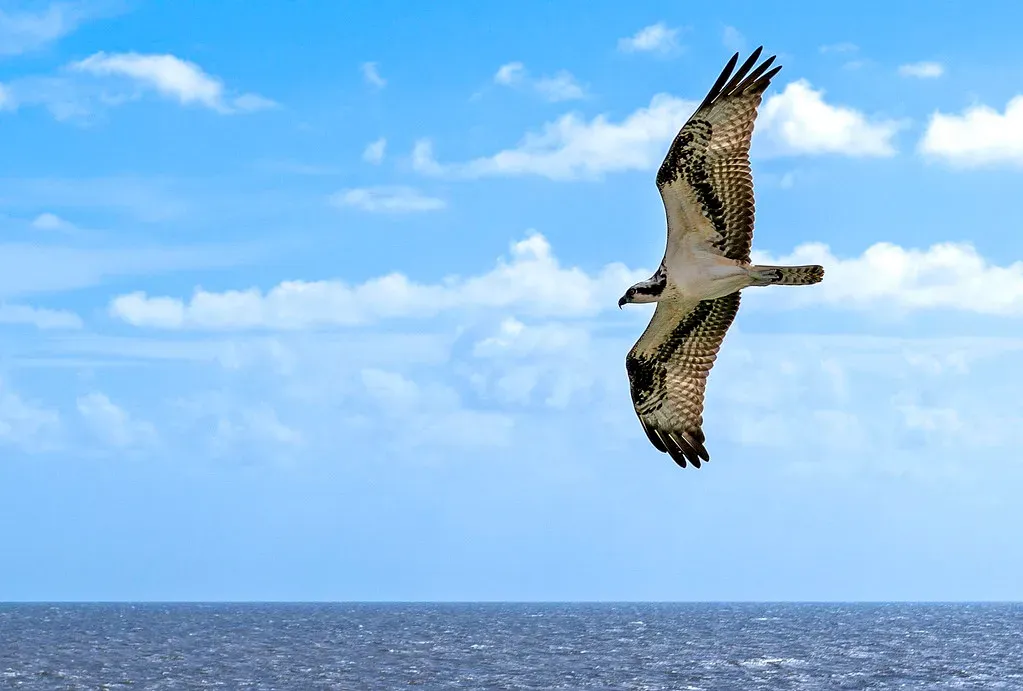
Only a few generations ago, ospreys were in serious trouble across large parts of the United States, especially in the Northeast and along parts of the Great Lakes. Their steep decline was tightly connected to widespread use of certain pesticides, especially those that built up in the food chain and weakened eggshells. Females would lay eggs that looked normal, but the shells were so thin that they broke under the parent’s own weight during incubation.
By the late twentieth century, some regions had lost most of their breeding ospreys, and it looked like they might vanish from places where they had nested for centuries. After the banning of several of the most harmful pesticides and new legal protections for birds of prey, something remarkable happened: nesting success improved, chicks started surviving, and slowly, territories were reoccupied. Today, in many states, osprey numbers are not only stable but expanding, which would’ve sounded wildly optimistic fifty years ago.
Why Ospreys Are A Powerful Indicator Of River Health
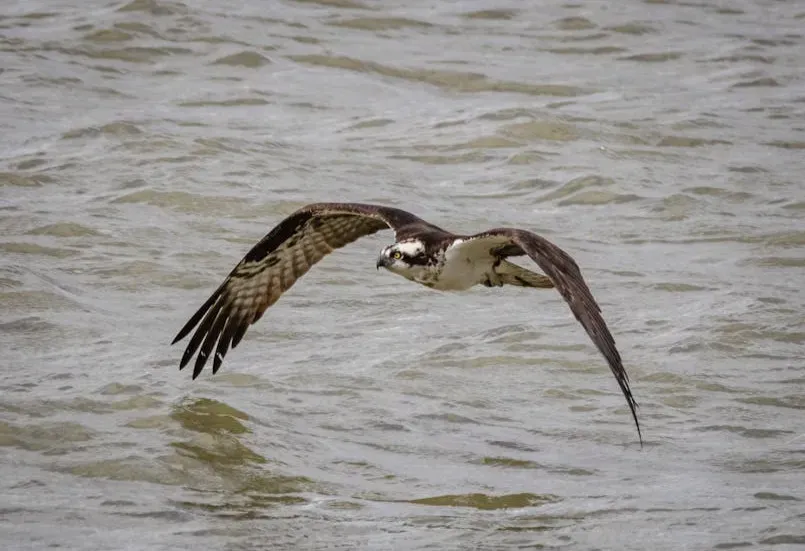
Ospreys are specialist hunters; nearly their entire diet is live fish pulled straight from lakes, rivers, and coastal waters. That makes them what scientists call a top predator in an aquatic food web, and top predators are famously sensitive to pollution that builds up as you move up the food chain. When contaminants are high in water and fish, they tend to be even higher in animals like ospreys that eat those fish day in and day out.
Because of this, counting healthy nesting pairs and tracking how many chicks they raise gives researchers a quick, living snapshot of what’s happening in the water below. A thriving osprey population generally hints that fish are not just present but abundant enough to support a lot of hungry mouths, from hatchlings to adults. Their recovery doesn’t mean rivers are pristine, but it’s a strong clue that some of the worst forms of pollution and habitat degradation are being pushed back.
Cleaner Water: The Hidden Force Behind The Osprey Boom
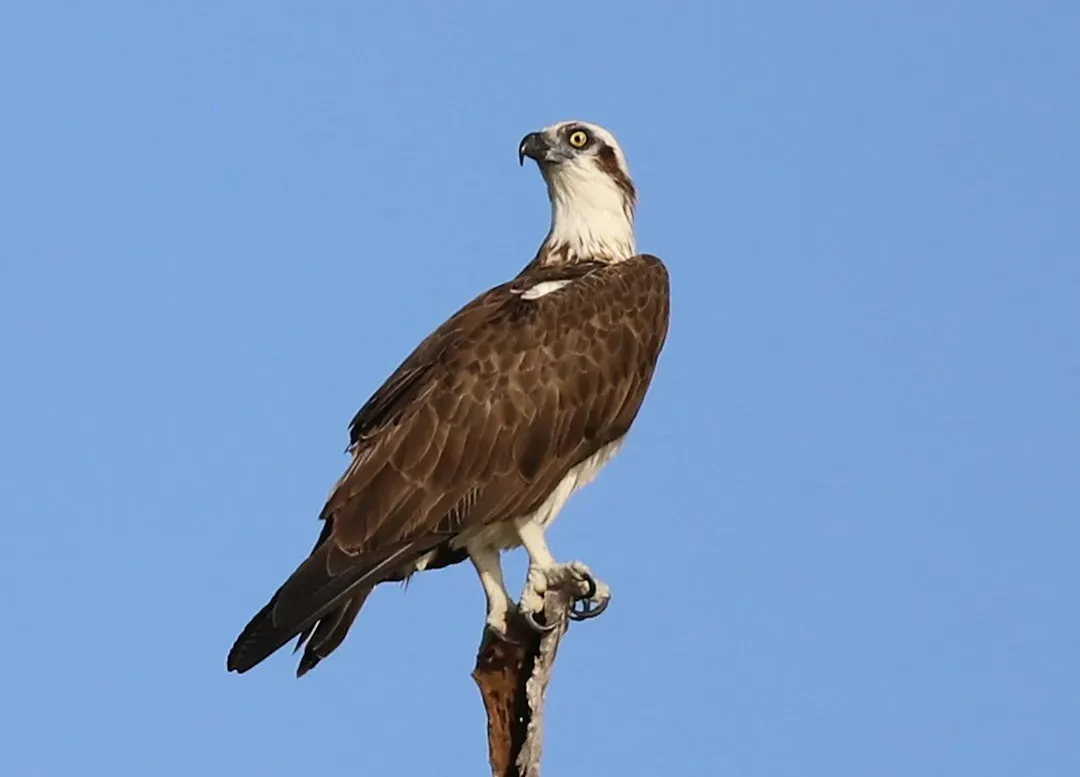
One of the biggest drivers of the osprey’s rebound has been the long, slow work of cleaning up American waterways. Over the past several decades, stricter controls on industrial discharges, better sewage treatment, and reduced use of the most dangerous chemicals have gradually improved water quality in many rivers and estuaries. As chemicals that once devastated bird reproduction declined, the effects rippled all the way up the food chain.
This doesn’t mean every river is sparkling and safe; some remain heavily polluted or face new problems like emerging contaminants and nutrient overload. But overall, the picture is far less bleak than it was when fish in some rivers were laced with toxic compounds at levels that spelled disaster for raptors. The fact that ospreys are now more common in places where they were once scarce is one of the clearest signs that these hard-won environmental protections actually worked.
Rebounding Fish Populations And A Buffet For Raptors
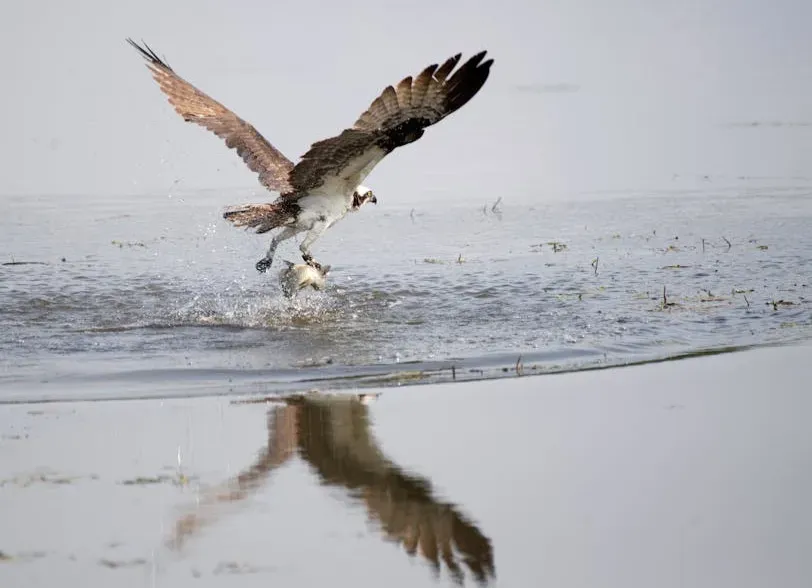
Ospreys aren’t picky gourmets – they just need plenty of medium-sized fish close to the surface. When overfishing, dam construction, or pollution crush fish populations, ospreys are among the first to feel the pinch, especially when they’re feeding nestlings. In many rivers and reservoirs, improved management of fisheries and habitat has helped certain fish species recover enough to support both human harvest and growing numbers of fish-eating birds.
In some regions, restoration of native fish runs and better flow management below dams have boosted the availability of prey right where ospreys like to hunt. When you see an adult osprey making repeated, successful dives within minutes, it usually means the water below is teeming with life. Their ability to raise multiple chicks in a season hinges on this easy access to fish, and that reproductive success feeds directly into their rising numbers across so many waterways.
Nesting Platforms, Bridges, And Human Help
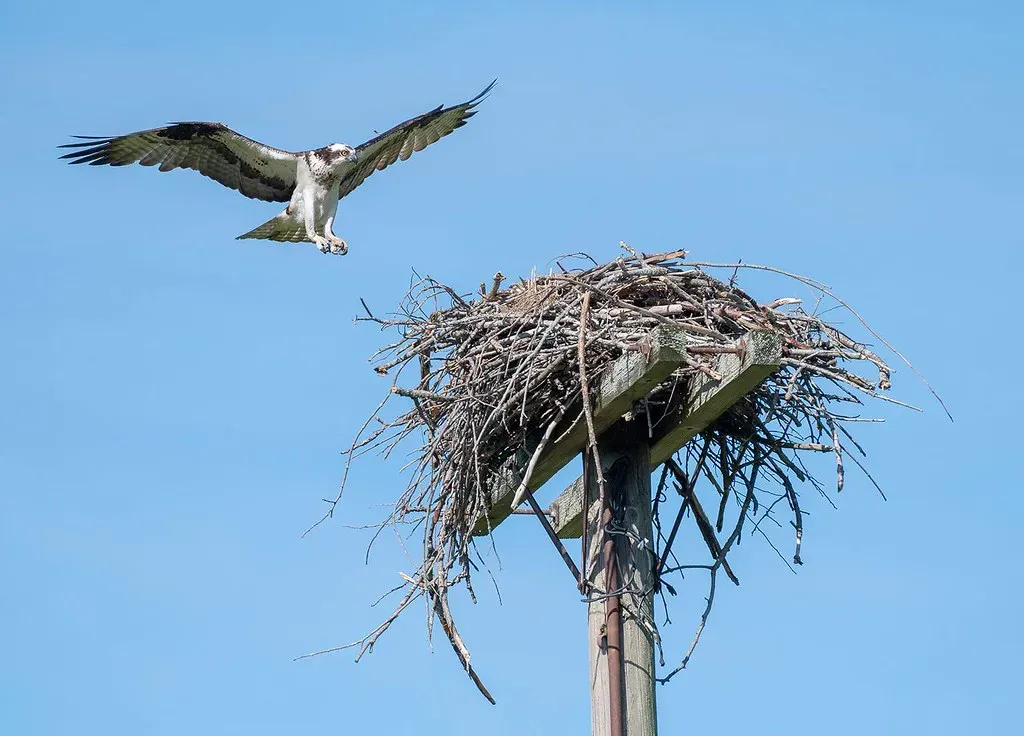
One of the stranger twists in the osprey story is how much they’ve embraced our infrastructure. These birds love tall, open perches near water, which once meant dead trees and cliffs but now often means channel markers, power poles, and cell towers. When old-growth snags disappeared from many riverbanks, ospreys started improvising with whatever tall structure they could find, sometimes in awkward or dangerous places.
In response, communities and utilities across the country began installing purpose-built nesting platforms on poles, piers, and even rooftops. Many will lift nests off power lines or towers and relocate them to safer platforms nearby, where ospreys often accept the move with surprising calm. Drive along a coastal highway or river these days, and those wooden platforms topped with piles of sticks and a regal-looking bird have become almost iconic, a sign of both wild resilience and human willingness to accommodate it.
Urban And Suburban Rivers: Ospreys Move Into The Neighborhood
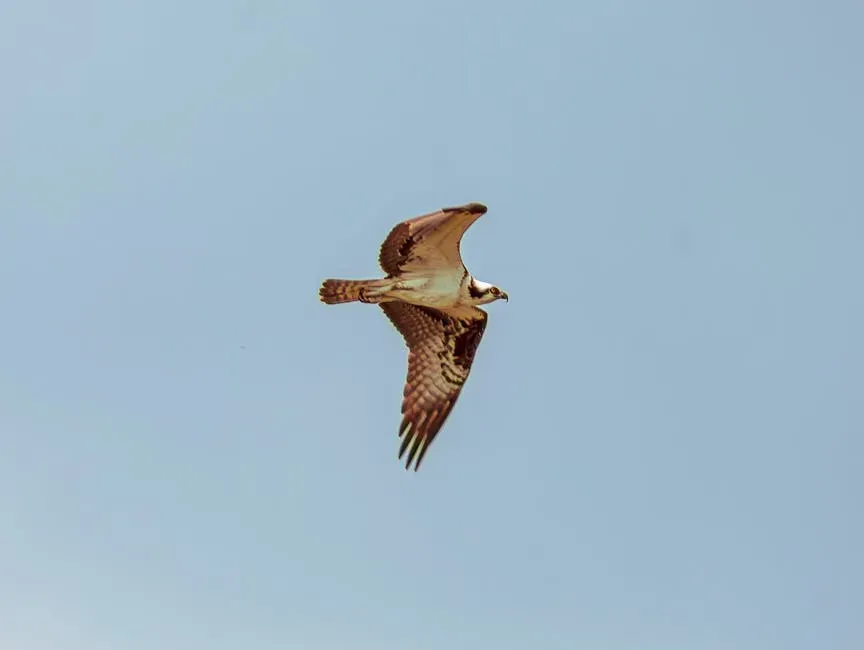
Not long ago, seeing an osprey along a city river was unusual; now, in a growing number of urban areas, it’s almost expected in the right season. As some city waterfronts have shifted from industrial dumping grounds to parks, trails, and restored wetlands, fish have crept back, and ospreys haven’t been far behind. They’ll nest on light poles at stadiums, beside busy bridges, and above jogging paths where thousands of people pass beneath them.
This new closeness changes how people experience rivers in their own backyards. Instead of being just a backdrop of concrete and water, the local river suddenly has aerial fish hunters circling overhead, squeaking loudly and carrying branches twice their length. For kids growing up in cities, an osprey hovering over a river can be their first real encounter with a large wild raptor, which quietly shapes how they value the waterway itself.
Ripple Effects: How Ospreys Reflect Broader Ecosystem Health
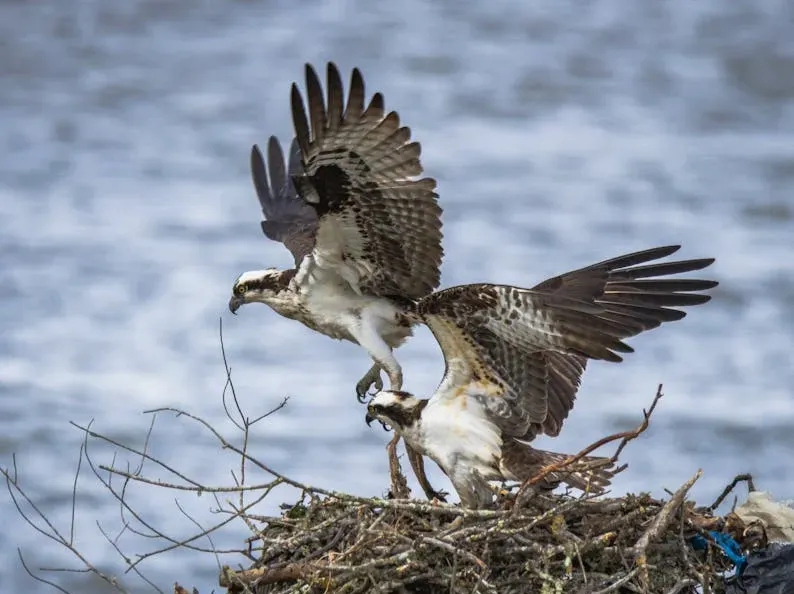
When osprey numbers climb, it usually means more than just one species getting lucky. Their success hints at a cascade of positive changes: cleaner water supports healthier plankton and insects, which support stronger fish populations, which in turn feed ospreys, eagles, and other predators. Along riverbanks, habitat restoration brings back reeds, willows, and wetlands, offering nesting sites and cover for countless smaller creatures.
These changes can make entire waterways more resilient to shocks like storms, droughts, and moderate pollution events. Healthy wetlands absorb floods, vegetated banks reduce erosion, and diverse fish communities can better adapt to shifting conditions. Ospreys become the visible ambassadors of this deeper story, a kind of feathered headline declaring that something in the system is slowly healing – even if the fine print still includes plenty of challenges.
New Threats: Climate Change, Plastics, And Emerging Pollutants
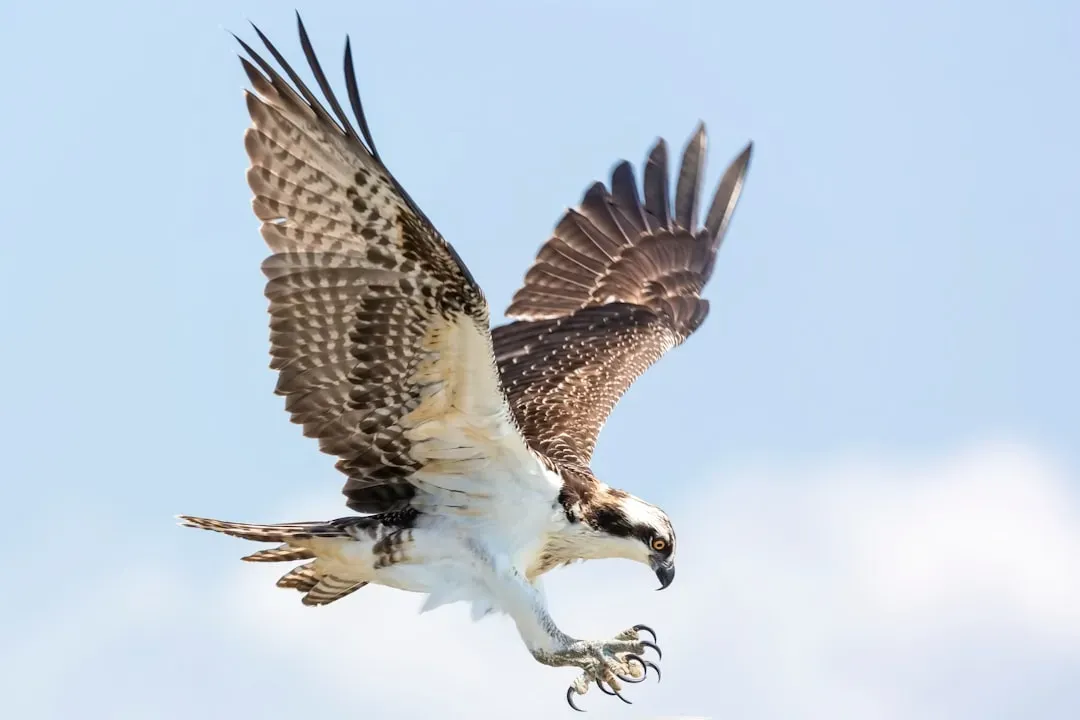
The osprey comeback is real, but it doesn’t mean their future is guaranteed. Climate change is already reshaping river flows, snowmelt timing, and water temperatures, which in turn affect fish distributions and spawning success. More frequent and intense storms can wipe out nests or disrupt breeding seasons, while extended droughts reduce shallow hunting zones where ospreys do best.
On top of that, the chemical threats are shifting rather than disappearing. Microplastics, pharmaceuticals, and newer industrial compounds are finding their way into rivers, and scientists are still untangling how these might quietly affect fish and the birds that eat them. While we don’t yet see the catastrophic reproductive failures tied to some older pesticides, the next few decades will test whether the systems that currently support thriving osprey populations can adapt to these fast-moving changes.
What Ospreys Teach Us About Our Own Relationship With Rivers
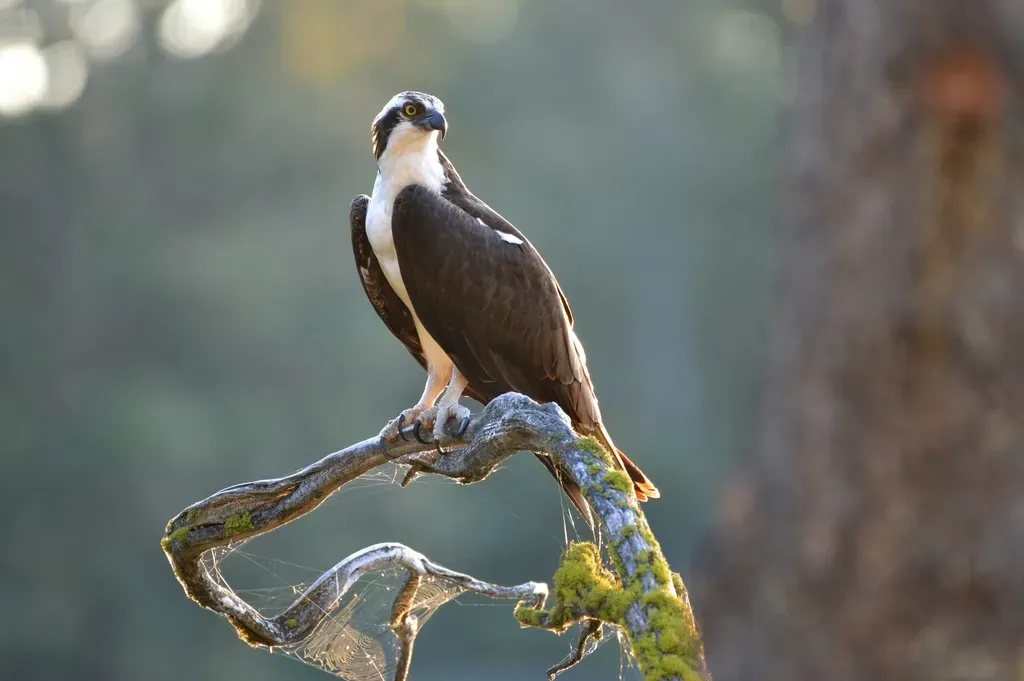
To me, watching an osprey fish feels like a blunt reminder that our lives are tethered to the same waters, just in less obvious ways. We draw drinking water from rivers, depend on them for food, power, and recreation, and then send our waste back downstream, hoping the system can cope. When a species as sensitive as the osprey starts doing well again, it suggests we’ve at least started moving in the right direction, even if the work is unfinished.
Their story also exposes how long it takes to undo environmental damage and how easily we can forget what “normal” used to look like. Many people growing up now might assume that seeing ospreys along rivers has always been common, not realizing their parents or grandparents rarely saw them at all. That quiet shift in baseline expectations is both a gift and a warning: if we can restore some of what was lost, we can also lose it again if we grow careless.
How People Can Help Keep Ospreys (And Rivers) Thriving
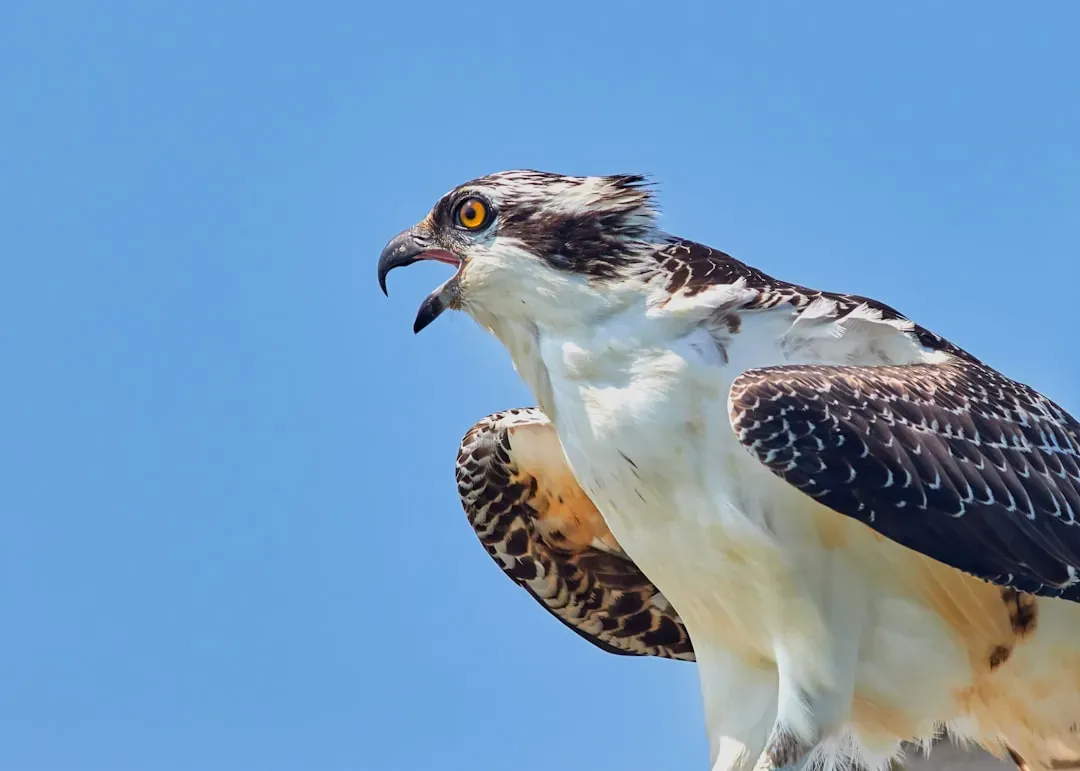
Supporting osprey populations doesn’t always mean doing something dramatic; often it’s about backing the less glamorous work of keeping rivers clean and well managed. That includes supporting policies that reduce pollution, protect wetlands, and maintain natural river flows instead of sacrificing everything to short-term extraction or development. Even on a personal level, simple choices about what we pour down drains, how we handle trash, and which local projects we support can add up over time.
In many areas, volunteers help install or maintain nesting platforms, report new nests, and keep an eye on potential conflicts with power lines or construction. Birdwatchers and casual walkers alike can contribute observations that help scientists track population trends and spot trouble early. The more people feel a sense of ownership and pride when they see an osprey hunting their local river, the more political and social power there is to keep that river alive and worth visiting.
Conclusion: A Raptor As A River Report Card
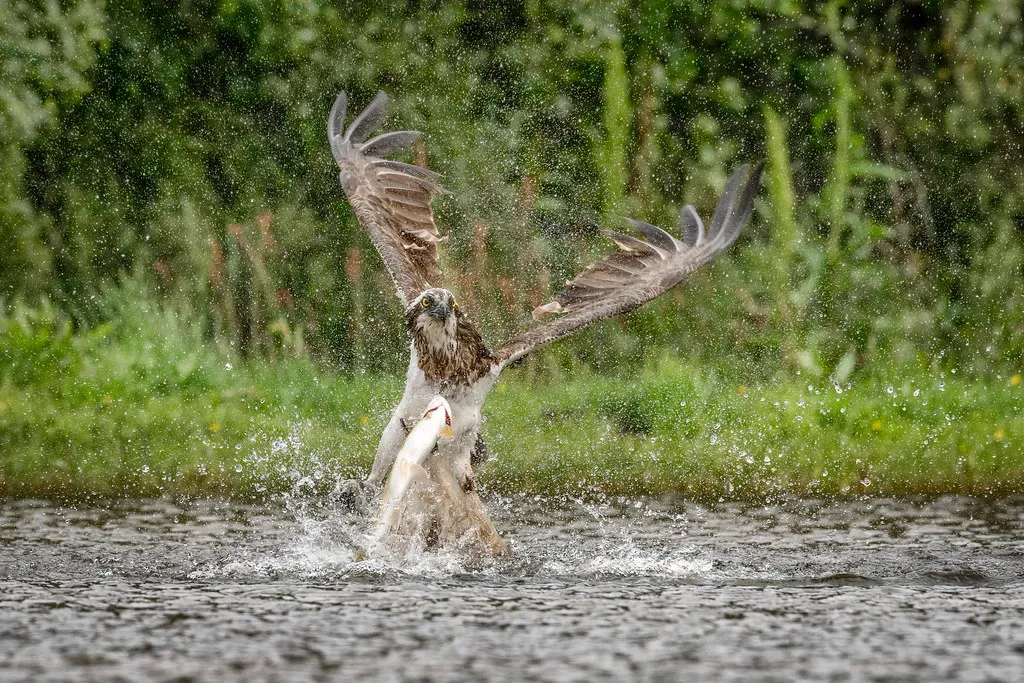
The surge of ospreys across US waterways is more than a feel-good wildlife story; it’s a living report card on how we treat our rivers. Their return from the brink shows that when harmful chemicals are reined in, habitats are restored, and fish are allowed to rebound, nature can respond with surprising speed and generosity. Each nest perched above a bridge or marsh is a small, feathered sign that some past mistakes are being slowly corrected.
At the same time, their future will rise or fall with the choices we make about climate, pollution, and land use in the coming decades. If we keep listening to what ospreys are telling us about water quality and ecosystem health, they can guide us toward rivers that are safer not just for birds and fish, but for people too. The next time you see an osprey circling above a river, diving cleanly into the water, ask yourself: if this bird can come back, what else might we be able to bring back with it?
