
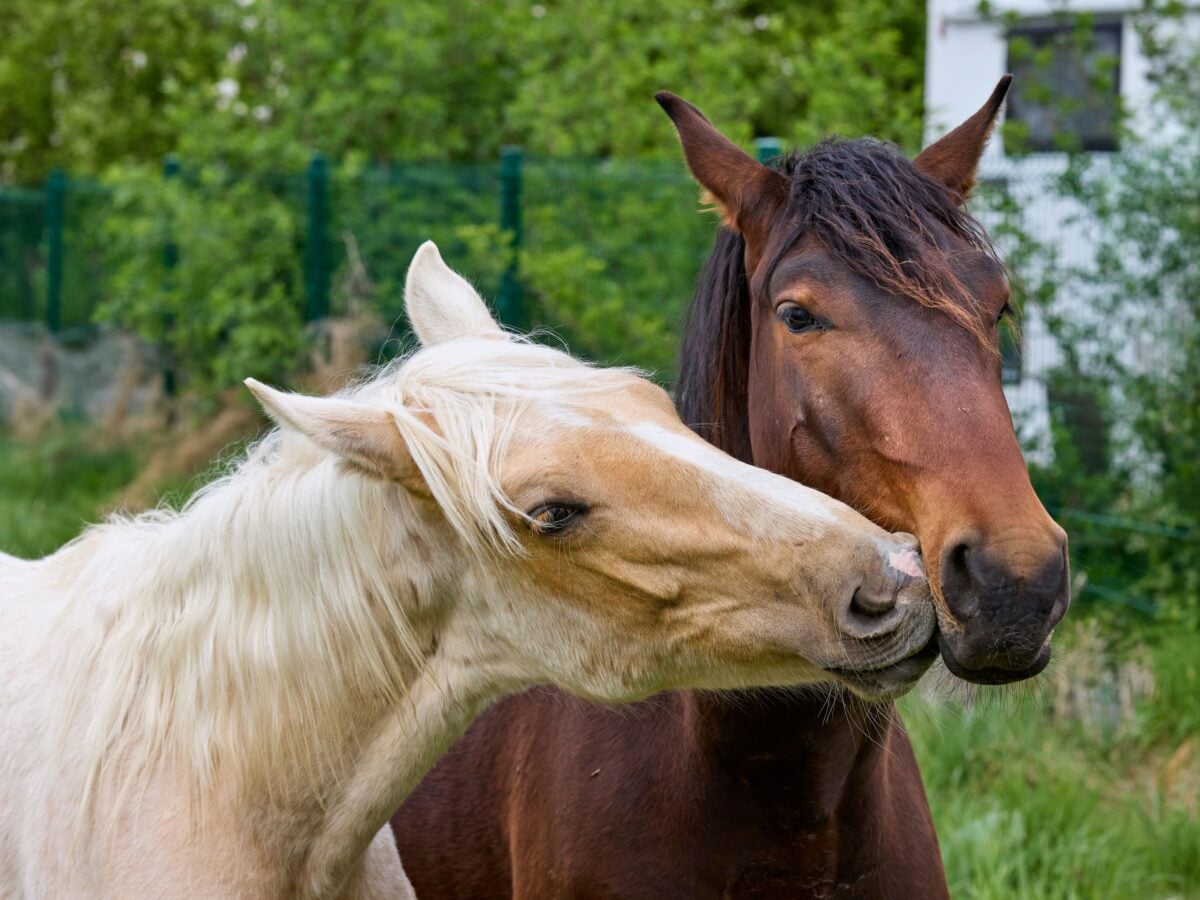
The trailer ramp drops, the horse steps out, and someone nearby says what someone always says: “Look, he’s settling in.” Sometimes that’s true. More often, the horse has been broadcasting a detailed report since his first hoof hit the gravel, and nobody around him is reading it.
There really are 14 signals, and most of them last less than a heartbeat. Some look like bad manners. A few look like good behavior. One looks so much like calm that owners actually brag about it.
Horses evolved to flee rather than fight, and that wiring switches on the moment the ramp comes down. A new yard is a stack of unknowns: new smells, new sounds, new fences, and no herd. Here’s what the horse is saying, counting down from the easiest signal to miss to the one that matters most.
#14 – The Head-Up Freeze
🔥 Would you like to save this?
We'll email this post to you, so you can come back to it later!
The first signal is often the absence of movement.
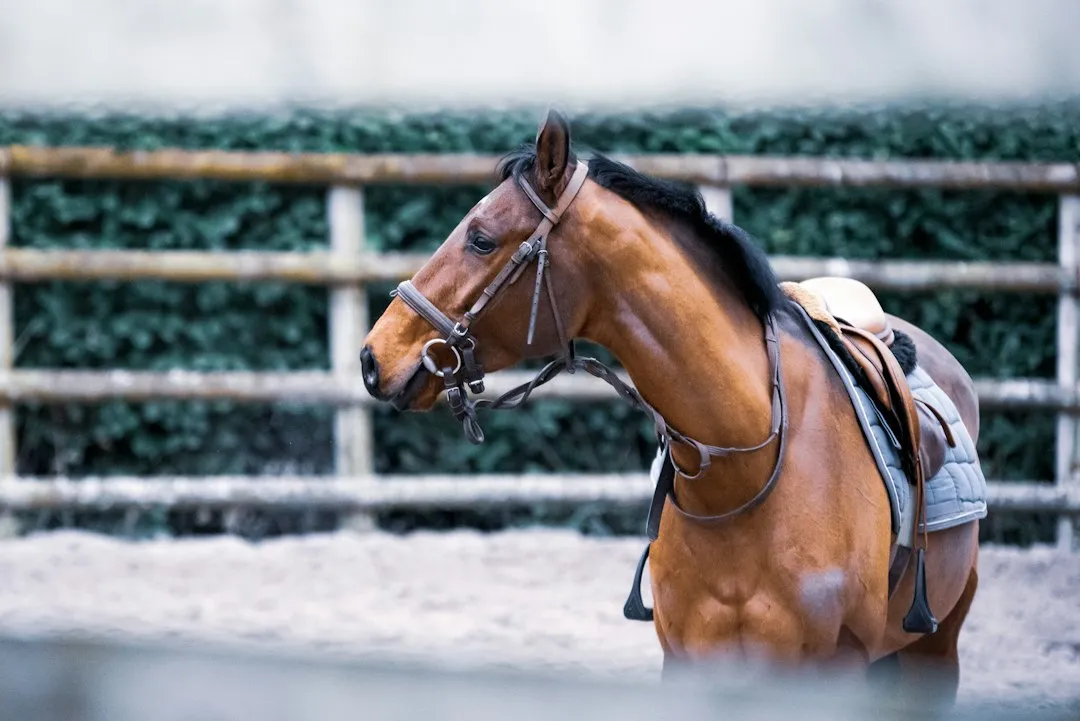
Picture a horse stepping into a new space with every muscle taut, head high, eyes fixed on something you can’t see yet. Most people read that as “excited.” It’s actually a horse gathering data, fast.
That stillness has a purpose. In the wild, a horse that skipped this alarm phase had little chance of escaping a predator. The freeze buys a split second to decide: stay, or go.
In human-controlled settings, some horses show a passive version of the alarm response: immobility or withdrawal, but with focused attention. A horse that looks frozen is often doing the hardest mental work of its day.
What to watch for:
- A rigid body with a fixed gaze
- Very little weight shift
- A horse that stops mid-stride and won’t be hurried
Don’t mistake this for stubbornness. Pushing a frozen horse forward adds pressure to an animal that is already overloaded.
But the next signal is even easier to miss, because it happens on top of the horse’s head…
#13 – The Radar Ears
🔥 Would you like to save this?
We'll email this post to you, so you can come back to it later!
Ears give away more than almost any other body part.
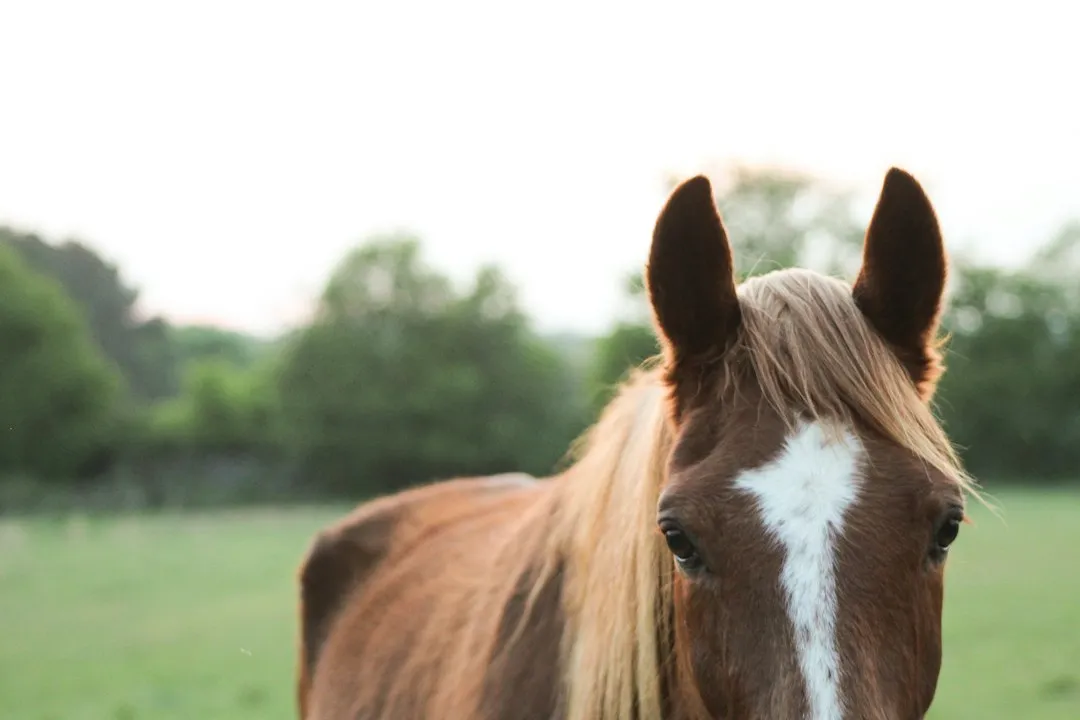
Subtle stress behaviors include changes in ear positioning. One ear may lock onto a sound while the other flicks back toward you. That split attention is a horse trying to monitor several threats at once.
Pinned-back ears are the obvious version. They appear in the altered facial expressions linked to stress, along with facial tension and dilated nostrils. The quieter version is the one most people never register: ears flicking rapidly toward every noise, like a satellite dish that can’t find a clear signal.
A horse’s ears can point in two different directions at once, so one ear can track the unfamiliar yard while the other tracks you. If both ears are fixed on the same distant spot, the horse is probably more worried about that spot than about you.
And if you think the ears are subtle, wait until you see what the eyes are doing…
#12 – The Vanishing Blink
🔥 Would you like to save this?
We'll email this post to you, so you can come back to it later!
Your horse may be blinking less, and almost no one is counting.
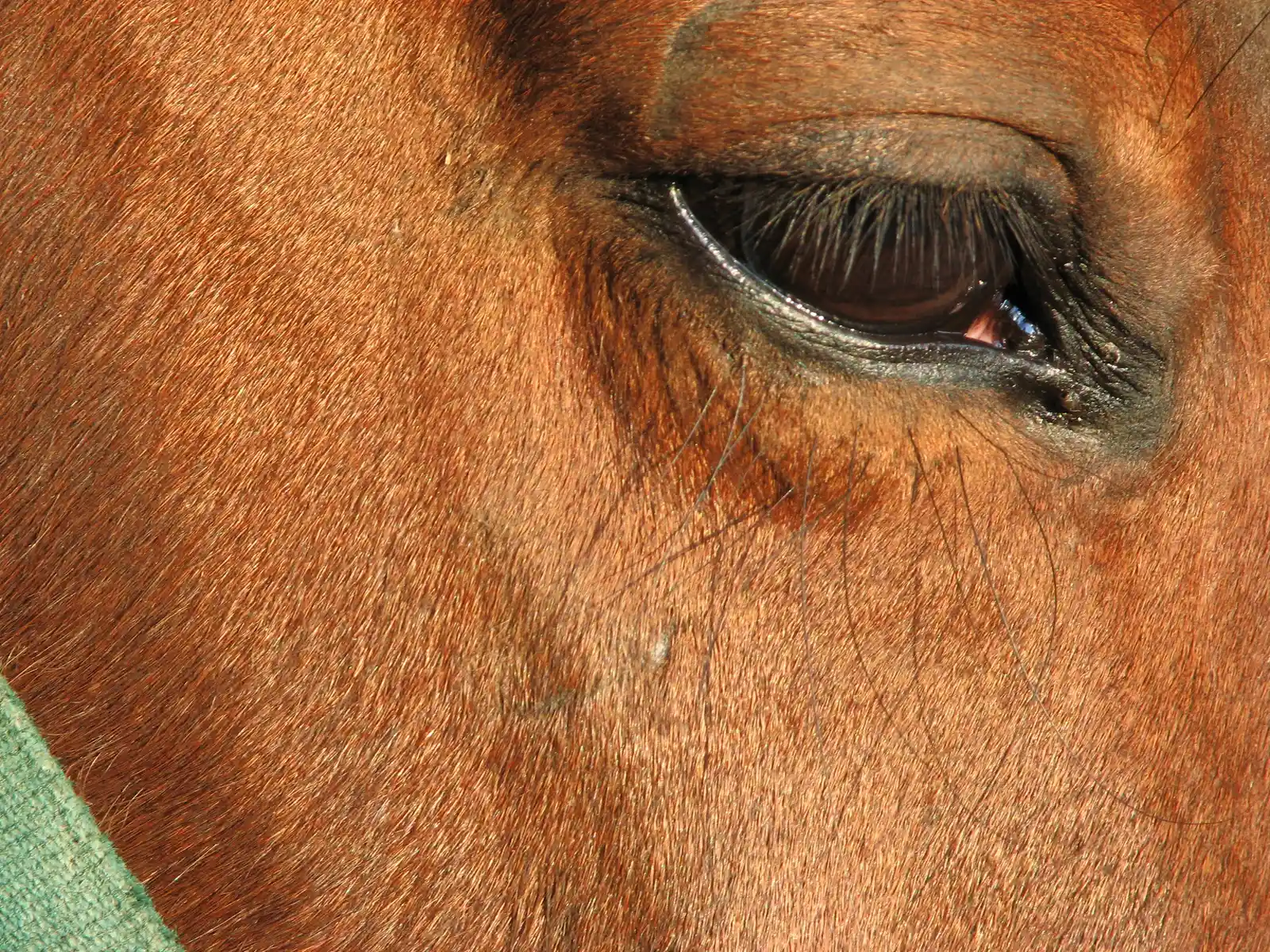
Subtle stress behaviors include decreased eye blink rates and increased eyelid twitches. Nobody stands at a fence line timing blinks, which is exactly why this signal stays hidden in plain sight.
A staring, unblinking look often goes with the hypervigilance of the freeze. Eyelid twitching adds a second clue that the horse is more tense than its body suggests, even when its feet look relaxed.
Fast Facts
- Fewer blinks and extra eyelid twitches are both listed among subtle stress behaviors.
- An unblinking stare often pairs with the head-up freeze.
- The feet can look relaxed while the eyes give the game away.
- It’s easy to miss because no one is timing blinks at the fence.
Here’s the uncomfortable part. Plenty of owners insist they can “read their horse perfectly.” Many researchers would argue that most of us miss the smallest signals entirely. Unwanted behaviors are often the horse’s only way of telling us something is wrong, and the subtler messages tend to go unnoticed.
If you only act when a horse bucks or bolts, you’ve already missed several earlier warnings. The horse didn’t suddenly lose it. It just ran out of quiet ways to be heard.
Next up is a signal that’s easier to see once you know the trick…
#11 – The Triangle Eye
🔥 Would you like to save this?
We'll email this post to you, so you can come back to it later!
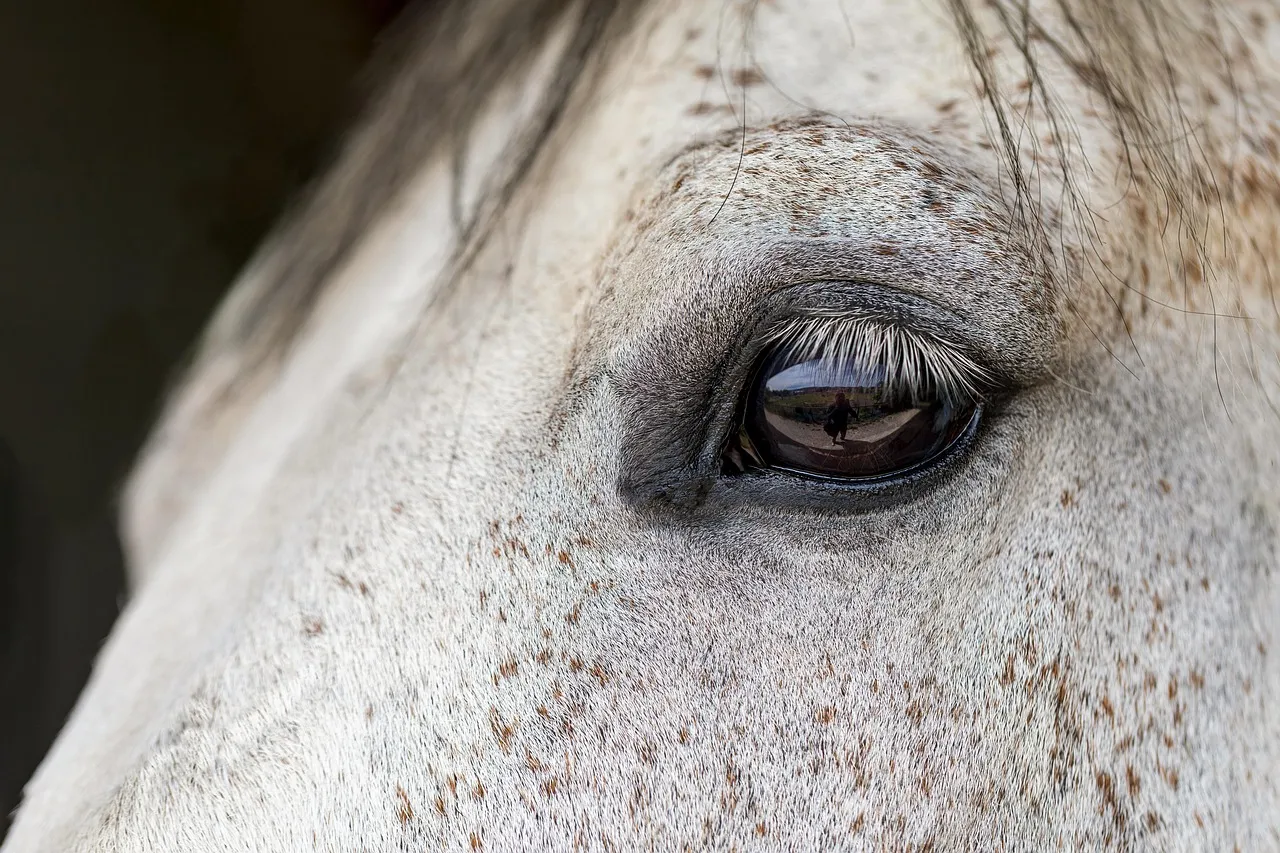
Horses show worry in their eyelids.
One recognised marker of stress is “triangulation of the upper eyelid.” A relaxed horse has a soft, rounded eye. A worried horse’s upper lid angles up into a tense triangle, as if the eye itself is bracing.
You may also see the white of the eye. Researchers list eye whites among the stress-related behaviors, along with flattened ears, snorting, trembling and sweating. Combined with a high head, it usually means the horse is on alert.
Stress can even change the temperature of the eyeball. Researchers have used this to measure it from a distance, with no contact at all.
But the eyes are only half the face, and the nose has its own story…
#10 – The Nostril Flare and the Snort
🔥 Would you like to save this?
We'll email this post to you, so you can come back to it later!
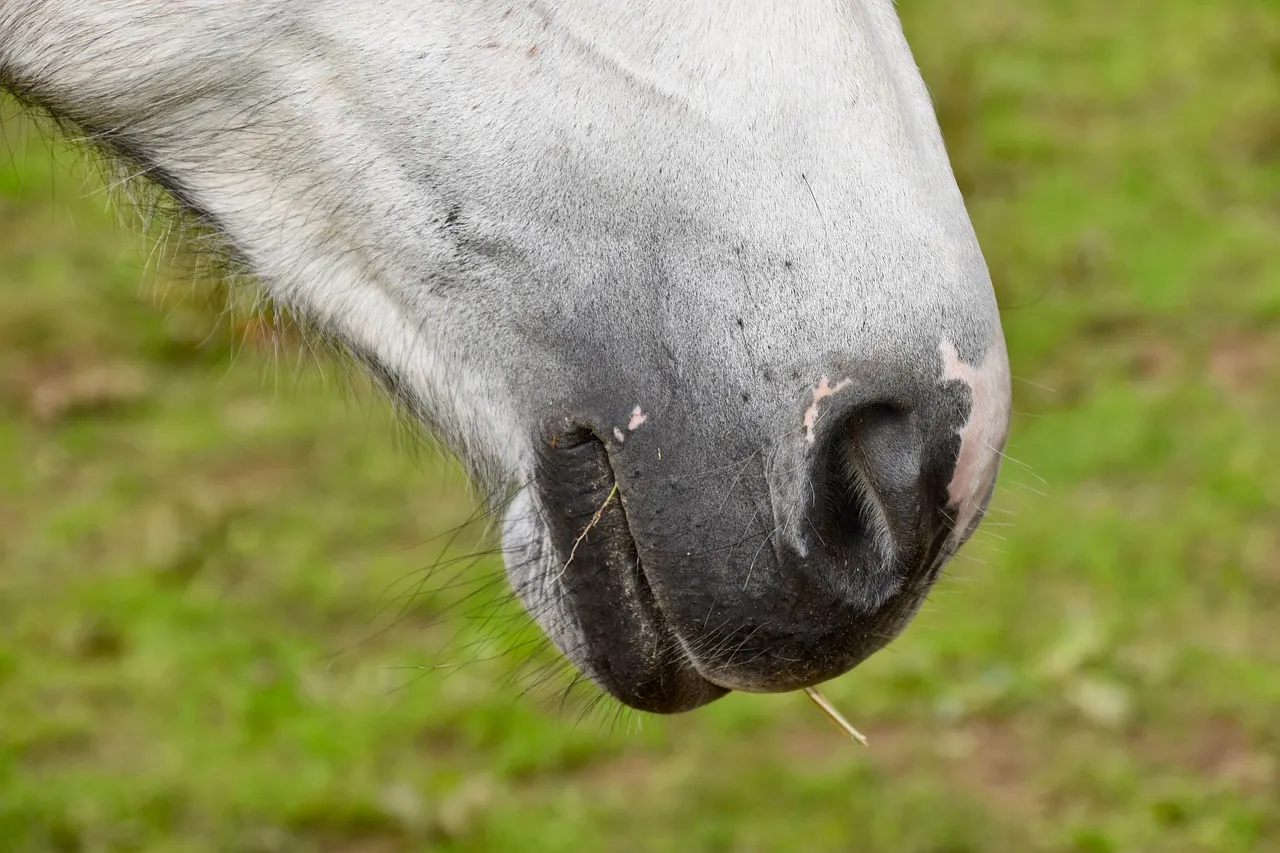
A snort sounds dramatic, but it isn’t always fear.
Dilated nostrils are part of the altered facial expression linked to stress. You’ll often see them flare before the horse makes a sound, like a sharp inhale before a decision.
The snort needs more care. Snorting appears on the list of stress-related behaviors, alongside trembling and sweating. But a horse also snorts when it relaxes or clears its nose, so context matters more than the sound alone.
Check these three things:
- Are the nostrils wide and the head high?
- Is the snort followed by a freeze or a step back?
- Does the horse stay tense after it blows?
A snort followed by a lowered head often means the horse is letting go. A snort followed by a spin is a different message entirely.
The next signal sits at the other end of the body, and it’s far more honest…
#9 – The Tail Telegraph
🔥 Would you like to save this?
We'll email this post to you, so you can come back to it later!
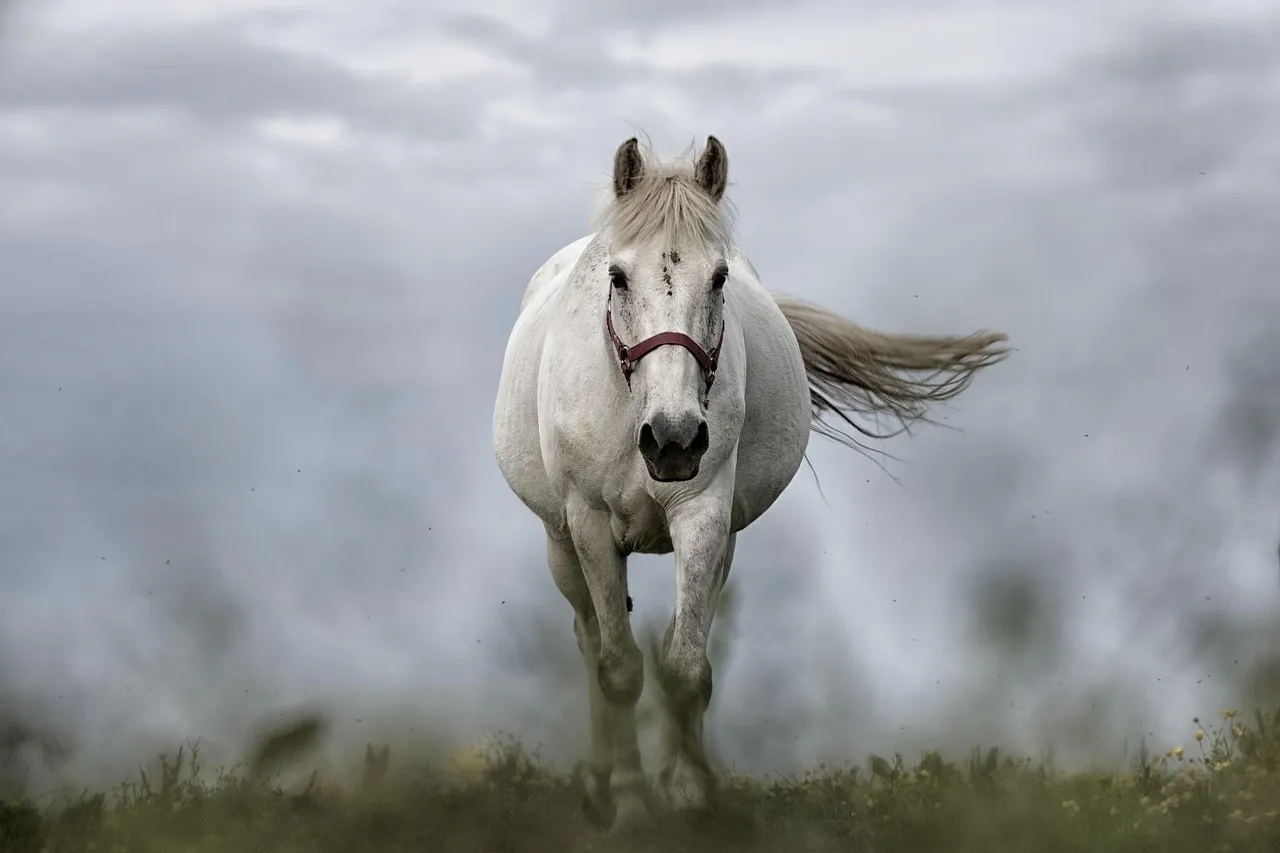
The tail is the signal people claim to understand and usually misread.
Rapid, tense swishing of the tail is a recognised behavioral indicator of stress. The key words are “rapid” and “tense.” A lazy swish at a fly isn’t the same thing, and a horse that’s genuinely annoyed by insects looks very different from one that’s anxious.
Tail swishing can also be an ordinary reaction to pressure or uncertainty. During early learning, horses may show temporary behaviors linked to discomfort or uncertainty, including tail swishing and mouth opening. In a new yard, that uncertainty is everywhere.
One signal on its own proves very little. Experts agree you have to read the whole picture.
The next signal is the least glamorous, and it’s the one nobody wants to talk about…
#8 – The Nervous Manure
🔥 Would you like to save this?
We'll email this post to you, so you can come back to it later!
Yes, this one is about manure.
A horse in nervous anticipation might poop frequently. Increased defecation, often of loose consistency, is listed among the behavioral indicators of stress. Anyone who has unloaded a horse at a show knows the pattern.
In a new yard, it’s one of the clearest signs that the horse’s nervous system is working hard. It’s also one of the few signals that is completely involuntary. You can’t fake it and the horse can’t hide it.
Unlike a held-in snort or a stiff jaw, manure is a straight readout of arousal. The horse can disguise a lot with a poker face, but not this.
Don’t panic over one extra pile after a trailer ride. Travel alone can do that. A pattern of loose, frequent manure in a horse that otherwise seems settled is worth raising with your vet.
But the next signal is one the whole yard will hear…
#7 – The Calling Out
🔥 Would you like to save this?
We'll email this post to you, so you can come back to it later!
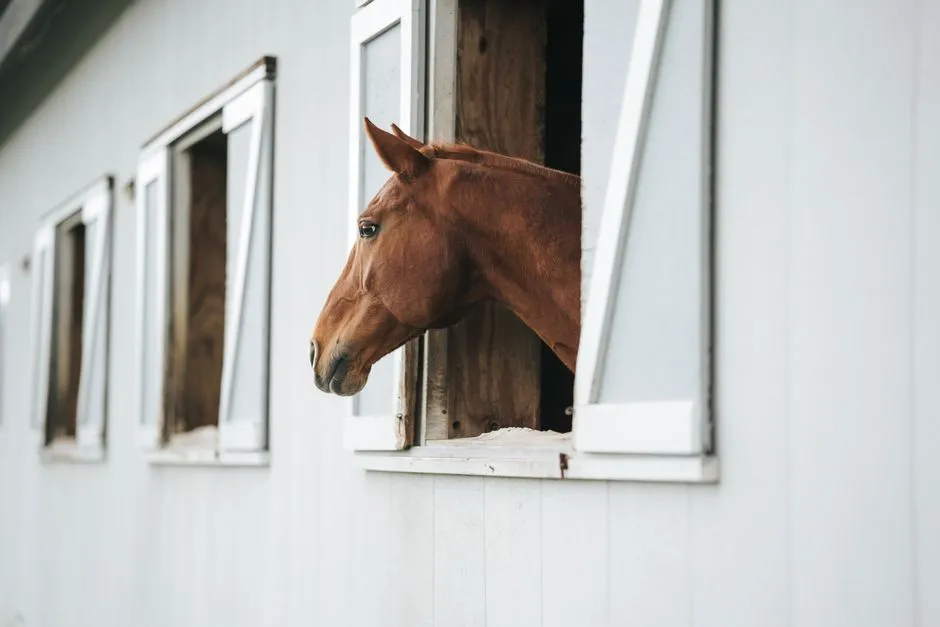
A horse that whinnies repeatedly isn’t being noisy for fun.
Some stressed horses vocalize repeatedly or move constantly and refuse to stand still. In a new yard, the calling usually has a target: the herd it just lost.
Feeling separated from herd mates is a recognised stress trigger. The call is a long-distance check-in that translates roughly to “Where is everybody?” Horses are herd animals, so being alone in an unfamiliar place isn’t neutral for them. It’s one of the biggest stressors they can face.
Some owners say you should ignore the calling so the horse “learns.” Many handlers argue that’s backwards, because the horse isn’t misbehaving. It’s asking a real question and getting silence back.
The next signal looks like pure energy, but it’s something else…
#6 – The Pacing That Won’t Stop
🔥 Would you like to save this?
We'll email this post to you, so you can come back to it later!
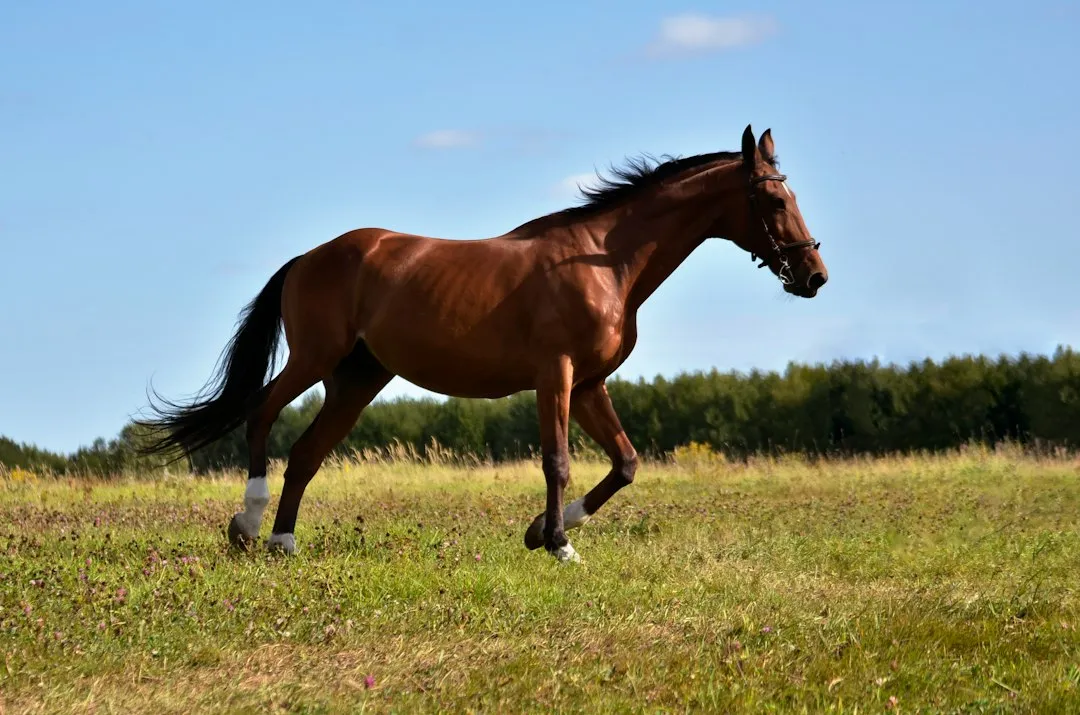
A horse that can’t stand still isn’t “full of itself.”
Some horses move constantly and are reluctant to stand still. In a paddock, you’ll see fence-walking, circling and repeated trips along the same line, like a worn groove in the grass.
Here’s the debate. Many people believe you should turn a new horse out straight away to “burn it off.” Plenty of experienced handlers disagree and say that putting a worried horse into an unfamiliar space at full speed invites injury. The evidence doesn’t settle it for every horse, so a calm, planned introduction is the safer bet.
Quick Compare
- Straight to turnout: Fast and simple, but a worried horse may gallop a fence line it hasn’t even looked at yet.
- Calm, planned introduction: Takes patience, and gives the horse time to look, sniff and process before it moves freely.
- Either way: Pacing that carries on for days deserves attention.
The good news is that this is usually temporary. Acute stress signs are often transitory, and the horse settles after investigating and accepting the new information.
The next signal is easy to confuse with ordinary excitement…
#5 – The Head Toss
🔥 Would you like to save this?
We'll email this post to you, so you can come back to it later!
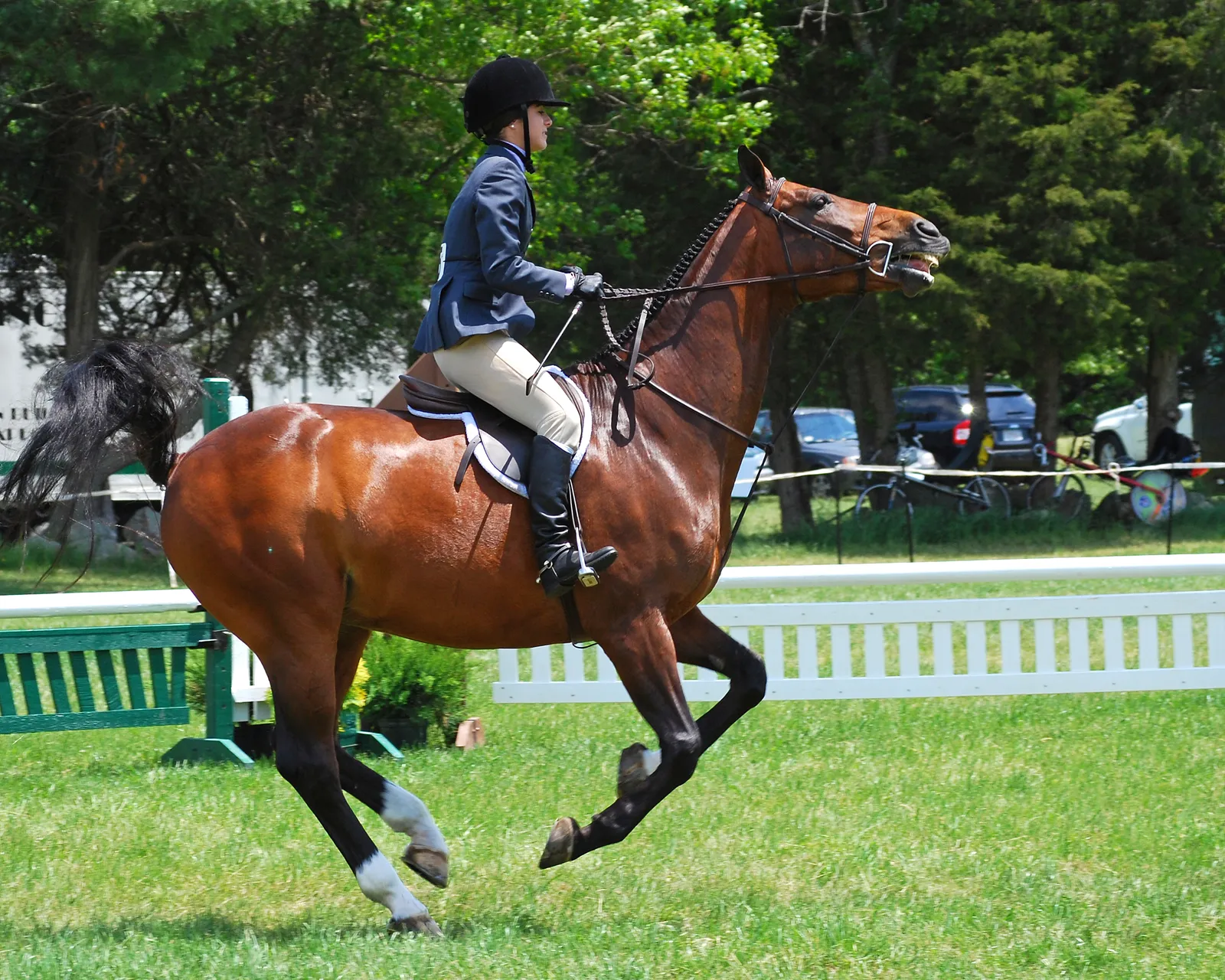
Head tossing is easy to blame on attitude.
A nervous horse might swish its tail or toss its head. Head tossing or shaking appears among the behavioral indicators of stress. In a new yard, it’s often the horse’s response to feeling restricted.
Head carriage and handling matter here. A horse that throws its head every time you reach for the halter is telling you something about its comfort. It’s not necessarily telling you it’s “naughty.”
A single toss is a comment. Repeated tossing is a complaint.
But there’s a tension signal on the face that most photos never catch…
#4 – The Tight Muzzle
🔥 Would you like to save this?
We'll email this post to you, so you can come back to it later!
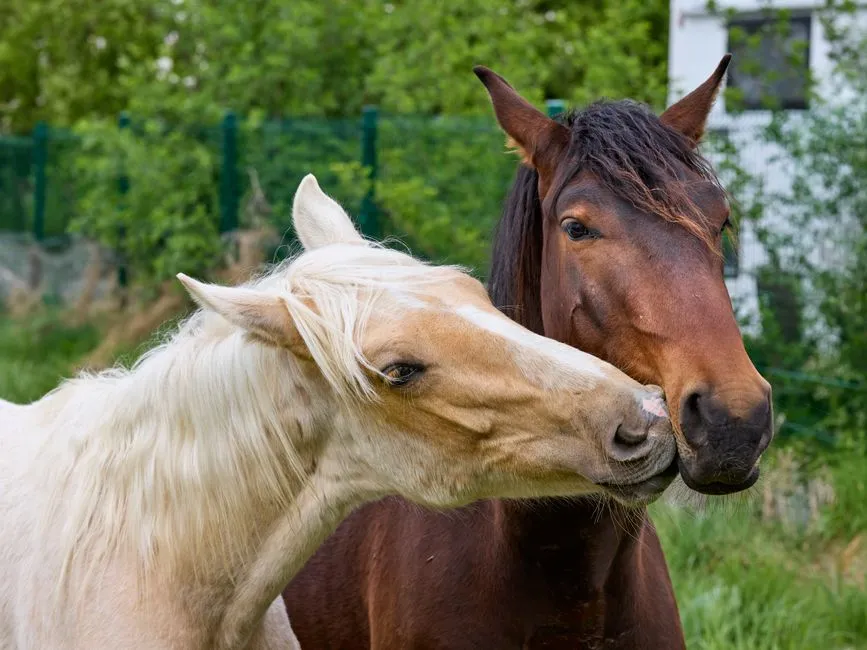
Look at the lower face.
Increased wrinkles around the muzzle and general facial tension are recognised markers of stress. A relaxed horse has a soft, loose lip. A worried horse’s mouth looks pinched, as if it’s holding its breath.
The wrinkling is easy to miss because it’s small. But once you’ve noticed it, you’ll see it everywhere.
Scientists are trying to make this reading more objective. The Horse Grimace Scale was designed to detect pain, but no validated grimace scale exists yet for fear or anxiety. So you’re reading something science hasn’t fully standardized.
That’s why you shouldn’t treat any one facial cue as a diagnosis. Treat it as a prompt to look closer.
The next signal looks like the opposite of fear, and that’s what makes it so hard to read…
#3 – The Investigation
🔥 Would you like to save this?
We'll email this post to you, so you can come back to it later!
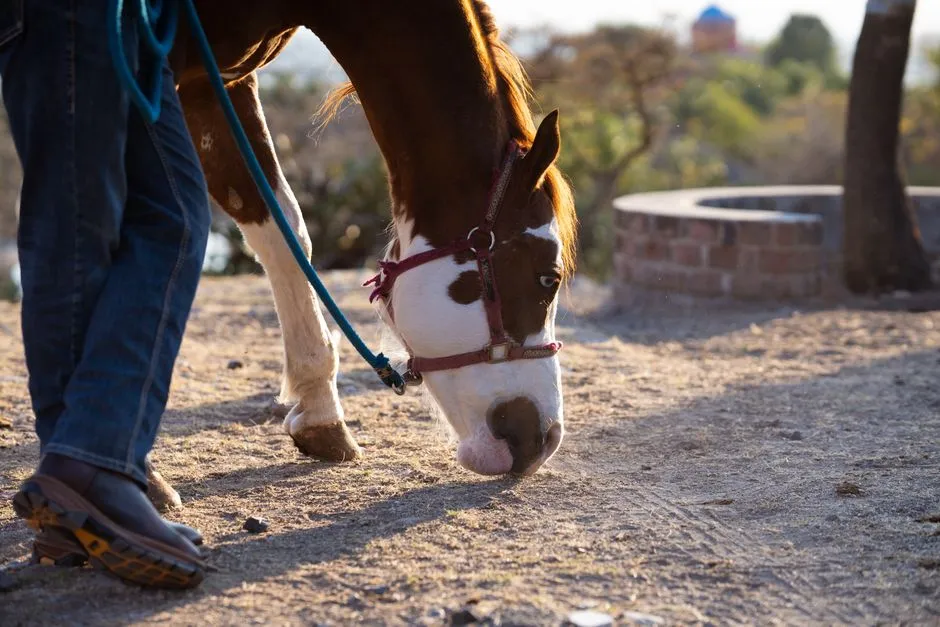
A horse that sniffs everything is a horse that’s making progress.
Not every signal means distress. Many horses settle after investigating and accepting new environmental information. Sniffing the ground, the fence and the water trough is how they process the new place.
Grazing matters too. Grazing is a strong behavioral need in horses. A horse that eventually drops its head and grazes is usually signaling that it feels safe enough to eat.
The horse that investigates is usually coping better than the one that doesn’t. That’s the real goal of the first few days.
But when investigation fails, the body takes over, and that’s the next signal…
#2 – The Sweat and the Shake
🔥 Would you like to save this?
We'll email this post to you, so you can come back to it later!
Sometimes the body speaks louder than behavior.
Trembling and sweating appear among the stress-related behaviors. A horse that’s sweating while standing still in cool weather is not simply “warm.”
There are internal signs too. Acute stress can alter the respiratory rate and increase body and eye temperature. Heart rate rises with them. In one study, horses that showed stress behaviors in novel object tests had a significantly higher heart rate increase than horses that didn’t.
At a Glance
- Visible: trembling, and sweating while standing still in cool weather.
- Internal: altered respiratory rate and rising body and eye temperature.
- Measurable: a bigger heart rate jump in horses that showed stress behaviors in novel object tests.
- Takeaway: the outside and the inside tend to tell the same story.
What the horse shows and what its body does tend to match. That’s useful, because it means you can trust the outward signs.
Here’s my opinion: too many people wait for a horse to sweat before they call it stressed. By then, the earlier signals have been shouting for a long time.
And the last signal on this list is the quietest of all, and the most misunderstood…
#1 – The Shutdown
🔥 Would you like to save this?
We'll email this post to you, so you can come back to it later!
The calmest-looking horse in the yard may be the most stressed.
Some horses become unresponsive to people, reduce their movement, appear withdrawn and disinterested, show limited ear and eye movement, and have a fixed or glazed look. To a casual observer, that looks like a “good, quiet horse.”
It’s actually the passive end of the stress response. Horses in the alarm phase sometimes show behavioral inhibition, with lower locomotion, immobility or withdrawal. A horse that has stopped reacting hasn’t necessarily stopped feeling.
The stakes are real. Horses that consistently fail to cope with their environment are at risk of deteriorating mental health and poor welfare, according to a researcher quoted by the Morris Animal Foundation.
Most owners praise the quiet horse and worry about the loud one. Experts would argue it should often be the other way around.
The loud signals, like whinnying, pacing and bolting, are the ones we notice. The quiet signals are the ones that matter: a missing blink, a triangle in the eyelid, a pinched muzzle, a horse that’s gone suspiciously still.
My view is that the “good, quiet horse” is the most overpraised animal in the yard. Stillness isn’t proof of calm, and any single sign proves little on its own. Read the whole horse, give it time to investigate, and be suspicious of easy.
Which of these 14 signals have you only noticed in hindsight?

- 10 Enigmatic Structures That Continue to Puzzle Scientists Today - November 5, 2026
- 10 Strange Ruins in the Americas That Challenge What We Know About Early History - November 5, 2026
- Beyond the Bark: Decoding Your Dog’s 12 Most Common Vocalizations - November 5, 2026