

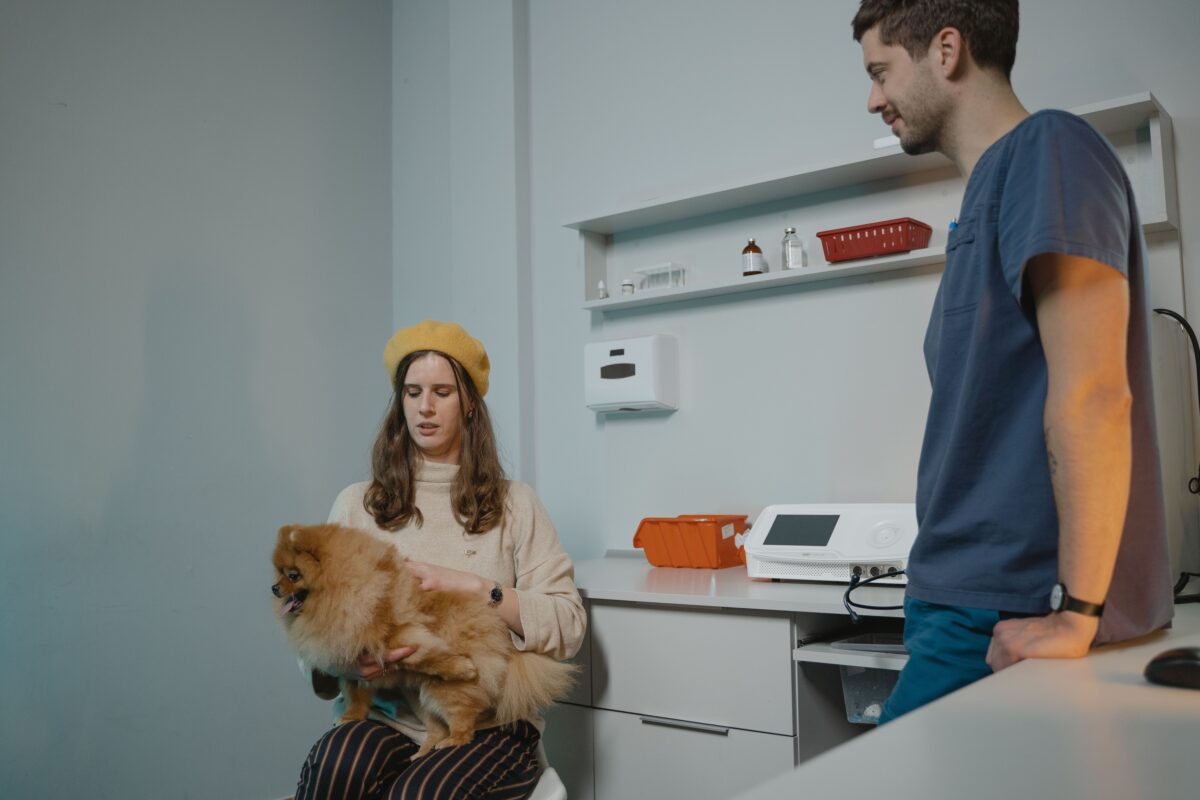
You probably think your vet visit begins when someone calls your pet’s name. The clinic team would say it began much earlier, somewhere between your driveway and the front door. Long before a stethoscope comes out, staff are reading panting, posture, leashes and even the bag in your hand, and they are forming quiet judgments you will never hear out loud.
Some of those judgments are about your pet. A few are about you, and they may be kinder than you expect. One signal on this list looks like relaxation to most owners but is often the opposite, and another can change what a vet is able to find on the exam table. Start with the one that happens before you even park.
#16 – The Dog Who Starts Panting in the Car
🔥 Would you like to save this?
We'll email this post to you, so you can come back to it later!
Some pets are stressed before they ever reach the door.
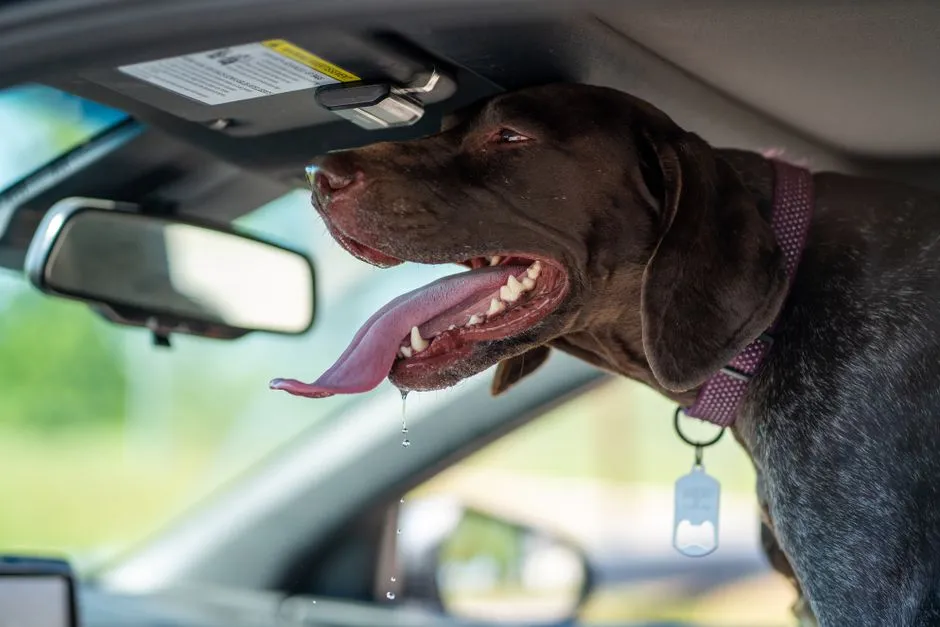
The waiting room starts in the driveway. Vets and clinic teams describe heavy panting or drooling in the car as a sign of anticipatory anxiety, meaning the stress began well before the building came into view.
That changes how staff read a patient. A dog who arrives already drooling has often been carrying that worry for the whole ride. The “bad behavior” at the front desk may be the end of a long build-up, not the start of a problem.
Other early signs usually show up at home:
- Pacing, heavy panting, shaking or whining before you leave the house
- Cats disappearing under beds the moment the carrier comes out
- A pet who suddenly won’t eat on appointment morning
If you notice any of these, mention them at check-in. It’s one of the most useful first lines in a pet’s chart.
But the next signal is one most owners mistake for sleepiness…
#15 – The Yawn That Isn’t Tiredness

🔥 Would you like to save this?
We'll email this post to you, so you can come back to it later!
A yawn in a waiting room is rarely about being sleepy.
Owners see a yawning dog and think, “Aww, he’s relaxed.” Staff often see the opposite. A dog yawning after a nap in a quiet living room is probably tired. A dog yawning while strangers pass, doors bang and a scale rattles is often doing something else entirely.
Clinic guidance lists repeated yawning as a calming signal. Lip licking and looking away belong in the same family. Yawning, lip licking or turning away during handling are early stress signals that often get missed until the pet escalates.
The most important word there is “early.” These are the quiet signals that come before growling or snapping, and catching them gives you time to step back, move away or ask for a calmer room.
A few more small signals worth knowing:
- Showing the whites of the eyes (often called “whale eye”)
- Ears pulled back or flattened
- A lifted paw or a head turned sharply away
Cats send an even quieter message, though, and it’s far easier to miss…
#14 – The Cat Pressed to the Back of the Carrier
🔥 Would you like to save this?
We'll email this post to you, so you can come back to it later!
A silent cat is not always a calm cat.
Dogs bark and cats go still. That difference leads many owners to believe their cat is coping when it isn’t. Cats are often more sensitive to environmental stressors than dogs, and some can shut down entirely during a traditional exam.
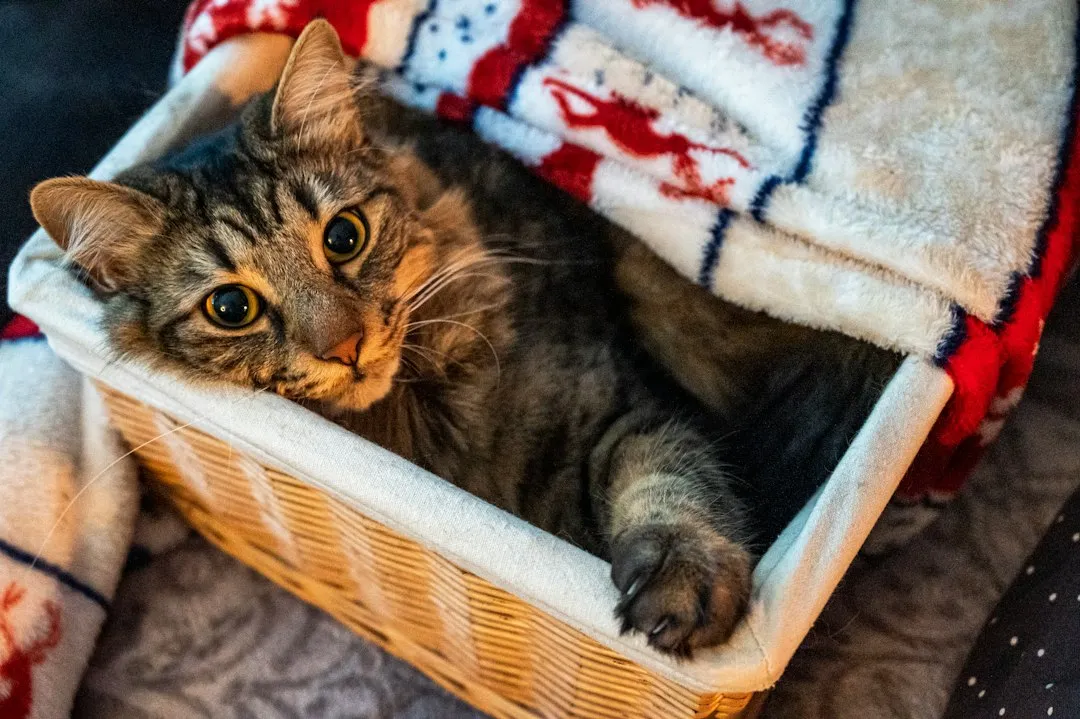
Vets describe the posture clearly. A cat pressed into the back of a carrier is not calm. That is a shutdown response, and it can be harder to read than a yowling cat because nothing in the room demands attention.
Freezing is a coping strategy, not a sign that a cat is fine. Staff watch for pinned ears, wide pupils and a body held very low to the ground.
Cats that are coping badly may also:
- Vocalize loudly and continuously in the carrier
- Refuse to come out of the carrier at all
Quick Compare
- Settled cat: a loose body, a head that moves to look around, and a willingness to explore when the carrier opens
- Shutdown cat: pressed to the back wall, ears pinned, pupils wide and body held low
- Loud cat: constant crying that is stressful to hear but at least gets noticed quickly
Where you put that carrier matters more than most people realize…
#13 – The Carrier Sitting on the Floor
🔥 Would you like to save this?
We'll email this post to you, so you can come back to it later!
Plenty of waiting rooms hold a quiet argument about carriers on the floor.
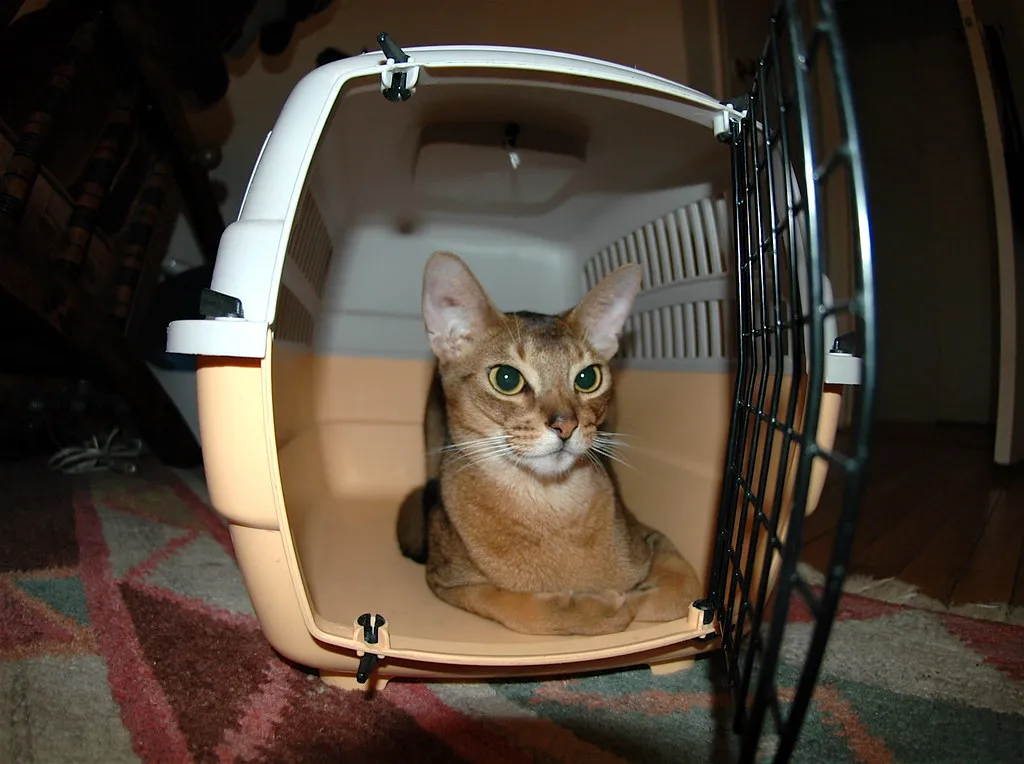
Here’s an unpopular opinion: setting a cat carrier on the floor, at nose level with every passing dog, is one of the most common waiting-room mistakes. Many Fear Free-minded teams prefer cats on a chair or bench, out of direct sight of dogs.
The reasoning is simple. For a cat, the smell and sight of dogs can trigger a stress response before anyone has even touched them. A light towel draped over the carrier can also block the view of the room.
Some clinics go further and build separate waiting areas for cats and dogs. That way your cat isn’t sitting next to a barking dog before the exam starts. If yours doesn’t, you can still ask for a quieter spot.
And the next judgment has nothing to do with the pet at all…
#12 – The Owner With the Tight Leash
🔥 Would you like to save this?
We'll email this post to you, so you can come back to it later!
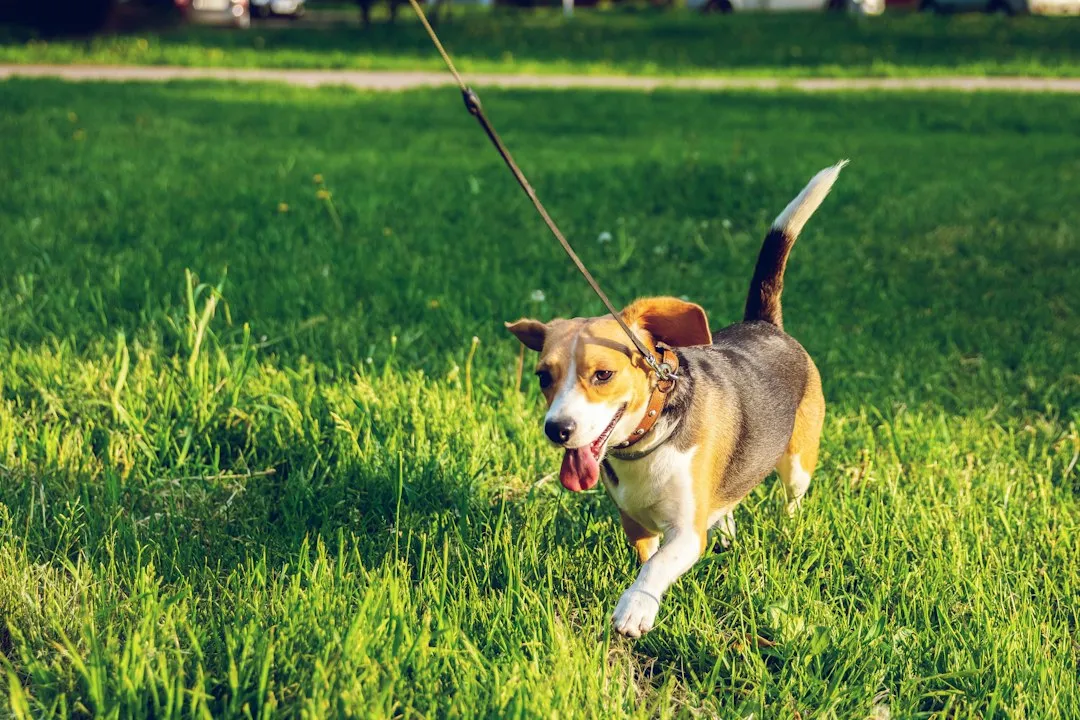
Your pet is reading you before the vet is.
Staff watch owners as closely as animals. A short, tense leash, a rushed walk through the door or a shaky voice all tell your pet that something is wrong. A tight leash also limits a dog’s ability to move away, which can add to the pressure.
Clinic guidance says it directly: your pet may notice hurried movements or changes in your voice. Animals are experts at picking up on the people they live with.
The fix starts at home. Give yourself enough time so you don’t feel rushed. Staying calm won’t erase a pet’s fear, but it can help you move through the trip more carefully.
A good mental checklist before you leave:
- Walk, sniff and bathroom break first
- Check that the leash, carrier and harness are secure
- Leave early enough to avoid traffic stress
The “friendly” dog charging across the room is next, and staff have strong opinions about him…
#11 – The “He’s Friendly!” Dog Racing Over

🔥 Would you like to save this?
We'll email this post to you, so you can come back to it later!
Not every greeting is welcome, however cheerful it looks.
This one is controversial. Many behavior-minded vets argue that “He’s friendly!” is the most overused sentence in any waiting room. Friendly to you doesn’t mean welcome to a frightened patient.
The risk is real. Among common waiting-room stressors, clinic guidance lists barking dogs nearby and direct eye contact from other animals, either of which can make some pets defensive quickly.
A nervous dog can’t leave a crowded room, and a leash takes away the usual option to retreat. That’s why staff often step in and ask owners to keep a gap.
If your dog tends to rush up to strangers, shorten the leash and keep walking. Your own dog may be perfectly polite, but the dog across the room may not be, and a quick “Is it okay if they say hi?” costs nothing.
Next, a signal that quietly tells staff how bad things really are…
#10 – The Pet Who Turns Down a Treat
🔥 Would you like to save this?
We'll email this post to you, so you can come back to it later!
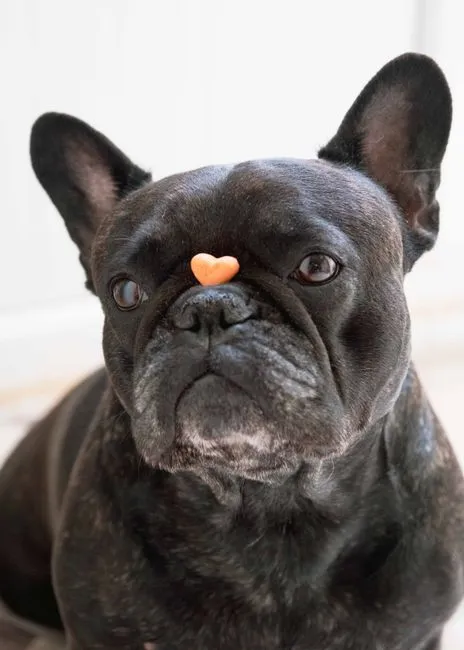
A refused treat is one of the loudest silences in the room.
Food is a stress thermometer. A pet who happily takes treats at home but ignores them at the clinic is telling you something. Clinic lists of stress signs include refusing treats and sudden appetite changes.
Staff pay attention because treats are a tool in the exam room. High-value treats are used throughout the exam to build positive associations, so a pet who won’t take one has just removed a major piece of the plan.
If your pet won’t eat, the team knows the stress is high. They’ll slow down, change their approach or work in a quieter space.
Some owners help by holding back part of a meal first. One clinic suggests that skipping a meal so treats are more rewarding can make a meaningful difference. Ask your own vet before changing a pet’s feeding, especially if the animal is on medication or has a health condition.
At a Glance
- Treats taken at home but refused at the clinic are a red flag for stress
- Sudden appetite changes appear on clinic lists of fear signs
- A refusal often leads staff to slow down or move somewhere quieter
- Check with your vet before changing meals, especially for pets on medication
Then there’s the person holding the bag, and what staff can tell from what’s inside it…
#9 – The Owner With the Stool Sample, and the One Without
🔥 Would you like to save this?
We'll email this post to you, so you can come back to it later!
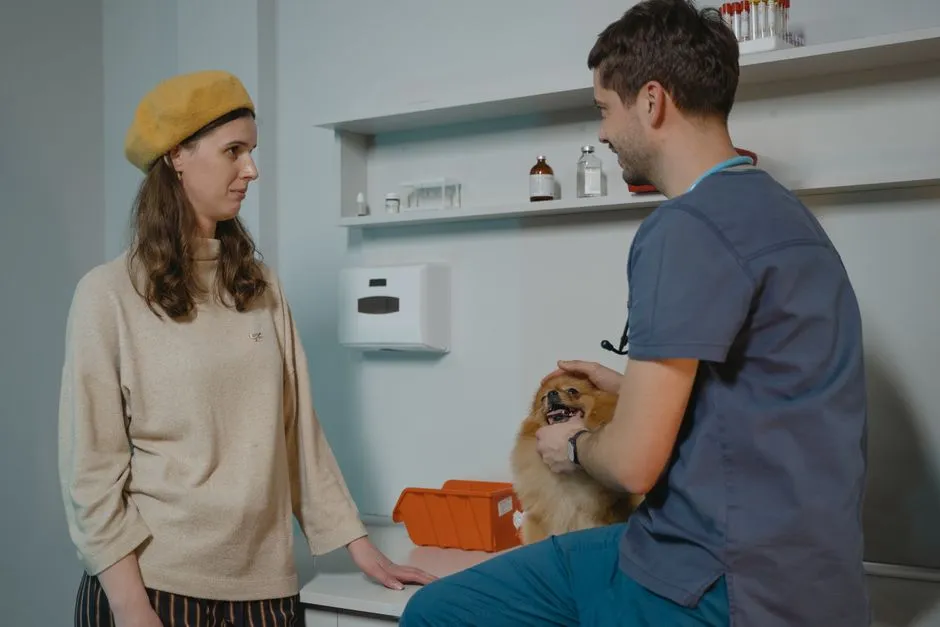
Preparation says as much as the pet does.
Experienced staff can tell who prepared. The owner with the records, medication list and sample bag moves through the visit faster. That means less time in the waiting room for a pet who may hate every minute of it.
One clinic’s checklist suggests you pack:
- Records and a list of current medications
- Treats and a favorite comfort item
- Cleanup supplies
- The stool sample, if one was requested
A faster check-in is also a gentler one. Every minute shaved off paperwork is a minute your pet doesn’t spend among strange smells and noises.
Write down symptoms before you arrive, too. A vague “he’s just off” is much harder to work with than “he’s been skipping breakfast for three days.”
Now to the moment that tells staff everything, right at the door…
#8 – The Pet Who Won’t Walk Through the Door
🔥 Would you like to save this?
We'll email this post to you, so you can come back to it later!
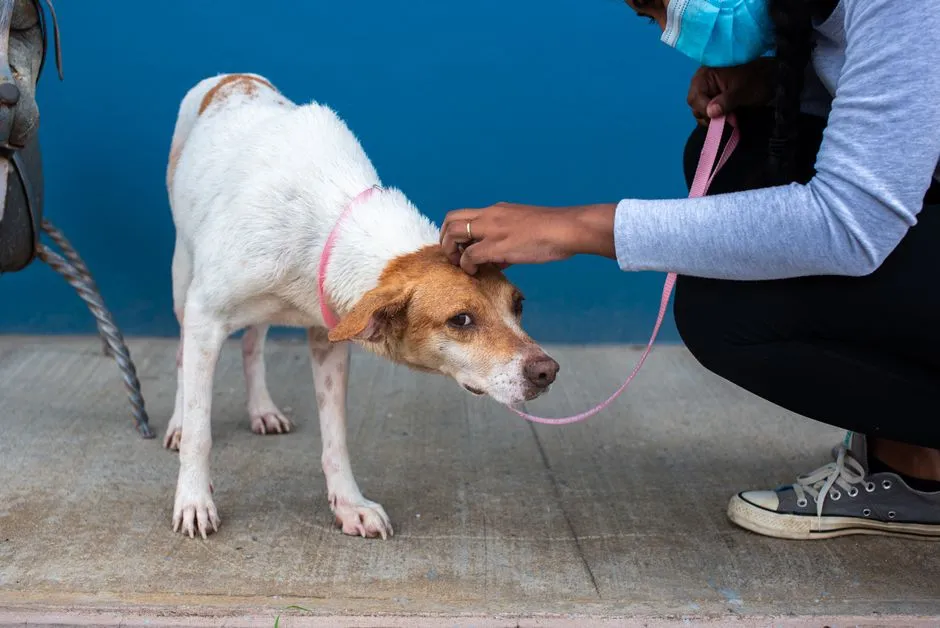
Some patients have made up their minds before they reach reception.
Plenty of animals stall in the parking lot. Clinic guidance notes that many owners see trembling or refusal to walk in before they even reach the door. Another list names refusal to walk through the clinic door as a common sign of fear.
Dragging a frozen pet inside tends to confirm what they already fear. Experienced staff would rather you pause, give your pet a moment and let the team come to you if that’s an option.
The warning signs are easy to spot:
- Planted feet or backing away
- Trembling or a tucked tail
- Hiding behind your legs
A tucked tail or flattened ears are classic fear postures that show a pet feels unsafe. Call ahead from the parking lot and ask whether someone can bring you straight to a room.
But the room itself may be working against your pet in ways you can’t see…
#7 – The Smell Nobody Else Notices
🔥 Would you like to save this?
We'll email this post to you, so you can come back to it later!
To your pet, the waiting room is a wall of information.
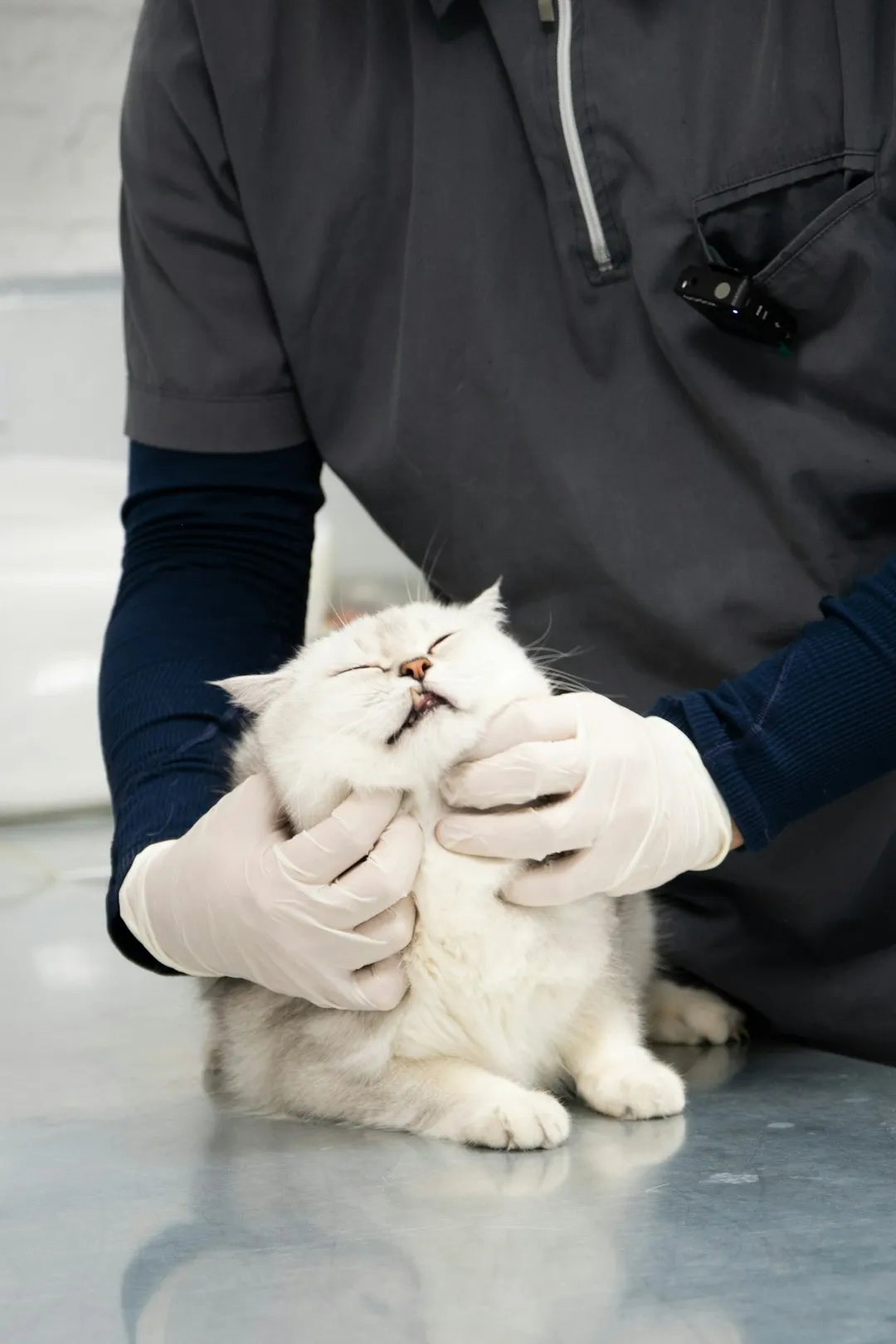
People walk in and smell disinfectant, maybe. Animals pick up a layered story of other pets, cleaning products and fear. Dogs and cats both have a sense of smell far beyond ours, so the room is much busier for them than for you.
One clinic describes the setting as sensory overload, with unfamiliar smells from other animals and cleaning products, plus strange sounds from equipment and other patients.
That’s why many clinics use calming scents. Fear Free-style practices place calming pheromone diffusers in exam rooms to lower baseline anxiety before the exam begins.
Diffusers help, but they’re not a fix on their own. Noise, crowding and movement still matter.
The next judgment depends entirely on when you book…
#6 – The Appointment Time You Chose
🔥 Would you like to save this?
We'll email this post to you, so you can come back to it later!
The busiest hour is rarely the best one for a nervous pet.
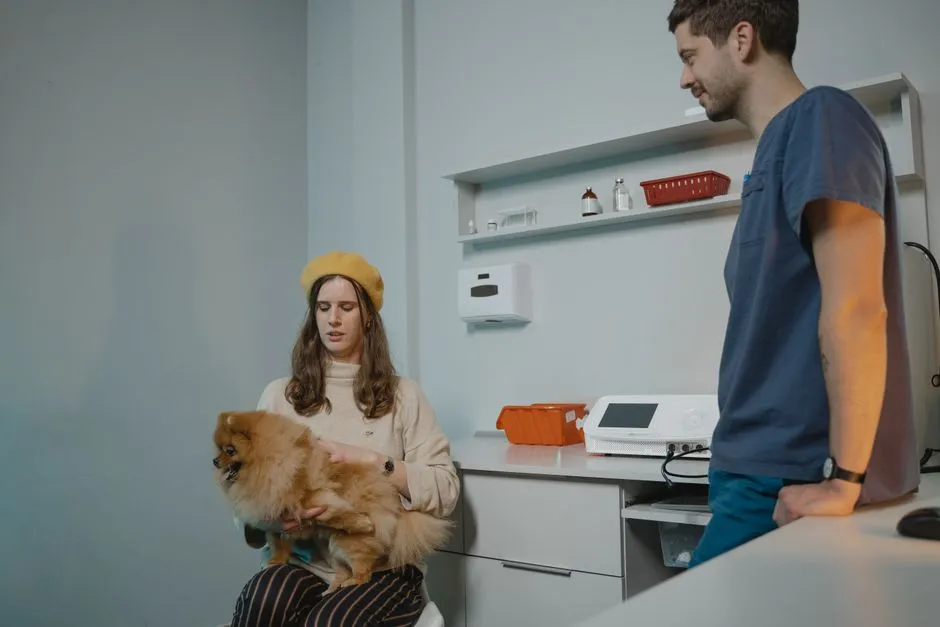
Here’s a take that surprises people: the “convenient” after-work slot may be the worst choice for an anxious animal. A full waiting room means more barking, more movement and more unfamiliar smells.
Clinic guidance supports asking for a different time. If your pet is calmer during an early morning appointment, ask whether that’s available, since many pets do better when the clinic has fewer arrivals.
Quieter hours can change the whole visit. Fewer animals means fewer triggers, and staff have more time to go slowly.
Some practices also room patients quickly to limit exposure to other pets. If your pet is a nervous one, ask whether that’s possible, or whether you can check in by phone and skip the lobby.
And there’s one thing owners do that staff wish they’d do far more often…
#5 – The Owner Who Keeps the Fear Secret
🔥 Would you like to save this?
We'll email this post to you, so you can come back to it later!
The most useful sentence at check-in is the one many owners don’t say.
Some owners stay quiet out of embarrassment. They worry the clinic will label their pet “difficult.” In practice it tends to work the other way.
Clinic advice is direct: if your pet has had a difficult experience at the vet before, let the team know. The reason is practical. Knowing ahead of time lets the team approach your pet more carefully.
A heads-up turns a surprise into a plan. Staff can prepare a quieter room, use treats differently or skip steps that aren’t urgent.
What to mention:
- Hiding, freezing, trying to escape, growling, scratching or biting
- Past bad experiences at other clinics
- Triggers you know about, such as noise or being lifted
Which brings us to the label that frustrates vets more than any other…
#4 – The Snap Everyone Calls “Aggression”
🔥 Would you like to save this?
We'll email this post to you, so you can come back to it later!
A bite or snap is rarely about being “bad.”
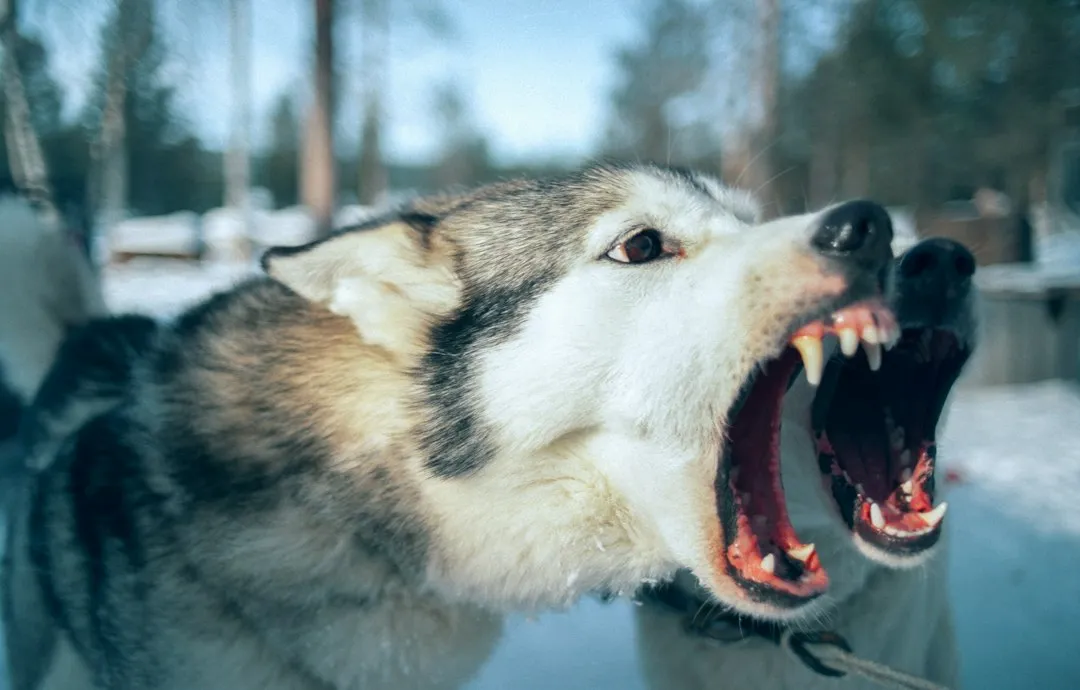
Staff see this misreading often. Owners apologize for “aggressive” pets who are actually terrified. One clinic puts it plainly: aggression or snapping is fear, not bad behavior, and a scared pet lashes out to protect itself.
That’s also a safety issue. Clinic guidance warns that anxiety and fear can lead to aggressive behavior that puts the veterinary team at risk. It’s why a team may suggest extra precautions, which are about safety, not punishment.
A growl is a warning, and punishing it removes the warning. A dog who learns not to growl may skip straight to a bite next time.
Staff would rather you tell them early than be embarrassed afterward.
What happens physically next can even change a diagnosis…
#3 – The Racing Heart That Muddies the Picture
🔥 Would you like to save this?
We'll email this post to you, so you can come back to it later!
Fear doesn’t just feel bad. It can change the exam results.
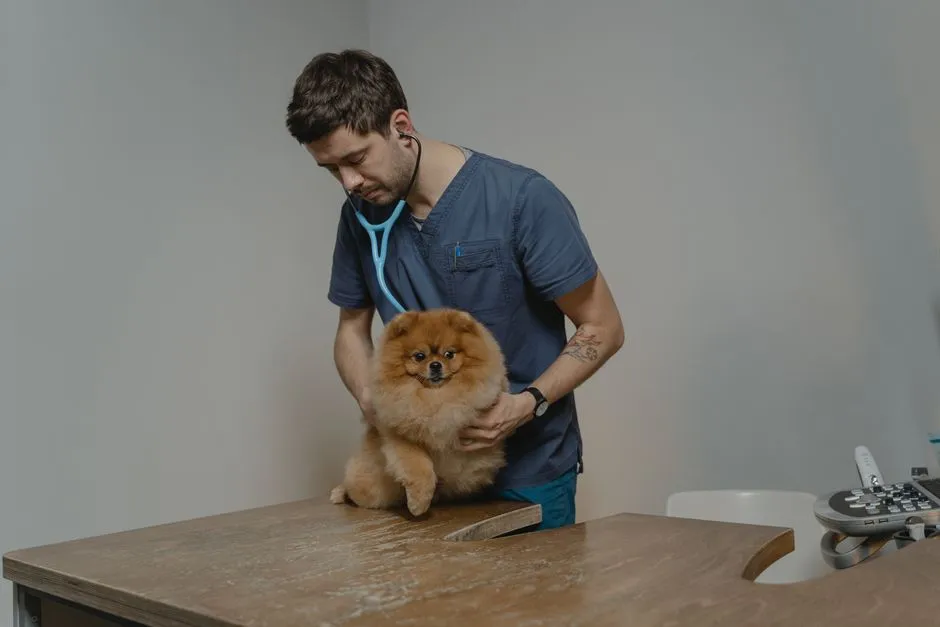
Stress affects what vets can measure. One clinic explains that when a pet is terrified during an exam, blood pressure spikes, heart rate accelerates, and physical responses can mask or mimic real symptoms.
The examples are striking. A dog trembling from anxiety may appear to have a pain response, and a cat’s stress-elevated heart rate may look like a cardiac issue on a monitor.
That’s why a calm waiting room is a medical tool, not just a courtesy. Another source adds that stress can affect behavior, breathing, appetite and even physical exam results.
Vets can usually interpret results with that context in mind. But the calmer the patient, the clearer the picture.
The next judgment comes from something that may be sitting in your garage right now…
#2 – The Carrier Hidden in the Garage
🔥 Would you like to save this?
We'll email this post to you, so you can come back to it later!
The pets who cope best often have a carrier they’ve known for months.
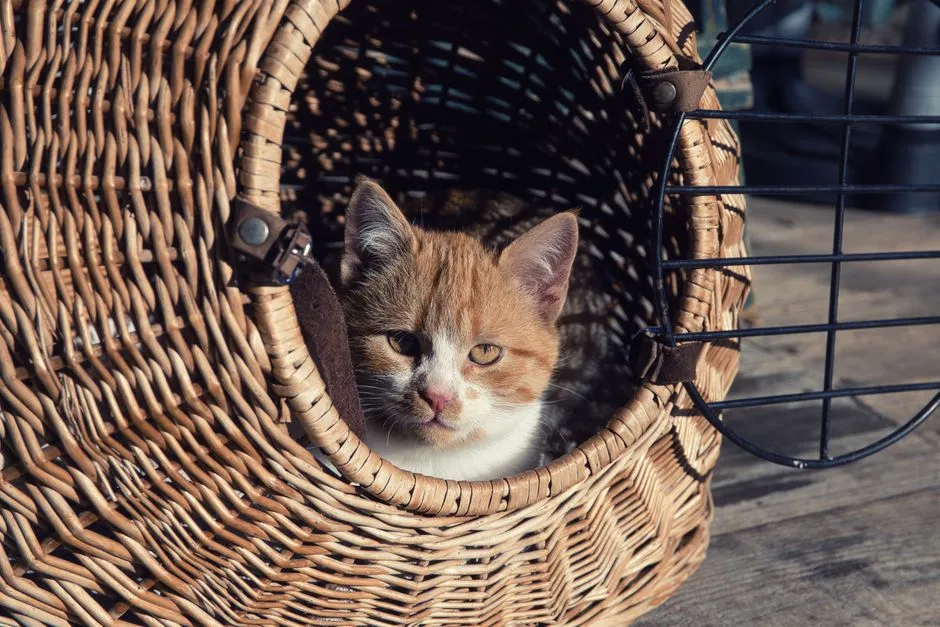
For many cats and small dogs, the carrier is the first trigger. A carrier that only appears on vet day becomes a signal that something bad is coming.
Guidance suggests the opposite: leave it out between visits with a soft blanket and a few treats inside, and let your pet explore it on their own terms. Over time, it stops being a symbol of stress and becomes just another piece of furniture.
Staff can often tell which cats arrived in a carrier they know. Those cats tend to come out more easily.
Travel matters for dogs too. One clinic advises keeping a dog secured with an appropriate crate or crash-tested safety harness, and never letting them ride loose or on your lap.
Fast Facts
- Keep the carrier out in a living area between visits, not stored away
- Add a soft blanket and a few treats so it smells and feels like a safe spot
- Let your pet investigate it voluntarily, with no pushing or forcing
- For dogs, use an appropriate crate or crash-tested harness, never a loose ride or a lap
All of this leads to what experienced teams value most…
#1 – The Pet Whose Owner Planned Weeks Ahead
🔥 Would you like to save this?
We'll email this post to you, so you can come back to it later!
The best waiting-room behavior is usually decided long before the appointment.
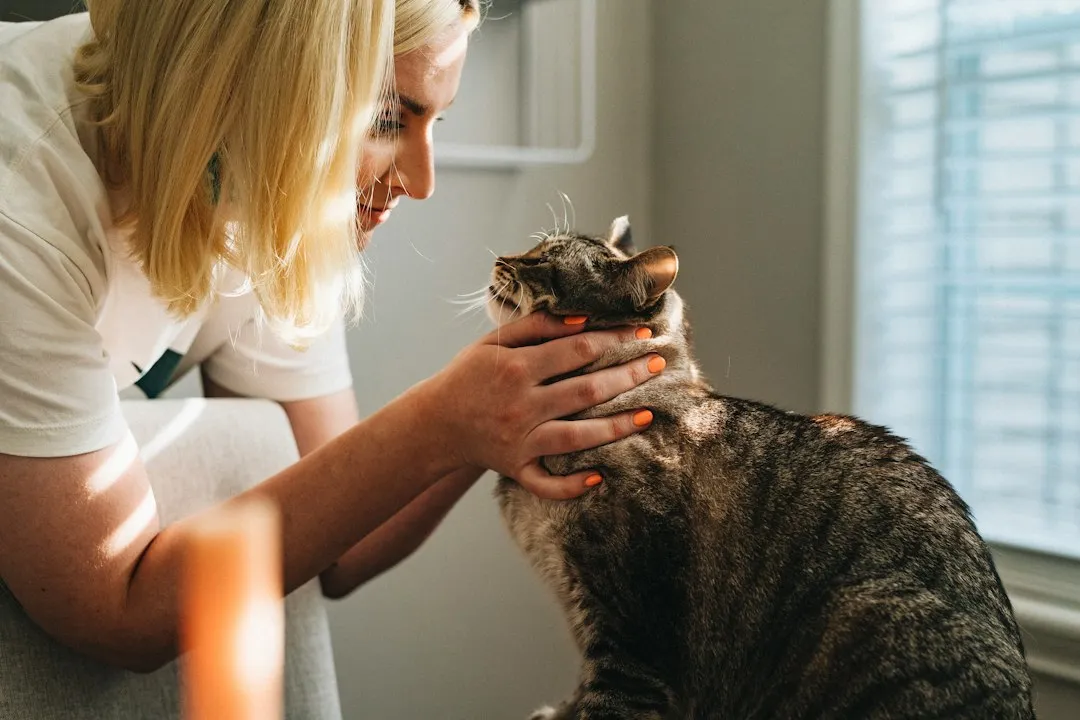
Vets say the calmest patients rarely got there by luck. Their owners practiced. Simple strategies like bringing a favorite toy and doing short practice car rides can make a meaningful difference.
For some animals, planning goes further. For pets with severe fear, motion sickness or defensive behavior, your veterinarian may recommend a pre-visit plan, which can include medication. That’s a medical decision, not a failure. Never give anything without veterinary guidance.
The bigger picture is the clinic itself. Fear Free-style practices use staff trained to read body language, stopping a procedure if a pet’s stress signals escalate past a safe threshold.
If your pet is anxious, treat the waiting room as part of the care, not an obstacle before it.
The most shocking truth here is how little of this happens at the exam table. Pets show stress in the car, at the door and in the waiting room, and many owners misread it. A yawn isn’t tiredness. A frozen cat isn’t relaxed. A snap is fear.
My opinion: a calm vet visit is built, not hoped for. Choose quiet hours, speak up about past bad experiences and keep your cat off the floor. If someone says “he’s friendly” while their dog barrels toward yours, don’t be shy about asking them to stop.
Which of these signals have you seen at your own vet’s office?

- 14 Wildlife Permits Waived for Americans the Year They Turn 62 - November 5, 2026
- Machu Picchu’s Engineering Feats Were Far Ahead of Its Time - November 5, 2026
- 12 Most Beautiful American Cities To See Before You Die - November 4, 2026