
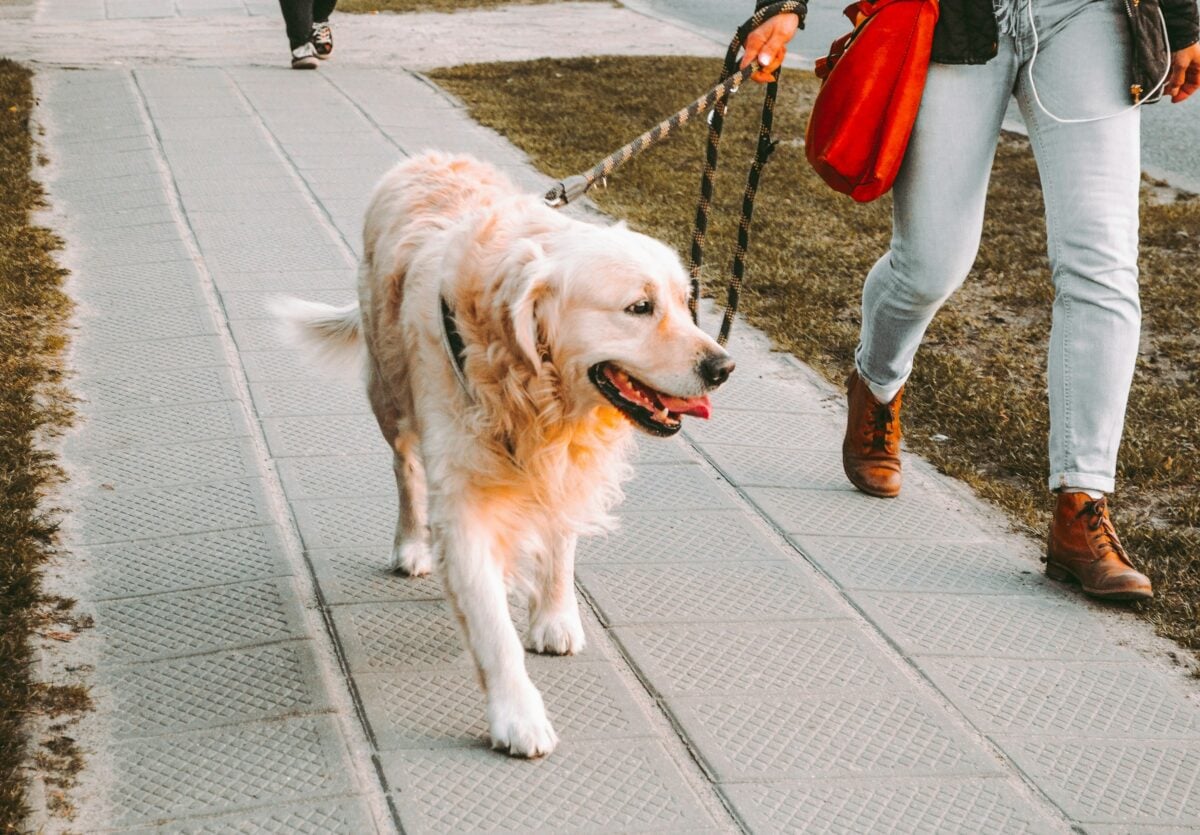
Most families picture an old dog’s decline as a switch flipping: lively one day, slow the next. In real life, the story usually starts months earlier, in moments so small they barely register. A pause in a doorway. A greeting that never happens. A dog bed that quietly migrates to a different room.
Here’s what makes it unsettling: these quiet signs are easy to explain away, and many overlap with conditions vets can treat. Some of the 14 changes below will sound too ordinary to matter. One or two may make you rethink what you’ve been calling “just personality.” And #1 changes how you read every other sign on the list.
#14 – Mornings Start Slower Than They Used To
🔥 Would you like to save this?
We'll email this post to you, so you can come back to it later!
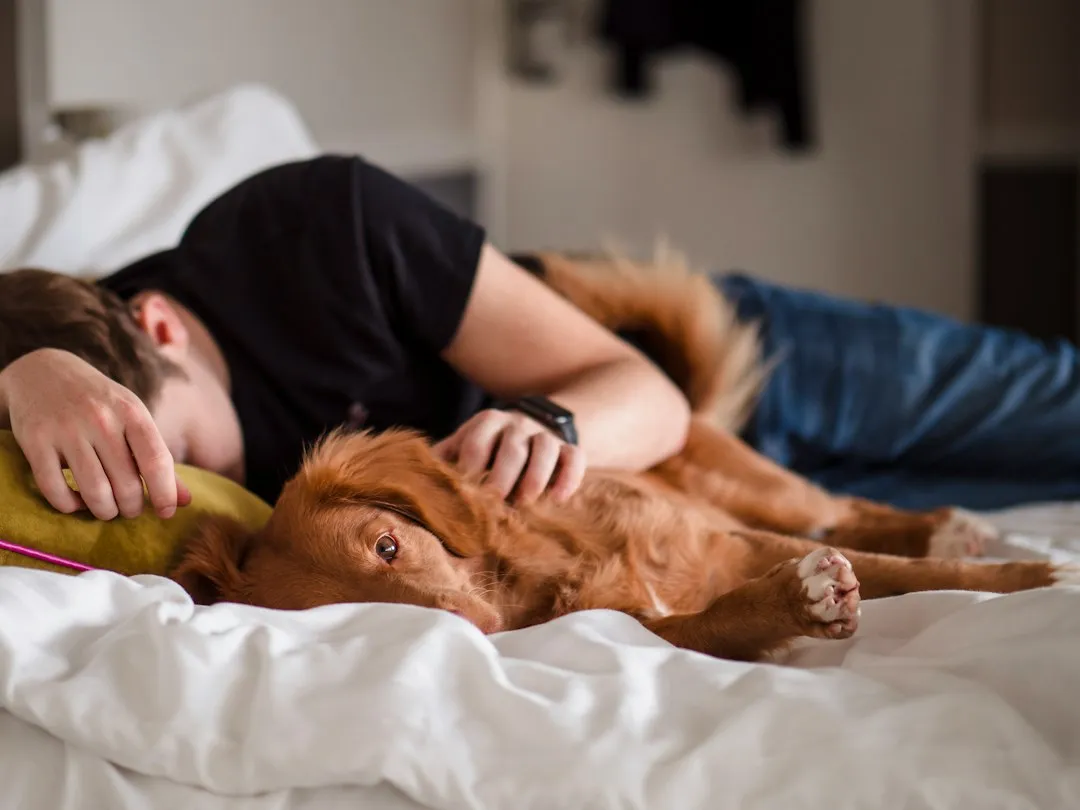
The first clue often shows up before you’ve finished your coffee.
Your dog takes a beat longer to rise from a favorite sleeping spot. Maybe there’s an extra stretch, or a little rocking motion before the back legs commit. Families usually file it under grogginess.
Arthritis symptoms develop gradually, which makes them easy to overlook. A dog who loosens up after a few minutes can still be uncomfortable the whole time, because dogs rarely complain the way people do. Many simply adapt and move differently to protect a sore joint. The stiffness that “walks off” is one of the most commonly dismissed early signs.
Watch for these small moments:
- A pause before standing
- Extra stretching after naps
- Stiff first steps that smooth out later
Our take: “he’s just old” is the most overused phrase in dog ownership. It sounds gentle, but it often ends the conversation too early.
But the next sign tends to show up at the car door…
#13 – The Hesitation Before the Jump
🔥 Would you like to save this?
We'll email this post to you, so you can come back to it later!
A dog who still jumps is not necessarily a dog who’s comfortable.
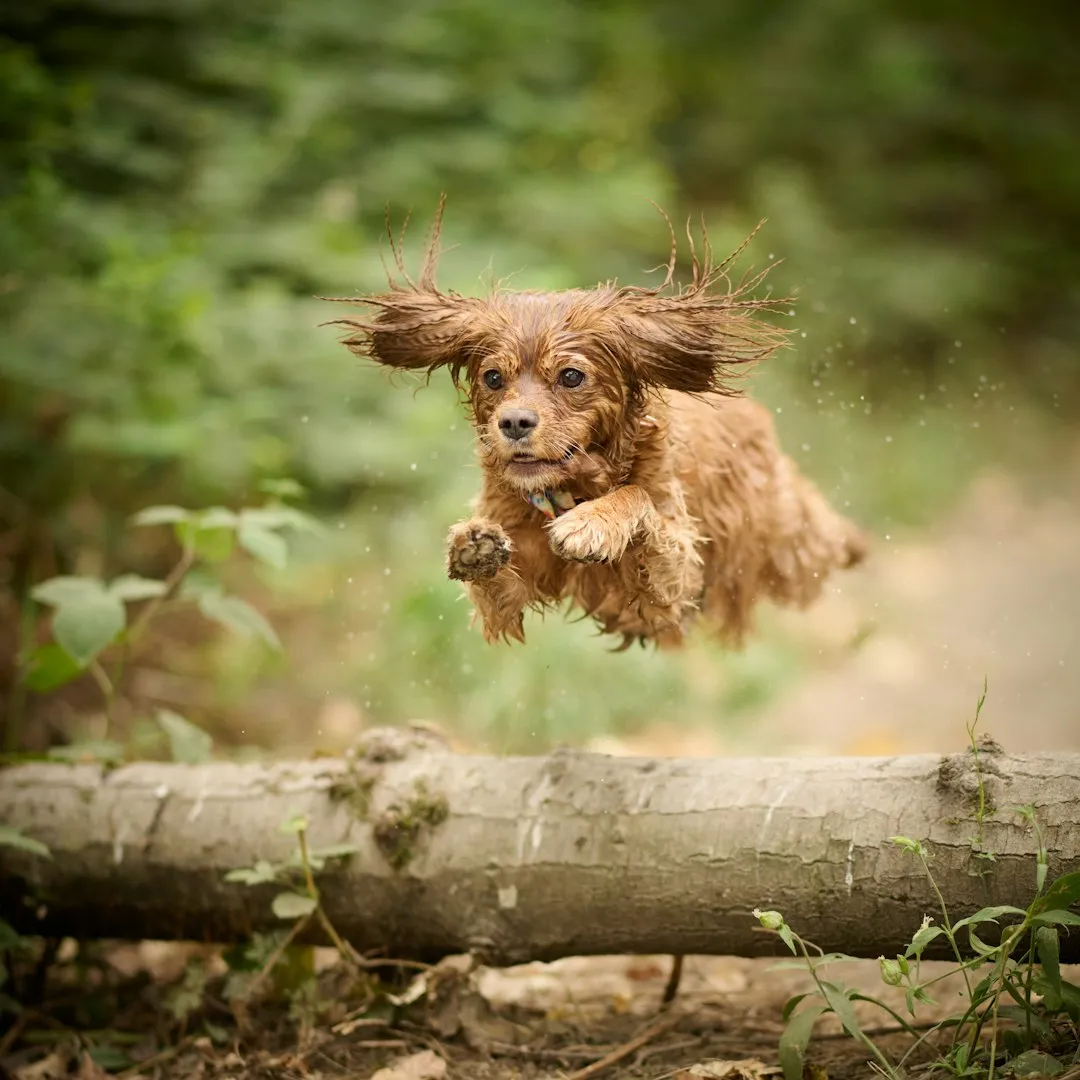
Look closely at the half-second before the leap. Your dog might hesitate before hopping into the car or climbing stairs they once bounded up. Families tend to read this as laziness or stubbornness.
The pause itself can be the symptom, even when the jump still succeeds. Dogs often keep doing what they’ve always done and just do it more carefully. They size up the distance, shift their weight, and then go.
Some dogs also start taking stairs one at a time or stopping on the landing. Others wait for you to lift them. A dog who used to beat you to the car now looks up at you first, as if asking permission.
Quick Compare
- One-off pause: Happens once, on a slick or unfamiliar surface, and doesn’t repeat.
- Pattern worth noting: The same hesitation at the same spot, like the car or the stairs, day after day.
- Bigger flag: Waiting to be lifted, stopping on the landing, or skipping the jump altogether.
Turns out, the clue is the hesitation, not the failure. By the time a dog refuses entirely, the change has usually been building for a while.
Some owners find this next one even harder to notice, because it happens while the dog is walking right in front of them.
#12 – Walking That Looks Slightly Different
🔥 Would you like to save this?
We'll email this post to you, so you can come back to it later!
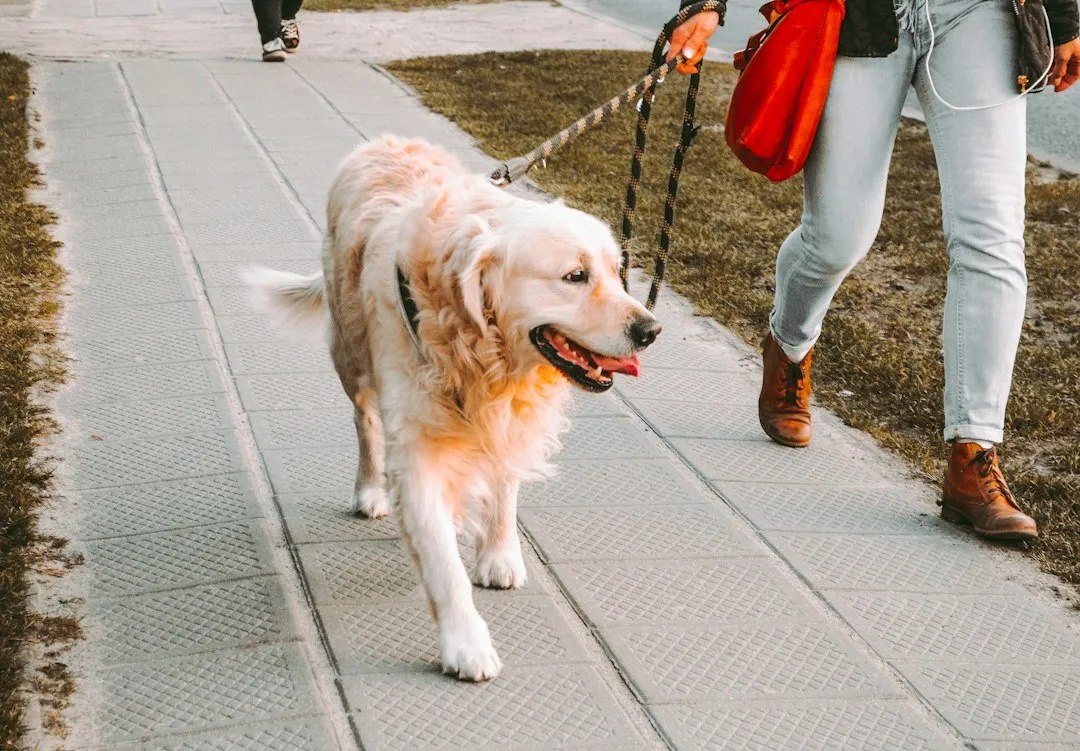
Your dog’s gait may have changed long before it became a limp.
Early on, the signs are small. Some pets favor certain legs or shift their weight frequently while standing. Neither looks like an injury, so neither gets a second glance.
Movement can also reveal brain changes. A dog with early cognitive decline often changes gait, turns more slowly, or carries tension differently. A change in how a dog turns can matter as much as how fast it walks.
Pay attention to:
- Tight, slow pivots at the end of the leash
- Weight shifting while standing still
- Uneven wear on nails
Mobility and mind are more connected than most families realize. One owner-reported study found that dogs with greater cognitive dysfunction also had more signs associated with musculoskeletal and neurological problems, including pain and sensory decline.
And the next change has nothing to do with legs at all…
#11 – The Toys Stop Mattering
🔥 Would you like to save this?
We'll email this post to you, so you can come back to it later!
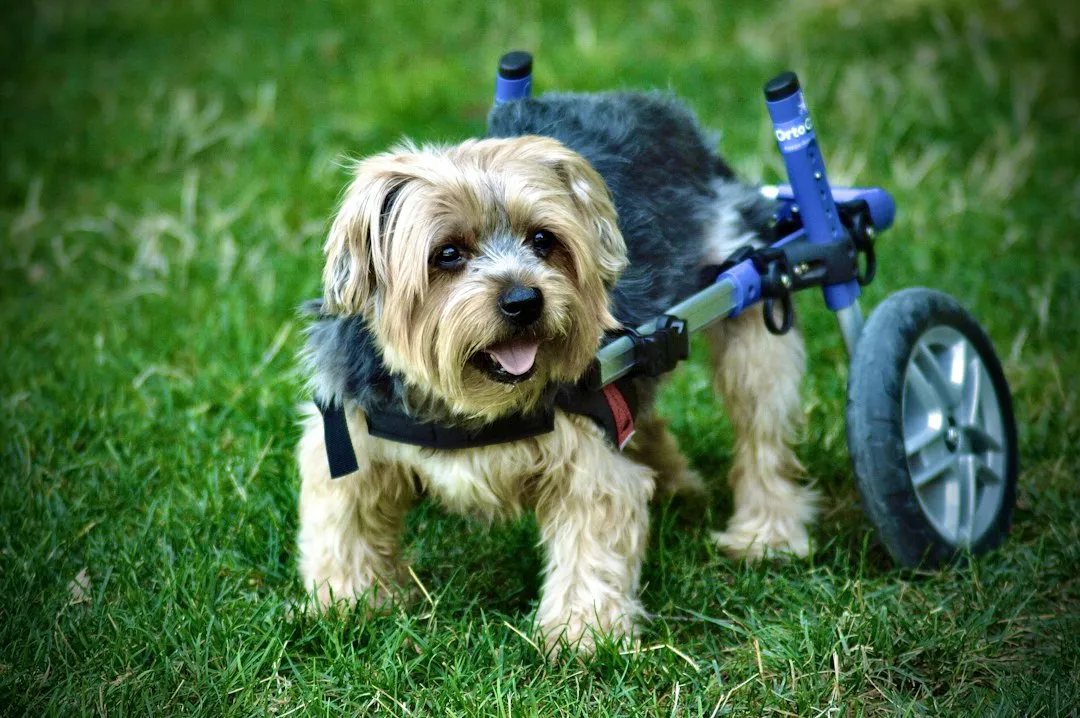
A dog who ignores the squeaky toy isn’t necessarily “mellowing out.”
Families often describe this as calming down. The dog isn’t as interested in toys as before, or isn’t as quick to greet you at the door. It feels like peace, which is why nobody questions it.
Early cognitive changes can look like this too. Early signs can include subtle confusion, mild sleep changes, occasional anxiety, less interest in play, or needing more reminders for routines. A drop in play can be a medical signal, not just a personality shift.
Pain is a common culprit. A dog who hurts when pouncing or twisting may simply choose not to. Dental discomfort and fading vision can also make a favorite game less appealing, especially a game that involves chasing, catching, or biting down.
Here’s the uncomfortable part. We tend to accept a quieter dog because quiet feels easy, and quiet dogs rarely ask for help.
Wait until you see what happens after the lights go out…
#10 – Nights Get Strange
🔥 Would you like to save this?
We'll email this post to you, so you can come back to it later!
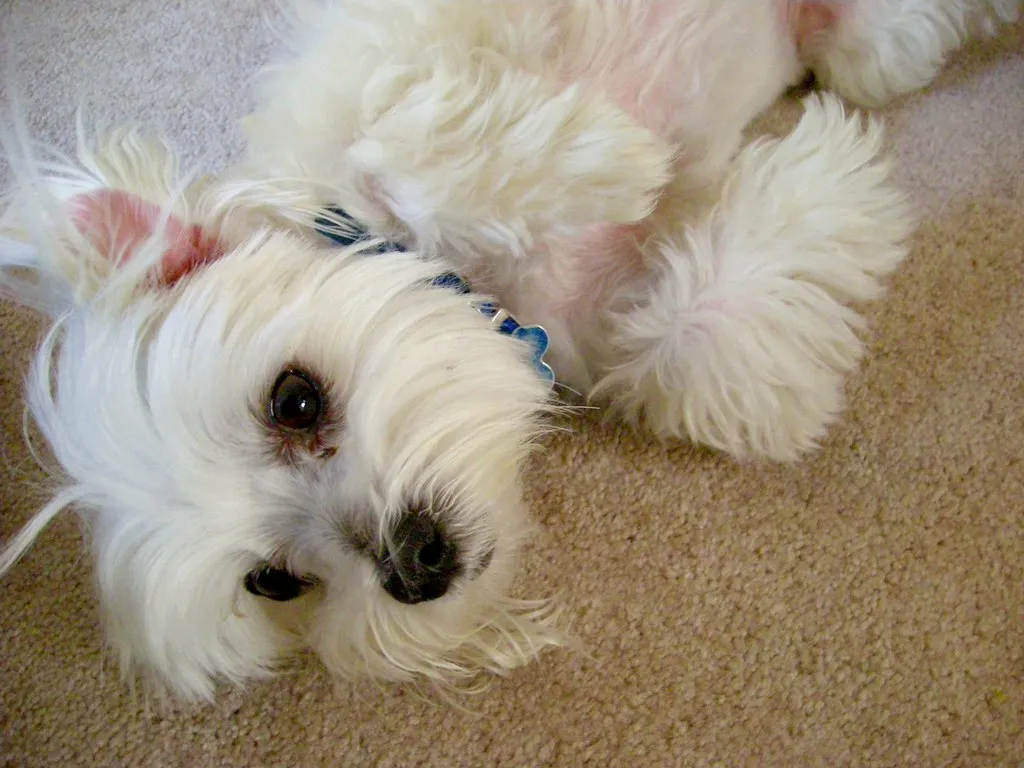
Bedtime can be where the earliest red flags appear.
Many dogs with cognitive dysfunction have sleep-wake cycle changes. That can mean pacing, barking, restlessness, or seeming lost after dark. Families often chalk it up to a bad night, then another, then another.
One veterinary source notes that most owners notice changed sleep and night restlessness first. The night shift may be the most reliable early warning many families get. The house is quiet, nothing distracts you, and the pattern is hard to miss at 3 a.m.
But a pacing dog isn’t automatically a confused dog. Pain, a full bladder, or trouble finding a comfortable position can all look the same. A dog who can’t settle may be hurting, not lost.
That’s why a vet visit matters before anyone assumes it’s dementia. Write down what you see, and please don’t reach for human pain relievers from the medicine cabinet. Many are dangerous for dogs, so let your vet choose what’s safe.
At a Glance: What to Jot Down for Your Vet
- When it starts: The time the restlessness begins each night
- How long it lasts: A few minutes, or hours
- What it looks like: Pacing, panting, barking, circling, or staring
- What came before: The last bathroom trip, meal, and activity of the day
Next, a sign that looks like a dog staring at nothing…
#9 – The Doorway Pause
🔥 Would you like to save this?
We'll email this post to you, so you can come back to it later!
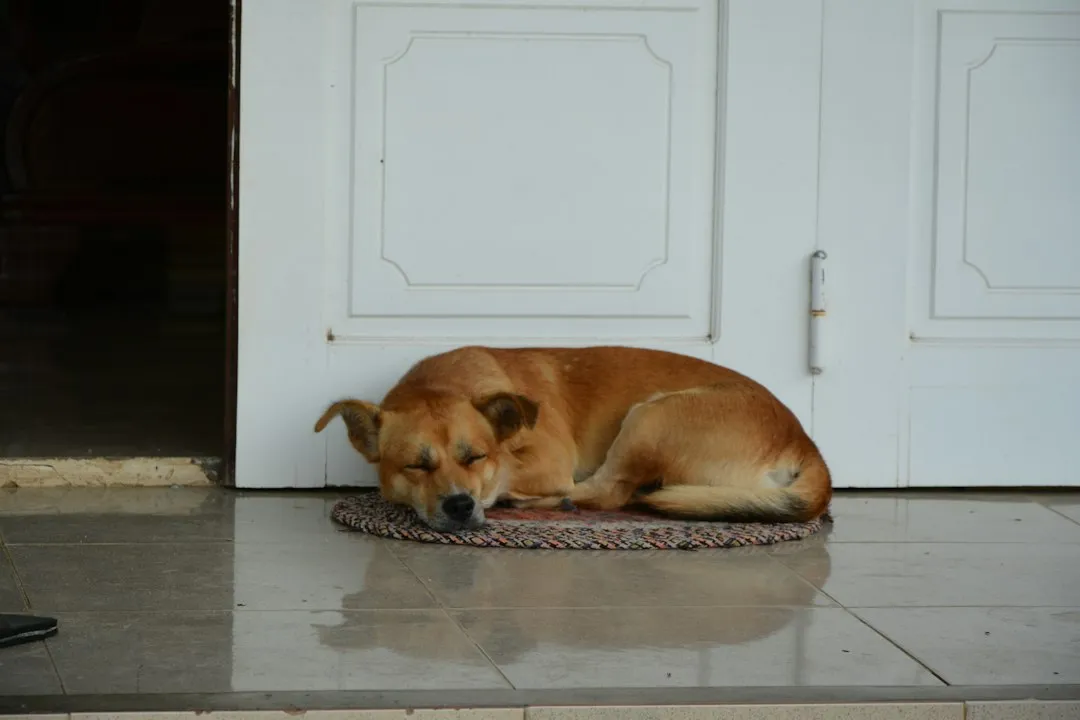
A dog standing at the wrong side of a door might be telling you something.
This is one of the subtlest signs of all. Early dementia can be as subtle as a dog pausing in the hallway or staring at the hinge side of the door instead of the side that opens. Other early signs include brief confusion in familiar places and staring at walls.
The earliest signs are usually mild disorientation, a slightly off sleep schedule, and less interest in greeting you or playing. A dog can know your house perfectly for a decade and still get briefly lost in it.
Most of these moments last seconds. That’s exactly why families laugh them off, then forget them by dinner.
It’s easy to feel alarmed here, so keep this in mind. Some pets will show only one or two symptoms in their lifetime. One odd moment is not a diagnosis.
And the next change is one that many families find genuinely upsetting…
#8 – Bathroom Habits Quietly Change
🔥 Would you like to save this?
We'll email this post to you, so you can come back to it later!
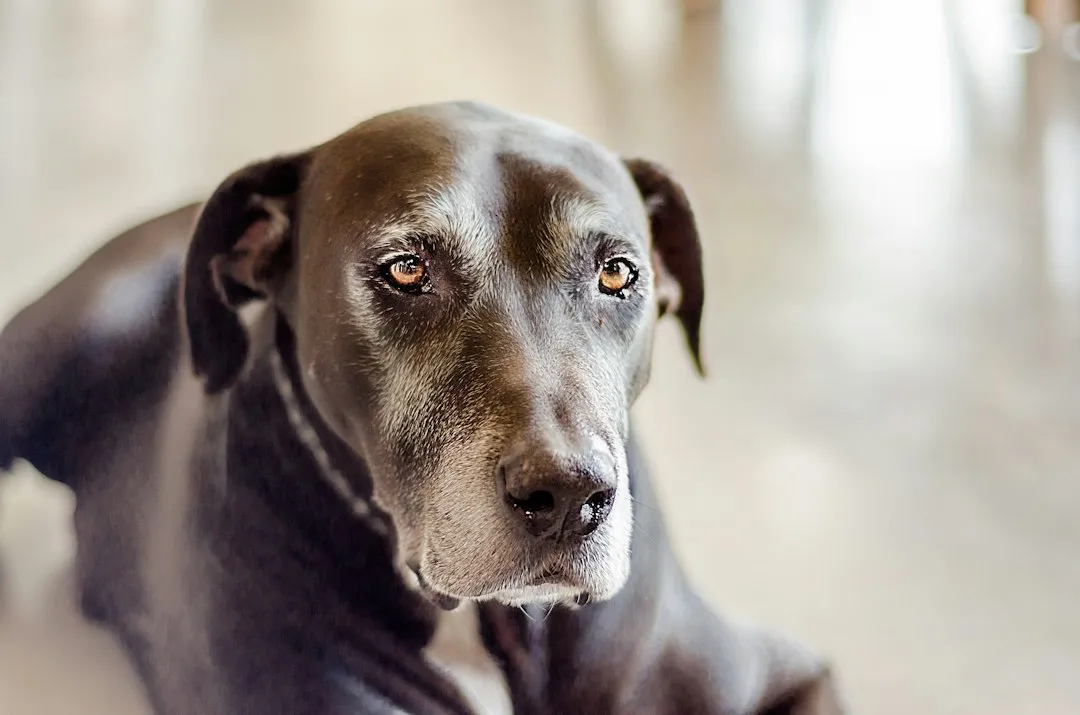
An “accident” from a house-trained senior is information, not misbehavior.
Some pets develop new bathroom habits, choosing spots closer to their resting areas rather than traveling to their usual ones. That can be a mobility issue, not a training lapse. The long trip to the yard may simply hurt.
The causes are wide-ranging. A dog who has accidents may have a urinary tract infection, kidney disease, diabetes, arthritis, or trouble getting outside in time. Cognitive decline is only one of several possible explanations.
This is where punishment does the most harm. Scolding a dog for a medical problem teaches fear, not control, and it can make a dog hide the signs.
A better first step is a vet visit with notes: when the accidents happen, where, and how often.
The next sign involves the way your dog responds when you reach for them…
#7 – Touch Becomes Touchy
🔥 Would you like to save this?
We'll email this post to you, so you can come back to it later!
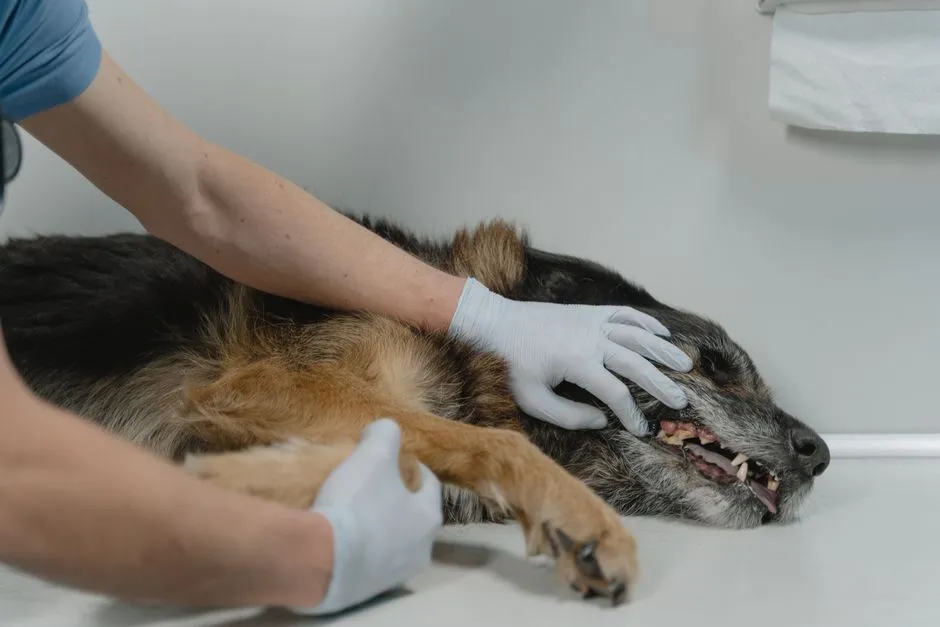
A friendly dog who flinches may be hurting, not grumpy.
A normally social pet might become irritable when touched in certain areas or withdraw from family activities they once enjoyed. Families often take it personally, as if the dog has decided to be difficult.
The AKC makes the same point: a previously friendly dog may seem irritable because of pain from arthritis or another medical condition. A snap or a growl from a gentle senior is more often pain than “attitude.”
Look for patterns, not one-off moments:
- Pulling away when you pet the hips or back
- Moving off the couch when someone sits nearby
- A new reluctance to be picked up
Here’s a controversial thought. Many families say “he’s just cranky now” and move on. In our view, that is the moment a vet visit becomes the kind thing to do.
Now for a sign that sounds like a good thing…
#6 – Dinner Gets Complicated
🔥 Would you like to save this?
We'll email this post to you, so you can come back to it later!
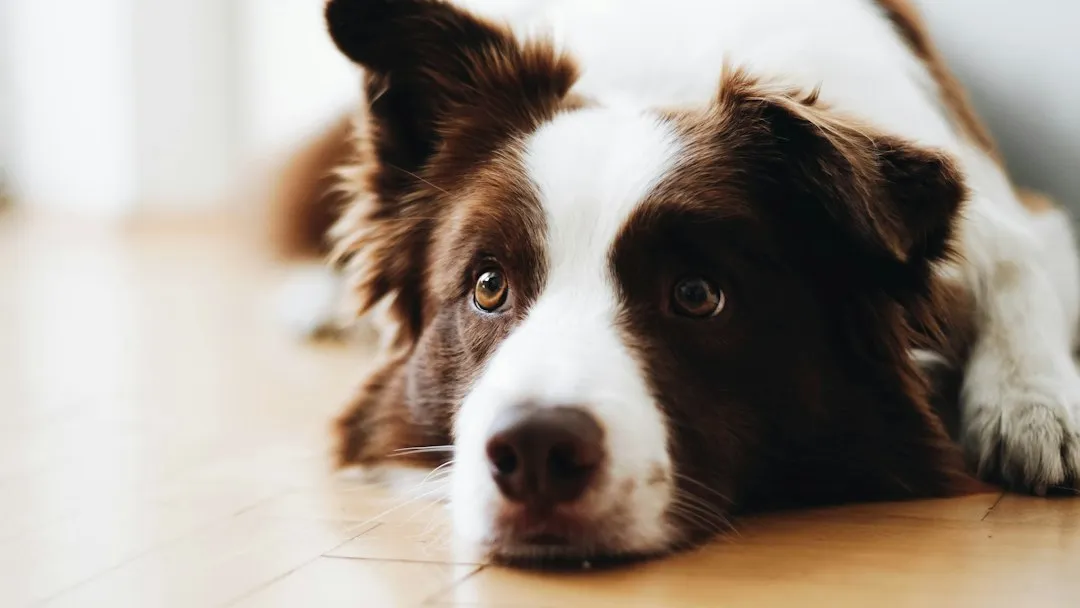
A dog who skips a meal may be avoiding the walk, not the food.
You might assume appetite loss means a stomach problem. Sometimes it does. But appetite changes can occur when pets associate movement with pain, making them reluctant to walk to their food bowls.
A dog can be hungry and still refuse to go get dinner. Slick floors, bowls at the wrong height, or a bowl tucked in a far corner can all make mealtime harder than it used to be.
Watch for dogs who eat only when the bowl is brought closer. Or who nibble, then walk away from a meal they used to finish in seconds.
Appetite changes can have many causes, so they deserve a vet’s attention if they last. Don’t assume it’s picky eating at age 12.
Another everyday change is hiding in your dog’s eyes…
#5 – The Eyes and Ears Fade First
🔥 Would you like to save this?
We'll email this post to you, so you can come back to it later!
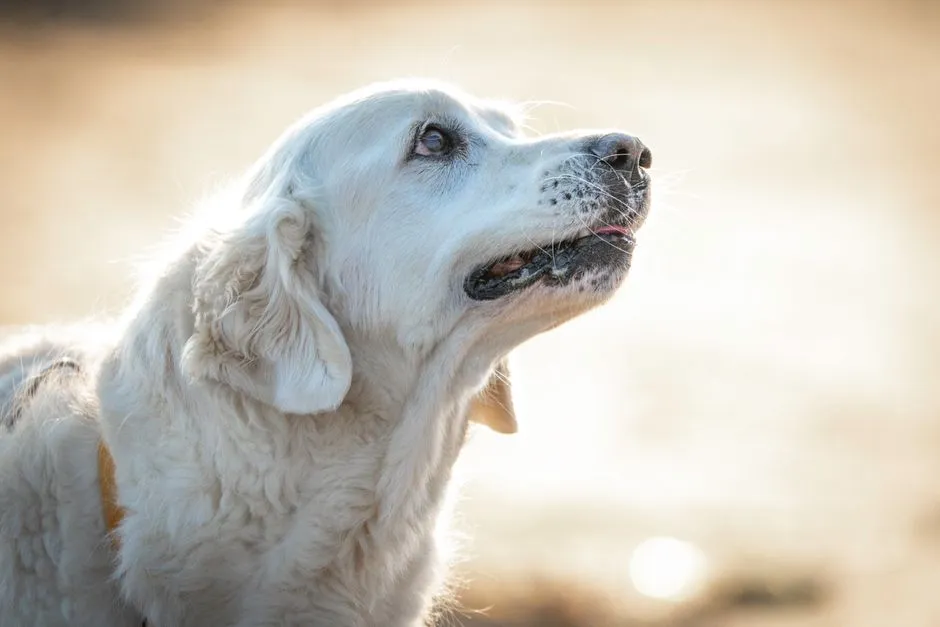
Sensory changes can look like personality changes.
Common physical signs of aging include mobility issues, cloudy eyes, dental disease, weight changes, and new lumps or bumps. Cloudy eyes get plenty of attention. The behavior changes that come with them get far less. Many older dogs develop a bluish haze that is part of normal aging, but only a vet can tell that apart from problems like cataracts.
If a pet’s vision is declining, they may be less willing to join usual activities or navigate a once-familiar area. A dog who bumps into furniture may be dealing with vision, not forgetfulness.
Hearing matters too. Normal aging may bring slower movement, mild hearing loss, or slightly less stamina. A dog who ignores you may simply not hear you, and a dog who startles when you touch them may never have heard you coming.
Try approaching from the front, using hand signals, or leaving lights on at night. Those small changes can help a dog with fading senses feel secure.
Next up is a change that’s visible on the scale, and it’s often misread…
#4 – The Body Shape Shifts
🔥 Would you like to save this?
We'll email this post to you, so you can come back to it later!
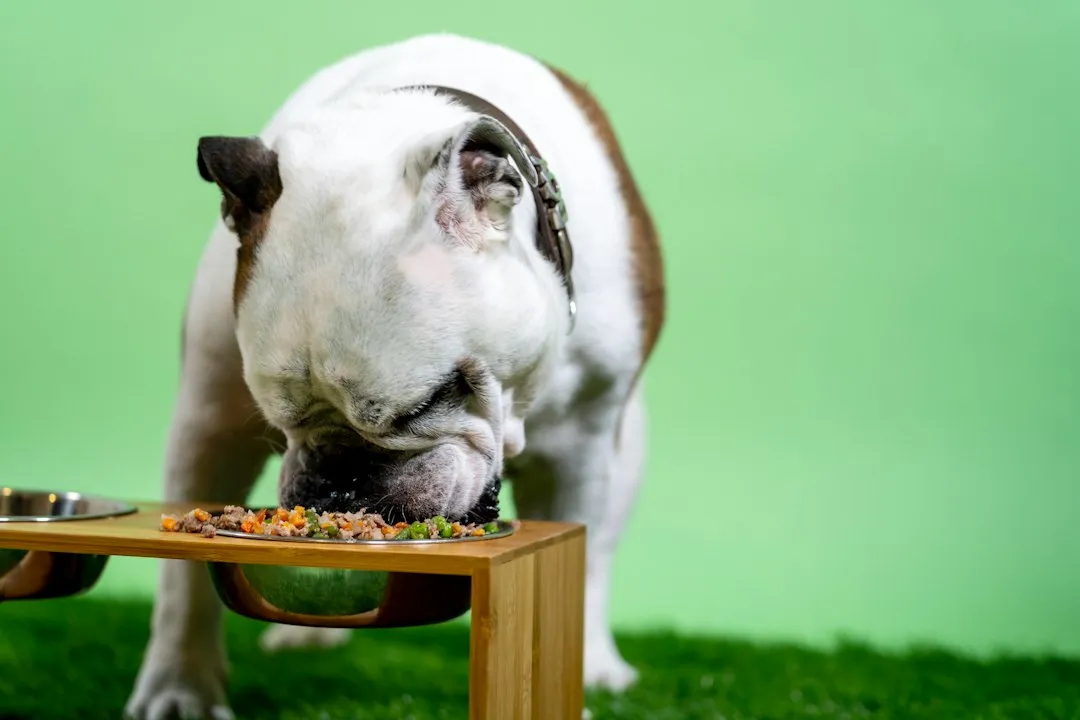
Your dog’s silhouette may be sending a message before their energy does.
Weight changes and new lumps or bumps are among the most common physical signs of aging. Families may only notice when someone else, a neighbor or a visiting relative, comments that the dog “looks different.” Living with a dog every day makes slow change nearly invisible.
Weight can move in either direction, and both deserve attention. A dog who is losing weight while still eating normally is a case for a vet visit, not a compliment.
Regular hands-on checks help. Run your hands along the ribs, spine, and hips once a week. Note any new lumps, and mention them at the next appointment.
Fast Facts: The 2-Minute Weekly Check
- Ribs: You should be able to feel them under a light layer of padding, without pressing hard.
- Waist: Look from above. Most dogs should show a gentle tuck behind the ribs.
- Spine and hips: Sharp, prominent bones can point to muscle loss.
- Lumps: Snap a photo and note the location so you can track changes.
Many owners feel pressure to keep an older dog “plump and happy.” Experts often caution that extra weight puts more strain on aging joints, so it’s worth discussing the right target with your vet.
Meanwhile, a problem in the mouth can hide behind everything above…
#3 – Chewing Gets Careful
🔥 Would you like to save this?
We'll email this post to you, so you can come back to it later!
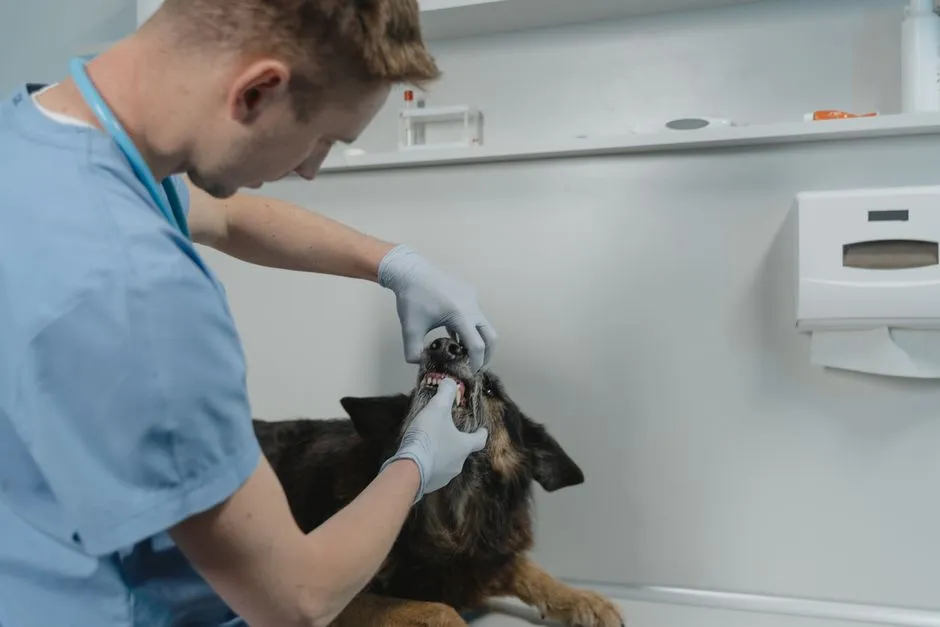
Dental pain doesn’t always look like pain.
Dental disease is one of the most common physical signs of aging. It can quietly change how a dog eats, plays, and even how they react when touched near the face. Because the problem sits out of sight, it can go on for a long time without anyone noticing.
A dog may chew on one side, drop food, or lose interest in hard treats. Mouth pain can easily be mistaken for pickiness, age, or a mood problem. That’s the trouble with it.
Signs worth mentioning to a vet include:
- Eating more slowly or leaving the crunchy food behind
- Pulling away when you touch the muzzle
- Bad breath that’s getting worse
The next change is emotional, and it surprises many families…
#2 – Anxiety and Clinginess Appear
🔥 Would you like to save this?
We'll email this post to you, so you can come back to it later!
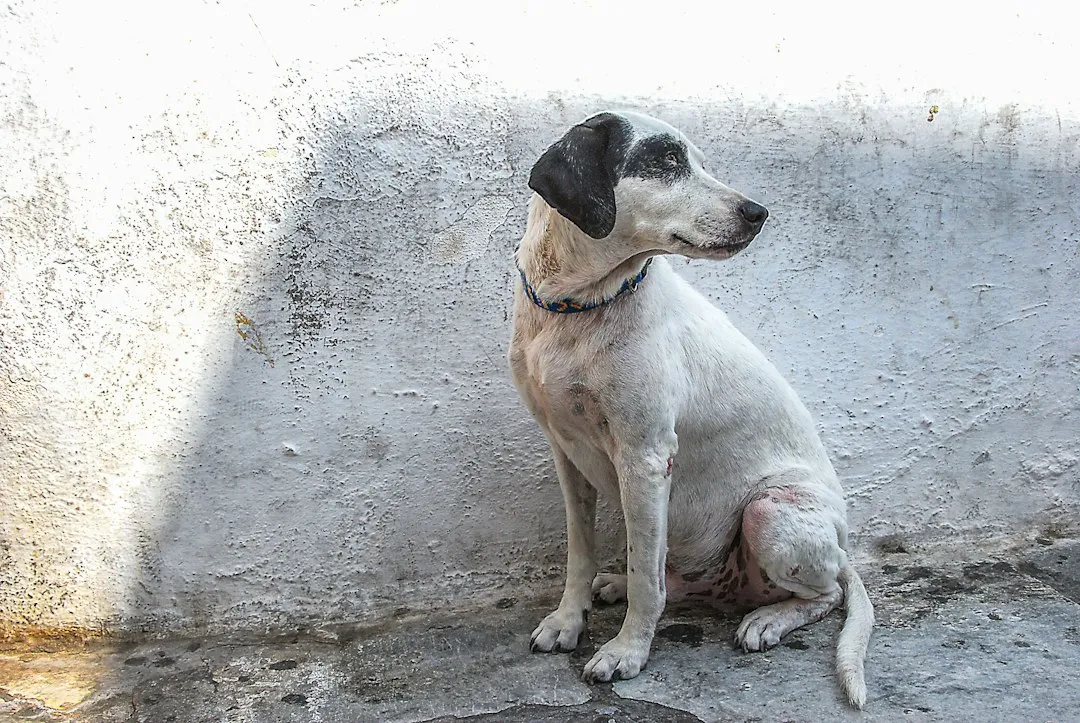
Your dog’s new “velcro” phase may not be affection.
Behavioral changes such as increased sleeping, irritability, or anxiety may indicate aging, discomfort, or underlying illness. Families often read clinginess as bonding. It feels sweet, so it rarely gets questioned.
Cognitive changes can also bring this on. Signs of canine cognitive dysfunction include confusion, disorientation, nighttime pacing, increased vocalization, anxiety, and forgetting familiar cues. A dog who suddenly can’t be left alone may be anxious, not just attached.
Watch for new patterns: following you room to room, whining when you leave, or panicking at routines that never bothered them before.
Predictable routines, quiet resting spots, and gentle reassurance may help. But a sudden shift in behavior is worth a conversation with your vet, because pain and sensory loss can look just like anxiety.
And the final sign is the one that matters most…
#1 – Several Small Changes at Once
🔥 Would you like to save this?
We'll email this post to you, so you can come back to it later!
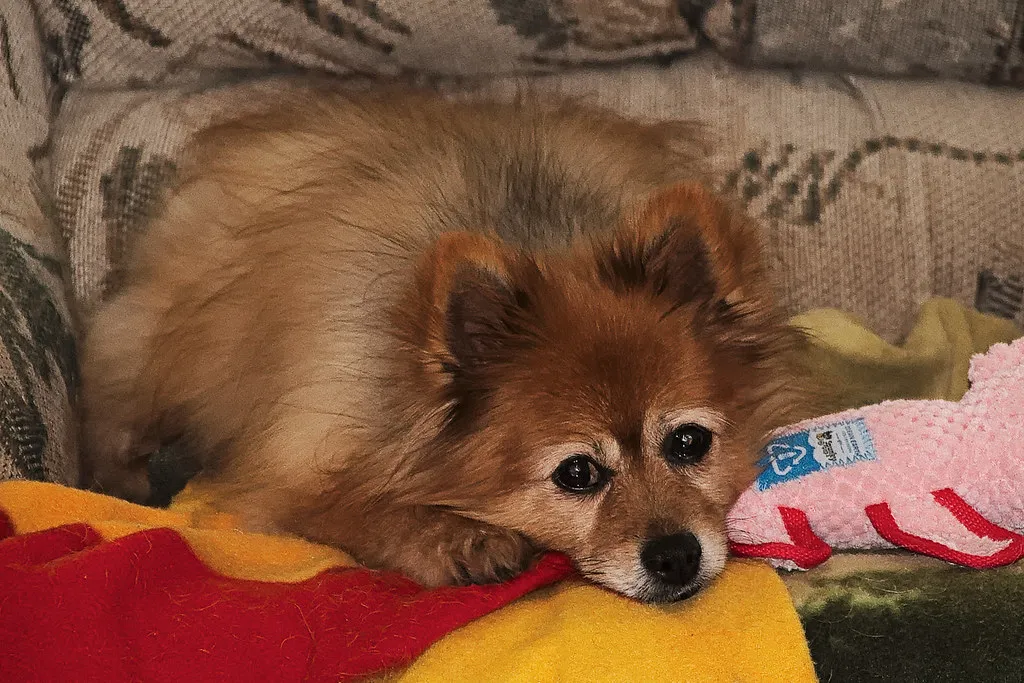
One odd habit is a quirk. A cluster is a pattern.
Multiple categories appearing gradually are the most concerning pattern. A slower morning, a skipped greeting, a restless night: each is easy to excuse alone. Together, they tell a very different story.
Most owners judge their dog in snapshots. They think “he seems fine today” or “she’s been a little off this week.” The snapshot habit is the reason gradual decline goes unnoticed.
There’s no shortcut to a diagnosis, either. There is no single test that confirms cognitive dysfunction in pets. Your vet will rely on your observations and on ruling out other conditions. Early attention matters because many cognitive dysfunction symptoms mimic treatable medical problems.
So what does all of this add up to? The quiet changes matter more than the dramatic ones. A slow morning, a hesitation at the car door, a restless night, a missed greeting: these are often the first signs, and many have treatable causes. “He’s just old” is not a diagnosis. It’s a shrug.
Our opinion is that families owe their senior dogs more curiosity and less resignation. You don’t have to panic over every pause. But you do have to notice, write it down, and ask. Which of these did you write off as “just age” the longest?

- 7 Everyday Habits That Can Make Your Senior Dog Happier - November 5, 2026
- 10 Enigmatic Structures That Continue to Puzzle Scientists Today - November 5, 2026
- 10 Strange Ruins in the Americas That Challenge What We Know About Early History - November 5, 2026