
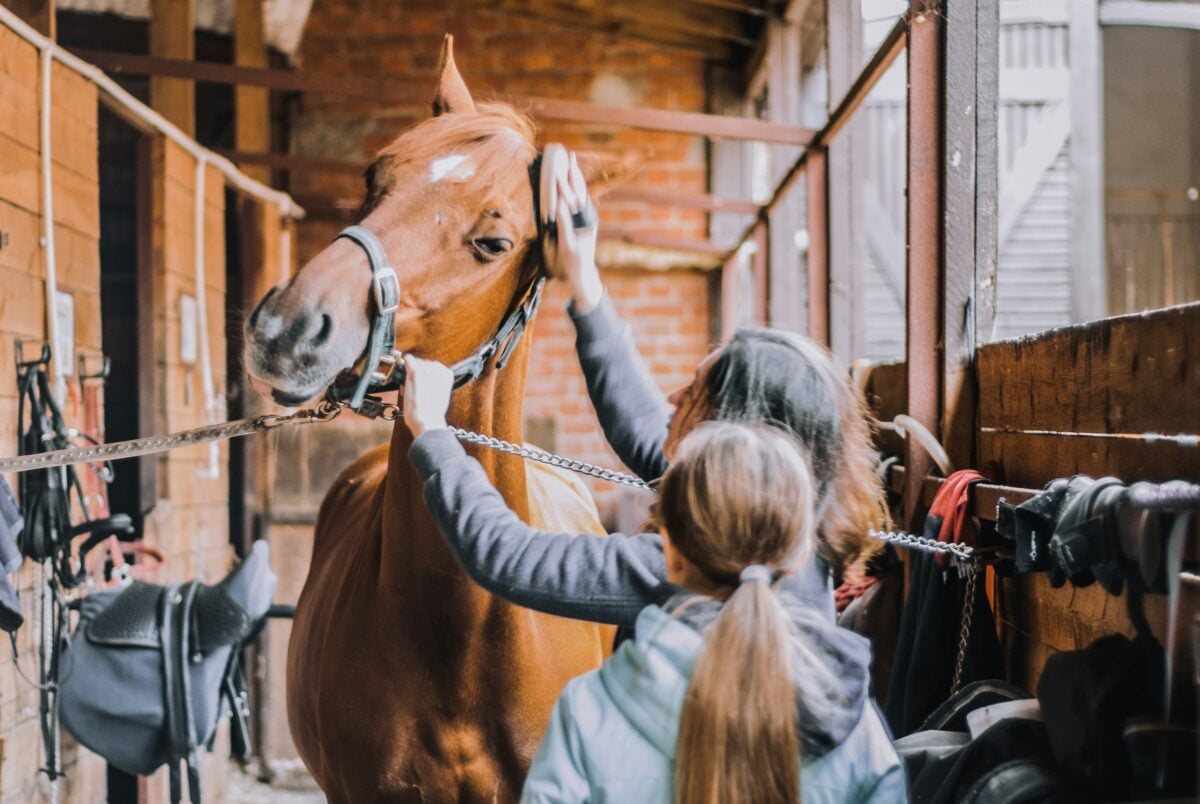
Most of us picture horses at their most dramatic: thundering across a field, or standing polished under show-ring lights. But before the grain buckets rattle and the barn fills with chatter, something much quieter happens. The first person through the door meets a version of the horse that almost nobody else gets to see.
That is what these 17 gentle things are about. They are small, easy-to-miss gestures, from a rumbling hello to a long, heavy sigh, that handlers describe again and again and that researchers have studied in pieces. Some are sweet, a few are surprisingly meaningful, and the one waiting at #1 may change how you think about who is comforting whom.
#17 – The First Soft Nicker of Recognition
🔥 Would you like to save this?
We'll email this post to you, so you can come back to it later!
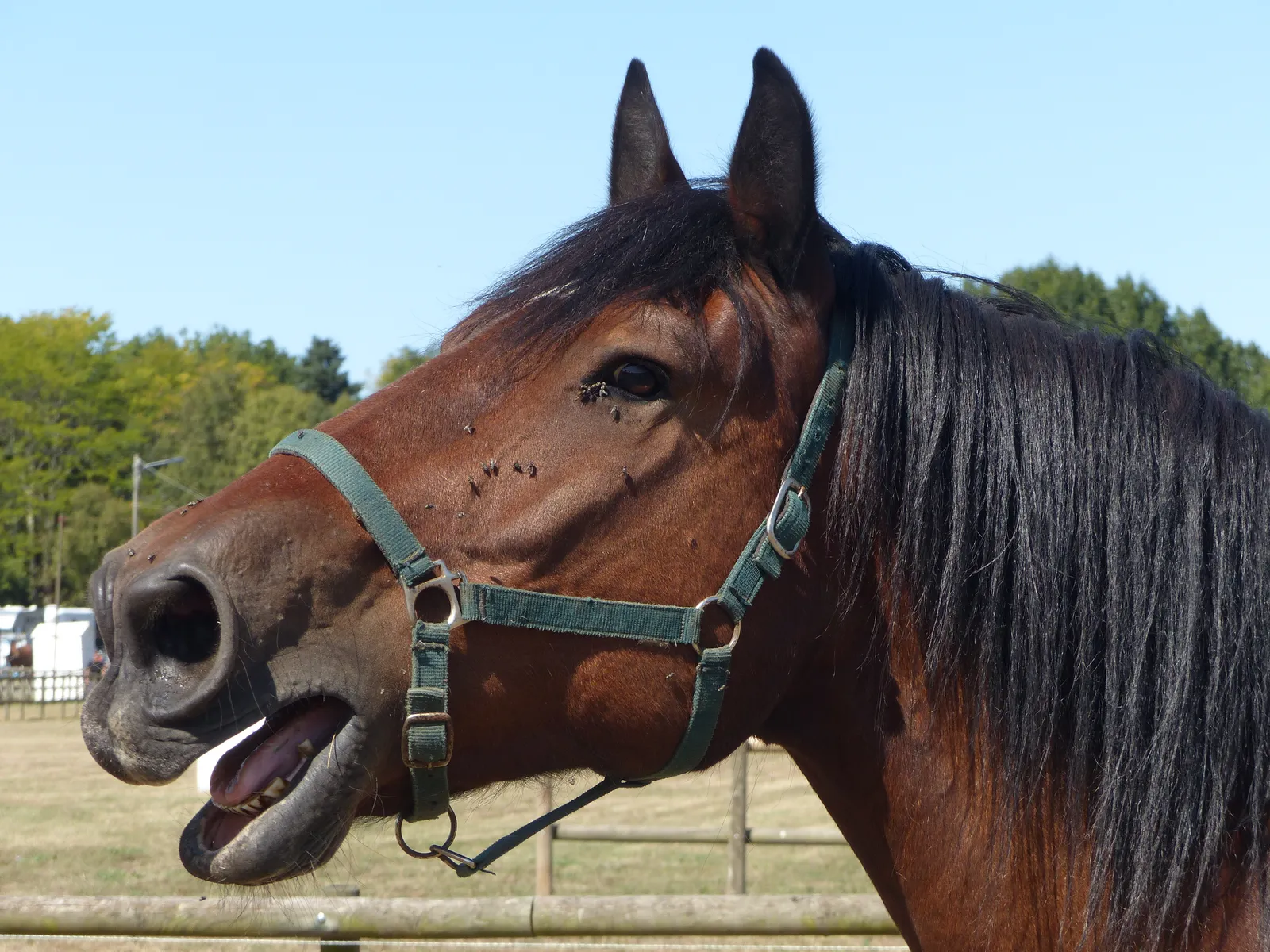
The first sound is often the sweetest. You slide the barn door open, your boots hit the aisle, and from somewhere in the dim light comes a low, fluttering rumble made with the mouth closed. That is a nicker, and horses do not hand it out to just anyone.
Horses use this soft call with herd mates they trust, and mares use it with their foals. Behavior researchers generally treat it as a friendly, anticipatory sound, the kind a horse makes when it expects something good. When it is aimed at you, you may feel it in your chest as much as hear it.
Horses are creatures of routine, and they are remarkably good at learning who shows up when. The person who appears at the same early hour, day after day, becomes part of the pattern the horse looks forward to. Handlers often say the nicker arrives before the horse has even seen their face.
It is a tiny sound with a big message: you were expected, and that matters. The next gesture happens at nose level.
#16 – Warm Breath Exchange at Eye Level
🔥 Would you like to save this?
We'll email this post to you, so you can come back to it later!
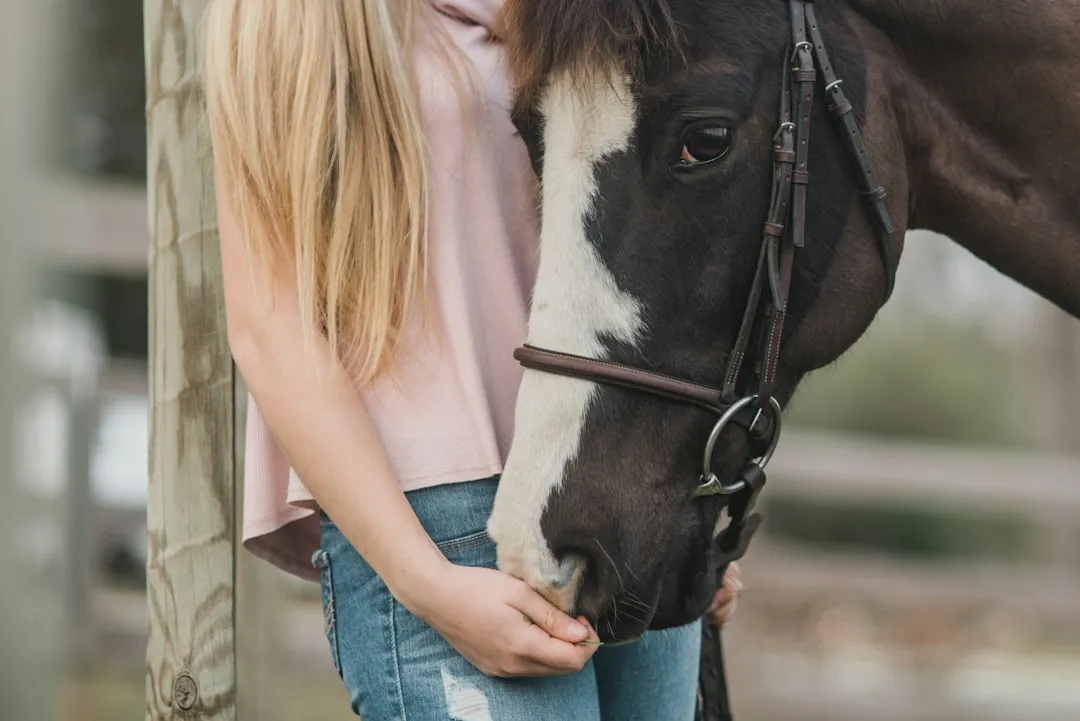
Next comes the moment that makes people go quiet. The horse lowers its head, brings its muzzle toward your face, and breathes out slowly, warm and grassy, against your cheek or hand.
Horses greet one another nose to nose and often blow gently into each other’s nostrils. When one does it with you, it is borrowing its own greeting. On a cold morning you can actually watch the breath turn to mist between you, and many handlers describe a sudden loosening in their shoulders during that pause.
Early arrivals tend to get the full, unhurried version because the barn is still hushed and nothing else is competing for the horse’s attention. A few things help it along:
- The horse often starts by standing still and angling its muzzle toward you.
- Slow, relaxed breathing from you tends to be matched by the horse.
- Holding still for a few seconds works better than reaching for its face.
Later visitors, hauling buckets and checking phones, often skip this entirely. It is the horse’s version of a handshake, and it only works if you stay for it.
#15 – The Gentle Lean of Shared Weight
🔥 Would you like to save this?
We'll email this post to you, so you can come back to it later!
Sometimes a horse simply tips toward you. It shifts a bit of its weight against your shoulder or arm and stays there, heavy and warm, as if you were a convenient wall.
Herd animals stand shoulder to shoulder when they rest, and mutual grooming partners often stay in close contact. A soft lean borrows from that habit. It is usually brief, often just a few seconds, and it works as both a comfort-seeking move and a quiet test of whether you will hold steady.
Close, calm contact like this is widely thought to feed the same bonding chemistry that makes petting soothing for people and other animals. Whatever the exact mechanism, the effect is easy to feel. Your breathing slows, the horse’s eyes soften, and neither of you is in a hurry.
Quick Compare: Lean vs. Shove
- Gentle lean: brief, with soft eyes and a loose body, and you can easily stay put.
- Pushy shove: sustained or repeated, with a tense body, and it moves you out of your spot.
- Your best reply: stand steady for the first, and calmly step away from the second.
One caution from experienced handlers: a gentle lean is not a shove. If the horse is pushing into your space, it is worth calmly stepping away, because the soft version is a gift and the pushy version is a habit. And the gift that comes next is all in the eyes.
#14 – The Slow Blink and the Soft Eye
🔥 Would you like to save this?
We'll email this post to you, so you can come back to it later!
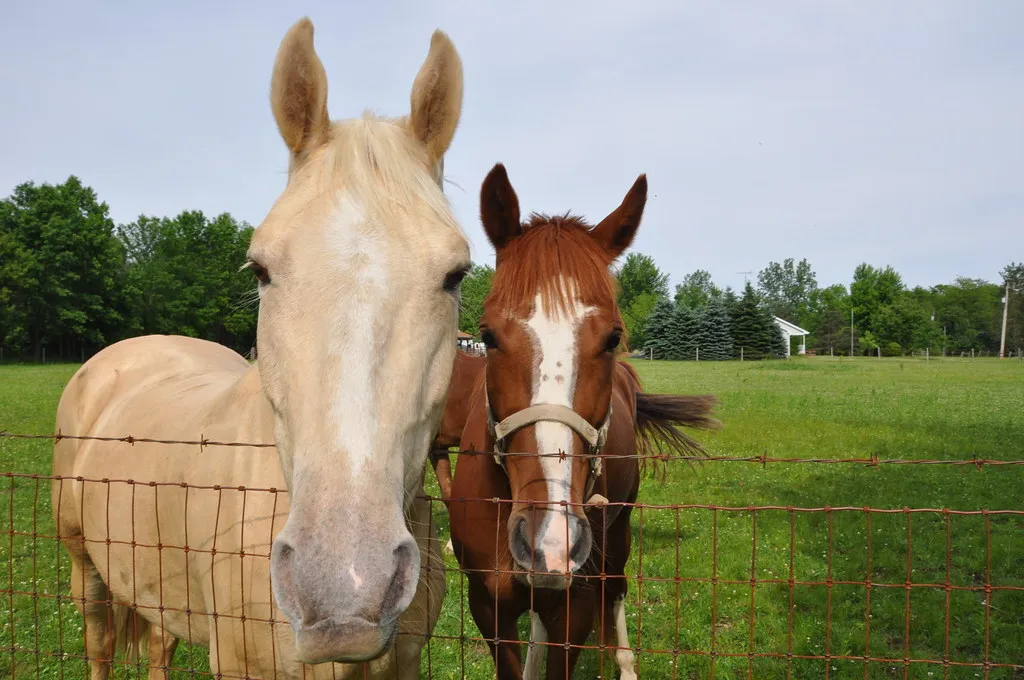
Horses have some of the largest eyes of any land mammal, and they use them to say far more than people realize. In the early hush, a relaxed horse looks at you with what handlers call a soft eye: smooth lids, no tension above the brow, no white showing at the edge.
It is a small thing, but it is a big tell. A worried horse looks tight and wide. A trusting horse looks almost sleepy, with slow blinks and a gaze that rests on you instead of scanning past you.
Horses also pay attention to our faces. Research from the University of Sussex found that horses reacted differently to photographs of angry and happy human faces, which suggests they are reading more of us than we assume. A calm face first thing in the morning is part of the conversation.
Easy signs to look for:
- Soft, heavy-looking eyelids and slow blinking
- A gaze that lingers on you instead of darting away
- No tight wrinkle or visible white around the eye
#13 – Ears That Turn Toward You First
🔥 Would you like to save this?
We'll email this post to you, so you can come back to it later!
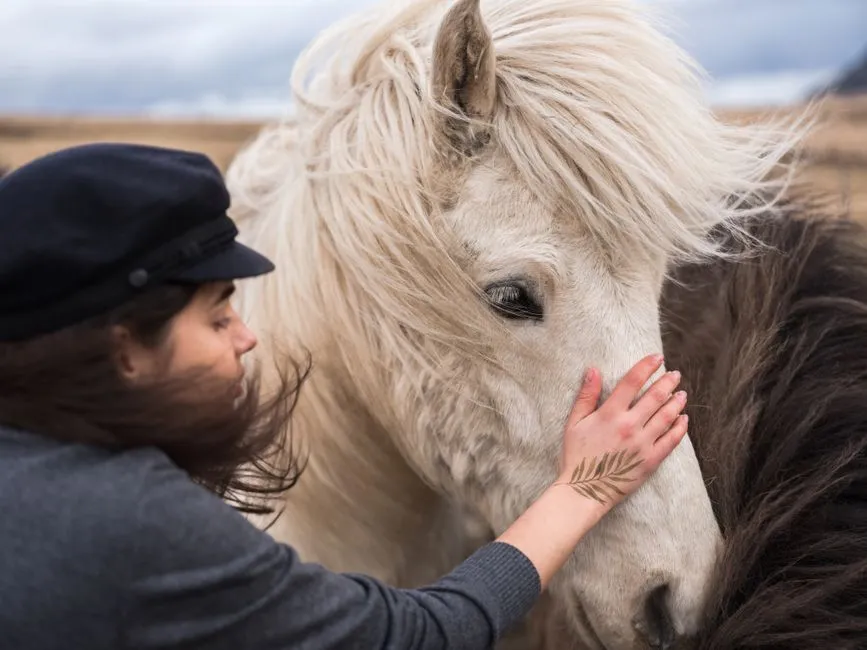
Few things are as expressive as a horse’s ears. They can swivel almost halfway around the head, and each one can move on its own. When a horse tunes one ear toward you and keeps the other on the aisle, it is quietly telling you that you have its attention.
That is a compliment, because a prey animal’s ears are never really off duty. They are scanning for the sound of danger all day. Aiming an ear at you with no tension in it means you are being filed under safe and interesting.
You can learn to read the morning signals in seconds:
- Ears softly forward: curious and friendly
- One ear tilted back toward you: listening to what you are saying
- Ears relaxed and drifting sideways: dozing, comfortable, unbothered
The first person in the barn often sees that last one, the ears of a horse that has not yet put on its working face. It is a rare look at an animal fully off guard.
#12 – The Lowered Head That Says Come Closer
🔥 Would you like to save this?
We'll email this post to you, so you can come back to it later!
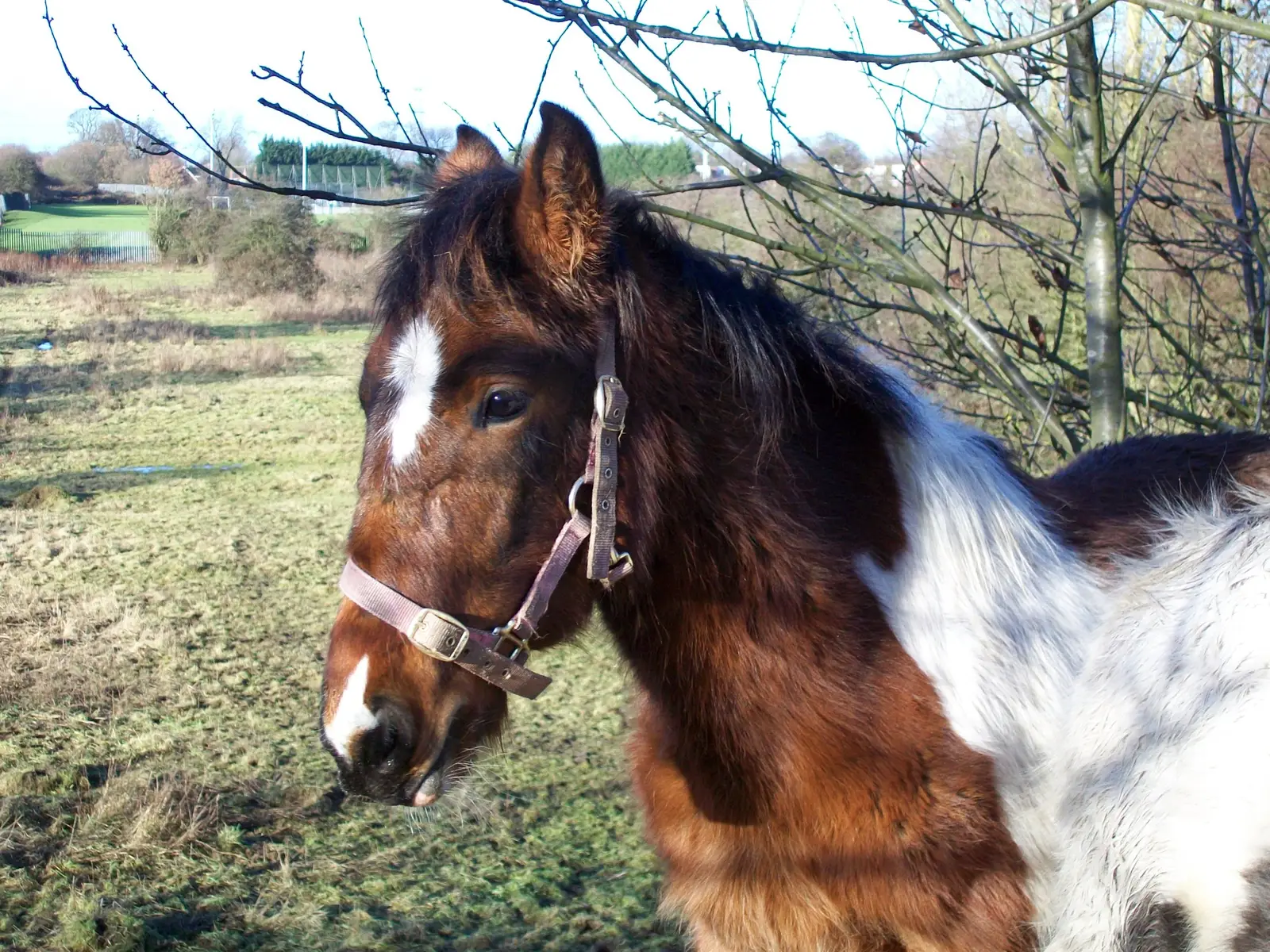
For a horse, lowering the head is a vulnerable move. The head is where its best senses live, and a lowered head makes it slower to bolt. When a horse drops its head to your level without being asked, it is lowering its guard.
Many trainers treat a lowered head as a sign of relaxation, and you can often see the rest of the body follow. The neck loosens, the shoulders drop, and the breathing deepens. It is the equine equivalent of someone dropping into a favorite chair.
Some horses go further and offer the top of the head, the poll, for a gentle rub. That spot sits between the ears and is not one most horses hand over casually. If yours does, it is quietly saying that it trusts you with a sensitive place.
Worth Knowing
- A horse’s eyes sit on the sides of its head, giving it a field of view of roughly 340 degrees.
- There are blind spots directly in front of the nose and directly behind the tail.
- That is why a slow, visible hand approaching from the side feels far safer to the horse than one coming straight at its face.
The best response is not to grab. A slow hand and a few quiet seconds usually earn a longer visit than any amount of eager petting.
#11 – The Whisker-Soft Muzzle Exploring Your Sleeve
🔥 Would you like to save this?
We'll email this post to you, so you can come back to it later!
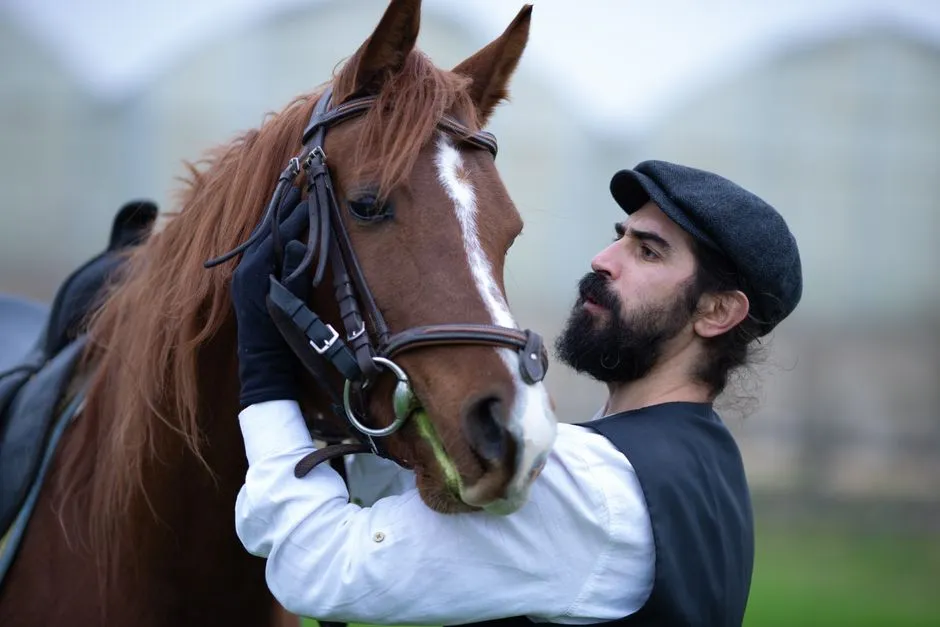
A horse’s lips work almost like fingers. The muzzle is covered in sensitive whiskers, and the horse uses it to sort through hay, find the one oat in a handful of chaff, and investigate the world. In the morning, that curiosity often turns toward you.
Expect a gentle mouthing of your jacket sleeve, a nudge at a zipper, or a delicate snuffle across your palm. Horses also nibble at each other’s withers during mutual grooming, so a soft lip-wiggle along your arm can be a version of that affection.
Gentle exploring is very different from nipping, and good handlers draw that line kindly. If the lips turn pushy, a calm step back and a redirected hand teaches the difference without drama.
When it is done politely, though, it is hard not to smile. You are being inspected by one of the softest, most careful instruments in the animal kingdom.
#10 – The Long, Settling Sigh
🔥 Would you like to save this?
We'll email this post to you, so you can come back to it later!
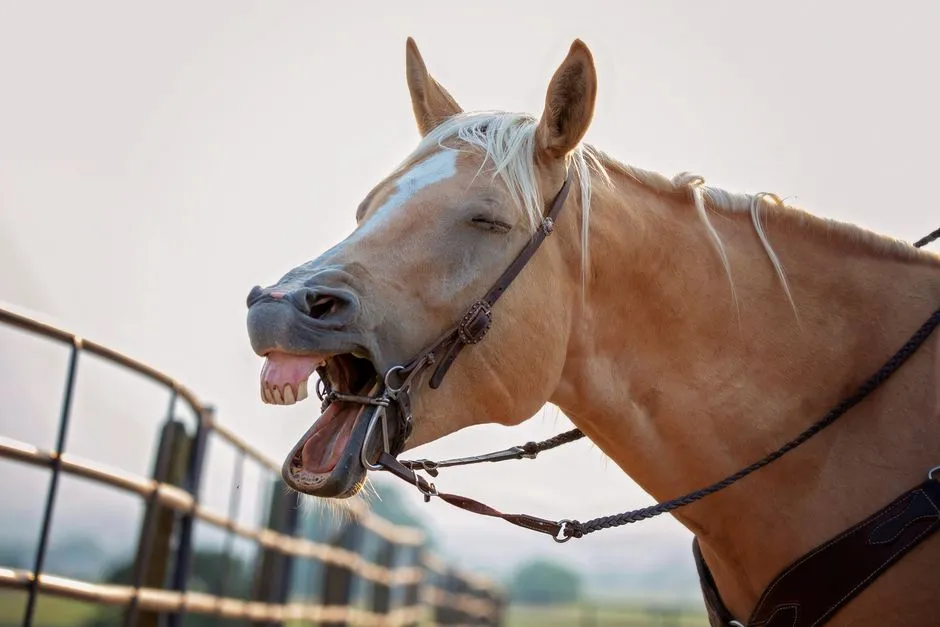
Somewhere in those first few minutes, many horses let out a deep breath, a long exhale that seems to start at the shoulders and end in the nostrils. Sometimes it comes with a soft, fluttering snort. It sounds a lot like a person finally putting down a heavy bag.
Handlers read it as release. A resting adult horse’s heart rate is typically somewhere around 28 to 44 beats per minute, and a horse that sighs often looks like it is settling toward that slow baseline. The jaw loosens, the lower lip softens, and sometimes the horse licks and chews as if swallowing the tension.
What makes this gift special is that it is hard to fake and easy to miss. You will not hear it if you are rushing, and you will not see it if you are on your phone. It comes when the horse decides the moment is calm enough to exhale.
If you are lucky enough to hear one, try matching it with a breath of your own. It is strangely contagious.
#9 – The Patient Wait at the Stall Door
🔥 Would you like to save this?
We'll email this post to you, so you can come back to it later!
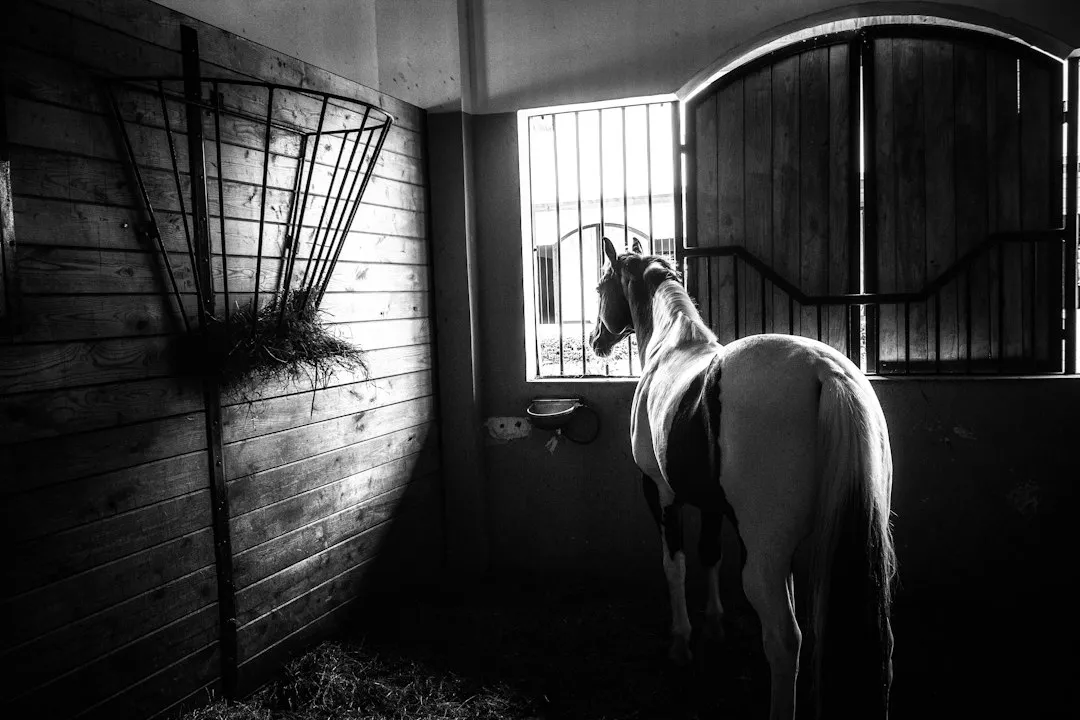
Picture a horse who knows breakfast is coming. You would expect pawing, pacing, and a lot of noise. Yet plenty of horses simply stand at the door, ears up, watching the aisle with a calm, expectant look.
That patience is more meaningful than it seems. Horses are built to graze most of the day, and their stomachs produce acid continuously, so long gaps without food are genuinely uncomfortable. A horse that waits calmly is trusting that the routine will hold, and that you will be the one to keep it.
Fast Facts
- In natural conditions, horses may spend up to 16 hours a day grazing.
- The equine stomach is small for the animal’s size, holding only about 2 to 4 gallons.
- Steady, small meals suit a horse’s digestion far better than a few big ones.
- Predictable feeding times help calm that classic morning stall-door impatience.
That kind of patience is built, not born. It comes from days of predictable mornings, when the same footsteps, the same voice, and the same sequence of events teach the horse that nothing bad is coming.
Routine may sound dull, but for a horse it is a form of love. Showing up on time, in the same way, is one of the kindest things you can do, and the horse’s quiet waiting is its thank-you.
#8 – The Careful Scent Check of Your Hands and Hair
🔥 Would you like to save this?
We'll email this post to you, so you can come back to it later!
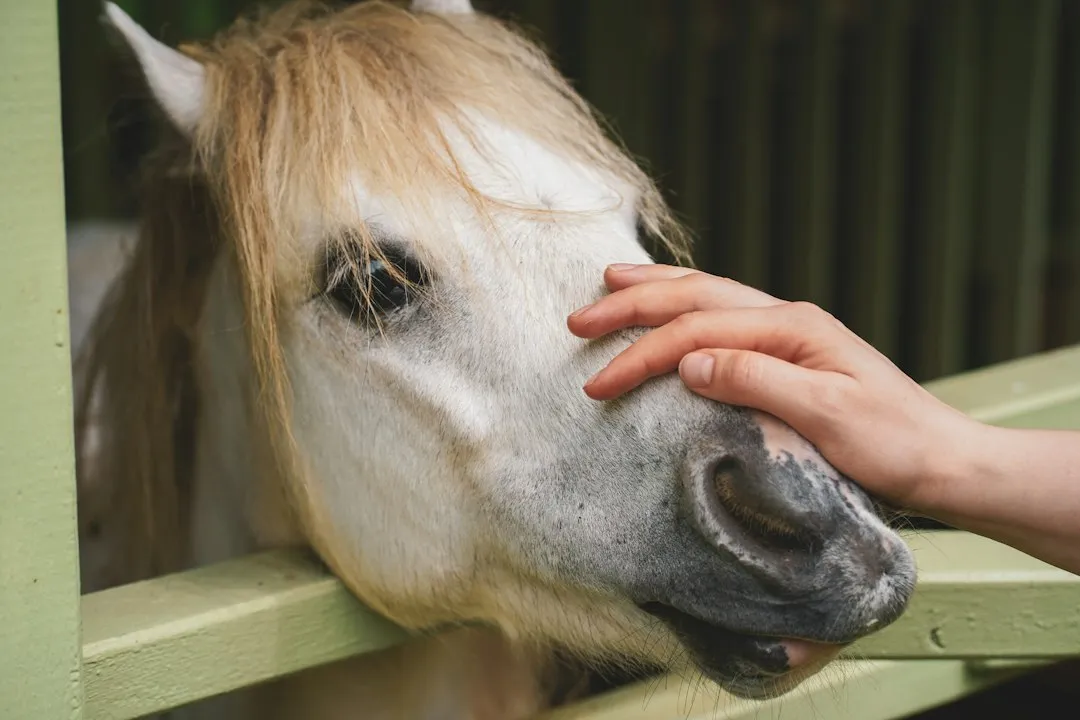
Before a horse settles in, it often does something that looks like a bit of detective work. It sniffs your hands, your sleeves, your hair, sometimes your pockets. For a horse, scent is a kind of newspaper, and you are the morning edition.
Handlers joke that a horse can tell where you have been, whether that is another barn, a neighbor’s dog, or a different horse’s stall. While scientists are still working out exactly how much horses read from human scent, it is clear that they are paying close attention.
The scent check is also a kind of memory test. Horses remember familiar people, and familiar smells likely help them sort friend from stranger. A quick, relaxed sniff and a soft exhale usually mean you pass.
Offer the back of a loose hand and let the horse do the work. That small act of patience tells the horse it is in charge of the introduction, and horses tend to appreciate that.
#7 – The Shared Scratch That Slows Everything Down
🔥 Would you like to save this?
We'll email this post to you, so you can come back to it later!
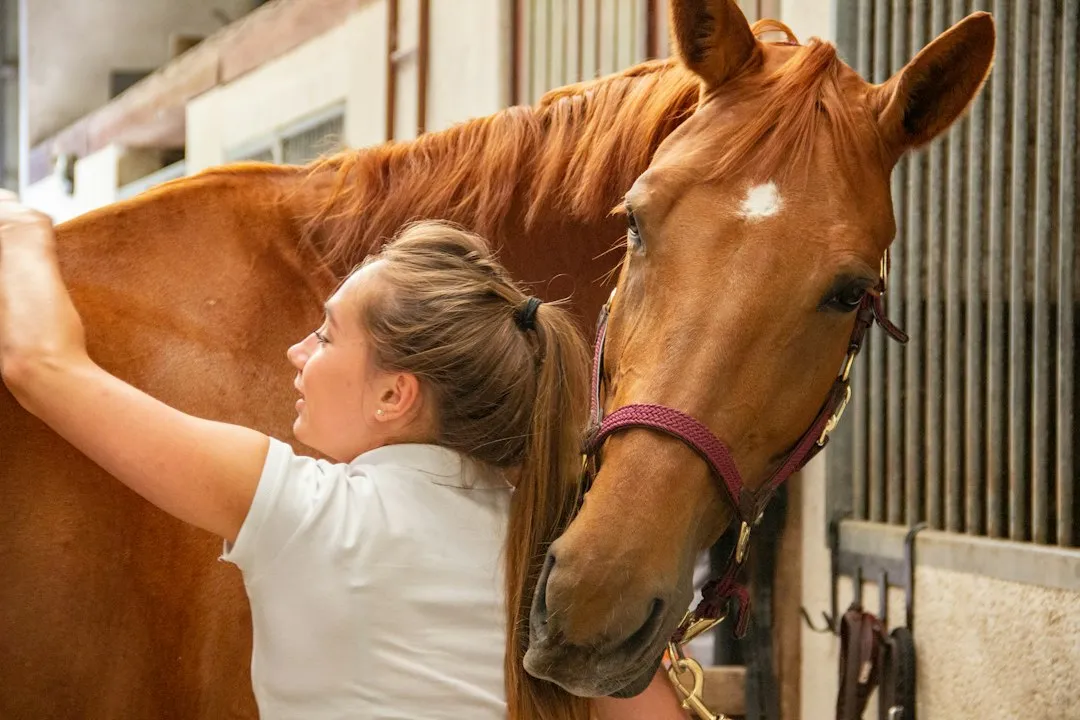
If you have ever scratched a horse in just the right place, you have seen the reaction. The head stretches out, the upper lip wiggles, the eyes half close. It is one of the clearest ways a horse says, a little to the left, please.
There is real science behind that blissful look. A well-known study by Feh and de Mazieres found that gentle grooming at the withers lowered horses’ heart rates, which helps explain why mutual grooming is such a big part of herd life. Horses who like each other scratch each other in the same places.
Favorite spots usually include:
- The withers, where the neck meets the back
- The base of the mane
- The chest and the point of the shoulder
- The top of the rump near the tail
The first person in the barn often gets an unhurried session because nothing is pulling at the horse’s attention. Many horses will even reach out and groom you back, nibbling softly at your shoulder in a gesture of pure partnership.
#6 – The Droopy Lower Lip of Total Relaxation
🔥 Would you like to save this?
We'll email this post to you, so you can come back to it later!
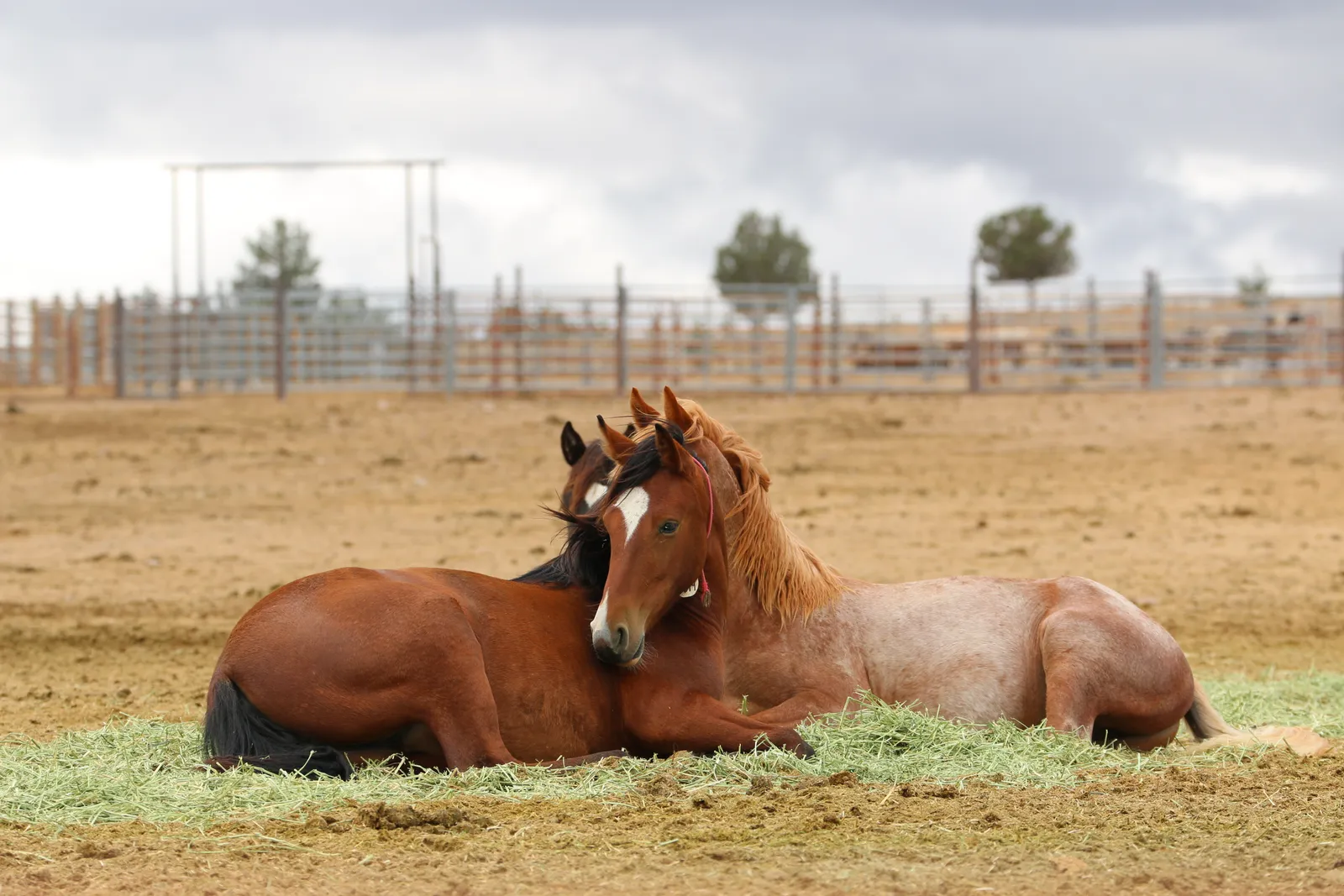
One of the most endearing sights in any barn is a horse that has fully let go. The lower lip hangs loose, the eyelids go heavy, and one hind leg rests tipped up on its toe. It looks half asleep, and it basically is.
This is a horse showing you its off-duty self. For an animal built to stay alert, that is a big deal. Many horses will doze like this only when they feel safe, and being relaxed in your presence means you are part of that safety.
Handlers often say this is the moment they remember most. Nothing needs to happen. No one is asking the horse to move, perform, or prove anything.
It can feel almost rude to disturb it. Many early arrivals simply lean on the stall door and keep quiet, a little amazed to be trusted with such a sleepy, soft version of such a big animal.
#5 – The Quiet Decision to Follow You
🔥 Would you like to save this?
We'll email this post to you, so you can come back to it later!
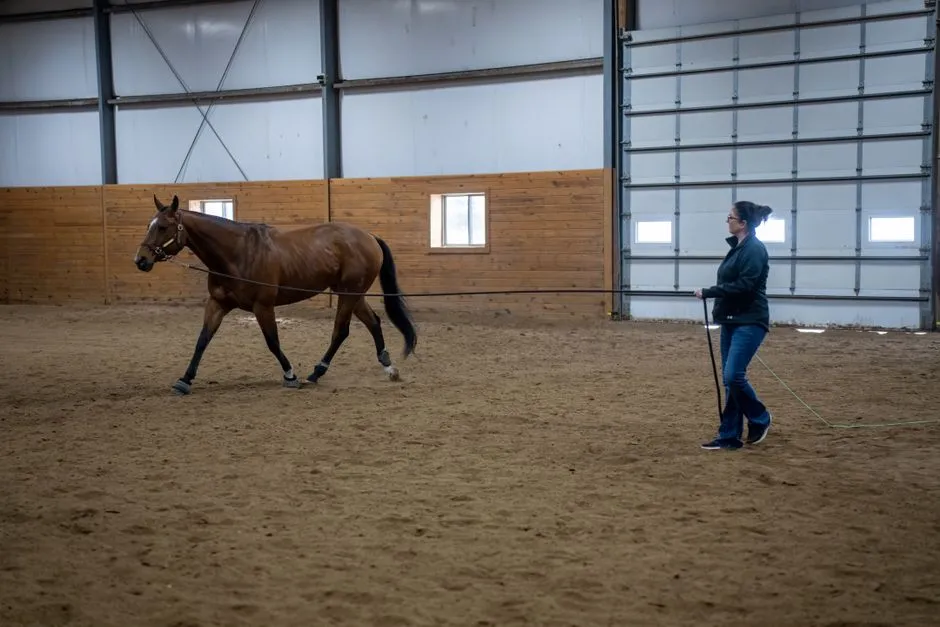
In a pasture, a horse that walks up to you without being called is making a choice. Horses are herd animals, and they follow those they trust. Following you across a field or down the aisle with no pressure on the rope is a kind of vote of confidence.
Early mornings make this easier. The horse is calm, the herd is quiet, and there are fewer distractions pulling its attention elsewhere. Many handlers notice that a horse that trails them at dawn will do the same thing later in the day when things get busier.
It helps to know the difference between following and crowding:
- Following: the horse keeps its own pace beside or just behind you, with a loose lead
- Crowding: the horse bumps into your space, rushes ahead, or pushes at you
The first is a gift, and the second is a boundary to gently set. When you get the first, though, it feels like being invited into a very old and very quiet club.
#4 – The Forehead Resting Against Your Chest
🔥 Would you like to save this?
We'll email this post to you, so you can come back to it later!
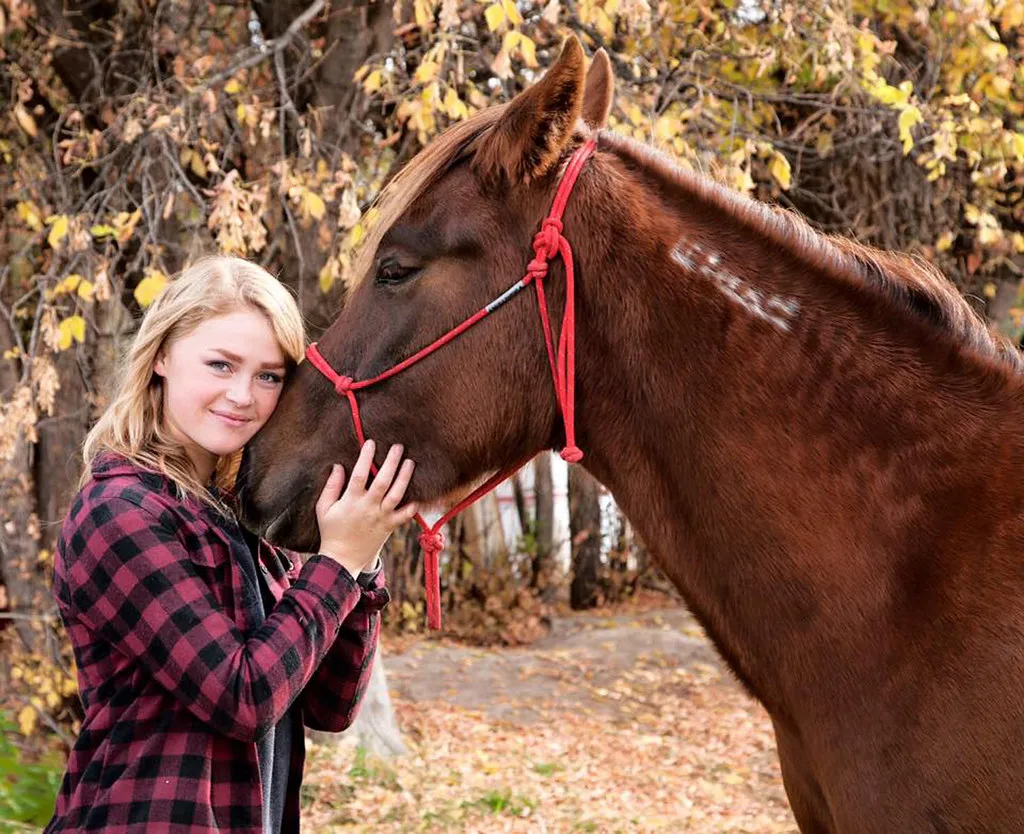
A horse’s face is one of its most protected places, and many horses are choosy about who touches it. So when one steps in and rests its forehead against your chest or shoulder, handlers tend to say the same thing: it feels like a hug.
Nobody can say exactly what a horse feels in that moment, and it is wise not to overclaim. But the behavior fits what we know. Horses seek close contact with companions they trust, and offering the face to someone is not something an anxious horse typically does.
The weight is often more than you expect. A horse’s head is heavy, and when it settles against you, it settles completely, so it is worth standing steady and breathing slowly.
Not every horse does this, and some are head-shy for good reasons. If yours offers it, take it as the rare, trusting thing it is, and never force a horse that is not ready.
#3 – A Patient Audience for Your Quiet Talk
🔥 Would you like to save this?
We'll email this post to you, so you can come back to it later!
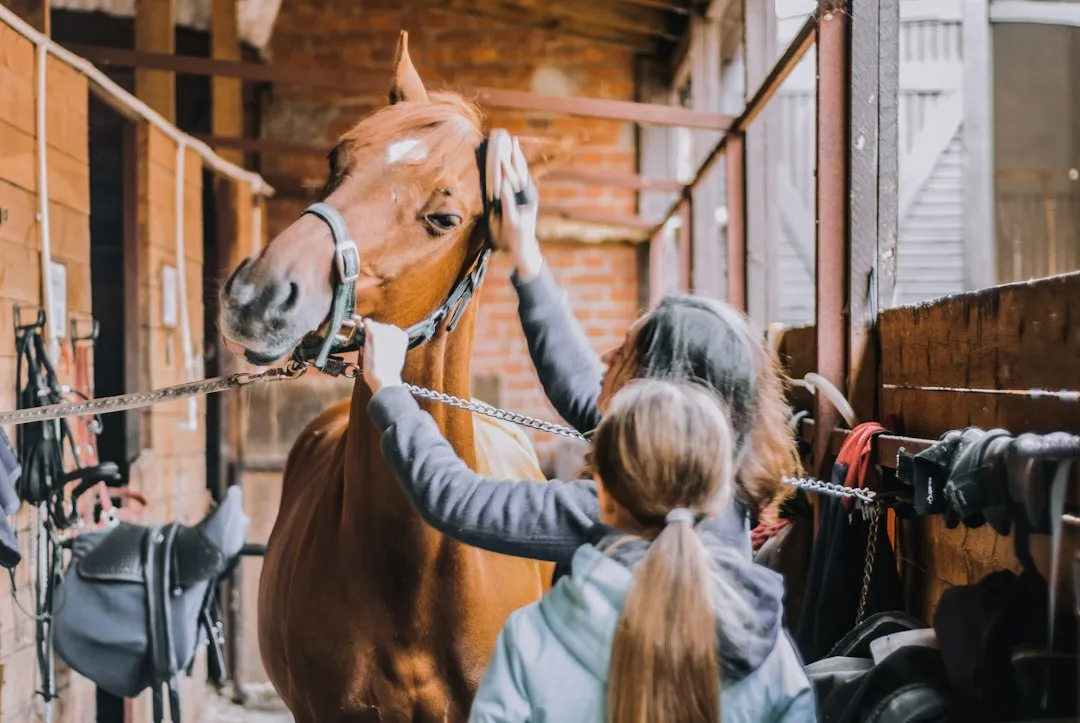
People tend to talk to horses in the morning. They mutter about work, about the weather, about things they would not say to anyone else. And remarkably, the horse listens.
Research suggests horses can recognize familiar voices, and they seem to respond to tone and rhythm more than to words. A calm, low voice often draws a soft ear and a relaxed eye. A sharp, tense one tends to do the opposite.
That means the horse is not judging your story. It is reading your delivery, and in a quiet barn that can be oddly comforting. You are free to be tired, grumpy, or just a little sad, and the horse simply stands close.
Many handlers describe this as a kind of therapy without the appointment. There is no advice, no interruption, just a large, warm presence that seems happy to have you there.
#2 – The Trust to Rest Nearby
🔥 Would you like to save this?
We'll email this post to you, so you can come back to it later!
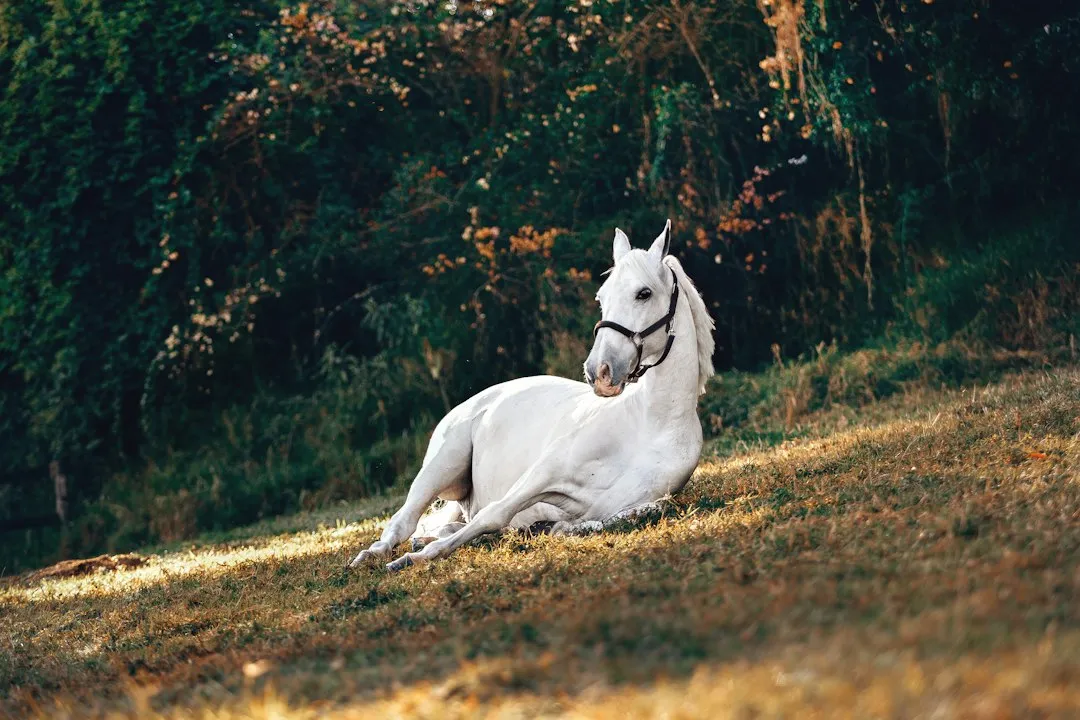
Here is something most people do not know. Horses can doze on their feet, but they need to lie down for deeper sleep, and they only do it when they feel secure. For a prey animal, lying down is a big risk, because it takes longer to get up and run.
That is why a horse lying flat in the straw or sprawled in a sunny paddock, with you nearby, is such a powerful sight. Horses sleep only a few hours a day in total, mostly in short, light bursts, so the deepest rest is precious.
At a Glance
- Total sleep for an adult horse is commonly cited at roughly 3 hours per day, spread across many short naps.
- A built-in “stay apparatus” in the legs lets horses doze while standing.
- Deep REM sleep generally requires lying down, which is why it only happens when a horse feels safe.
- Foals sleep far more than adults and lie down often.
If a horse chooses to lie down while you are in the barn, or stays down as you walk by, it is telling you something large without a sound. It does not see you as a threat. It sees you as part of the safe landscape.
The kind response is to be quiet and unhurried. Keep your voice low, move softly, and let the horse finish. You have been given a glimpse of real peace.
#1 – The Calm You Carry Out the Door
🔥 Would you like to save this?
We'll email this post to you, so you can come back to it later!
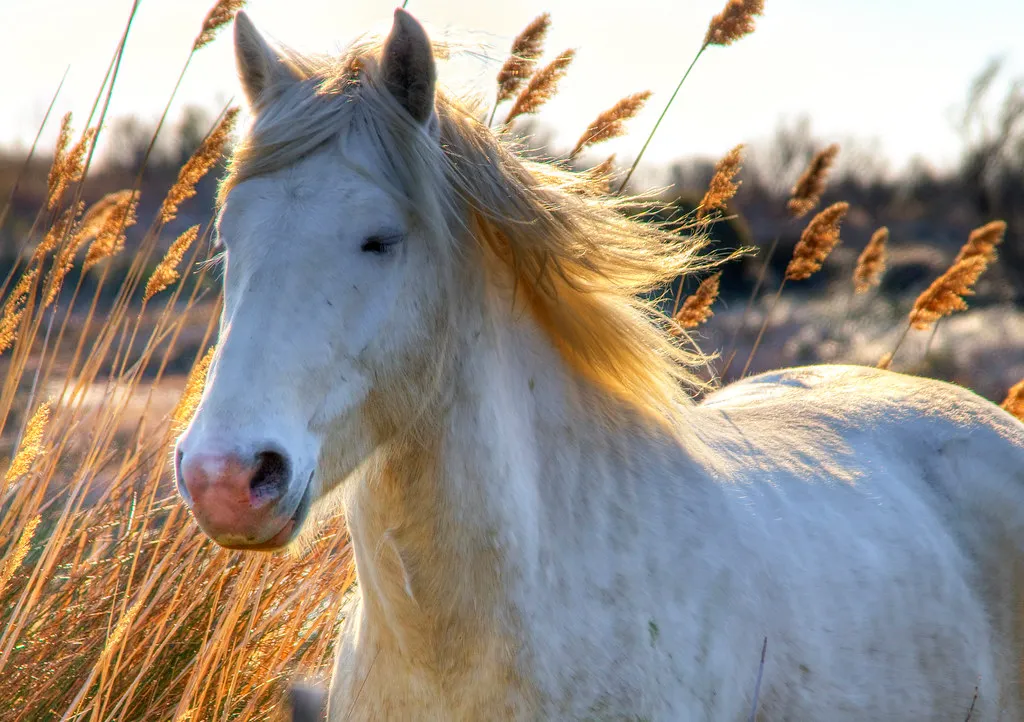
The last gift is the one that follows you. After the nicker, the breath, the lean, and the sigh, many people notice something they did not expect: they leave the barn calmer than they arrived. The horse, it turns out, has been giving you something all along.
Research suggests horses are quite sensitive to the emotional state of the people around them, which is why a tense handler often has a tense horse. The reverse seems to hold too. Spending time with a relaxed animal tends to pull a person toward the same mood, whether through slower breathing, softer movement, or simply a few minutes without screens.
That is what the first arrival really receives. It is not just a greeting. It is a reset, delivered in the quietest possible way, by an animal that has no idea it is helping.
So the question is not just what the horse offers you. It is what you do with it once the barn door closes behind you.
My honest take is that the best moments with horses are not the ribbons, the rides, or the photos. They are these small, early, nearly invisible exchanges that nobody posts about. Horses do not hand them out to the loudest or the most skilled. They give them to the people who show up first, stay a little longer than necessary, and know how to be quiet. If you ever get the chance, be that person, because those first minutes in a still barn are worth more than anything that happens later in the day.

- 7 Everyday Habits That Can Make Your Senior Dog Happier - November 5, 2026
- 10 Enigmatic Structures That Continue to Puzzle Scientists Today - November 5, 2026
- 10 Strange Ruins in the Americas That Challenge What We Know About Early History - November 5, 2026