

Worried about unexpected vet bills?
Pet insurance can cover thousands in unexpected vet costs. Get a free quote from Lemonade in under 2 minutes.
Get My Free Quote →Sponsored · Opens Lemonade.com
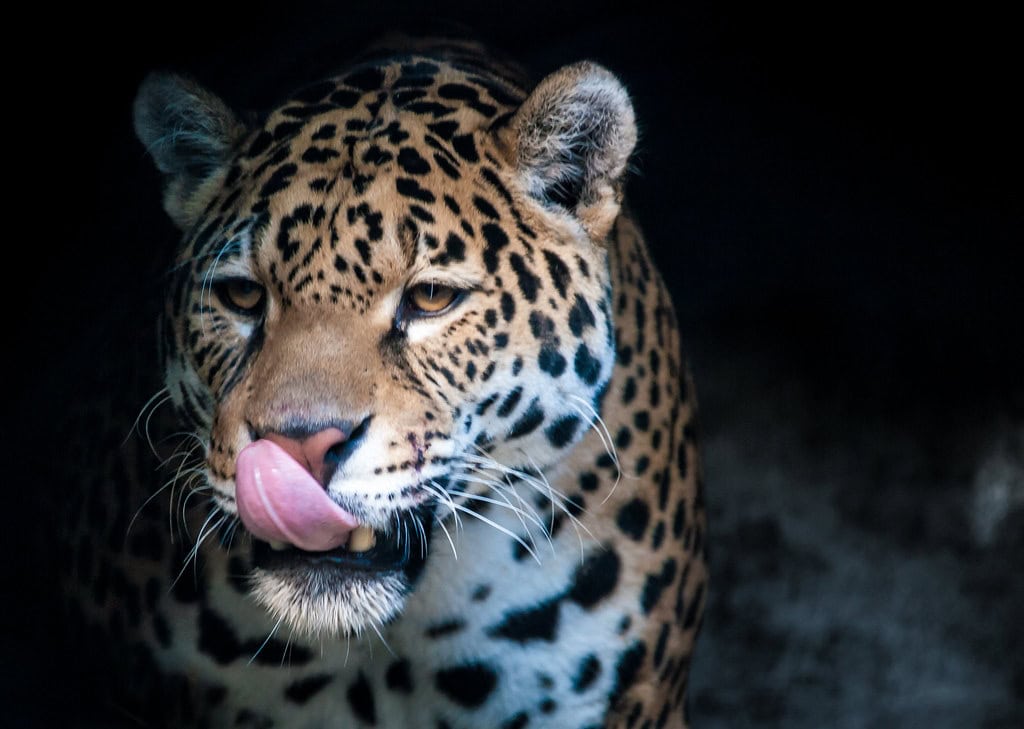
Few wildlife experiences match the thrill of spotting a jaguar in its natural habitat. These magnificent big cats, with their distinctive rosette patterns and powerful physiques, represent the pinnacle of wildcat watching. However, jaguars are notoriously elusive, making a sighting particularly special. This comprehensive guide will equip beginners with essential knowledge and practical tips for responsibly observing jaguars in the wild, maximizing your chances of a successful sighting while prioritizing both your safety and the welfare of these magnificent animals.
Understanding Jaguar Distribution and Habitat

Jaguars (Panthera onca) once roamed from the southwestern United States through Central America and deep into South America. Today, their range has contracted significantly due to habitat loss and human persecution. The highest concentration of jaguars exists in the Amazon Basin, with particularly robust populations in Brazil’s Pantanal region. Other notable jaguar habitats include parts of Mexico, Belize, Guatemala, Costa Rica, Peru, Colombia, and Paraguay. These apex predators demonstrate remarkable adaptability, thriving in diverse environments including tropical and subtropical rainforests, seasonally flooded wetlands, and drier woodland areas. Understanding this distribution is crucial for planning your jaguar-spotting expedition, as visiting areas with healthy populations significantly increases your chances of a successful sighting.
Prime Locations for Jaguar Spotting
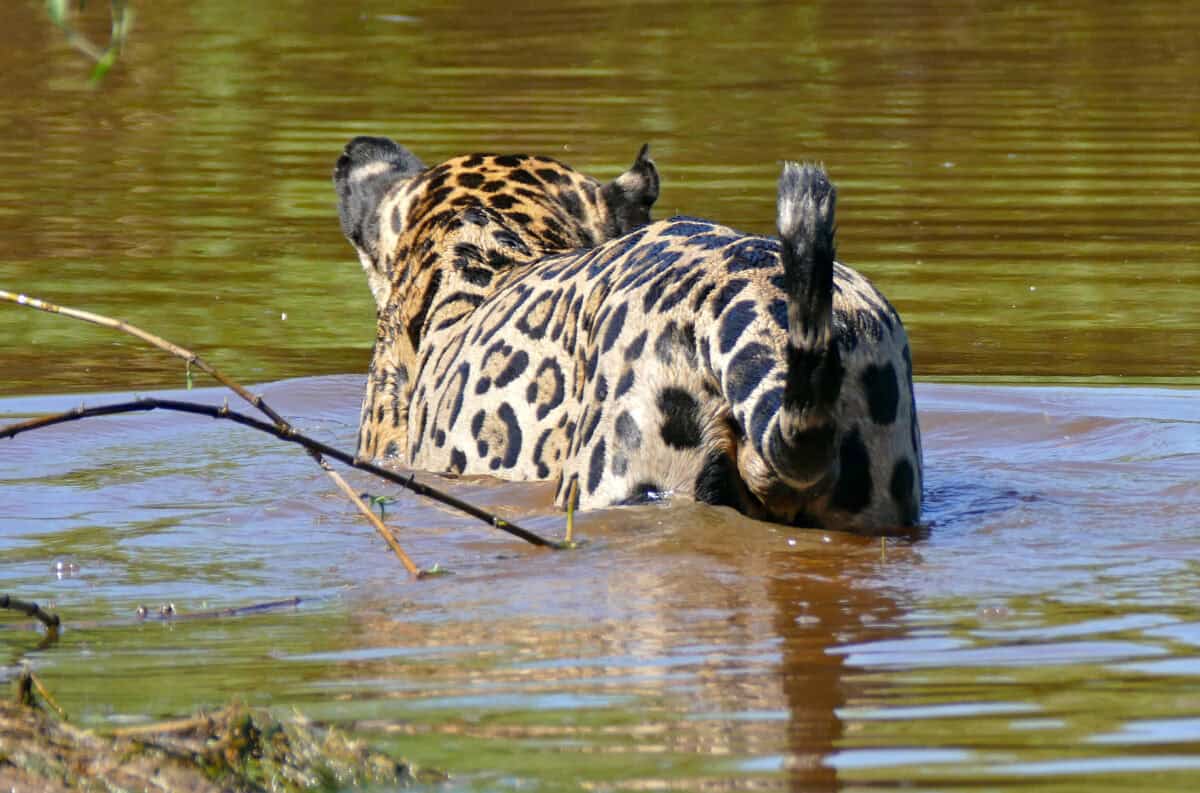
The Brazilian Pantanal stands as the world’s premier jaguar-watching destination. This vast seasonal wetland, particularly along the Cuiabá River and its tributaries, offers unparalleled viewing opportunities with success rates approaching 95% during peak season. The Cockscomb Basin Wildlife Sanctuary in Belize, established specifically for jaguar conservation, presents another excellent option, though sightings remain less predictable than in the Pantanal. Costa Rica’s Corcovado National Park harbors healthy jaguar populations, while the riverbanks of Peru’s Manu National Park occasionally yield sightings. Mexico’s Sian Ka’an Biosphere Reserve and the dense forests of the Chiquibul in Guatemala round out the list of prime viewing locations. When selecting your destination, consider factors like accessibility, infrastructure, seasonal conditions, and the expertise of local guides who understand jaguar behavior and territory.
Optimal Timing for Jaguar Sightings
Timing your jaguar-watching expedition properly dramatically impacts your chances of success. In the Pantanal, the dry season from June through October represents the prime viewing window, with July and August offering particularly favorable conditions. During this period, water levels recede, concentrating wildlife along riverbanks and making jaguars more visible as they hunt and travel. Early morning (5:30-9:00 AM) and late afternoon (3:30-6:00 PM) typically yield the highest activity levels, though jaguars in the Pantanal have increasingly demonstrated daytime activity. Patience remains essential—successful jaguar watching often requires multiple days in the field. While the dry season offers statistical advantages, the shoulder seasons (May-June and October-November) present fewer crowds and still-reasonable sighting probabilities. Understanding these temporal patterns helps maximize your investment of time and resources.
Essential Equipment for Jaguar Watching

Proper equipment significantly enhances your jaguar-watching experience. Quality binoculars with 8×42 or 10×42 magnification represent an absolute necessity, allowing detailed observation without disturbing the animals. A camera with a telephoto lens (minimum 300mm, ideally 400-600mm) captures memorable images while maintaining appropriate distance. Neutral-colored, lightweight clothing that dries quickly serves you well in tropical environments, while a wide-brimmed hat and high-SPF sunscreen protect against intense sun exposure. Insect repellent with DEET or picaridin guards against mosquitoes and other biting insects. For Pantanal boat excursions, waterproof bags protect electronics, while a good field guide to regional wildlife enriches your overall experience. Don’t forget essentials like a refillable water bottle, snacks, and any personal medications you might need during extended observation periods.
Recognizing Jaguar Signs and Behavior

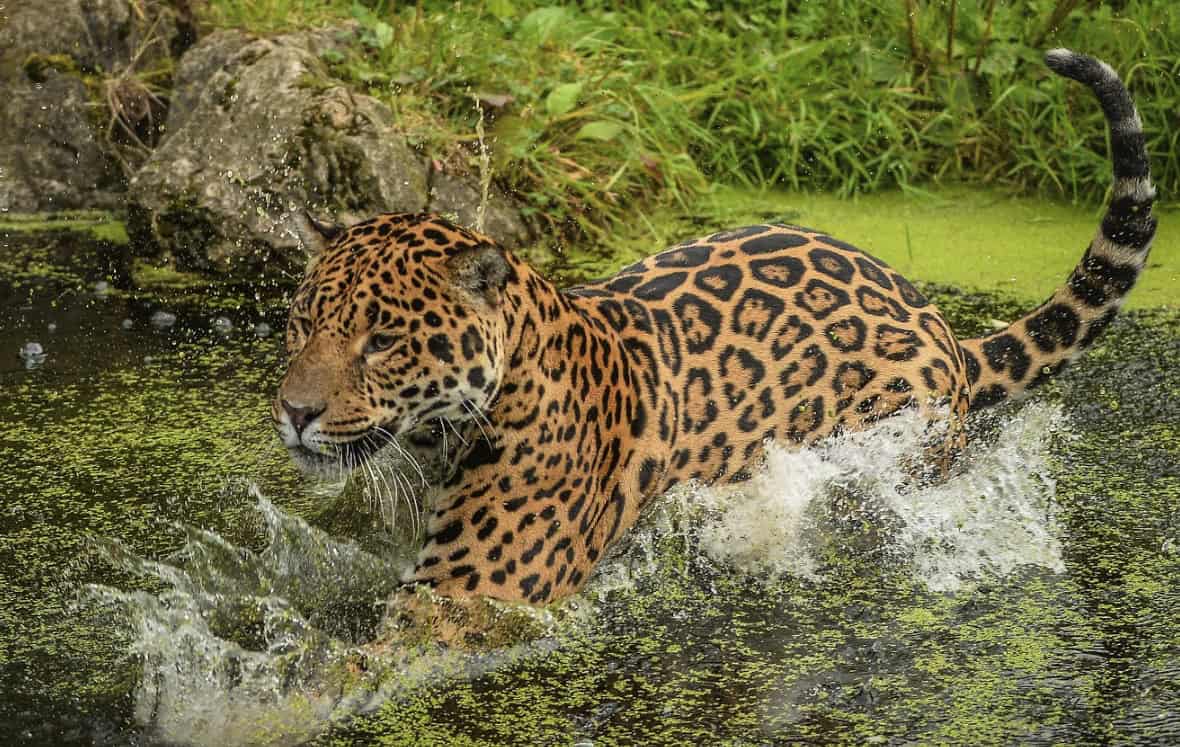
Learning to identify jaguar signs dramatically improves your spotting abilities. Tracks, measuring approximately 10-12 cm across (larger than pumas and lacking claw marks), often appear along sandy riverbanks and game trails. Jaguar scat, characterized by its large size and often containing visible hair and bone fragments, provides another telltale sign. Scratch marks on trees, typically 1.5-2 meters high, indicate territorial marking. Listen for vocalizations ranging from deep grunts to rasping “sawing” roars, especially during breeding season. Behavioral awareness matters too—jaguars often patrol riverbanks during cooler hours, sometimes swimming across channels. They frequently rest in shaded areas during midday heat. Understanding these behavioral patterns and recognizing signs of recent activity helps direct your attention to promising locations, significantly increasing your chances of a memorable encounter.
Distinguishing Jaguars from Other Spotted Cats
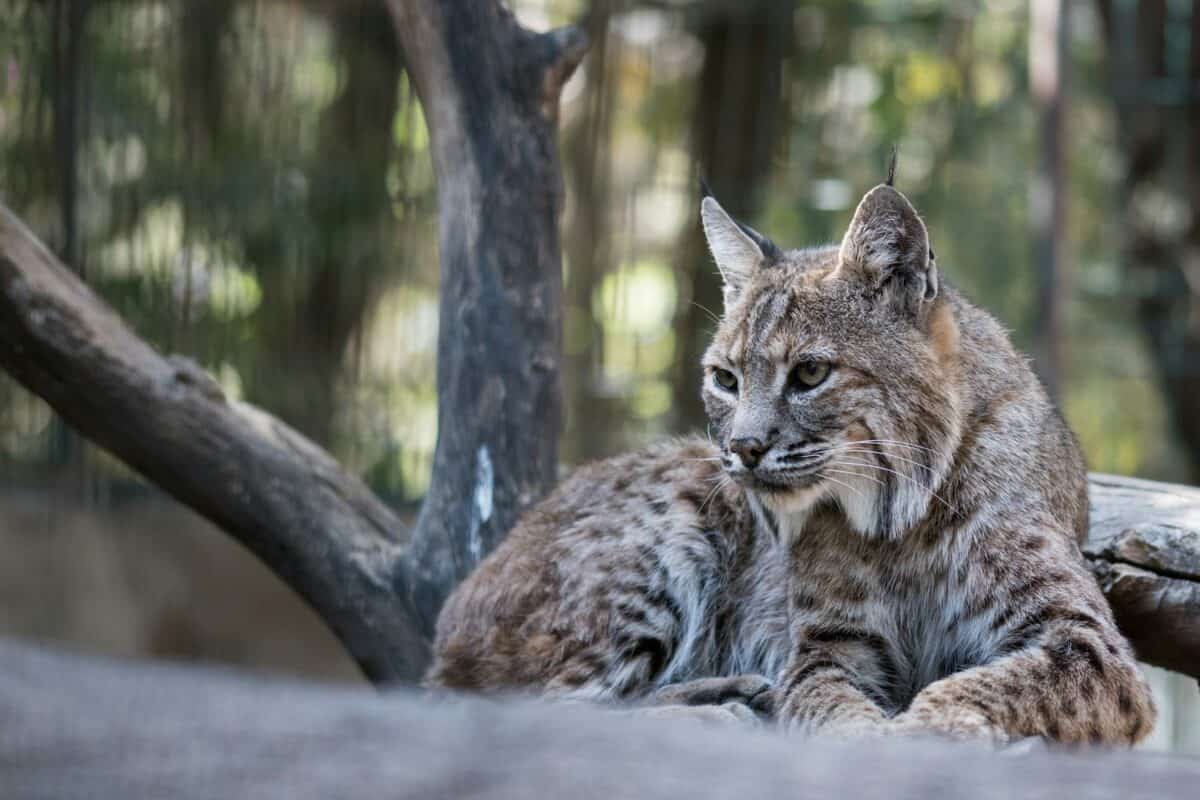
Proper identification prevents the disappointment of misidentified sightings. Jaguars are significantly larger and more robust than other spotted cats in their range. Unlike the slender build of ocelots or margays, jaguars display a muscular, compact body with powerful limbs and a relatively large head. Their rosette patterns contain small spots within the rosettes—a feature absent in leopards. Jaguars also possess shorter tails proportional to their body size compared to other spotted cats. Their movement pattern tends to be deliberate and powerful rather than quick and lithe. In the Pantanal, jaguars often demonstrate surprising comfort with boats, sometimes continuing their activities while being observed from a respectful distance. Learning these distinguishing characteristics ensures accurate identification and enhances your appreciation of these magnificent animals in their natural habitat.
Working with Local Guides and Tour Operators
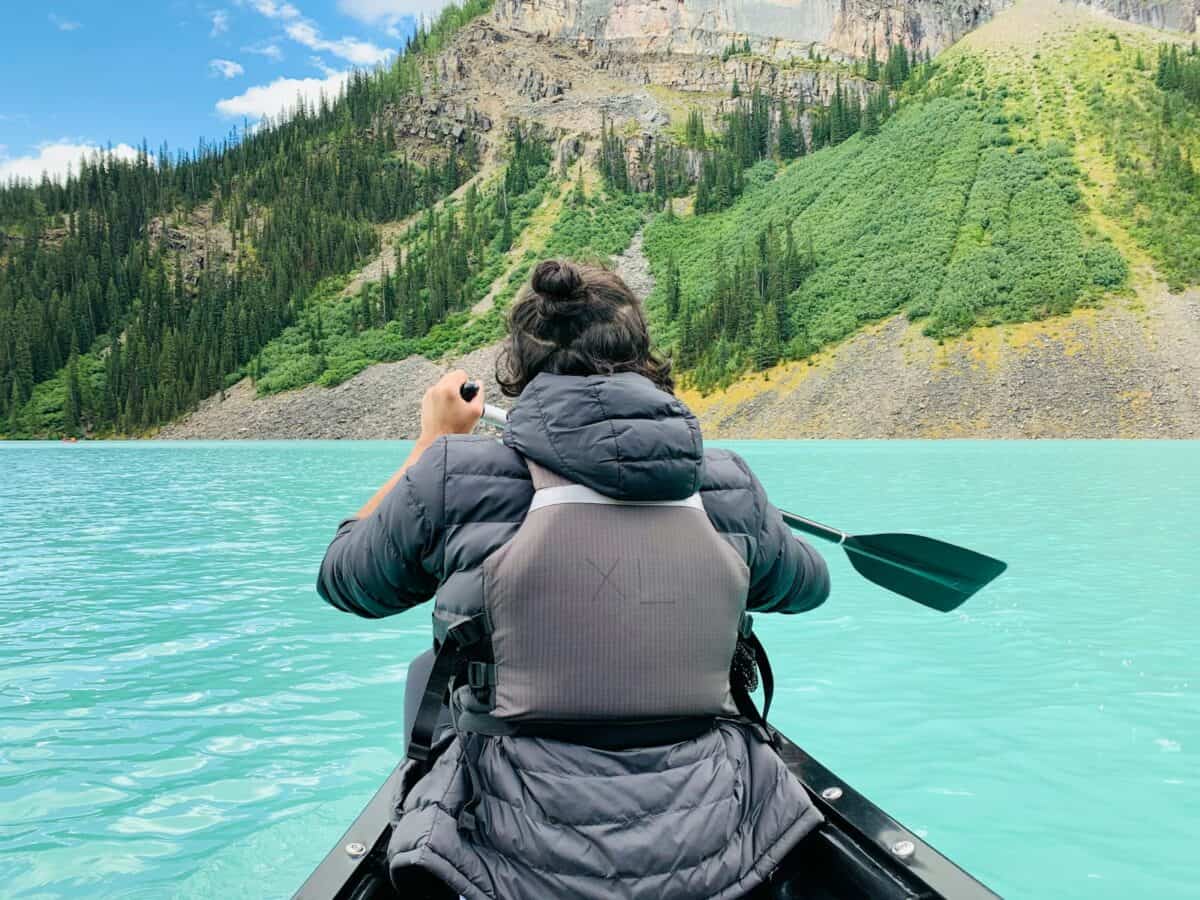
Experienced local guides dramatically increase your chances of successful jaguar sightings. These professionals possess intimate knowledge of territorial patterns, recent activity, and behavioral nuances that visitors simply cannot match. When selecting a guide or tour operator, prioritize those with established conservation credentials and ethical viewing practices. Ask about their jaguar sighting success rates during your planned visit period, but remain skeptical of guarantees—wildlife viewing always involves unpredictability. Inquire about group sizes (smaller groups typically provide superior experiences) and the types of transportation used (specialized boats in the Pantanal or appropriate vehicles elsewhere). Good operators will share information about their conservation contributions and community involvement. While premium operators command higher prices, the investment typically yields significantly higher sighting probabilities and more meaningful encounters.
Safety Protocols and Ethical Viewing Practices
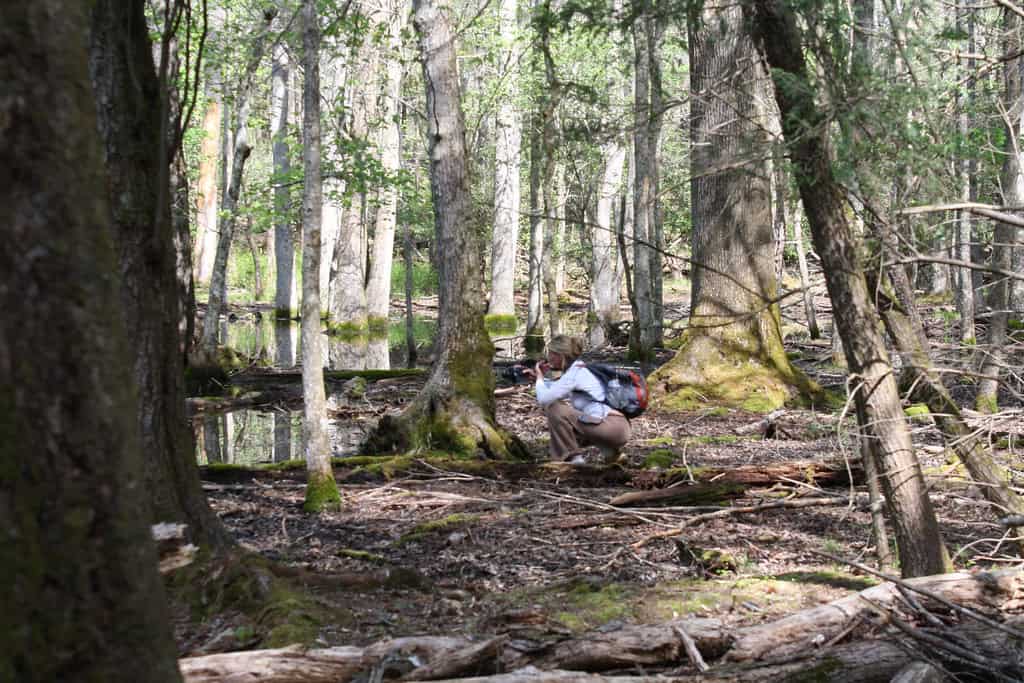
Responsible jaguar watching requires strict adherence to safety and ethical guidelines. Always maintain appropriate distance—in the Pantanal, boat-based viewing should occur no closer than 20 meters from the animal, while land-based observation demands even greater distance. Never attempt to approach, feed, or otherwise influence jaguar behavior. Keep noise to a minimum, speaking in hushed tones and silencing electronic devices. Follow your guide’s instructions without exception, particularly regarding safe movement and positioning. Avoid wearing scented products that might disturb wildlife. Photography should occur without flash, and observers should refrain from prolonged observation that might disrupt normal behavior patterns. These ethical practices not only ensure your safety but also minimize impact on these magnificent animals, helping preserve authentic behavioral patterns for future observers.
Understanding Conservation Challenges
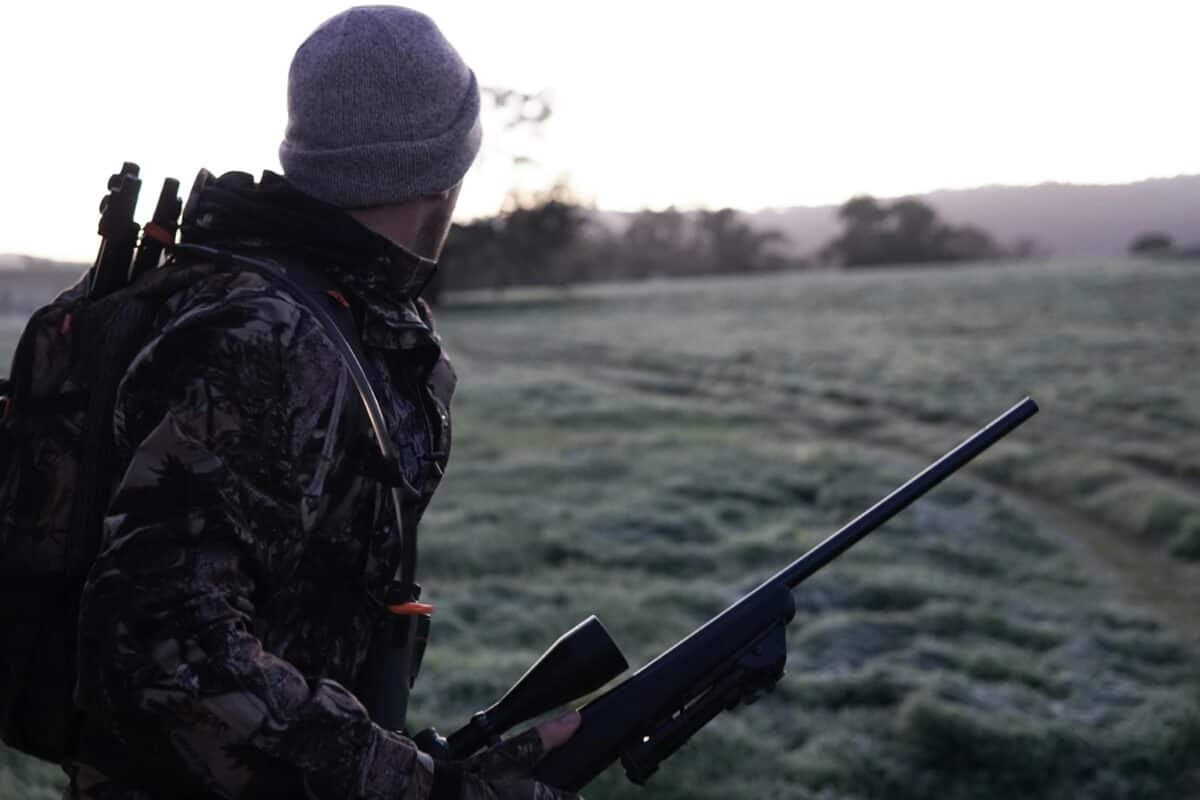
Appreciating the conservation context enhances your jaguar-watching experience. Across their range, jaguars face multiple threats, including habitat fragmentation, poaching, retaliatory killing due to livestock conflicts, and infrastructure development. Current population estimates suggest fewer than 173,000 jaguars remain in the wild—a significant reduction from historical numbers. Organizations like Panthera’s Jaguar Corridor Initiative work to maintain genetic connectivity between isolated populations, while initiatives like compensation programs for livestock losses address human-jaguar conflict. Your jaguar-watching expenditures contribute to conservation when directed through responsible operators who support local conservation efforts. Many visitors find that understanding these challenges deepens their appreciation of each sighting while fostering commitment to conservation action. Consider supporting reputable conservation organizations working to protect these magnificent cats and their habitats.
Planning Your First Jaguar Expedition

Thoughtful planning maximizes both enjoyment and sighting probability. For first-time jaguar watchers, the northern Pantanal represents the optimal starting point, offering the highest success rates and well-developed tourism infrastructure. Allow a minimum of three full days (preferably five or more) dedicated to jaguar watching to accommodate weather variables and animal movement patterns. Book well in advance for peak season (July-August), when demand exceeds capacity for quality operators. Budget appropriately—successful jaguar watching requires investment in proper guides, accommodations, and transportation. Consider combining your jaguar focus with broader wildlife experiences in the same region, creating a more diverse and satisfying expedition. Research typical weather conditions for your selected dates and prepare accordingly. With proper planning, even first-time wildlife watchers can experience the thrill of observing these magnificent cats in their natural environment.
Enhancing Your Experience Through Knowledge
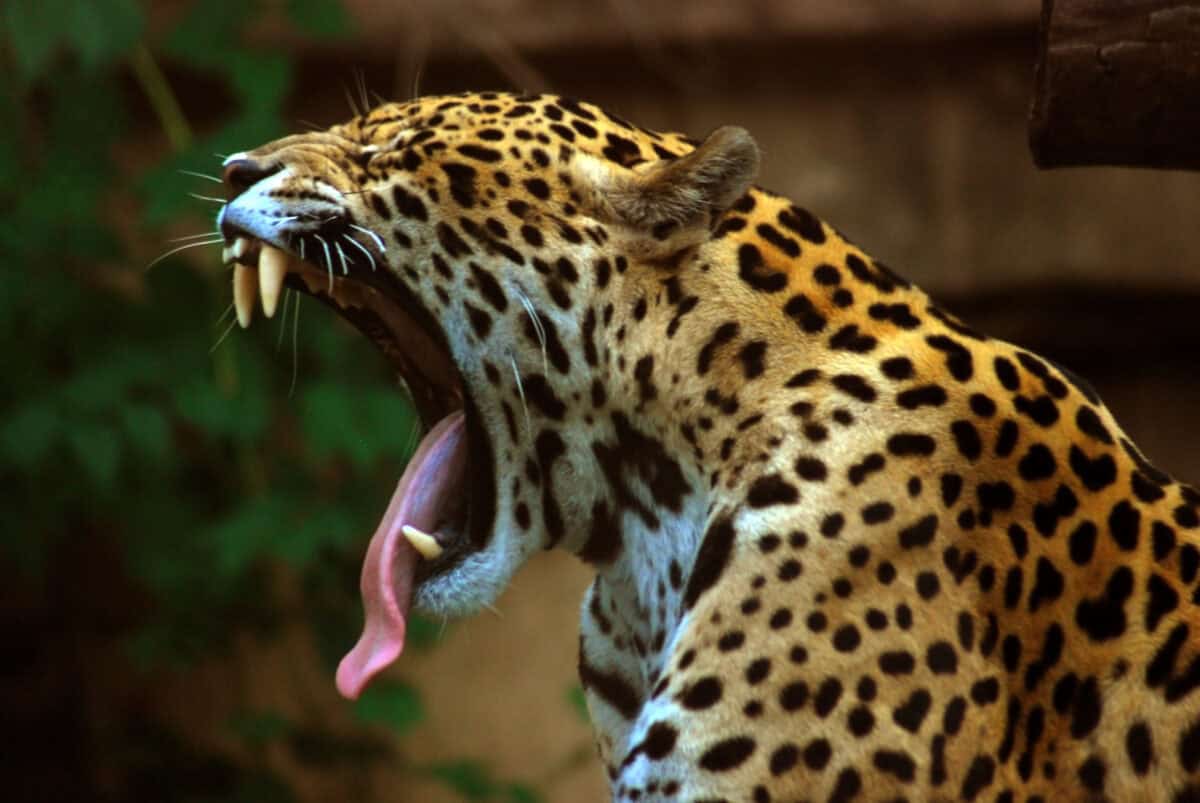
Deepening your understanding of jaguar ecology and behavior significantly enriches your wildlife watching experience. Before your trip, familiarize yourself with jaguar hunting techniques—their exceptional swimming abilities and powerful bite force (the strongest of any big cat) allow them to take prey as formidable as caimans and capybaras. Understanding their territorial behavior helps you appreciate the significance of behaviors you might witness, from scent-marking to vocalizations. Learning about their ecological role as apex predators illuminates their importance to ecosystem health. Knowledge of their daily activity patterns—often crepuscular but increasingly diurnal in protected areas—helps manage expectations. Many visitors report that this contextual knowledge transforms a simple sighting into a profound wildlife experience, creating memories that resonate long after your expedition concludes.
Managing Expectations and Embracing the Experience

Even in prime locations during peak season, wildlife watching demands realistic expectations. Remember that jaguars remain wild animals with unpredictable movements and behaviors. Even in the Pantanal, some visitors depart without sightings despite excellent guides and proper timing. Prepare yourself to embrace the broader experience—the spectacular bird diversity, other mammals like giant otters and capybaras, and the immersive natural environment all offer intrinsic value. Many travelers discover that the anticipation, the focused searching, and the shared excitement with fellow wildlife enthusiasts create meaningful experiences regardless of sighting success. Maintain a positive attitude throughout your expedition, appreciating each aspect of the wild environment. This perspective often yields unexpected rewards, as relaxed, patient observers frequently enjoy the most meaningful wildlife encounters.
Observing a wild jaguar represents more than just a wildlife sighting—it creates a profound connection with one of our planet’s most magnificent predators. Armed with the knowledge in this guide, beginners can approach jaguar watching with confidence, respecting both the animals and their habitat while maximizing sighting opportunities. These encounters foster deeper appreciation for conservation efforts and often inspire ongoing commitment to protecting these magnificent cats and their ecosystems. Whether you witness a jaguar swimming across a river, lounging on a sandy bank, or stalking through riverine forest, the experience will likely rank among your most treasured wildlife memories, a powerful testament to the enduring allure of wild nature and the importance of preserving it for future generations.
Worried about unexpected vet bills?
Pet insurance can cover thousands in unexpected vet costs. Get a free quote from Lemonade in under 2 minutes.
Get My Free Quote →Sponsored · Opens Lemonade.com

- 21 Reasons You Should Never Underestimate a Wild Predator - June 4, 2026
- Bald Eagles and Other Birds That Represent American Pride - June 4, 2026
- Raccoons Wash Their Food Before Every Meal - June 4, 2026