
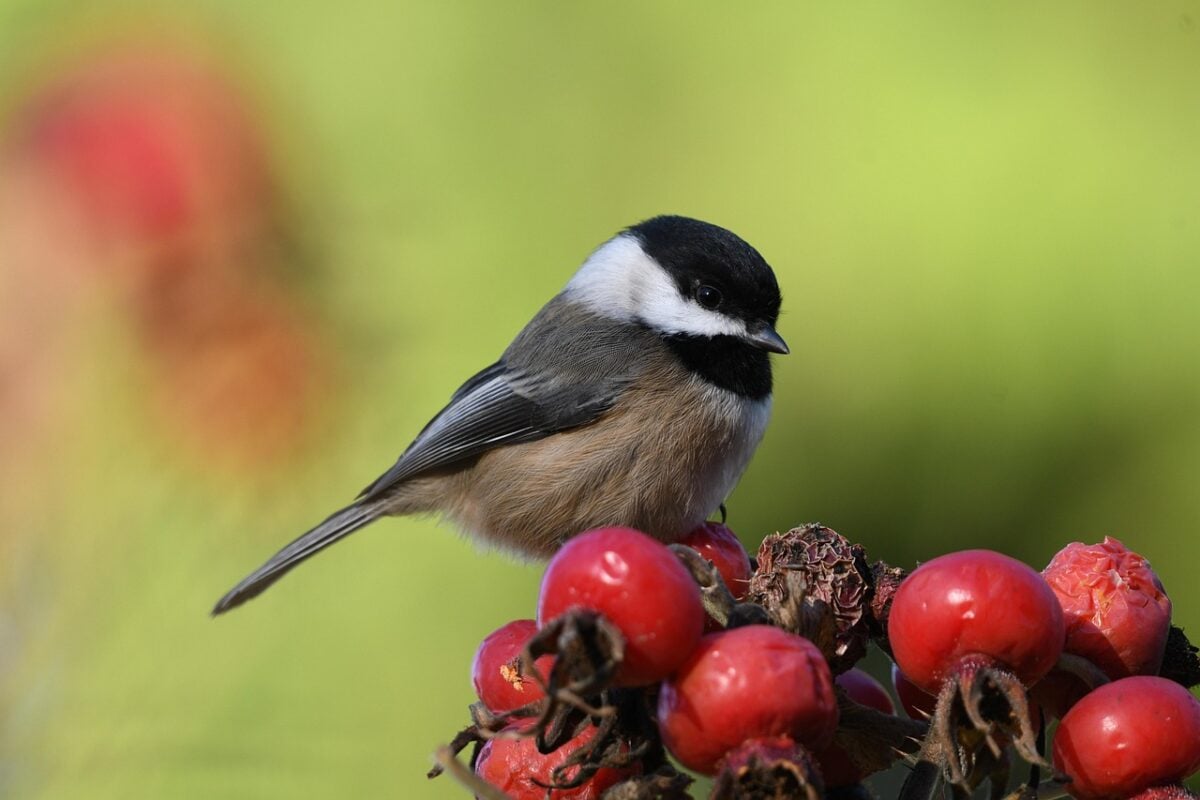
If you have chickadees in your neighborhood, you’re basically living next to a tiny, feathered early-warning system. These birds are doing way more than chirping cute background noise; they’re running a live security network in the trees. And the wild part? Their alarm calls actually change depending on how dangerous they think a predator is.
Once you know what to listen for, a chickadee’s calls can sound less like random bird chatter and more like coded messages. It’s a little unsettling when you realize that, while you’re just sipping coffee by the window, they’re out there ranking threats like a real-time risk assessment team. Let’s dig into how these tiny birds are quietly running one of the most sophisticated alarm systems in the animal world.
Meet the Chickadee: Tiny Bird, Huge Brain Energy
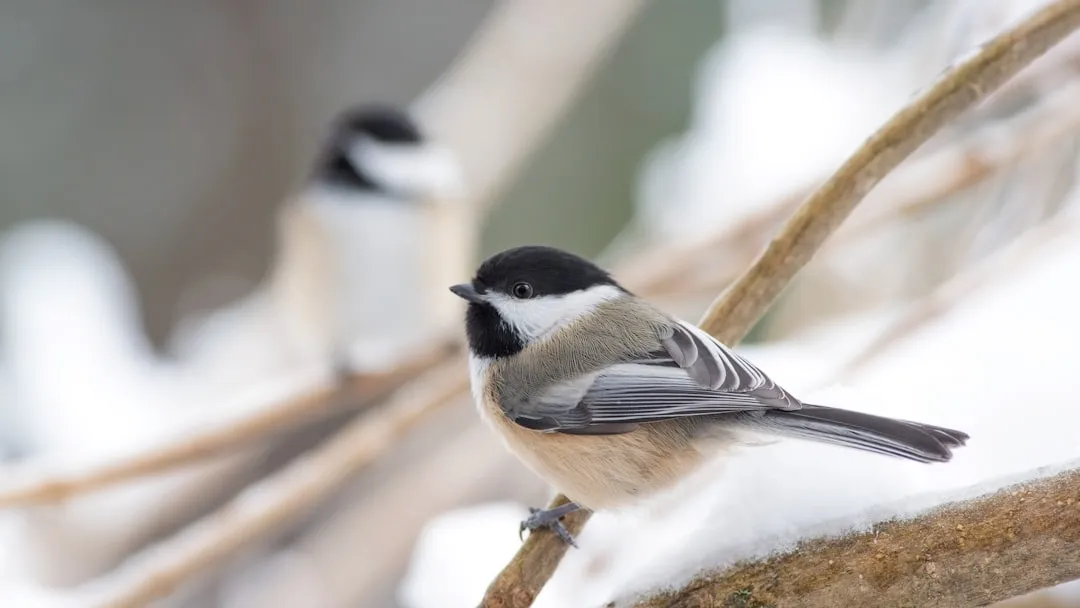
Chickadees look like the sort of bird you’d see on a holiday card: round body, black cap, a soft, friendly vibe. But behind that cute packaging is a seriously sharp brain that’s always working. They live in forests, suburbs, and backyards across North America, constantly scanning for hawks, owls, cats, and pretty much anything that might turn them into a quick snack.
Because they live in small flocks and face a lot of different threats, they’ve evolved a social life that depends on staying in touch with one another vocally. That famous “chick-a-dee-dee” call is not just small talk. It’s more like a flexible tool kit they use to coordinate, warn, recruit allies, and keep the group alive. Once you think of chickadees as tiny information broadcasters instead of background wildlife, their behavior starts to feel a lot more intentional.
The Famous “Chick-A-Dee” Alarm Code
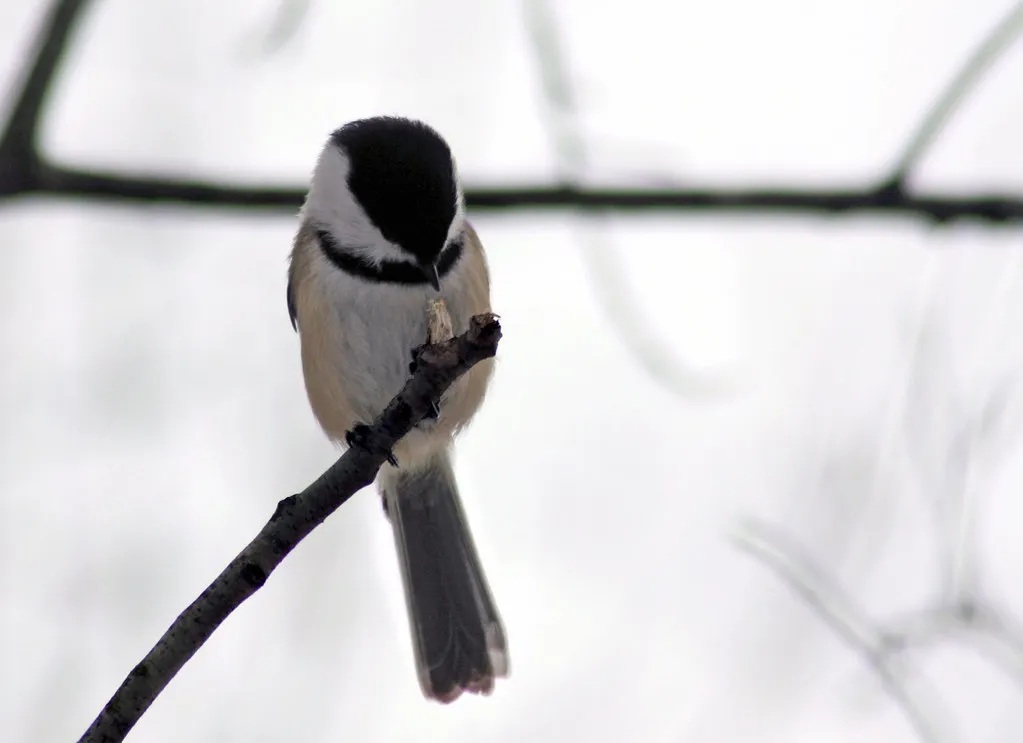
One of the coolest discoveries in bird behavior research is that the classic chickadee call actually carries detailed information about danger. It is not one generic scream for “Look out, something’s wrong!” – it changes with context in surprisingly precise ways. The number of “dee” notes at the end of the call tends to increase when a predator is more dangerous or harder to escape from, like a small, agile owl that can follow them through tight branches.
In other words, the chickadee call works like a dial, not a simple on–off switch. A lower-threat situation might get a relatively short call, while a high-threat moment turns into a longer string of “dees” that basically means: this is serious, move now. That may sound like a tiny tweak to our ears, but to the flock, it’s the difference between “keep an eye out” and “drop everything and respond.”
Changing the Message Based on Predator Type and Risk
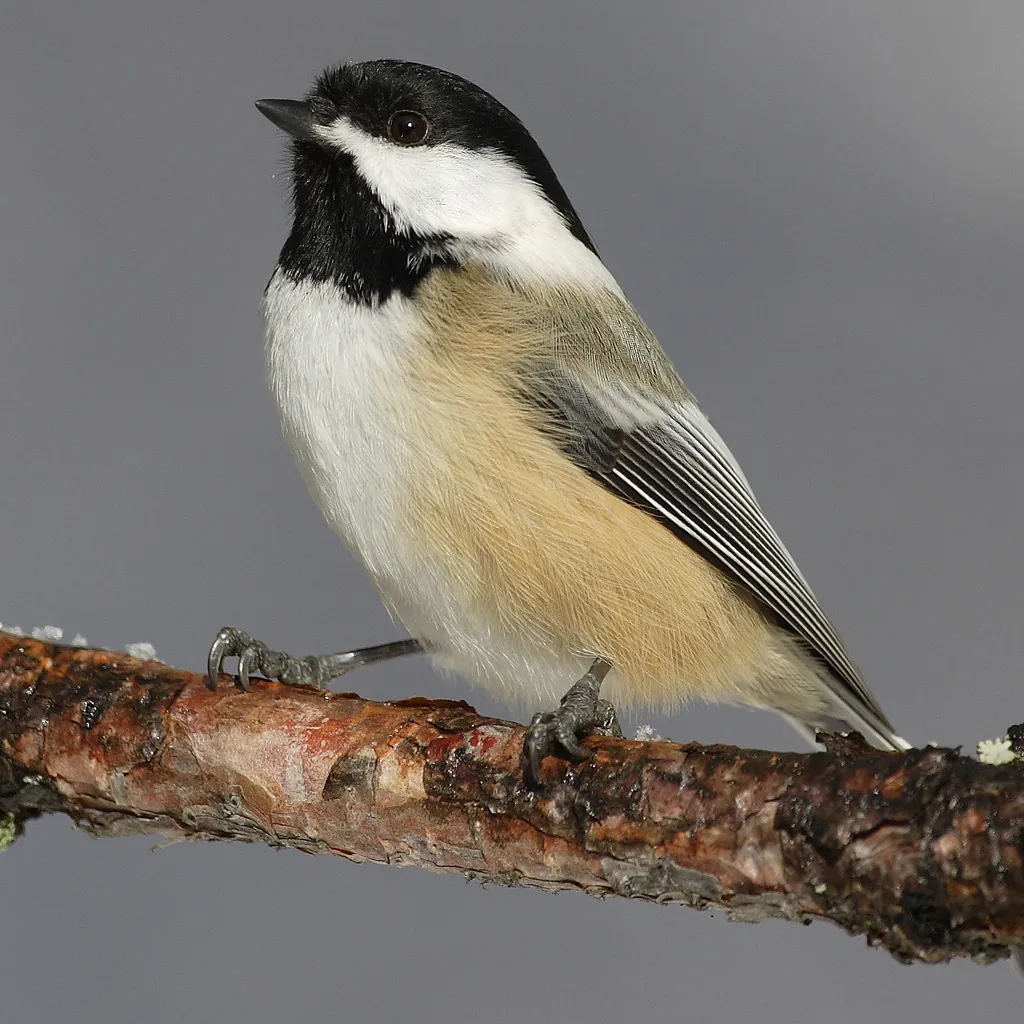
Chickadees do not just shout louder when they’re scared; they change the structure of their call depending on what they see. A big, slow-moving predator like a large hawk cruising high overhead is dangerous, but predictable. A smaller raptor or owl that can dart into branches, or a cat hiding under a shrub, often triggers more intense alarm calls with more “dees,” signaling a risk that is harder to escape.
This nuance matters because different predators require different strategies. A soaring hawk might mean “freeze or stay low,” while a perched owl might mean “mob it, get it out of here.” By tweaking their calls, chickadees are giving the flock a kind of verbal field guide: not just that danger exists, but how bad it is and what sort of response might be needed. It is a level of detail we usually associate with human language, yet it’s coming from a few grams of bird.
How Other Birds Eavesdrop on Chickadee Warnings
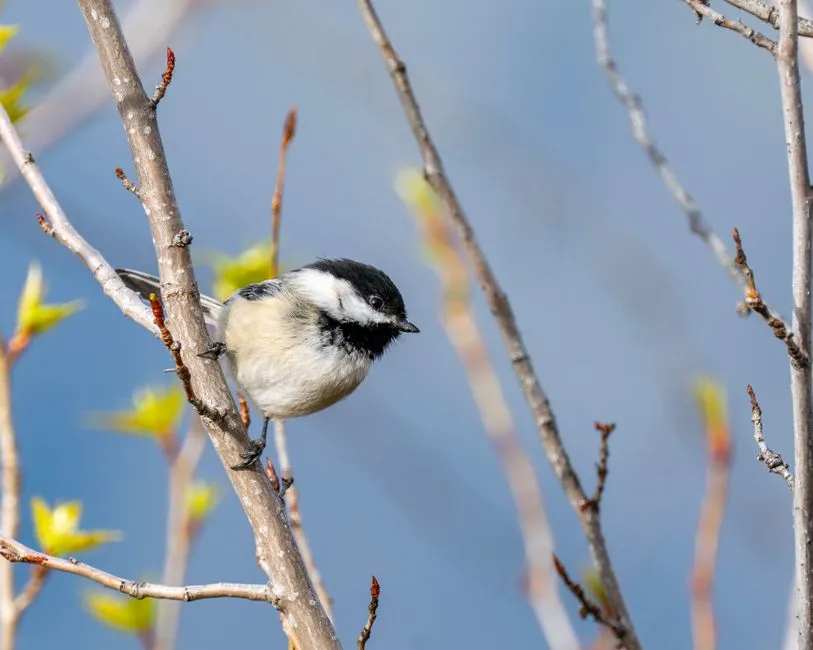
Here’s where it gets even more mind-blowing: chickadees are not only protecting themselves. Other bird species, and sometimes even small mammals, listen in on their alarm calls. When chickadees ramp up the intensity of their “dee” notes, plenty of forest neighbors take that as a serious signal to get alert, even if they cannot produce the same calls themselves.
This kind of “eavesdropping” turns chickadees into a shared early-warning system for the whole community. It is a bit like everyone in the neighborhood tuning into the same emergency broadcast channel, even if they speak different languages the rest of the time. Personally, once I learned this, I started paying way more attention when my backyard chickadees suddenly go from casual chatter to urgent alarms. It feels less like random noise and more like being let in on local gossip about predators.
Why Complex Alarm Calls Evolved in Such Small Birds
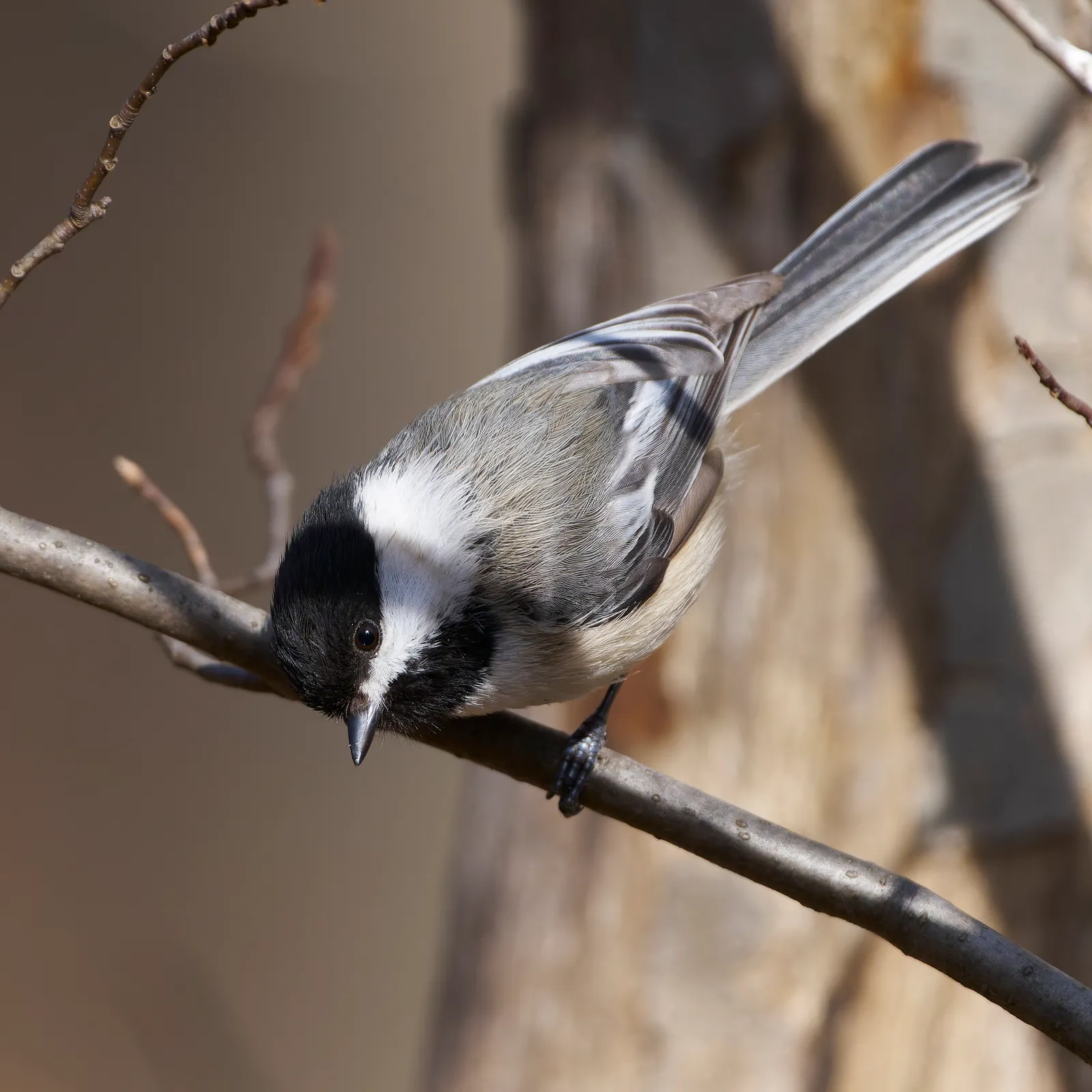
From an evolutionary point of view, it makes sense that chickadees developed such flexible alarm calls. They are small, vulnerable, and live in environments where threats are frequent but varied. Being able to fine-tune their warnings helps them avoid wasting energy on overreacting to low-risk situations, while still mobilizing fast when the danger is truly high.
There is also a social payoff. Birds that communicate better help keep their flock alive, and that flock protection loops back around to benefit the caller. Over many generations, individuals that responded appropriately to specific predator types, and that produced useful alarm calls for others, were more likely to survive and pass on those tendencies. So those simple little “dees” are basically the result of a long-running survival experiment written in sound.
How Scientists Actually Study Chickadee Alarm Calls
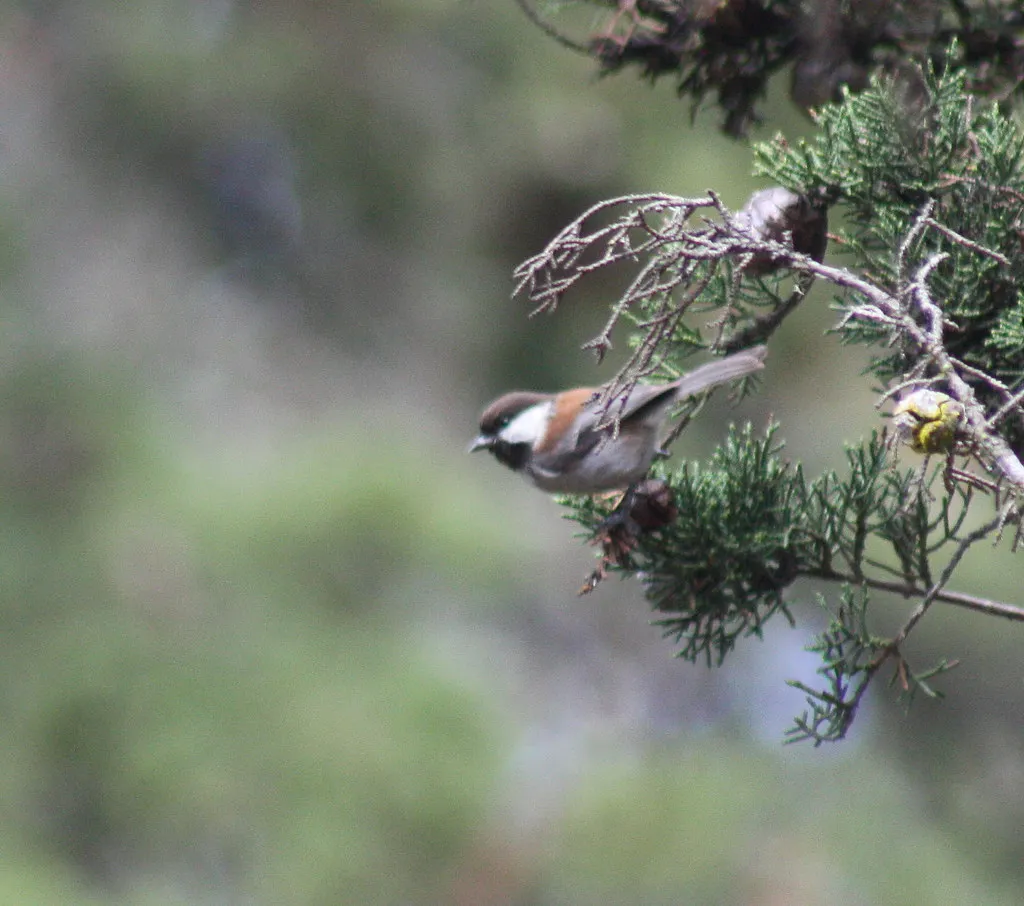
Understanding all this did not come from just listening casually in the woods. Researchers have run controlled experiments, playing recorded predator calls or using lifelike models of different predators to see how chickadees respond vocally. By carefully analyzing recordings – literally counting “dees,” measuring timing, and comparing contexts – scientists have been able to link specific call patterns to specific levels of danger.
It is not glamorous work; a lot of it is sitting quietly in the cold, waiting for birds to react in natural ways. But the payoff is huge: those tedious hours revealed that chickadees are not only reacting emotionally, they are encoding information. Their alarm calls are structured, consistent, and meaningful enough that you can predict what kind of threat they saw just by analyzing the sound.
What Chickadees Teach Us About Animal Intelligence
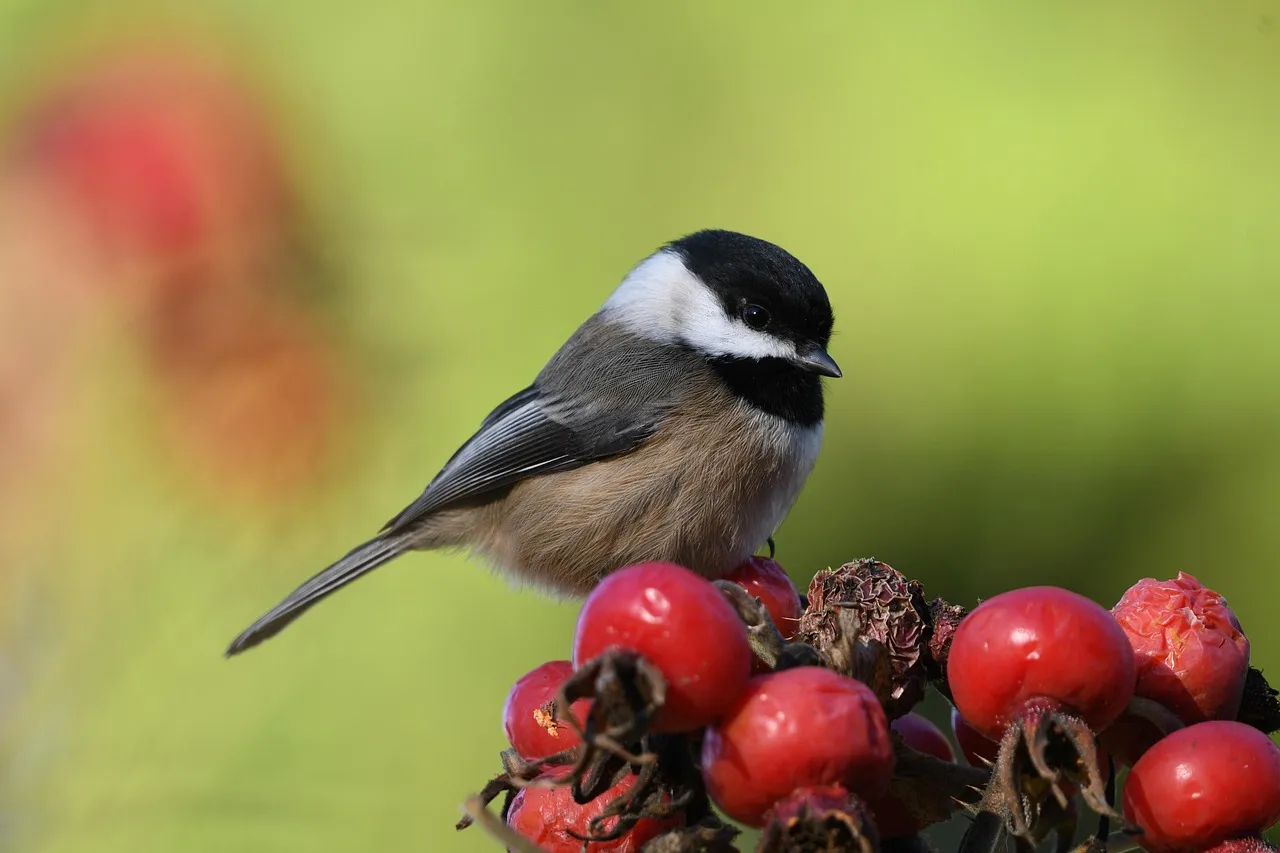
The deeper you go into chickadee alarm calls, the harder it is to hold onto that old idea that “animals just make noises.” These birds are demonstrating that even a very small brain can support surprisingly complex communication. They blur the line between instinctive screaming and something closer to a basic, flexible language system tuned to the realities of survival.
To me, that should change how we talk about animal intelligence in general. If a tiny chickadee can not only spot a predator but grade its danger and broadcast that rating to others, then our usual habit of ranking animals by how human-like they seem feels lazy. It is time to admit that a lot of wild creatures are quietly running complex, information-rich lives right over our heads – and we are just barely starting to catch up to what they are saying.
Conclusion: Tiny Birds, Big Opinions About Danger
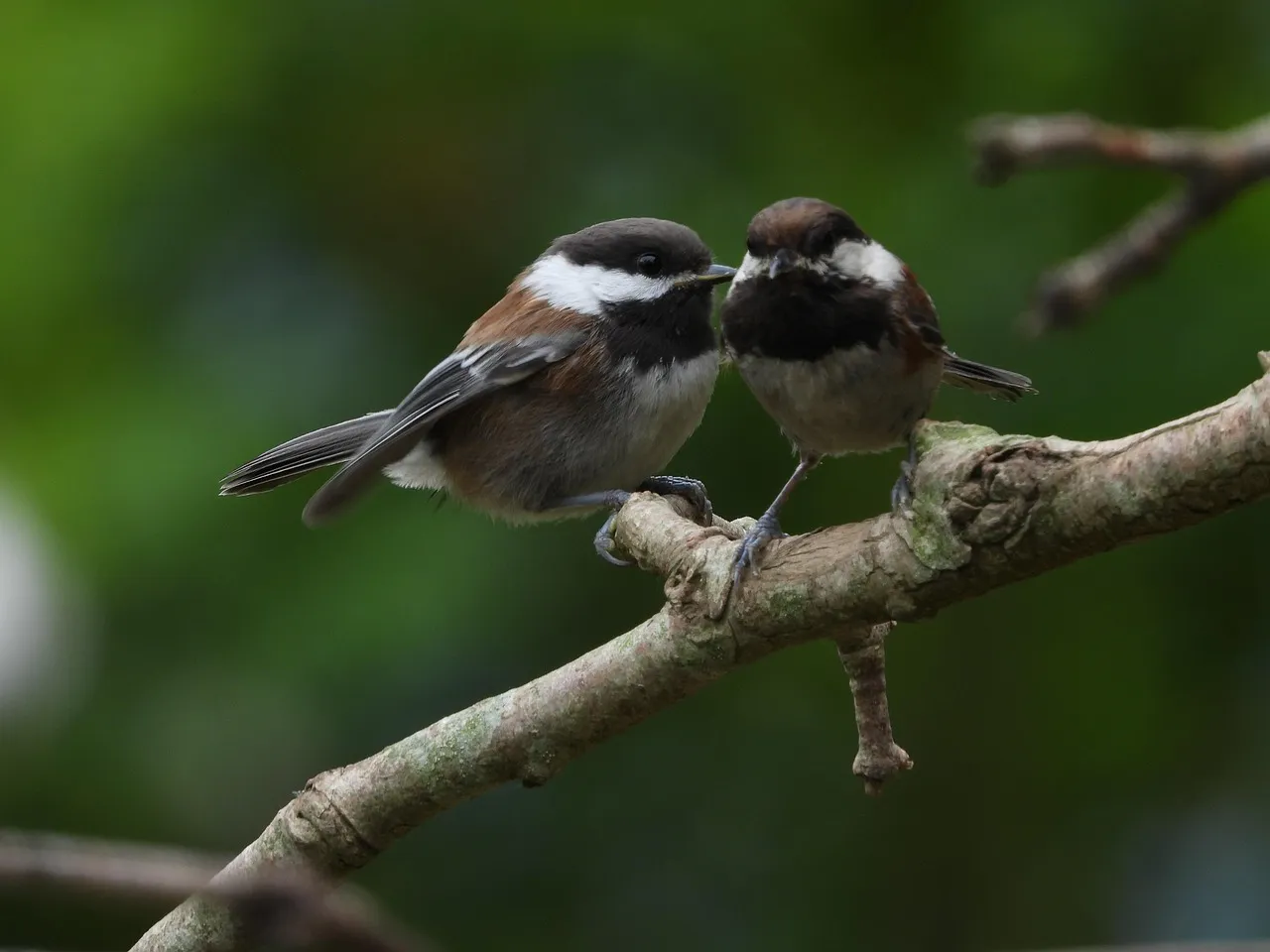
I think we seriously underestimate chickadees, and honestly, that is on us. These birds are out there acting like neighborhood watch captains, adjusting their alarm calls with a precision that would put some human group chats to shame. The fact that they change their calls depending on how dangerous a predator is does not just make for a neat trivia fact – it shows that the natural world is full of subtle intelligence we tend to ignore.
There is something humbling about realizing that while we are scrolling our phones, a flock of chickadees is running a live, nuanced threat-detection network above the yard. It makes our sense of being the only truly “smart” species feel a bit outdated. Next time you hear that sharp, busy “chick-a-dee-dee-dee” from the trees, maybe pause and listen; that might be the forest’s version of a breaking news alert. Now that you know what they are doing, will you ever hear those calls the same way again?

- Bird Science Says Chickadees Change Their Alarm Calls Depending on How Dangerous a Predator Is - August 15, 2026
- Animal Science Says Dolphins Use Signature Whistles That Function Remarkably Like Individual Names - August 15, 2026
- 7 Reasons the Maned Wolf Looks Like a Fox on Stilts but Is Neither a Fox Nor a Wolf - August 15, 2026