

Have you ever stopped to wonder what those chirps, trills, and whistles really mean when you walk through a forest at dawn? It’s easy to dismiss birdsong as background noise, but honestly, these creatures are engaging in something far more sophisticated than most of us realize. The melodies floating through the trees aren’t random. They’re learned, practiced, and refined with a level of precision that would make any musician jealous.
Think of it like this: birds are essentially tiny linguists, mastering a complex language system before they even leave the nest. What makes it even more fascinating is that they don’t just inherit these songs genetically. They actually have to learn them, much like human children learn to speak. So let’s dive into the surprising world of avian communication and discover what really happens when a bird opens its beak to sing.
The Critical Learning Window Every Young Bird Experiences
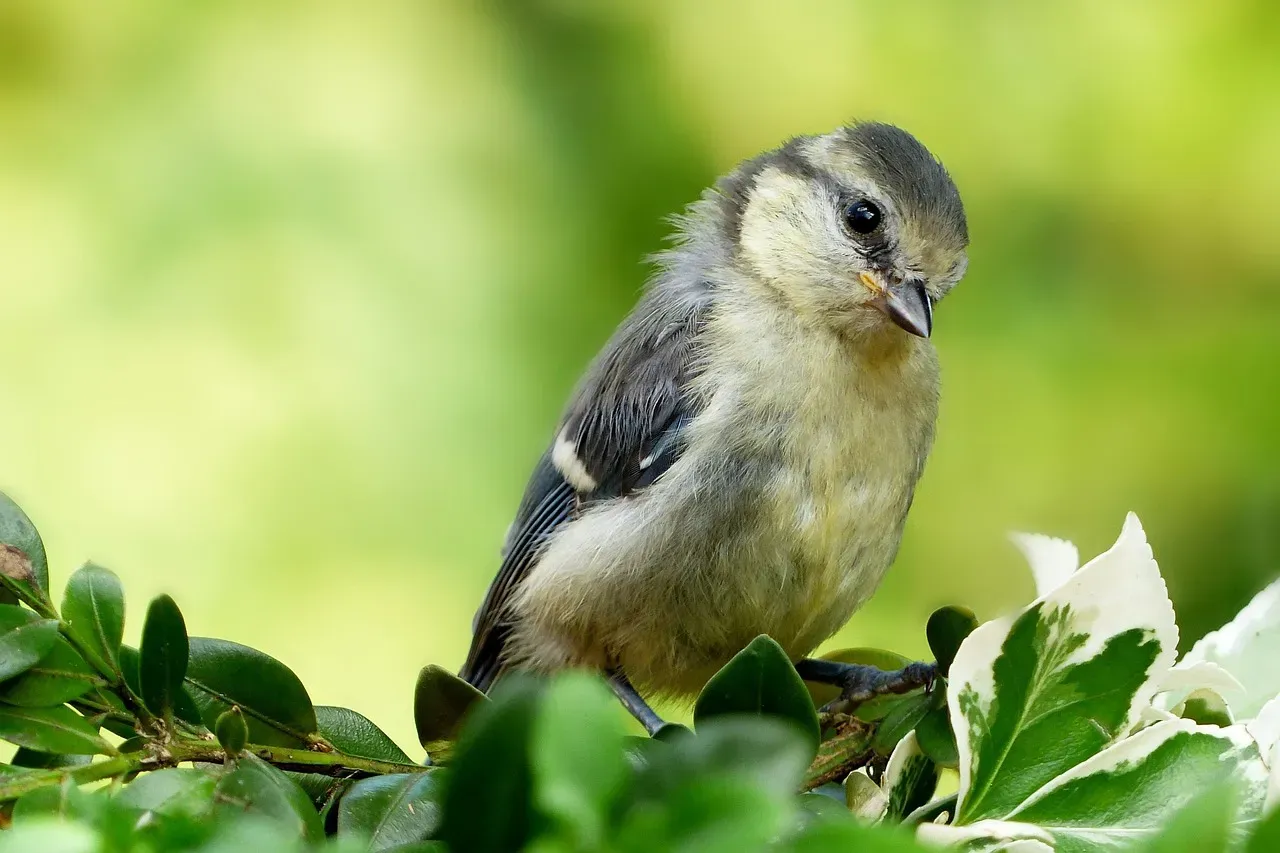
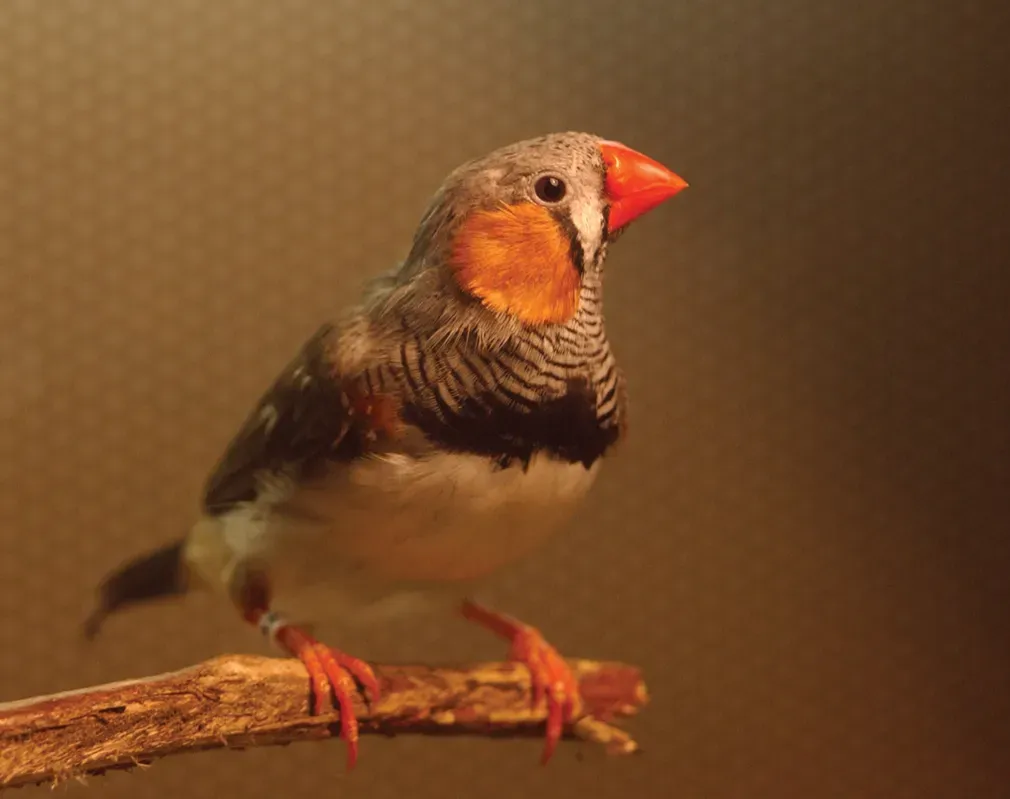
Songbirds begin learning their songs while still in the nest during a phase known as the critical period, when nestlings are most sensitive to absorbing the sounds around them. This window of opportunity is surprisingly brief. It’s hard to say for sure, but song learning happens during the first 25 to 60 days of life in zebra finches, a timeframe that varies across different species.
During this period, young males are basically sponges. They listen intently to their fathers or other male tutors, absorbing every note and rhythm. Following fledging, young birds attempt to replicate these songs, practicing until they have matched their tutor’s song. The stakes are incredibly high because a poorly learned song can mean the difference between reproductive success and genetic obscurity.
Chaffinches raised in a laboratory as nestlings without exposure to adult males develop abnormal songs, but when exposed to taped recordings of wild chaffinch song, they sang species-specific songs as adults. This demonstrates just how crucial early exposure is. Without proper tutoring during this sensitive window, birds end up with what researchers call isolate song, which lacks the complexity and structure of normal bird communication.
What’s remarkable is that this learning process mirrors human language acquisition in many ways. Dialects and languages are culturally transmitted during a sensitive period of learning, making birds one of the few animal groups that share this characteristic with humans.
The biological clock ticking during this phase is unforgiving. Miss the window, and the bird’s vocal abilities are permanently compromised.
How Female Birds Shape Male Songs Without Singing Themselves
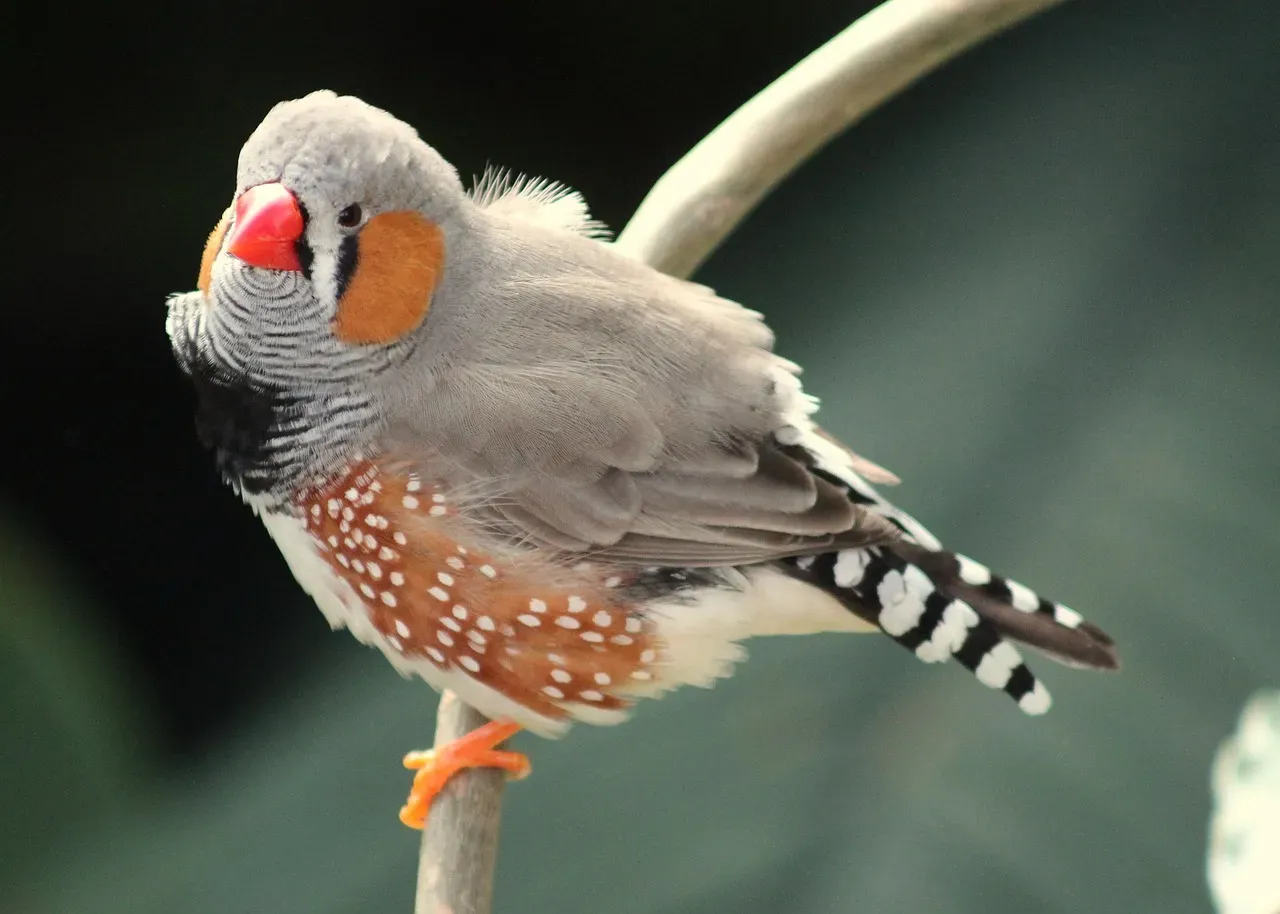
Here’s something that sounds crazy: birds don’t simply learn their songs by imitating adults; they learn by watching their mothers’ reactions to their immature songs. In most songbird species, only males sing, so for years researchers were puzzled about why juvenile males learned better when females were present.
The answer turned out to be hiding in plain sight, or rather, moving too fast for human eyes to catch. Birds can perceive events that happen much too fast for humans to see, and researchers using slowed-down video were able to identify tiny movements made by female zebra finches to encourage baby songbirds. These subtle cues include wing gestures and feather fluffs that provide real-time feedback.
Think of it as the avian equivalent of a parent encouraging a toddler’s first words. The female essentially guides the developing song by responding positively to certain sounds and ignoring others. Because zebra finches use their songs to attract mates rather than defend territory, integrating female preferences into song is a highly adaptive strategy for future reproductive success.
This discovery completely changed how scientists understand vocal learning. Historically, researchers studied these birds in isolation, missing out on the entire social aspect of song learning. The immature babbling sounds that young birds produce aren’t just random practice. They’re specifically designed to elicit feedback from adults in their environment.
This brings the number of species known to engage in socially guided vocal learning to four: zebra finches, humans, marmosets and cowbirds. Pretty exclusive club, right?
The Neuroscience Behind Perfect Pitch and Timing
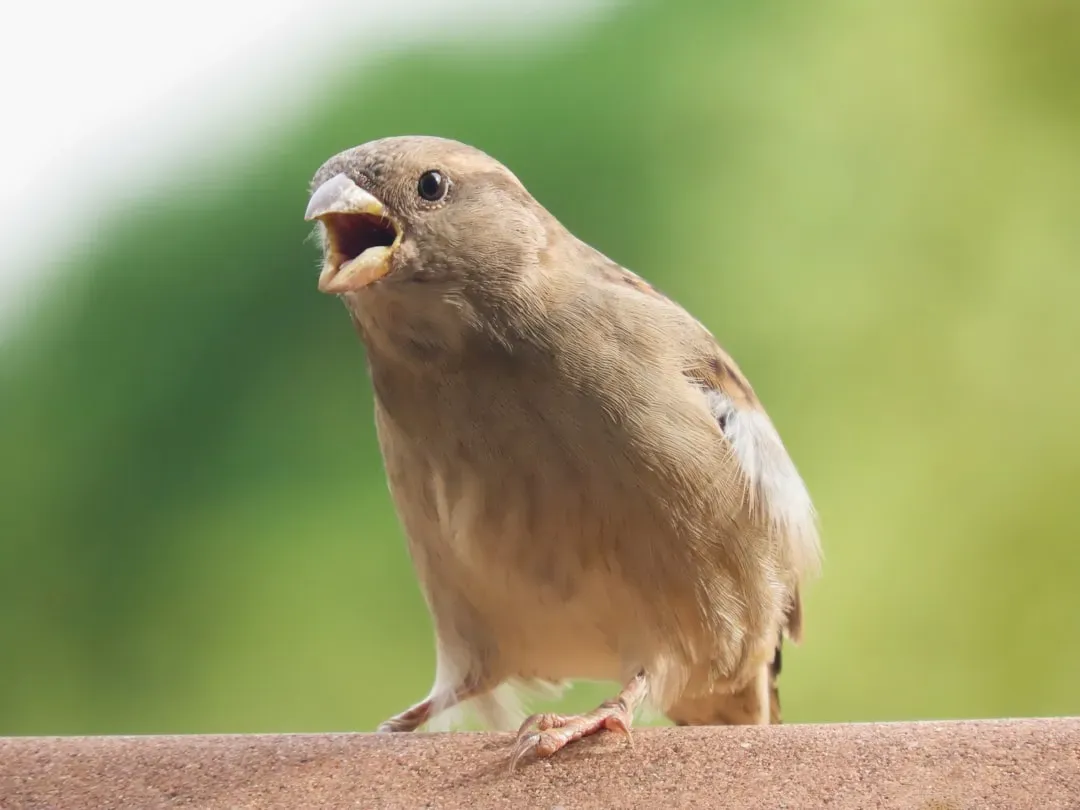
Let’s be real: the precision with which birds hit their notes is absolutely mind-blowing. Researchers measured electrical signals in the high vocal center and found birds’ ability to repeatedly hit the same rhythm to be within a millisecond, or one-thousandth of a second. That level of accuracy is almost unheard of in the natural world.
Researchers identified a special center in the avian brain called the HVC, or high vocal center, and during song learning new neurons are formed in the HVC, implying that the song becomes imprinted into the male brain. This neurological imprinting process is similar to how muscle memory works in humans, except it’s happening at a cellular level in the brain.
The brain circuitry involved is remarkably sophisticated. Some investigators have posited a model in which connections carry an instructive signal based on evaluation of auditory feedback, comparing the bird’s own song to the memorized song template. Essentially, birds have a built-in quality control system that constantly evaluates their performance against an internal standard.
For certain bird species it’s the song’s tempo precision, or the bird’s ability to repeatedly and precisely hit the same rhythm that proves most attractive to potential mates. This makes sense from an evolutionary perspective. Precise rhythm might indicate good health, strong genetics, or superior cognitive abilities.
Mother Nature has made this extremely exact clock out of neurons, and it’s believed to be the most precise sequence in nature found to date. That’s not just impressive for a bird. That’s impressive, period.
Genetics Versus Experience in Song Development
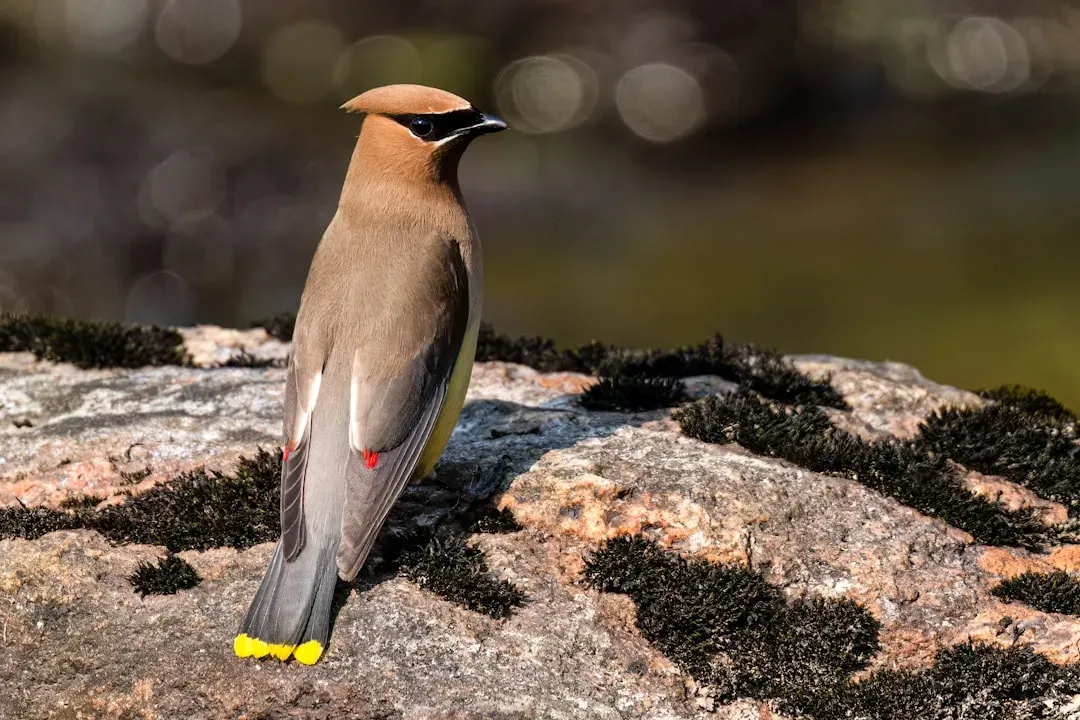
The nature versus nurture debate plays out in fascinating ways when it comes to birdsong. Birds exposed only to computer-generated songs largely ignored the tempo of synthetic songs and developed adult songs with tempos much closer to their fathers’ songs, which they had never heard. This suggests a surprisingly strong genetic component to song structure.
Fifty-five percent of variability in experimental birds’ songs could be explained by differences in their fathers’ songs, but only 21 percent was driven by differences in the synthetic song they were exposed to. That’s a pretty significant genetic influence. Yet the story gets more complicated when you introduce social learning into the mix.
When exposed to a live tutor, the live tutor’s song contributed 53 percent to the tempo of young birds’ adult songs, with differences in their fathers’ songs contributing only 16 percent, showing that experience provided by a live tutor can actually reduce the contribution of genetics. The complete reversal is striking evidence that social interaction fundamentally changes how genes express themselves.
Like human language, a male finch’s unique mating song is learned early in life by listening to and mimicking adult tutors, and young birds raised by unrelated adults in the lab will learn to sing their foster-father’s song instead. This demonstrates remarkable behavioral plasticity.
The genetic contribution to a bird’s song depends on the specifics of that bird’s experience, demonstrating that heritability for complex behaviors is not fixed but can vary dramatically depending on individual experience. It’s a powerful reminder that genes aren’t destiny when the right environmental conditions exist.
Regional Dialects and Cultural Transmission Among Bird Populations
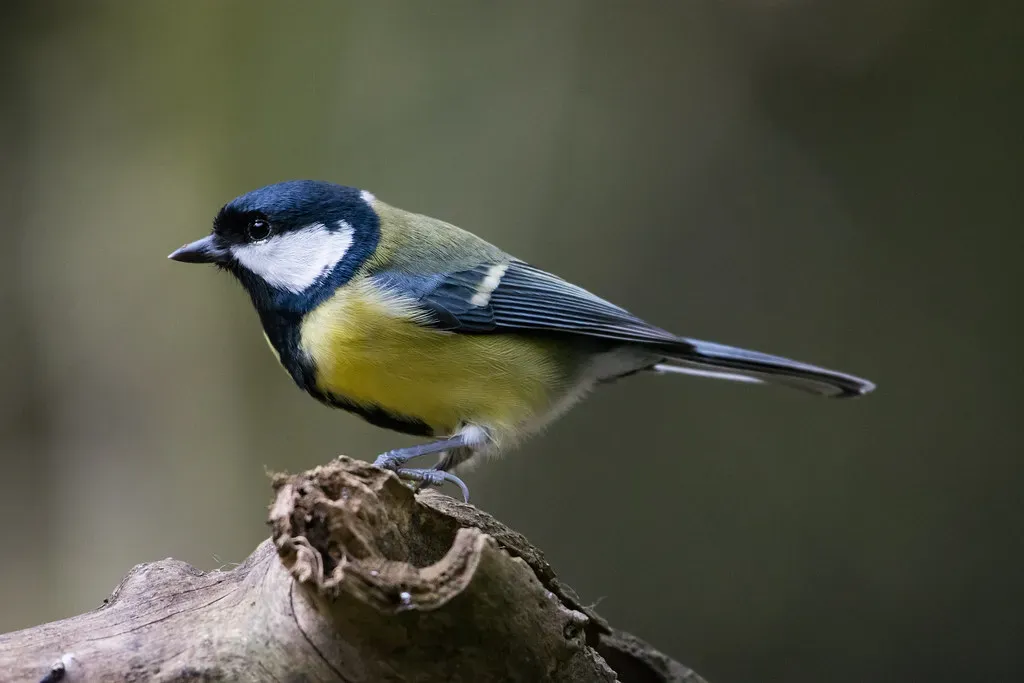
Just as human communities develop distinct regional accents, some birds have local song cultures that evolve over time. Walk through different forests separated by just a few miles, and you might notice the same species singing noticeably different variations of their songs. This isn’t your imagination. These are genuine dialects.
Researchers have hypothesized that learned songs allow the development of more complex songs through cultural interaction, thus allowing intraspecies dialects that help birds to identify kin and adapt their songs to different acoustic environments. The adaptive value here is clear. Birds that can recognize local dialects might be better at identifying potential mates from their own population or detecting outsiders entering their territory.
Experts analyzed over 100,000 bird songs from great tits, spending three years collecting over twenty thousand hours of recordings to understand how these song cultures emerge and change. The scale of this research is impressive, revealing patterns that would be impossible to detect through casual observation.
Newcomers usually integrate into local song traditions rather than introducing completely new tunes, though they often learn more songs, enriching the local musical landscape. This suggests a balance between conformity and innovation. Birds want to fit in with local traditions, but they also bring their own variations that gradually shift the culture over time.
The parallels with human language evolution are uncanny. Both systems involve cultural transmission, regional variation, and gradual change across generations. The University of Oxford research sheds light on the evolution of bird songs, revealing the significant influence of population dynamics on how these traditions develop and persist.
The High Stakes of Song Quality in the Bird World
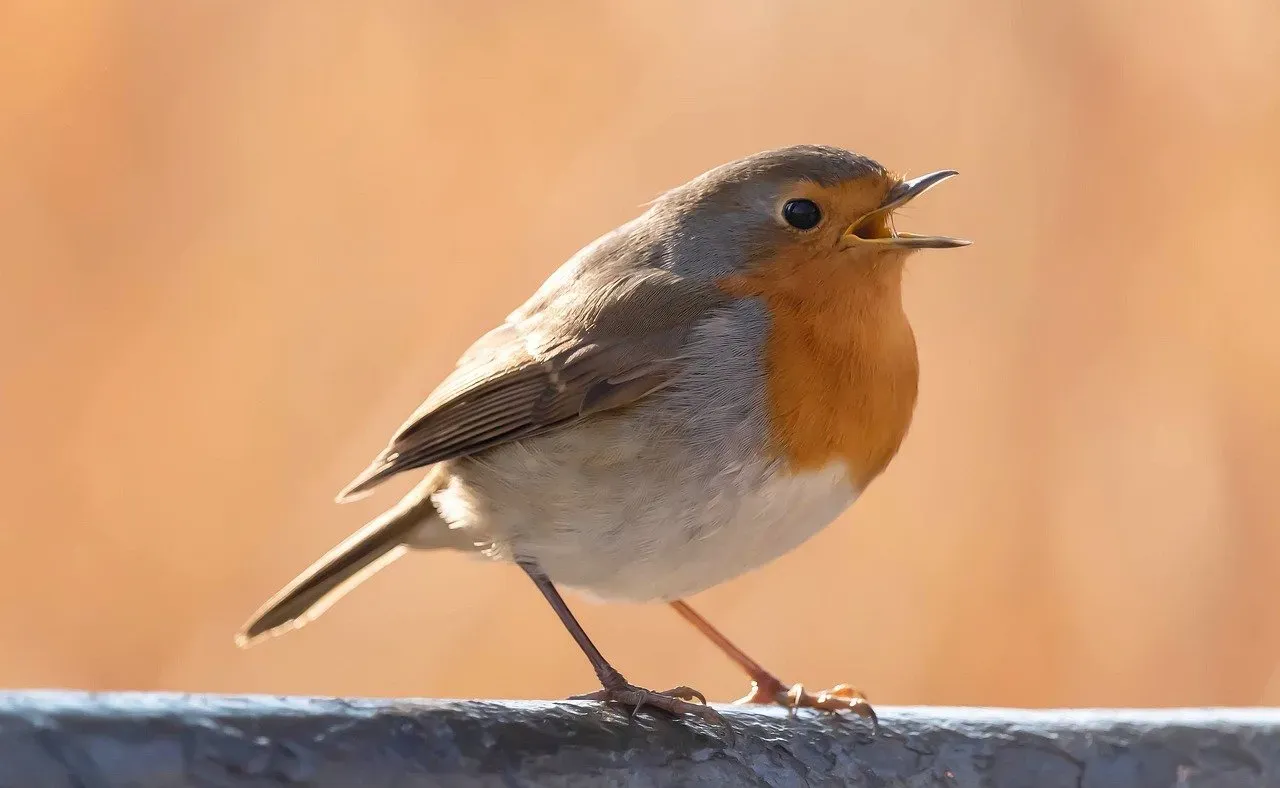
Let’s talk about what happens when a bird doesn’t nail its performance. In a bird’s world, a sloppy song means having a very tough time mating, because one major reason songbirds sing is to attract females who choose their mates on the basis of song quality. The pressure is real, and the consequences are permanent.
If a bird doesn’t sing an attractive song, his genes are going to be out of the genetic pool of the population. That’s nature’s way of selecting for acoustic excellence. Over generations, this selective pressure has driven the evolution of increasingly complex and precise vocalizations.
Songs are longer and more complex and are associated with territory and courtship and mating, while calls tend to serve such functions as alarms or keeping members of a flock in contact. The distinction is important because it shows that birds have different vocal tools for different social situations, much like humans use formal language in some contexts and casual speech in others.
The final version of the male’s song crystallizes by day 90 and is not an exact copy of the tutor’s song, but a variation of it. This individuality is crucial. A bird needs to sound enough like his species and local population to be recognized as a suitable mate, but different enough to stand out from competitors.
For birds, a newly learned song is both a signal of belonging to your species and a way to distinguish yourself from others. Walking this tightrope between conformity and uniqueness is a challenge that determines reproductive success or failure.
Conclusion
The complexity hidden in birdsong reveals something profound about how learning, culture, and biology intersect in nature. These aren’t just pretty sounds decorating our morning walks. They’re the result of intensive learning processes, social interactions, genetic predispositions, and cultural traditions that span generations.
Only a handful of animals can listen to a sound and reproduce it, and birds, bats, whales and dolphins are all vocal learners. This places songbirds in an elite group of species with cognitive abilities that most animals simply don’t possess. The neural precision, the social learning, the cultural transmission, it all adds up to a communication system that rivals human language in its sophistication, even if we’re only beginning to fully understand it.
Next time you hear a bird singing outside your window, take a moment to appreciate what you’re actually witnessing. That song represents months of practice, social feedback, neurological development, and evolutionary pressure refined over thousands of generations. What do you think about it? Have you noticed different songs from the same species in different locations?

- Marine Biology Says When Dolphins Suddenly Go Silent in Open Water It's Not Rest – They've Detected a Predator You Cannot See and Their Survival Strategy Reveals How They Read Danger - July 20, 2026
- What It Means When Cardinals Appear During Major Life Transitions (Based on 300 Years of Documented Sightings) - July 20, 2026
- 12 Backyard Animals That Can Sense When a Storm Is Coming Hours Before Your Weather App (And How They Warn You) - July 20, 2026