

Most dog owners have had one of those days. You’re swamped at work, exhausted by evening, or buried in responsibilities. The dog gets fed, the water bowl gets topped up, and that’s about it. You figure one quiet day won’t hurt anyone, least of all a dog who spent half the afternoon napping. But the story unfolding on your dog’s end is a little more complicated than that.
Dogs don’t experience time the way we do. They don’t have emails to distract them or social plans to fill the gaps. Their emotional world revolves almost entirely around you, and when that connection goes quiet for a day, even a well-adjusted dog starts to feel it. The effects can be subtle, or they can be surprisingly visible, depending on the individual dog.
#1. Their Stress Levels Climb in Ways You Can’t Always See
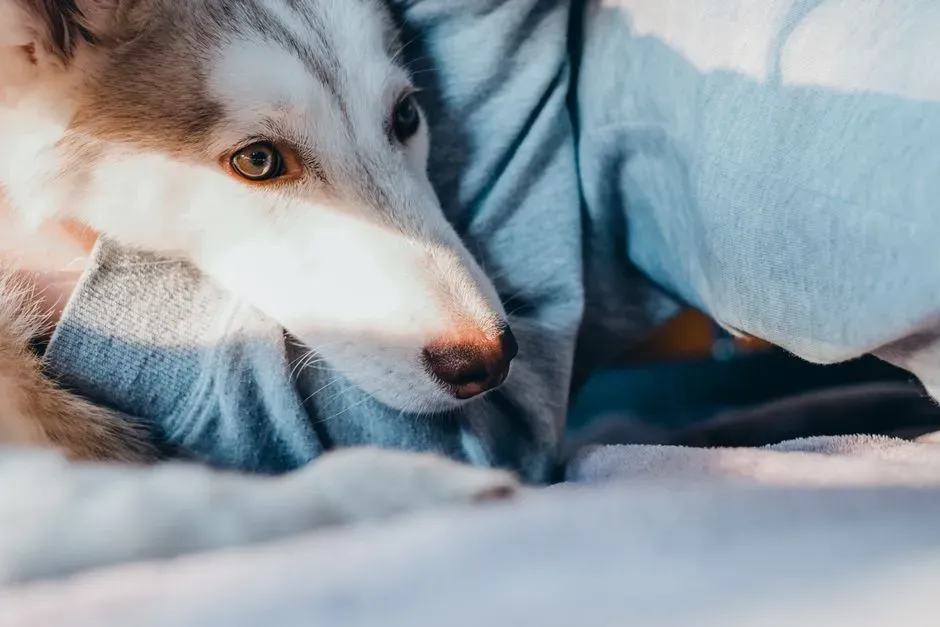
The first thing that happens is internal. Cortisol release in dogs is triggered by stressors such as separation from owners or perceived threats, and a day of emotional absence from their primary person qualifies as exactly that kind of stressor. Your dog doesn’t need to be in obvious distress to be experiencing a real physiological shift.
The signs of anxiety in dogs are often subtle and can easily be misinterpreted unless the full context is understood. You might not notice anything dramatic. What you might miss are the quieter signals: a dog who seems a little more unsettled, who paces briefly near your feet, or who just seems a little “off” without an obvious reason.
When cortisol levels remain elevated for too long, it can lead to behavioral changes such as increased aggression, anxiety, or fearfulness, as well as physical health problems including a weakened immune system and increased susceptibility to illness. A single day is unlikely to cause lasting damage, but it does give you a real window into just how quickly your dog’s body responds to a lack of connection.
#2. Attention-Seeking Behaviors Escalate Quickly
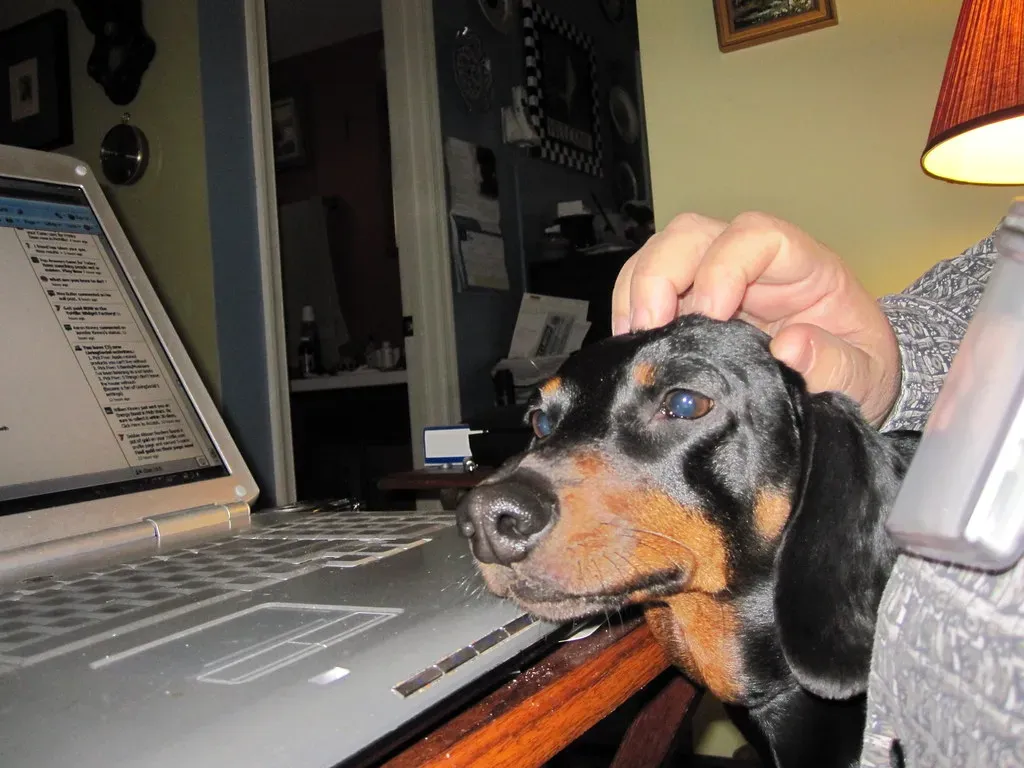
One of the most immediate and visible signs that your dog feels ignored is a sudden surge in behavior designed to get your attention. Attention-seeking behaviors like barking, whining, pawing, jumping, circling, nudging, or destructive chewing tend to escalate when a dog is ignored. These are attempts to reestablish contact. What can read as “bad behavior” is actually your dog communicating as clearly as they know how.
Dogs can ask for a moment of connection in lots of different ways, such as nudging their head under your hand, staring at you from across the room, lying at your feet, touching you with their paw, following you around, or bringing you something. They can also ask by grabbing something they’re not supposed to have, or destroying something you’d rather have kept un-destroyed.
Your dog may be trying to meet a very important need, like the need for social interaction or the need to escape discomfort or fear. In both of these cases, ignoring your dog’s behavior will still leave them with that unmet need. They will continue to display whatever behavior they hope will get them what they need. Recognizing this dynamic changes how you interpret those “annoying” moments entirely.
#3. Their Emotional World Gets Genuinely Disrupted
Dogs are not passive creatures who simply wait for you to return to normal. They’re emotionally attentive in ways that research continues to confirm. Your dog knows how to read your feelings. They know when you are happy, sad, excited, or afraid. So when that emotional engagement disappears for a day, they notice the void on multiple levels.
The dog-owner relationship is reflected directly in the dog’s emotional reactions. A close emotional bond with the owner appears to decrease the arousal of the dogs. That works in reverse too. When that bond is quietly absent for a day, the calming effect of your presence disappears with it, and your dog’s baseline anxiety tends to rise in proportion.
Social behavior can shift noticeably: some dogs become withdrawn and avoidant, while others become hyperdependent and clingy when attention resumes. Neither response is a coincidence. Both are expressions of an animal trying to recalibrate after an unexpected disruption to their most important relationship.
#4. Their Bodies Show Signs You Might Mistake for Something Else
It’s easy to assume that stress in dogs only shows up as visible anxiety, but the physical signs can be easy to misread. Like people, nervous dogs may experience an increased urgency to urinate or defecate. Dogs may also experience gastrointestinal upset that can include vomiting, diarrhea, and refusing food. If your dog suddenly skips a meal or has a stomach issue on a day you’ve been largely unavailable, the connection may be more direct than you’d think.
Stress can cause stomach upset in dogs, which is why nervous dogs might drool or appear nauseous in the moment, and then develop diarrhea shortly after. These aren’t dramatic symptoms, and most owners would chalk them up to something the dog ate. The reality is that emotional stress has a real and fairly immediate impact on canine digestion.
Confusion and stress signs in dogs include yawning, lip-licking, lowered body posture, tucked tail, pacing, and panting without heat, especially in more sensitive dogs. Sleep and activity levels also shift: some dogs nap more while others become noticeably restless. One ignored day can produce a surprisingly wide range of physical responses, most of which are easy to overlook if you’re not watching for them.
#5. The Bond Takes a Small but Measurable Hit
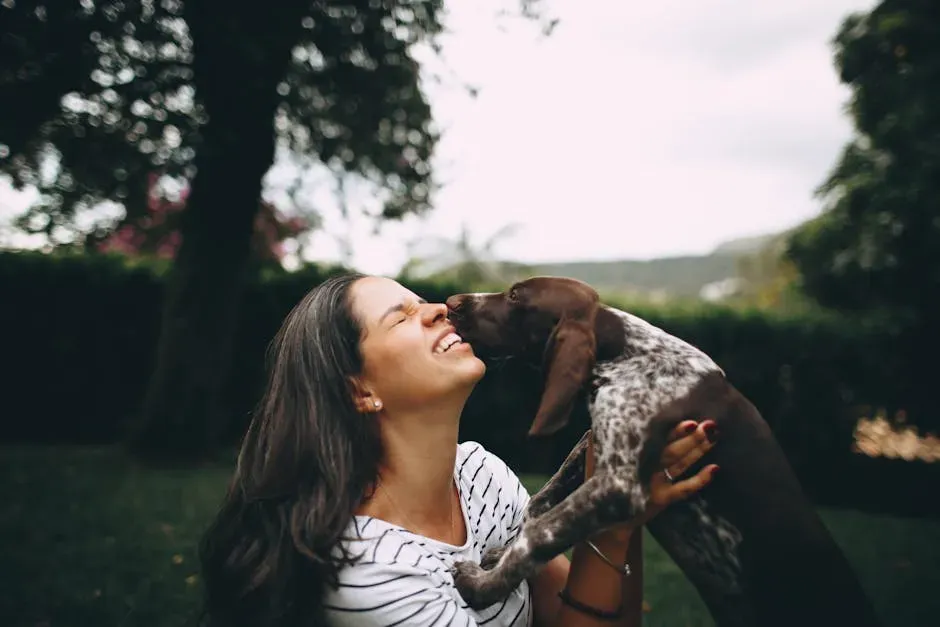
Here’s something worth sitting with. With regard to dogs, there is evidence that the quality of the relationship with the owner may affect their levels of physiological indicators of both acute and chronic stress. Dogs considered as “meaningful companions” or “social partners” by their owners have lower morning cortisol levels, and higher scores indicative of greater emotional closeness are correlated to lower salivary cortisol levels. Consistent presence and engagement isn’t just nice; it’s biologically protective for your dog.
Dogs look for patterns of behavior in their owners. If you’re on your phone quite frequently, your dog is likely to come to an understanding that that is a time when you are occupied. Too much of this can weaken the bond and leave them feeling unfulfilled. One day of distance is not going to undo years of connection, but patterns matter more than most people realize.
Pets are typically social creatures, and the relationship you share is one of their most important connections. Regular interaction with human family members keeps pets emotionally fulfilled and prevents feelings of isolation. For dogs, this could involve daily walks, playing fetch, or simply cuddling on the couch. The good news is that reconnecting is straightforward. A walk, a few minutes of focused play, even just sitting close together without a phone in your hand, goes a long way toward restoring what was briefly lost.
What This All Means for How You Show Up Daily
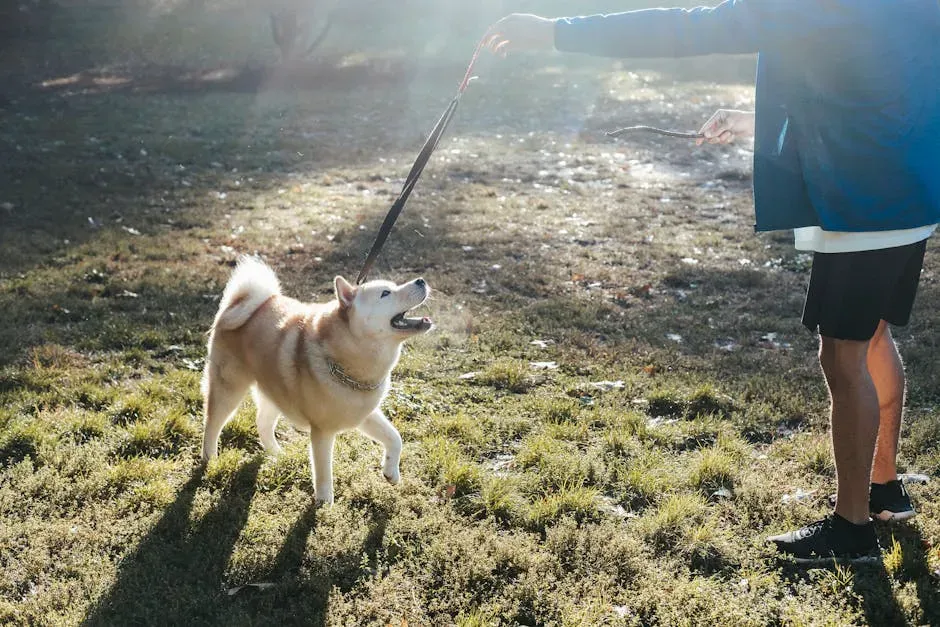
A single ignored day won’t break your dog. Most resilient, well-bonded dogs will bounce back quickly once you’re present again. What this knowledge does offer is a more honest picture of what your dog’s emotional life actually looks like, and how directly it’s tied to your availability.
Dogs can experience anxiety and stress, especially when left alone for long periods. Research has found that dogs that are regularly active and engaged show lower levels of cortisol, the stress hormone. Physical activity is a natural way for dogs to release pent-up energy and reduce stress, while socialization provides essential mental stimulation and emotional support.
Scheduling your dog’s meals, walks, play time, and training time so that they know when to expect these activities throughout the day creates the kind of predictability that genuinely settles a dog’s nervous system. Routine is its own form of reassurance. It tells them, without words, that you’re paying attention.
Dogs are extraordinarily good at forgiving the occasional off day. What they’re not built for is invisibility. The fact that one day of inattention produces a measurable emotional and physical response says something worth remembering: to your dog, you aren’t just the person who feeds them. You’re their entire world, and the quality of their day is mostly determined by how present you choose to be in it.

- 6 Exotic Bird Species You Can Spot in U.S. National Parks - July 19, 2026
- 11 Iconic American Birds Facing New Challenges and How You Can Help - July 19, 2026
- 10 Friendliest Animals in the World - July 19, 2026