

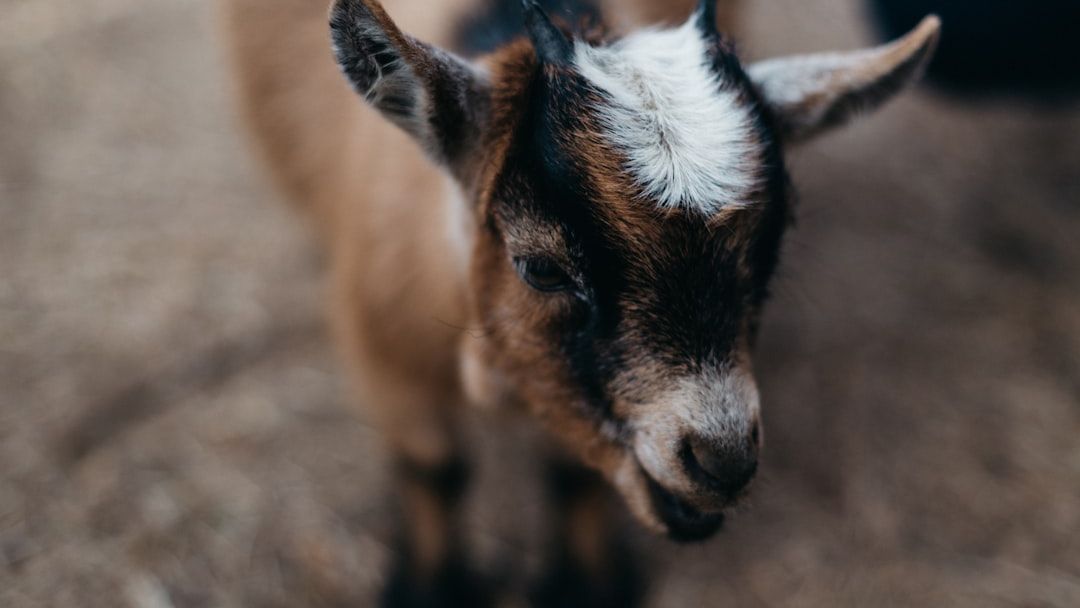
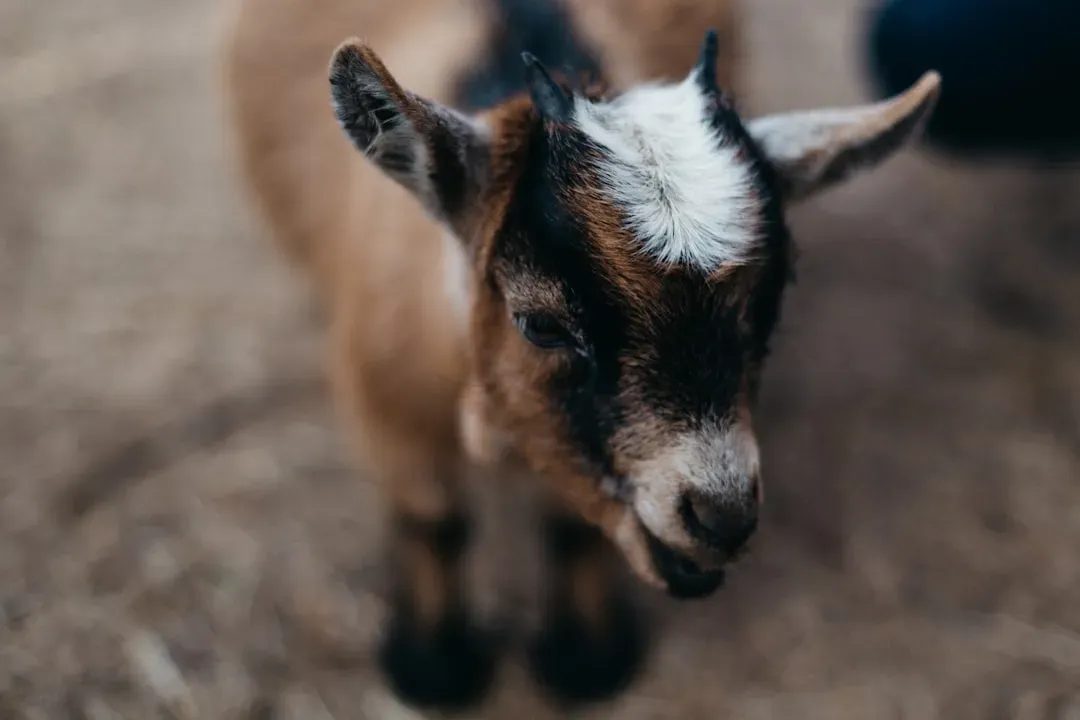
A tiny goat named Graham entered the world facing immediate heartbreak when his mother rejected him just a day after birth. Without the crucial colostrum that builds early immunity, he quickly developed life-threatening sepsis that spread to his joints. Rescuers at Austin Farm Sanctuary stepped in with urgent care, turning a desperate situation into one of triumph. Just a day after The Dodo shared his story on March 18, Graham’s journey has animal lovers buzzing with hope and admiration.
Chris, a dedicated caregiver at the sanctuary, became Graham’s lifeline during those precarious first weeks. What started as a fight for survival has blossomed into playful farm adventures. Here’s how this little fighter made it through.
A Heartbreaking Start Without Maternal Care
Graham’s challenges began almost instantly. Rejected by his mother, he missed out on colostrum, the nutrient-rich first milk packed with antibodies essential for newborn goats. This left him wide open to bacterial infections, and sepsis struck fast, causing high fevers, extreme lethargy, and dangerous inflammation throughout his tiny body. At just days old, his survival hung in the balance, as neonatal goats without proper immunity face staggering risks.
Veterinarians at the sanctuary diagnosed the condition swiftly, knowing that timely action makes all the difference. Survival rates for such severe cases in young kids often dip below half, underscoring the peril Graham endured. The team’s rapid response with antibiotics and supportive therapies stabilized him just in time. His story highlights how maternal rejection, common in some herds, can cascade into deadly complications without intervention.
Intensive Treatment and Daily Struggles
Recovery demanded nonstop attention from the sanctuary staff. Caregivers administered intravenous fluids around the clock, closely monitored vital signs, and hand-fed specialized milk formulas to rebuild his strength. Multiple rounds of antibiotics targeted the infection that had invaded his joints, requiring careful adjustments as his body fought back. Isolation in a warm recovery area prevented further exposure, while constant human presence combated the emotional strain of abandonment.
Chris stayed by his side, bottle-feeding him during everyday chores like laundry and dishes, which helped build trust. “He was so tiny, but his will to live was fierce,” Chris recalled. Subtle signs of progress, like brighter eyes and steadier attempts to stand, kept the hope alive amid the exhaustion. This hands-on approach addressed both physical sepsis and the psychological toll, proving essential for his turnaround.
Milestones That Marked True Healing
Breakthroughs arrived gradually but surely. Graham started nibbling hay, signaling his digestive system was on the mend after weeks of formula-only feeds. Physical therapy strengthened his wobbly legs, evolving shaky steps into bold trots by the one-month point. Energy surged as he matched the vigor of his healthy peers, scampering with newfound confidence.
These victories demonstrated the impact of early, aggressive care in neonatal sepsis cases. No longer frail, Graham shed the shadows of his ordeal. His adaptability shone through, inspiring the team to push forward with similar rescues. By then, the once-clingy kid showed independence, a clear win over his joint infections.
Thriving in the Herd and Sanctuary Spotlight
Integration into farm life came next, handled with care to avoid setbacks. Introduced slowly to other baby goats, Graham formed quick bonds through chases and playful head-butts. Free to roam lush pastures, he emerged as the group’s energetic leader, sparking games that kept everyone active. This socialization slashed stress, aiding full physical recovery.
Visitors now learn about rescue realities through his lively presence. At Austin Farm Sanctuary, Graham zooms with friends, embodying pure joy. Community donations fueled his advanced treatments, extending the sanctuary’s reach. His transformation from isolation to herd heartthrob captivates all who hear it.
Chris’s Reflections on a Life Saved
Chris opened up about the emotional rollercoaster of Graham’s care. “Watching him heal after rejection was emotional; it reminded us why we do this work,” he shared. Patience proved key, with small wins like Graham’s first solo stand fueling momentum. Bottle sessions mimicked mom duties, forging unbreakable trust.
Chris credits community backing for enabling top-tier meds and monitoring. Graham’s clinginess evolved into affectionate farm antics. These insights reveal the blend of science and heart behind sanctuary successes. His role went beyond meds, nurturing the spirit that powered Graham’s fight.
Final Thought
Graham’s saga proves dedication can rewrite the grimmest fates for vulnerable newborns. From sepsis survivor to farm zoomer, he symbolizes resilience in animal welfare. What odds would you bet on for a kid like him? Share your thoughts below.
Source: Original YouTube Video

- Urban Coyotes Show Remarkable Adaptability, Learning to Thrive in City Environments - July 22, 2026
- Beavers Are Nature’s Engineers, Creating Vital Habitats for Other Wildlife Species - July 21, 2026
- The Recovery of the California Condor Offers Hope for Other Critically Endangered Birds - July 21, 2026