

Every autumn, something extraordinary happens in the skies above North America. Millions of delicate creatures, each weighing less than a single gram, embark on an epic journey that seems impossible. These butterflies don’t follow a learned path or receive guidance from experienced elders. They simply fly, guided by an internal compass that scientists are only beginning to understand.
It’s hard to wrap your head around the idea that an insect with a brain smaller than a pinhead can navigate across an entire continent with pinpoint accuracy. These journeys span thousands upon thousands of miles, crossing mountains, deserts, and vast bodies of water. What’s even more mind-boggling is that many of these travelers have never made the trip before. They’re essentially flying on instinct alone, following invisible highways written into their very DNA.
The Monarchs’ Marathon Journey Across a Continent

The eastern monarch butterfly population travels up to 3,000 miles from the northeastern United States and Canada to reach overwintering sites in southwestern Mexico. Picture that for a moment: a creature that could fit comfortably on your fingertip making a journey roughly equivalent to traveling from New York City to Los Angeles. Some individual butterflies have covered distances approaching 4,000 kilometers, which is absolutely staggering when you consider their size.
What makes this journey even more remarkable is the timeline. Migrating only during daylight hours, the butterflies travel anywhere between 148 kilometers and 185 kilometers per day. They ride air currents and thermals like seasoned pilots, conserving precious energy for the long haul ahead. Think about it: they’re essentially hitchhiking on the wind while still maintaining their course.
Unlike summer generations that live for two to six weeks as adults, adults in the migratory generation can live for up to nine months. This extended lifespan is crucial because the journey demands it. These autumn travelers are built differently from their summer cousins, both physiologically and behaviorally.
The destination is equally fascinating. The overwintering sites are clustered atop the mountains of Michoacán in central Mexico in a handful of oyamel fir groves. These butterflies somehow pinpoint a few specific mountainsides out of the entire North American landscape.
A Sun Compass That Tells Time
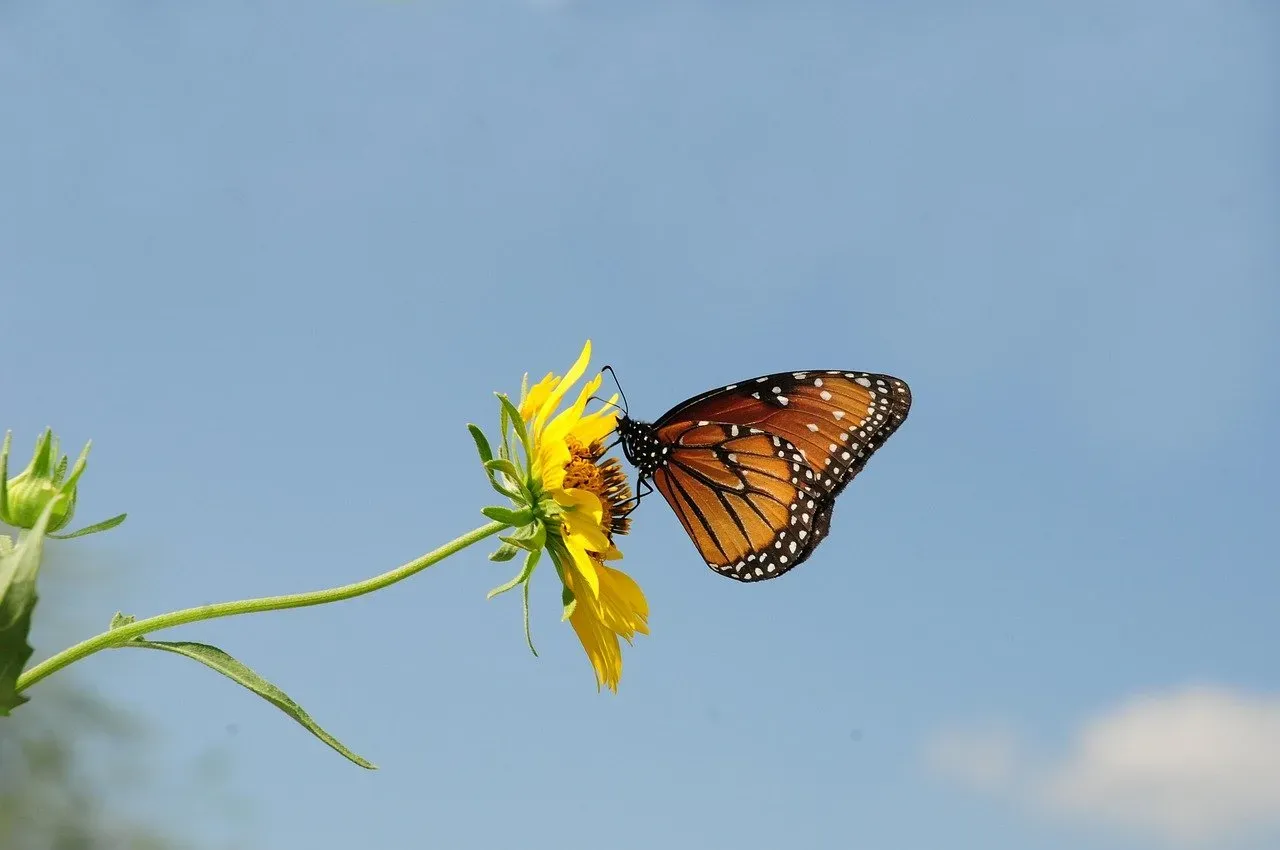
Here’s where things get really interesting. Monarch butterflies navigate using a time-compensated sun compass, where skylight cues such as the sun itself and polarized light are processed through both eyes and likely integrated in the brain’s central complex. Essentially, they’re using the sun’s position combined with their internal biological clock to determine which direction is south.
But there’s a catch. The sun moves across the sky throughout the day, right? Time compensation is provided by circadian clocks that have a distinctive molecular mechanism and that reside in the antennae. So these butterflies have tiny clocks in their antennae that help them adjust for the sun’s movement. It’s like having a built-in GPS system that accounts for time zones.
Their compass integrates two pieces of information – the time of day and the sun’s position on the horizon – to find the southerly direction. The precision required here is extraordinary. Imagine trying to navigate using only the sun and a wristwatch, adjusting constantly as both change throughout your journey.
Scientists have found that the encoding of the sun was narrower in migratory compared to non-migratory butterflies, which might reflect the need of the migratory monarchs to rely on a precise sun compass to keep their direction during their journey. Their navigation system is actually fine-tuned specifically for migration.
The Magnetic Backup System

What happens on cloudy days when the sun isn’t visible? This puzzled scientists for years, especially since migrants have been observed flying in the expected southern migratory direction during the fall migration even during the absence of directional daylight cues. The answer turns out to be another layer of navigational sophistication.
Migrants possess an inclination magnetic compass to help direct their flight equatorward in the fall. Just like sea turtles and migratory birds, monarchs can sense Earth’s magnetic field. The antennae appear to contain light-sensitive magnetosensors, which means these structures serve double duty as both time-keepers and magnetic detectors.
Honestly, it’s hard to believe that something so small could pack so much technology into its tiny body. The use of this inclination compass is light-dependent utilizing ultraviolet-A/blue light between 380 and 420 nanometers. This specific wavelength requirement explains why earlier studies that didn’t account for these light conditions failed to detect the magnetic compass.
The inclination compass is an essential orientation mechanism that migrants can use when directional skylight cues are unavailable, and it may also augment time-compensated sun compass orientation. So they’re running two navigation systems simultaneously, like having both GPS and traditional map-reading skills.
Flying on Genes, Not Memory
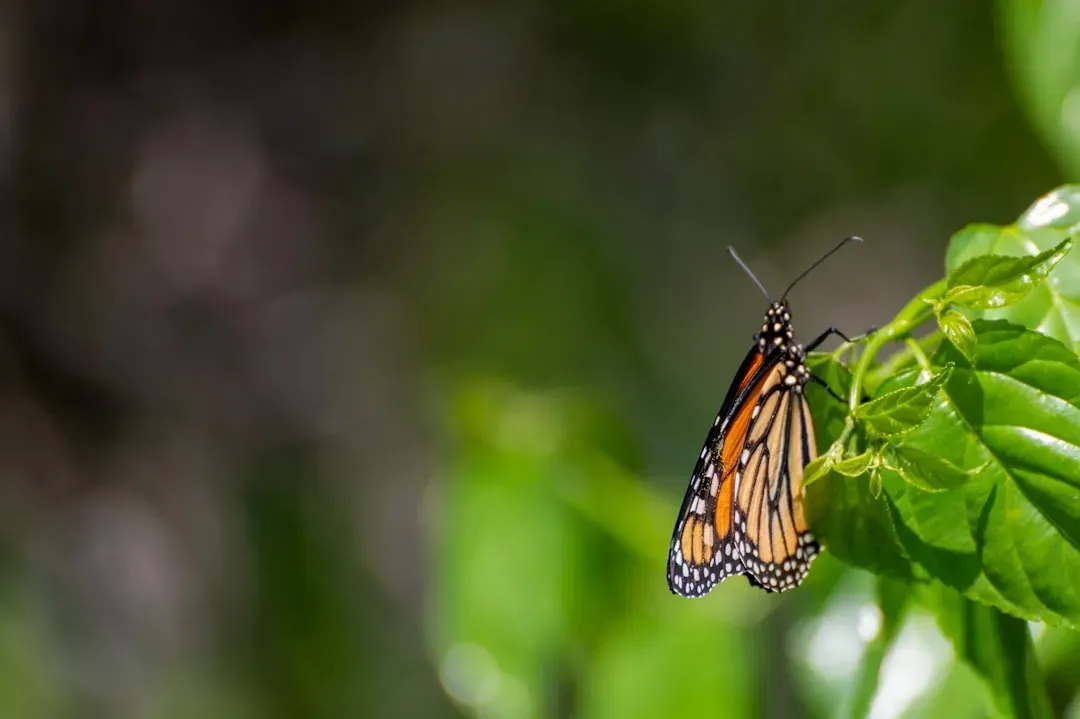
Let’s be real: the most shocking aspect of butterfly migration is that the remarkable navigational abilities of monarch butterflies are part of a genetic program that is initiated in migrants – it is not learned, as the butterflies migrating are always on their virgin journey. No butterfly teaches them the route. No elder shows them the way. They’re born knowing.
The northern-migrating butterflies are at least four generations removed from overwintering sites. This means the great-great-grandchildren are finding the exact same Mexican mountainsides their ancestors left months earlier. How is this even possible?
Scientists identified a single gene that appears central to migration – a behavior generally regarded as complex. Migratory butterflies expressed greatly reduced levels of collagen IV α-1, a gene involved in flight muscle formation and function. This gene difference makes their flight muscles more efficient, allowing them to cover vast distances.
The team discovered that migratory monarchs consumed less oxygen and had significantly lowered flight metabolic rates, which likely increases their ability to fly long distances compared to non-migratory butterflies. They’re literally built for endurance flying at the genetic level. The migration isn’t just behavior; it’s written into their physical structure.
The Painted Lady’s Even Longer Journey
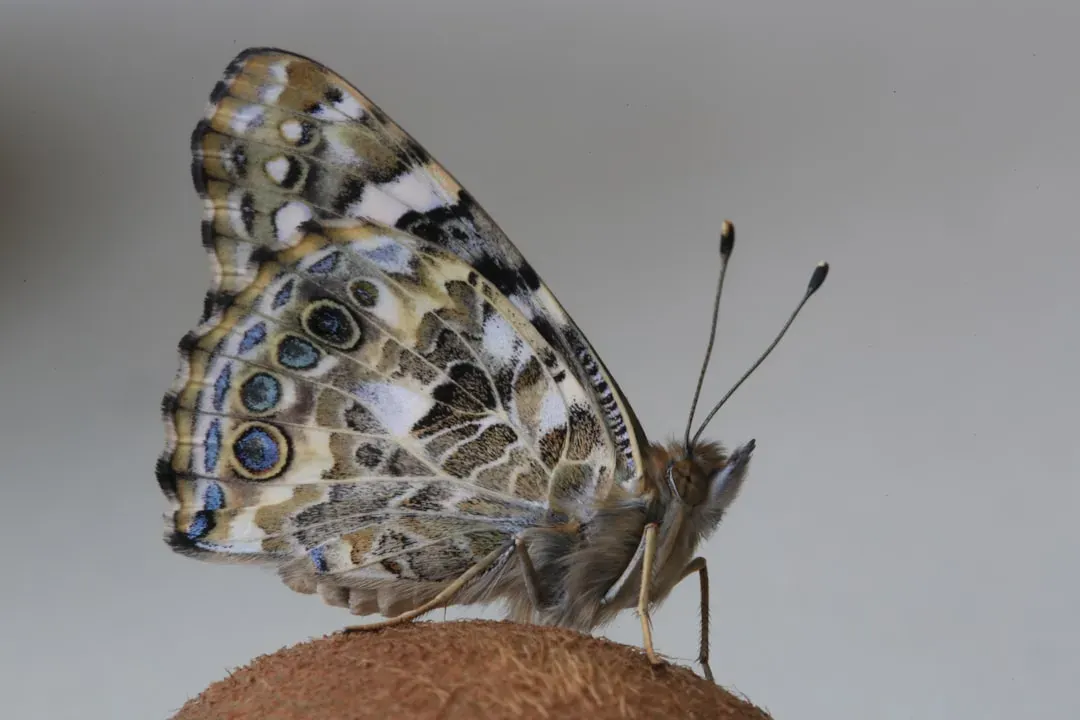
Think the monarch’s journey is impressive? Meet the painted lady butterfly. The species undertakes a phenomenal 9,000 mile round trip from tropical Africa to the Arctic Circle – almost double the length of the famous migrations undertaken by Monarch butterflies in North America. That’s right: nearly double.
Up to six successive generations of painted lady butterflies complete a 9,000 miles round trip from tropical Africa to the Arctic Circle. These butterflies don’t just migrate; they create a relay race across continents. Radar records revealed that Painted Ladies fly at an average altitude of over 500 metres on their southbound trip and can clock up speeds of 30 miles per hour by selecting favourable conditions.
In an absolutely incredible documented case, a painted lady butterfly dispersal event covered at least 4,200 kilometers across the ocean, potentially flying non-stop over the Atlantic. Painted lady butterflies are flying more than 2,600 miles over the Atlantic Ocean without stopping, one of the longest recorded journeys ever taken by a flying insect. Imagine flying across an ocean with no place to land and rest.
Unlike monarch butterflies, chemical signatures in the painted lady wings reveal that they can make the trip in a single generation, making it the longest continuous butterfly migration ever recorded. One butterfly, one journey, thousands of miles. The endurance required is beyond comprehension.
Nature’s Most Persistent Travelers

These migration patterns have been happening for thousands, possibly millions of years. Every year, for millions of years, a huge number of painted lady butterflies have migrated thousands of miles across Europe, the Middle East and Africa. It’s a phenomenon that predates human civilization, cities, and modern geography.
This massive movement of butterflies has been recognized as “one of the most spectacular natural phenomena in the world”. Scientists are still unraveling the mysteries behind these journeys, using everything from radar tracking to genetic sequencing to understand how these delicate creatures accomplish what seems impossible.
The monarchs’ journey faces increasing threats. Extreme weather events are a primary cause of the more than 50 percent drop in the population in the past year. Climate change, habitat loss, and declining milkweed populations all threaten this ancient migratory pattern. What took millions of years to evolve could disappear within our lifetimes.
Yet butterflies keep adapting. When droughts struck Europe, painted ladies simply adjusted their routes to find flowers near melting glaciers at high altitudes. They’ve survived countless environmental changes over millennia. The question is whether they can adapt fast enough to survive the rapid changes happening now.
Conclusion
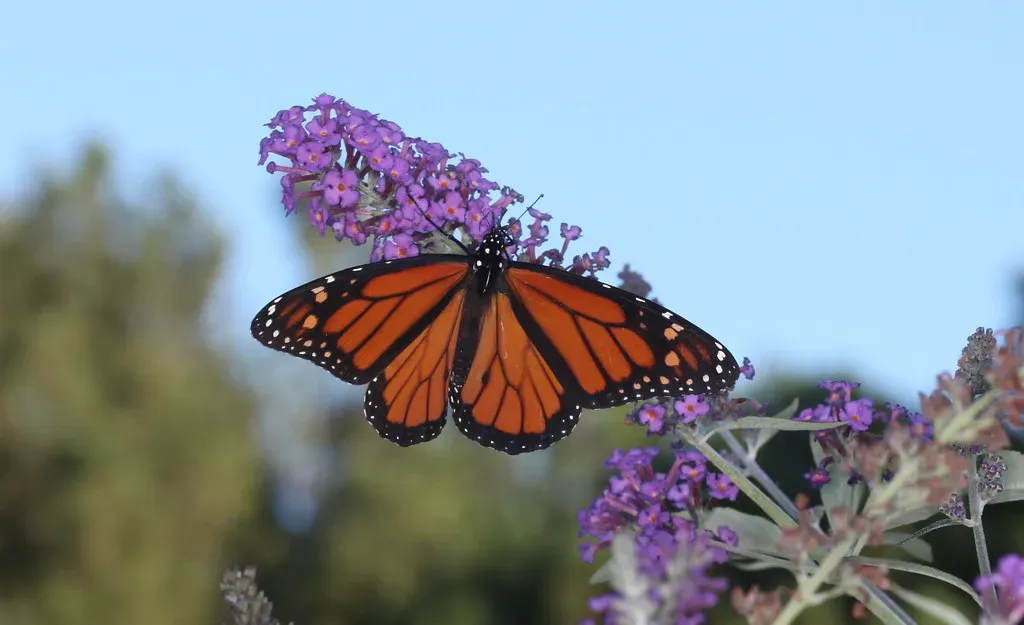
The precision with which butterflies navigate thousands of miles remains one of nature’s most captivating mysteries. These fragile insects, armed with sun compasses, magnetic sensors, and genetic programming, accomplish journeys that seem to defy the laws of physics and biology. They cross continents and oceans guided by mechanisms we’re only beginning to understand.
What strikes me most is the combination of delicacy and determination. Something that weighs less than a paperclip, with a lifespan measured in weeks or months, can find its way to a specific grove of trees it has never seen before. That’s not just impressive – it’s humbling.
As we watch monarch numbers decline and migration patterns shift, we’re reminded that we’re witnessing something irreplaceable. These migrations have been happening since long before humans walked the earth. Will they continue long after we’re gone? That depends partly on what we do now to protect these incredible travelers and the habitats they depend on. What do you think – can we do enough to preserve one of nature’s greatest spectacles?

- 14 Quiet Signs Your Dog Knows Its Time Is Near and Wants You Close - July 22, 2026
- 10 Falcon Facts That Will Blow Your Mind - July 22, 2026
- 5 Incredible Migratory Journeys Animals Make Every Year - July 22, 2026