

Most people notice a butterfly for its wings. The colors, the slow drift from flower to flower, the effortless elegance of it all. What very few people think about is what’s happening the moment those delicate legs touch down. Because in that split second, the butterfly isn’t just resting. It’s tasting.
This isn’t a metaphor. It isn’t even loosely figurative. Butterflies have contact chemoreceptors on their feet, so they genuinely “taste” plant chemicals through their feet, just as we use the receptors on our tongue to taste our food. It’s one of those facts that sounds made-up right up until you understand the biology behind it.
The Tiny Taste Buds Hidden in Their Feet
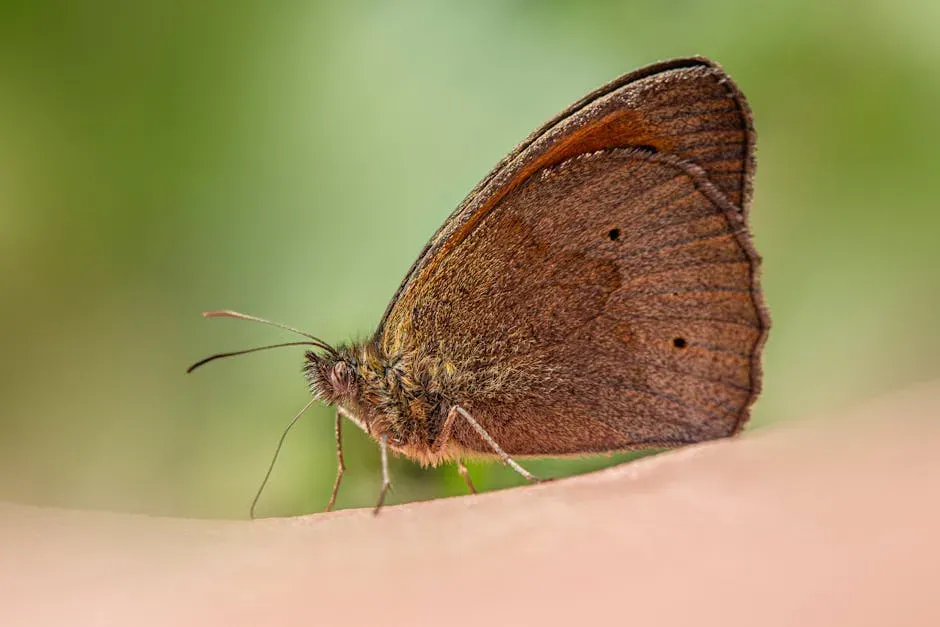
The mechanics of this ability come down to a structure called the tarsus. In butterflies, chemoreceptors lie on the tarsus, which is the outermost segment of each leg, the part that makes contact with the world. Think of it as the functional equivalent of a fingertip, only one that can taste.
The taste buds are called contact chemoreceptors, taste receptors, or basiconic sensilla in some literature. These chemoreceptors are attached to nerve endings. When chemicals present in the insect’s surroundings come in contact with the chemoreceptors, they activate the nerves, which relay the information to the insect’s brain.
Just as humans can taste sweet in sugar and the bitterness of medicine, insects can sense different tastes too. They can sense sweet, bitter, sour, and salty through their chemoreceptors. It’s a remarkably complete palate for an animal most of us never think of as tasting anything at all.
Why Tasting With Feet Makes Perfect Sense
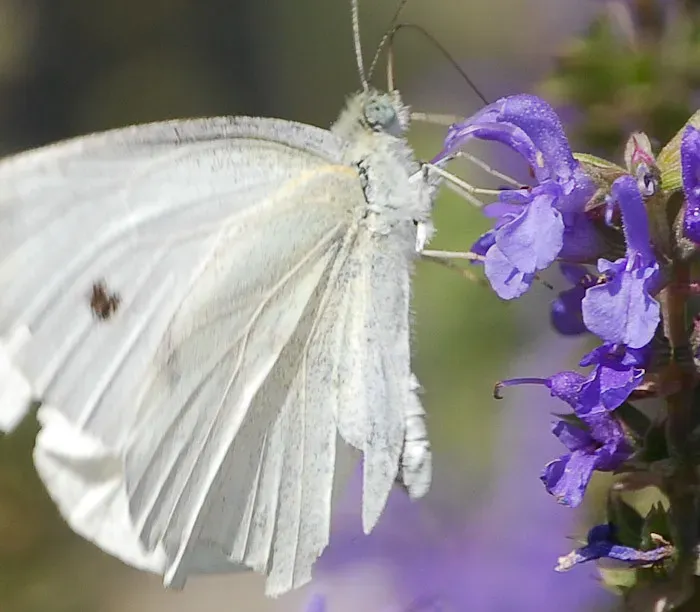
Butterflies possess a tube-like feeding structure called a proboscis, which enables them to feed upon nectar or juices. However, while the proboscis may look like the butterfly equivalent of a tongue, it actually does not have any taste sensors. So the mouth, in any meaningful sensory sense, is not the first line of investigation.
The feet, then, do the scouting. Butterflies operate with a proactive vetting system. They don’t need to extend their long, straw-like proboscis to know if a plant is worth their time. By tasting with their feet, a butterfly can instantly confirm if a plant offers nectar or is suitable for egg-laying without fully committing to a feeding attempt.
Organs on the back of butterfly tarsi sense dissolved sugar; when the dissolved sugar touches these chemoreceptors, the butterfly extends its proboscis to eat the nectar its tarsi have sensed. The feet give the signal. The proboscis follows. It’s an elegantly efficient sequence.
A Mother’s Most Critical Decision
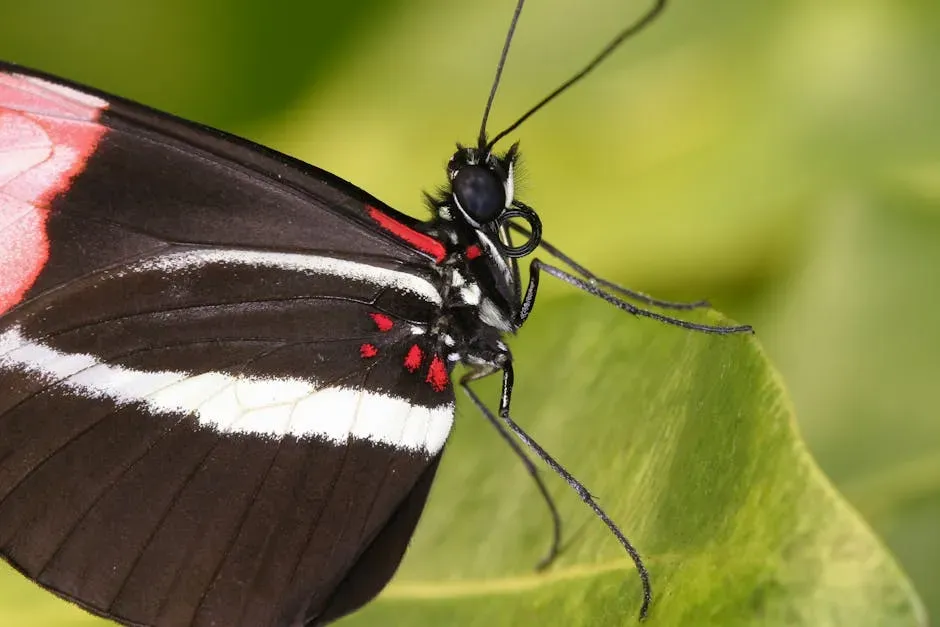
For female butterflies, foot-tasting carries a purpose that goes far beyond finding a meal. A female butterfly doesn’t taste the plant leaves because she is interested in eating them herself. Her main concern is finding an appropriate plant for her offspring to feed on. She needs to detect the right combination of chemicals on a leaf to determine whether that plant is safe, not toxic, for her caterpillars before she lays an egg.
Chemoreceptors are at the base of spines on the back of the legs, and they run up along the spine to its tip. Females drum their legs against the plant, which releases plant juices. The chemoreceptors along the spines tell the butterfly whether they are standing on the correct host plant.
Her chemoreceptors allow her to “taste” the specific chemical compounds of a plant, verifying if it is the correct and safest host plant for her eggs. Laying eggs on the wrong plant means her caterpillars won’t have the specific food they need to survive. It’s a decision with generational consequences, made through the soles of her feet.
How Fast and How Sensitive Is This System?
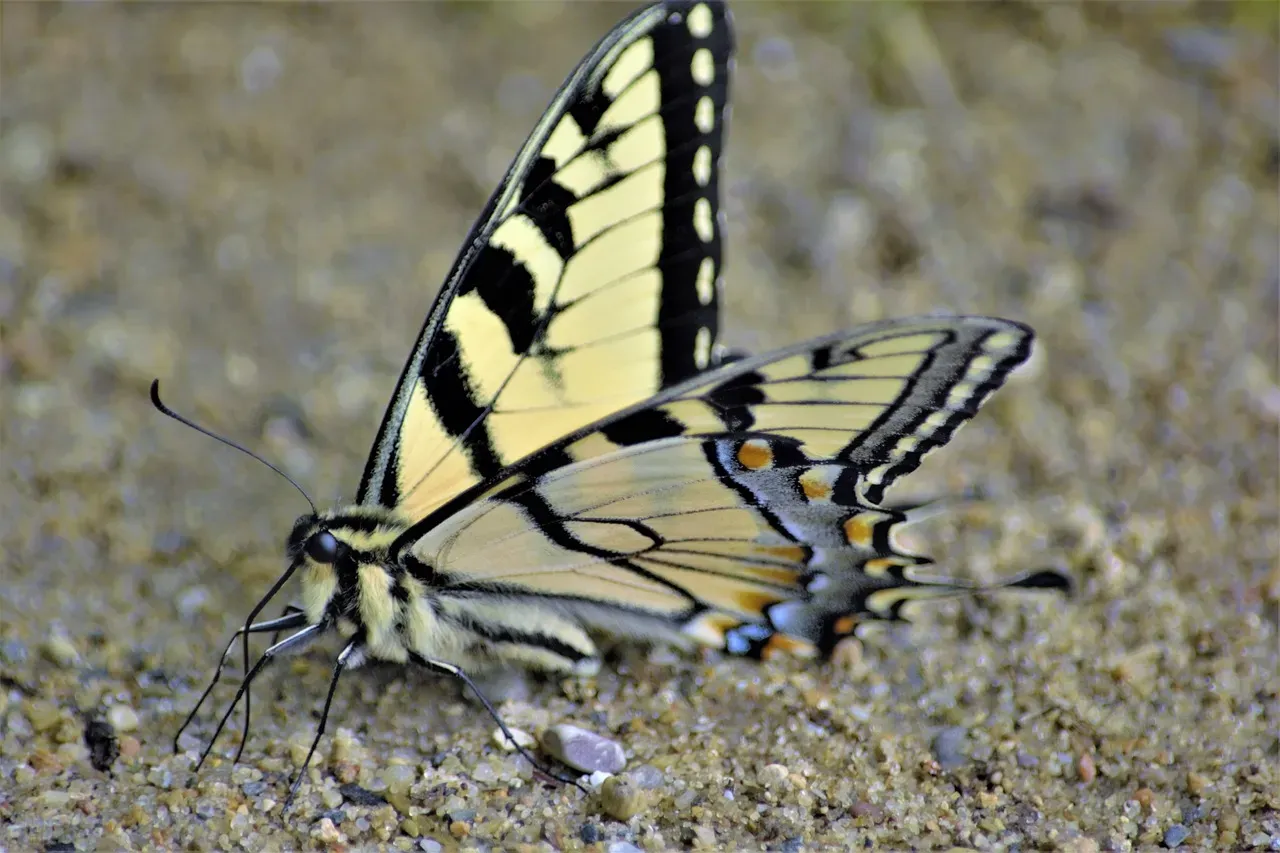
The speed of this process is worth appreciating. Researchers found that each sensillum houses multiple receptor cells, each tuned to different chemical classes including sugars, salts, amino acids, and even toxins. These cells send electrical impulses along neuronal pathways to the butterfly’s central nervous system, where rapid processing informs flight decisions. In many species, this sensory feedback loop takes less than a fifth of a second.
In butterflies, chemoreceptors are nerve cells that open onto the surface of the exoskeleton and react to the presence of different chemicals in the environment. They operate on a system similar to a lock and key. When a particular chemical runs into a chemoreceptor, it fits into a “lock” on the nerve. This sends a message to the nerve cell telling the butterfly that it has encountered the chemical.
There’s also a precision threshold involved in foraging. According to the Encyclopedia Britannica, butterflies exhibit proboscis extension reflexes only after tarsal sensilla detect sufficient sugar concentrations. In laboratory experiments, Painted Lady butterflies refused to uncoil their proboscis on substrates below ten percent sucrose, an elegantly precise threshold that conserves energy and directs them to the most rewarding flowers.
What This Tells Us About Nature’s Ingenuity
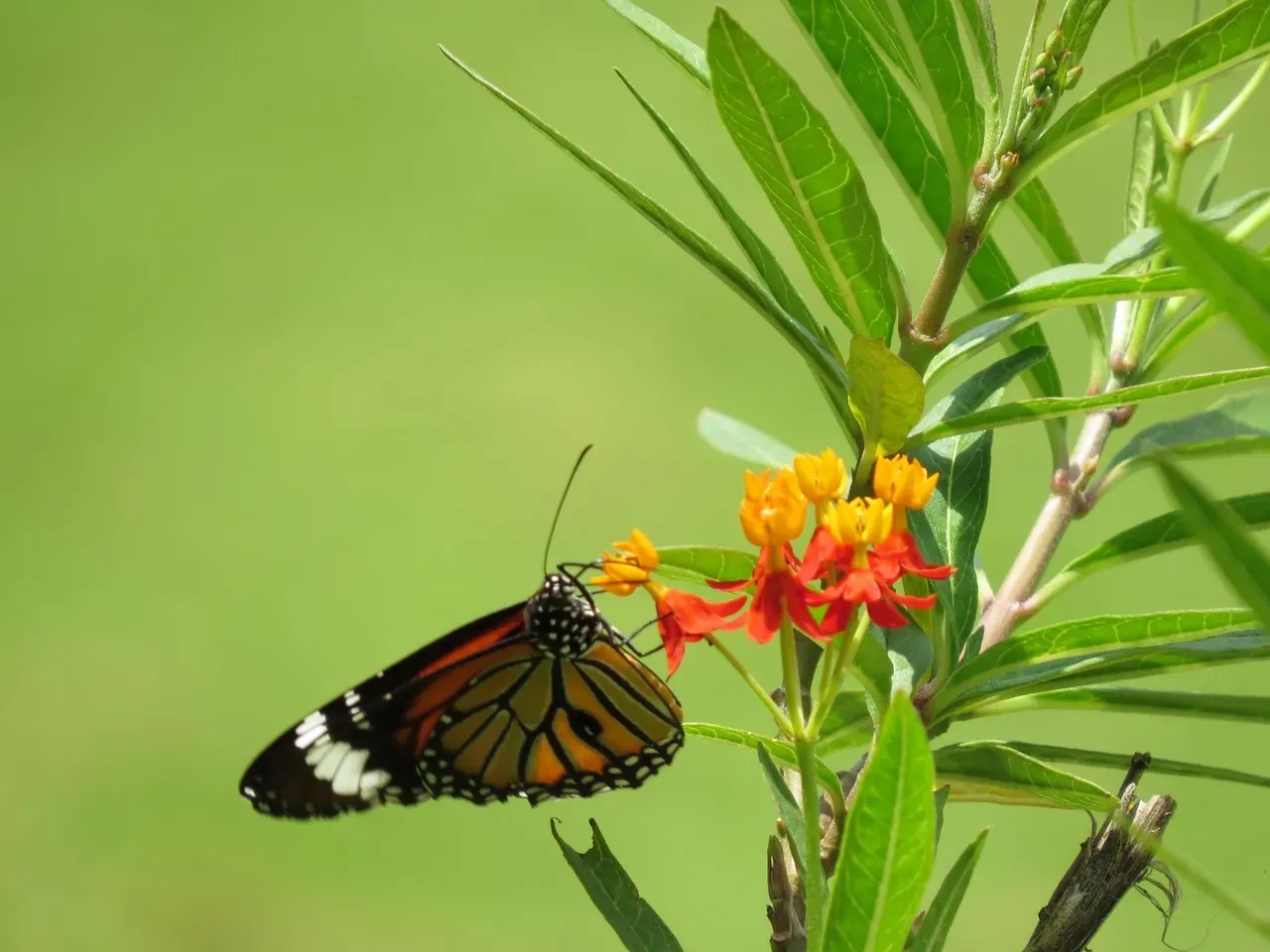
Having an animal’s feet serve as taste organs sounds preposterous, which is probably why researchers never even considered the possibility. Most early research in the field looked at the antenna or the palpi, part of the butterfly mouthparts, as the primary taste organs. The thinking was that if humans and most other mammals had a tongue for taste, a similar organ must serve the same function in insects. Nature rarely works in such a straight and predictable manner.
A review published in Insect Molecular Biology noted that multiple behavioral studies have shown that butterflies use taste to make many important choices. This informs not only what in their surroundings is food, but also guides them in choosing a mate, and deciding where to lay their eggs. Taste, for a butterfly, is essentially a full decision-making system.
This toe-tasting adaptation has significant ecological implications. Researchers note that changes in plant chemistry, due to soil nutrients or pollution, can disrupt butterfly foraging patterns and breeding success. Monitoring butterfly landings provides field scientists with real-time indicators of ecosystem health. A butterfly touching down on a leaf isn’t just a pretty sight. It’s data in motion.
Conclusion
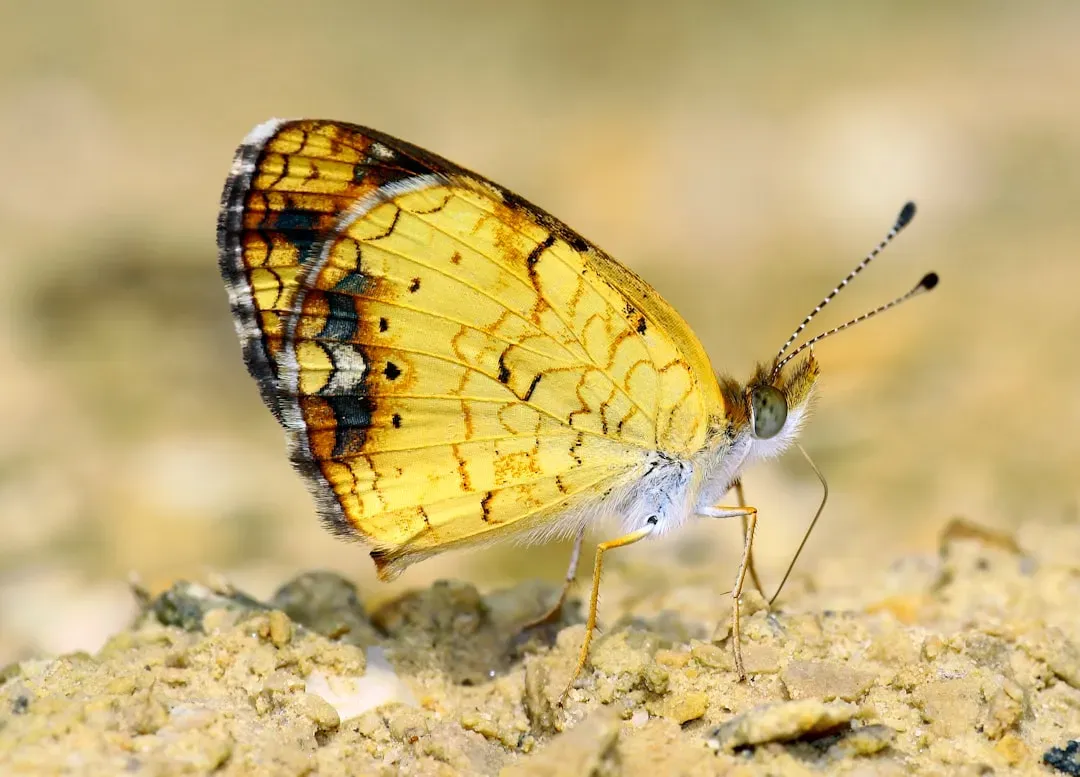
The fact that butterflies taste with their feet is genuinely one of biology’s more quietly astonishing details. It reframes what we see when a butterfly lands on a flower. That moment isn’t passive. It’s investigative. The butterfly is sampling, measuring, deciding.
An intricate test, a survival strategy that has developed over millions of years, is actually what happens when a butterfly lands on a flower. Every landing is a chemical conversation between the insect and its environment.
There’s something grounding in that. Nature tends to solve problems not in the way we’d expect, but in the way that actually works. The butterfly didn’t need a tongue for tasting. It had six perfectly good feet already.

- 10 Ancient Ruins Hidden Deep Inside Dangerous Landscapes - August 12, 2026
- 15 Dog Breeds That Are Surprisingly Good with Cats (and 5 to Avoid) - August 12, 2026
- Why Some Dog Breeds Form Unbreakable Bonds with Their Human Families - August 12, 2026