


Mount Rainier is a North American National Park from southeast Pierce County to northeast Lewis County in Washington state. It includes Mount Rainier, an active volcano that is the most glaciated peak in the contiguous U.S.A. It is crawling with wildlife. Let’s look at the top 21 animals that call Mount Rainier National Park home.
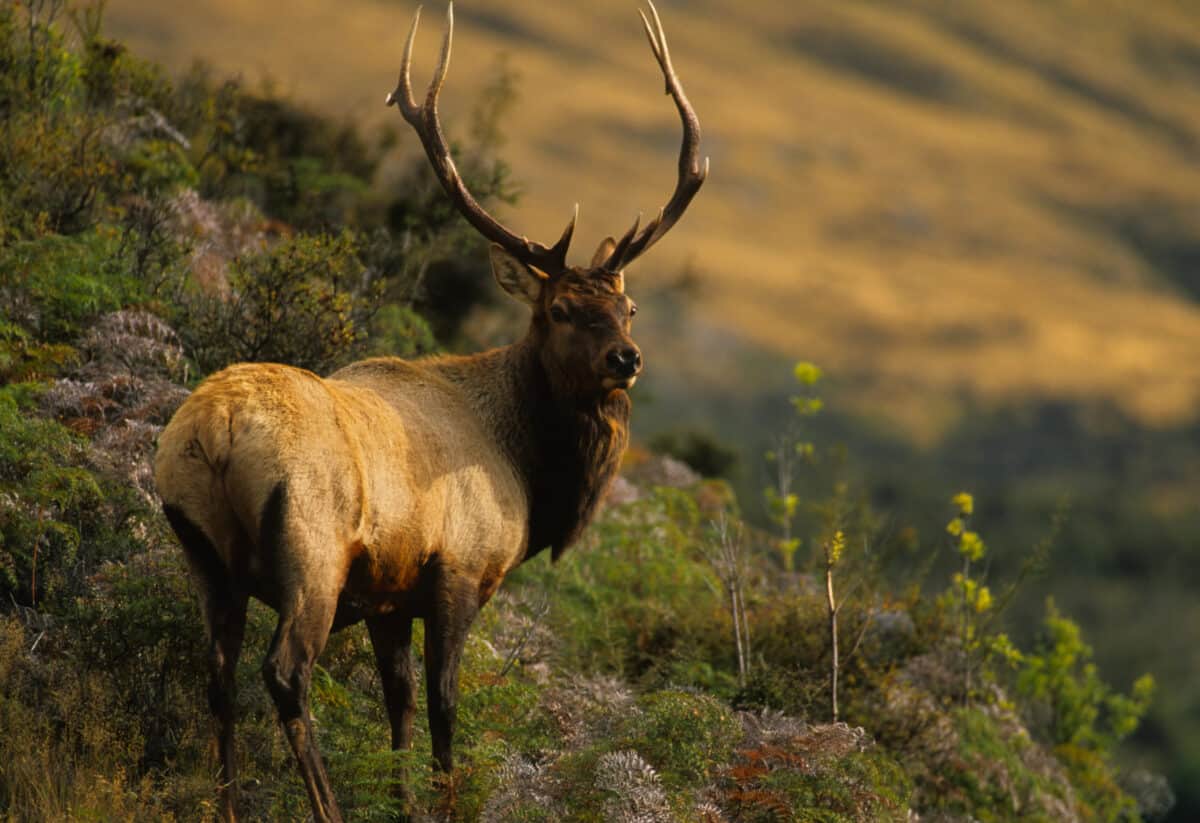
1. Roosevelt Elk
🔥 Would you like to save this?
We'll email this post to you, so you can come back to it later!
The largest elk species in North America, often seen grazing in meadows and forests.
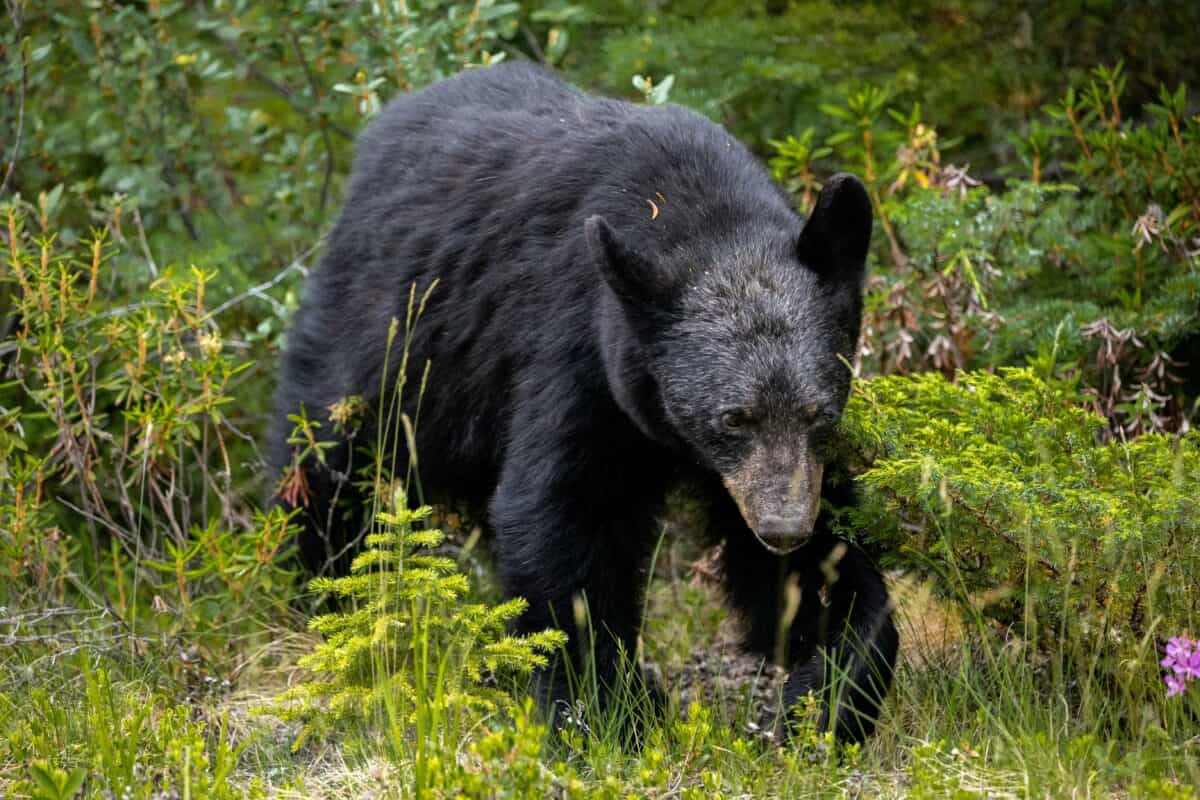
2. Black Bear
🔥 Would you like to save this?
We'll email this post to you, so you can come back to it later!
Commonly spotted in the park, particularly in wooded areas foraging for food. They are omnivoires and mainly feed on berries and nuts as well as small mammals and insects.
3. Mountain Goat

🔥 Would you like to save this?
We'll email this post to you, so you can come back to it later!
Known for their agility in rocky terrain, these goats inhabit high alpine areas. These goats are endemic o the remote and rugged mountains of North America.
4. Douglas Squirrel

Image by Jennifer Uppendahl via Unsplash
🔥 Would you like to save this?
We'll email this post to you, so you can come back to it later!
A small, agile squirrel found throughout the forests of Mount Rainier. It is also known as the pine squirrel.
5. Cougar

🔥 Would you like to save this?
We'll email this post to you, so you can come back to it later!
A solitary predator, cougars roam the park’s forests and prey on animals such as deer, elk, moose, mountain goats, and wild sheep.
6. Northern Spotted Owl

🔥 Would you like to save this?
We'll email this post to you, so you can come back to it later!
A nocturnal bird of prey, often found in old-growth forests. The most important food items are flying squrrels and woodrats.
7. Pacific Tree Frog

🔥 Would you like to save this?
We'll email this post to you, so you can come back to it later!
Small amphibians commonly found near streams and wetlands. It can be found in almost any habitat where there are steams that make suitable breeding waters.
8. Pine Marten

🔥 Would you like to save this?
We'll email this post to you, so you can come back to it later!
Agile and elusive, pine martens are skilled climbers and hunters in the park’s forests. They have semi-retractable claws used for climbing and running.
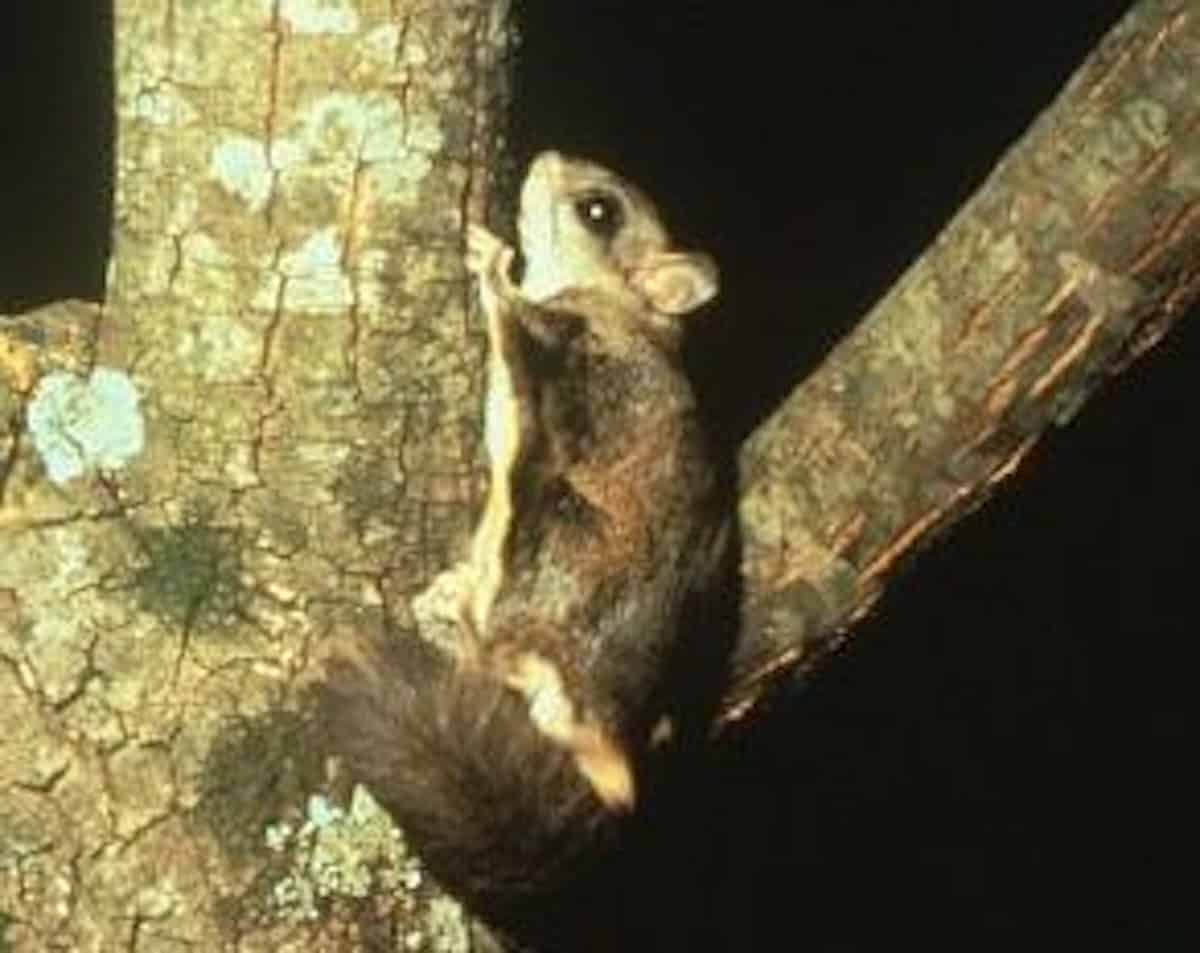
9. Northern Flying Squirrel
🔥 Would you like to save this?
We'll email this post to you, so you can come back to it later!
Nocturnal gliders that inhabit coniferous forests. The feed on different kinds of fungi, lichens, carrion, bird eggs and insects.
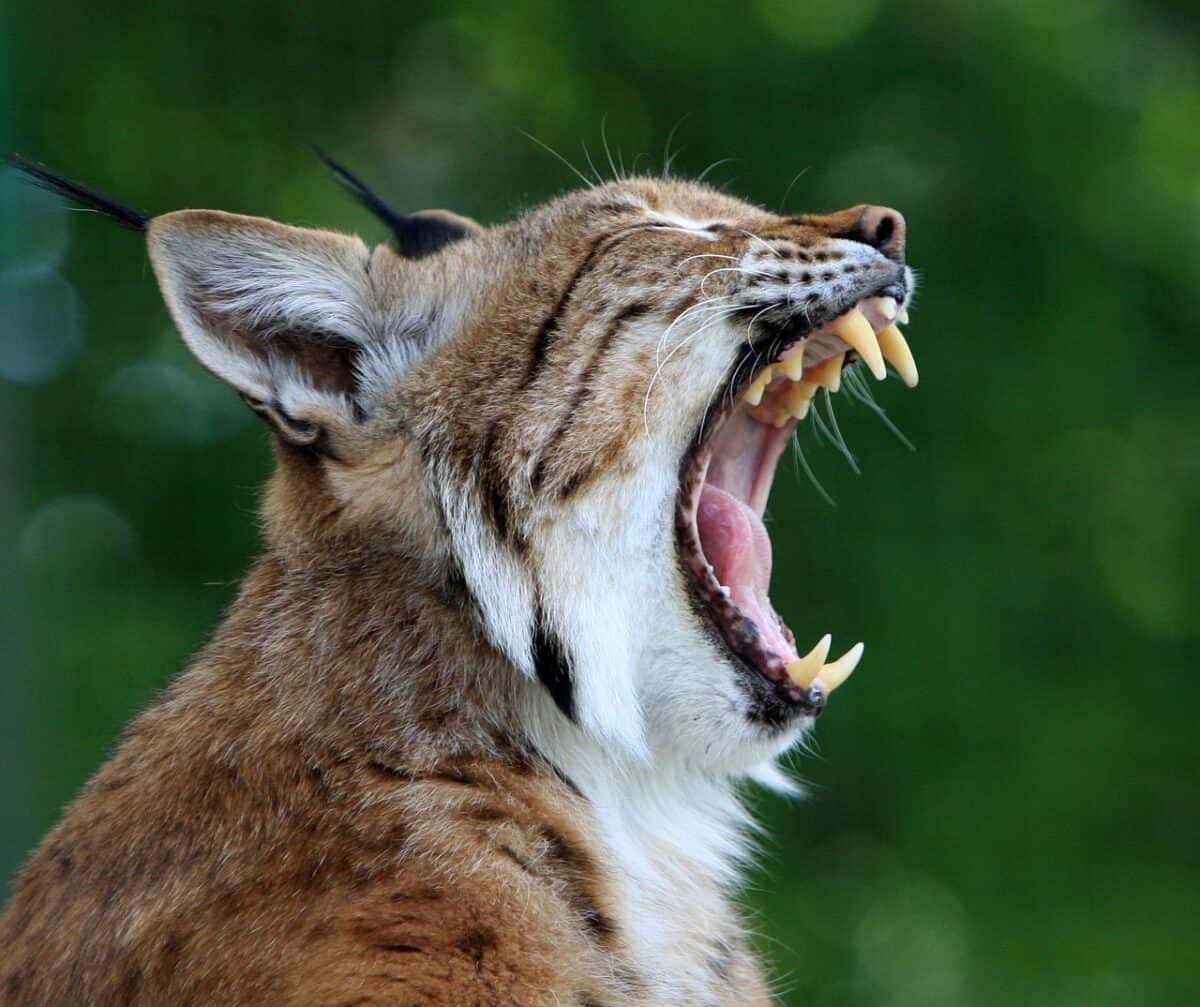
10. Bobcat
🔥 Would you like to save this?
We'll email this post to you, so you can come back to it later!
The bobcat also known as the red lynx is a shy and elusive feline predator found throughout the park. They are carniovres and eat a variety of small mammals as well as birds.
11. American Dipper

🔥 Would you like to save this?
We'll email this post to you, so you can come back to it later!
Known for its unique habit of diving and swimming in fast-flowing streams. It is known as America’s only true aquatic songbird.
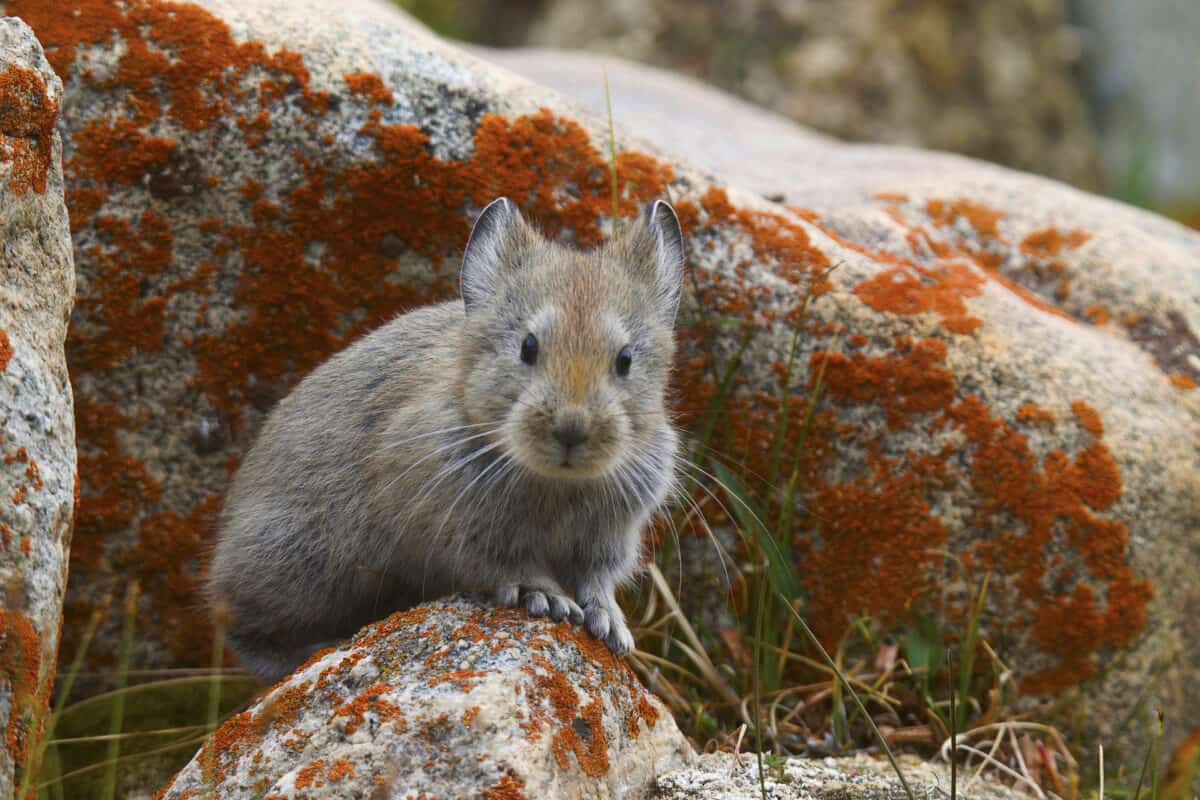
12. Pika
🔥 Would you like to save this?
We'll email this post to you, so you can come back to it later!
Small, round-bodied mammals adapted to high-altitude rocky habitats. They are native to Asia and North America. They have rounded ears, light brown and gray fur, long whiskers and no visible tails.
13. Red-tailed Hawk

🔥 Would you like to save this?
We'll email this post to you, so you can come back to it later!
A common raptor found soaring over open meadows and forests. They have a flying speed of 20-40mph and can reach up to 120mph when diving for prey.
14. Olympic Marmot

🔥 Would you like to save this?
We'll email this post to you, so you can come back to it later!
Endemic to the Olympic Peninsula, this large ground squirrel can also be found in the park’s alpine meadows.
15. Hoary Marmot

🔥 Would you like to save this?
We'll email this post to you, so you can come back to it later!
Another species of marmot commonly seen in alpine meadows and rocky slopes. They are diurnal herbivores and feed on grass, lichens and berries.
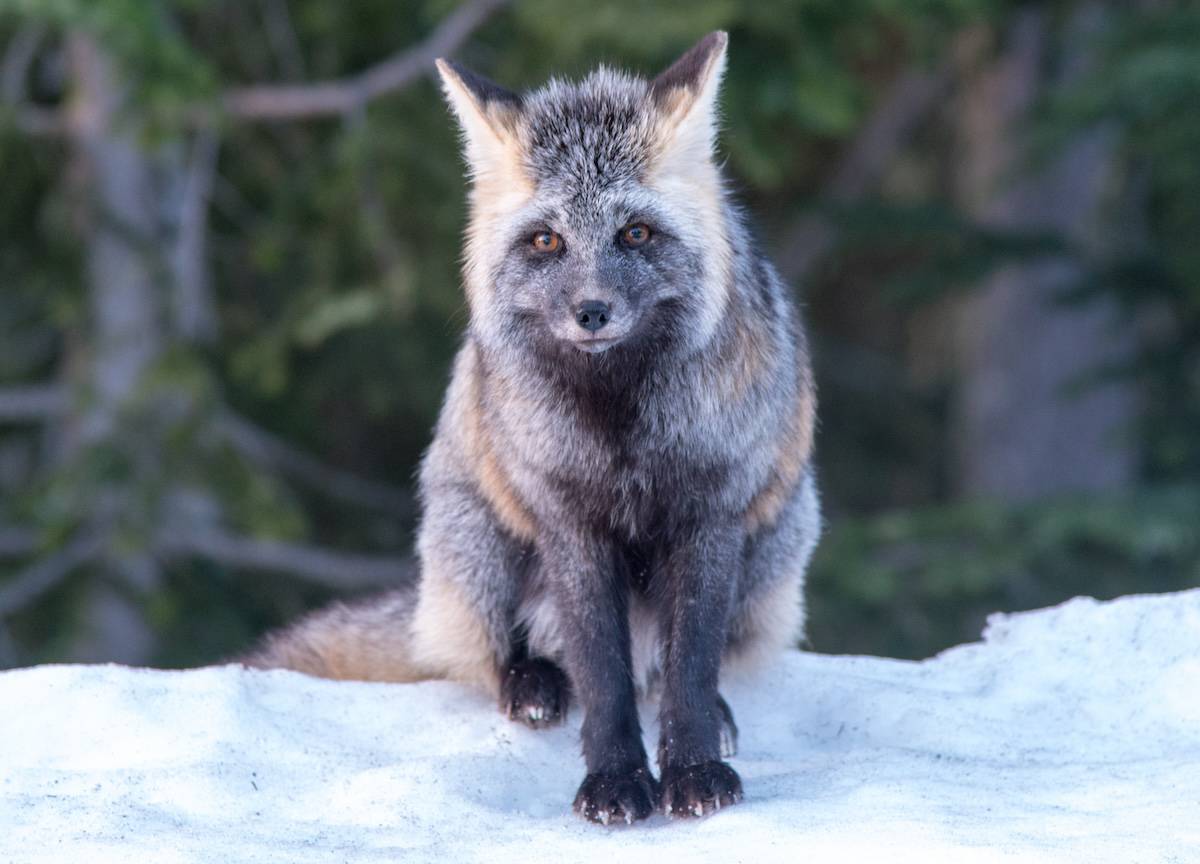
16. Cascade Red Fox
🔥 Would you like to save this?
We'll email this post to you, so you can come back to it later!
A subspecies of red fox adapted to mountainous habitats, it is endemic to the Washington state. They prey on small mammals and birds living in mountains.
17. Northern Alligator Lizard

🔥 Would you like to save this?
We'll email this post to you, so you can come back to it later!
A common lizard found in forested areas and rocky outcrops. They are carnivored feeding primarily on crickets, beetles, spiders and moths.
18. Northern Goshawk

🔥 Would you like to save this?
We'll email this post to you, so you can come back to it later!
A skilled hunter of forests, preying on small mammals and birds. They are almost as big as a buzzard, and considered “true hawks”.
19. Columbia Spotted Frog

🔥 Would you like to save this?
We'll email this post to you, so you can come back to it later!
Found in wetlands and ponds throughout the park. It is green to brown in color with spots on its back. The belly and upper lip are white.
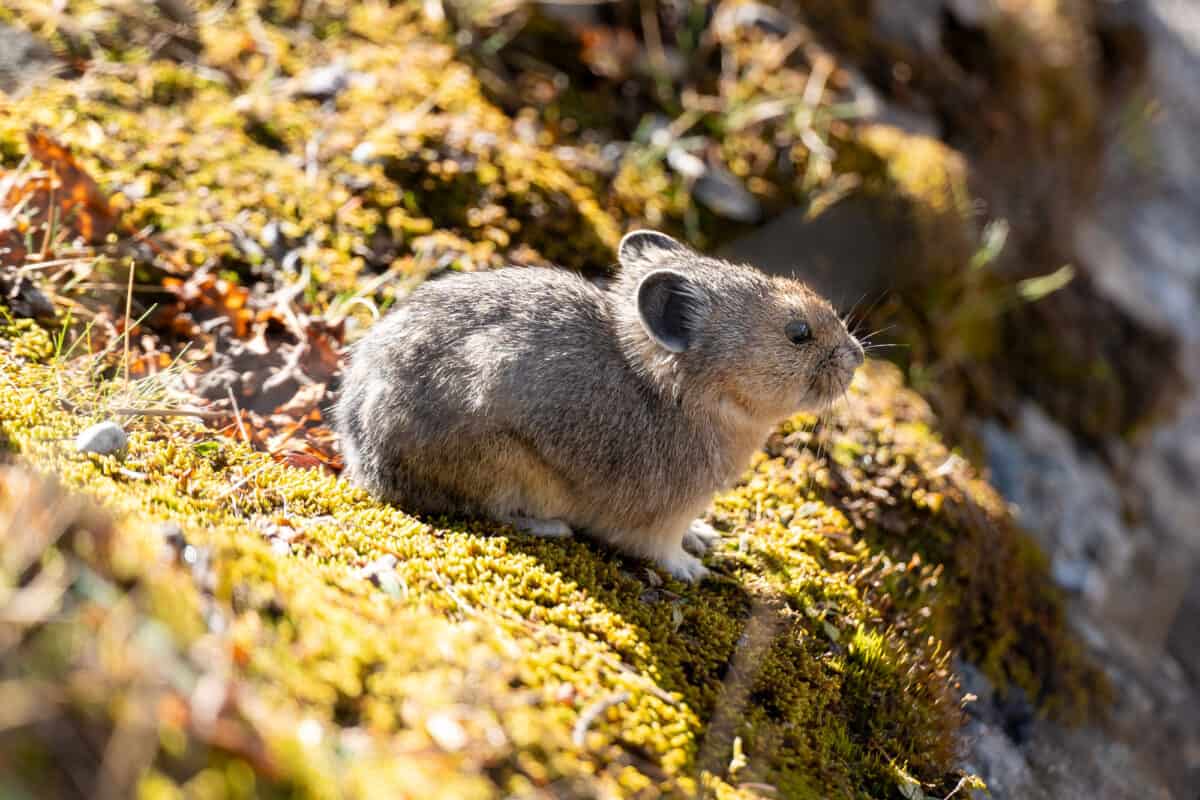
20. American Pika
🔥 Would you like to save this?
We'll email this post to you, so you can come back to it later!
Small, herbivorous mammals known for their distinctive “haystack” food caches. The American pika, is a diurnal species of pika, and is found in the mountains of western North America, usually in boulder fields at or above the tree line.
21. Northwestern Salamander

🔥 Would you like to save this?
We'll email this post to you, so you can come back to it later!
Large, terrestrial salamanders found in damp forests and near streams. When disturbed They butt heads and raise tails while emitting a sticky white poison from glands behind eyes and along back and tail when threatened and lash tails to spread the poison.
Conclusion

🔥 Would you like to save this?
We'll email this post to you, so you can come back to it later!
These animals represent just a fraction of the diverse wildlife that inhabits Mount Rainier National Park, showcasing the rich biodiversity of this iconic wilderness area, each organism contributing uniquely to the habitats found here. I hope you enjoyed reading about the animals that are call Mount Rainier National Park Home. To read more like this, check out the articles below:
- 21 Animals That Call Denali National Park Home
- 21 Animals That Call Acadia National Park Home
- Top 21 Animals Of Everglades National Park

adventuring, photography and videography. I am currently working towards a BSc in Biodiversity and Ecology at Stellenbosch University to go on to specialise in Marine Sciences one day.
Please send any feedback to Feedback@animalsaroundtheglobe.com
- 26 Most Dangerous Snakes Found in North America - October 19, 2026
- 21 Things Not to Feed Your Pet Dog - October 18, 2026
- 10 Sacred Native American Sites in North America - October 16, 2026