

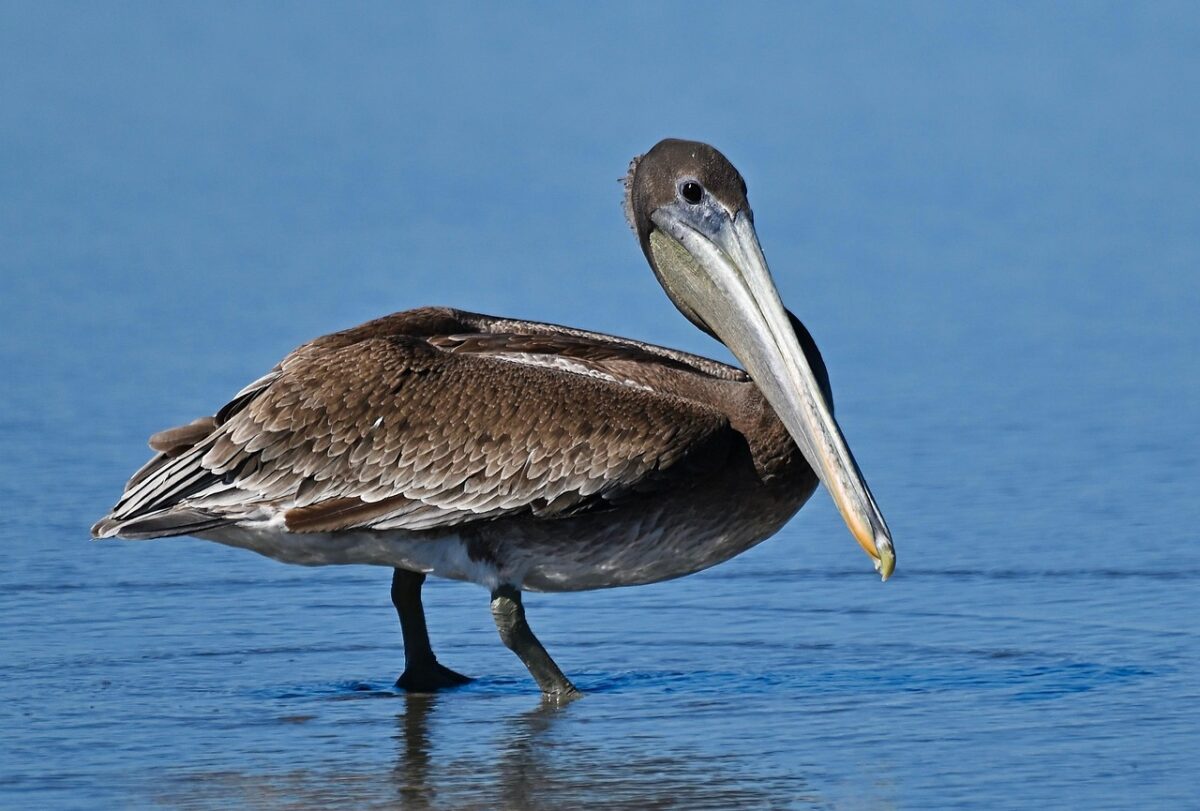
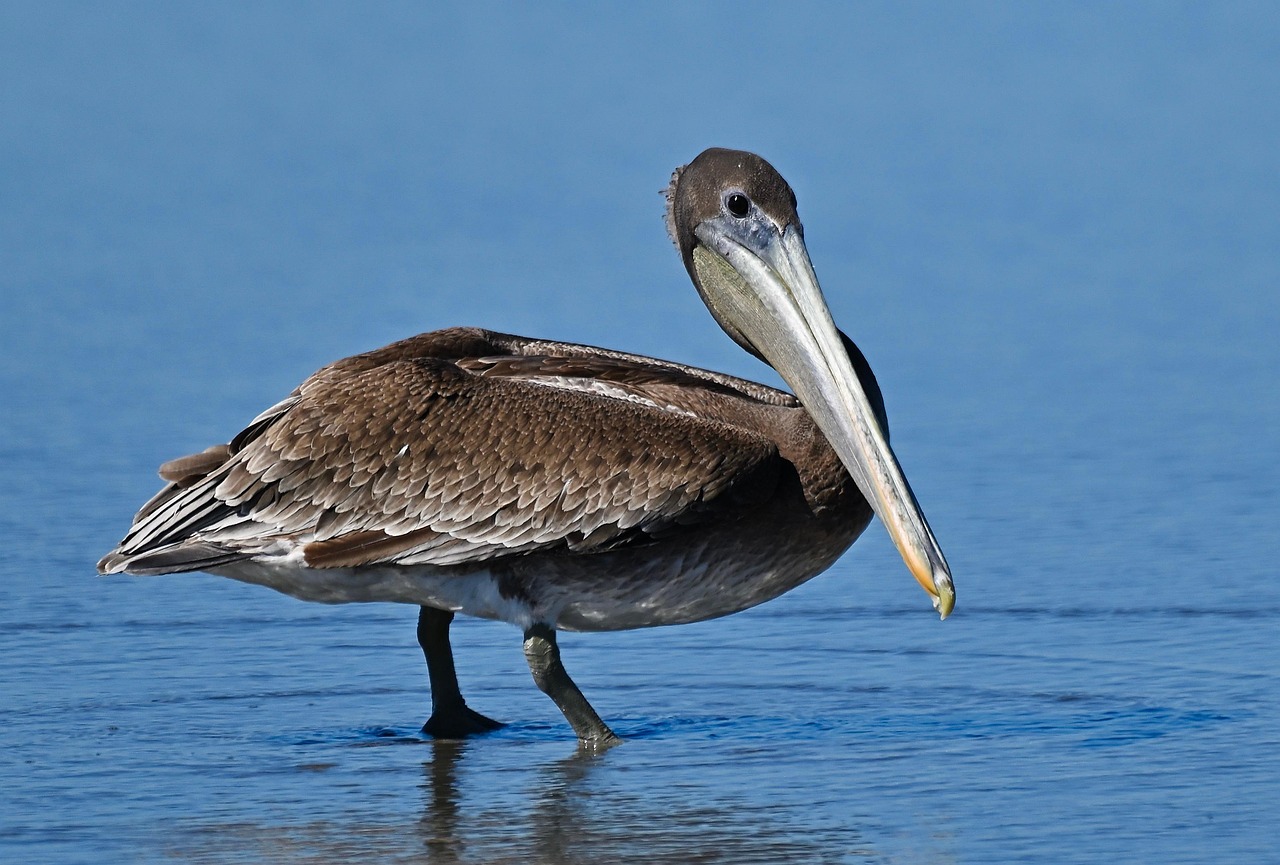
Rescuers Overwhelmed by Hundreds of Ailing Birds (Image Credits: Pixabay)
Southern California – Wildlife rescuers along the state’s coast documented a sharp increase in emaciated Brown Pelicans starting in late March 2025. The influx began at facilities in the south and quickly spread northward, overwhelming centers dedicated to seabird care.[1][2] Organizations like International Bird Rescue admitted hundreds of the birds, many too weak to fly or hunt effectively. This episode marked the third major starvation event for the species in four years, raising concerns about broader environmental pressures.[3]
Rescuers Overwhelmed by Hundreds of Ailing Birds
International Bird Rescue’s Los Angeles Wildlife Center received the first wave of struggling pelicans. Staff noted a mix of young fledglings and affected adults arriving daily.[2] By August 2025, the organization had admitted 273 Brown Pelicans across its Southern and Northern California sites, with 178 in the south and 95 farther north. They managed to release 163 after treatment.
Pacific Wildlife Care in San Luis Obispo County handled 50 mostly juvenile pelicans between mid-March and mid-June. These birds arrived dangerously underweight and hypothermic, requiring immediate warming and feeding protocols.[4] Other centers, such as Wetlands and Wildlife Care in Huntington Beach, cared for nearly 60 birds at peak, with new arrivals straining capacity. The volume forced teams to work extended hours amid high mortality rates for severely ill cases.
Toxic Algae Blooms Trigger a Cascade of Problems
Harmful algal blooms produced domoic acid, a potent neurotoxin that contaminated fish like anchovies and sardines. Adult pelicans consuming these prey became disoriented and unable to hunt or return to nests.[5] This led to premature fledging among chicks, who left colonies before mastering foraging skills. Rebecca Duerr, director of research at International Bird Rescue, observed that many young arrivals seemed unaware of how to feed themselves.[5]
Experts linked the blooms to warmer ocean waters and possibly runoff from earlier wildfires. The toxins not only sickened adults but also indirectly starved offspring, creating a dual crisis. Statewide tallies reached about 250 ailing pelicans by mid-2025, far above normal despite being lower than peaks in prior years.[3] Chicks traveled extraordinary distances, with one covering over 500 miles up the coast before stranding.
Rescue Protocols and the Path to Recovery
Treatment began with stabilization: intravenous fluids, medications, and a liquid diet transitioned to whole fish like capelin. Each recovering pelican consumed around four pounds of food daily once able.[4] Facilities provided pools and shaded enclosures to build strength. Success stories emerged, including long-term tracking data showing released birds surviving years post-rehab, with average annual rates near 83 percent.[1]
Volunteers played a crucial role, monitoring for seizures in domoic cases and teaching feeding techniques. Centers issued guidelines for public reports:
- Observe from a distance without approaching.
- Note location and condition, such as inability to fly or head weaving.
- Contact local helplines: Southern California at (310) 402-0642; Northern at 707-456-4528.
- Avoid handling unless trained, to prevent stress.
Despite efforts, over half of severely poisoned adults did not survive.[5]
Recurring Crises Point to Climate-Driven Shifts
The 2025 event echoed starvation waves in 2022 and 2024, following strong nesting on the Channel Islands. Ocean warming pushed prey deeper, while storms and winds hampered dive-hunting.[1] Experts described these patterns as indicators of unpredictable seas, with algal blooms intensifying under changing conditions. JD Bergeron, CEO of International Bird Rescue, called the facilities a frontline against climate impacts.
Historical data from events like 2012, when over 900 pelicans entered care, underscored vulnerability. Breeding now extends longer, tying success to fish near colonies. As prey distribution alters, fledglings face heightened risks during skill development.[3]
Key Takeaways
- Brown Pelicans experienced a third starvation surge in four years, driven by domoic acid and food scarcity.
- Rescuers admitted hundreds, releasing over half after intensive care.
- Ocean changes, including warmer waters and blooms, threaten future breeding and survival.
California’s Brown Pelicans persist as symbols of coastal resilience, yet repeated crises demand vigilance. Enhanced monitoring and habitat protection offer hope amid uncertainty. What steps can communities take to support these seabirds? Share your thoughts in the comments.

- Urban Coyotes Show Remarkable Adaptability, Learning to Thrive in City Environments - July 22, 2026
- Beavers Are Nature’s Engineers, Creating Vital Habitats for Other Wildlife Species - July 21, 2026
- The Recovery of the California Condor Offers Hope for Other Critically Endangered Birds - July 21, 2026