

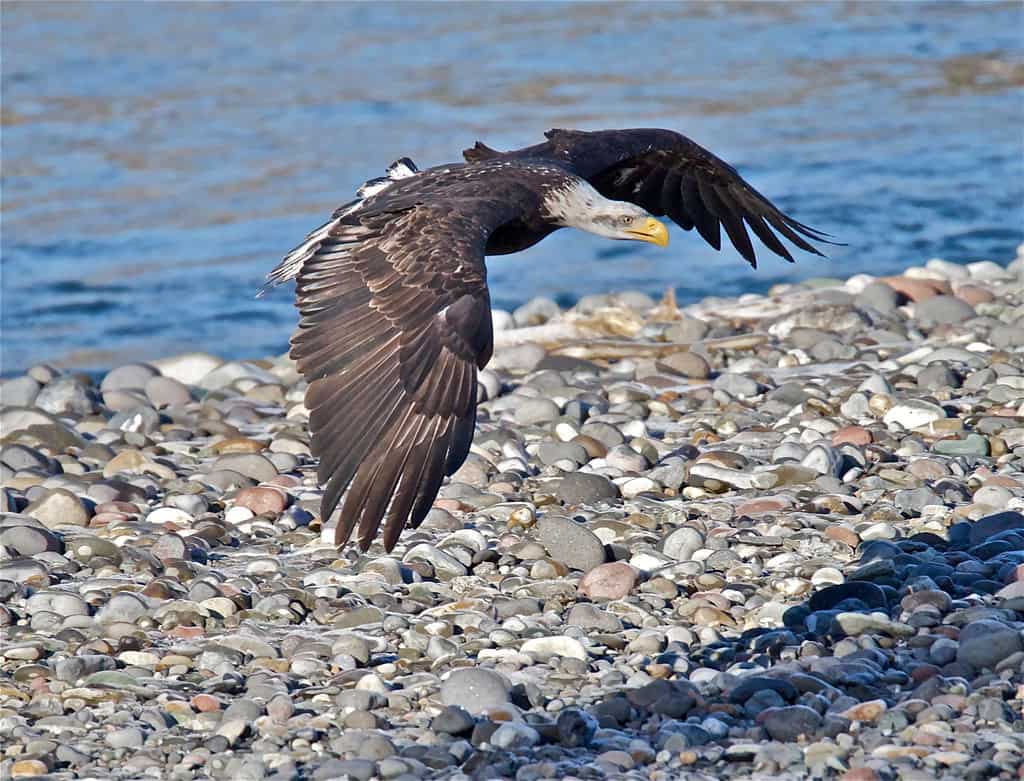
On October 7, 2025, California took a major step for bird conservation when AB 454, known as the renewed California Migratory Bird Protection Act, was signed into law.
The legislation restores and makes permanent the state’s ability to enforce protections comparable to those under the federal Migratory Bird Treaty Act (MBTA). This means California will no longer be left vulnerable to gaps if federal interpretation shifts; the state now holds its own legal anchor to defend native migratory species.
What AB 454 changes — and why it mattered now

Under AB 454, California regains authority to act when birds are deliberately harmed or even incidentally harmed in development or industry activities.
Earlier, a 2017 U.S. Department of the Interior opinion had narrowed enforcement of the MBTA by excluding “incidental take” (unintended harm) from liability — leaving many species exposed.
The law had already been in place in California since 2019 (via a prior version of AB 454), but that version expired earlier in 2025. With this new version, the protections will no longer depend on temporary renewals.
Supporters, including Audubon California, have lauded the move, saying it helps protect the “millions of birds that rely on California during their migrations” in the face of habitat loss and environmental rollbacks.
Why migratory birds in California are under pressure
California lies along several major flyways, and many bird species depend on stopovers, wetlands, forests, and coastal zones here as they travel between breeding and wintering grounds. But bird populations across North America have been declining rapidly — making legal protection more urgent.
Habitat destruction is a major threat: conversion of wetlands, urban sprawl, agricultural expansion, and pollution all reduce the places birds can rest, feed, or breed. The state’s new law helps close a legal gap, especially when birds are harmed inadvertently by construction, wind turbines, pesticide use, or other industrial actions.
Without robust protections, species vulnerable to incidental harm are less likely to survive the cumulative stressors of changing environments. The assurance that California can act independently of federal shifts offers a buffer against rollback of federal safeguards.
What to watch next — enforcement, recovery, and accountability

Now that AB 454 is law, California agencies must build or restore implementation machinery: permitting, oversight, monitoring, and enforcement. Conservationists will watch how effectively cases of harm or “take” are pursued under the new regime.
Another key element is public engagement — residents, developers, and industries will need clarity about when actions might impact protected bird species and what compliance looks like.
Scientific monitoring will also be crucial: tracking bird population trends to see whether legal protection yields recoveries in vulnerable species across the state.
Finally, accountability matters. Legal tools alone are not enough unless violations are detected and penalized — from illegal takes to habitat destruction. The signing of AB 454 is a bright moment, but its lasting power will depend on follow-through in the field.

- What It Actually Means When a Hummingbird Visits You - July 25, 2026
- Which Ocean Animal Are You Based on Your Zodiac Sign? - July 25, 2026
- 12 Powerful Dog Breeds that Can Take Down a Wolf - July 24, 2026