
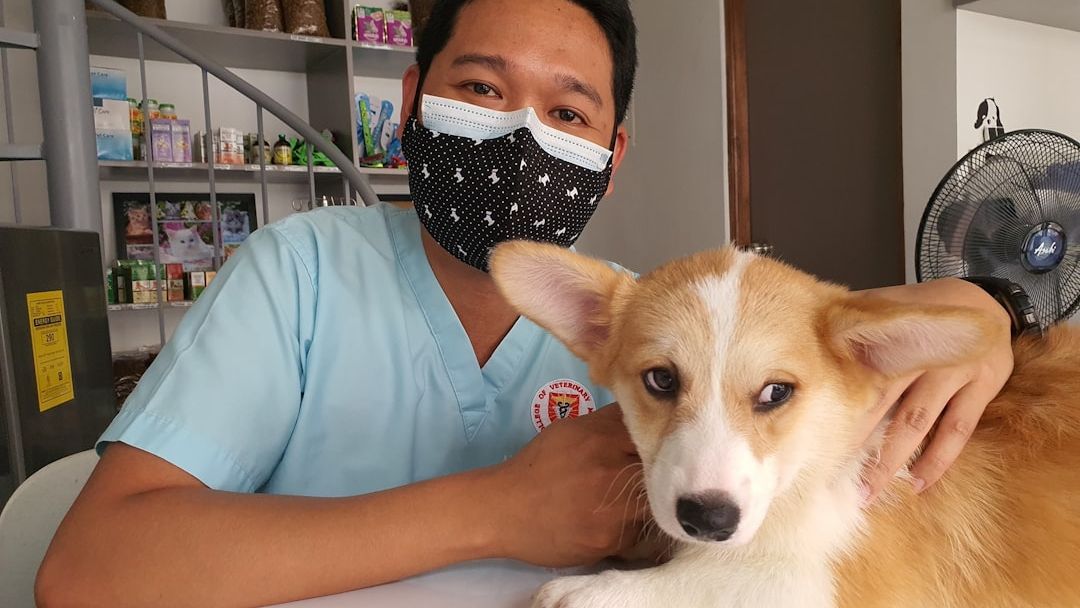
You’ve probably heard it before. Take your dog to the vet once a year. Schedule those vaccinations. Keep up with the dental checks. Yet when life gets hectic, money gets tight, and your dog seems perfectly fine, it’s tempting to push that appointment back just a little longer.
Here’s the thing: skipping vet visits might feel like you’re saving a few bucks in the short term. According to veterinarians, skipping visits can be risky, potentially causing owners to miss early signs of disease or injury that could be treatable if caught in time. Your pup can’t tell you when something hurts. They’re masters at hiding pain. That’s why routine checkups are such a big deal. Let’s explore what really happens when you skip those trips to the clinic.
Hidden Health Problems That Only Vets Can Spot
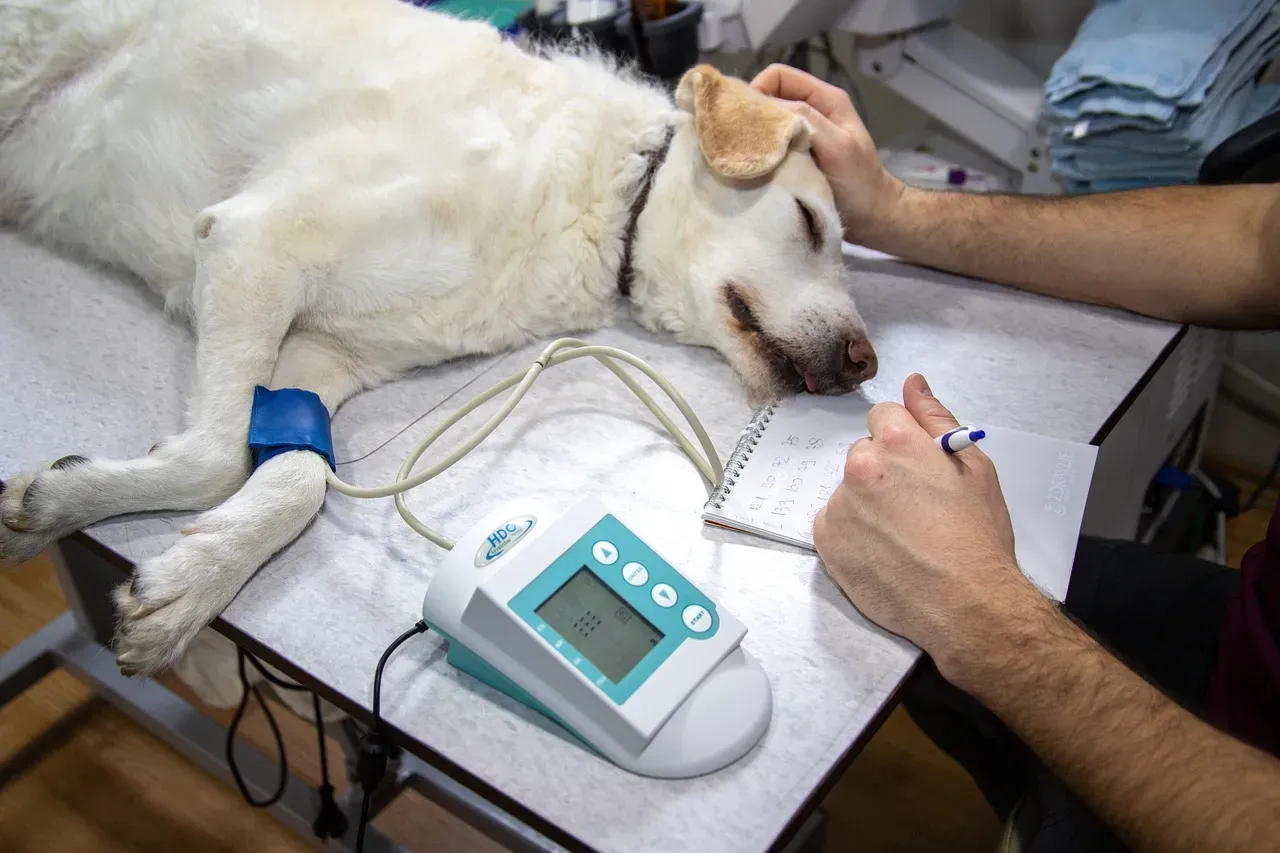
Your dog might seem like the picture of health, bouncing around the house, eating well, and wagging that tail nonstop. Diseases often cause no obvious signs in their early stages, which is exactly why regular exams matter so much. Think about it like this: when you take your car in for routine maintenance, the mechanic doesn’t just check what you can see from the driver’s seat. They look under the hood.
Heart murmurs and abnormal rhythms are often discovered during routine veterinary visits, long before other heart disease signs become evident. Your dog could have a heart issue brewing without you noticing a single symptom. A thorough exam can uncover joint problems, arthritis, or pain you didn’t realize your pet was experiencing, and many owners assume their pet’s decreased activity is simply due to normal aging changes.
Dental disease is one of the most common health problems in dogs. It doesn’t start with a broken tooth or bleeding gums. It starts with plaque buildup that you might not even notice. Left unchecked, it becomes painful infection, tooth loss, and bacteria that can spread to your dog’s heart and kidneys. Would you really know if your dog had early dental disease just by looking at them? Probably not.
Cats and dogs have a tendency to be good at hiding pain they may be in or any sicknesses they may have, which is why owners should always monitor their pet and take them to a proper veterinary clinic. Your vet can spot things you simply can’t see at home.
The Financial Reality: Prevention vs. Treatment
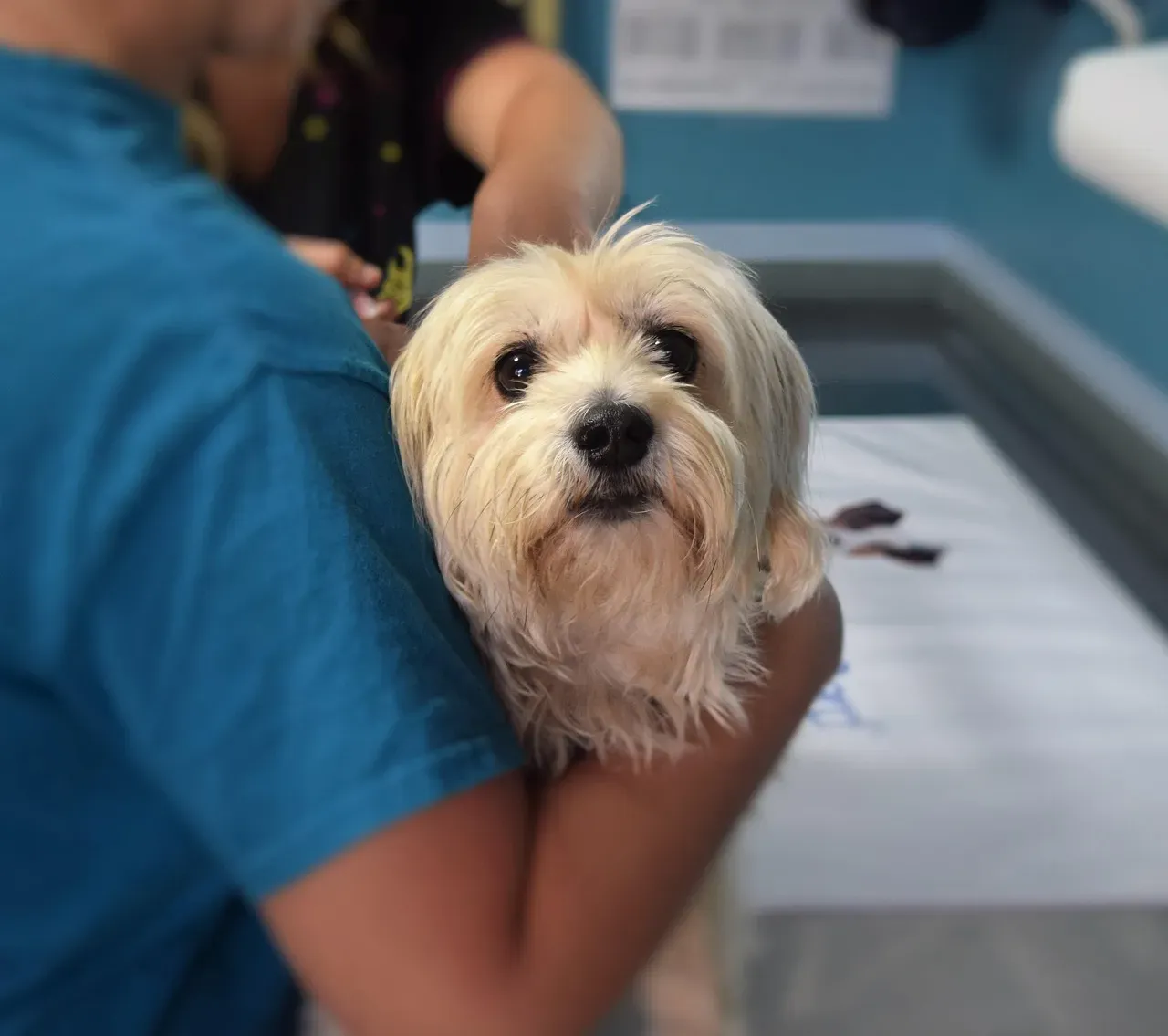
Let’s be real about money for a second. The estimated yearly cost of preventative dog health care in the United States is roughly between two hundred and seven hundred dollars, which ultimately breaks down to about eighteen to sixty dollars per month. That might feel like a lot when you’re budgeting. Yet here’s where it gets interesting.
A single veterinary visit for the treatment of heartworm disease can exceed three hundred dollars, and that’s just one condition. Detecting issues early is often key for successful treatment, and if your vet can detect problems before they become more serious and more expensive to treat, it will save you money in the long run. A routine checkup might cost you somewhere between fifty and one hundred dollars. Treating a dog with advanced cancer? That could run you thousands.
Regular exams often catch budding health issues that can become bigger problems if left untreated, saving you hundreds or even thousands of dollars as a result. I know it sounds crazy, but spending a little now really does prevent you from spending a fortune later. The cost of preventive care usually pales in comparison to the cost of treating the disease or problem that would have been prevented.
Think of it this way: you wouldn’t skip oil changes on your car just to save forty bucks if you knew it would wreck your engine down the line. Same logic applies to your dog.
What Actually Happens During Annual Wellness Exams
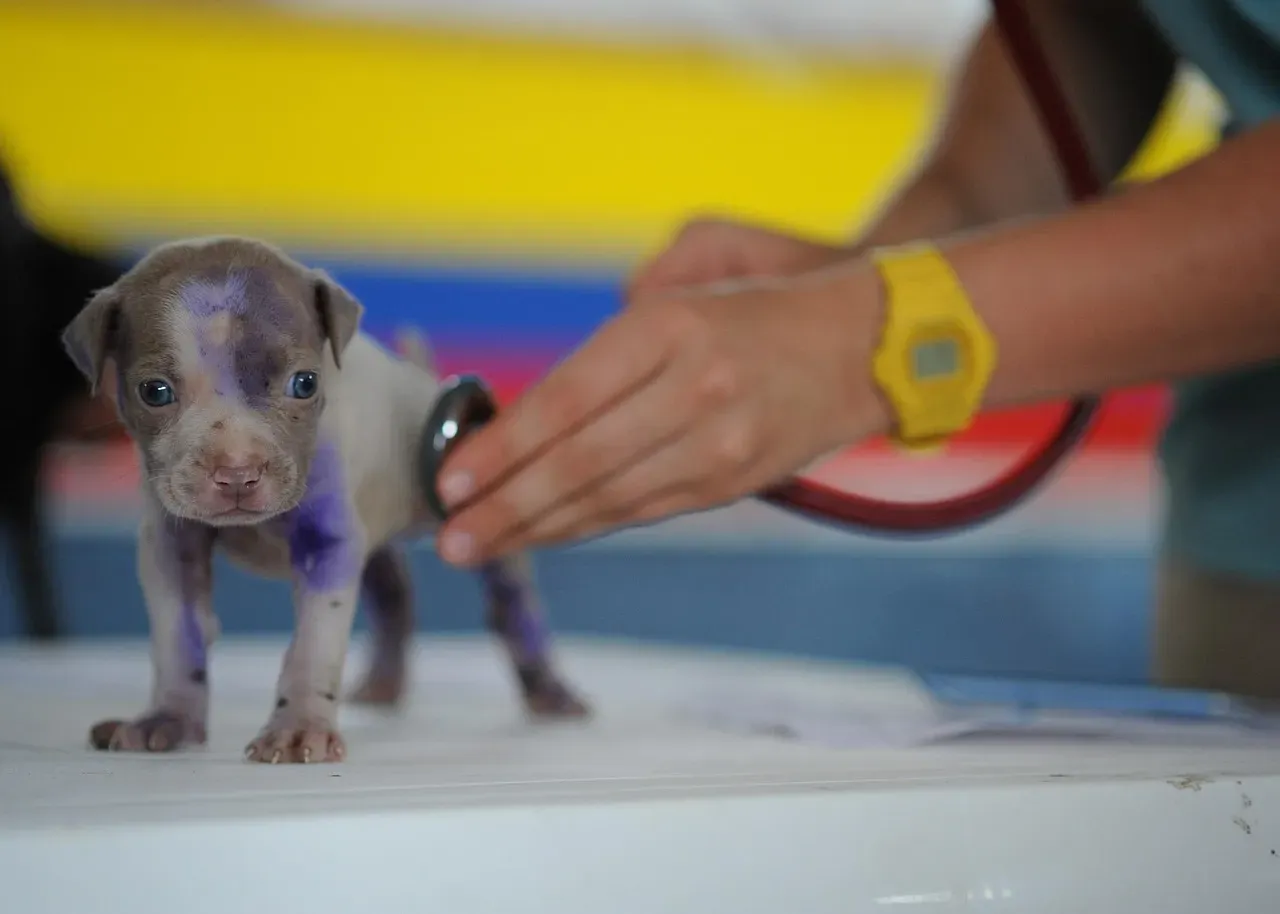
So what exactly are you paying for when you take your dog in for that annual visit? Your vet will check your pup’s vital signs, including heart and respiratory auscultation, pulse quality, weight, and temperature, and also perform a full physical examination of your dog’s mouth, skin, coat, joints, abdomen, ears, legs, tail, and head. It’s basically a head-to-toe inspection that catches problems before they spiral.
Screening tests evaluate aspects of your pet’s health that aren’t apparent during a physical exam, such as kidney function or blood cell counts, and regular screening tests allow your veterinarian to compare your pet’s results year over year. This tracking matters more than you might think. Small changes in bloodwork can signal major issues brewing beneath the surface.
During routine visits, vets evaluate your dog’s overall health, perform physical exams, update vaccinations, and discuss preventive care. They’re also checking for things like ear infections, skin conditions, and weight fluctuations. Flaky, itchy, red skin or a dull hair coat can indicate a skin issue or a more severe problem with your pet’s systemic health.
Your vet isn’t just looking at your dog. They’re asking you questions too. Have you noticed changes in behavior? Eating habits? Energy levels? Sometimes the combination of what you’ve observed at home plus what they find during the exam paints a complete picture you couldn’t see on your own.
The Real Cost of Delayed or Skipped Care
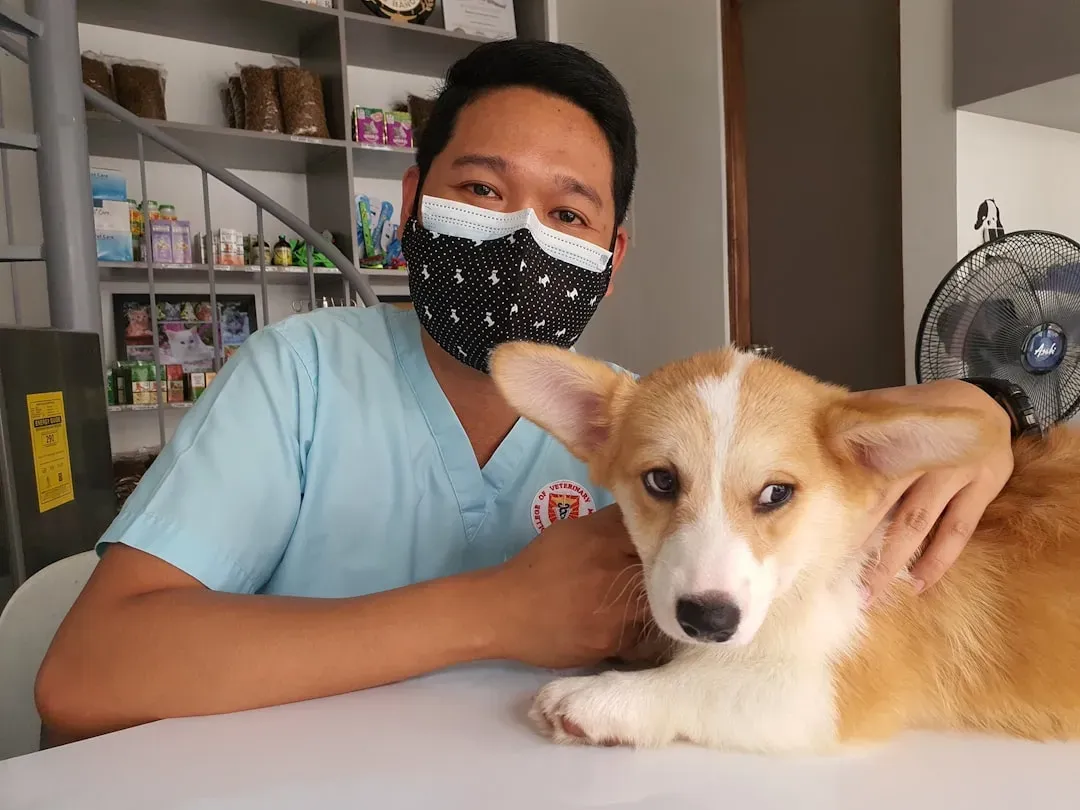
Delaying routine visits might seem harmless, especially if a pet appears healthy, but skipping annual exams or missing doses of preventive medication can lead to more serious and costly health problems. I’ve heard too many stories from pet owners who waited too long and deeply regretted it. The guilt alone is crushing.
With the rise of costs in recent years, people have delayed bringing their pets in for wellness visits, which means they also delayed getting the heartworm test, and veterinarians have been seeing more cases of heartworm disease because of that. The treatment can cost thousands. That’s a steep price for avoiding a simple preventive test.
If a pet continuously misses its visits for check ups, the pet can become at risk for fleas, ticks, heartworm, rabies, and other various diseases and possibly fatal issues. These aren’t minor inconveniences. They’re life-threatening conditions that are completely preventable with regular care. Pets could have a fatal illness for years and owners may never find out until the day the illness causes the pet to die.
Skipping visits can leave you blindsided by issues that might have been slowed or prevented with earlier detection, and knowing the right timeline helps you structure your pet’s care with confidence. Honestly, the emotional toll of losing a pet to something preventable is far worse than any vet bill.
When Cost Really Becomes a Barrier
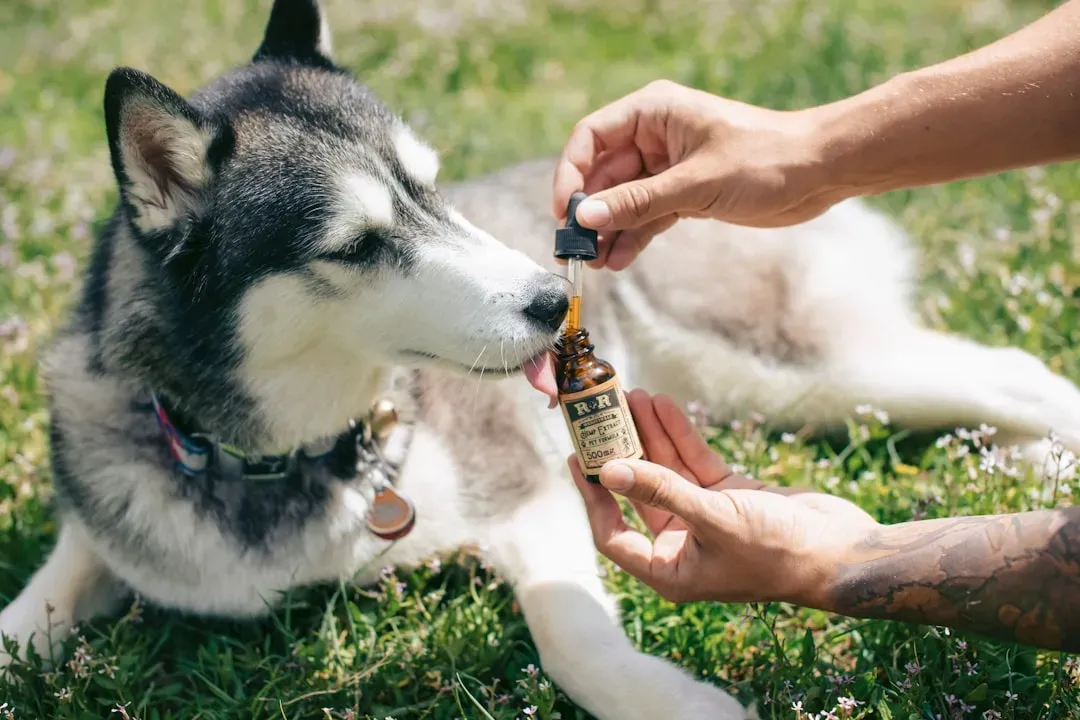
Rising inflation and cost-of-living increases are putting financial strain on households, making it harder for many families to afford veterinary care, and veterinary service costs have risen significantly, which has led pet owners to delay or skip routine visits. This is a real problem, and pretending everyone can just afford vet care ignores the struggle many families face.
A lack of perceived need, coupled with financial concerns including the cost of care, are prevailing themes when it comes to the reason some pet owners spend nothing on veterinary care in any given year. Yet there are options many people don’t know about. Some clinics offer payment plans. There are low-cost vaccination clinics in many communities. Vaccines cost between fifteen and thirty dollars per shot, but low-cost vaccination clinics often charge a fraction of the price, as low as seven dollars per vaccine.
If you end up at a clinic with a sick or injured pet and you can’t afford treatment, veterinarians are often willing to help clients find solutions. Don’t be afraid to have that conversation. Most vets got into this profession because they love animals, not because they wanted to bankrupt pet owners.
Pet insurance and wellness plans are also worth exploring. Although pet insurance typically requires owners to pay the bill in full upfront and get reimbursed later, it can still help make veterinary care more affordable by covering part of the cost. Even setting aside a small amount each month creates a cushion for emergencies.
What Your Dog Really Needs From You
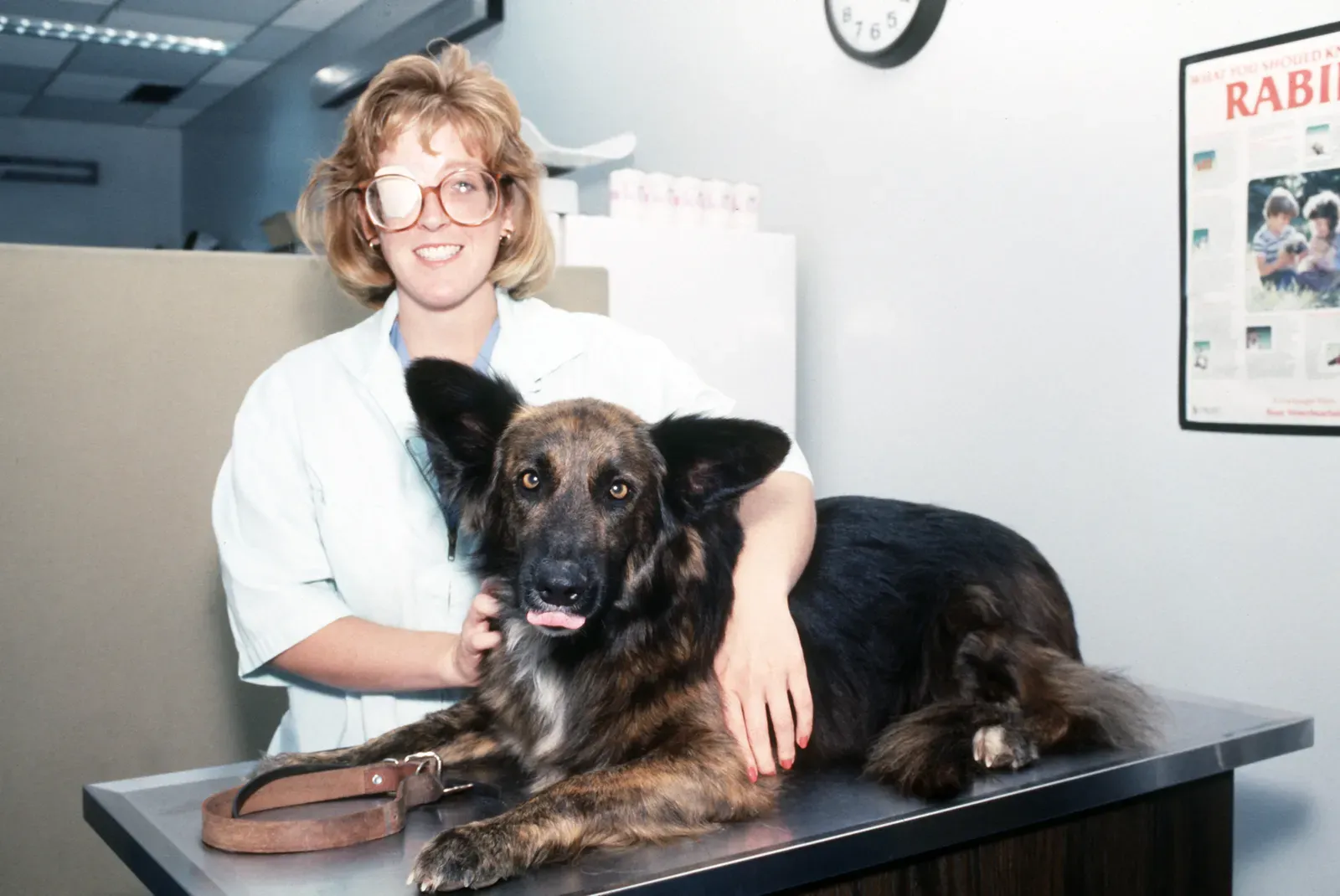
All pets should visit their veterinarian for routine care at least once per year, though senior pets and pets with chronic health issues will need more frequent appointments. That’s the baseline. Not the ideal. The absolute minimum. Your dog depends on you completely to make these decisions for them.
Skipping the trip to the vet could have some severe consequences in the future, as wellness exams allow vets to check on your pet’s overall health and look for signs of diseases, and these visits are vital for catching things like dental disease, heart problems, or even cancer while they are still in their early stages. Think about how much your dog gives you. Unconditional love, loyalty, companionship. They trust you to keep them healthy and safe.
Wellness visits can help you and your pet enjoy more years together by maximizing their health at every life stage and identifying small health changes that may indicate hidden illnesses. Isn’t that worth it? More time with your best friend? Wellness exams and screening tests allow your veterinary team to detect diseases before they progress and begin treatments that will extend your pet’s healthy years by your side.
Your dog can’t make appointments. They can’t drive themselves to the vet. They can’t tell you when something hurts. That responsibility falls entirely on you. Regular vet visits aren’t optional extras for pets who seem fine. They’re essential care that protects the life of a family member who would do anything for you.
Conclusion
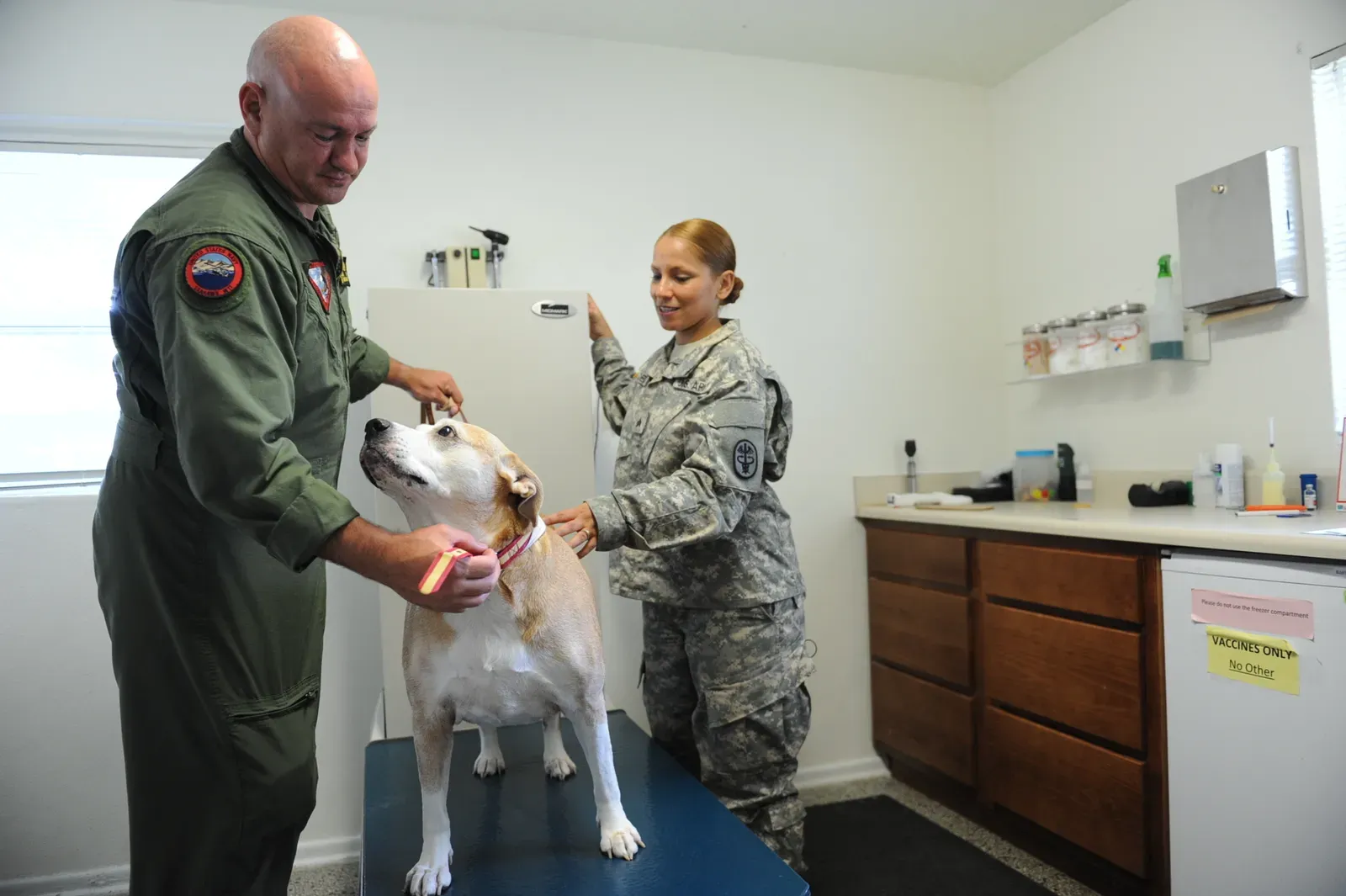
Skipping vet visits might look like a money-saving strategy on the surface, but the reality is far different. Spending the money upfront on preventive care can save you a lot more in the long run, both financially and emotionally. Your dog deserves more than reactive care when something goes horribly wrong. They deserve the chance to catch problems early, when treatment is simpler, less painful, and far less expensive.
Pets instinctively hide pain and illness signs, which can prevent pet owners from realizing their furry friend is sick, though routine veterinary visits allow you and your pet to develop a strong relationship with your veterinary team. That relationship becomes invaluable when your dog really needs help. The vet who has seen your dog every year knows what’s normal for them and can spot changes immediately.
Yes, vet bills can be stressful. Yet the cost of skipping those visits is measured in more than dollars. It’s measured in lost time, preventable suffering, and heartbreak that could have been avoided. Your dog trusts you completely. Make that annual appointment. Show up. Give them the care they can’t ask for but desperately need. What do you think about the importance of regular vet visits? Share your thoughts in the comments.

- 20 Smartest Animals on The Planet Ranked - July 20, 2026
- 10 Ancient Civilizations That Mysteriously Vanished From History - July 20, 2026
- The Emotional Toll of Pet Loss: Coping When Your Best Friend Crosses Over - July 20, 2026