

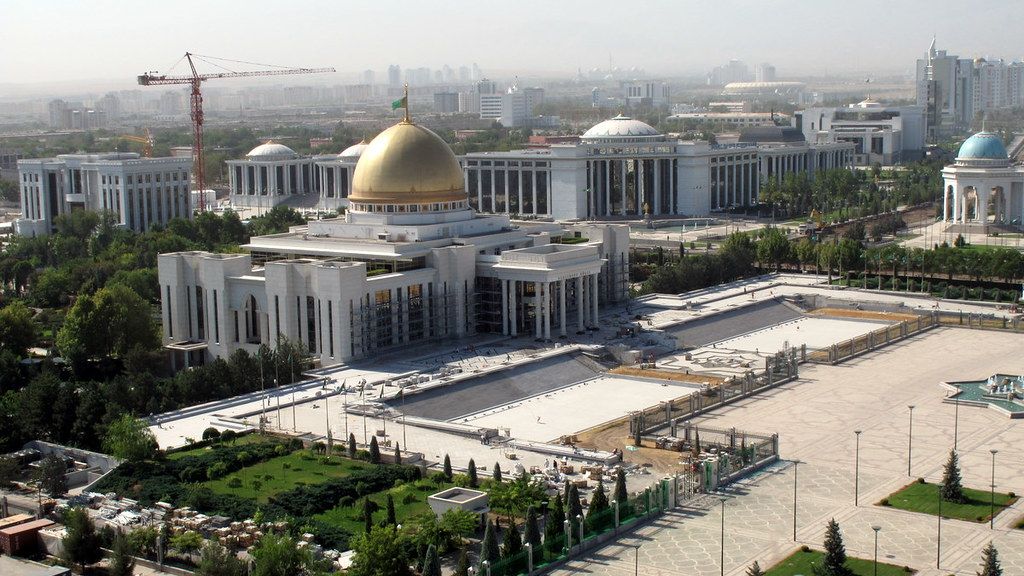
Picture a city where the buildings seem to glow under the desert sun, wrapped entirely in luminous white marble. Imagine streets so wide you could fit entire neighborhoods inside them, flanked by golden statues and fountains that seem to never stop flowing. This isn’t a scene from a futuristic movie or some kind of architectural fantasy. It’s very real, and it’s located in one of the most isolated corners of Central Asia.
Ashgabat, the capital of Turkmenistan, exists in a league of its own. It’s a place that manages to feel both impossibly grand and eerily quiet at the same time. The city holds a world record you wouldn’t expect. Honestly, when you see the sheer number of marble-clad structures lining every avenue, you start to wonder how much stone was actually used to create this strange urban wonderland. Let’s dive into what makes this city so unlike anywhere else on Earth.
A Record-Breaking Obsession With Marble
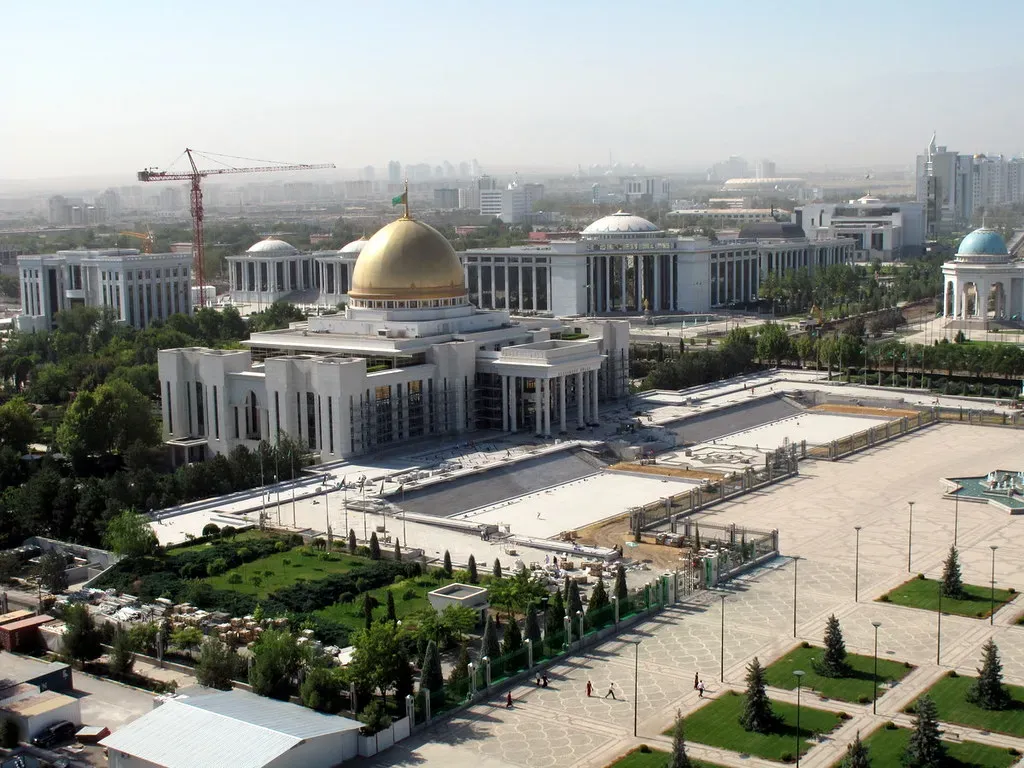
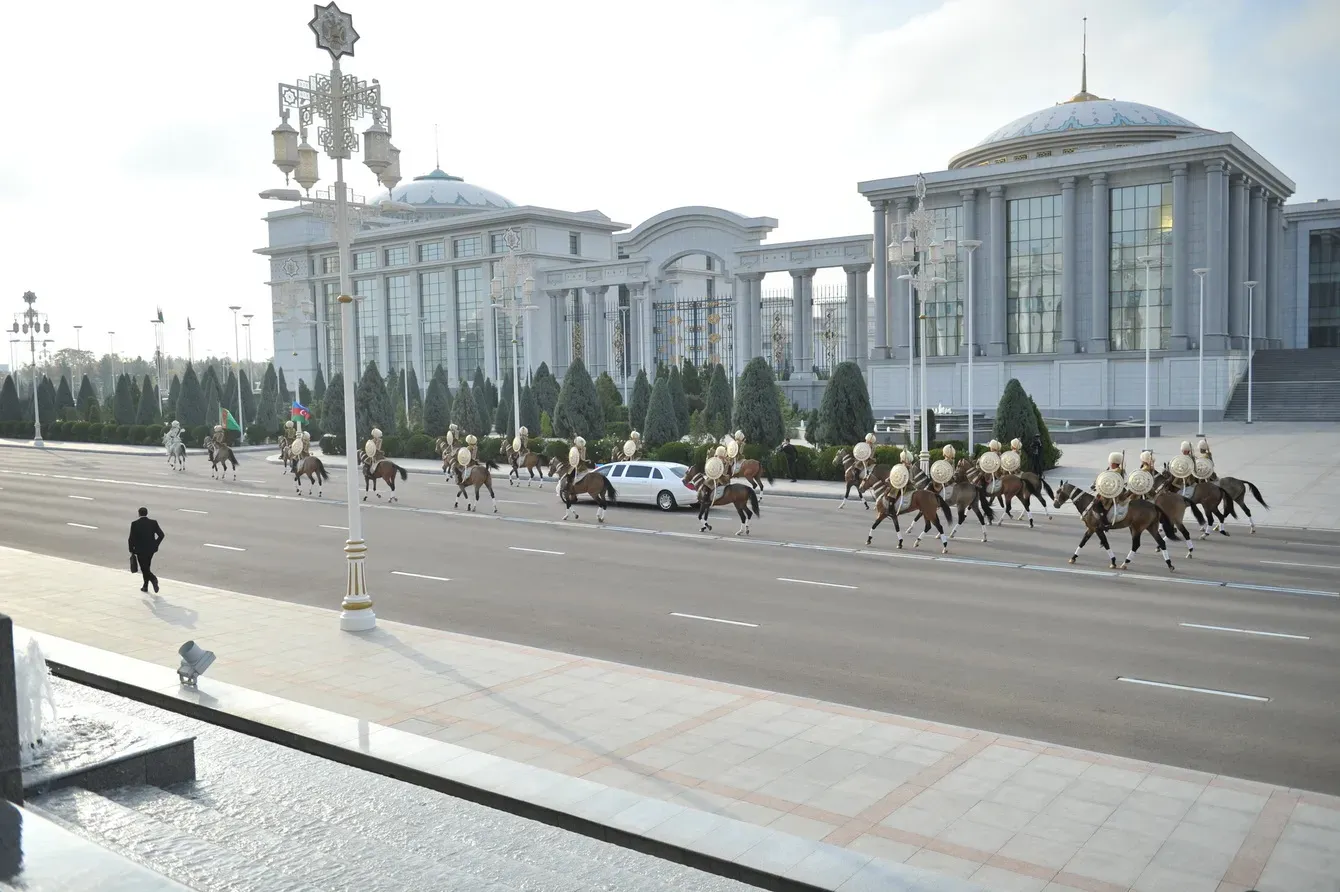
Ashgabat has been recognized by Guinness World Records as having the world’s highest density of structures made from white marble, with 543 buildings covering a total area of 4.5 million square meters. That’s not a typo. We’re talking about nearly five million square meters of marble draped across a single city.
In an impressive architectural re-styling effort led by the government of Turkmenistan, an area measuring 22 km² in the capital Ashgabat boasts 543 new buildings clad with 4,513,584 m² of white marble. The city earned this distinction back in 2013, and since then, the marble obsession has only intensified. Walking through Ashgabat feels a bit like stepping into a city made of clouds, if clouds were solid and reflected blinding sunlight back at you all day long.
Rising From the Rubble of Catastrophe
Here’s the thing. Ashgabat wasn’t always this gleaming monument to marble and gold. The Ashgabat earthquake of 1948 killed over 110,000 people, amounting to two-thirds of the city’s population. The devastation was almost total, leaving barely any structures standing.
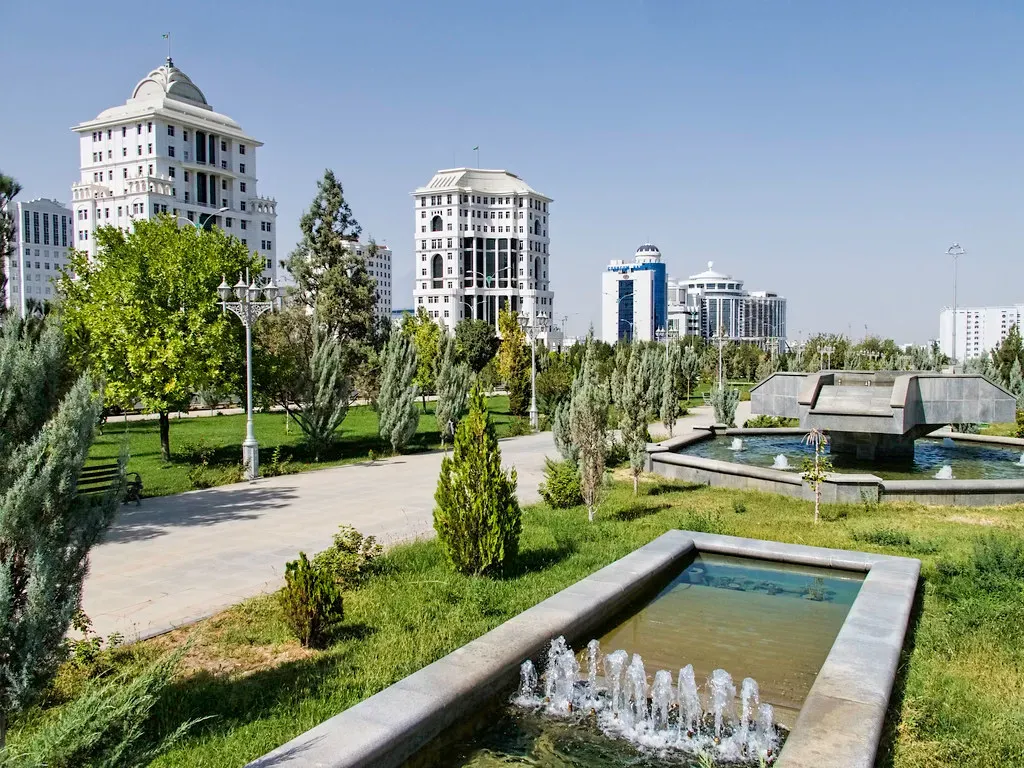
Much of the city was destroyed by the 1948 Ashgabat earthquake, but has since been extensively rebuilt under the rule of Saparmurat Niyazov’s “White City” urban renewal project, resulting in monumental projects sheathed in costly white marble. What emerged from the ashes was first a Soviet-style city, then decades later, something completely unprecedented. The transformation into this marble metropolis began after Turkmenistan gained independence in 1991, driven by leaders with grand, sometimes bizarre, visions.
Monuments That Defy Imagination
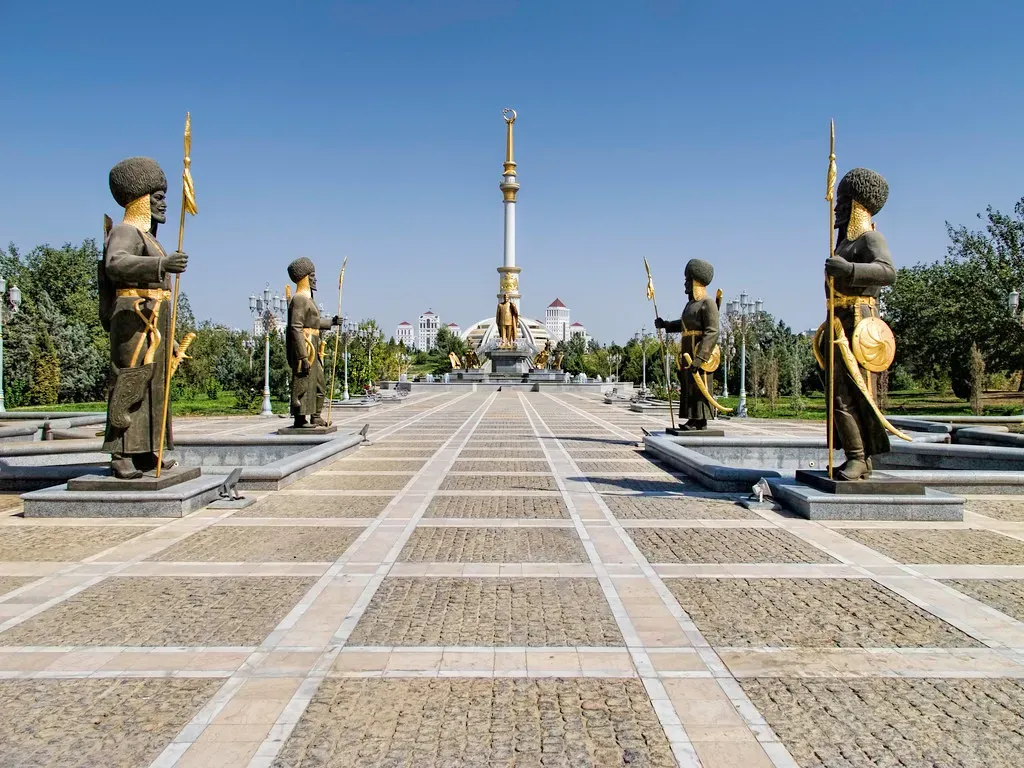
The architecture here doesn’t just stand out. It screams for attention. In the middle of the city stands a 21-meter-tall golden statue of Turkmenistan’s former president, Gurbanguly Berdymukhammedov, riding a horse, and the statue is entirely covered in 24-karat gold. The sight is both mesmerizing and surreal, a perfect encapsulation of Ashgabat’s architectural ethos.
The Monument of Neutrality was 75 metres tall and was built in 1998, and it was topped by an illuminated 12-metre tall gold-plated statue of Niyazov which rotated to always face the sun. Yes, a rotating golden statue designed to perpetually face the sun. In 2010, the monument was dismantled and moved to the suburbs in the city’s southern end, where it was reassembled and still stands. Moving an entire monument is no small feat, yet here it happened just because a new president wanted to reshape the capital’s skyline.
Breaking Records Like It’s a National Sport
Ashgabat doesn’t just hold one world record. The city seems to collect them. The Alem Entertainment Center cost $90 million and is the largest enclosed Ferris wheel in the world. Yet when visitors arrive, they often find the attraction eerily empty. Some travelers have reported that operators had to be specially called to turn on the wheel for their visit.
The Ministry of Foreign Affairs building is topped by a globe of the Earth, inside which is a conference center; the Development Bank building is topped by a giant coin; the Ministry of Health and Medical Industry building is shaped like a stylized caduceus. Every building seems to compete for attention with increasingly unusual designs. It’s architecture as statement, as spectacle, as something bordering on performance art.
Life in the Marble Capital
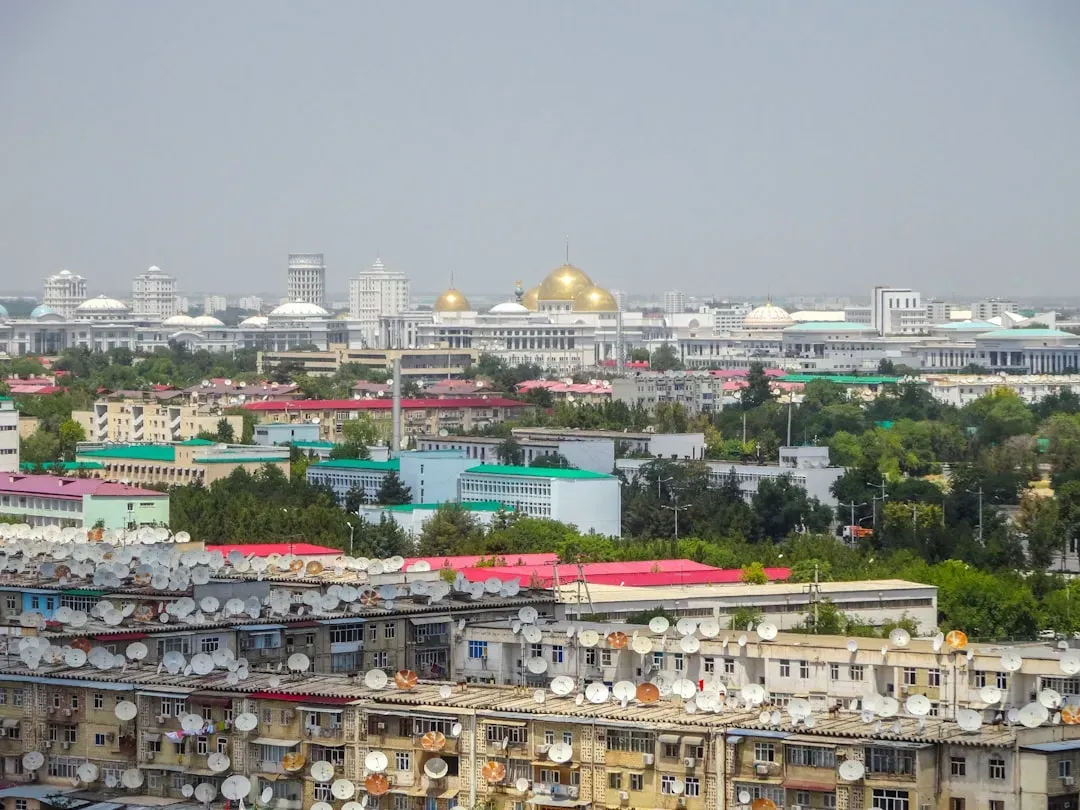
Ashgabat lies between the Karakum Desert and the Kopetdag mountain range in Central Asia, approximately 50 km away from the Iran-Turkmenistan border, and the city has a population of 1,030,063. Despite its size, the streets often feel strangely deserted. The contrast between the monumental scale of the architecture and the relative quiet of daily life is one of Ashgabat’s most striking features.
Ashgabat is incredibly neat and clean (even driving a dirty car is not allowed!). The city operates under strict regulations that extend to vehicle colors and cleanliness. This obsessive attention to uniformity and perfection creates an atmosphere that some find breathtaking, while others describe it as unsettling. The wide boulevards, perfectly manicured parks, and endless fountains all contribute to a sense that you’ve wandered into a city that exists slightly outside of normal reality.
A Culture Preserved in Marble
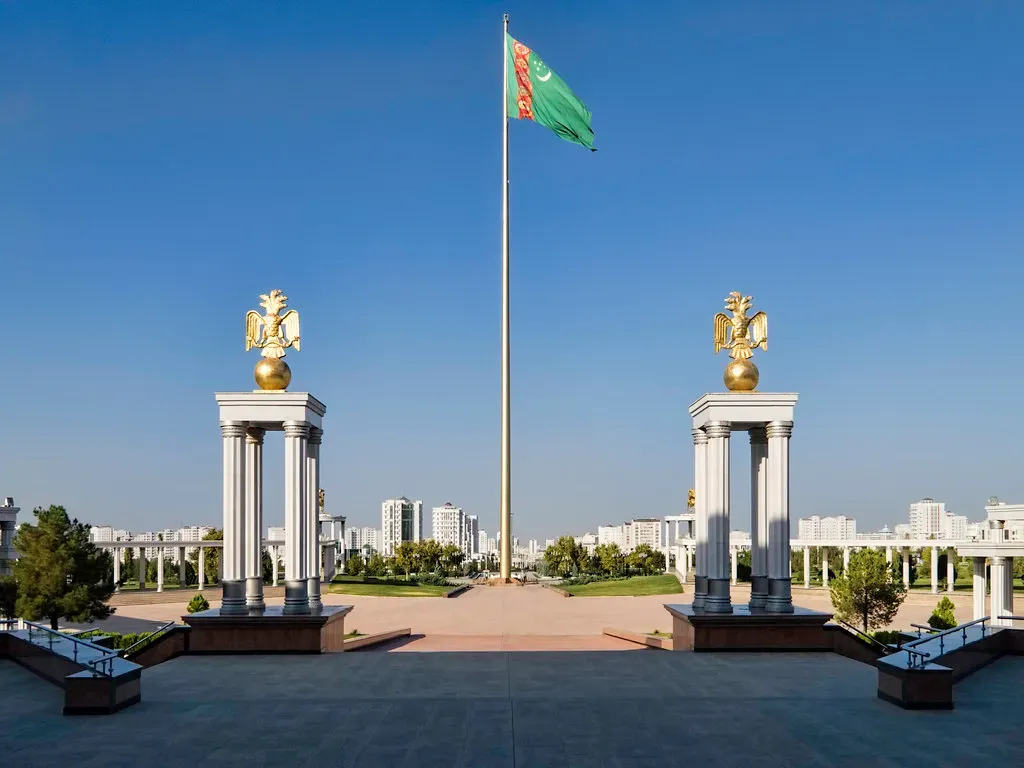
Beneath the gleaming surface, Turkmen culture remains deeply rooted in tradition. The main features of Turkmen culture include traditional crafts, rich folklore, cuisine, hospitality and the influence of Islam. The famous Turkmen carpets, with their intricate geometric patterns, tell stories of tribal history and nomadic heritage that stretches back centuries.
On May 1, 2020, the capital of Turkmenistan – Ashgabat has become a member of the World Tourism Cities Federation. Despite its grand aspirations to become a tourist destination, Ashgabat remains one of the world’s most enigmatic and isolated capitals. Getting a visa to visit is notoriously difficult, and once inside, visitors often report a surreal experience that feels more like walking through a carefully constructed stage set than a living, breathing city.
What do you think? Would you want to explore this marble metropolis for yourself? It’s hard to say whether Ashgabat represents the future of urban planning or a singular experiment that could only exist in Turkmenistan. Either way, there’s nothing else quite like it on Earth.
