

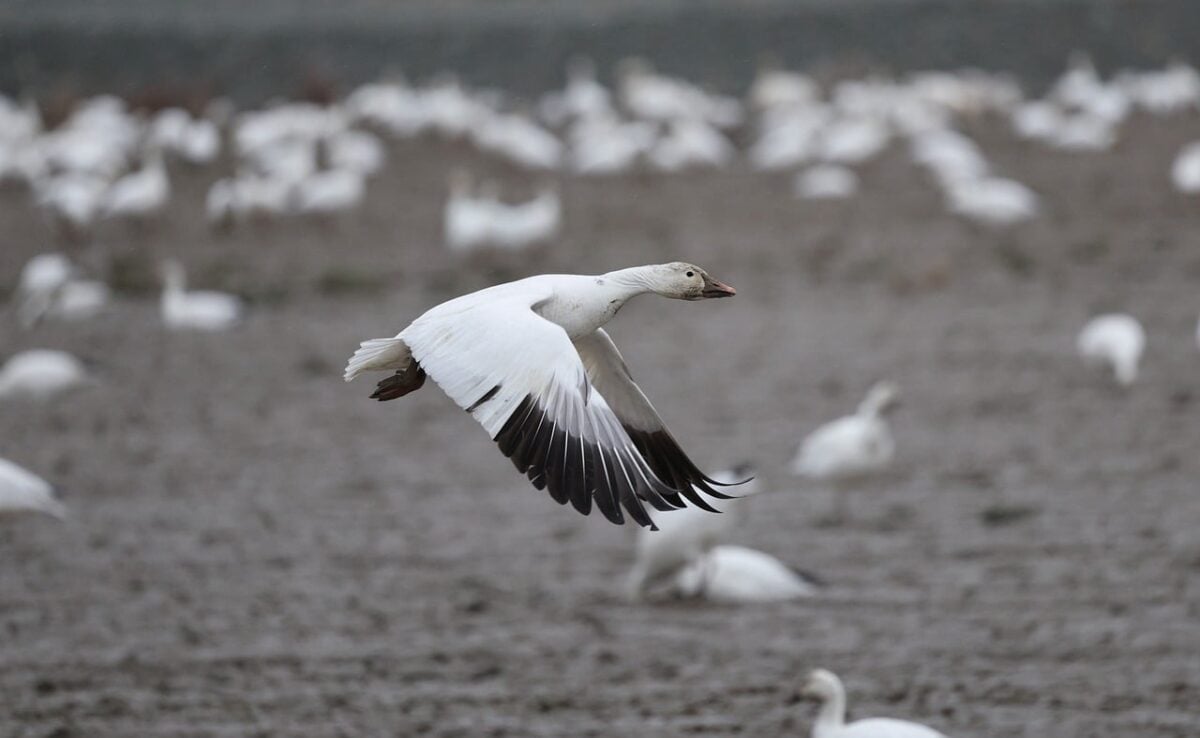
Most people have heard an older neighbor say it while nodding at a feeder full of chickadees: “Watch the birds – if they start acting strange, a hard winter’s coming.” It sounds like grandma-approved folklore, the kind of thing you smile at and forget by dinner. But here’s the twist that actually holds up under a microscope: ornithologists and climate researchers have quietly confirmed that birds react to falling air pressure, dwindling food, and long-range seasonal shifts – often days or weeks before humans notice a thing.
The catch is that most backyard watchers either misread the signs or oversell them, turning one dramatic blue jay into a doomsday forecast. The real story lives in the messy middle, where some behaviors are genuine biological alarms and others are just noise. Once you know which is which, your backyard turns into one of the most honest weather stations you’ll ever own – and by the time you reach the coldest sign on this list, you won’t look at a crowded feeder the same way again.
#14 – Backyard Feeders Suddenly Get “Crowded”
🔥 Would you like to save this?
We'll email this post to you, so you can come back to it later!
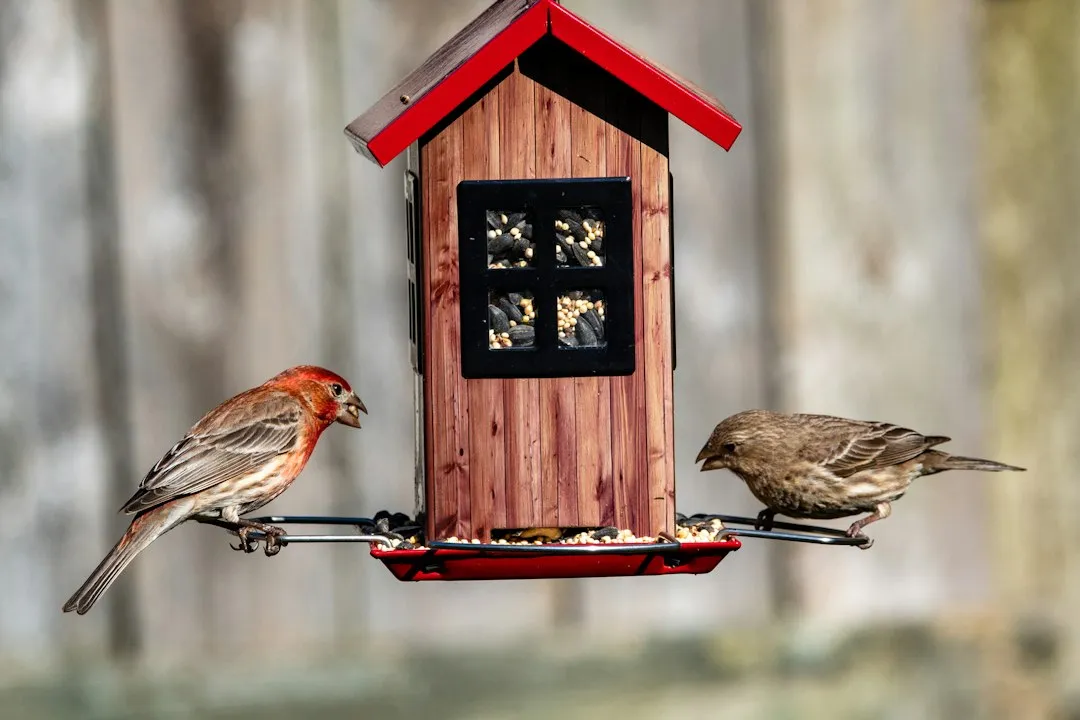
A backyard feeder that suddenly looks like Black Friday at the seed aisle feels ominous. Chickadees, sparrows, and finches pile in like they’re stockpiling for a siege, and it’s tempting to declare a brutal winter is already locked in. The truth is a little less dramatic, but still worth watching closely.
As days shorten and temperatures dip, resident birds naturally ramp up their eating to build fat reserves for the cold nights ahead. Small songbirds can increase their daily food intake by 20 to 30 percent heading into winter, which alone is enough to make a feeder look slammed. That part happens every single year, to some degree.
What actually matters is the timing and the guest list. If your usual trickle of chickadees and sparrows explodes weeks earlier than normal, or juncos, nuthatches, and finches you rarely see in mild years suddenly show up, that’s the real tell. Those “irregular” visitors are often birds abandoning natural food sources that are drying up faster than usual.
- Feeders getting crowded noticeably earlier than past years.
- Birds feeding aggressively at midday, not just dawn and dusk.
- New species appearing that don’t normally visit your yard.
Fast Facts
- One field study found chickadee body fat drops from roughly 7 percent by evening to about 3 percent by the next morning.
- Alaska researchers tracking black-capped chickadees documented the birds packing on an extra 10 percent or more in body weight every single day of deep winter.
- Because usable daylight shrinks so fast in late fall, small songbirds often have only a narrow window to refuel before the next overnight fast begins.
A busy feeder alone doesn’t guarantee a polar vortex. But an early, frantic crowd is only the opening note – the next sign is a lot more physical.
#13 – Birds Fluffing Up and Roosting in Odd Places
🔥 Would you like to save this?
We'll email this post to you, so you can come back to it later!
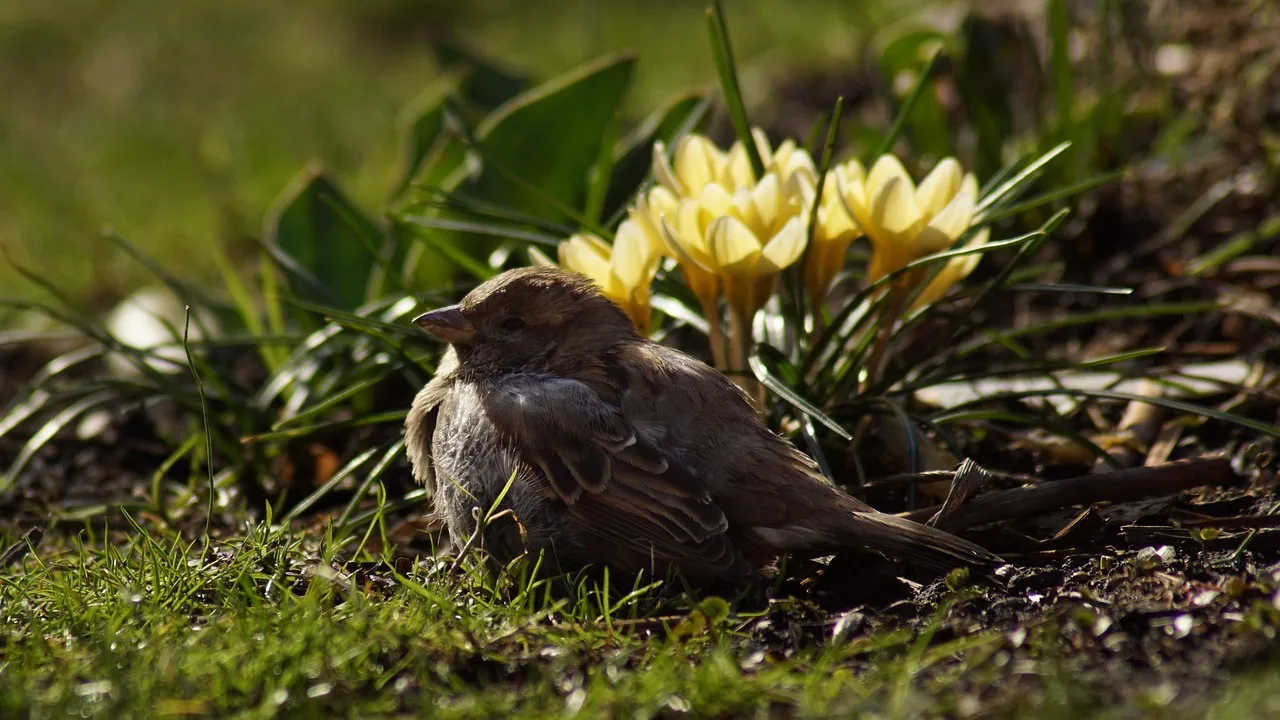
You’ve probably seen a sparrow puffed up like a tennis ball on a cold morning and thought, “that poor thing is freezing right now.” That’s not quite the full story. Birds fluff their feathers to trap insulating air, and they start practicing the trick – and holding it longer – well before the worst cold actually arrives.
Birds can increase their effective insulation by up to 30 percent just by adjusting feather position. It’s a low-cost, high-reward move, and it’s often the first physical hint that something colder than usual is settling in.
Pay attention to where they choose to sleep. If you start noticing more birds:
- Wedged deep into hedges and evergreens.
- Packed together under eaves, gutters, or tight building corners.
- Squeezed into bat boxes, nest boxes, or old porch lights.
It usually means they’re hunting for microclimates – tiny pockets of warmer, still air that matter enormously during severe cold spells. Birds don’t have a crystal ball for February, but prolonged fluffing and earlier “tucking in” before sunset in late fall is their honest way of saying the nights already feel harsher than the calendar suggests.
#12 – Migration Timing: Leaving Earlier, Returning Later
🔥 Would you like to save this?
We'll email this post to you, so you can come back to it later!
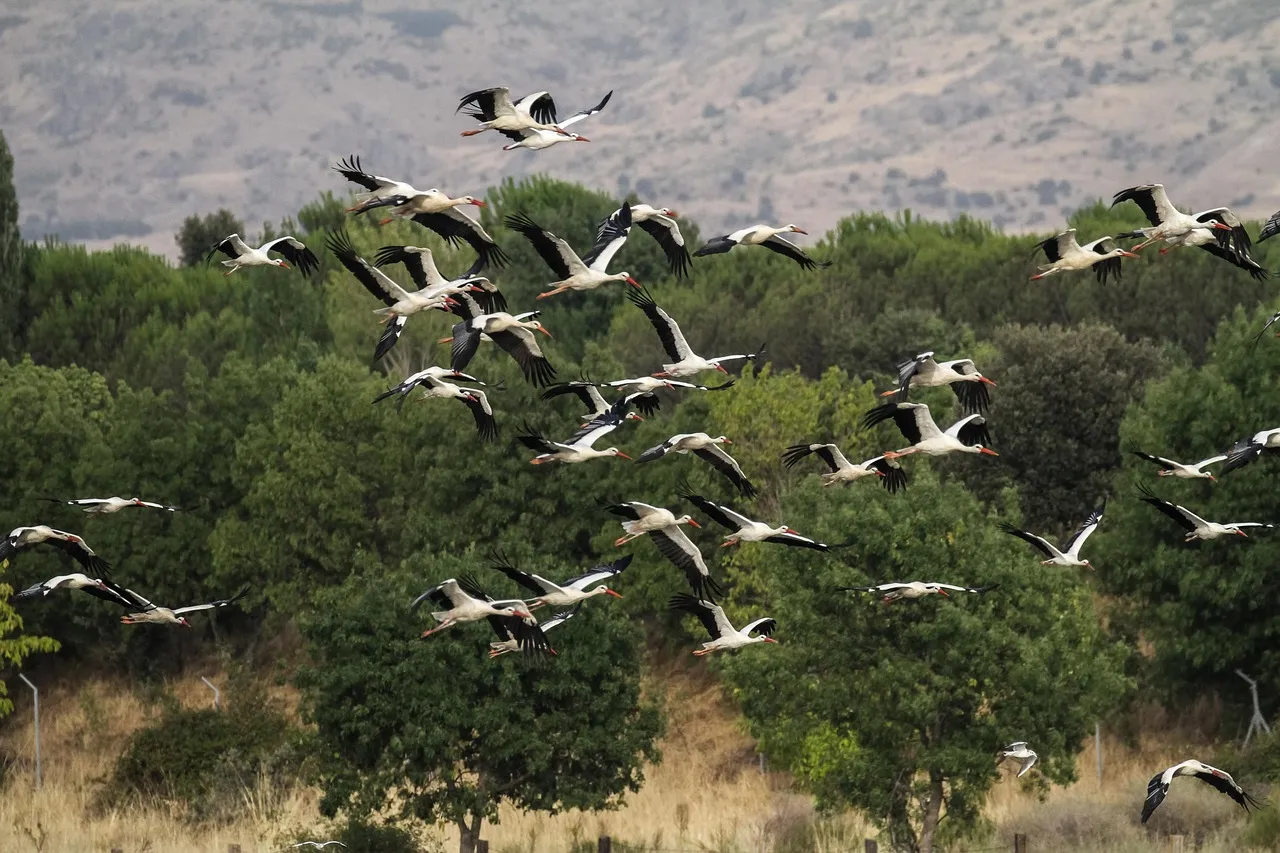
This is where folklore and hard data actually shake hands. Long-term tracking shows many species shifting their migration timing as climate patterns change, but you don’t need a research grant to notice it – your own backyard log is enough.
Birds don’t migrate on exact dates; they respond to temperature, day length, food availability, and wind patterns. If your area usually loses its last swallows or hummingbirds in late September, and for several years running they’re gone by early September, that’s worth flagging. It can hint at harsher or more erratic conditions along their migratory route, or in your own region later in the season.
The reverse pattern matters too. Some species linger in genuinely mild years and bail early the moment conditions look unstable, almost like they’re hedging their bets.
- Flocks staging on wires and treetops well ahead of average.
- Morning bird song thinning out earlier in autumn than you remember.
- Migratory species that skip your yard entirely in a year that ends up rough.
Scientists are quick to caution that one early migration isn’t a forecast. But consistent early departures, stacked alongside other signs on this list, start to look less like coincidence and more like a pattern worth trusting.
#11 – The Sudden Silence Before a Cold Front
🔥 Would you like to save this?
We'll email this post to you, so you can come back to it later!
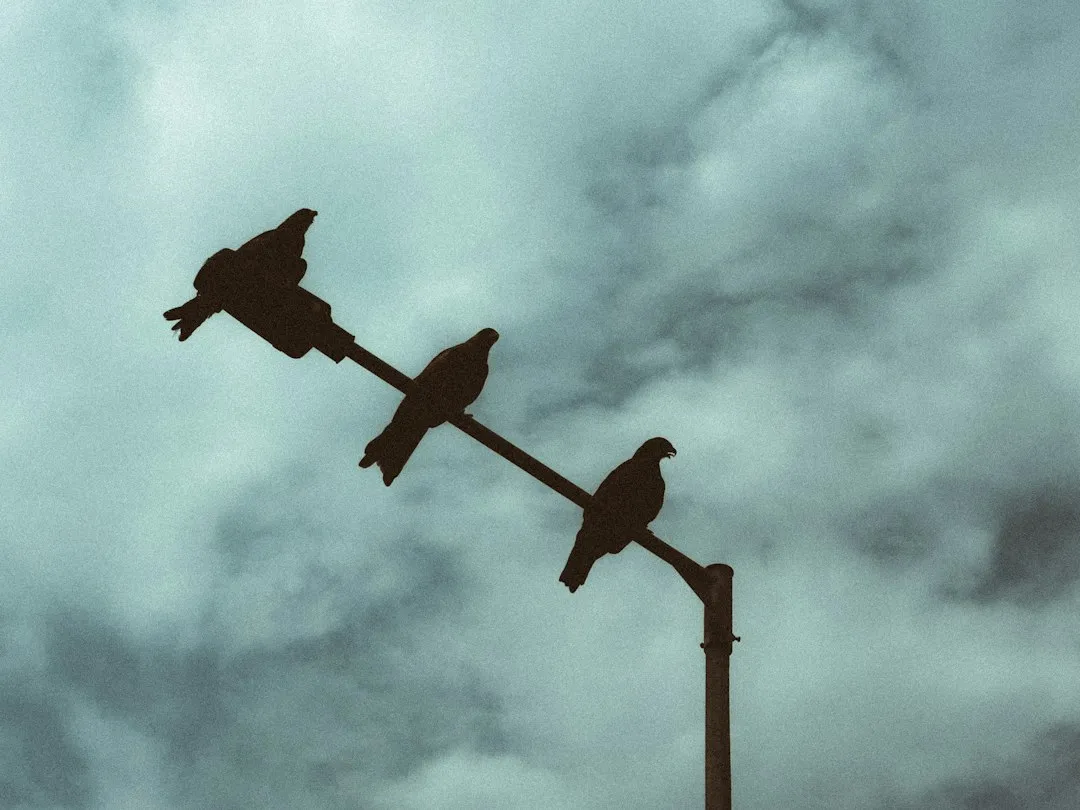
Have you ever walked outside and thought, “where did every bird just go?” right before a storm rolled in? Most people chalk it up to imagination. There’s actually solid meteorology behind it.
Birds are extremely sensitive to barometric pressure changes. As pressure drops ahead of a strong front, many species feed like crazy, then go quiet and hunker down almost on cue. Some field biologists half-jokingly use bird behavior as a real-time pressure gauge when they’re out in the field without instruments.
- An intense “feeding frenzy” 12 to 24 hours before a front.
- A sudden drop in song and visible movement as the system approaches.
- Jittery, low-flying, or ground-hugging birds minimizing exposure.
Silence alone isn’t a forecast for the whole winter – it’s a short-term reaction, gone once the front passes. But here’s where old-timers may actually be half right: when unusually frequent strong fronts show up early in the season, birds get stuck repeating this feast-and-hide cycle over and over. That pattern often hints at a more turbulent, energy-draining winter overall.
#10 – Woodpeckers and Jays Raiding Like It’s the Apocalypse
🔥 Would you like to save this?
We'll email this post to you, so you can come back to it later!
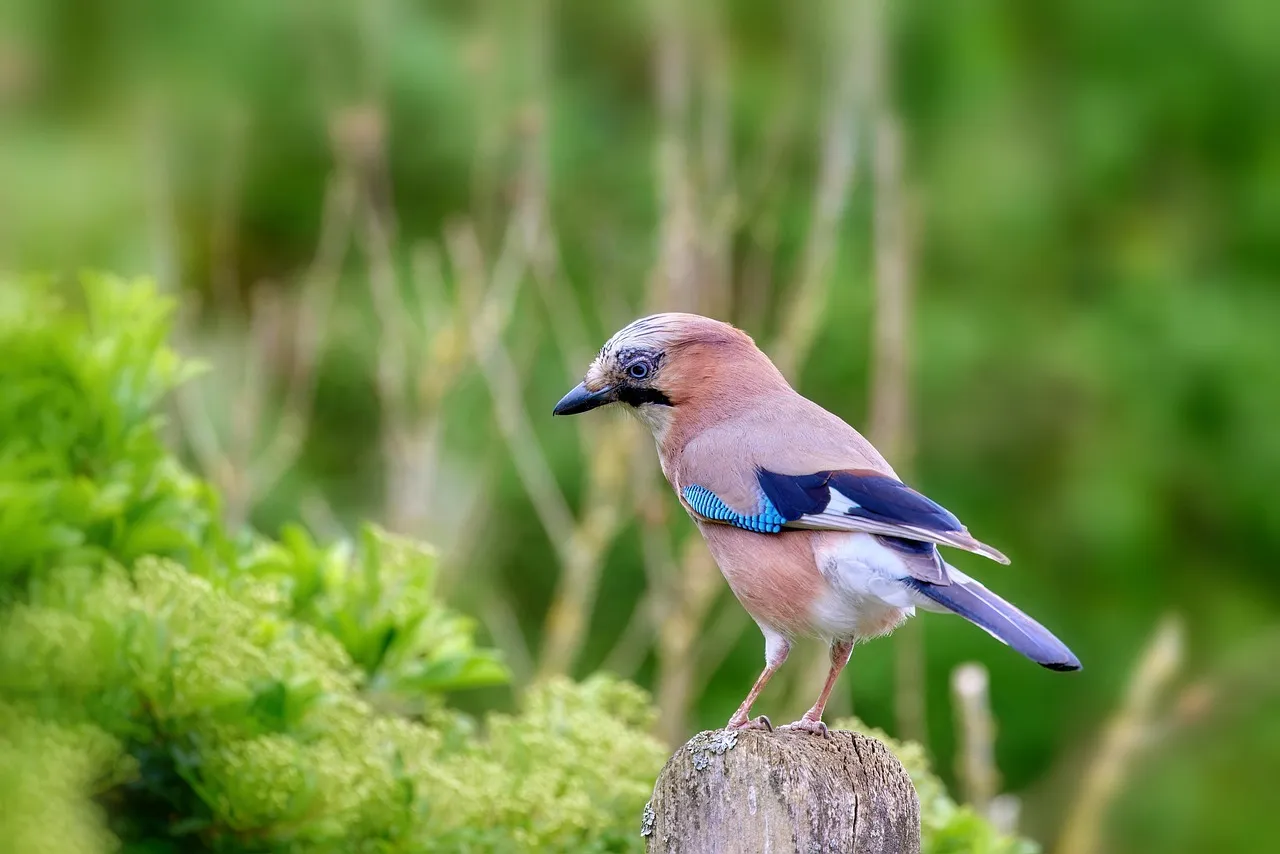
If there’s a group of birds that genuinely acts like it knows something, it’s the hoarders – woodpeckers, jays, nuthatches, and chickadees. These species cache food, hiding seeds, nuts, and even insects for the lean months ahead.
Studies on jays and chickadees show individuals can store thousands of items across hundreds of hiding spots and remember them months later. In a mild year, their caching stays steady but unhurried. In years that end up harsh, backyard birders report something closer to a construction site.
Why It Stands Out
- A single blue jay can cache 3,000 to 5,000 acorns in one autumn, tucking them one at a time into soil, moss, and leaf litter.
- Jays carry multiple acorns per trip using a stretchy throat pouch, sometimes managing up to five nuts at once.
- Their outsized memory for cache sites relies on a hippocampus that’s unusually large for a bird their size, letting them retrieve buried food months later.
- Some biologists credit blue jays with helping oak forests spread north after the last Ice Age, simply by forgetting a fraction of what they buried.
- Red-bellied or downy woodpeckers making rapid, repeated trips from feeder to tree crevice.
- Blue jays stuffing peanuts or acorns in a near-comical rush.
- Nuthatches and chickadees flying off with every single seed instead of eating on the spot.
There’s real debate here. Some experts say frantic caching just reflects a big acorn crop that year, nothing more. Others argue birds ramp up hoarding when early conditions already point toward energy-intensive months ahead. Either way, if your trees sound busy and your feeders are getting stripped by tiny hoarders all day long, gentle isn’t the word your winter is heading toward.
#9 – Unusual Visitors: Irruptions of Northern Birds
🔥 Would you like to save this?
We'll email this post to you, so you can come back to it later!
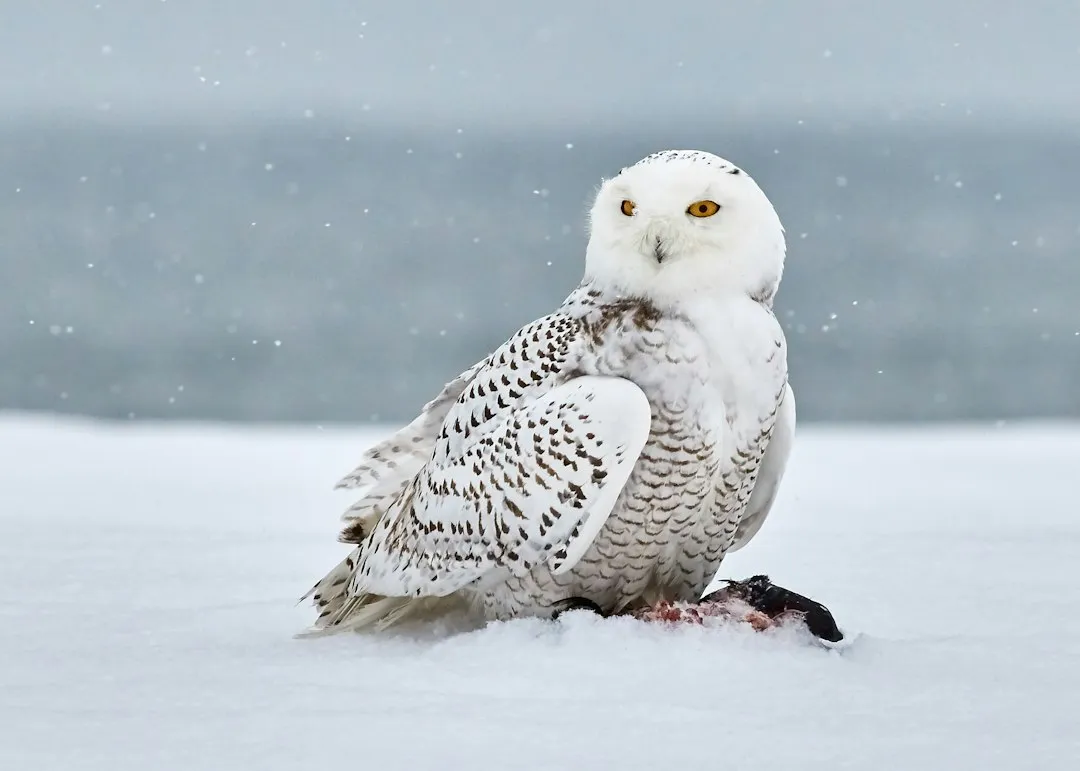
This is one of the clearest, most science-backed signs on the entire list, and it’s dramatic enough that you can’t miss it. Some years, birds that normally stay far north – redpolls, evening grosbeaks, crossbills, even snowy owls – suddenly show up in your yard.
These events are called irruptions, and they’re driven by food shortages in the birds’ normal wintering range. When cone crops, berries, or small mammal populations crash up north, birds move south in large, sometimes spectacular numbers.
- Unfamiliar finches crowding your nyjer feeder.
- Bohemian waxwings sweeping in to strip berry bushes bare.
- Rough-legged hawks, or even a snowy owl, appearing in open farmland.
Worth Knowing
- Snowy owl irruptions tend to track Arctic lemming population booms, which cycle roughly every three to five years.
- Counterintuitively, researchers have found irrupting snowy owls are often healthy, and sometimes even heavier, than owls in quiet non-irruption years.
- Most owls pushing south in a big irruption are young birds hatched during an unusually productive breeding season, not desperate stragglers.
- One of the largest snowy owl irruptions in roughly a century swept the Northeast and Great Lakes in a single unforgettable winter.
The nuance matters: an irruption doesn’t guarantee your specific town will run colder than average. It means the north is under serious stress, usually tied to harsh or unstable winter conditions there. But don’t get too comfortable if you live farther south – the same pressure systems pushing birds down often drag extreme cold and wild weather swings with them. If your yard suddenly resembles a Canadian field guide, pay attention.
#8 – Robins, Blackbirds, and Starlings Changing Their Winter Playbook
🔥 Would you like to save this?
We'll email this post to you, so you can come back to it later!
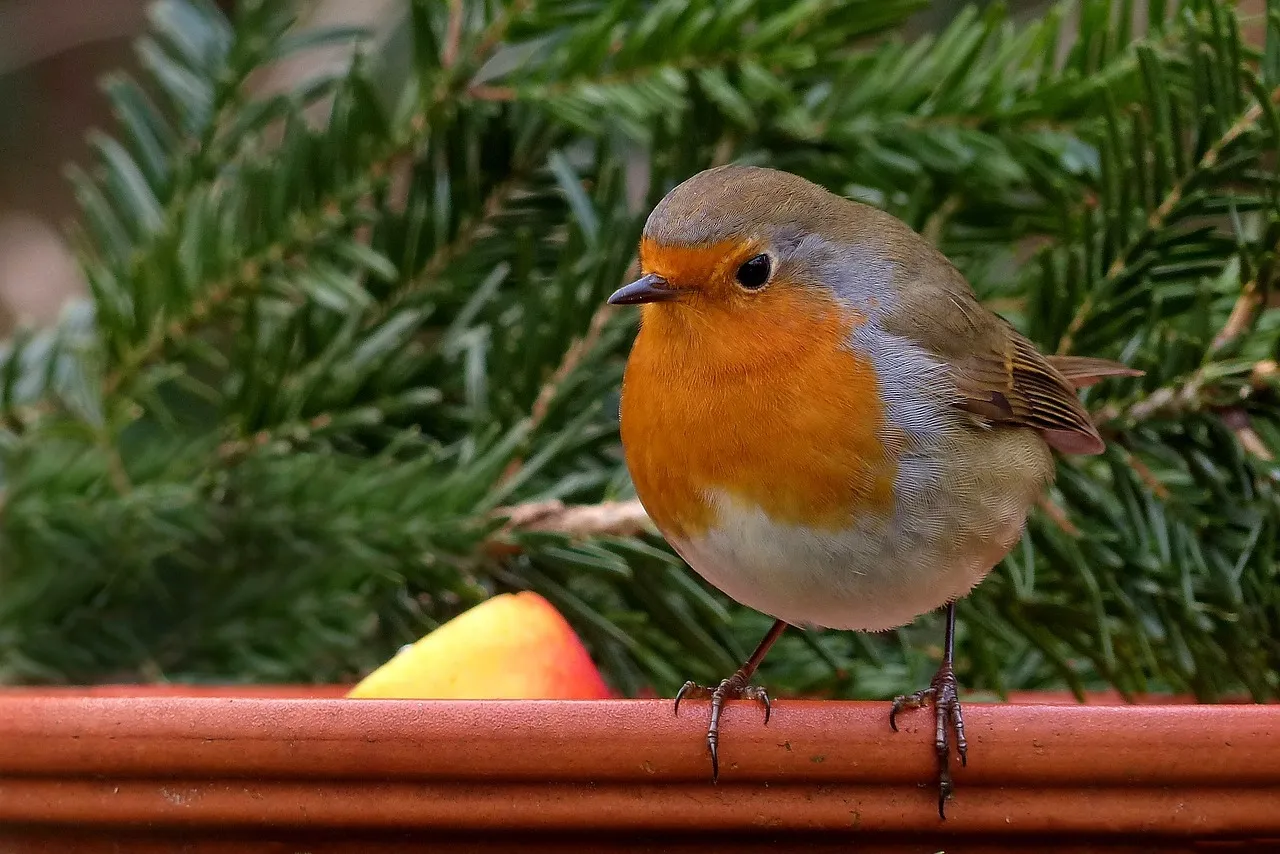
One of the most misunderstood “signs” involves partially migratory species – birds that might stay or leave depending on conditions. American robins are the classic case. People say, “robins are still here in January, so winter must be mild,” and sometimes that’s true. Just as often, it’s flat wrong.
What actually matters is where and how they behave, not just whether they’re around:
- Where they are: robins can vanish from open lawns but stay abundant in nearby woods, feasting on berries.
- How they behave: large flocks shifting into sheltered ravines, creeklines, and dense thickets suggests they’re walking a tightrope between food and harsh weather.
Starlings and blackbirds form massive winter roosts some years and scatter more in others. When you see enormous, tightly packed murmurations swirling above fields and parking lots, they’re often consolidating near the last dependable food source left standing.
- Robins vanishing from open yards earlier than usual.
- Giant mixed flocks of blackbirds, starlings, and grackles appearing near farms or landfills.
- Roosts shifting into warmer, more urban, heat-retaining areas.
These shifts aren’t birds “hanging around” casually. They’re birds minimizing energy costs in real time, in direct response to tougher conditions.
#7 – Swallows, Swifts, and Insect-Eaters Bailing Abruptly
🔥 Would you like to save this?
We'll email this post to you, so you can come back to it later!
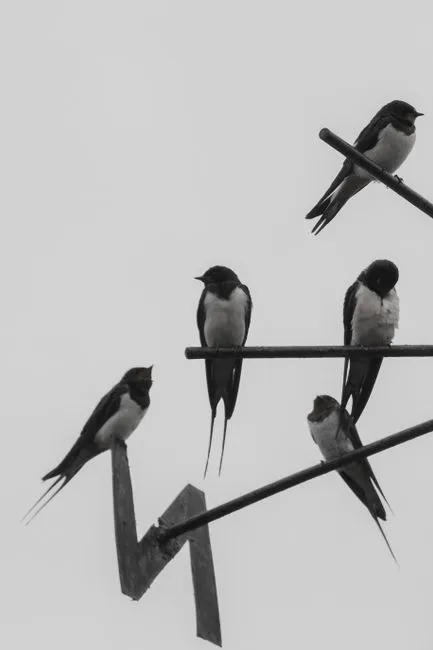
Some of the sharpest early warnings don’t come from your feeder at all. They come from birds that live almost entirely on flying insects – barn swallows, tree swallows, swifts, flycatchers – whose whole winter strategy depends on whether the air keeps producing bugs.
When insect populations crash early due to cold snaps or persistent rain, these birds can clear out almost overnight. Pay attention in late summer and early fall, and you might notice:
- Mixed swallow flocks that disappear after a few unseasonably cold, wet days.
- Fewer evening swifts over the neighborhood, weeks earlier than usual.
- Flycatchers abandoning their morning hunting perches before leaves even turn.
This isn’t birds predicting winter months in advance – it’s birds reacting to an immediate signal that their food supply is collapsing fast. But because insect declines often precede colder air masses locking in, their sudden departure works as a real-time proxy for how quickly the season is turning. Serious birders treat it as an early alarm bell; everyone else just shrugs and says, “the birds left.”
#6 – Gulls, Crows, and Pigeons Piling into Cities
🔥 Would you like to save this?
We'll email this post to you, so you can come back to it later!
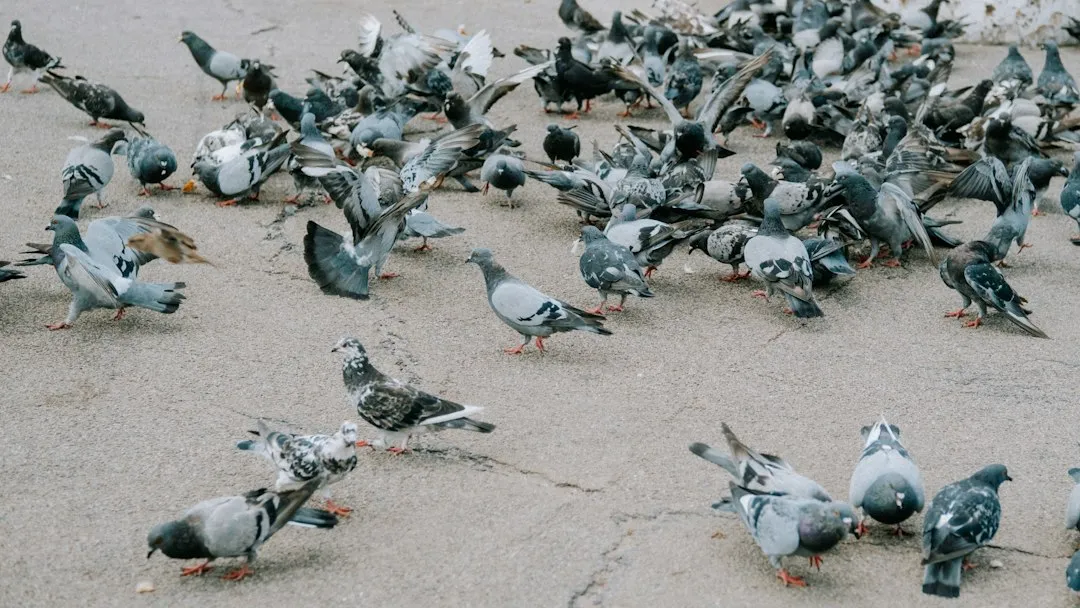
Here’s a sign almost nobody talks about, mostly because these birds seem too common and unglamorous to matter. When winter is shaping up rough, urban areas often see an influx of gulls, crows, pigeons, and even geese, all crowding closer to people.
Cities run a few degrees warmer on average and are loaded with human food waste, which becomes crucial the moment natural food gets scarce. Watch for:
- Gulls showing up inland, far from lakes or coastlines, haunting parking lots and landfills.
- Crows forming massive evening roosts in downtown trees instead of scattered rural spots.
- Pigeons and geese sticking stubbornly to heated ponds, sewage outflows, or industrial canals.
To be fair, these patterns also track with human sprawl and population growth, so it’s not a clean signal on its own. But a noticeable spike heading into winter – especially right after early heavy snow or ice – usually means the countryside has locked up: frozen ground, buried seeds, inaccessible waste grain. More noisy roosts in the city almost always means harsher conditions out where the birds used to live comfortably.
#5 – Chickadees and Titmice Getting Extra Bold (and Extra Round)
🔥 Would you like to save this?
We'll email this post to you, so you can come back to it later!
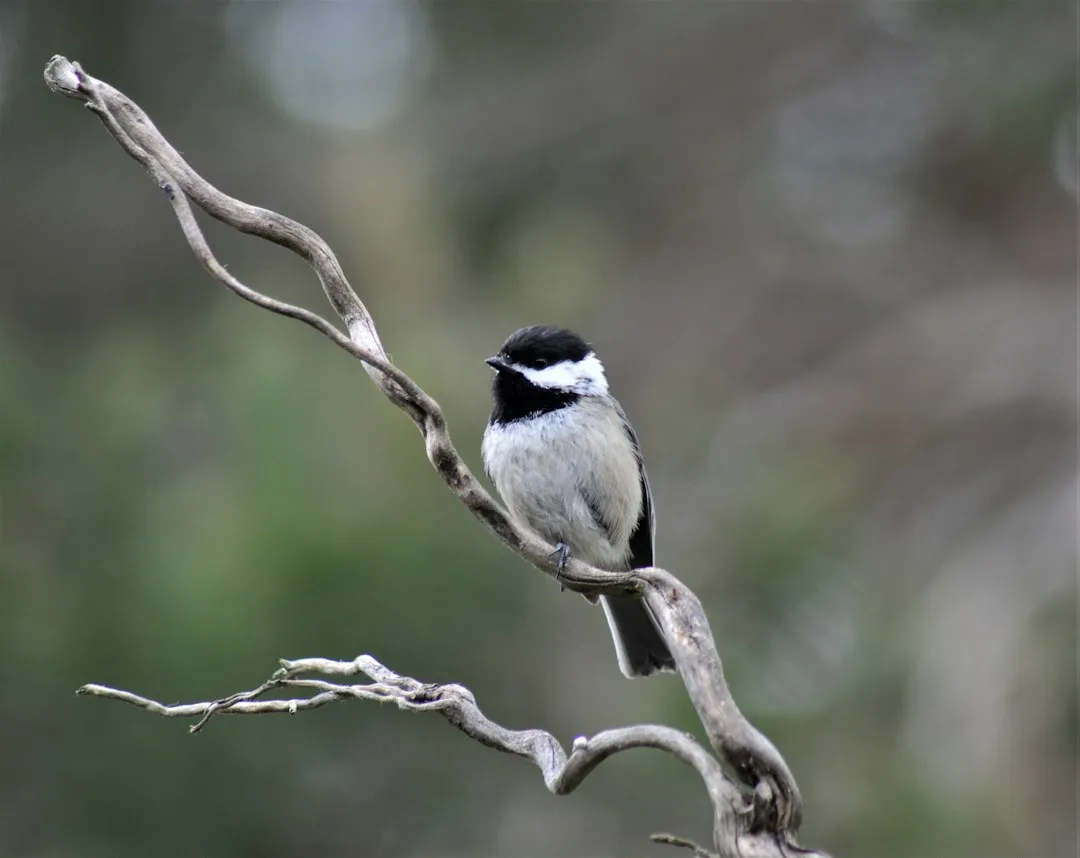
If any species has earned the “winter whisperer” reputation, it’s the chickadee. These tiny birds shrug off brutal cold and keep showing up at your window like it’s nothing, but underneath the feathers, they’re making serious, measurable adjustments.
Chickadees can increase their body mass by 10 percent or more heading into winter, almost all of it stored fuel. In years that end up harder, backyard watchers consistently notice the same cluster of behaviors:
- Chickadees and titmice visiting feeders more often and staying longer each visit.
- Birds approaching closer to humans and houses, occasionally peeking in windows.
- Mixed flocks – chickadees, titmice, nuthatches, downy woodpeckers – staying tightly grouped all day.
Quick Compare
- With reliable feeder access: long-term banding studies put chickadee winter survival near 69 percent.
- Without feeder access: survival in those same studies drops to roughly 37 percent.
- Mild-year behavior: chickadees visit steadily, grab a single seed, and retreat to eat it in cover.
- Hard-year behavior: chickadees linger longer, feed closer to people, and stay in tighter mixed flocks all day.
Some ornithologists frame this as pure energy math: the colder and windier it gets early, the more aggressively small birds have to eat, regardless of what the rest of winter holds. Longtime backyard observers insist there’s still a pattern worth trusting – years with unusually bold, round chickadees in October and November tend to line up with winters where every single calorie ends up counting.
#4 – Waterfowl Shifting South in Big, Noisy Waves
🔥 Would you like to save this?
We'll email this post to you, so you can come back to it later!
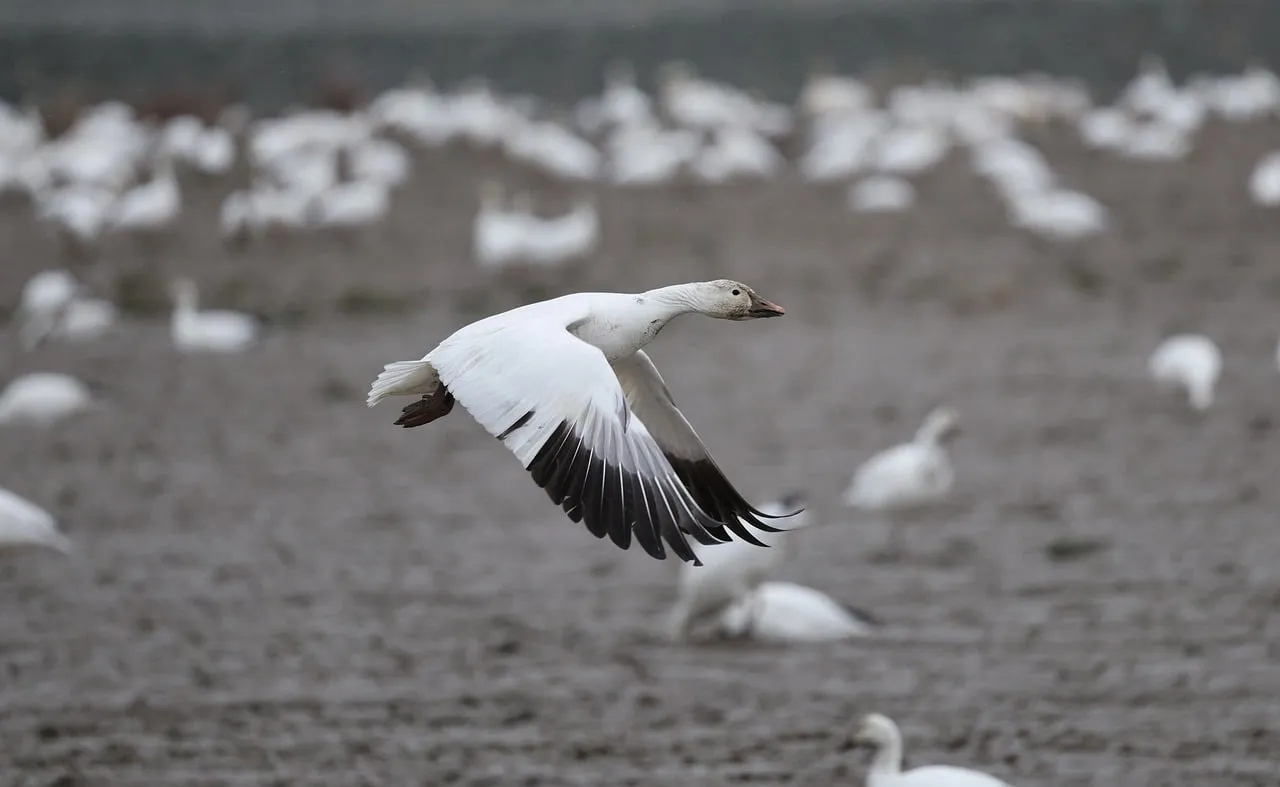
Geese honking overhead are practically the soundtrack of fall, but not every migration wave carries the same weight. When Arctic and subarctic breeding grounds get hammered early with snow and ice, ducks and geese move south in larger, more concentrated pushes than usual.
Hunters and waterfowl biologists closely track these pushes as indicators of how locked-in the northern winter has already become. At a backyard level, watch for:
- Sudden, repeated V-formation flights over your area earlier than normal.
- Local lakes and rivers going from quiet to jam-packed with ducks in a short span.
- Geese feeding heavily on lawns, golf courses, and farm fields months before they usually bother.
None of this guarantees your specific street will freeze solid. But it’s hard evidence that the engine driving your winter – the cold source regions far to the north – is already running stronger and earlier than usual. Those air masses rarely stay put politely. When waterfowl arrive early and keep pushing south, it tends to line up with winters that feel relentless instead of gently spaced out.
#3 – Feeder Birds Shifting Diets and Fighting More
🔥 Would you like to save this?
We'll email this post to you, so you can come back to it later!
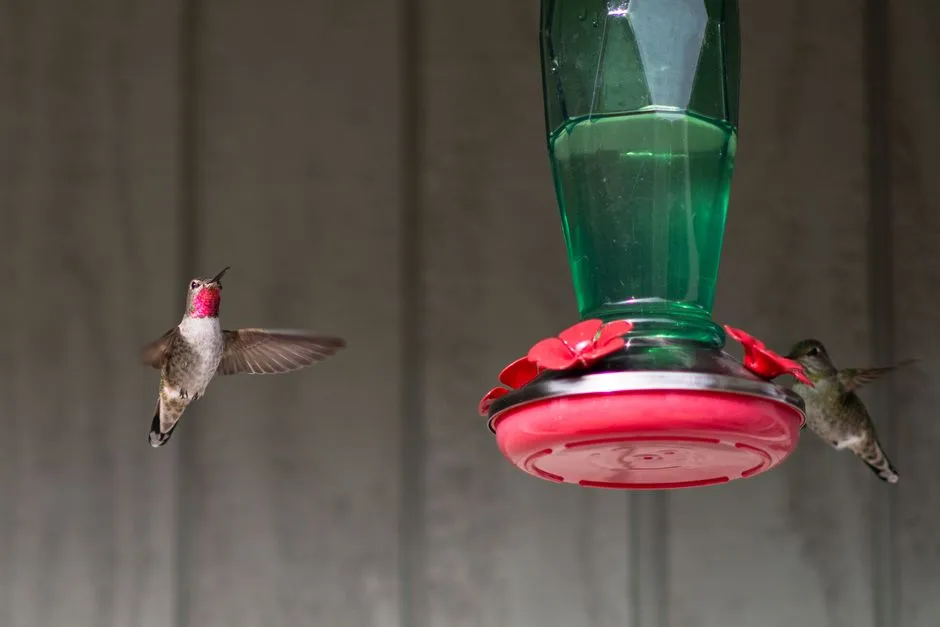
One subtle but telling shift is what birds choose to eat once their options start shrinking. In milder years, backyard birds can afford to be picky, favoring certain seeds and mostly snacking at feeders while foraging naturally elsewhere. In tougher years, that changes fast.
Expect a marked switch toward high-fat foods and noticeably more competition around every feeder. Watch for:
- Birds that normally favor millet or mixed seed suddenly hammering black oil sunflower and suet.
- Sapsuckers and woodpeckers expanding sap and suet feeding, even on unseasonably warm days.
- More aggressive chases, wing flicks, and outright fights at crowded feeding stations.
Scientifically, this is still reactive rather than predictive – birds respond to conditions they’re already feeling, like longer cold snaps or snow cover locking up the ground. But here’s the part that matters: early-season food stress that pushes birds into fattier diets and open conflict rarely improves on its own by January. It usually marks the opening chapter of a genuinely demanding winter, not a temporary blip.
#2 – Nest Boxes and Crevices Turning into Winter Bunkers
🔥 Would you like to save this?
We'll email this post to you, so you can come back to it later!
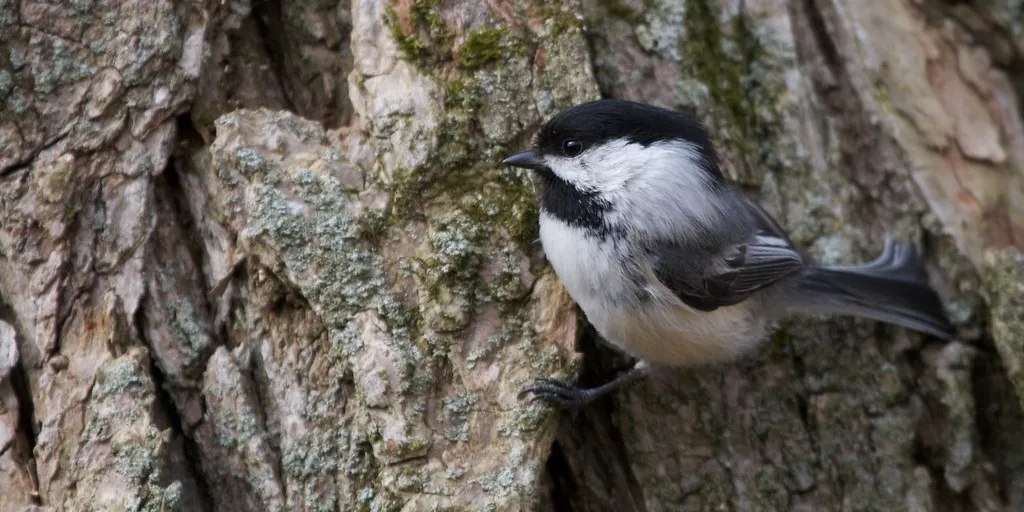
Most people think of nest boxes as spring-and-summer real estate. In reality, those same tight spaces can turn into emergency winter housing. Small species like bluebirds, tree swallows, titmice, and chickadees will use boxes and natural cavities as night roosts, especially when the season turns rough.
Groups of chickadees have been documented roosting together in tight spaces specifically to share body heat. In a standard winter, you might catch the occasional evening entry or sporadic interest in a crevice.
In a genuinely hard winter – or one clearly heading that way – the behavior looks different:
- Birds inspecting and using boxes well before breeding season, in late fall.
- Multiple birds cramming into a single box at dusk.
- The same individuals claiming the same shelter night after night, like a nightly check-in.
The message here is brutally simple: nights are cold and costly enough that any micro-shelter is worth the risk of crowding, disease, and even predators finding the spot. When that starts early in the season, it’s a loud signal about how much energy winter nights are already demanding – and it’s easy to miss unless you’re actually watching your boxes in November.
#1 – Long-Term Shifts: When “Weird” Becomes Your New Normal
🔥 Would you like to save this?
We'll email this post to you, so you can come back to it later!
Here’s the uncomfortable truth almost nobody on social media wants to admit: no single bird behavior predicts a hard winter with crystal-ball precision. But watch your local bird community for years, and patterns emerge – and changes in those patterns may be the most powerful sign on this entire list.
Birds are living barometers of shifting climate and weather volatility, not just short-term fronts passing through. Ask yourself honestly:
- Are certain migrants consistently leaving earlier and returning later than they did 10 to 15 years ago?
- Do irruptions of northern birds feel more frequent, or more desperate, than they did when you were a kid?
- Have chickadees, nuthatches, and jays become more reliant on your feeders earlier in fall, instead of waiting for deep winter?
Some winters run mild overall yet get punctuated by brutal cold snaps and ice storms that stress birds more than a steadily cold season ever would. Many experts believe birds are already adapting to that new, jagged pattern, and their behavior is less about forecasting one “bad winter” and more about surviving a world where extremes are becoming the rule instead of the exception. When the strange behavior you used to see once a decade becomes routine, your winters probably don’t look like your grandparents’ anymore – and the birds outside your window are the first ones to tell you.
The Bottom Line
🔥 Would you like to save this?
We'll email this post to you, so you can come back to it later!
Birds around your home can absolutely signal what’s happening with weather and winter, just not in the tidy, fortune-cookie way folklore promises. They aren’t mystical prophets. They’re brutally honest survivors reacting to food, cold, and pressure shifts faster than we ever could, and their behavior is the closest thing to real-time weather data most of us will ever get for free.
Early feeder mobs, frantic caching, irruptions of northern species, shifting roosts, and sudden diet changes all add up to one picture: how hard the season is already hitting them, and how early it started. Treating any single behavior – “the geese flew low,” “the robins stayed” – as a guaranteed forecast is wishful thinking dressed up as folk wisdom.
My honest take? The smarter move is watching patterns over years, not one dramatic week. If “strange” bird behavior keeps becoming your new normal every fall, chances are your winters already have too – and the birds figured that out long before the weather app did. Did we miss a sign you swear by in your own backyard? Drop it in the comments and let everyone argue it out.

- 14 Wildlife Permits Waived for Americans the Year They Turn 62 - November 5, 2026
- Machu Picchu’s Engineering Feats Were Far Ahead of Its Time - November 5, 2026
- 12 Most Beautiful American Cities To See Before You Die - November 4, 2026