
You’ve probably stepped on an ant and never thought twice about it. Here’s the thing though: that tiny creature you just crushed might have been hauling something fifty times heavier than itself. It sounds crazy, but some insects are pound for pound stronger than any animal on the planet, including elephants and gorillas.
We often measure strength by how much weight someone can lift or how hard they can hit. That makes sense when we’re talking about people or large mammals. When it comes to insects, though, things get way more interesting. Their size works as an advantage, not a limitation. The smaller you are, the more your muscles can do relative to your weight. It’s a quirk of physics that makes the insect world a place of hidden champions.
So let’s dive into this miniature universe of powerlifters. Be surprised by what these tiny athletes can actually accomplish when you scale their feats to human proportions.
The Horned Dung Beetle: Nature’s Ultimate Powerlifter
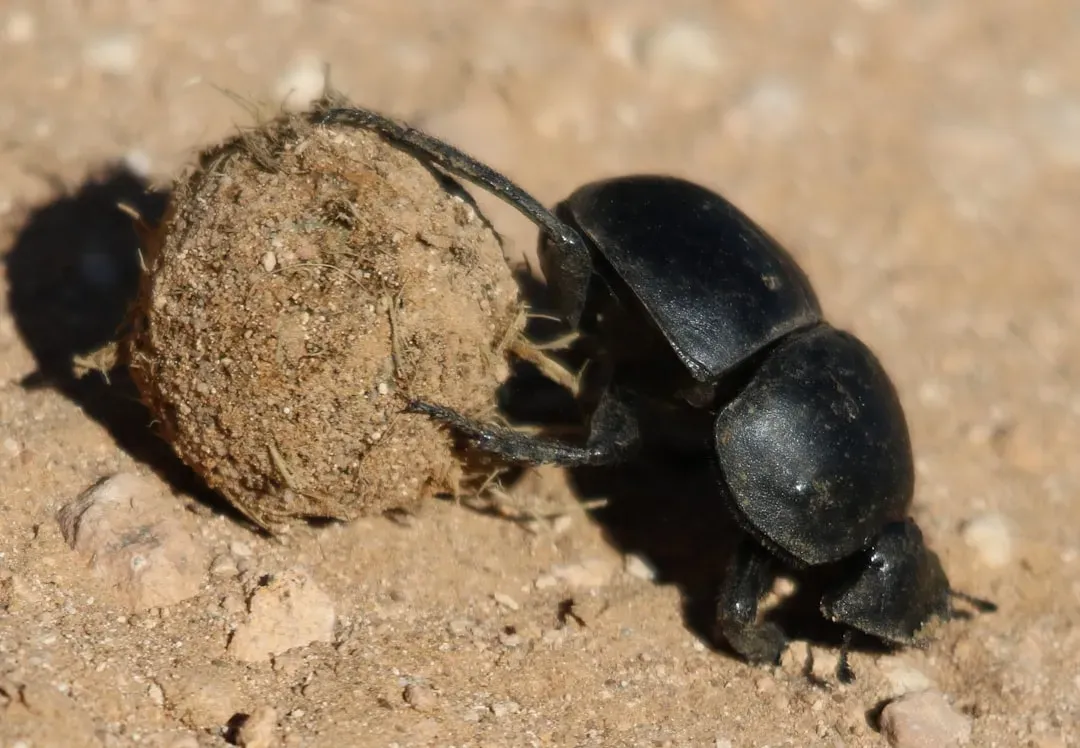
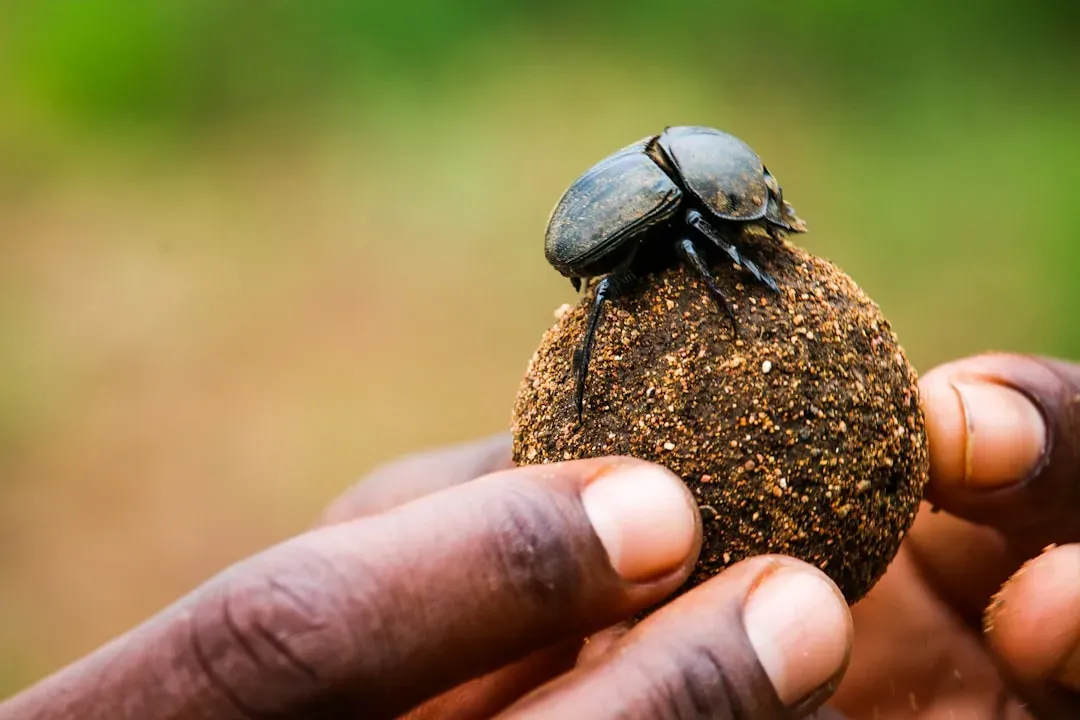
Let’s be real, the name doesn’t sound glamorous. The dung beetle is not only the strongest insect in the world but the strongest animal relative to its size. A mere ten millimeters long, the beetle can pull up to 1141 times its own body weight. Picture that for a second. If you had that kind of strength, you’d be dragging two fully loaded tractor trailers down the street without breaking a sweat.
Scientists now reveal the world’s strongest insect to be a species of dung beetle called Onthophagus taurus, with the strongest beetle pulling an astonishing 1,141 times its own body weight. Researchers measured this by attaching a thread to the beetle and adding drops of water to a tiny bucket until they couldn’t pull anymore. The scientists believe the beetle evolved such brawn because brute strength is the deciding factor in males’ competition over females.
Males dig tunnels under dung piles where they mate, and if a rival shows up, they lock horns and shove until one gets pushed out. Even the strongest beetles were reduced to feeble weaklings when put on a poor diet for a few days. So yes, even the world’s strongest insect needs to eat well. It’s hard to say for sure, but this makes you wonder if there are insect gyms somewhere underground.
Rhinoceros Beetles: The Horned Heavyweights
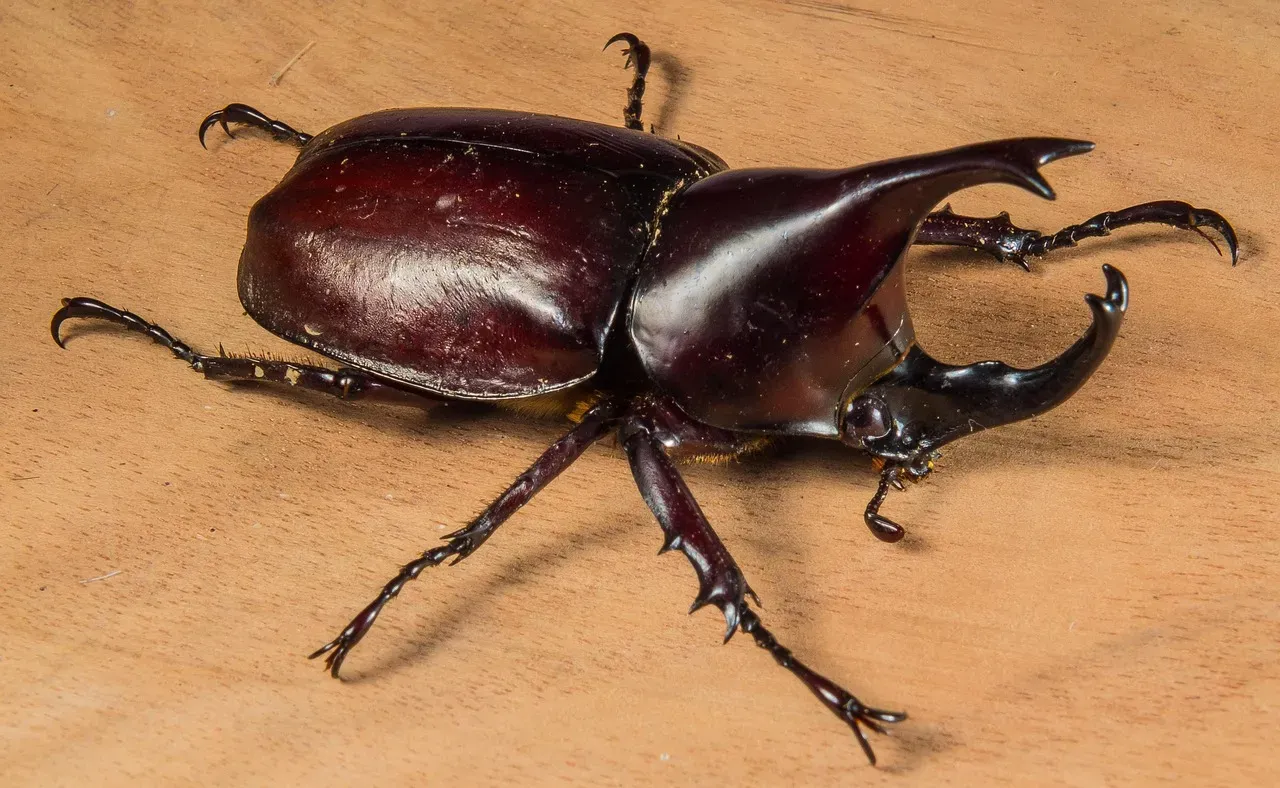
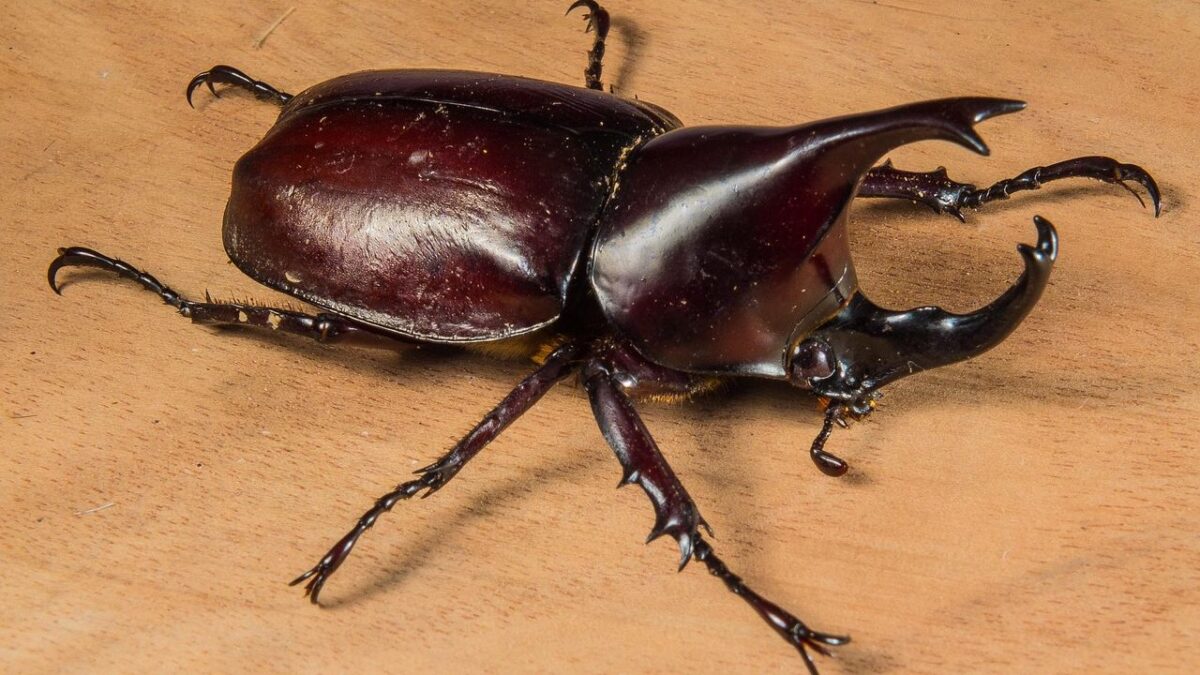
Rhinoceros beetles are among the strongest in the world, able to lift 850 times their body weight. They get their name from the impressive horn that juts out from the males’ heads, curving upward like a miniature rhino. The Dynastinae are among the largest of beetles, reaching more than 15 centimeters in length, but are completely harmless to humans because they cannot bite or sting.
Adults of these species can lift objects 850 times their weight, like a human lifting twenty mid-sized cars. These beetles use their horns to fight other males during mating season, and honestly, watching two rhinoceros beetles wrestle looks like something out of a nature documentary crossed with a sumo match. They’re quite long and heavily built with powerful muscles, and have long appendages with at least three legs touching the ground at all times, which gives them extraordinary balance and leverage, allowing them to lift objects several times their body weight.
Despite their intimidating appearance with those massive horns and powerful build, they’re gentle giants. They mainly eat fruit, nectar, and tree sap. These aren’t actually vocal noises, instead they’re produced when the beetle rubs its abdomen and wing covers together. So if you ever hear a hissing sound near rotting wood, it might just be a rhinoceros beetle saying hello.
Leafcutter Ants: Tiny Farmers with Massive Strength
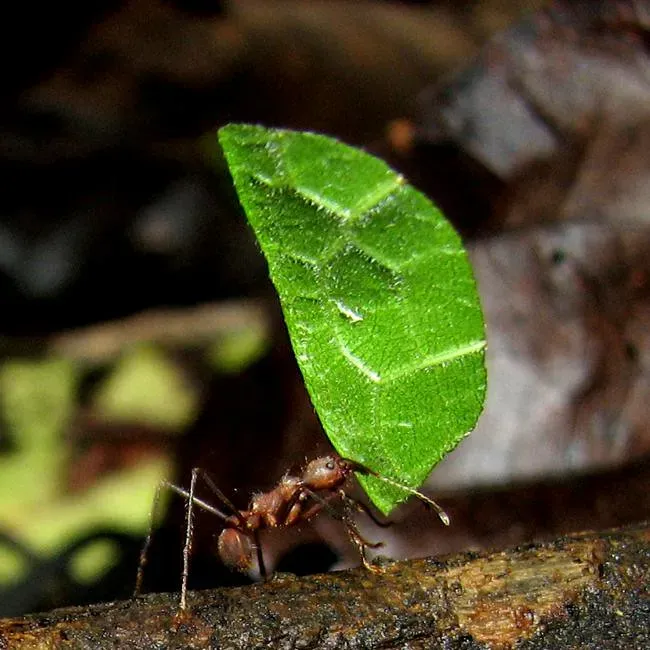
Walk through a rainforest in Central or South America and you might see what looks like a parade of moving leaves. Look closer. Those leaves are being carried by leafcutter ants, and what they’re doing is genuinely remarkable. Leafcutter ants can carry up to 50 times their own body weight and collect leaves to provide food for the fungus they farm.
Recent scientific studies reveal something even more impressive. Leaf-cutter ants were able to carry a maximum of 8.78 times their body mass, and the results of the scaling analysis suggests that this remains constant as body mass increases. Wait, that doesn’t match what we just said, right? Here’s where it gets interesting. Leafcutter ants are among the most impressive examples of strength in the insect world, known for their ability to carry leaf fragments that can weigh up to 50 times their own body weight. The difference comes down to what they choose to carry versus what they can carry when really pushed.
They don’t use these leaves as food directly. The leaves brought back to the nest by the Leaf cutter ants aren’t used as food directly, but rather as a substrate for cultivating fungus, which serves as the primary food source for the colony. Think of them as underground gardeners running a sophisticated agricultural operation. A leaf-cutter ant can carry leaf fragments that are up to 20 times their own body weight while moving quickly over long distances, a proportionate task for an average adult human would be to carry 660 pounds while running a marathon at a four-minute-per-mile pace.
How Do These Tiny Creatures Get So Strong?
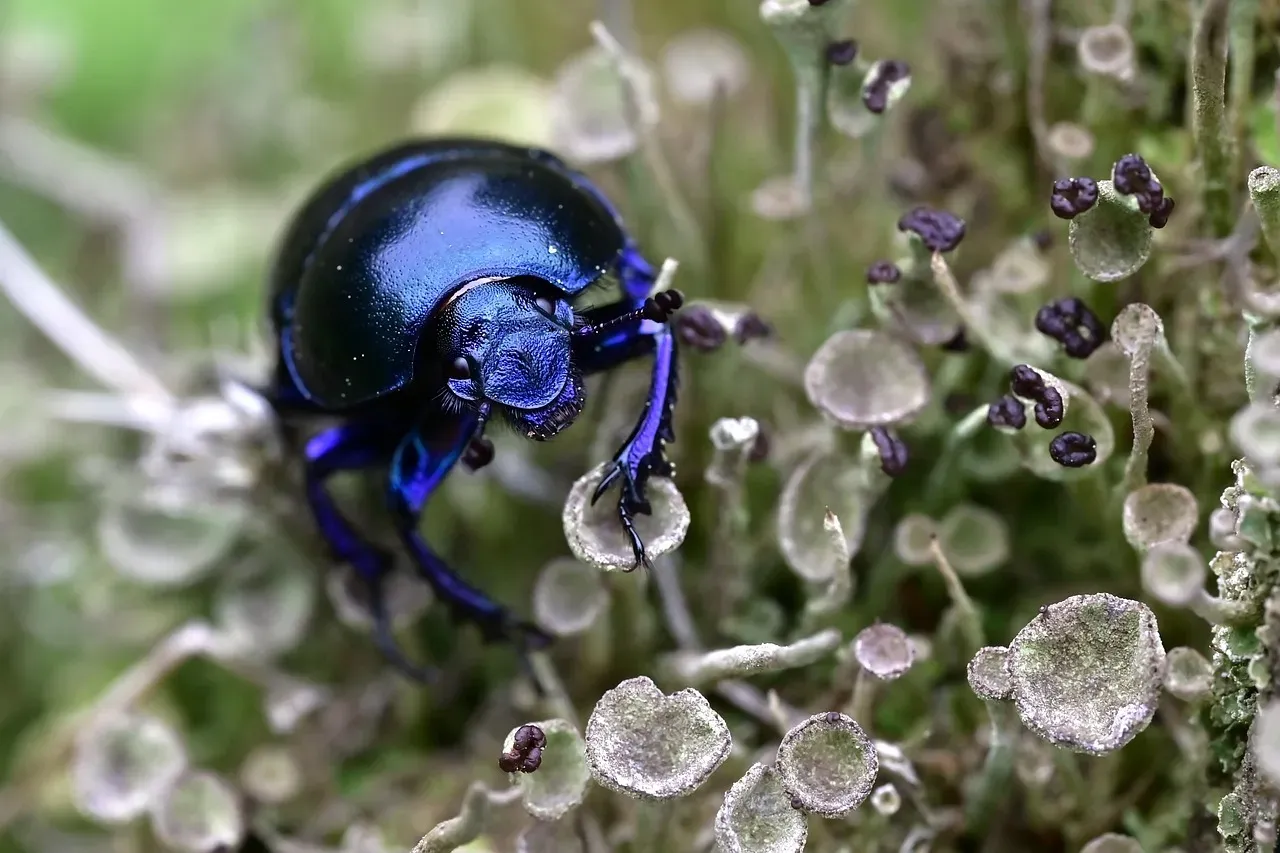
The secret to insect strength isn’t some magical protein shake. It’s physics. Their extraordinary strength is due in large part to having muscles that attach directly to their exoskeleton, which allows them to generate enormous amounts of force relative to their size, as all insects have their muscles attached this way, whereas vertebrates have muscles that are attached to bone and strength depends on muscle size.
Smaller creatures have a massive advantage when it comes to strength relative to size. As animals get bigger, their weight increases faster than their muscle strength does. The dung beetle’s strength-to-weight ratio is the primary physical property attributed to their unprecedented abilities, as larger animals have larger muscles but more of their strength is needed to support their own body weight, while the lesser mass of insects allows them to devote the majority of their strength to moving additional weight.
I know it sounds counterintuitive, but being small is actually a superpower in the insect world. Their muscles don’t need to spend energy just holding their bodies upright or fighting gravity the way ours do. Nearly all their muscular effort can go toward lifting, carrying, and pushing. It’s like having a performance car that weighs almost nothing but has a massive engine.
Why Did These Insects Evolve Such Strength?
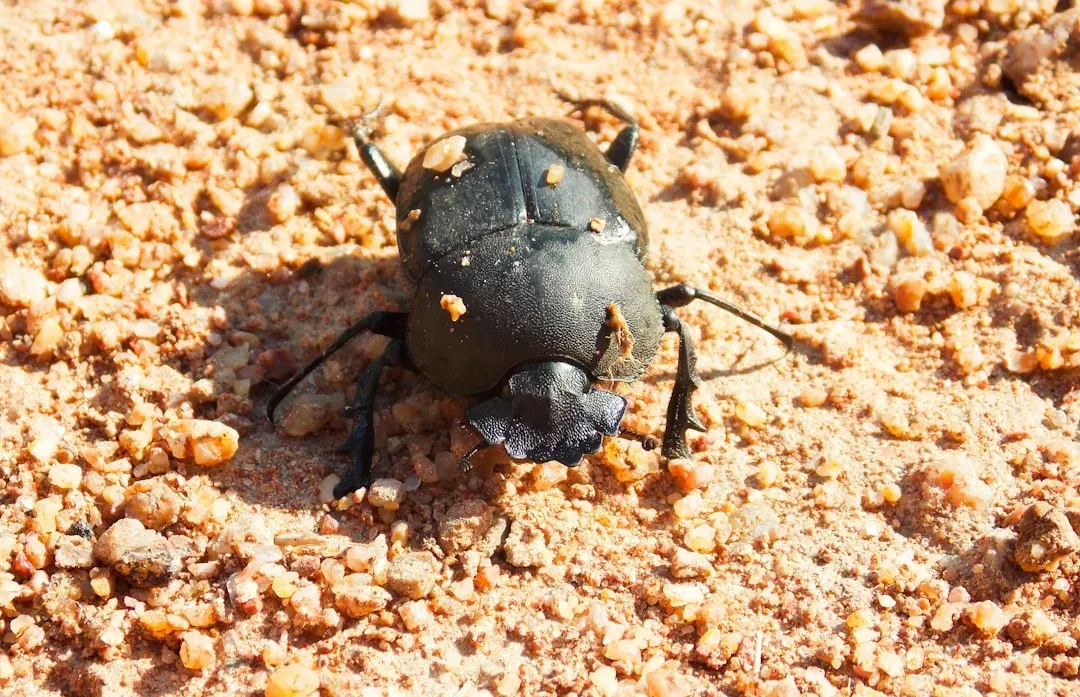
Strength in the insect world usually comes down to two things: survival and sex. The amazing strength is correlated with the beetle’s natural sexual activity, as female beetles dig tunnels under a dung pat where males mate with them, and if a male enters a tunnel already occupied by a rival, they fight by locking horns and try to push each other out. The stronger males win access to females, passing on their genes.
The rhinoceros beetle faces similar competitive pressure. The horns are used in fighting other males during mating season and for digging, and the size of the horn is a good indicator of nutrition and physical health. Bigger horns and more strength equal better chances at reproduction. It’s nature’s version of a bodybuilding competition, except the prize is passing on your DNA.
Leafcutter ants evolved their strength for completely different reasons. They needed to become efficient farmers. Carrying heavy loads of leaves back to the colony means more food for the fungus garden, which means more food for everyone. Leaf cutter ants use their powerful jaws to cut out pieces of leaves, which they then haul back to their nests over long distances, often through rough terrain. Strength here is about community survival, not individual competition.
What This Means for the Natural World
These powerhouse insects aren’t just showing off. They play critical roles in their ecosystems. Dung beetles, for example, do exactly what their name suggests: they process animal waste. By burying dung underground, they recycle nutrients back into the soil and help control parasites and flies. Without them, grasslands and savannas would be knee deep in manure.
Leafcutter ants are even more fascinating. They’re essentially farmers who have been cultivating crops for millions of years longer than humans. Their underground fungus gardens can be massive, and the ants’ constant harvesting actually stimulates new plant growth in the forest. They’re like tiny landscapers maintaining the health of the entire ecosystem.
Rhinoceros beetles contribute by breaking down dead and decaying wood as larvae, helping decompose fallen trees and return nutrients to the forest floor. Sure, they look intimidating with those horns, but they’re really just nature’s cleanup crew. Each of these incredibly strong insects serves a purpose far beyond their individual battles or daily tasks.
Conclusion
The insect world is full of surprises. These creatures that we barely notice, or sometimes squash without thinking, are performing feats of strength that would be impossible if scaled to human size. From the horned dung beetle pulling more than a thousand times its weight to leafcutter ants farming fungus with jaw-dropping carrying capacity, nature has engineered some truly remarkable athletes.
Their strength isn’t just for show. It’s a survival tool shaped by millions of years of evolution, driven by competition, cooperation, and the need to thrive in challenging environments. Next time you see an ant carrying a crumb ten times its size, maybe take a moment to appreciate what you’re actually witnessing. It’s a tiny Olympian at work.
What do you think about these miniature powerhouses? Did you expect insects to be this strong?

- 10 Fascinating Facts About the Amazing Osprey - July 23, 2026
- The Impact of Heatwaves on Animal Behavior and Survival - July 23, 2026
- The Enduring Loyalty of Elephants Shows Us the True Meaning of Family Bonds - July 23, 2026