

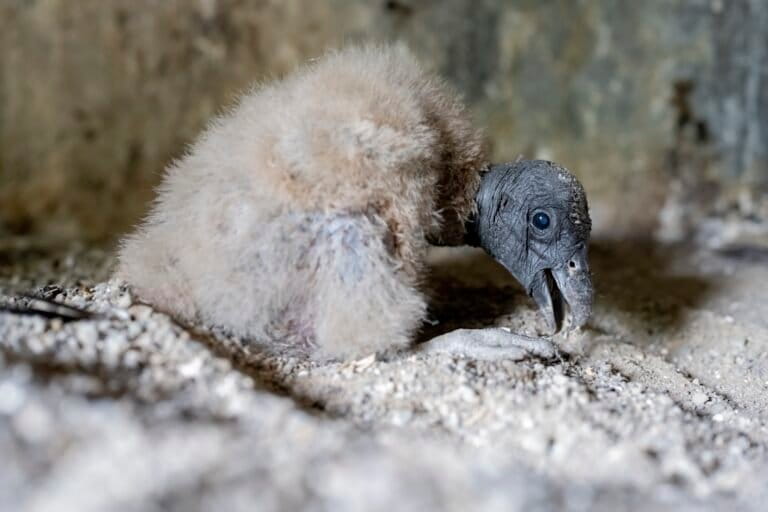
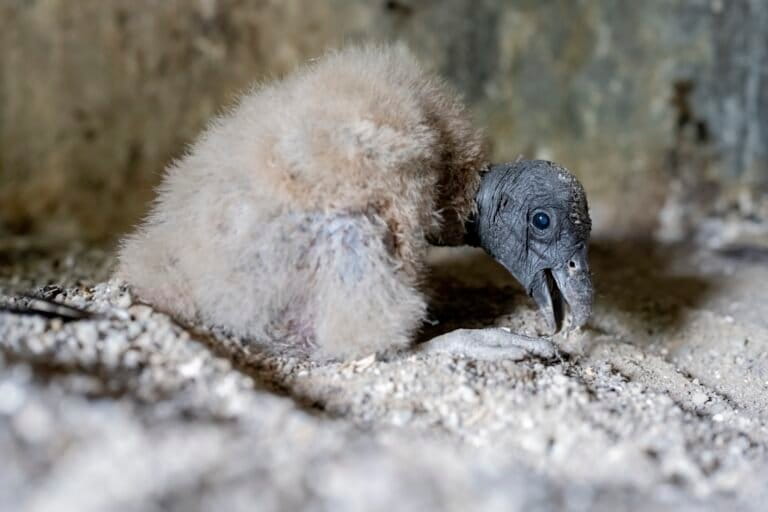
A Glimmer of Hope Amid Decline (Image Credits: Imgs.mongabay.com)
Bogotá, Colombia – Conservationists marked a pivotal moment in the battle to save the Andean condor when three chicks emerged from eggs in an innovative incubation program near the capital.
A Glimmer of Hope Amid Decline
The Andean condor, Colombia’s national symbol and one of the world’s largest flying birds, faces severe threats across its Andean habitat. With fewer than 150 individuals remaining in Colombia and neighboring Ecuador, the species teeters on the brink of local extinction due to habitat loss, poisoning, and human encroachment. Yet, recent successes in captive breeding offer a ray of optimism for this majestic raptor, known for its 10-foot wingspan and cultural significance in indigenous lore.
Since July 2024, dedicated efforts have yielded three healthy chicks through artificial incubation, a technique that mimics natural conditions to boost survival rates. This breakthrough underscores the urgency of intervention, as wild populations continue to dwindle. Experts emphasize that without such programs, the condor could vanish from Colombian skies within decades.
The Jaime Duque Park Foundation’s Role
At the forefront of these initiatives stands the Jaime Duque Park Foundation, a nonprofit that launched its condor conservation work in 2015. The organization operates an artificial incubation facility just outside Bogotá, where specialists carefully monitor eggs sourced from rescued birds or ethical breeding pairs. This controlled environment protects vulnerable embryos from environmental hazards and ensures optimal development.
Foundation staff, including wildlife specialist Fernando Castro, have poured years into refining these methods. Castro described the chicks as “the salvation of the species,” highlighting their potential to repopulate wild areas. By 2026, the program had celebrated milestones like the hatching of Ambar in November 2025 and two more chicks earlier in the year, each step building toward sustainable release strategies. The foundation collaborates with national parks and international partners to track progress and address ongoing challenges.
Challenges Facing the Andean Condor
Despite these advances, conservationists confront formidable obstacles in restoring condor numbers. Lead poisoning from scavenged livestock carcasses remains a primary killer, while illegal hunting and collisions with power lines exacerbate the decline. In Colombia, fragmented habitats along the Andes limit natural breeding, forcing reliance on human-assisted reproduction.
Global assessments classify the Andean condor as vulnerable, with populations split across South America from Venezuela to Patagonia. Regional studies, such as those identifying priority areas in Colombia, guide efforts to protect key foraging zones. Still, experts stress the need for broader policy changes, including stricter regulations on toxins and expanded protected lands, to support long-term recovery.
Steps Toward a Sustainable Future
Future plans include preparing the chicks for eventual release into monitored wild sites, equipped with satellite trackers to study behavior and survival. The Jaime Duque program aims to hatch more in coming years, integrating genetic diversity to strengthen the population. Community education plays a crucial role, as local involvement reduces conflicts between condors and farmers.
Key strategies encompass:
- Enhancing artificial incubation techniques for higher hatch rates.
- Monitoring released birds via GPS to evaluate adaptation.
- Partnering with indigenous groups for habitat stewardship.
- Advocating for anti-poisoning laws in Andean regions.
- Conducting public awareness campaigns to foster support.
| Threat | Impact | Mitigation |
|---|---|---|
| Lead Poisoning | High mortality in adults | Ban on lead ammunition |
| Habitat Loss | Reduced breeding sites | Protected area expansion |
| Hunting | Direct population decline | Enforcement and education |
Key Takeaways
- Three chicks hatched since 2024 signal progress in countering extinction risks.
- The Jaime Duque Foundation’s work since 2015 emphasizes artificial incubation’s value.
- Addressing poisoning and habitat threats remains essential for full recovery.
As these young condors take their first flights, they embody resilience in the face of adversity, reminding us of nature’s fragility and our power to protect it. What steps can communities take to support such vital efforts? Share your thoughts in the comments.

- Urban Coyotes Show Remarkable Adaptability, Learning to Thrive in City Environments - July 22, 2026
- Beavers Are Nature’s Engineers, Creating Vital Habitats for Other Wildlife Species - July 21, 2026
- The Recovery of the California Condor Offers Hope for Other Critically Endangered Birds - July 21, 2026