

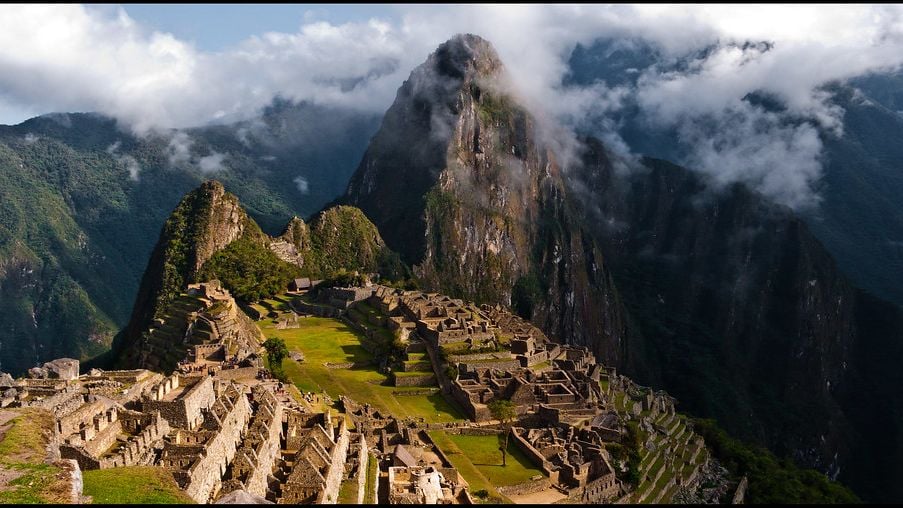
South America whispers stories of vanished civilizations, buried treasure, and secrets the jungle refuses to tell. The idea of finding something that’s been hidden for centuries pulls at something primal in us. Perhaps it’s the promise of gold, or maybe it’s just the thrill of discovery itself.
Some of these cities were swallowed by jungle vines and forgotten entirely. Others were known all along but deliberately kept quiet, protected from outsiders for centuries. From legendary kingdoms draped in gold dust to mysterious stone sculptures scattered across forgotten lands, these lost places offer glimpses into worlds that once thrived and then simply disappeared. Let’s dive into eight of the most fascinating lost cities South America has hidden away.
El Dorado: The Gilded Myth That Never Died

El Dorado is a mythical city of gold supposedly located somewhere in South America, and the king of this city was said to be so rich that he would cover himself from head to foot in gold dust before diving into a sacred lake to wash it off. The legend is inspired by the culture of the Muisca, an indigenous people who inhabited a plateau in the Andean Mountains range in present-day Colombia, where each time a new leader was crowned, his body was covered in gold dust and offerings were transported to the depths of Lake Guatavita.
Here’s the thing: El Dorado wasn’t originally a place at all. To the Muisca, “El Dorado” was not a city, but the king at the center of this ritual, also called “the Gilded One.” As time went on, the legend of El Dorado transformed from a single king to a lost city filled with riches. Sir Walter Raleigh famously mounted two expeditions in 1595 and 1616 to search for El Dorado. The search for El Dorado wasted lives and even led to deaths, and their searches wasted countless lives, drove at least one man to suicide, and put another man under the executioner’s ax.
Paititi: The Inca’s Last Hidden Refuge
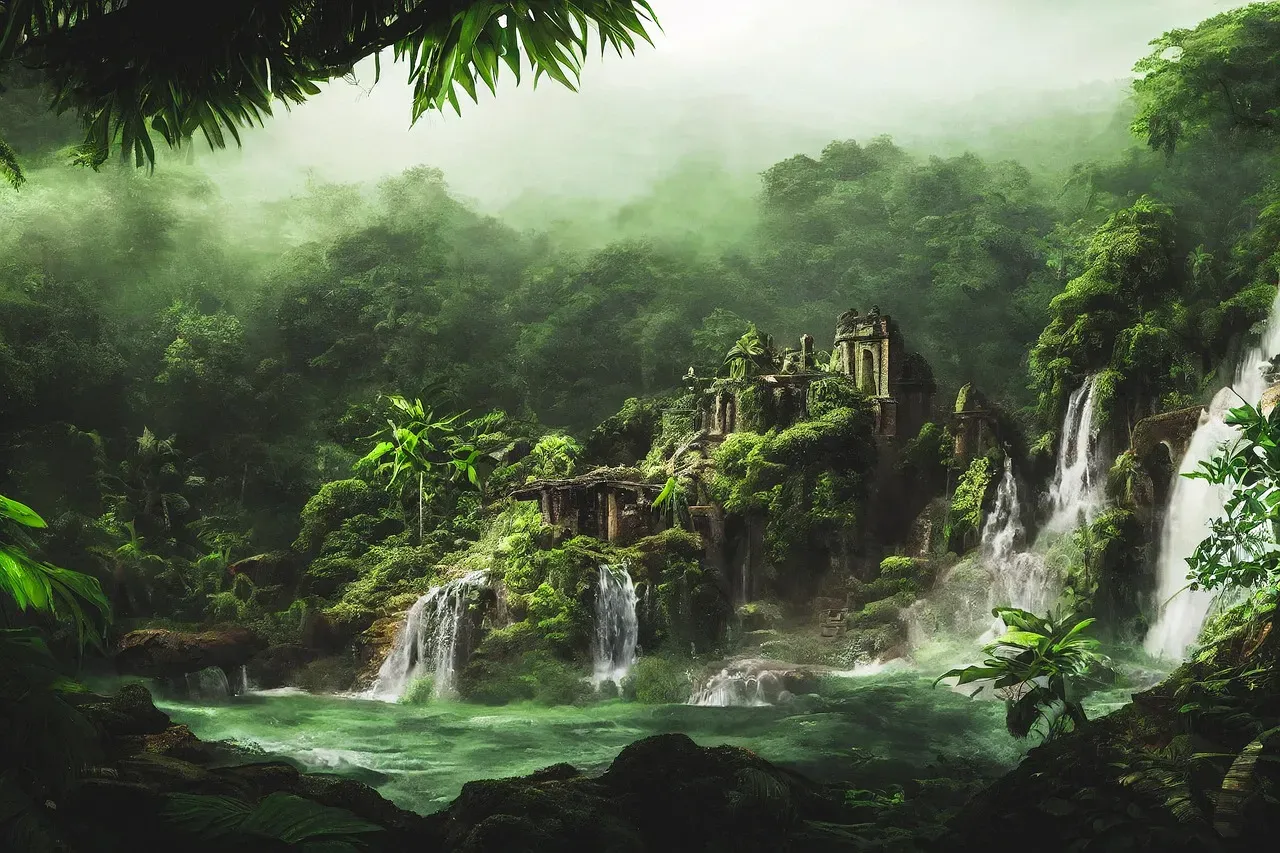
Paititi is a legendary Inca lost city or utopian rich land that allegedly lies east of the Andes, hidden somewhere within the remote rainforests of southeast Peru, northern Bolivia or northwest Brazil. Paititi was said to have been a powerful kingdom and a secret Inca city located deep inside the Peruvian Amazon.
Many suggested the Incas had hid their treasure in a secret, remote city deep in the jungle east of the mountains. The most fascinating evidence came from an unexpected source. In 2001, the Italian archaeologist Mario Polia discovered the report of the missionary Andres Lopez in the archives of the Jesuits in Rome, and in the document, which dates from about 1600, Lopez describes a large city rich in gold, silver, and jewels, located in the middle of the tropical jungle called Paititi by the natives. Among explorers who set out with dreams of triumph were a 1971 group of French and Americans and a 1997 Norwegian group who were never heard from again. Some believe treasure hunters might be chasing shadows, yet discoveries continue to surprise us.
Ciudad Perdida: Colombia’s Stone Terraced Wonder
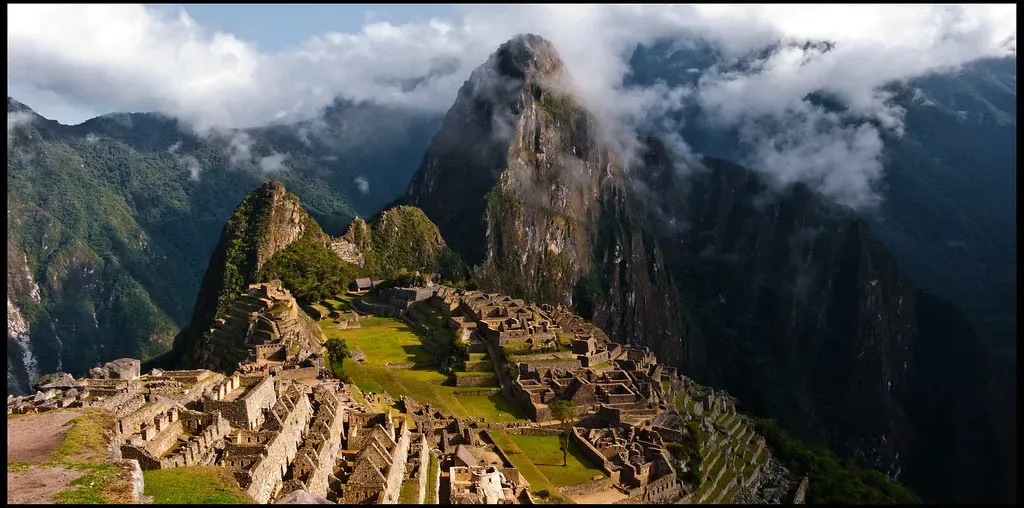
Ciudad Perdida is the archaeological site of an ancient city in the Sierra Nevada de Santa Marta of Colombia, and this city is believed to have been founded about 800 AD. Ciudad Perdida predates Machu Picchu by about 650 years.
This one was actually lost and then found. Ciudad Perdida was discovered in 1972 by Los Sepúlvedas, a group of local treasure looters who, while retrieving a wild turkey, noticed it had fallen on a series of stone steps rising up the mountainside. Ciudad Perdida consists of a series of 169 terraces carved into the mountainside, a network of tiled roads, and several small circular plazas, and the entrance can be accessed only by climbing up 1,200 stone steps through dense jungle. Yet local indigenous peoples already knew all about it. Members of local tribes stated that they visited the site regularly before it was widely reported, but had kept quiet about it, and they call the city “Teyuna” and believe it was the heart of a network of villages inhabited by their forebears, the Tairona.
The Costa Rican Stone Spheres: Mystery in Perfect Form

Four archaeological sites located in the Diquís Delta in southern Costa Rica contain artificial mounds, paved areas, burial sites and, most significantly, a collection of stone spheres, between 0.7 m and 2.57 m in diameter, whose meaning, use and production remain largely a mystery. The spheres range in size from a few centimetres to over 2 metres in diameter, and weigh up to 15 tons, and most are sculpted from gabbro.
The spheres were discovered in the 1930s as the United Fruit Company was clearing the jungle for banana plantations, and workmen pushed them aside with bulldozers and heavy equipment, damaging some spheres, while inspired by stories of hidden gold, workmen began to drill holes into the spheres and blow them open with sticks of dynamite. Nobody’s entirely sure why they were created. The true purpose of the spheres has been the subject of speculation ranging from theories about the balls being navigational aids, to relics related to Stonehenge or the product of an unknown ancient civilization. The stones might have been arranged into massive patterns that had astronomical significance as many of the balls were found to be in alignments, consisting of straight and curved lines, as well as triangles and parallelograms.
Ancient Amazon Cities: Lidar Reveals Hidden Civilizations
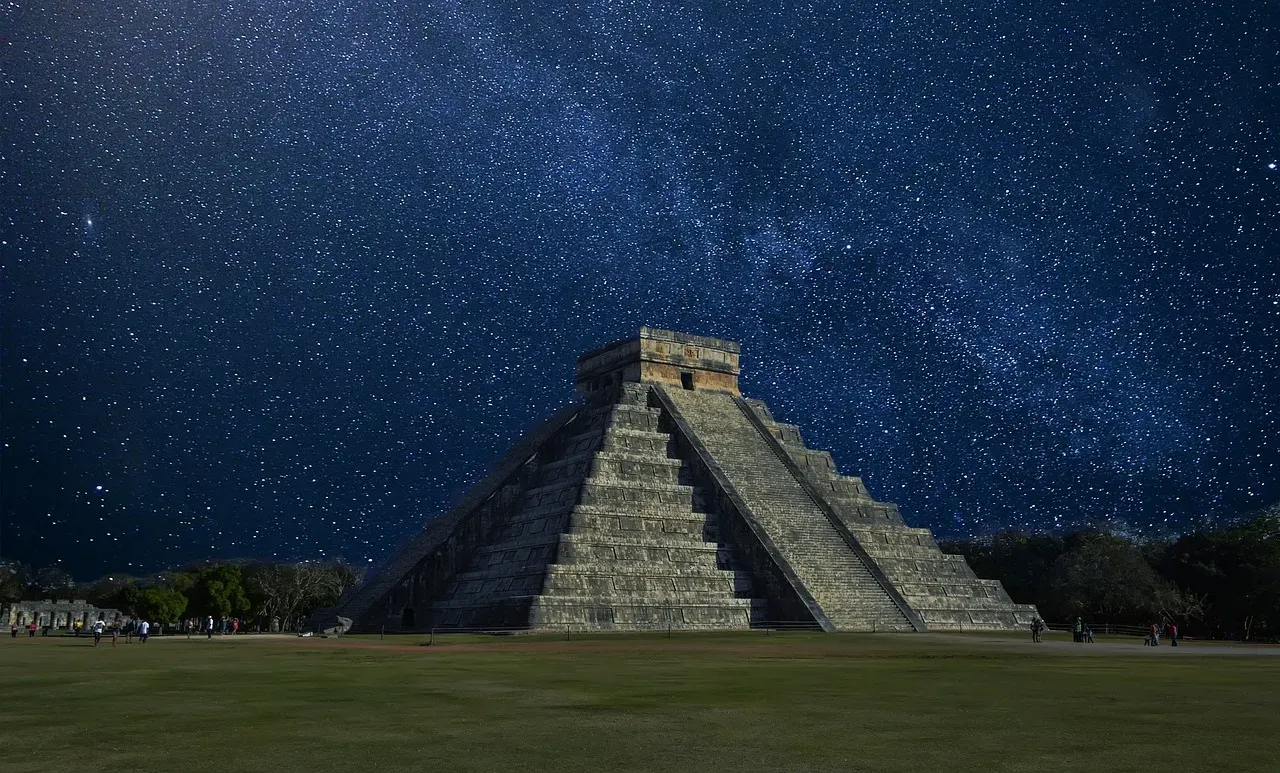
Using laser scanning technology, researchers have found traces of 2,500-year-old cities in the Amazon rainforest, complete with a complex network of farmland and roads, the discovery is the oldest and largest of its kind in the region. Located in Ecuador’s Upano Valley, the dense system of pre-Columbian structures lies in the eastern foothills of the Andes mountains, and over 20 years of research preempted the find, but it wasn’t until the Ecuadorean government employed lidar that the ancient urban centers came to light.
Previously, people thought ancient South Americans lived nomadically in the Amazon, but researchers now estimate these cities housed populations in the tens of thousands, possibly even hundreds of thousands. Scientists are demonstrating conclusively that there were a lot more people in these areas, and that they significantly modified the landscape, marking a paradigm shift in thinking about how extensively people occupied these areas. Lidar technology has transformed our understanding of what was once considered empty wilderness.
Tiwanaku: Bolivia’s Pre-Incan Powerhouse
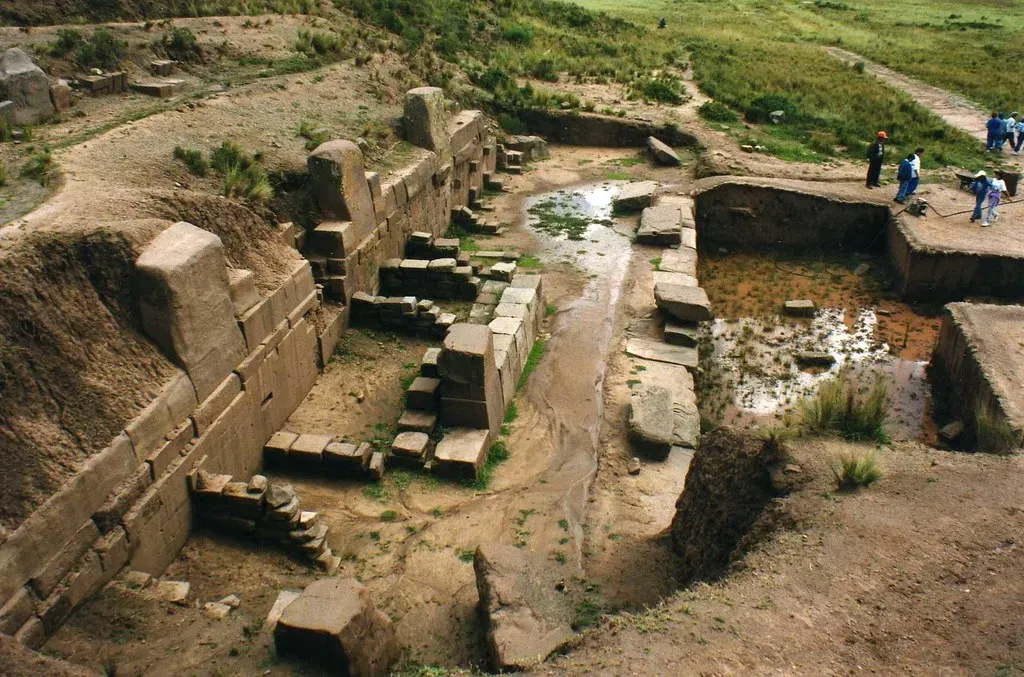
Found near the southern shore of Lake Titicaca, merely 35 miles from La Paz, Tiwanaku was once the capital of a powerful eponymous empire that predated the Incas by several centuries, and the Tiwanaku flourished between 500 and 1000 CE, spreading their rule west into Peru and south into Chile.
Honestly, Tiwanaku doesn’t get the love it deserves. It might not seem as impressive as Machu Picchu at first glance, but it is about 900-1,000 years older and, at its height, was considerably larger and more densely populated, with the city housing some 20,000 people while Machu Picchu had perhaps only 750. The stonework here reveals a civilization deeply knowledgeable about astronomy and architecture. What makes this site particularly striking is its sheer age and the sophisticated engineering involved in constructing temples at such high altitude.
Choquequirao: Peru’s Other Machu Picchu
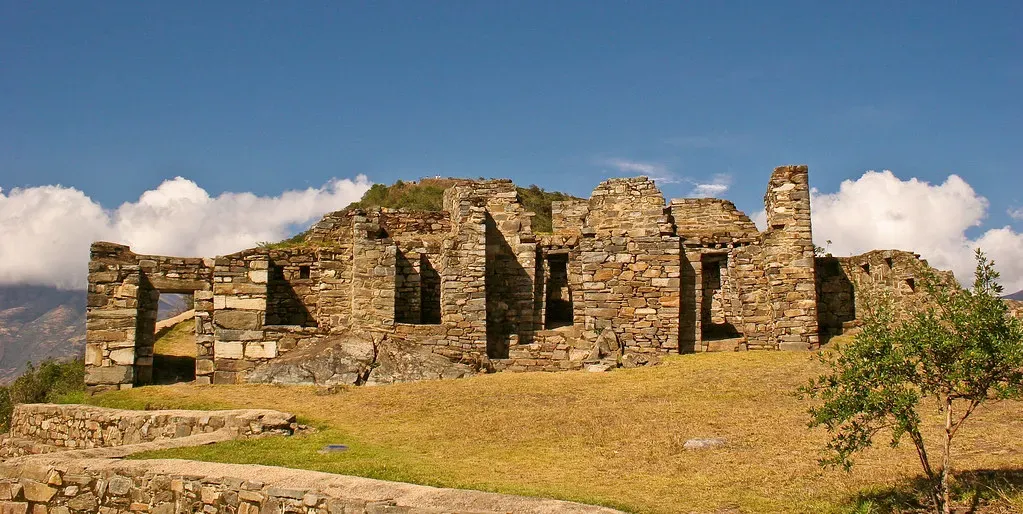
Legends tell of the Inca’s efforts to hide their wealth from Spanish conquistadors by stashing it away in remote locations, and the city was abandoned during the Spanish conquest with some saying its inaccessibility was intentional to ensure that the sacred rituals and treasures of the Incas remained untouched by foreign hands.
This place rivals Machu Picchu in scale but remains far less crowded. It was a place designed for ceremonies, with stone platforms facing the sunrise during the solstices, indicating its importance as a spiritual site, and folklore suggests that these ceremonies were meant to honor the Apus, the mountain deities that the Incas believed watched over and protected their people, while the site also has intriguing features like the Giant Stairway. Getting there requires serious hiking through mountainous terrain, which keeps the tourist hordes away. It’s a place where you can still feel like an explorer rather than just another visitor with a selfie stick.
The Mystery Behind Spheres in Different Corners
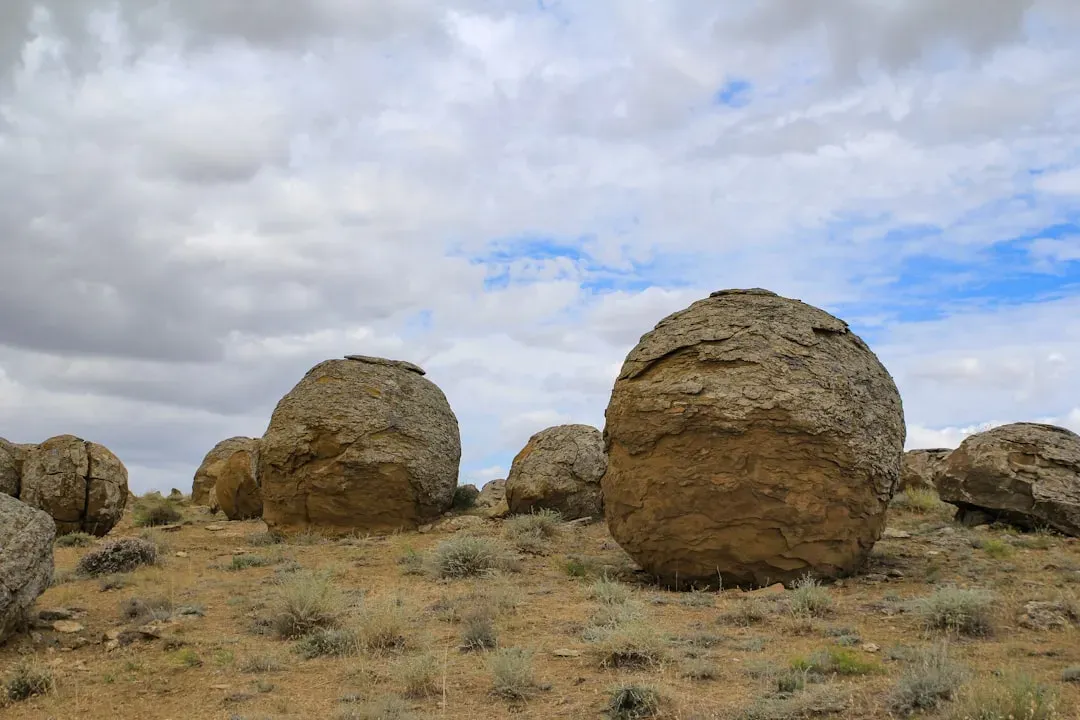
While Costa Rica is famous for its stone spheres, similar mysterious spheres have been found in other locations. In Fonte Boa, Amazonas State, after seasonal floods toppled a towering tree, entangled in its roots were seven enormous pottery spheres, perfectly round, unlike anything catalogued before in the archaeology of the Amazon.
These findings add weight to the hypothesis that a now-lost civilization or cultural tradition developed methods of working stone on a monumental scale, far earlier than current historical timelines allow, and the recurrence of such spheres in geographically and culturally disparate regions raises critical questions about cultural diffusion, ancient global networks, or parallel technological evolution. Were these cultures connected somehow? Did they share knowledge across vast distances? Or did different societies independently arrive at the same idea? It’s hard to say for sure, but the similarities are fascinating.
Conclusion: Lost but Never Forgotten
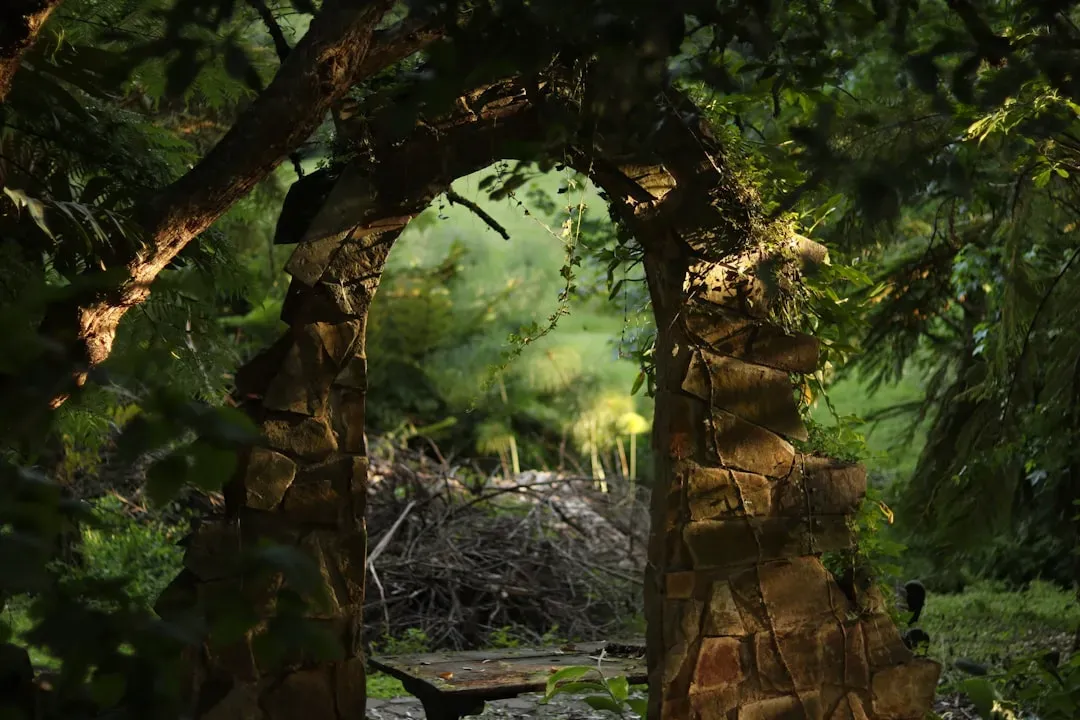
The lost cities of South America continue to captivate because they challenge everything we think we know. Technology like lidar keeps pulling back the jungle’s curtain, revealing cities we never knew existed. Meanwhile, places like El Dorado and Paititi remain elusive, keeping their secrets intact.
What strikes me most is how many of these sites were never truly lost at all. Indigenous communities knew exactly where they were but chose to keep that knowledge to themselves. Can you blame them? After centuries of colonizers searching for gold and plunder, silence became protection.
Maybe the real treasure isn’t the gold that brought conquistadors and adventurers to their doom. Maybe it’s the stories themselves, the mysteries that remind us how much we still don’t know. What do you think? Would you trek through the jungle to climb those 1,200 steps to Ciudad Perdida, or chase the legend of Paititi into the Amazon? Tell us in the comments.

From exploring the marine wonders in the Azores and witnessing the vast savannas of Kenya, to delving deep into the rich biodiversity of South Africa and traversing iconic landscapes in Australia and the US like Yellowstone, Chris's experiences are vast.
With a penchant for diving alongside sharks, the ocean holds a special place in his heart.
Through his academic insights, he champions wildlife conservation, striving with 'Animals Around The Globe' to cultivate a profound connection between humans and animals, enhancing our mutual appreciation.
Connect with him at Feedback@animalsaroundtheglobe.com.