

Copperhead and Timber Rattlesnakes are two species of venomous snakes native to North America. While both belong to the genus Agkistrodon, they have distinct characteristics that set them apart. In this article, we’ll delve into a detailed comparison of these two fascinating serpents, examining aspects such as size, coloration, weight, venom, and more.
Copperhead (Agkistrodon contortrix)

🔥 Would you like to save this?
We'll email this post to you, so you can come back to it later!
Size

🔥 Would you like to save this?
We'll email this post to you, so you can come back to it later!
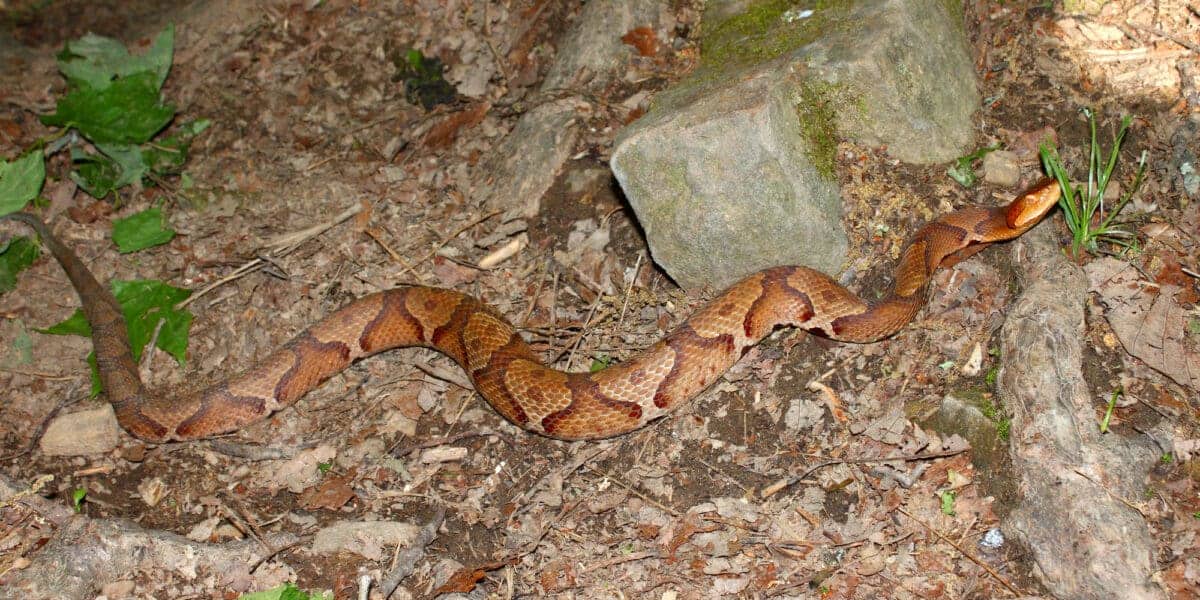
Copperheads typically range from 2 to 3 feet in length, although some individuals may grow up to 4 feet long.
Coloration

🔥 Would you like to save this?
We'll email this post to you, so you can come back to it later!
Their coloration varies depending on their habitat, but they generally have a coppery or reddish-brown base color with distinctive hourglass-shaped crossbands in shades of brown or tan. Their heads are often a coppery hue, hence the name “Copperhead.”
Weight

🔥 Would you like to save this?
We'll email this post to you, so you can come back to it later!
Adult Copperheads typically weigh between 1 to 2 pounds.
Venom

🔥 Would you like to save this?
We'll email this post to you, so you can come back to it later!
Copperheads possess venom that is cytotoxic, meaning it primarily affects tissue cells at the site of the bite. While their venom is potent enough to cause tissue damage and pain, fatalities from Copperhead bites are rare, as their venom is usually not lethal to humans.
Habitat

🔥 Would you like to save this?
We'll email this post to you, so you can come back to it later!
Copperheads are commonly found in forested areas, woodlands, rocky hillsides, and along streams throughout the eastern and central United States.
Behavior

🔥 Would you like to save this?
We'll email this post to you, so you can come back to it later!
They are primarily nocturnal hunters, feeding on small rodents, amphibians, insects, and occasionally other snakes. Copperheads are known for their ambush hunting strategy, lying in wait for prey to pass by before striking with quick precision.
Geographic Range
🔥 Would you like to save this?
We'll email this post to you, so you can come back to it later!
Copperheads are primarily found in the eastern and central regions of the United States, ranging from Texas and Oklahoma in the west to the Atlantic coast in the east, and as far north as New England.
Reproduction
🔥 Would you like to save this?
We'll email this post to you, so you can come back to it later!
Copperheads are ovoviviparous, meaning they give birth to live young rather than laying eggs. Females typically give birth to a litter of 3 to 10 offspring, usually in late summer or early fall.
Defensive Behavior

🔥 Would you like to save this?
We'll email this post to you, so you can come back to it later!
When threatened, Copperheads may employ a defensive posture by coiling their bodies and vibrating their tails, mimicking the appearance and sound of a rattlesnake to deter potential predators.
Timber Rattlesnake (Crotalus horridus)

🔥 Would you like to save this?
We'll email this post to you, so you can come back to it later!
Size
🔥 Would you like to save this?
We'll email this post to you, so you can come back to it later!
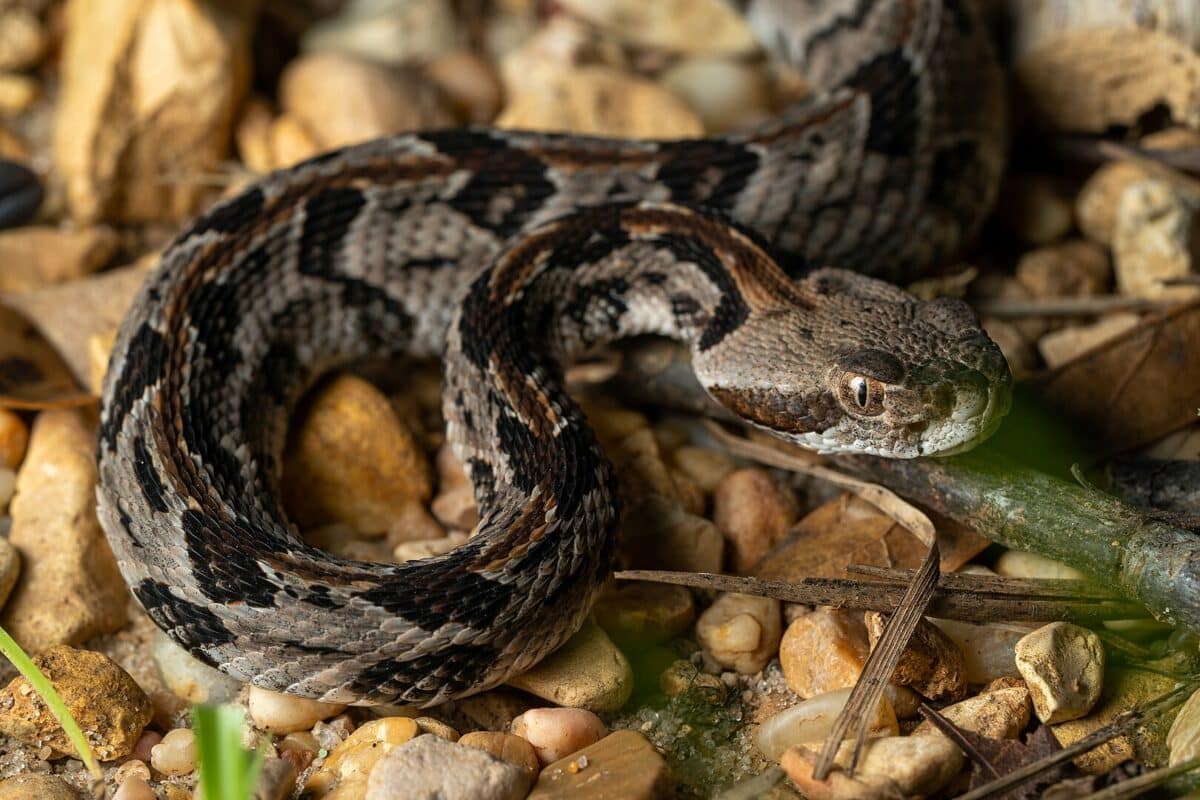
Timber Rattlesnakes are larger than Copperheads, with adults typically ranging from 3 to 5 feet in length, although some individuals may exceed 6 feet.
Coloration

🔥 Would you like to save this?
We'll email this post to you, so you can come back to it later!
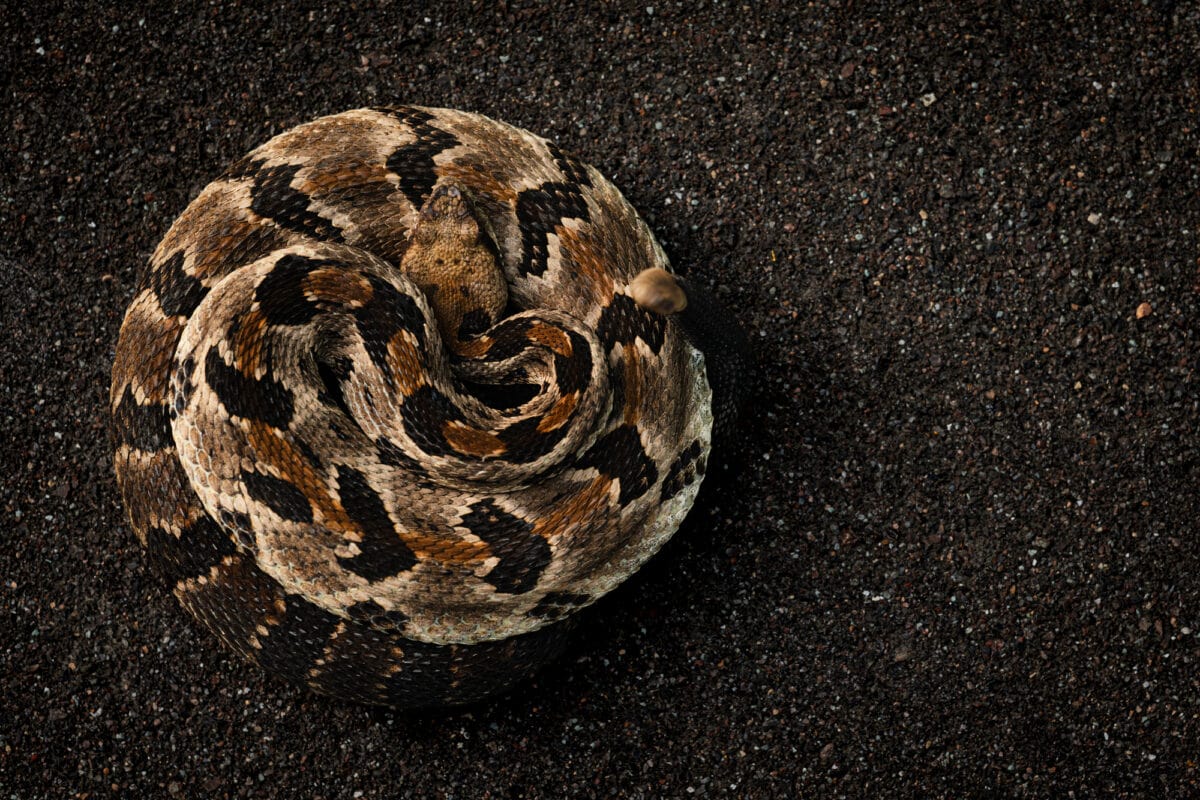
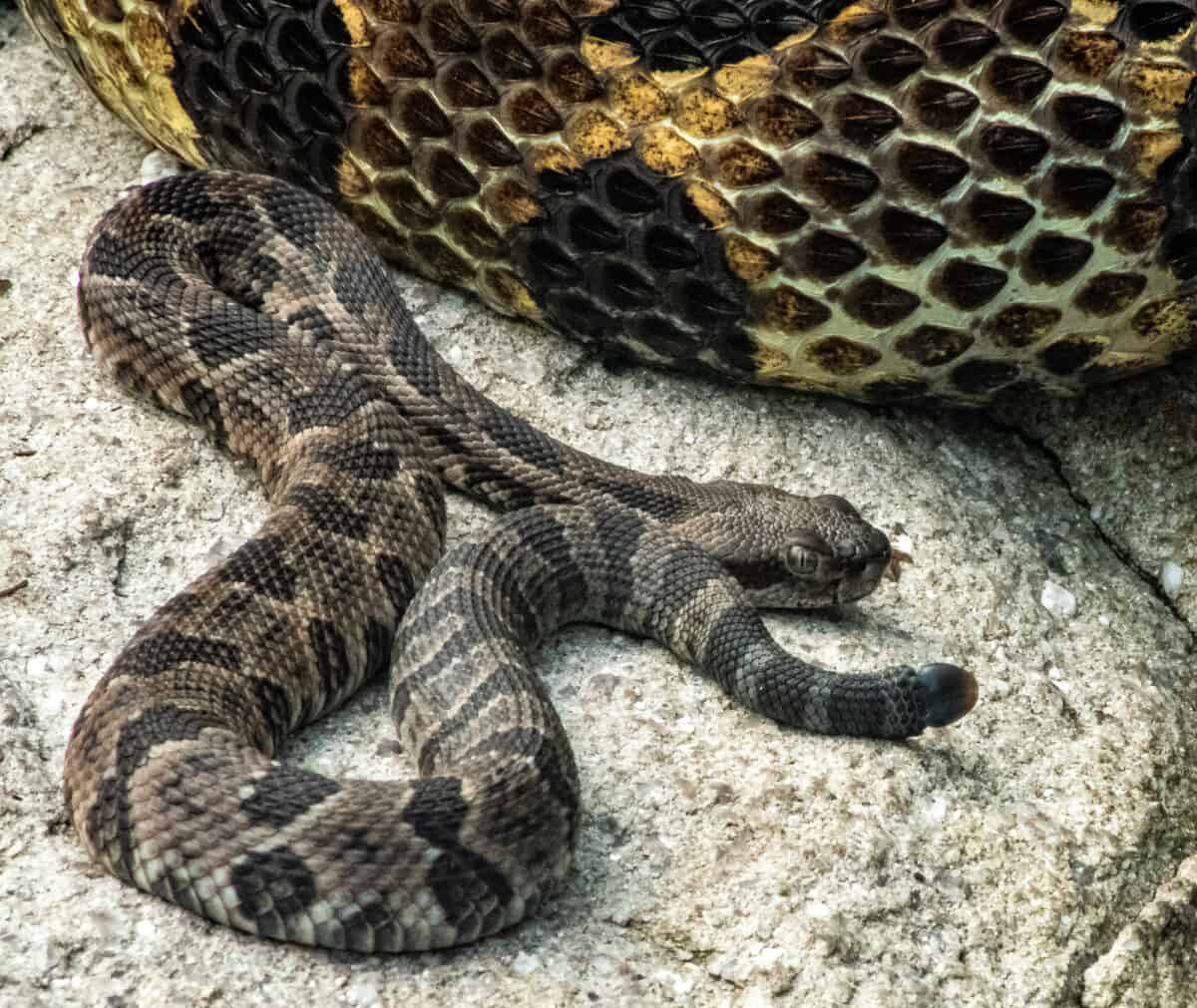
They have a more variable coloration compared to Copperheads, but they often feature a grayish or light brown base color with dark crossbands that resemble timber markings, hence the name “Timber Rattlesnake.” Their tails end in a series of rattles, which they use as a warning signal.
Weight

🔥 Would you like to save this?
We'll email this post to you, so you can come back to it later!
Adult Timber Rattlesnakes can weigh anywhere from 2 to 5 pounds, with larger specimens reaching up to 10 pounds. Image via Deposit photos
Venom

🔥 Would you like to save this?
We'll email this post to you, so you can come back to it later!
The venom of Timber Rattlesnakes is predominantly hemotoxic, affecting blood cells and causing tissue damage, pain, and potential systemic effects. While fatalities from Timber Rattlesnake bites are rare, they can be more severe than Copperhead bites due to the larger size and potency of their venom.
Habitat
🔥 Would you like to save this?
We'll email this post to you, so you can come back to it later!
Timber Rattlesnakes inhabit a variety of habitats, including forests, rocky outcrops, marshes, and grasslands, across the eastern United States.
Behavior
🔥 Would you like to save this?
We'll email this post to you, so you can come back to it later!
Like Copperheads, Timber Rattlesnakes are ambush predators, relying on stealth and camouflage to capture prey. They feed on small mammals, birds, and occasionally other reptiles.
Geographic Range

🔥 Would you like to save this?
We'll email this post to you, so you can come back to it later!
Timber Rattlesnakes have a broader geographic range compared to Copperheads, extending from the eastern United States into parts of Canada, including Ontario, Quebec, and New Brunswick.
Reproduction

🔥 Would you like to save this?
We'll email this post to you, so you can come back to it later!
Similar to Copperheads, Timber Rattlesnakes are ovoviviparous, giving birth to live young. However, their reproductive cycle is typically longer, with females birthing a litter every 2 to 3 years.
Bottom Line

🔥 Would you like to save this?
We'll email this post to you, so you can come back to it later!
In summary, while Copperheads and Timber Rattlesnakes share some similarities as venomous pit vipers, they also exhibit distinct differences in terms of size, coloration, venom composition, and habitat preferences. Understanding these differences is crucial for recognizing and respecting these fascinating creatures in their natural environments.
If you enjoyed this article, check out our related article link below.
Next up:

For any feedback please message Feedback@animalsaroundtheglobe.com
- Venomous Spiders Found in America - November 5, 2026
- Top 10 Best Spots for Whale Watching in the US - November 4, 2026
- Alaskan Malamute Vs. Bearded Collie - November 2, 2026