

For centuries, humans have considered culture—the transmission of knowledge, behaviors, and customs between generations—to be uniquely human. However, groundbreaking research over the past few decades has dramatically challenged this assumption. Scientists have discovered compelling evidence that many animal species develop distinctive cultural practices that pass from one generation to the next through social learning rather than genetic inheritance. From tool-using chimpanzees in West Africa to the distinctive dialects of whale pods in the Pacific, animal culture manifests in fascinating ways across the animal kingdom. This article explores the evidence for animal cultural transmission, examines how it occurs, and considers its implications for our understanding of both animal cognition and human uniqueness.
Defining Animal Culture
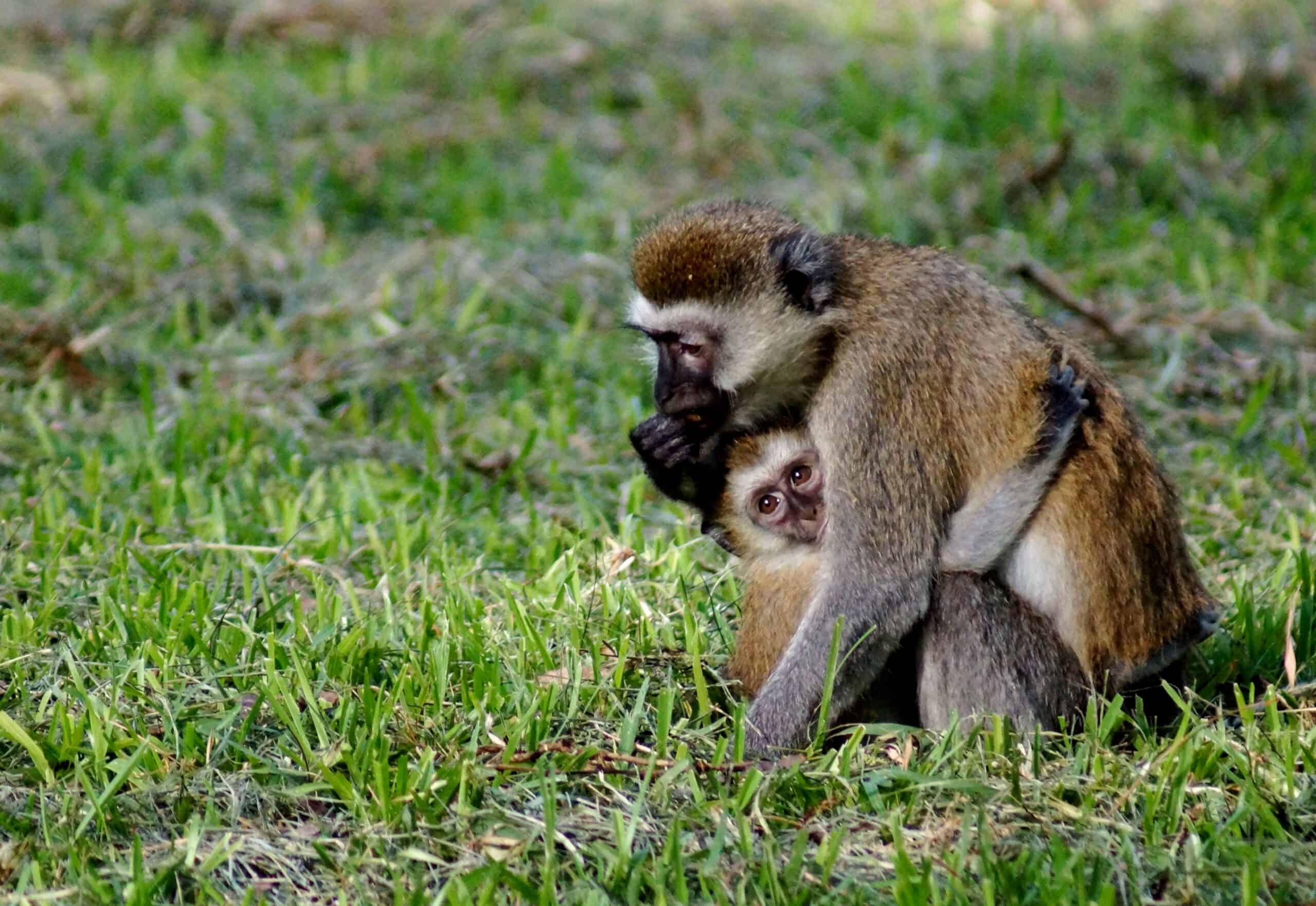
To understand animal culture, we must first define what constitutes “culture” in non-human contexts. Researchers generally define animal culture as behaviors or knowledge that are shared within a group, acquired through social learning, and persist across generations. Unlike instinctual behaviors coded in genes, cultural behaviors show variation between different populations of the same species—variations that cannot be explained by environmental or genetic differences alone. For instance, different communities of chimpanzees use different techniques to crack nuts or fish for termites, with these techniques being passed down through observation and imitation rather than inherited genetically. This definition helps distinguish between behaviors that emerge independently in each generation and those that represent true cultural transmission.
The Pioneering Studies of Primate Culture

The study of animal culture began in earnest with Jane Goodall’s groundbreaking observations of chimpanzees in Gombe Stream National Park, Tanzania. In the 1960s, Goodall documented how chimpanzees crafted tools from twigs to “fish” for termites in mounds—an observation that forced scientists to reconsider the definition of humans as the only “tool-makers.” Further research revealed that different chimpanzee communities across Africa maintain distinct “cultural repertoires” involving dozens of behaviors, from specific grooming techniques to methods of using tools. A landmark 1999 study published in Nature identified 39 different cultural behaviors across seven chimpanzee study sites, firmly establishing the existence of cultural transmission in our closest evolutionary relatives. These behaviors included distinctive methods for using tools, processing food, communicating, and grooming—all passed down through observational learning rather than genetic inheritance.
Cultural Transmission in Marine Mammals

Some of the most compelling evidence for animal culture comes from marine mammals, particularly cetaceans (whales and dolphins). Killer whale (Orca) pods exhibit distinct “dialects” in their vocalizations that persist across generations and differ between pods even when they share the same environment. These dialects act as acoustic badges of group identity and are learned by calves from their mothers and other pod members. Beyond vocalizations, killer whales also transmit hunting techniques culturally. Some pods specialize in hunting seals by intentionally beaching themselves on shorelines, while others have learned to create waves to wash seals off ice floes. In a remarkable demonstration of cultural transmission, a population of bottlenose dolphins in Shark Bay, Australia, has developed the practice of using sea sponges as foraging tools—a behavior called “sponging.” Female dolphins primarily teach this technique to their daughters, creating a matrilineal cultural tradition that has persisted for generations.
Birds: Small Brains, Rich Cultures

Despite their relatively small brains, birds provide extensive examples of cultural transmission. Song learning in many bird species represents a form of cultural inheritance, with regional “dialects” developing and persisting across generations. Young male songbirds learn their species’ songs by listening to adult males, and these songs can vary significantly between different populations. New Caledonian crows offer perhaps the most impressive example of avian cultural transmission. These remarkable birds craft complex tools from twigs and leaves to extract insects from hard-to-reach places. Research has shown that juvenile crows learn these sophisticated tool-making techniques by observing their parents and other adults, with different populations maintaining distinct tool designs and manufacturing techniques. In Japan, carrion crows have developed the cultural practice of placing walnuts on roads for cars to crack open, then retrieving the exposed nuts during red lights—a behavior that has spread through crow populations in urban areas.
The Mechanisms of Cultural Transmission

How exactly is animal culture transmitted between generations? Scientists have identified several key mechanisms through which cultural information passes from experienced animals to novices. The most basic form is stimulus enhancement, where an animal’s attention is drawn to a particular object or location by observing another animal’s interaction with it. More complex is observational learning or imitation, where animals directly copy the behaviors they observe. Teaching—where knowledgeable individuals actively facilitate learning by novices—has been documented in species like meerkats, where adults demonstrate proper scorpion-handling techniques to pups. In some species, such as killer whales, individuals may deliberately slow down or modify their behaviors when in the presence of inexperienced young, seemingly to facilitate learning. Research has also revealed that the presence of conformity bias in some species—where individuals adopt the most common behavior in their group even when alternatives exist—helps maintain cultural traditions over time.
Experimental Evidence for Cultural Inheritance

Laboratory studies have provided controlled evidence for cultural transmission in animals. In one influential experiment, “seeded” behaviors were introduced to different groups of chimpanzees. Researchers trained one individual in each group to use either of two different techniques to obtain food from a puzzle box. When these “cultural models” returned to their groups, other members observed and adopted the technique they witnessed, creating distinct “cultural traditions” within each group that persisted even as new members joined. Similar experiments with birds have shown that artificial “traditions” can be established and maintained across generations. In one study with wild vervet monkeys, researchers made one food source unpalatable, leading a generation of monkeys to avoid it. Even after the unpalatable treatment was removed, subsequent generations continued avoiding that food source through social learning, demonstrating how negative cultural information can persist across generations even when it’s no longer relevant—effectively creating food taboos similar to those in human societies.
Cultural Innovation and Diffusion

Animal cultures don’t merely persist; they can also innovate and change. New behaviors occasionally emerge when an individual discovers a novel solution to a problem, which then spreads through the population. In 1953, a young female Japanese macaque named Imo on Koshima Island discovered that washing sweet potatoes in seawater removed sand and added a pleasant salty flavor. This innovation spread first to her peers and mother, then to younger generations, until most of the troop adopted the practice. Later, Imo invented a second innovation: separating wheat from sand by throwing the mixture into water, causing the wheat to float while the sand sank. This technique also spread through the population, demonstrating how novel cultural practices can emerge and diffuse. Cultural diffusion can occur through various social pathways: from mother to offspring (vertical transmission), between peers (horizontal transmission), or from older, non-parental individuals to younger ones (oblique transmission). The structure of a species’ social system significantly influences how cultural information flows through populations.
Cultural Loss and Conservation Implications

Just as cultural knowledge can accumulate in animal populations, it can also be lost—often with serious consequences for survival. When populations of culturally complex species like killer whales or elephants suffer sharp declines from hunting or habitat loss, crucial knowledge accumulated over generations can disappear forever. For instance, older female elephants carry vital knowledge about water sources, migration routes, and predator avoidance strategies. When these cultural repositories are eliminated, entire herds may suffer from the lost wisdom. This has prompted some conservationists to propose that protection efforts should consider not just the genetic diversity of endangered species but also their “cultural diversity.” In one dramatic example, the cultural knowledge of migration routes among bighorn sheep in North America was lost when populations were severely reduced, and reintroduced populations failed to migrate even when conditions were suitable. This suggests that for some species, conserving individuals alone isn’t enough—we must also preserve the cultural knowledge they carry.
Insects: Cultural Learning in Miniature Brains
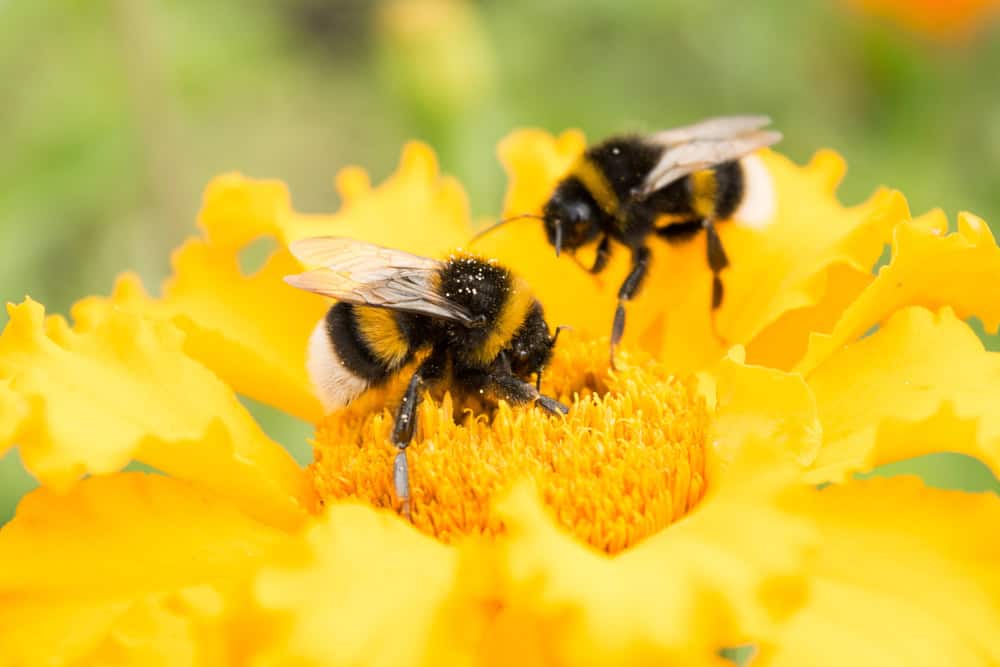
Perhaps surprisingly, evidence for cultural transmission has emerged even among insects, despite their tiny brains and short lifespans. Bumblebees have demonstrated the capacity for social learning and cultural transmission in laboratory experiments. In one study, researcher Sylvain Alem and colleagues trained bumblebees to pull a string to access a sugar reward—a task bees wouldn’t encounter in nature. Untrained bees who observed the string-pulling were significantly more likely to learn the technique themselves, and this socially learned behavior spread through experimental colonies. When these “trained” colonies were released into the wild and allowed to produce new generations, the string-pulling behavior persisted in the population, suggesting genuine cultural transmission. While insect culture may be limited in scope compared to the complex traditions of mammals or birds, these findings challenge assumptions about the minimum cognitive requirements for cultural learning and suggest that basic cultural transmission might be more widespread in the animal kingdom than previously thought.
The Evolutionary Advantages of Cultural Transmission

Why would cultural transmission evolve in animals? The ability to learn from others offers significant adaptive advantages. Cultural transmission allows animals to acquire complex behaviors without the costly and potentially dangerous process of individual trial-and-error learning. It enables rapid adaptation to changing environments or new challenges at a pace that genetic evolution alone cannot match. For instance, when a new food source becomes available, cultural learning allows knowledge about how to exploit it to spread quickly throughout a population. Cultural transmission is particularly valuable for long-lived species with extended juvenile periods, where young have ample opportunity to learn from experienced adults before facing survival challenges independently. It may also be especially important for species living in complex, variable environments where different solutions are needed for different conditions. From an evolutionary perspective, cultural transmission represents a second inheritance system operating alongside genetic inheritance, allowing animals to pass on adaptive information that cannot be encoded in genes.
Animal Culture Versus Human Culture

While evidence for animal culture continues to accumulate, important distinctions remain between animal and human cultural systems. Human culture is characterized by its cumulative nature—what anthropologists call the “ratchet effect,” where innovations build upon previous ones in a way that creates increasingly complex technologies and social systems across generations. While some evidence suggests limited cumulative culture in chimpanzees and New Caledonian crows, it appears far less developed than in humans. Human culture is also distinguished by its symbolic and abstract dimensions, including language, religion, and art, which have no clear analogs in other species. Additionally, humans actively teach in ways that appear more deliberate and structured than teaching behaviors observed in other animals. Rather than seeing these distinctions as evidence for human exceptionalism, many researchers view them as differences of degree rather than kind—suggesting that animal culture represents an evolutionary precursor to the more elaborate cultural systems that characterize human societies.
Controversial Examples and Ongoing Debates

Not all claimed instances of animal culture have achieved scientific consensus. Some behaviors initially attributed to cultural transmission have later been explained by environmental or genetic factors. For example, early reports suggested that different orangutan populations maintained distinct cultural traditions in tool use. Later research revealed that some of these differences could be explained by variations in habitat and available resources. Other controversies involve determining exactly what constitutes “true” cultural transmission. Some researchers argue that only behaviors transmitted through imitation (copying the actual motor patterns of others) represent genuine culture, while others include behaviors learned through simpler mechanisms like local enhancement or stimulus enhancement. The definition of teaching in non-human animals has also sparked debate, with some scientists requiring intention to qualify as teaching, while others define it functionally based on outcomes regardless of mental states. These ongoing debates highlight the challenges in studying animal cognition and behavior, where researchers must carefully rule out alternative explanations before concluding that cultural transmission has occurred.
Conclusions: Rethinking Animal Minds and Human Uniqueness

The growing body of evidence for cultural transmission in animals has profound implications for how we understand both animal cognition and human uniqueness. Cultural behavior in non-human species suggests cognitive capacities far beyond what was previously believed possible, including social learning, innovation, and potentially some form of teaching. These findings have forced a reevaluation of the cognitive abilities of many species and blurred some of the lines traditionally drawn between human and animal minds. While human culture remains unique in its complexity, symbolism, and cumulative nature, the foundations of cultural transmission appear to be widely shared across the animal kingdom. As research continues, we may discover that cultural transmission is not the exception but the rule in social species, representing a fundamental adaptation that has evolved multiple times in different lineages. By recognizing and studying animal cultures, we gain not only a deeper appreciation for the rich cognitive lives of other species but also new insights into the evolutionary origins of our own extraordinary cultural capacities.

- The Secret Language of Dolphins Decoded by Researchers - July 20, 2026
- 7 Animals That Can Survive Extreme Environments You Couldn’t - July 20, 2026
- The Longest Snake Ever Found in the U.S. - July 20, 2026