
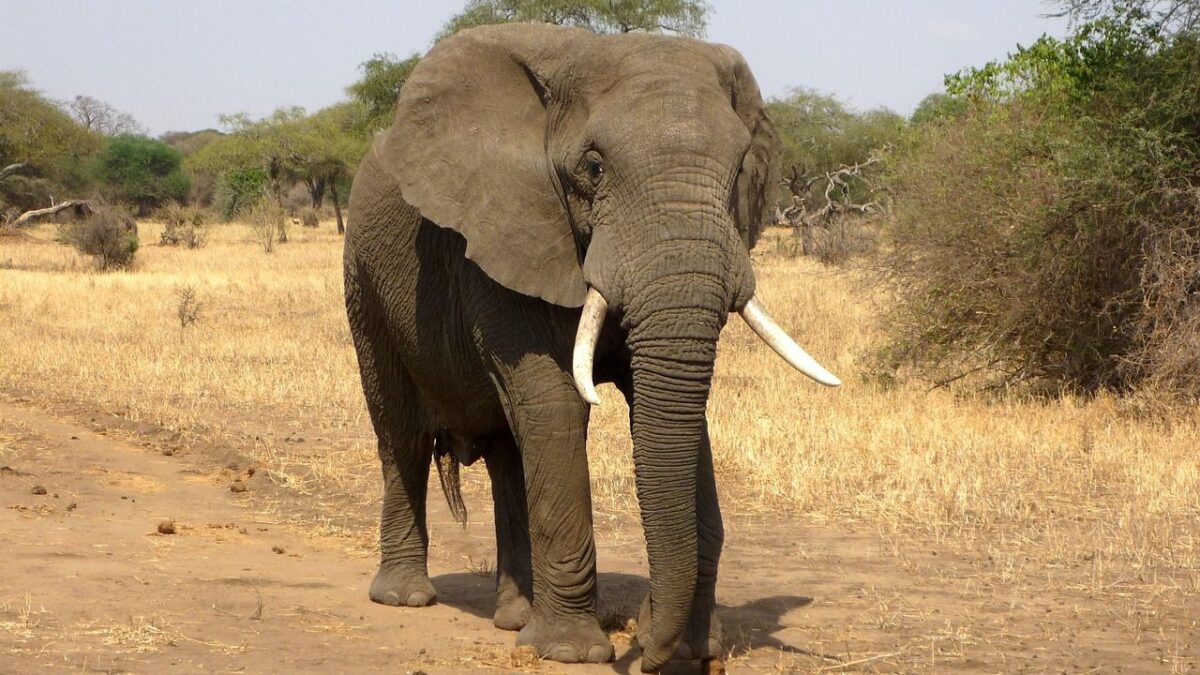
For centuries, people have whispered about the peculiar ways animals behave before earthquakes strike. Farmers noticed their cows freezing mid-step, pet owners observed cats hiding in strange places, and fishermen watched catfish thrash about violently for no apparent reason. These observations weren’t mere folklore or superstition. They represented humanity’s oldest earthquake detection system, one that modern science is finally taking seriously.
The earliest reference we have to unusual animal behavior prior to a significant earthquake is from Greece in 373 BC. Rats, weasels, snakes, and centipedes reportedly left their homes and headed for safety several days before a destructive earthquake. Today, as our technology grows more sophisticated yet earthquake prediction remains frustratingly elusive, researchers are asking a provocative question: Could our four-legged companions outperform our most advanced seismic instruments?
The Ancient Art of Animal Observation

Anecdotal evidence abounds of animals, fish, birds, reptiles, and insects exhibiting strange behavior anywhere from weeks to seconds before an earthquake. Stories span cultures and continents, from Japanese catfish folklore to Italian farmers’ tales of restless livestock. In 373 B.C., historians recorded that animals, including rats, snakes and weasels, deserted the Greek city of Helice in droves just days before a quake devastated the place. Accounts of similar animal anticipation of earthquakes have surfaced across the centuries since.
Perhaps most famously, despite freezing temperatures, scores of snakes slithered out of their hibernation dens in the weeks before a magnitude 7.0 earthquake struck the Chinese city of Haicheng on February 4, 1975. The reptiles’ behavior, along with other incidents, helped persuade authorities to evacuate the city hours before the massive quake. This remarkable success story saved an estimated 150,000 lives and sparked global interest in animal-based earthquake prediction.
When Technology Falls Short

Modern seismology has achieved impressive milestones in understanding earthquakes, yet prediction remains impossible. Neither the USGS nor any other scientists have ever predicted a major earthquake. We do not know how, and we do not expect to know how any time in the foreseeable future. Our most sophisticated instruments can detect earthquakes once they begin, providing seconds to minutes of warning through earthquake early warning systems.
Science and mathematics have not reached a point where they can forecast with certainty the exact time and specific severity of these cataclysmic events–and may never do so. Despite billions of dollars invested in seismic monitoring networks, GPS systems, and satellite technology, we remain largely helpless when it comes to predicting when the next big one will hit. The complexity of fault systems and the chaotic nature of tectonic processes make precise earthquake forecasting one of science’s most humbling challenges.
Scientific Evidence for Animal Sensitivity
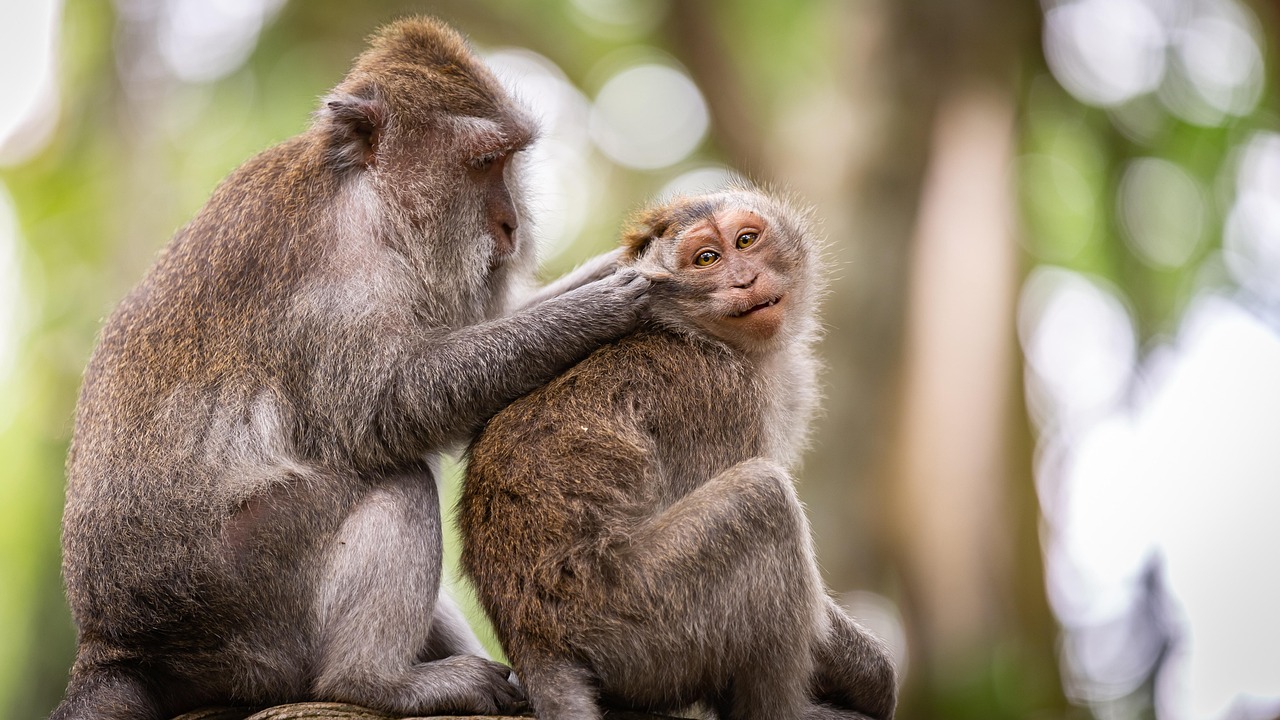
Recent research has moved beyond folklore to provide concrete evidence for animal earthquake sensitivity. The movement data show that the animals were unusually restless in the hours before the earthquakes. The closer the animals were to the epicentre of the impending quake, the earlier they started behaving unusually. Scientists attached sensors to cows, sheep, and dogs in earthquake-prone regions of Italy, monitoring their movements for months.
“Cows become less active shortly before an earthquake, they virtually freeze. When dogs and sheep see this, they then become nervous and restless,” says Martin Wikelski, head of the research project at the MPI. This cascade effect suggests animals not only sense impending seismic events but also react to each other’s alarm signals, creating a biological early warning network that could potentially outperform our technological systems.
The Biological Advantage
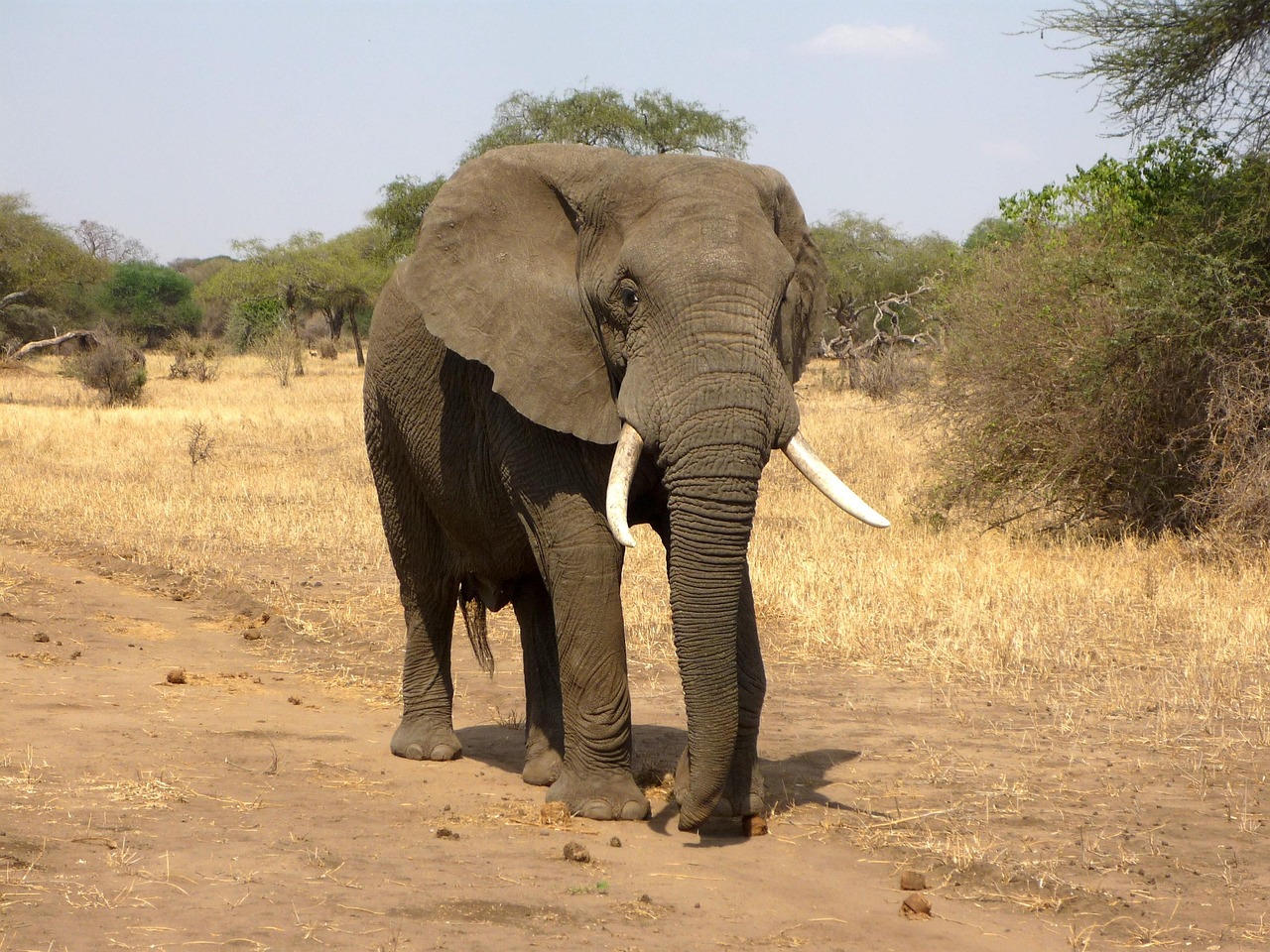
Animals possess sensory capabilities that far exceed human perception and current technology. Many animals with more keen senses are able to feel the P wave seconds before the S wave arrives. These primary waves travel faster than the destructive secondary waves that cause the shaking we experience. Some animals – like elephants – can perceive low-frequency sound waves and vibrations from foreshocks that humans can’t detect at all.
The proposed mechanisms for animal earthquake sensitivity include detection of electrical changes in the air, electromagnetic field variations, or gas emissions from stressed rock formations. It is quite likely, however, that the pressure of the plates that later slide apart during an earthquake is so great shortly before a major quake that rock minerals are released into the air. The animals should be able to perceive the ionisation of the air with their fur. It is also conceivable that the animals could smell the gases released from quartz crystals before an earthquake.
Modern Research Initiatives
Contemporary scientists are taking animal behavior seriously as a potential earthquake prediction tool. The researchers are setting up a new project in Italy, as well as one in Chile and another on Russia’s Kamchatka Peninsula. They hope to test many more species to see if those animals display sensitivity to earthquake activity. These international collaborations represent a significant shift in scientific attitude toward animal-based prediction methods.
Several labs around the world conduct behavioral studies daily, which require continuous circadian activity recording, these labs could report the aberrant behaviors of rodents in their experiments and correlate these behavioral changes with seismic data. This global network of inadvertent animal observers could provide unprecedented data on pre-seismic animal behavior across different species and geographic regions.
The Skeptics’ Concerns

Despite promising research, many seismologists remain cautious about animal-based earthquake prediction. “My cat could act crazy before an earthquake. But my cat also acts crazy if somebody uses the can opener.” In order to use the animals as prognosticators, it would be imperative to establish that they exhibited unusual behavior only in reaction to upcoming seismic events.
A review of scientific studies available as of 2018 covering over 130 species found insufficient evidence to show that animals could provide warning of earthquakes hours, days, or weeks in advance. Statistical correlations suggest some reported unusual animal behavior is due to smaller earthquakes (foreshocks) that sometimes precede a large quake, which if small enough may go unnoticed by people. False alarms and inconsistent behavior patterns remain significant obstacles to practical implementation.
The Time Factor Advantage

One of the most intriguing aspects of animal earthquake sensitivity is the lead time they might provide. If the epicentre is directly below the animal pen, the advance warning time is around 15 hours. If the epicentre is about 15 kilometres away, it is about two hours. These timeframes could provide crucial preparation time that current technology cannot offer.
Unlike earthquake early warning systems that provide only seconds to minutes of notice after seismic activity begins, animals might offer hours or even days of advance warning. This extended timeframe could enable evacuations, infrastructure shutdowns, and emergency preparations that would be impossible with current technological systems. The question becomes whether we can reliably distinguish earthquake-related behavior from other causes of animal agitation.
Conclusion

The possibility that animals could predict earthquakes better than our most advanced technology challenges our assumptions about scientific progress and natural intelligence. While technological systems excel at measuring and analyzing known parameters, animals may perceive subtle environmental changes that our instruments cannot detect or that we haven’t learned to interpret. The growing body of research suggests that animal behavior could complement, rather than replace, technological earthquake monitoring systems.
Perhaps the future of earthquake prediction lies not in choosing between animals and technology, but in creating hybrid systems that leverage the unique strengths of both biological and artificial sensors. After all, evolution has been fine-tuning animal survival instincts for millions of years, while our seismic technology is barely a century old. What would you have guessed about which system might prove more effective?
