

When we think of glowing animals in the ocean depths or fireflies lighting up summer evenings, we rarely connect these natural light shows to potential cancer treatments. Yet, an emerging field of research suggests that bioluminescent organisms—creatures that produce their own light through biological processes—may hold keys to detecting, understanding, and possibly even treating various forms of cancer. This fascinating intersection of marine biology, biochemistry, and oncology represents one of science’s most promising frontiers. From deep-sea jellyfish to microscopic bacteria, the natural world’s living light sources are illuminating new pathways in cancer research that could revolutionize how we diagnose and treat one of humanity’s most persistent health challenges.
The Science of Bioluminescence Explained

Bioluminescence occurs when living organisms produce and emit light through a chemical reaction. This phenomenon involves a molecule called luciferin, which produces light when it reacts with oxygen, catalyzed by the enzyme luciferase. Energy from this reaction is released as photons—particles of light—rather than heat, creating the characteristic glow we observe. Unlike fluorescence, which requires external light absorption, bioluminescence generates light independently through internal biochemical processes. The specificity of this reaction and its efficiency (nearly 100% of the energy is converted to light) make it particularly valuable for scientific applications. Different species have evolved various forms of luciferins and luciferases, resulting in different colors and intensities of bioluminescence, from the blue glow of jellyfish to the green flash of fireflies. This diversity provides researchers with a toolkit of light-producing molecules that can be adapted for medical research, including cancer detection and treatment.
Green Fluorescent Protein: A Revolutionary Discovery

The discovery of Green Fluorescent Protein (GFP) from the jellyfish Aequorea victoria in the early 1960s marked a pivotal moment in medical research. Osamu Shimomura first isolated this protein, but it was Martin Chalfie and Roger Y. Tsien who later demonstrated its revolutionary potential as a biological marker. GFP’s ability to be genetically encoded and fused with other proteins without disrupting their function allows researchers to visualize cellular processes in real-time. The significance of this work earned Shimomura, Chalfie, and Tsien the Nobel Prize in Chemistry in 2008. In cancer research, GFP and its derivatives have become indispensable tools for tracking tumor growth, metastasis, and the effectiveness of experimental treatments. By genetically modifying cancer cells to express GFP, researchers can observe tumor progression and response to therapies in living subjects, providing unprecedented insights into cancer biology. This technology has dramatically accelerated our understanding of how cancers develop and spread, while reducing the need for invasive procedures to monitor disease progression.
Bioluminescent Imaging in Cancer Detection

Bioluminescent imaging (BLI) has emerged as a powerful non-invasive technique for detecting and monitoring cancer in laboratory settings. By introducing genes from bioluminescent organisms into cancer cells, researchers can create tumors that emit light, making them visible through specialized cameras even when they’re deep within tissues. This approach offers significant advantages over traditional imaging methods—it’s highly sensitive, allowing for the detection of very small clusters of cancer cells that might be missed by conventional techniques. It also permits real-time tracking of disease progression without the radiation exposure associated with CT scans or the cost and time constraints of MRI. The luciferase from North American fireflies (Photinus pyralis) is particularly valuable for these applications due to its bright signal and favorable emission spectrum for tissue penetration. In preclinical research, BLI has become an essential tool for developing and evaluating new cancer treatments, allowing researchers to rapidly assess therapeutic efficacy by measuring changes in light emission from tumors. While currently limited to laboratory use, these techniques are informing the development of similar approaches that may eventually benefit cancer patients directly.
Photoprotein-Based Biosensors
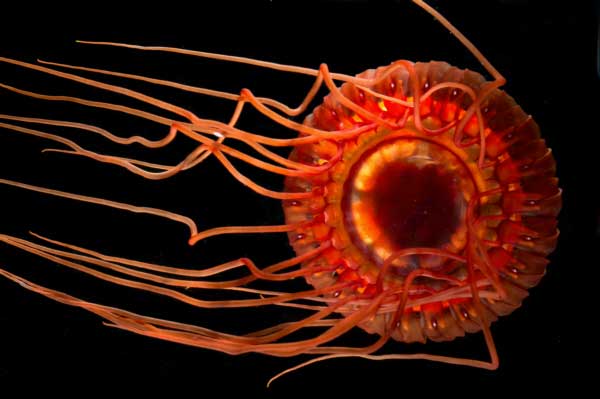
Photoproteins, like aequorin from bioluminescent jellyfish, are being engineered into sophisticated biosensors that can detect molecular changes associated with cancer at their earliest stages. Unlike traditional luciferase systems, photoproteins can be activated by specific cellular conditions, such as increased calcium concentrations or the presence of certain oncometabolites—substances produced specifically by cancer cells. This specificity makes them ideal for developing highly sensitive diagnostic tools. Researchers have created photoprotein-based biosensors capable of detecting cancer biomarkers in blood samples at concentrations thousands of times lower than conventional methods allow. Some of these biosensors are being adapted into “liquid biopsy” technologies that could revolutionize cancer screening by detecting circulating tumor DNA or cancer-specific proteins from a simple blood draw. The advantage of bioluminescent biosensors lies in their exceptional signal-to-noise ratio—because the background is completely dark, even faint signals can be detected reliably. This characteristic is pushing the boundaries of early cancer detection, potentially allowing identification of malignancies years before they would become symptomatic or visible on conventional imaging, when treatment outcomes are typically more favorable.
Bioluminescence-Guided Surgery
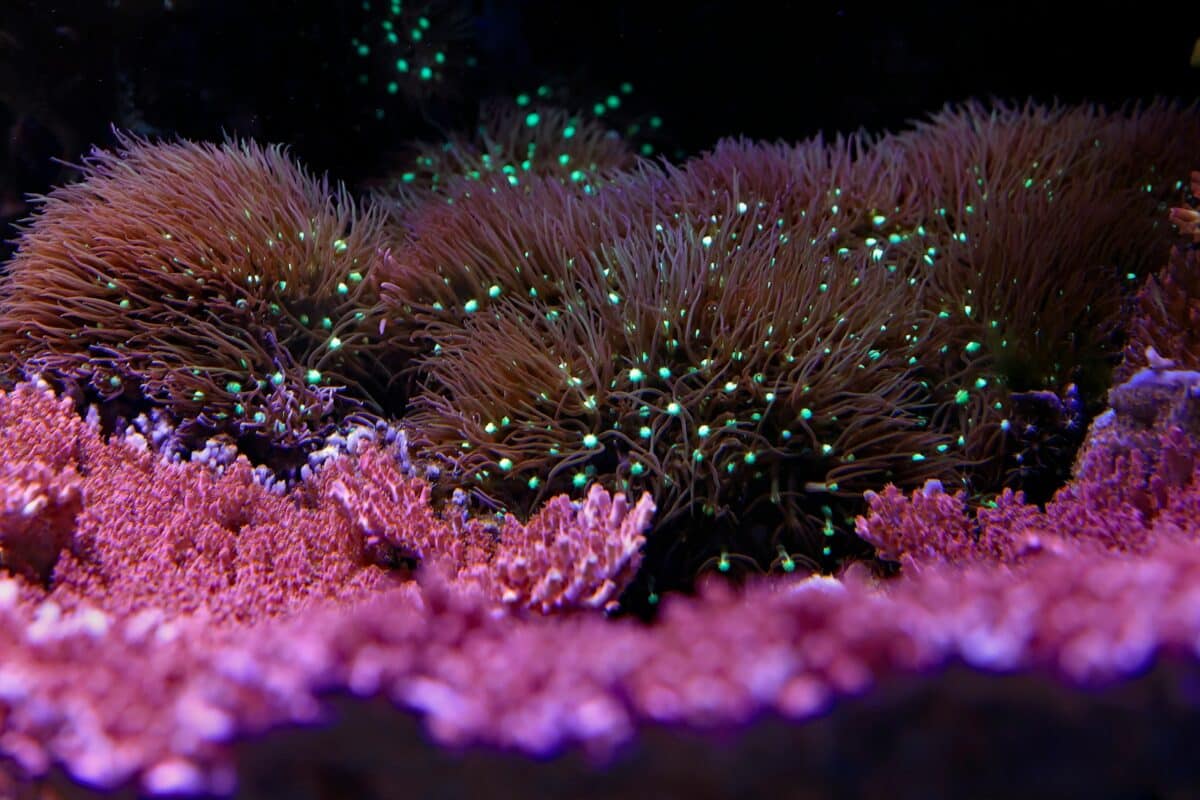
One of the most promising clinical applications of bioluminescence in cancer treatment is its use in surgical guidance. Complete tumor removal remains a critical factor in cancer treatment success, yet surgeons often struggle to distinguish cancerous from healthy tissue using visual inspection alone. Bioluminescence-guided surgery represents a potential solution to this challenge. By administering tumor-targeting molecules linked to luciferin compounds, cancerous tissues can be made to glow during surgery, helping surgeons identify tumor margins more precisely. Recent clinical trials have explored techniques using enzymes naturally present in cancer cells to activate caged luciferin compounds, causing targeted light emission only in malignant tissues. In a 2018 study at the University of Pennsylvania, surgeons using a bioluminescence-guided approach were able to identify and remove tumor deposits as small as 0.5mm—tumors that would have been invisible under conventional white-light surgery. Although still in development, these techniques could substantially reduce the rate of cancer recurrence by ensuring more complete tumor removal. The technology is particularly promising for brain tumors, where the distinction between cancerous and healthy tissue is critical, and where conventional approaches to tumor visualization have significant limitations.
Luciferin-Based Prodrugs

Bioluminescent organisms are inspiring an innovative approach to targeted cancer therapy through luciferin-based prodrugs. These compounds combine luciferin derivatives with cancer drugs, creating inactive complexes that only become active when cleaved by enzymes commonly found in tumor tissues. When the prodrug reaches a tumor, enzymes like matrix metalloproteinases—often overexpressed in cancers—separate the luciferin from the therapeutic agent, simultaneously releasing the active drug and producing light. This dual action serves two purposes: it concentrates the toxic effects of cancer treatments specifically in tumor tissues, potentially reducing side effects, and it creates a visible signal that confirms the drug has reached its target. In preclinical models, these systems have demonstrated remarkable specificity, with drug activation occurring primarily in tumor tissues while sparing healthy organs. One promising example is a luciferin-conjugated doxorubicin developed at Stanford University, which showed 90% less cardiac toxicity than standard doxorubicin while maintaining anti-tumor efficacy in mouse models. These approaches represent a significant advancement toward the goal of developing cancer treatments that can seek out and destroy malignant cells throughout the body while leaving healthy tissues untouched.
BRET: Bridging Technologies for Cancer Treatment

Bioluminescence Resonance Energy Transfer (BRET) represents a sophisticated fusion of bioluminescent and fluorescent technologies with exciting applications in cancer therapy. BRET occurs when energy from a bioluminescent reaction is transferred to a nearby fluorescent molecule, causing it to emit light at a different wavelength. This phenomenon can be harnessed to create “molecular switches” that activate only under specific conditions found in cancer cells. Researchers have developed BRET-based photodynamic therapy agents that remain dormant in normal tissues but become activated in tumors. When activated, these agents generate reactive oxygen species that can destroy cancer cells from within. The advantage of BRET-based approaches is their ability to work at depths within the body where external light sources (required for conventional photodynamic therapy) cannot penetrate. In a groundbreaking 2019 study published in Nature Communications, scientists demonstrated that BRET-activated photosensitizers could effectively shrink tumors in mice without external light sources, even in deeply situated tumors. This technology could extend the benefits of photodynamic therapy—a treatment modality with minimal side effects compared to chemotherapy—to cancers that were previously inaccessible to light-based treatments.
Marine Bioluminescent Organisms: Untapped Potential
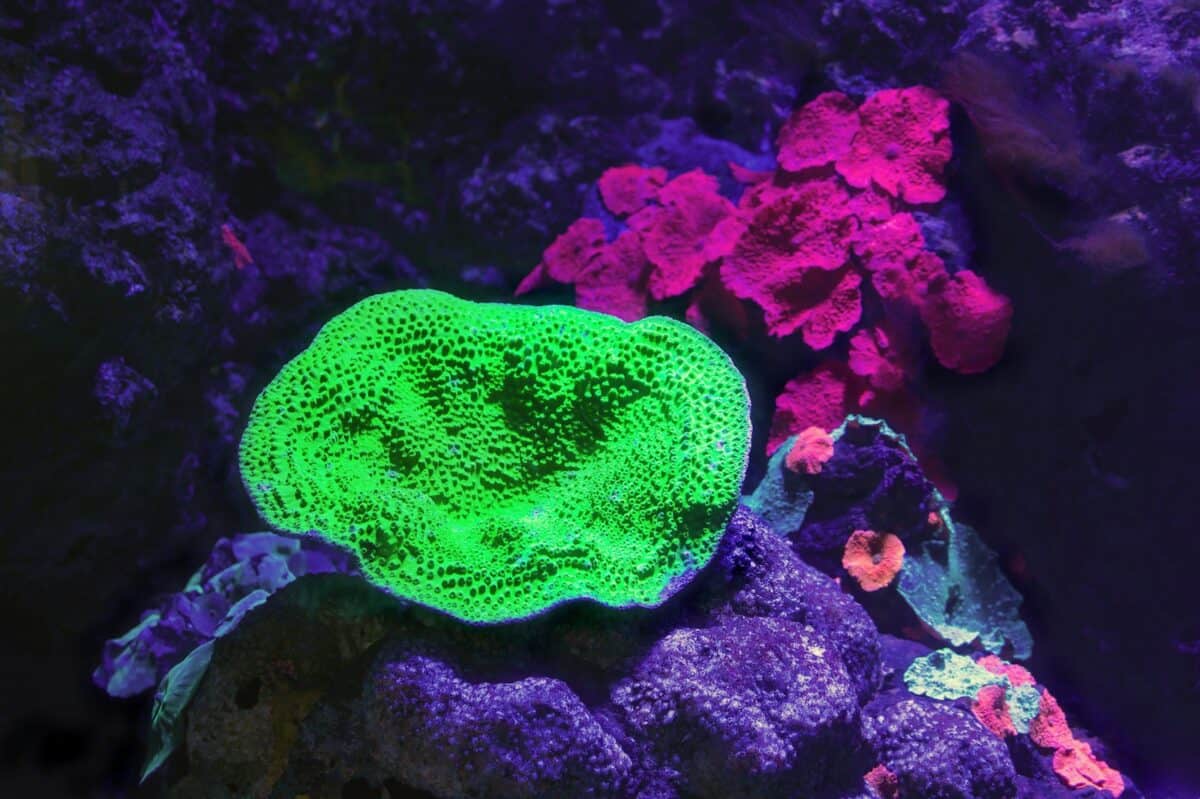
The ocean, particularly its deeper regions, harbors the greatest diversity of bioluminescent organisms on our planet—an estimated 80% of deep-sea creatures produce light in some form. This vast reservoir of evolutionary innovation remains largely unexplored for cancer research applications. Marine organisms have evolved bioluminescent systems distinct from those found in terrestrial species, often with unique properties that could offer advantages for medical applications. The sea pansy (Renilla reniformis), for instance, produces a luciferase that remains stable at human body temperature and works efficiently in the slightly alkaline pH of human tissues—characteristics that make it particularly suitable for in vivo imaging applications. Bioluminescent bacteria like Vibrio fischeri contain complete light-producing systems that can be transferred to mammalian cells as self-contained genetic units. Deep-sea creatures living under extreme pressure have evolved luciferases that remain functional under challenging conditions, potentially offering greater resilience for therapeutic applications. Research expeditions focused specifically on bioluminescent marine life have identified numerous novel light-producing compounds in recent years. Some of these newly discovered molecules have already shown promise in preliminary cancer research studies, suggesting that the oceans may contain solutions to challenges in cancer detection and treatment that have eluded land-based research.
Optogenetic Cancer Therapies

Optogenetics—a technique that uses light to control cells genetically modified to express light-sensitive proteins—is being adapted for cancer treatment using principles derived from bioluminescent organisms. Traditional optogenetic approaches require external light sources, limiting their application to superficial tissues. However, by combining optogenetics with bioluminescence, researchers are developing self-illuminating systems that can function deep within the body. These systems typically involve engineering cancer cells to produce both a light-generating luciferase and a light-responsive protein that can trigger cell death or immune system activation when illuminated. In one promising approach, scientists at the University of California, San Diego created “photoimmunotherapy,” where tumor cells engineered to express both luciferase and light-sensitive ion channels self-destruct when a luciferin substrate is administered. The dying cells then release tumor antigens that stimulate a broader immune response against non-engineered cancer cells throughout the body. Another application involves using bioluminescence to activate CAR-T cells—immune cells engineered to target cancer—specifically when they encounter tumor tissues, potentially reducing the systemic side effects associated with current immunotherapies. While these approaches remain in early experimental stages, they represent a novel direction in precision cancer treatment that could offer greater specificity than current targeted therapies.
Challenges in Translating Bioluminescent Technologies

Despite their promise, significant challenges remain in translating bioluminescent technologies from laboratory research to clinical cancer treatments. One fundamental limitation is the relatively low light output of bioluminescent reactions compared to artificial light sources, which can restrict detection depth in human tissues. Researchers are addressing this through the development of “brighter” luciferases and luciferins that produce more intense light or emit at wavelengths that penetrate tissues more effectively. Another hurdle involves delivering luciferin substrates to tumors in sufficient concentrations to generate detectable signals, particularly for deep-seated cancers. Novel delivery systems, including nanoparticle formulations and tumor-targeting peptides, are being explored to overcome this limitation. Immune responses to proteins derived from non-human species present another challenge, as patients may develop antibodies against luciferases that could neutralize their activity over time. Techniques to “humanize” these proteins by modifying potentially immunogenic regions while preserving their light-producing function are under development. Regulatory considerations also complicate clinical translation, as bioluminescent technologies represent novel therapeutic modalities that don’t fit neatly into established approval pathways. Despite these challenges, the potential benefits have motivated substantial investment in solutions, with several bioluminescence-based cancer detection and treatment technologies now advancing through preclinical validation toward first-in-human trials.
Current Clinical Trials and Research Progress

Several bioluminescence-inspired technologies have progressed from basic research to clinical testing, marking important milestones in their development as cancer diagnostics and therapeutics. In 2020, researchers at Massachusetts General Hospital initiated a Phase I clinical trial of LumiFind, a surgical guidance system using a tumor-activated luciferin probe to illuminate malignant tissue during surgery for certain brain tumors. Early results suggest the technology can help surgeons identify tumor margins that would be missed under standard white-light visualization. Another promising development is LumiCell, an ex vivo diagnostic test that uses luciferase-based biosensors to detect circulating tumor cells in blood samples from cancer patients. This technology, currently in Phase II trials, has demonstrated sensitivity to as few as 5 cancer cells per milliliter of blood—potentially allowing for earlier detection of cancer recurrence than conventional imaging. In preclinical development, Stanford University researchers have advanced a bioluminescent “reporter” system that can monitor cancer treatment response in real-time by measuring changes in tumor metabolism. This approach, which couples metabolite-sensitive luciferases with mobile phone-based detectors, could eventually allow patients and clinicians to track treatment effectiveness between clinical visits. While most bioluminescence-based cancer technologies remain years away from standard clinical use, the progression of multiple platforms through the development pipeline suggests that some applications may reach cancer patients within the next decade.
Ethical and Environmental Considerations

As research into bioluminescent organisms for cancer applications accelerates, important ethical and environmental questions have emerged. Bioluminescent marine organisms are often collected from delicate deep-sea ecosystems that could be harmed by excessive harvesting. Recognizing this concern, many research programs have shifted toward synthesizing bioluminescent compounds in the laboratory after their initial characterization, reducing the need for ongoing collection. Genetic engineering of bioluminescent systems also raises questions about potential environmental impacts should modified organisms escape containment. To address this, researchers typically incorporate biological safeguards that prevent engineered cells from surviving outside controlled laboratory conditions. The use of animal models in developing bioluminescent cancer technologies presents another ethical dimension that researchers must navigate carefully. Guidelines emphasizing the “3Rs” (replacement, reduction, and refinement) have become standard practice to minimize animal use while maintaining scientific validity. Patient perspectives also factor into ethical considerations, particularly regarding how much information derived from bioluminescent imaging—which can sometimes detect very early-stage disease—should be shared when effective treatments may not yet exist. Ongoing dialogue between scientists, ethicists, environmental advocates, and patient representatives is helping to ensure that bioluminescence research advances responsibly, with appropriate attention to both its promises and potential pitfalls.
The Future of Bioluminescence in Cancer Research

The future of bioluminescence in cancer research appears extraordinarily bright, with multiple transformative technologies on the horizon. Within the next decade, we may see widespread clinical adoption of bioluminescence-guided surgery, potentially making tumor removal more precise and reducing recurrence rates across multiple cancer types. Advanced bioluminescent “liquid biopsy” technologies may revolutionize cancer screening, allowing for routine early detection through simple blood tests that identify tumor-derived materials with unprecedented sensitivity. Perhaps most exciting is the potential convergence of bioluminescent technologies with other cutting-edge fields—such as CRISPR gene editing, nanomedicine, and artificial intelligence—to create integrated systems for cancer management. Imagine intelligent nanoparticles that can locate tumor cells throughout the body, illuminate them for surgical removal, deliver targeted therapy to inoperable sites, and continuously monitor for treatment response—all derived from principles observed in nature’s light-producers. These technologies may eventually transform cancer from a life-threatening diagnosis to a manageable condition that can be detected early and treated with precision. The remarkable diversity of bioluminescent organisms—from fireflies to deep-sea fish to bioluminescent bacteria—suggests we’ve only scratched the surface of potential applications. With each newly characterized luminescent system, researchers gain additional tools that could open unexpected avenues in cancer research and treatment.

- This Tiny Insect Can Survive in Outer Space—Here’s How - July 21, 2026
- Could the Tasmanian Tiger Be Brought Back to Life? - July 21, 2026
- Why You Should Never Approach a Sleeping Hippo - July 21, 2026