
You know what’s wild? Here’s the thing. When we think about our dogs and their incredible instincts, it makes us wonder about the broader animal kingdom and how creatures navigate vast distances without GPS or maps. While our furry companions might follow us from room to room with uncanny precision, there are animals out there undertaking journeys so mind-boggling they seem almost impossible.
These migrations aren’t just impressive because of the distances involved. It’s the mystery that surrounds them. Scientists still scratch their heads trying to figure out exactly how certain species know where to go, when to leave, and how to find their way back. Think about it like this: imagine your dog finding their way home from thousands of miles away, across oceans and continents they’ve never seen before. Sounds crazy, right?
Let’s dive into some of nature’s most baffling travel stories.
The Arctic Tern’s Pole-to-Pole Marathon
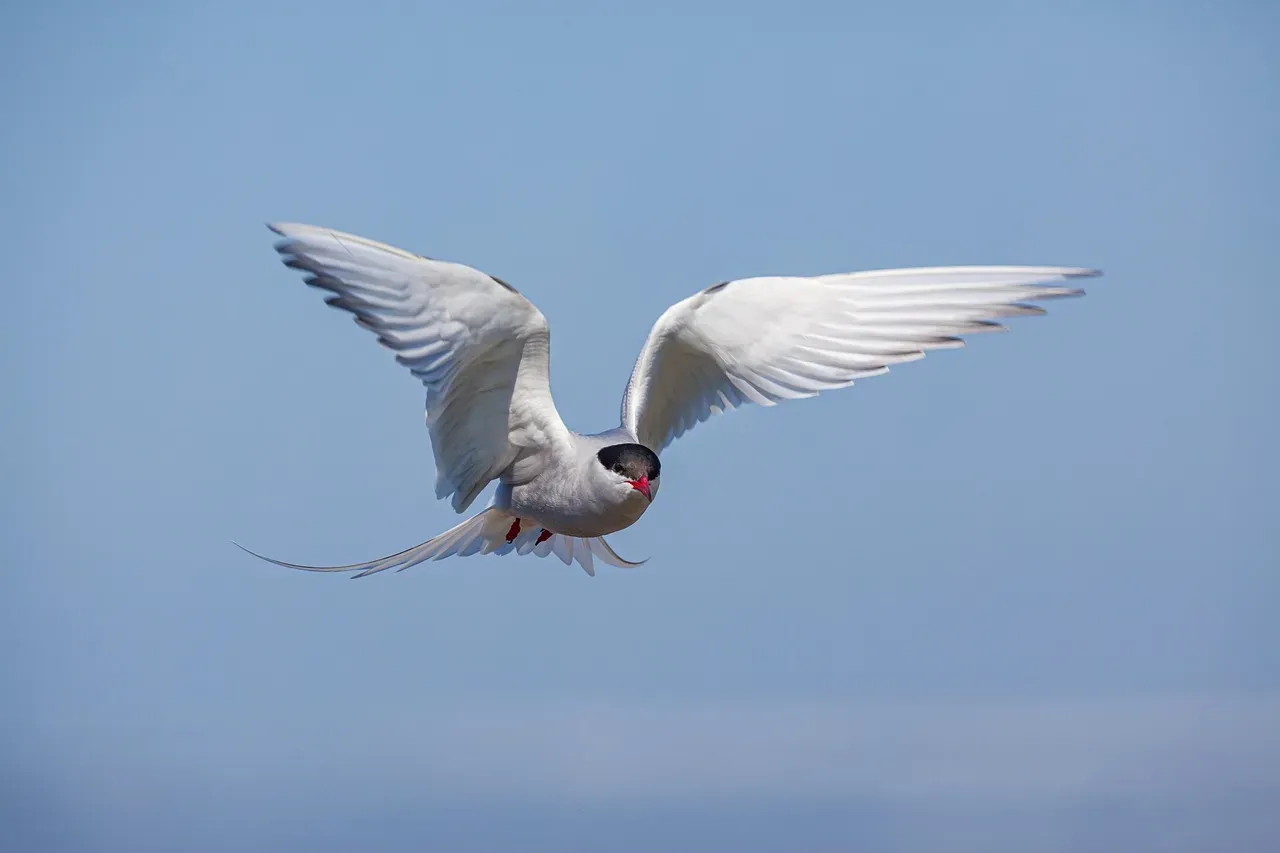
The Arctic tern flies from the Arctic to Antarctica and back each year, seeing more daylight than any other creature on the planet as it chases perpetual summer. Individual birds from the Farne Islands have been tracked covering a staggering 96,000 kilometers in just ten months.
What’s truly bizarre is how these delicate birds, weighing barely more than three ounces, manage this feat. They’re so lightweight that ocean breezes carry them great distances without much effort, and they can sleep and eat while gliding. Over a lifetime of roughly three decades, a single Arctic tern essentially flies the equivalent of three round trips to the moon.
The navigation part remains mysterious. Scientists know they use the sun’s position and Earth’s magnetic field, but the precision with which these birds return to the exact same breeding grounds year after year is honestly astonishing. It’s like they have an internal compass that never needs recalibrating.
Monarch Butterflies and the Multi-Generational Mystery
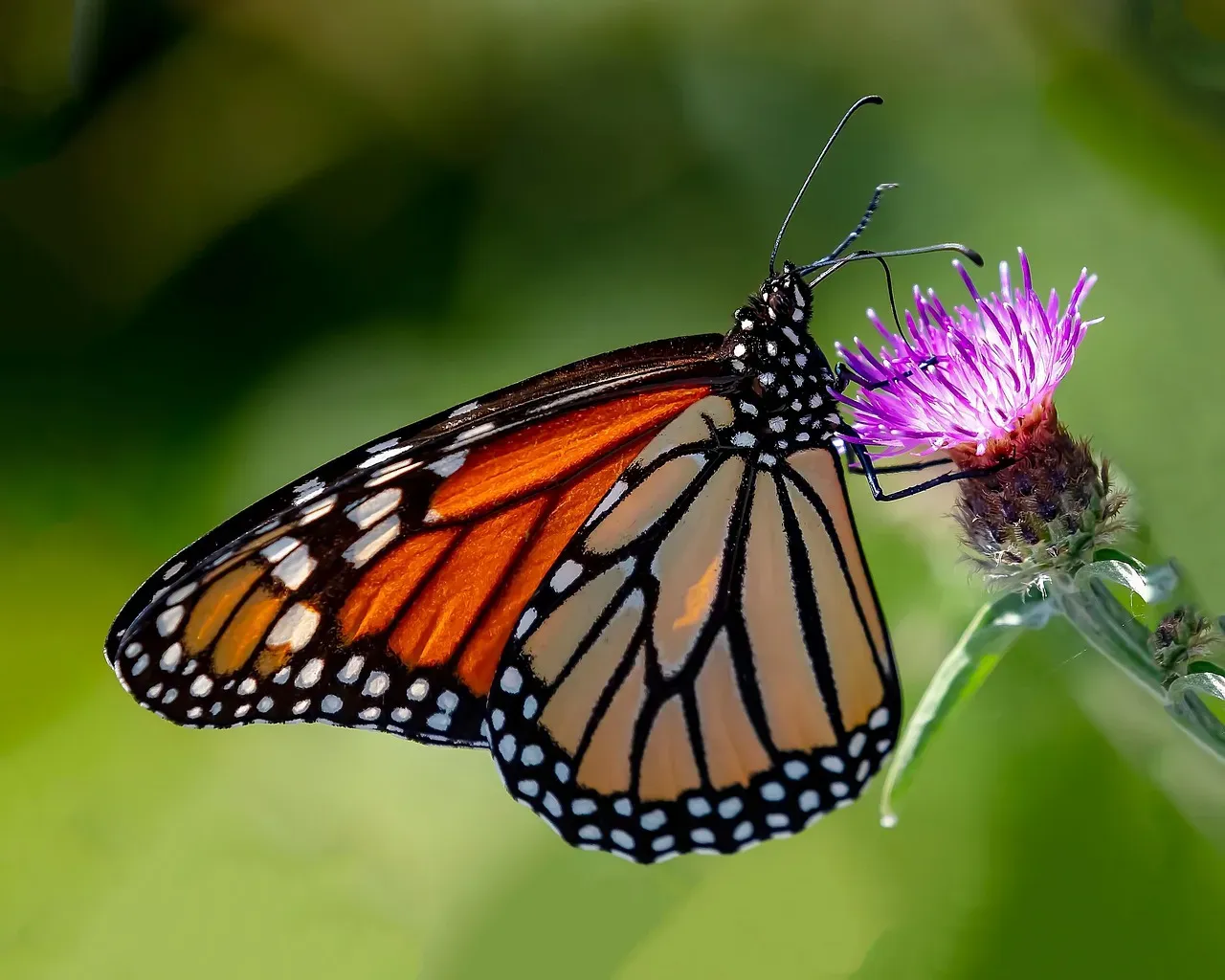
North American monarchs begin their southern migration in September and October, traveling thousands of kilometers from southern Canada and the northern United States to overwintering sites in central Mexico. The butterflies arrive in November and stay through winter on oyamel fir trees.
Here’s where it gets really strange. It can take five generations to complete the full migration cycle, and individual butterflies making the journey south will never return, as females stop along the way north to lay eggs and subsequent generations continue the journey. Think about that for a second. These tiny insects are navigating to a place they’ve never been, that their parents never saw, using genetic instructions passed down through generations.
Monarchs use a time-compensated sun compass, processing skylight cues through both eyes and integrating them in the brain’s central complex, with time compensation provided by circadian clocks residing in their antennae. Honestly, it sounds like science fiction, but it’s happening right now, every autumn.
The Serengeti Wildebeest Spectacle
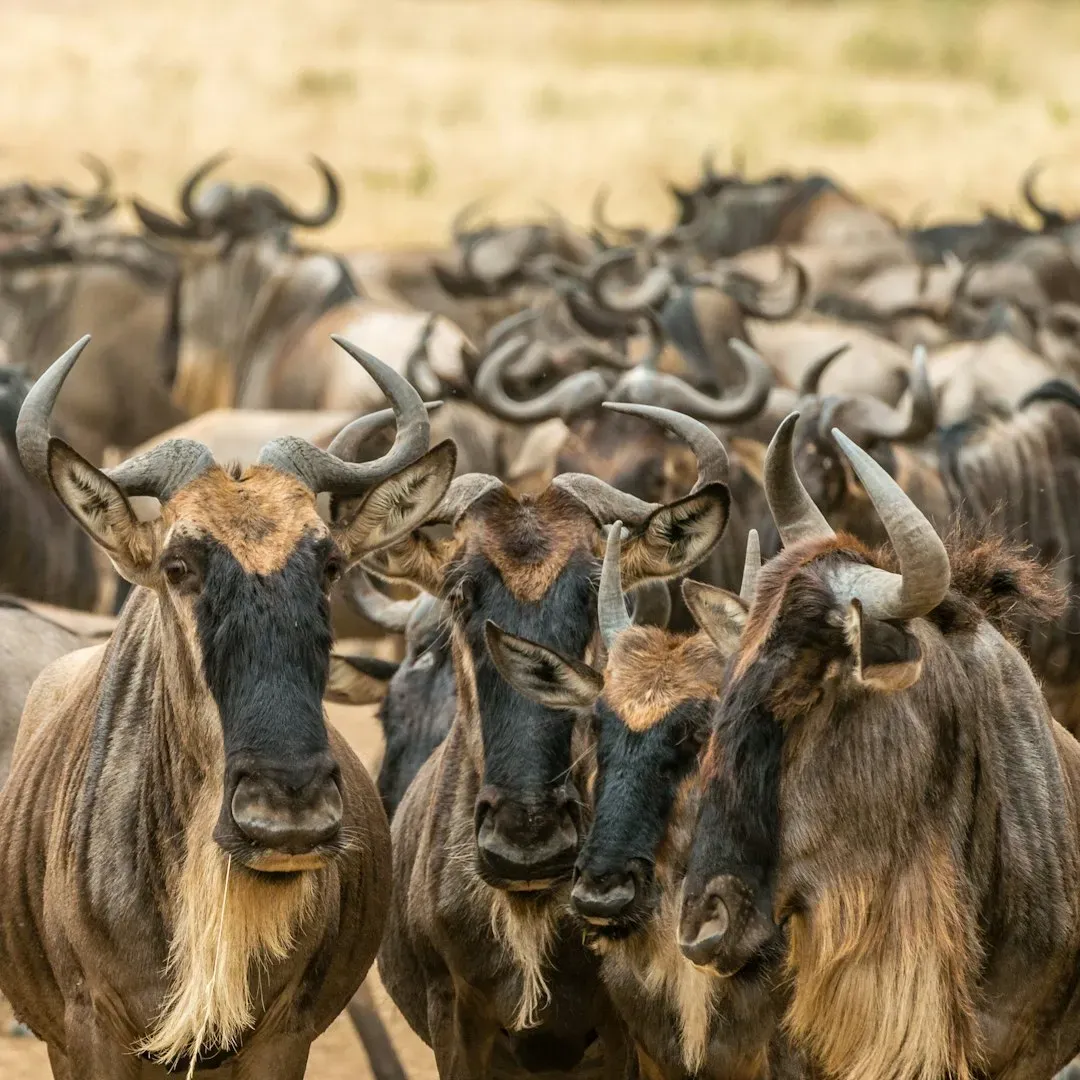
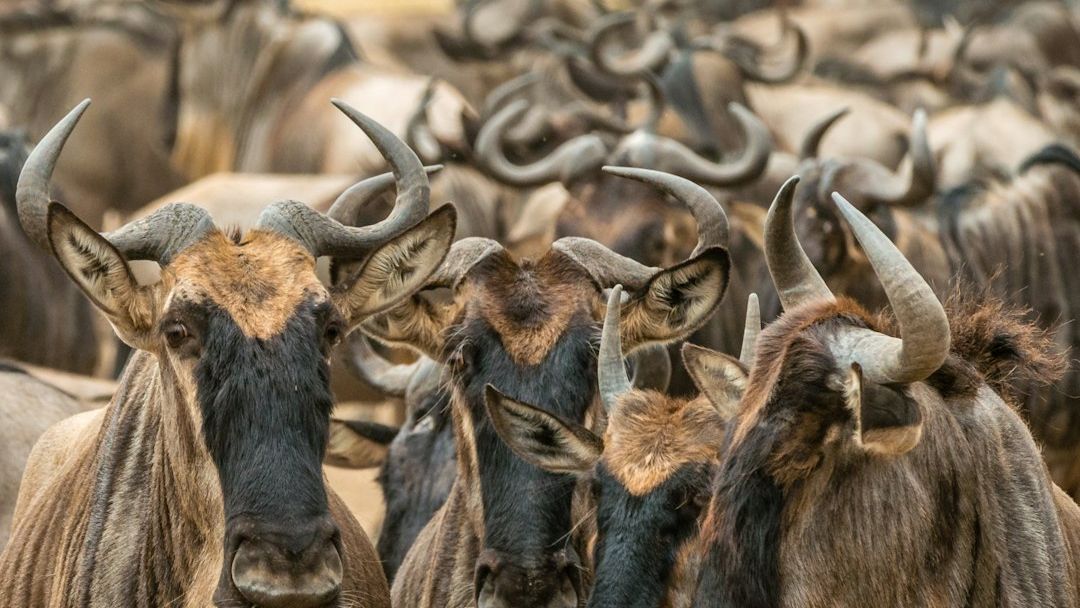
Roughly 1.5 million wildebeest migrate in a circular pattern between the Serengeti plains of northern Tanzania and the Maasai Mara grasslands of southern Kenya. They’re accompanied by hundreds of thousands of zebras and gazelles in what’s called the Great Migration.
What makes this migration particularly mind-bending isn’t just the sheer numbers. The wildebeest trek up to 1,500 kilometers every year, circling through northern Tanzania and southern Kenya in search of fresh grass that emerges with increasingly unpredictable rains. The journey is fraught with danger at every turn.
Thousands of wide-eyed wildebeest mass on the banks of the Mara and Grumeti rivers, waiting to run the gauntlet of hungry crocodiles, while lions, hyenas, and other predators gather to hunt stragglers. Yet they keep going, driven by instincts we still don’t fully comprehend. The timing seems to shift based on rainfall patterns that become more erratic each year, yet somehow these animals know exactly when to move.
Salmon’s Impossible Homecoming
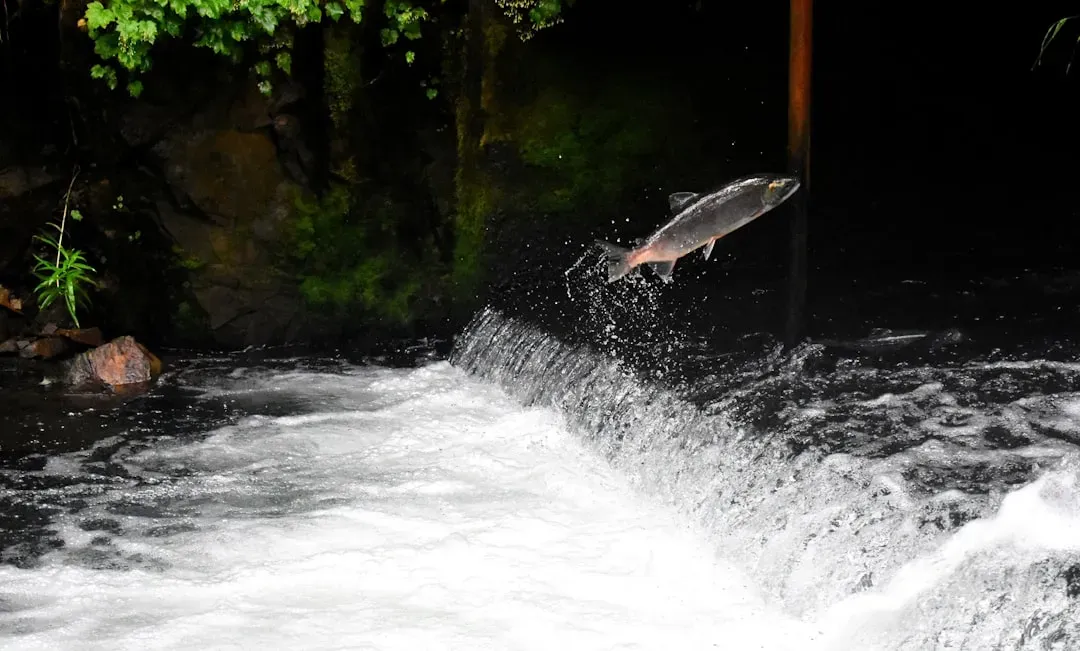
Pacific salmon undertake one of the most physiologically extreme migrations, spending years maturing in the ocean before returning to the exact freshwater streams where they were born, often traveling thousands of miles against strong currents. They even ascend hundreds of feet in elevation.
Let’s be real, this migration is brutal. Salmon can detect their natal stream’s unique chemical signature using a sense of smell estimated to be a million times more sensitive than humans, and they stop feeding once they enter freshwater, depleting up to 95 percent of their energy reserves before dying after spawning.
The fact that they can smell their home river among countless waterways after years at sea defies easy explanation. It’s like being dropped blindfolded in a foreign country and finding your childhood home by scent alone. After everything they endure, they give their lives to ensure the next generation has a chance.
Caribou’s Arctic Endurance Trek
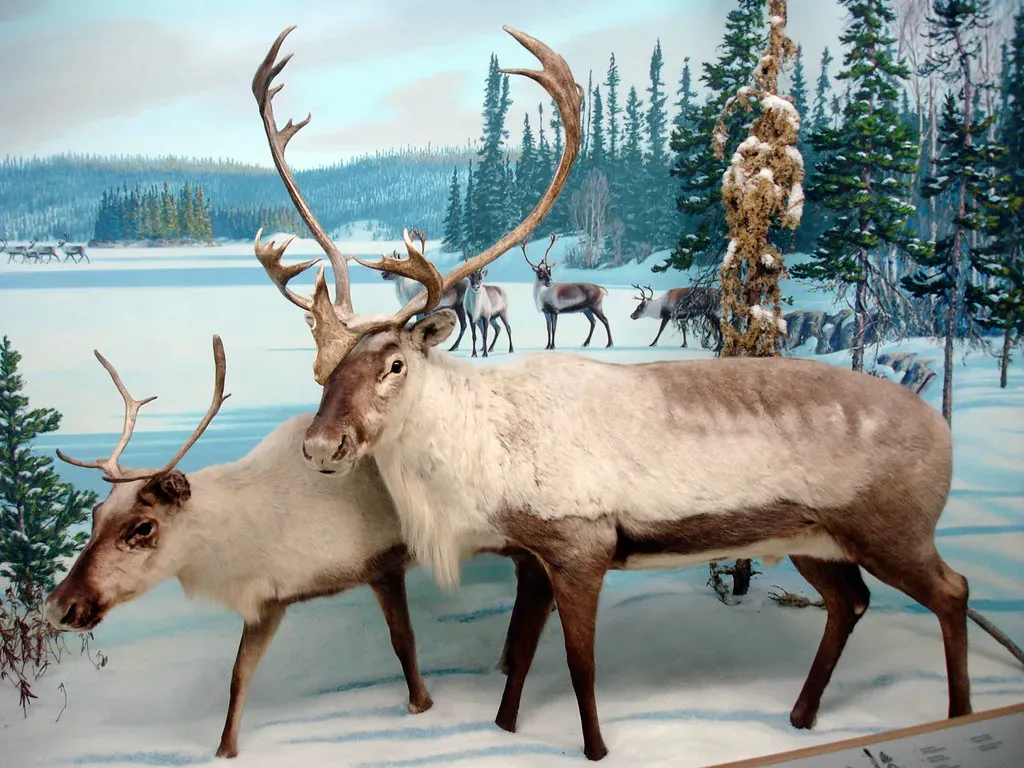
Caribou have the longest terrestrial migrations on Earth, making round trips exceeding 1,200 kilometers, and once migration begins, they can travel up to 80 kilometers per day. That’s equivalent to walking from Washington DC to Los Angeles and back.
The interesting thing about caribou migrations is their unpredictability. Larger herds travel farther distances during migration, and the caribou’s primary predators, grey wolves, keep pace with the prey animals throughout the entire journey. Picture that: predator and prey locked in a months-long dance across frozen tundra.
What triggers these movements remains somewhat mysterious. Weather conditions like snowfall or cold spells seem to play a role, but how do thousands of animals coordinate their departure? There’s something happening here that goes beyond simple survival instincts.
The Fruit Bat Cloud of Zambia
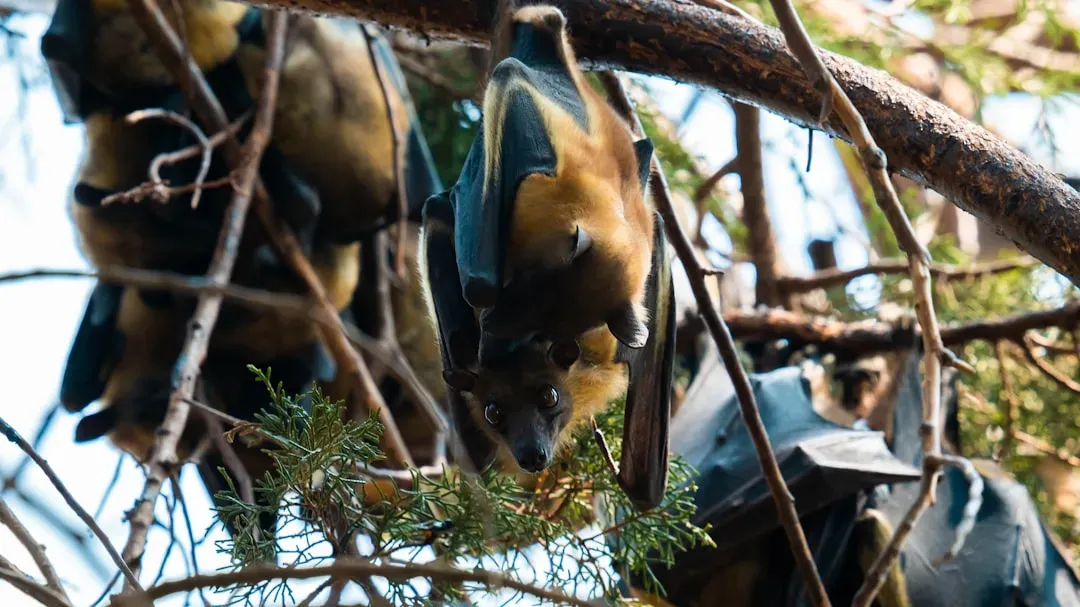
Every year around October, roughly eight million African straw-coloured fruit bats fly south from the forests of equatorial Africa to converge in Zambia’s Kasanka National Park. They stay there through December, feasting on tree pods.
This is the world’s largest mammal migration by sheer numbers, yet here’s the puzzling part: The fruit bats’ locations at other times of the year aren’t fully known. We can track millions of them arriving at this tiny park, but where they disperse to remains largely a mystery.
The sky darkens with the passing of countless numbers of these creatures, and trees everywhere drip with upside-down little torsos with wings neatly folded away. It’s a spectacle that must be seen to be believed, and the fact that we still don’t fully understand their complete migration pattern makes it even more intriguing.
Dragonflies’ Transcontinental Journey
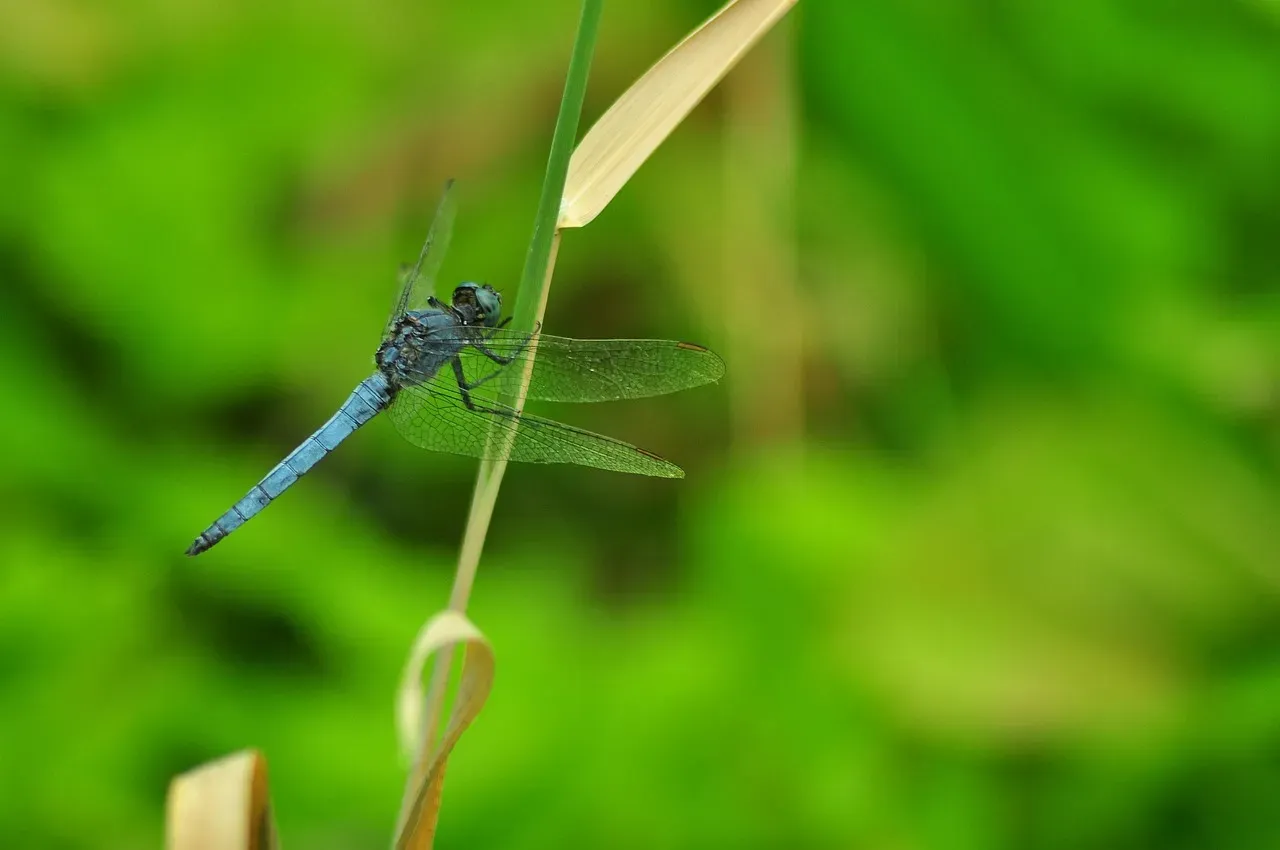
Dragonflies travel farther than any other insect on the planet, twice as far as monarch butterflies, with millions gathering to fly from southern India to Africa in a round-trip distance of about 11,000 miles.
What’s really fascinating is how recent this discovery is. In 2006, scientists tracking dragonflies with mini radio transmitters discovered something surprising: they primarily travel at night, following patterns and making decisions normally seen in songbird migrations. Who would have thought these delicate-looking insects were capable of such epic journeys?
The genetic similarity between dragonfly populations across Asia, the Americas, and Africa suggests their migrations might be even more extensive than we know. They could potentially be mixing gene pools globally, which would be absolutely wild for an insect.
European Eels’ Atlantic Mystery
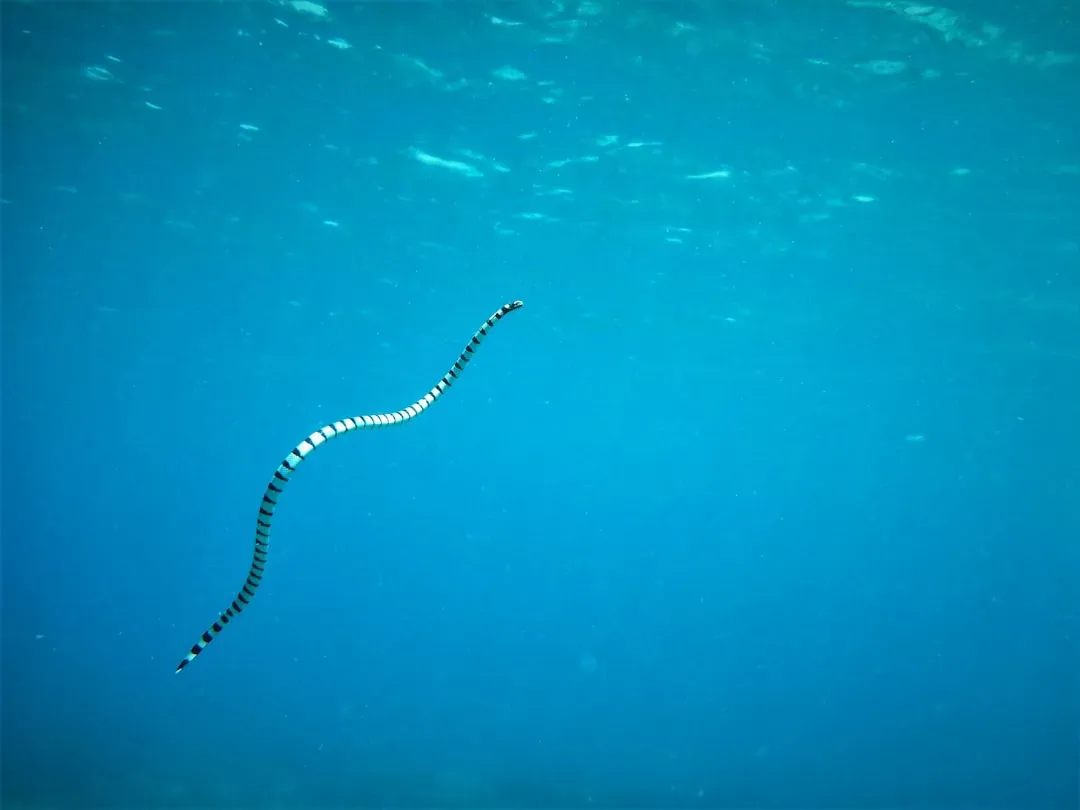
The European eel’s migration starts in the Sargasso Sea where adults spawn and die, with tiny larvae drifting slowly east on ocean currents for one to three years before transforming into transparent eels that enter European freshwater rivers, where they grow for up to 20 years before making the 5,000 to 6,000 kilometer journey back to the Sargasso Sea.
This migration remained a complete mystery for centuries. Nobody could figure out where eels came from or how they reproduced. The idea that they travel all the way across the Atlantic to spawn in one specific area of the ocean, then their offspring somehow find their way back to European rivers, seemed impossible.
Even today, scientists haven’t directly observed eel spawning in the wild. We know it happens in the Sargasso Sea, but the exact mechanisms and locations remain elusive. It’s one of nature’s best-kept secrets.
Humpback Whales’ Ocean Crossings
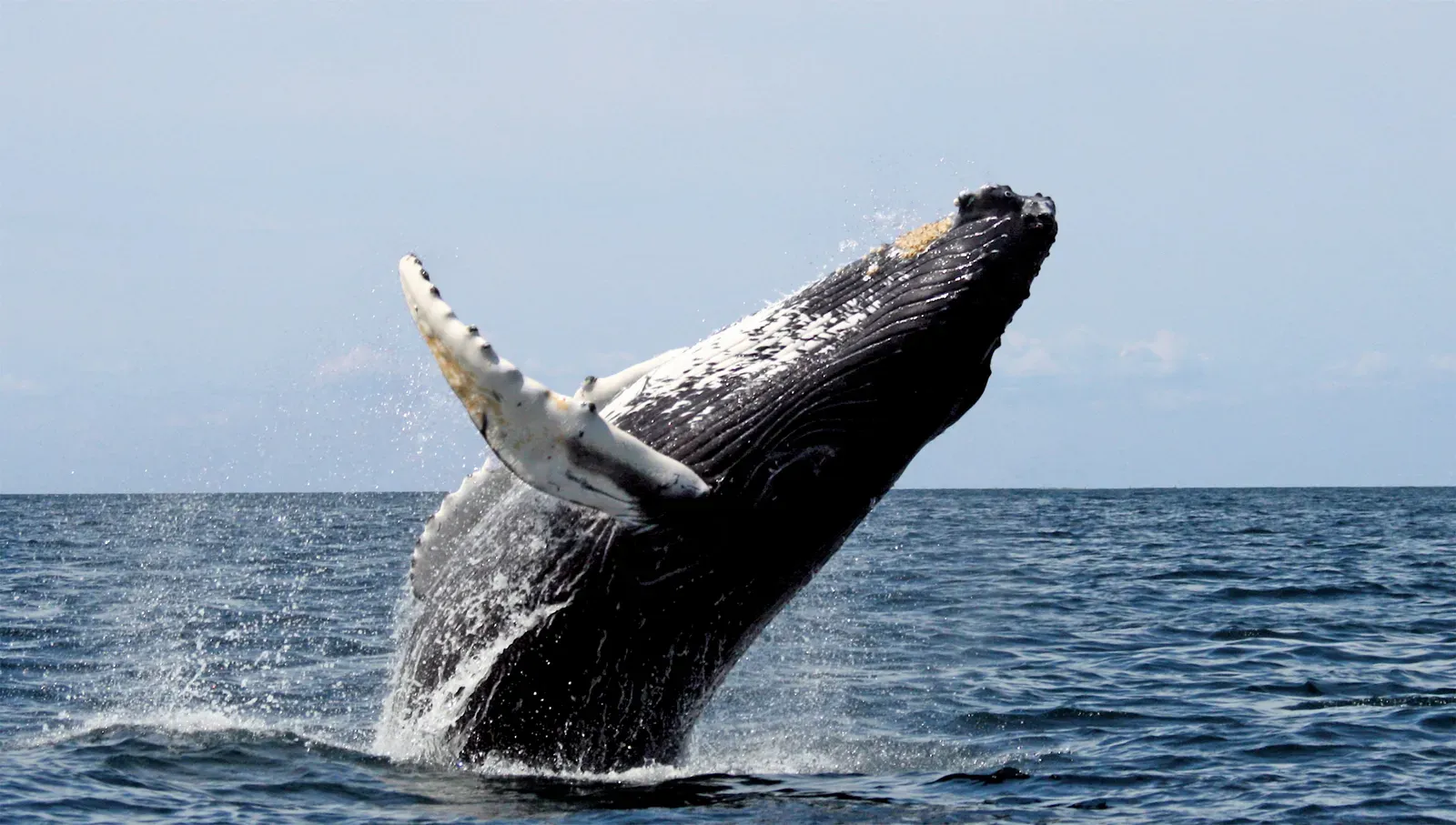
Each winter, as many as 10,000 humpback whales travel from Alaska to Hawaii in a migration that starts in November and lasts until around May, covering nearly 6,000 miles round-trip, and remarkably, adult whales don’t eat for months at a time.
The no-eating part is what really gets me. While the distance has been surpassed by gray whales, humpback migrations are unique because adults don’t feed once they reach warmer waters, living entirely on fat reserves before returning to colder waters where they gorge themselves to replenish stores.
In 2024, a male humpback whale made headlines after traveling from the Pacific Ocean off Colombia to Zanzibar in the Indian Ocean, a journey of at least 13,000 kilometers. Why would a whale make such an unprecedented journey? Nobody really knows.
Christmas Island Red Crabs’ Synchronized March
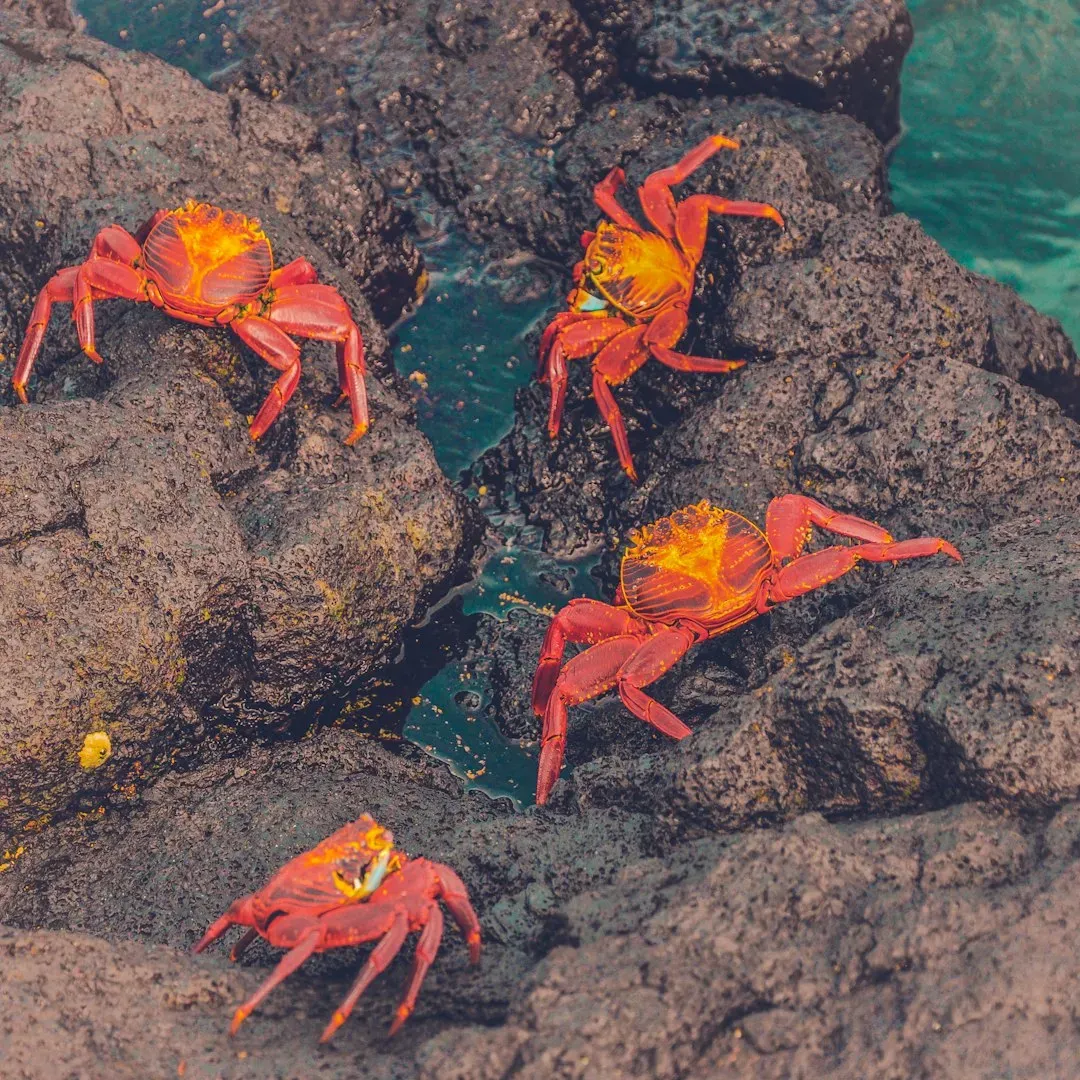
Christmas Island red crabs move en masse each year by the millions, breathing using gills which must remain wet, so they avoid direct sunlight by digging burrows, and they mate on land near their burrows with females incubating eggs in their abdominal brood pouches for two weeks.
The timing of this migration is extraordinarily precise, triggered by the first rainfall of the wet season. Suddenly, millions of bright red crabs emerge from the forest floor and march toward the ocean in one of nature’s most visually stunning spectacles.
What’s truly remarkable is the synchronization. How do millions of individual crabs coordinate their movements so precisely? There’s no leader, no central planning. Yet they all know when it’s time to go, and they all head in the right direction. Sometimes the simplest questions have the most complex answers.
Conclusion: Nature’s Navigation Mysteries
After exploring these ten incredible journeys, one thing becomes crystal clear: we still have so much to learn. These animals accomplish feats that seem to defy logic, using senses and abilities we’re only beginning to understand.
Scientists have shed light on some of the enduring mysteries about how species navigate and what drives them to leave a habitat, but we still have much to learn, and these incredible journeys play a vital role in ecosystems, affecting the distribution of prey and predators, keeping nutrients cycling, helping with pollen and seed spread, and even influencing human economies.
For those of us who love animals, whether it’s the dog sleeping at our feet or the birds flying overhead, these migration stories remind us how interconnected and wondrous the natural world truly is. Every species has evolved remarkable adaptations for survival.
What do you think drives these incredible journeys? Is it purely instinct, or is there something more we haven’t discovered yet? The mystery continues to captivate us all.
