


Climate change poses a monumental threat to ecosystems and societies across the globe. As scientists race against time to develop solutions, attention is shifting toward the role of diverse wildlife species, particularly certain mammals, in mitigating this global crisis. Through their natural behaviors and ecological roles, these mammals could indeed hold keys to preventing climate change. This article will explore how these dynamic creatures contribute to carbon sequestration, ecosystem balance, and biodiversity, ultimately offering potential strategies to combat climate change.
The Role of Mammals in Carbon Sequestration

One of the critical processes aiding in climate change prevention is carbon sequestration. Mammals, surprisingly, play a vital role in this process. Large mammals, such as elephants and whales, significantly influence carbon storage through their interactions with the environment. Elephants, for example, help in maintaining savanna ecosystems by uprooting trees, thereby enabling grasslands to thrive and subsequently absorb atmospheric carbon dioxide. Similarly, whales promote the growth of phytoplankton, minute organisms that can sequester vast amounts of carbon dioxide, effectively functioning as natural carbon sinks.
Elephants: The Ecosystem Engineers

Elephants are often referred to as ecosystem engineers due to their capacity to reshape their habitats. By knocking down trees and clearing vegetation, elephants maintain grassland areas that are crucial for carbon capture. According to research, African elephants alone can facilitate the growth of more than sixty tons of vegetation per square kilometer annually, offering significant carbon storage potential. This natural carbon sequestration is critical in mitigating climate change impacts and maintaining ecological balance.
Whales: The Oceanic Stewards

In the deep blue seas, whales have emerged as unsung heroes of climate change mitigation. Their massive bodies store carbon, and upon death, they transport this carbon to ocean depths, where it remains for centuries. Moreover, whale excrement supports plankton growth, which absorbs 37 billion tons of CO2 annually, equivalent to over one-third of human-produced emissions. Protecting whale populations can enhance these natural carbon sinks and support marine biodiversity.
Beavers: Nature’s Hydrologists

Beavers, often underestimated, play a fascinating role in climate regulation. By constructing dams, they create wetlands that act as buffers against extreme weather while capturing carbon. These wetlands are highly efficient at storing carbon in their soil and vegetation. Furthermore, beaver wetlands enhance biodiversity, providing habitats for countless species and promoting a stable ecosystem, which is critical in the face of climate change.
Keystone Species and Climate Resilience

Keystone species like bison and sea otters have far-reaching impacts on their environments. Bison in grassland ecosystems maintain plant diversity, allowing these regions to function effectively as carbon sinks. Similarly, sea otters contribute to kelp forest health by preying on sea urchins, which would otherwise decimate these vital underwater carbon stores. By protecting such species, we bolster ecosystem resilience against climate change.
Mammalian Biodiversity and Ecological Balance

Biodiversity is pivotal in combating climate change, with mammals playing a crucial role. Diverse mammalian communities enhance ecosystem productivity and stability. For instance, a variety of herbivores ensures various vegetation types thrive, thereby increasing an ecosystem’s overall capacity to capture and store carbon. The loss of mammalian biodiversity could exacerbate climate change, underscoring the need for conservation efforts.
Mammals in Agroecology

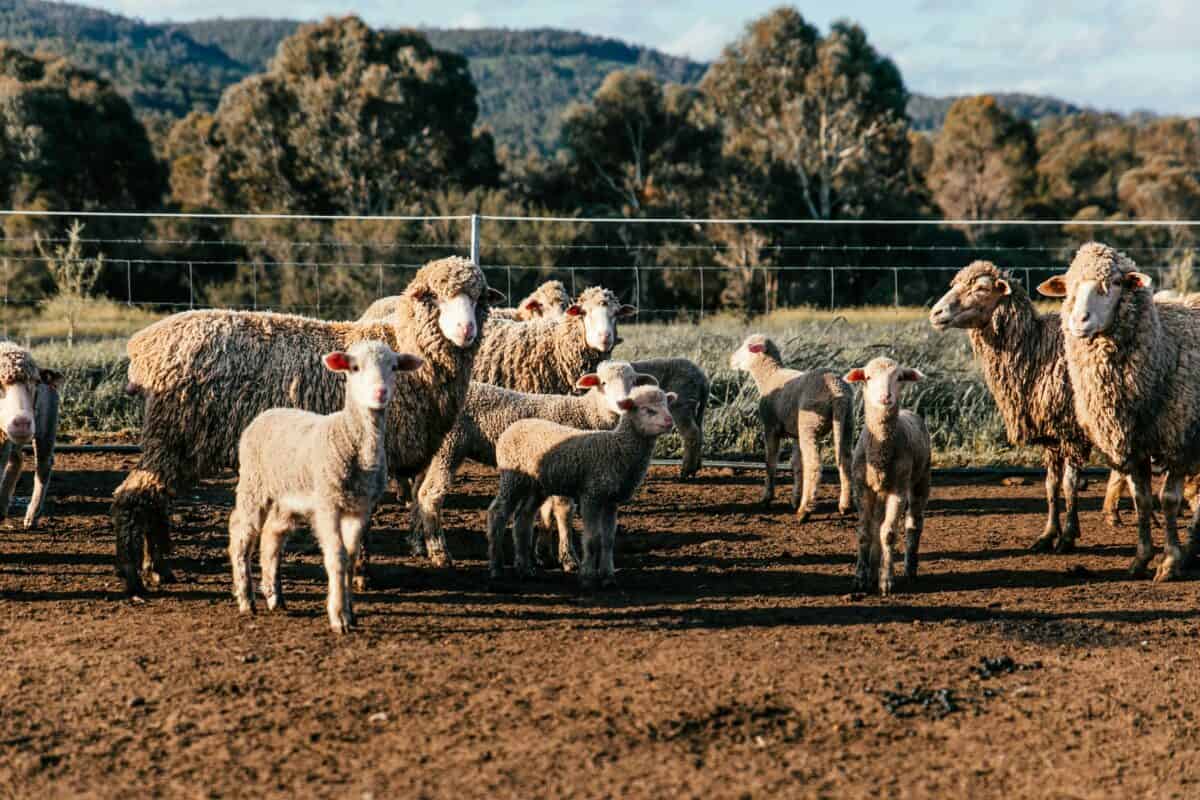
Integrating mammals within agricultural systems, otherwise known as agroecology, can contribute to sustainable practices that mitigate climate change. Livestock such as cows and sheep, when managed correctly, can promote soil health and carbon sequestration through rotational grazing. This practice increases soil organic matter and enhances carbon capture, demonstrating how mammals can be allies in developing climate-friendly agriculture.
Challenges in Protecting Key Mammals
Despite their potential, mammals face significant threats, such as habitat loss, poaching, and climate change itself. Protecting these species is paramount, yet complex. Conservation efforts require international collaboration, comprehensive policy enforcement, and community involvement. By safeguarding mammal populations, we can unlock their potential as natural climate change mitigators.
Technology Aiding Mammalian Conservation

Modern technology offers promising tools to assist in mammalian conservation. Satellite tracking and camera traps provide valuable data on population dynamics and habitat use, guiding targeted conservation efforts. Drones and GIS technology help assess and monitor ecosystems, ensuring that mammal habitats are preserved and restored. Leveraging these technologies is essential in preserving the role of mammals in climate regulation.
Community Engagement and Education

Engaging local communities in mammalian conservation fosters a collaborative approach to combat climate change. Educating people about the ecological benefits of mammals encourages local stewardship and empowers communities to manage resources sustainably. Community involvement is vital for the long-term success of conservation initiatives, ensuring that these mammals continue to combat climate change effectively.
Policy Implications and Conservation Strategies
Policymakers play a crucial role in shaping conservation strategies that integrate mammals in climate change mitigation. Legislation that protects habitats, controls invasive species, and promotes sustainable land use is indispensable. International agreements and incentives can further encourage the preservation of key mammal species, highlighting their role as a natural defense against climate change.
Conclusion: Embracing Natural Solutions

In the fight against climate change, embracing natural solutions is indispensable. Mammals, with their diverse ecological roles, provide invaluable services that enhance carbon sequestration, maintain ecosystem balance, and promote biodiversity. Recognizing and leveraging their contributions can guide effective climate strategies. As we move forward, preserving and promoting the health of mammal populations is not just beneficial—it is essential for a sustainable future.

From exploring the marine wonders in the Azores and witnessing the vast savannas of Kenya, to delving deep into the rich biodiversity of South Africa and traversing iconic landscapes in Australia and the US like Yellowstone, Chris's experiences are vast.
With a penchant for diving alongside sharks, the ocean holds a special place in his heart.
Through his academic insights, he champions wildlife conservation, striving with 'Animals Around The Globe' to cultivate a profound connection between humans and animals, enhancing our mutual appreciation.
Connect with him at Feedback@animalsaroundtheglobe.com.
- Spirit Animals: What Yours Means and How to Find It - July 31, 2026
- Why the World’s Loudest Animals Are Going Quiet - July 31, 2026
- This Animal Produces the Loudest Mating Call on Earth - July 31, 2026