


Fish have always been an integral part of aquatic ecosystems, showcasing a remarkable adaptability and survival instinct. One such fish, often dubbed the ‘aquatic invader,’ could potentially spread across all U.S. rivers, raising concerns among ecologists and river authorities alike. But what makes this fish so successful in its expansion and what potential impacts could it have on the ecosystems it enters?
Introduction to the Invader: The Northern Snakehead

Known for its snake-like appearance and predatory efficiency, the Northern Snakehead is a fish that has garnered significant attention from environmentalists and the public. Originally native to parts of Asia, its presence in U.S. waters has prompted debate and concern due to its aggressive nature and the ecological threats it poses.
Native Habitats and Global Introduction

The Northern Snakehead is native to regions in China, Russia, and Korea. Used as a food fish in its home countries, it was inadvertently or intentionally introduced to non-native environments across the globe, including the waterways of the United States. Its adaptability has made it a prominent invasive species in foreign territories.
Physical Characteristics of the Northern Snakehead

This fish is characterized by its cylindrical body, long dorsal fin, and large mouth filled with sharp teeth. Its scales are an earthy brownish color patterned with darker bands, which allows it to blend into murky water environments seamlessly. Measuring up to three feet in length, the Northern Snakehead is a formidable predator in any aquatic ecosystem.
The Amazing Breathing Adaptation

One of the most remarkable features of the Northern Snakehead is its ability to breathe air. Equipped with a specialized labyrinth organ, it can survive out of water for short periods, enabling it to traverse on land to locate new water bodies. This ability contributes significantly to its potential to spread across vast networks of rivers and lakes.
Feeding Habits and Ecological Impact
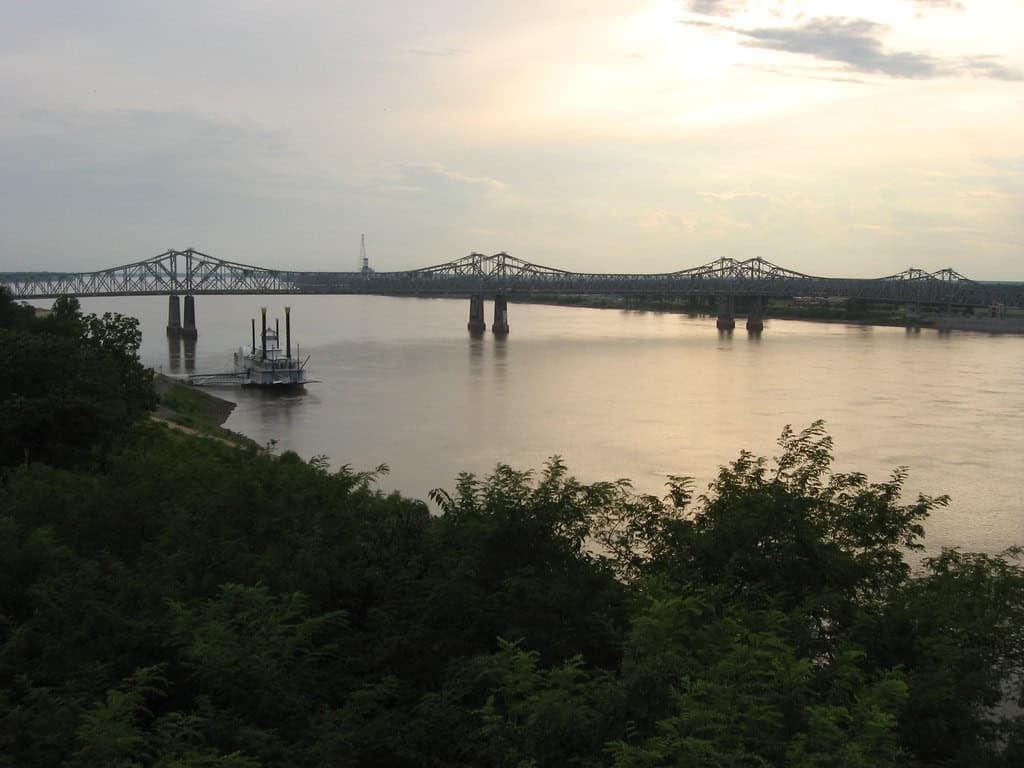
The Northern Snakehead’s diet is diverse, including fish, crustaceans, and even small amphibians and mammals. Its voracious appetite means it competes directly with native species for food, often causing shifts in local populations and sometimes leading to the decline of certain fish species. This impact on local biodiversity is a principal concern when discussing its spread.
Reproductive Proliferation and Lifecycle

Reproduction rates in Northern Snakeheads are high, with females capable of producing thousands of eggs multiple times per year. These high fecundity rates, combined with parental behaviors such as guarding their nests, allow for rapid population growth, further exacerbating their invasiveness in foreign ecosystems.
Current Geographic Spread in the U.S.
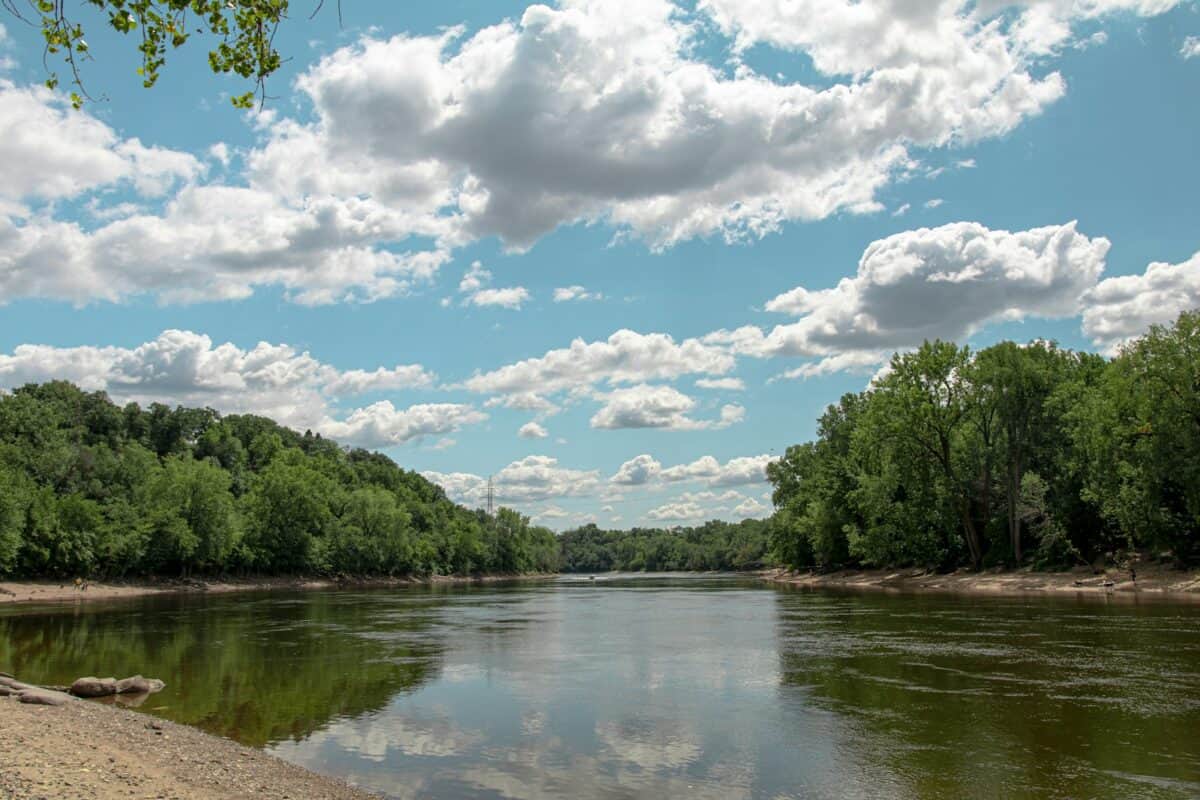
The Northern Snakehead has been discovered in several states across the U.S., including Maryland, Virginia, and parts of the Mississippi River Basin. Its expansion is primarily due to both natural dispersal facilitated by its adaptability and human activities such as accidental release.
Efforts to Curb the Spread

Various government agencies and environmental organizations have initiated control measures to prevent the Northern Snakehead from spreading further. These include public education campaigns, fishing tournaments aimed at reducing its population, and the development of management plans to monitor waterways and implement container inspections.
Legal and Policy Actions

U.S. law has responded to the threat posed by the Northern Snakehead by enforcing regulations against its importation and transportation. The fish is listed as an injurious species under the Lacey Act, which restricts its interstate transport and helps deter its spread through human means.
Potential Solutions and Future Directions

Solutions to manage the spread of the Northern Snakehead include fostering research into biological control methods, such as identifying possible predators or diseases specific to the snakehead. Additionally, enhancing public awareness and cooperation in reporting sightings can play a crucial role in controlling this invasive species.
How You Can Help

Community involvement is essential to managing invasive species like the Northern Snakehead. If you spot one, report it to local wildlife authorities. Anglers are encouraged to fish for Northern Snakeheads and properly dispose of them, as releasing them back into the water only fuels their spread.
Conclusion: A Call to Action

The presence of the Northern Snakehead in U.S. waters signifies more than just an ecological inconvenience; it highlights the complex challenges of managing biodiversity and ecological balance. It underscores the importance of vigilance, education, and collaborative efforts to prevent the spread of invasive species. As these aquatic invaders continue to adapt and thrive in new environments, proactive stewardship of our natural resources is the key to safeguarding the delicate ecological webs of U.S. rivers for future generations.

From exploring the marine wonders in the Azores and witnessing the vast savannas of Kenya, to delving deep into the rich biodiversity of South Africa and traversing iconic landscapes in Australia and the US like Yellowstone, Chris's experiences are vast.
With a penchant for diving alongside sharks, the ocean holds a special place in his heart.
Through his academic insights, he champions wildlife conservation, striving with 'Animals Around The Globe' to cultivate a profound connection between humans and animals, enhancing our mutual appreciation.
Connect with him at Feedback@animalsaroundtheglobe.com.
- A Bear Journey Through The USA: 18 Best Bear Photos from 18 US States - July 19, 2026
- Elephant Matriarchs Know Every Waterhole for Miles - July 19, 2026
- Top 10 Dinosaur Relatives Still Roaming Earth Today - July 19, 2026