
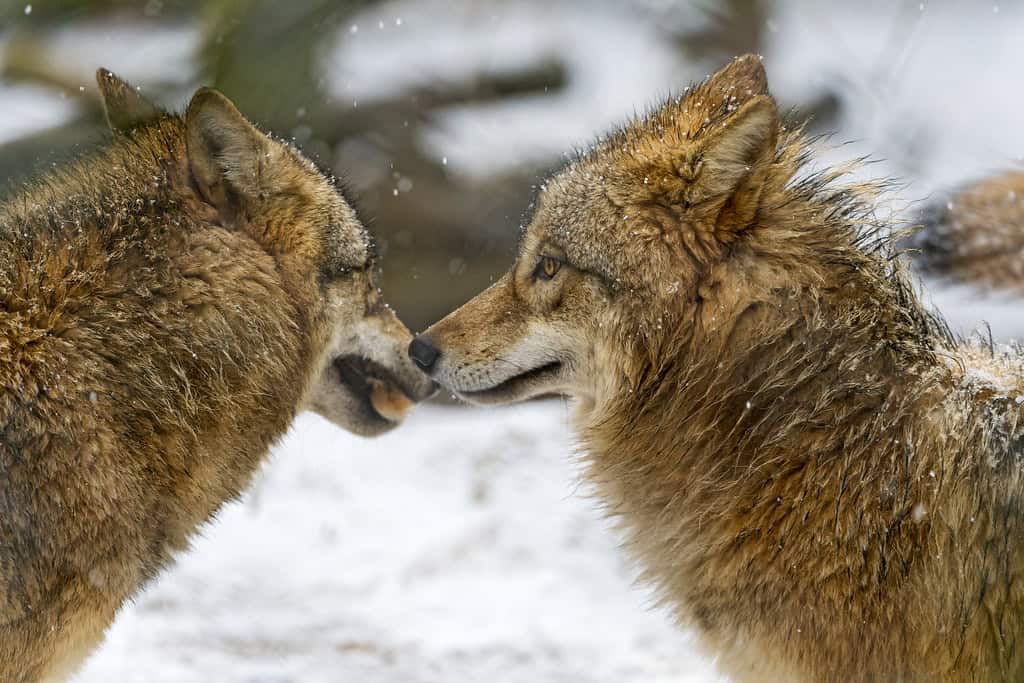
Across America’s varied landscapes, from the dense forests of the Northeast to the expansive plains of the Midwest and the rugged mountains of the West, ecosystems face unprecedented challenges. Climate change, habitat fragmentation, biodiversity loss, and invasive species have created what many scientists now term an “ecosystem crisis.” As conservationists and ecologists search for solutions, one controversial yet compelling answer has emerged from the shadows: the gray wolf. Once nearly eradicated from the contiguous United States, could these apex predators hold the key to restoring America’s ecological balance? The reintroduction of wolves has sparked intense debate among scientists, ranchers, hunters, and conservation groups, yet mounting evidence suggests these predators may play a crucial role in healing damaged ecosystems through trophic cascades and natural regulation of prey populations. This article explores the potential of wolves as ecological engineers capable of addressing America’s mounting ecosystem challenges, examining both scientific evidence and real-world case studies that reveal the profound impact these animals can have when returned to their ancestral territories.
The Historical Relationship Between Wolves and North American Ecosystems

Before European colonization, an estimated 250,000 to 500,000 wolves roamed North America, serving as keystone predators that helped maintain ecological balance across the continent. For millennia, wolves and their prey evolved together, creating a delicate dance of predator and prey that shaped landscapes and ecosystems. Native American tribes recognized wolves as important spiritual beings and essential components of the natural world, often incorporating them into their cultural stories and practices. This relationship reflected an understanding of wolves’ ecological importance long before modern science could quantify it.
The arrival of European settlers dramatically altered this balance. Viewing wolves as threats to livestock and human safety, settlers launched systematic eradication campaigns. By the mid-20th century, these efforts had eliminated wolves from over 95% of their historical range in the contiguous United States. This widespread extirpation created a cascade of ecological consequences that scientists are still documenting today. The removal of wolves allowed herbivore populations, particularly deer and elk, to grow unchecked, which in turn led to overgrazing, habitat degradation, and altered vegetation patterns across vast landscapes. The historical relationship between wolves and North American ecosystems serves as both a cautionary tale about the consequences of removing keystone species and a baseline for understanding what modern reintroduction efforts aim to restore.
Understanding the Ecosystem Crisis in America

America’s current ecosystem crisis manifests in multiple, interconnected ways. Biodiversity loss accelerates at alarming rates, with recent studies showing a 29% decline in North American bird populations since 1970, representing a loss of nearly 3 billion birds. Similar declines affect insects, amphibians, and mammals. Habitat fragmentation continues as development, agriculture, and infrastructure divide once-contiguous ecosystems into isolated patches. Climate change compounds these problems by altering temperature and precipitation patterns faster than many species can adapt, shifting growing seasons, and intensifying extreme weather events.
The absence of apex predators has created what ecologists call “trophic downgrading” across many American landscapes. Without predators like wolves, herbivore populations have exploded in many regions, leading to overgrazing and degradation of plant communities. In eastern forests, white-tailed deer densities have reached unprecedented levels, decimating forest understories and preventing tree regeneration. Western rangelands face similar challenges with elk populations. Additionally, mesopredator release—the increase in medium-sized predators like coyotes when apex predators are removed—has disrupted food webs further. These cascading effects demonstrate how the removal of a single species can fundamentally alter entire ecosystems, suggesting that reintroducing apex predators might help reverse these trends.
The Yellowstone Success Story: Wolves as Ecosystem Engineers

The 1995-1997 reintroduction of wolves to Yellowstone National Park remains the most well-documented case study of wolves’ ecosystem impacts in North America. After an absence of nearly 70 years, 41 wolves were released into the park, setting in motion what scientists now recognize as a textbook example of a trophic cascade. Within years, researchers documented significant ecological changes throughout the park. Elk populations, which had reached unsustainable numbers in the wolves’ absence, declined from approximately 19,000 to stabilize around 6,000-8,000 animals, a level more aligned with the ecosystem’s carrying capacity.
The behavioral changes in elk proved as important as their numerical reduction. Elk began avoiding “high-risk” areas like river valleys and aspen groves where they were more vulnerable to predation. This behavioral shift allowed vegetation in these areas to recover dramatically. Young aspen, cottonwood, and willow, previously browsed to the ground by elk, grew tall enough to escape browsing pressure. The returning riverside forests stabilized streambanks, reduced erosion, and created habitat for beavers, which further transformed the landscape through dam-building. Beaver dams created wetlands that supported greater biodiversity, from insects to amphibians to birds. Even songbird populations increased as the returning vegetation provided nesting sites. Scavengers like ravens, eagles, and bears benefited from wolf kills, while coyote populations decreased, allowing smaller predators and their prey to rebound. The Yellowstone experience demonstrates how reintroducing a single species can trigger widespread positive changes throughout an ecosystem, suggesting similar benefits might occur in other damaged American ecosystems.
Beyond Yellowstone: Wolf Reintroduction Efforts Across America

While Yellowstone represents the most famous wolf reintroduction, several other projects across America have yielded important insights. In the Northern Rocky Mountains beyond Yellowstone, wolves have naturally expanded their range and now number approximately 1,900 individuals across Montana, Idaho, and Wyoming. These populations demonstrate how wolves can thrive in working landscapes that include agriculture and human development, not just in protected parks. In the Great Lakes region, wolves were never completely extirpated from northern Minnesota and have since expanded to number around 4,200 across Minnesota, Wisconsin, and Michigan’s Upper Peninsula.
More recent reintroduction efforts include the Mexican gray wolf in Arizona and New Mexico, where approximately 186 wolves now roam, though recovery has proceeded slower than in other regions due to more intense conflicts with human activities. Colorado represents the newest frontier, with voters approving wolf reintroduction in 2020. Implementation plans call for releasing wolves by December 2023, making Colorado the first state where reintroduction was initiated directly by voters rather than government agencies. Each of these projects provides valuable data on how wolves interact with different ecosystems and human communities, offering lessons for future reintroduction efforts. Collectively, they demonstrate that wolf recovery can succeed across diverse landscapes when properly managed, though challenges remain in mitigating conflicts with human activities.
Trophic Cascades: How Wolves Reshape Ecosystems

Trophic cascades—ecological processes that start at the top of the food chain and ripple downward through an ecosystem—represent one of the most powerful ways wolves influence their environments. These cascades operate through both consumptive effects (wolves directly killing prey) and non-consumptive effects (changes in prey behavior due to fear of predation). Research shows that the mere presence of wolves can alter how herbivores move through and use landscapes, creating what ecologists call a “landscape of fear” that redistributes grazing pressure and allows vegetation recovery in high-risk areas.
These cascading effects extend far beyond the direct predator-prey relationship. When wolves reduce overabundant herbivore populations and alter their behavior, vegetation communities recover, providing habitat for countless other species. Increased plant growth can enhance carbon sequestration, helping mitigate climate change impacts. Healthier vegetation along waterways reduces erosion and improves water quality, benefiting aquatic ecosystems. Research in Yellowstone found that areas with wolves had more berry-producing shrubs, providing food for bears, birds, and other wildlife. By redistributing carrion across the landscape through their kills, wolves provide critical food sources for scavengers ranging from beetles to bears, especially during harsh winters when other food sources are scarce. These complex interactions highlight how the presence or absence of a single apex predator can transform entire ecosystems, suggesting that wolf reintroduction could help address ecological imbalances across America’s varied landscapes.
Wolves and Biodiversity: Protecting America’s Natural Heritage

America’s biodiversity faces unprecedented threats, with extinction rates estimated at 1,000 times higher than natural background rates. In this context, wolf reintroduction offers potential benefits for conserving the nation’s biological diversity. Studies from regions with established wolf populations demonstrate that their presence creates habitat conditions favorable to many species that might otherwise decline. In the Great Lakes region, for example, areas with wolves show greater overall biodiversity than similar areas without wolves. This effect occurs because wolves help maintain ecological complexity and heterogeneity across landscapes.
Wolves particularly benefit rare or threatened species by controlling competitors or predators that might otherwise dominate. The reduced coyote populations that typically follow wolf reestablishment can benefit foxes, rabbits, and ground-nesting birds that face predation pressure from coyotes. By controlling ungulate populations, wolves protect plant communities that support specialized insect pollinators, including many butterfly and bee species currently in decline. Additionally, wolf kills provide consistent carrion resources that support scavenger communities including endangered California condors and other rare birds. These biodiversity benefits represent a compelling argument for wolf reintroduction as a conservation tool in America’s battle against species loss, potentially helping preserve ecological communities that evolved over thousands of years with wolves as integral components.
Wolves and Climate Resilience: Unexpected Allies

As climate change intensifies, ecologists increasingly recognize the potential role of wolves in building ecosystem resilience to these changes. This connection operates through several mechanisms. Healthy predator-prey relationships promote diverse plant communities better able to withstand climate fluctuations. Research shows that ecosystems with intact predator guilds recover more quickly from extreme weather events like droughts or floods than those missing top predators. In Yellowstone, scientists documented how wolf-driven recovery of streamside vegetation helped moderate water temperatures and maintain stream flows during summer drought periods, providing critical refuge for temperature-sensitive fish species.
Additionally, the vegetation recovery associated with wolf presence enhances carbon sequestration. When wolves reduce herbivore browsing pressure, more plants grow larger and store more carbon in their tissues. A study in Yellowstone estimated that wolf-driven vegetation changes increased carbon storage by approximately 10-20% in some areas. Wolf presence can also help mitigate climate-driven disease dynamics; by preferentially targeting sick prey, wolves can reduce the spread of wildlife diseases expected to worsen with climate warming. While wolves alone cannot solve the climate crisis, their ecological effects appear to enhance ecosystem resilience to climate stressors, representing an unexpected benefit of reintroduction programs that initially focused primarily on species recovery rather than climate adaptation.
Challenges and Controversies: Livestock Predation and Human Conflict

Despite their ecological benefits, wolf reintroduction faces significant opposition, particularly from rural communities concerned about livestock predation and economic impacts. These concerns have legitimate foundations. USDA data confirms that wolves kill approximately 3,000-5,000 cattle and sheep annually in areas where they’ve been reintroduced, though this represents less than 0.01% of livestock in these regions. For individual ranchers experiencing losses, however, the impact can be significant, particularly for small operations with thin profit margins. The psychological stress of operating in wolf territory adds another dimension to the conflict, even when direct losses remain low.
Various mitigation strategies have shown promise in reducing conflicts. Range riders who monitor livestock, guard dogs, fladry (flags hanging from rope lines that deter wolves), and changes in animal husbandry practices can reduce predation by 60-80% according to studies in Idaho and Montana. Compensation programs exist in most states with wolves, though ranchers often cite delays, bureaucratic hurdles, and inadequate payments as ongoing issues. Some innovative programs now pay ranchers for wolf presence on their land rather than just compensating for losses, recognizing the ecological service provided when private lands support predators. Despite these approaches, wolf management remains contentious, with some states implementing aggressive hunting seasons when wolf management authority returned to them following federal delisting. Finding balance between ecological benefits and livelihood concerns remains perhaps the greatest challenge to widespread wolf recovery in America.
Wolf Reintroduction: Economic Costs and Benefits

The economic dimensions of wolf reintroduction extend far beyond livestock losses, encompassing both costs and benefits across multiple sectors. On the cost side, direct management expenses include monitoring wolf populations, implementing conflict prevention programs, and administering compensation schemes. A 2021 analysis estimated these costs at approximately $500,000 to $1.5 million annually per state with established wolf populations. Indirect economic impacts include potential reductions in hunter success rates for elk and deer in some areas, though studies show these effects vary widely by region and are often temporary as prey animals adapt their behavior.
On the benefit side, wolf presence generates significant tourism revenue. Yellowstone National Park estimates that wolf watchers bring $35 million annually to the regional economy. Similar wildlife tourism benefits occur in Minnesota’s Boundary Waters region and other wolf territories. Property values near protected areas with wolves show higher appreciation rates than comparable properties without wolves, according to research in the Rocky Mountain states. Wolf predation on overabundant deer populations reduces vehicle collisions; a study in Wisconsin estimated annual savings of $10.9 million in accident costs in areas with established wolf packs. When factoring in ecosystem services—the economic value of healthy watersheds, forest regeneration, and biodiversity—the economic balance shifts further toward net benefits from wolf presence. A comprehensive economic analysis by Oregon State University researchers concluded that the economic benefits of wolf reintroduction typically outweigh the costs by a ratio of 2.5:1 when all factors are considered, though these benefits and costs are not evenly distributed across society.
The Role of Indigenous Knowledge in Wolf Conservation

Indigenous cultures across North America maintained sophisticated understanding of wolves’ ecological roles long before western science documented concepts like trophic cascades. Many tribes viewed wolves as teachers, medicine beings, or spiritual brothers rather than competitors or threats. This perspective fostered coexistence strategies that modern conservation efforts increasingly recognize as valuable. The Nez Perce tribe played a crucial role in Yellowstone wolf reintroduction, providing temporary holding facilities on tribal lands and contributing wildlife management expertise. Today, tribes including the White Mountain Apache in Arizona and various Ojibwe bands in Minnesota maintain wolf protection programs that often exceed federal or state efforts.
Modern wolf conservation increasingly incorporates Traditional Ecological Knowledge (TEK) alongside western scientific approaches. The Wisconsin Tribal Wolf Advisory Committee influences state management decisions, while the Yakama Nation in Washington integrates wolf protection into their wildlife management plans. Indigenous perspectives often emphasize the spiritual and cultural significance of wolves alongside their ecological roles, providing a more holistic framework for conservation. This integration represents a positive shift from historical conservation approaches that frequently excluded indigenous voices. As wolf recovery proceeds across America, partnerships with tribal nations offer opportunities to develop more culturally inclusive and effective management strategies that honor wolves’ importance to indigenous communities while addressing the practical challenges of human-wolf coexistence.
Future Frontiers: Where Could Wolves Return Next?

As wolf populations stabilize in the Northern Rockies and Great Lakes regions, conservation biologists have identified several regions that could support wolf populations based on habitat suitability, prey availability, and reduced potential for human conflict. The Northeast, particularly northern Maine, New Hampshire, Vermont, and Adirondack New York, contains approximately 30,000 square miles of potential wolf habitat. Recent research suggests this area could support 1,000-2,000 wolves, which would help address the region’s severe overabundance of white-tailed deer and resulting forest regeneration problems. The Southern Rockies corridor from Colorado through northern New Mexico represents another promising region, with Colorado’s voter-approved reintroduction already underway.
The Pacific Northwest beyond currently occupied areas in Washington and Oregon offers substantial suitable habitat, particularly in northern California where remote forest lands could support several hundred wolves. California has already seen natural wolf dispersal, with the establishment of the Lassen Pack marking the state’s first resident wolves in nearly a century. Perhaps most controversial are proposals for wolf restoration in the southern Appalachians, spanning parts of West Virginia, Virginia, Tennessee, North Carolina, and Georgia. While parts of this region contain suitable habitat and abundant prey, higher human population densities and fragmented landscapes present significant challenges. For each potential reintroduction area, scientists emphasize the need for careful planning, stakeholder engagement, and adaptive management strategies that learn from both successes and setbacks in previous wolf recovery efforts.

- Unbelievable! These 14 Animals Are Smarter Than You Think - July 28, 2026
- Why Puffins Are Using Trash in Their Nesting Materials - July 28, 2026
- Why This Fish Walks on Land and Breathes Air - July 27, 2026
Leave a comment
You must be logged in to post a comment.