

Butterflies are enchanting creatures that add vibrant colors and lively movement to any garden. Establishing a butterfly garden not only beautifies your landscape but also supports biodiversity and provides essential habitats for these pollinators. Creating a successful butterfly garden involves selecting a variety of nectar plants that will attract and sustain butterflies throughout the seasons. This guide will help you understand the components needed to create a flourishing butterfly garden.
The Importance of Nectar Plants
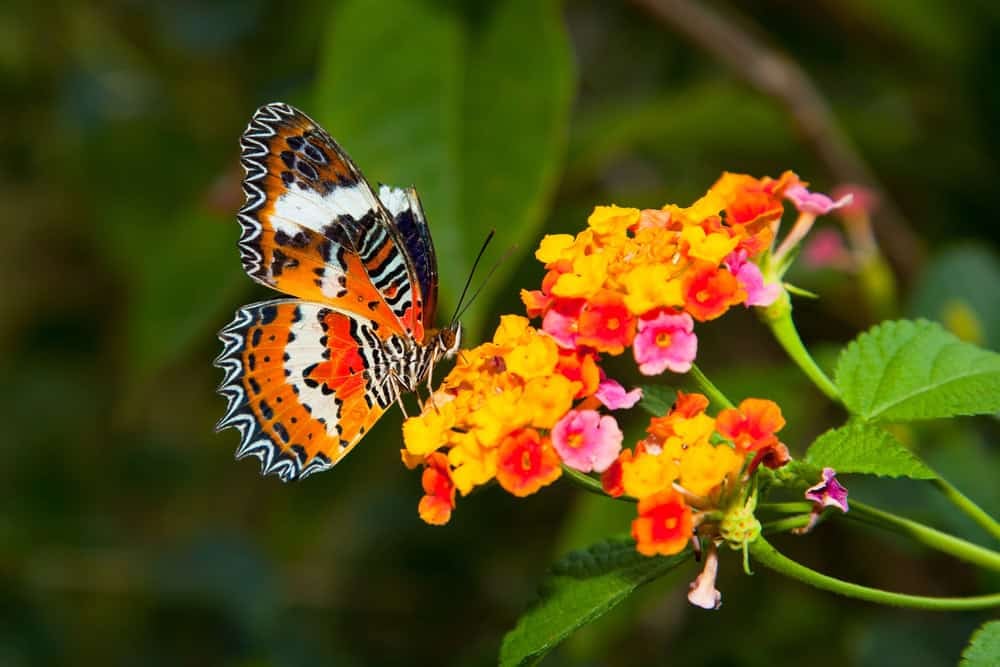
Nectar plants are crucial for butterfly gardens as they provide the food source essential for adult butterflies. These plants produce nectar-rich flowers that cater to the dietary needs of butterflies, offering them energy for flight and reproduction. Selecting a diverse array of nectar plants ensures that butterflies have access to food throughout their active months and also entices a wider variety of species to your garden.
Choosing the Right Location

Before planting, choose a sunny spot for your butterfly garden. Butterflies are cold-blooded and rely on the sun to regulate their body temperature. Aim to position your garden where it receives at least 6 hours of sunlight daily. Additionally, avoid areas exposed to strong winds, as butterflies prefer calm environments where they can easily perch and feed.
Selecting Nectar Plants

When selecting nectar plants, consider native species as they are best suited for local butterflies and require less maintenance. Here are some popular nectar plants to consider:
- **Milkweed (Asclepias spp.)**: Not only is it a nectar source, but milkweed is also a host plant for monarch butterflies.
- **Coneflowers (Echinacea spp.)**: These vibrant flowers attract various butterfly species with their rich nectar.
- **Butterfly Bush (Buddleja davidii)**: Known for its long blooming season, this shrub is a favorite for many butterflies.
- **Lantana (Lantana camara)**: With its clusters of small flowers, lantana offers ample nectar.
- **Zinnias (Zinnia spp.)**: Easy to grow and available in many colors, zinnias provide a continuous nectar source.
- **Joe Pye Weed (Eutrochium purpureum)**: Late-summer blooms ensure that butterflies have nourishment late into the season.
Creating a Diverse Bloom Schedule

To ensure that butterflies have a consistent food supply, plan your garden so that flowers bloom in succession. Choose early, mid, and late-season bloomers to provide continuous nectar throughout the butterfly season. This strategy will keep your garden dynamic and entice butterflies all year long.
Incorporating Host Plants

A successful butterfly garden not only features nectar plants but also includes host plants for caterpillars. These plants provide a place for butterflies to lay their eggs and serve as food for the hatched caterpillars. For example, planting dill, fennel, and parsley will cater to black swallowtail caterpillars, while milkweed is essential for monarchs.
Maintaining Your Butterfly Garden

Butterfly gardens require some maintenance to stay healthy and inviting. Regularly deadhead spent blooms to encourage new flowers and prevent seed production, which draws energy away from producing nectar. Minimize pesticide use, as chemicals can harm butterflies and other pollinators. Instead, employ natural pest control methods and encourage beneficial insects to maintain garden health.
Enhancing the Habitat

Beyond planting, enhance your garden as a butterfly habitat by adding elements like flat stones for sunning, shallow dishes for water, and small brush piles for shelter. These features create a welcoming environment that supports the entire lifecycle of butterflies, making your garden a true sanctuary for these magnificent insects.
Conclusion

Creating a butterfly garden with nectar plants is a rewarding endeavor that connects you with nature and supports ecological health. By selecting the appropriate plants, maintaining a balanced ecosystem, and providing essential resources, you can transform your garden into a bustling butterfly haven. Whether you’re an experienced gardener or a novice, anyone can cultivate a butterfly-friendly environment and contribute to the preservation of these beautiful pollinators.

- The Secret Language of Dolphins Decoded by Researchers - July 20, 2026
- 7 Animals That Can Survive Extreme Environments You Couldn’t - July 20, 2026
- The Longest Snake Ever Found in the U.S. - July 20, 2026