


The Great Lakes region—encompassing Lakes Superior, Michigan, Huron, Erie, and Ontario—represents one of North America’s most diverse ecosystems. This vast freshwater system, containing 20% of the world’s surface freshwater, supports a remarkable array of wildlife that has adapted to its unique environments. From the depths of these inland seas to the surrounding forests, wetlands, and shorelines, countless species have found their niche in this rich ecological tapestry. This article explores the fascinating creatures that call the Great Lakes region home, highlighting both iconic and lesser-known species that contribute to the region’s biodiversity.
The Magnificent Mammals of the Great Lakes
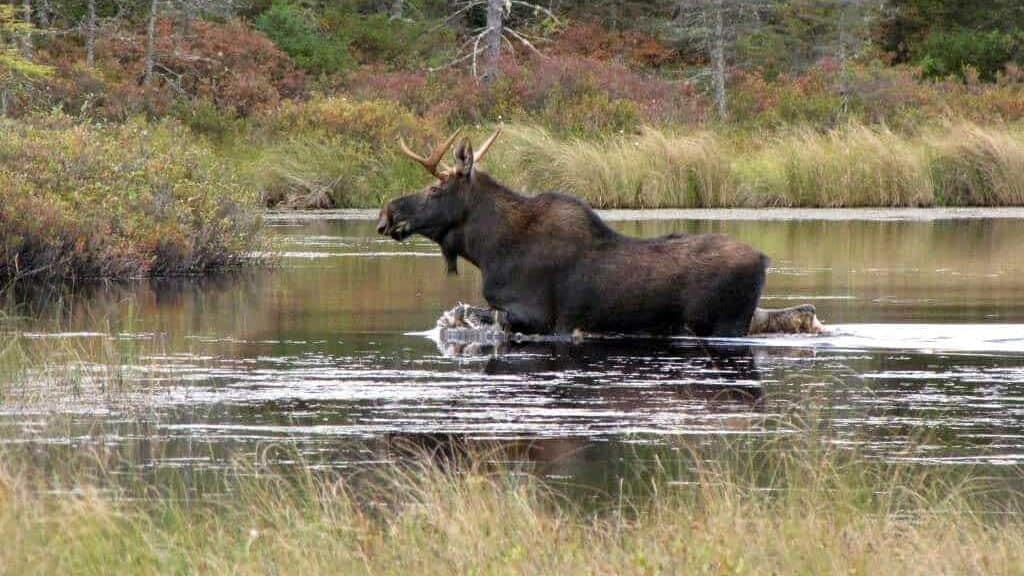
The Great Lakes region hosts an impressive diversity of mammals, from large herbivores to elusive predators. White-tailed deer thrive in the mixed forests and edge habitats, serving as a keystone species that influences vegetation patterns. Moose, primarily found in the northern reaches around Lake Superior, wade through wetlands feeding on aquatic plants. Black bears roam the forests of Michigan’s Upper Peninsula and northern Wisconsin, feeding on berries, nuts, and occasionally fish. The region also supports smaller mammals like beavers, whose dam-building activities create wetland habitats benefiting countless other species. River otters, with their playful behavior and sleek bodies, can be spotted along tributaries and shorelines throughout the region. The once-extirpated gray wolf has made a remarkable comeback in northern Minnesota, Wisconsin, and Michigan, restoring a crucial predator to the ecosystem.
Diverse Bird Life Across Seasonal Changes

The Great Lakes serve as critical habitat for over 350 bird species, many using the region as part of major migratory flyways. Bald eagles have made a remarkable recovery and now nest throughout the region, feeding primarily on fish. The piping plover, an endangered shorebird, relies on undisturbed sandy beaches for nesting—with Lake Michigan’s shoreline providing critical habitat. Massive congregations of waterfowl, including canvasbacks, redheads, and scaup, gather during spring and fall migrations. The region’s wetlands support breeding populations of great blue herons, egrets, and sandhill cranes. Deep forests harbor wood warblers, with species like the Kirtland’s warbler nesting almost exclusively in young jack pine forests of northern Michigan. Winter brings snowy owls to open areas around the lakes, while common loons—with their haunting calls—raise their young on northern lakes during summer months.
Fish Species: From Prehistoric Survivors to Modern Challenges
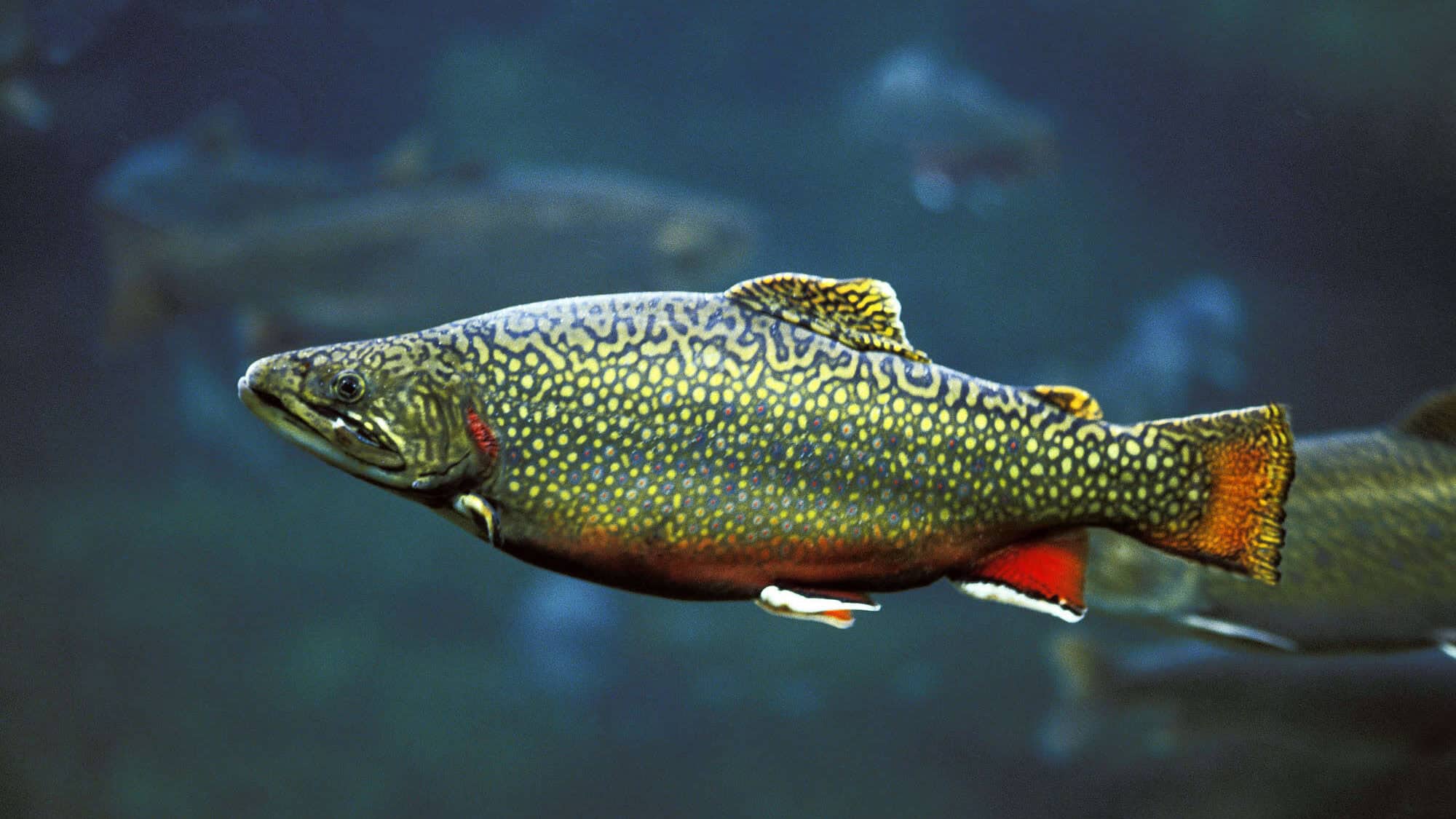
The Great Lakes’ fish communities represent a mix of native species and introduced populations that have dramatically altered the ecosystem. Lake sturgeon, living fossils that can live over 100 years and grow to more than 7 feet long, still spawn in rocky tributaries despite population declines. The region’s most famous fish, brook trout, inhabit cold, clean streams throughout the watershed. Lake whitefish support important commercial fisheries, particularly in Lake Superior and northern Lake Michigan. Yellow perch and walleye are prized sport fish and crucial components of the food web. Lake trout, once devastated by sea lamprey predation and overfishing, have been restored in parts of their range through intensive management. Less visible but ecologically important are species like freshwater drum, burbot, and various minnows and darters that contribute to the lakes’ biodiversity. Unfortunately, invasive species like round goby, sea lamprey, and alewife have dramatically altered fish communities, outcompeting natives and disrupting food webs.
Amphibians and Reptiles: Hidden Gems of Wetlands and Shorelines
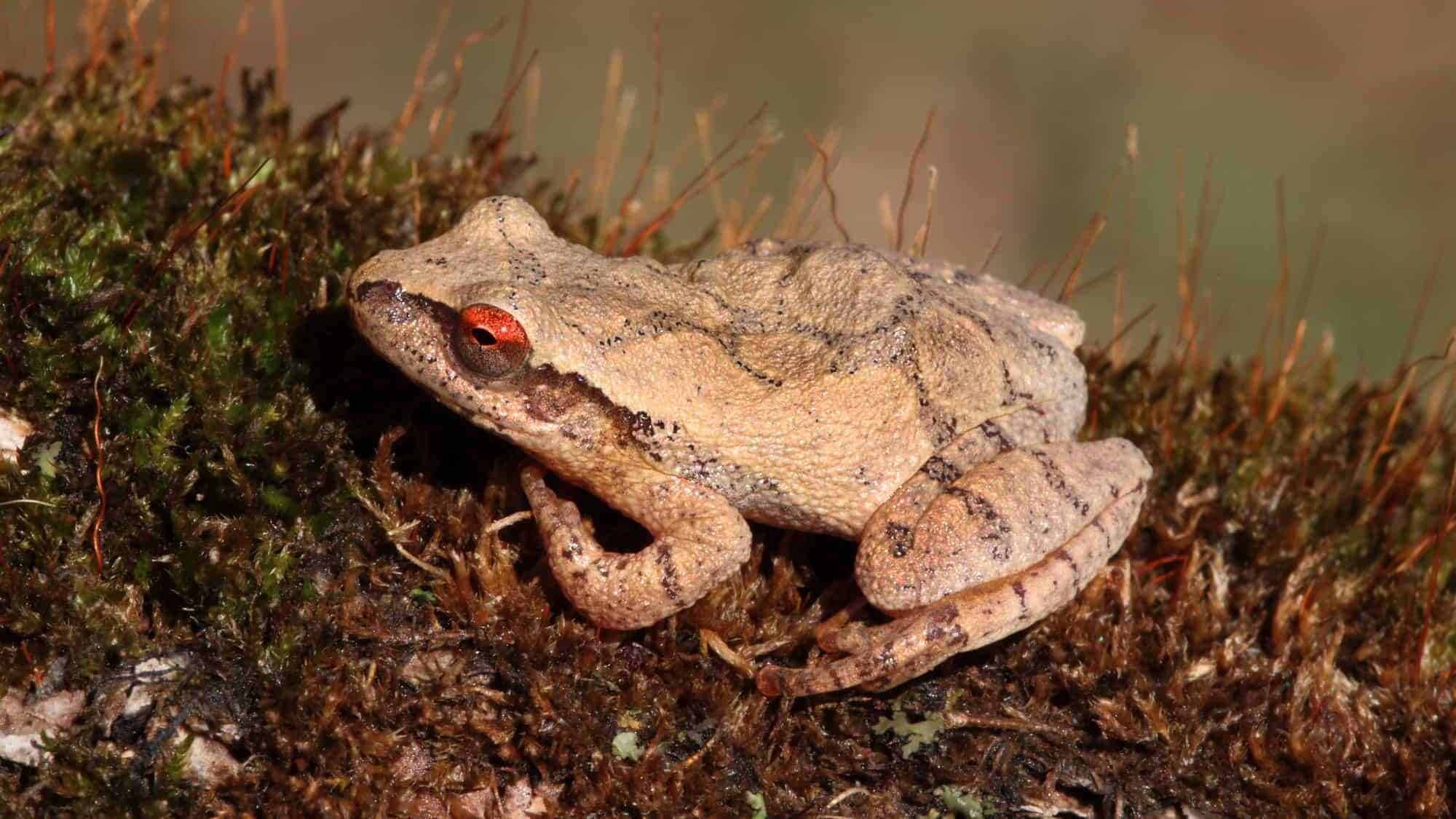
The Great Lakes region’s wetlands, vernal pools, and shorelines support a variety of cold-adapted amphibians and reptiles. Spring peepers and wood frogs create thunderous choruses in early spring as they gather to breed in temporary pools. The eastern massasauga rattlesnake, Michigan’s only venomous snake, inhabits wet prairies and marshes, though its numbers have declined substantially. Painted turtles and snapping turtles are common sights basking on logs throughout the warmer months. The rare Blanding’s turtle, with its distinctive yellow throat and domed shell, depends on the region’s high-quality wetland complexes. Blue-spotted salamanders spend most of their lives underground in forested areas, emerging only briefly for breeding. The mudpuppy, a fully aquatic salamander that can grow over a foot long, dwells in the cold waters of the Great Lakes and their tributaries, breathing through external red gills throughout its life. These cold-blooded creatures face particular challenges from climate change, habitat fragmentation, and wetland loss.
Invertebrate Life: The Unseen Majority
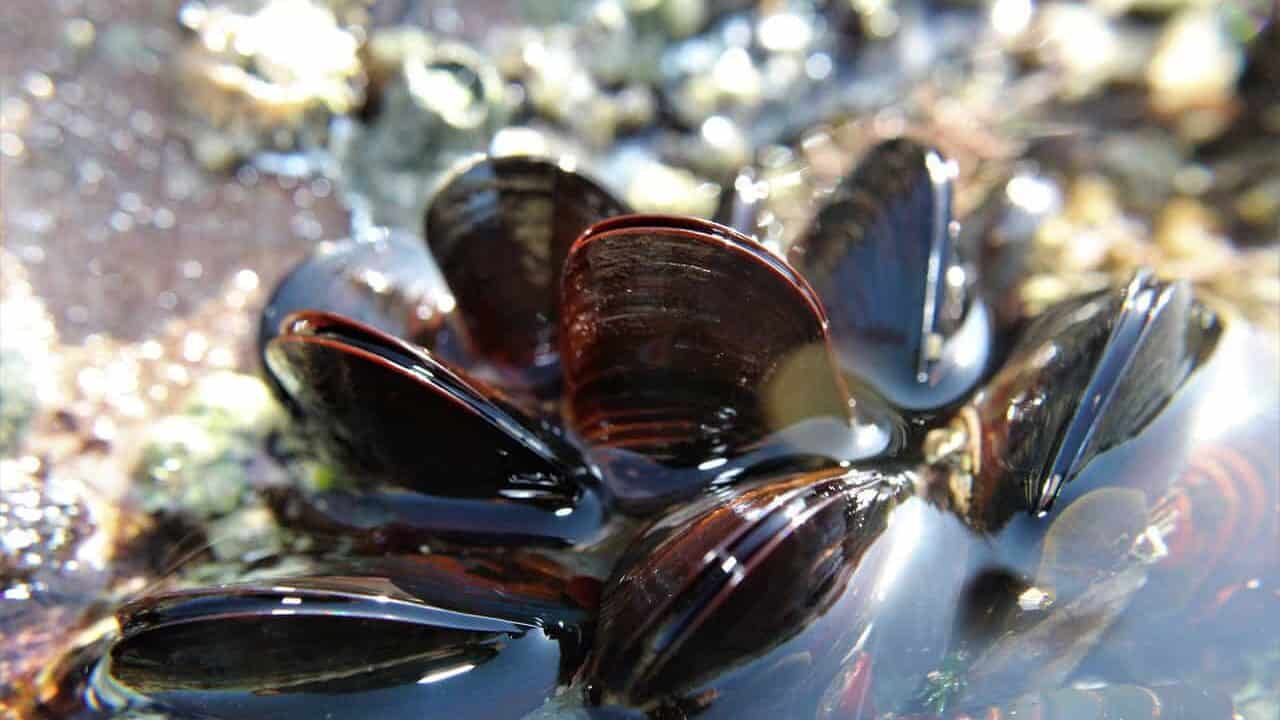
Invertebrates form the foundation of the Great Lakes food web, though they often go unnoticed by casual observers. Native freshwater mussels, with evocative names like pocketbook, heelsplitter, and fatmucket, were once abundant throughout the system, filtering water and providing food for specialized predators. Unfortunately, many mussel species have declined dramatically due to pollution, habitat alteration, and invasive species. Crayfish, including the native virile crayfish, serve as important processors of organic matter and prey for many fish species. Dragonflies and damselflies patrol the shorelines, with over 160 species recorded in the region. Their aquatic nymphs spend years developing underwater before emerging as aerial adults. The lakes also host diverse zooplankton communities—tiny crustaceans that graze on algae and provide food for young fish. Even the sandy beaches support specialized invertebrates, including the federally endangered Hine’s emerald dragonfly found in wetlands around Lake Michigan. These small creatures may lack the charisma of larger animals, but they perform vital ecological functions.
Invasive Species Reshaping Ecosystems
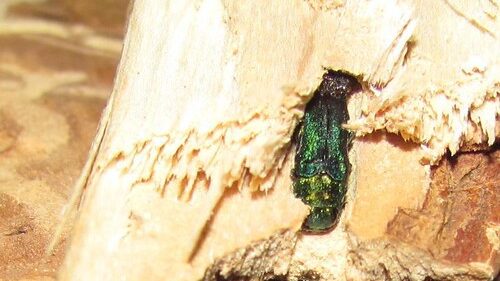
The Great Lakes region has been profoundly altered by non-native species, with over 180 documented invasives reshaping food webs and habitats. Perhaps the most infamous, the sea lamprey entered through shipping canals in the early 20th century and decimated native fish populations with its parasitic feeding. Zebra and quagga mussels, introduced via ballast water in the 1980s, have dramatically increased water clarity while depleting plankton that native species depend on. Their filtering has facilitated harmful algal blooms and contributed to botulism outbreaks affecting waterfowl. On land, emerald ash borer has killed millions of ash trees since its discovery in 2002, altering forest composition throughout the region. The round goby, an aggressive bottom-dwelling fish, outcompetes native species and feeds on their eggs. Asian carp species threaten to enter the Great Lakes from the Mississippi River system, with potential to disrupt food webs through their voracious feeding on plankton. Control efforts for these invasives cost hundreds of millions of dollars annually, highlighting the ecological and economic importance of prevention.
Threatened and Endangered Species of Concern
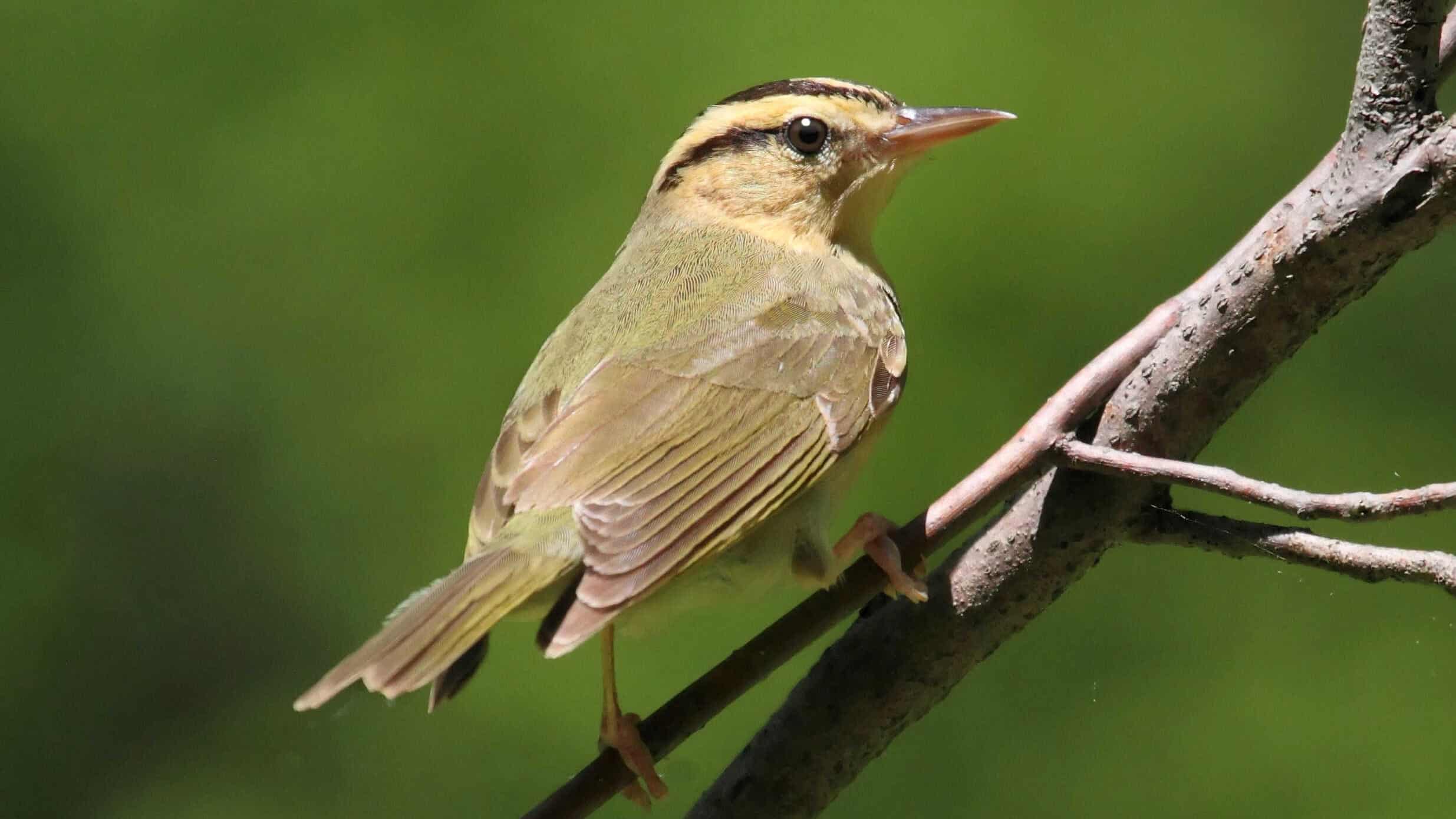
The Great Lakes region serves as a refuge for numerous rare, threatened, and endangered species that reflect the conservation challenges facing the ecosystem. The Kirtland’s warbler, once reduced to fewer than 200 singing males, has recovered through intensive management of its specific jack pine habitat requirements. Piping plovers, federally endangered shorebirds, nest on undisturbed beaches with fewer than 70 pairs remaining in the Great Lakes population. Lake sturgeon, though not federally listed, are considered threatened or endangered in most Great Lakes states due to historical overfishing and habitat degradation. The Karner blue butterfly depends on wild lupine in the region’s oak savannas, a habitat type that has declined by over 99% from its historical extent. Pitcher’s thistle grows only on the dynamic dunes along the Great Lakes shorelines and faces threats from development and invasive species. The eastern massasauga rattlesnake has disappeared from much of its former range due to wetland drainage and persecution. These species often serve as indicators of ecosystem health, with their recovery dependent on landscape-scale conservation efforts.
Woodland Creatures of the Surrounding Forests
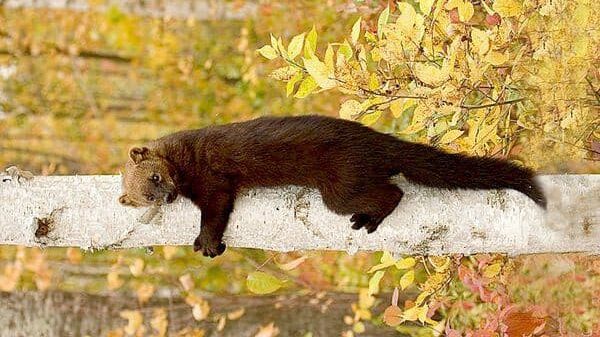
The Great Lakes are surrounded by diverse forest ecosystems that support a rich complement of woodland wildlife. Fishers, members of the weasel family once extirpated from much of the region, have naturally recolonized forests in northern Wisconsin and Michigan. Their return indicates the maturation of these forests following the widespread logging of the early 20th century. Porcupines waddle through northern hardwood and conifer forests, feeding on inner bark and leaves. Flying squirrels, rarely seen due to their nocturnal habits, glide between trees throughout the region’s forests. Woodland salamanders like the red-backed salamander may be the most abundant vertebrates by biomass in healthy forests, with densities reaching several per square meter in optimal habitat. American martens, small predators related to fishers, inhabit mature northern forests, particularly in the Upper Peninsula of Michigan and northern Wisconsin. Ruffed grouse, known for their dramatic drumming displays, thrive in young aspen stands created by forest disturbances. These forest species depend on landscape connectivity, as fragmentation by development and agriculture has isolated many populations.
Urban Wildlife Adaptations
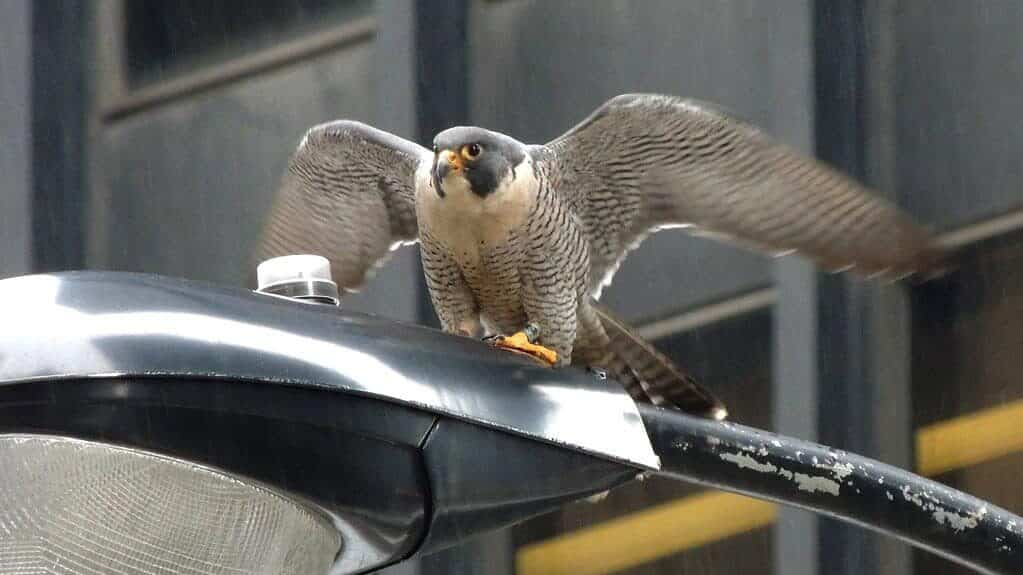
As the Great Lakes region has urbanized, certain wildlife species have adapted remarkably well to human-dominated landscapes. Peregrine falcons, once endangered, now nest on skyscrapers and bridges in cities like Chicago, Cleveland, and Toronto, feeding on abundant pigeons and starlings. Coyotes have expanded throughout the region, including urban areas, where they feed on rodents, rabbits, and human food waste. Their success partly stems from the elimination of wolves, their main competitor. Canada geese have established year-round populations in urban parks and golf courses, sometimes creating conflicts through their droppings and aggressive nesting behavior. White-tailed deer reach extraordinary densities in suburban areas where hunting is restricted and predators are absent, resulting in overbrowsing of natural areas. Raccoons achieve some of their highest population densities in urban environments, capitalizing on abundant food sources and den sites. Red foxes hunt in city parks and vacant lots, controlling rodent populations. These urban adapters demonstrate remarkable behavioral flexibility, though their success often comes at the expense of more sensitive species that cannot tolerate human disturbance.
Wetland Communities and Their Importance
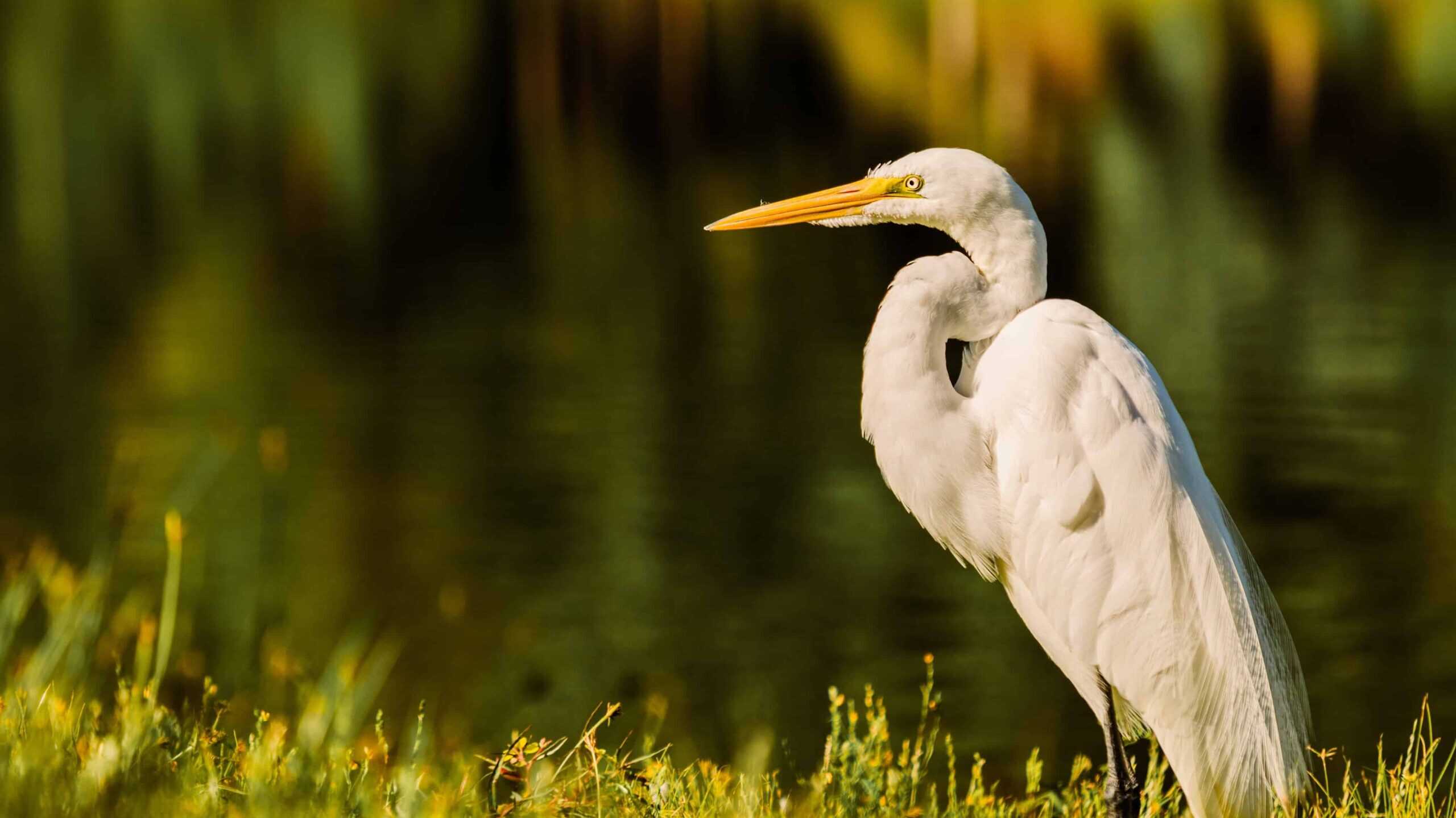
The Great Lakes region contains some of North America’s most significant wetland complexes, serving as critical habitat for specialized plants and animals. Great egrets and black terns nest in coastal marshes, feeding on the abundant fish and amphibians. Muskrats construct their distinctive lodges from cattails and other vegetation, creating structure that benefits other wildlife. During spring migration, these wetlands provide critical stopover habitat for countless waterbirds, with areas like western Lake Erie marshes supporting hundreds of thousands of birds simultaneously. American bitterns, secretive herons that blend perfectly with vertical wetland vegetation, depend on large, undisturbed marshes that have become increasingly rare. Sandhill cranes stage in impressive numbers at wetland complexes during migration, with thousands gathering at sites like Michigan’s Haehnle Sanctuary. Chorus frogs, spring peepers, and American toads create deafening breeding choruses in spring. Sedge wrens and marsh wrens weave intricate nests among the stems of wetland plants. Despite their ecological importance, the Great Lakes region has lost over half its original wetlands to drainage and development, with some states losing more than 90% of these valuable habitats.
Creatures of the Coastal Dunes and Beaches
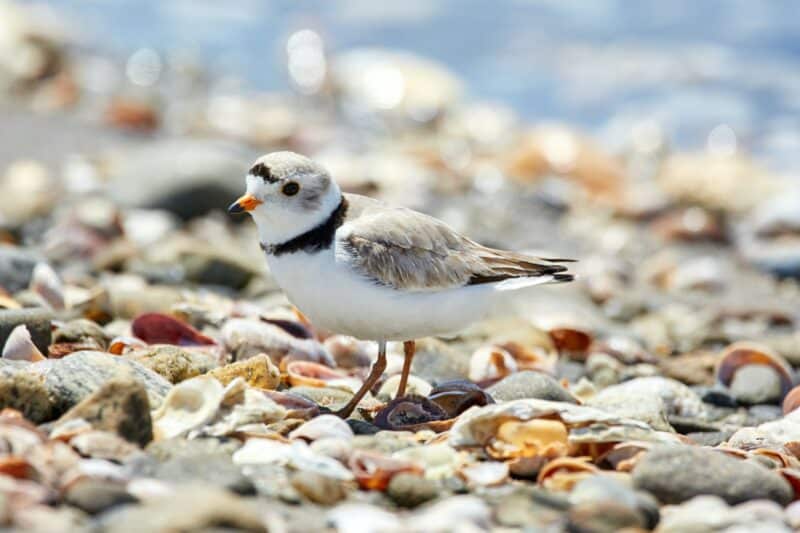
The Great Lakes contain the world’s largest freshwater dune systems, creating unique habitats for specialized plants and animals. Piping plovers scrape shallow nests directly on sandy beaches, where their speckled eggs blend perfectly with the substrate. These endangered birds face threats from human disturbance, predators, and habitat loss. The Lake Huron locust, a rare grasshopper found nowhere else in the world, inhabits open dunes along Lakes Michigan and Huron. Its body coloration precisely matches the sand where it lives. Pitcher’s thistle, a federally threatened plant, grows only on active dunes around the upper Great Lakes, where its deep taproot allows it to survive in the harsh, shifting environment. Common terns form nesting colonies on remote beaches and islands, though their numbers have declined substantially from historical levels. The dune systems support unique tiger beetle species that hunt smaller insects across the hot sand surface. Beach wolves, a food web that includes specialized predatory spiders, scavengers, and detritivores, process organic matter washed ashore. These coastal specialists face growing threats from shoreline development, invasive species like spotted knapweed, and increased storm intensity due to climate change.
Seasonal Wildlife Phenomena
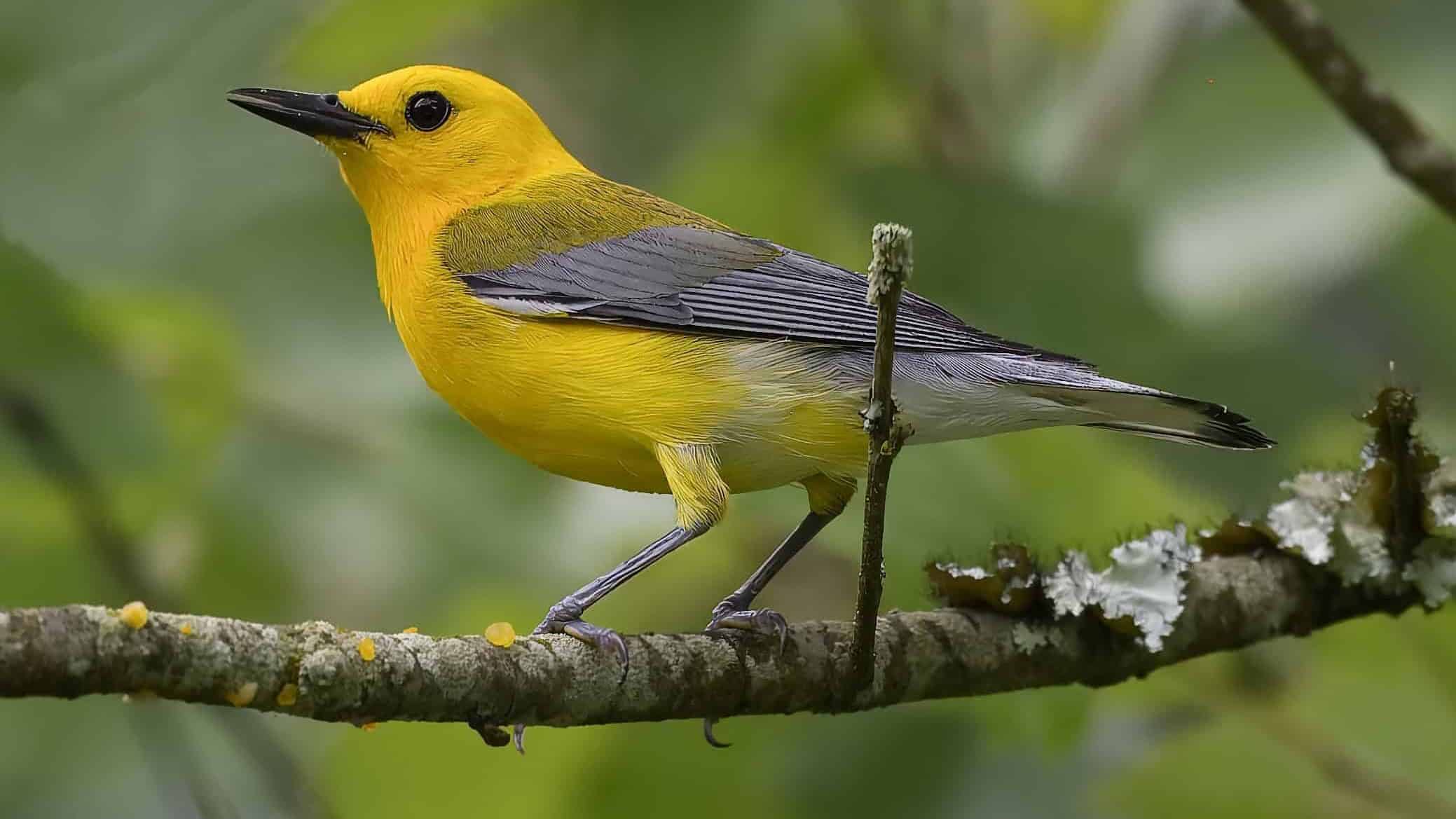
The Great Lakes region experiences dramatic seasonal changes that trigger remarkable wildlife events throughout the year. Spring brings one of North America’s most spectacular migrations of songbirds, with millions of warblers, thrushes, and other neotropical migrants funneling along the lakeshores. Birders flock to hotspots like Point Pelee, Ontario and Magee Marsh, Ohio to witness this concentration of birds. In early spring, “ice-out” triggers spawning runs of walleye, suckers, and steelhead in tributaries throughout the region. Summer brings an explosion of insect life, including the emergence of massive hexagenia mayflies whose hatches can appear on weather radar. Monarch butterflies gather in fall along the southern shores, sometimes covering trees as they prepare for their journey to Mexico. Sandhill cranes stage in impressive numbers at wetland complexes during fall migration, with tens of thousands gathering at sites like Michigan’s Haehnle Sanctuary. Winter brings snowy owls to open areas around the lakes, while vast rafts of diving ducks congregate in unfrozen areas to feed. Lake effect snow, created when cold air masses pass over the relatively warm lakes, creates critical conditions for certain wildlife, including snowshoe hares that depend on deep snow cover for winter survival.
Conservation Success Stories and Ongoing Challenges
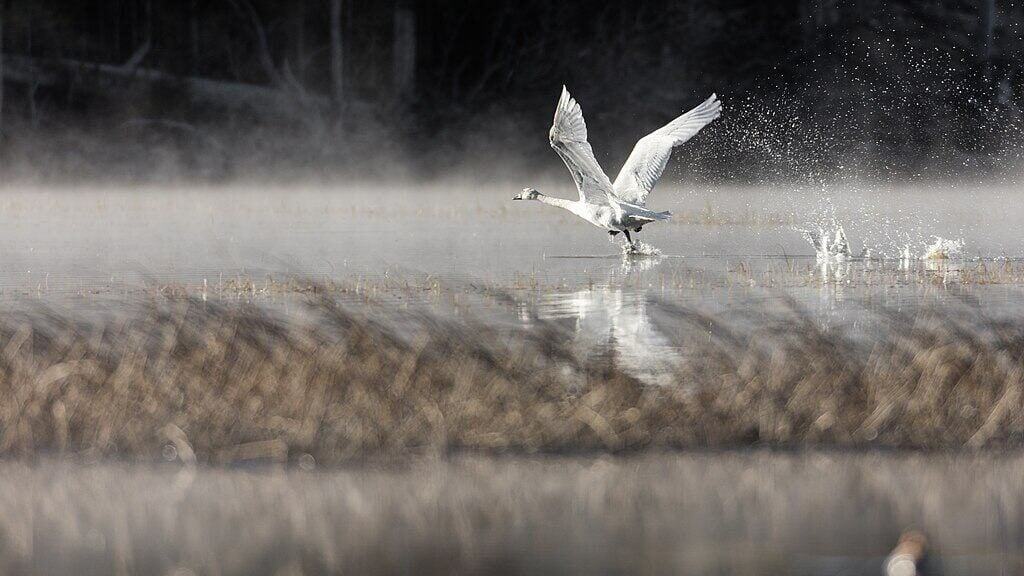
The Great Lakes region has witnessed remarkable conservation successes alongside persistent challenges. Bald eagles have recovered from fewer than 50 nesting pairs in the 1970s to more than 2,000 pairs today, following DDT bans and habitat protection. Lake sturgeon, though still reduced from historical abundance, now spawn successfully in rivers where dams have been removed or fitted with passage structures. Kirtland’s warbler populations have increased tenfold through dedicated habitat management, prompting its removal from the endangered species list in 2019. Trumpeter swans, once extirpated from the region, now number in the thousands following reintroduction efforts. Yet significant challenges remain. Climate change threatens cold-water fish species like brook trout and lake whitefish, while warmer temperatures may facilitate new invasive species. Habitat fragmentation continues as development expands around the lakes. Persistent toxic contaminants, though reduced from peak levels, still accumulate in long-lived predators. Harmful algal blooms, fueled by agricultural runoff and invasive mussel impacts, threaten water quality and wildlife. Balancing human needs with ecosystem health requires collaborative approaches across jurisdictions, as wildlife recognizes no political boundaries in this interconnected system.
The Great Lakes ecosystem represents one of North America’s most precious natural treasures, supporting thousands of species from microscopic plankton to imposing moose. This vast freshwater sea contains an astonishing 20% of the world’s surface freshwater, creating habitats found nowhere else on Earth. The region’s biodiversity faces significant challenges from habitat loss, invasive species, pollution, and climate change, yet remarkable resilience is evident in the recovery of once-imperiled species like bald eagles and peregrine falcons. Conservation success depends on understanding the connections between land and water, recognizing that activities throughout the watershed influence the lakes themselves. As stewards of this unique ecosystem, residents and visitors alike share responsibility for protecting the creatures that call the Great Lakes region home, ensuring they persist for generations to come.

- Do Pets Really Dream? Science Explains - July 26, 2026
- How Bees Keep Ecosystems Alive — And What Happens if They Disappear - July 26, 2026
- The Spider That Hunts Fish—Yes, It Exists - July 26, 2026