

The ocean is home to a vast range of life, but many marine species face serious threats from climate change, pollution, and disease. Scientists are now turning to CRISPR, a revolutionary gene-editing tool, to help protect and restore marine ecosystems. By modifying the DNA of certain organisms, researchers can address some of the biggest challenges affecting ocean life.
Enhancing Coral Resilience

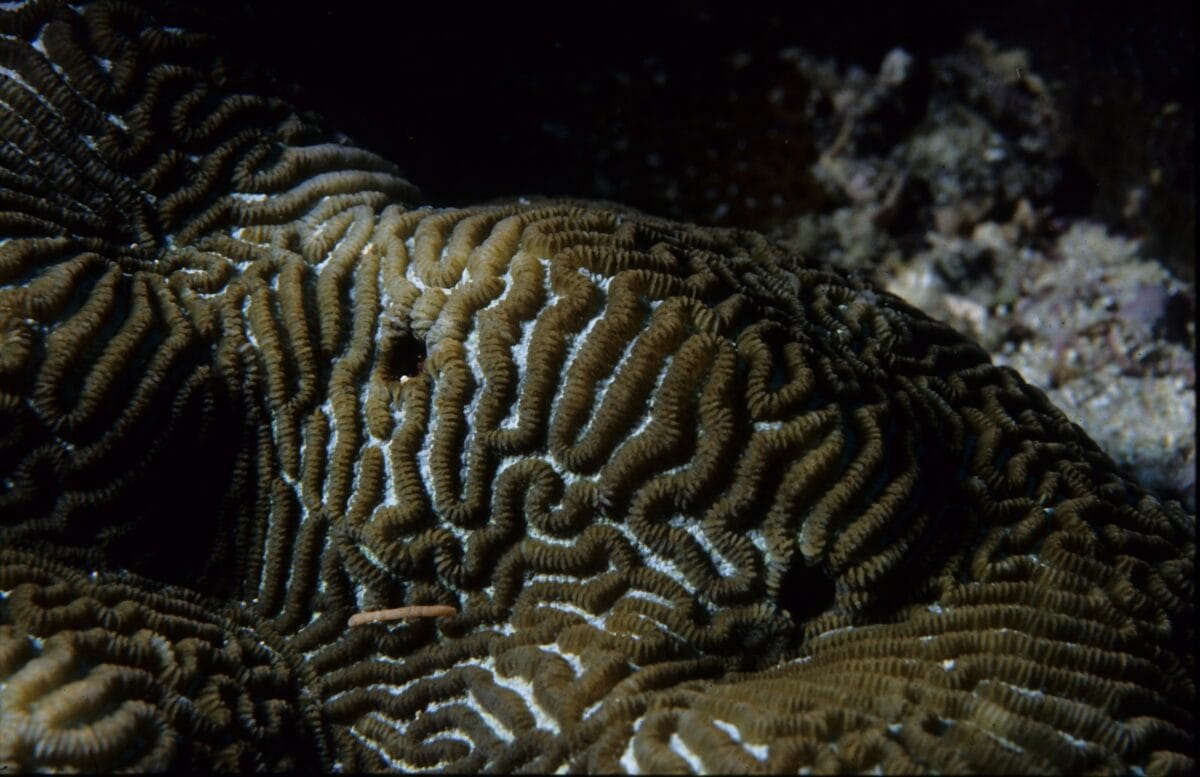
Coral reefs are under immense stress from rising ocean temperatures. CRISPR allows scientists to modify coral genes to make them more resistant to heat and disease. This could help reefs survive and continue to support marine biodiversity.
Combating Invasive Species
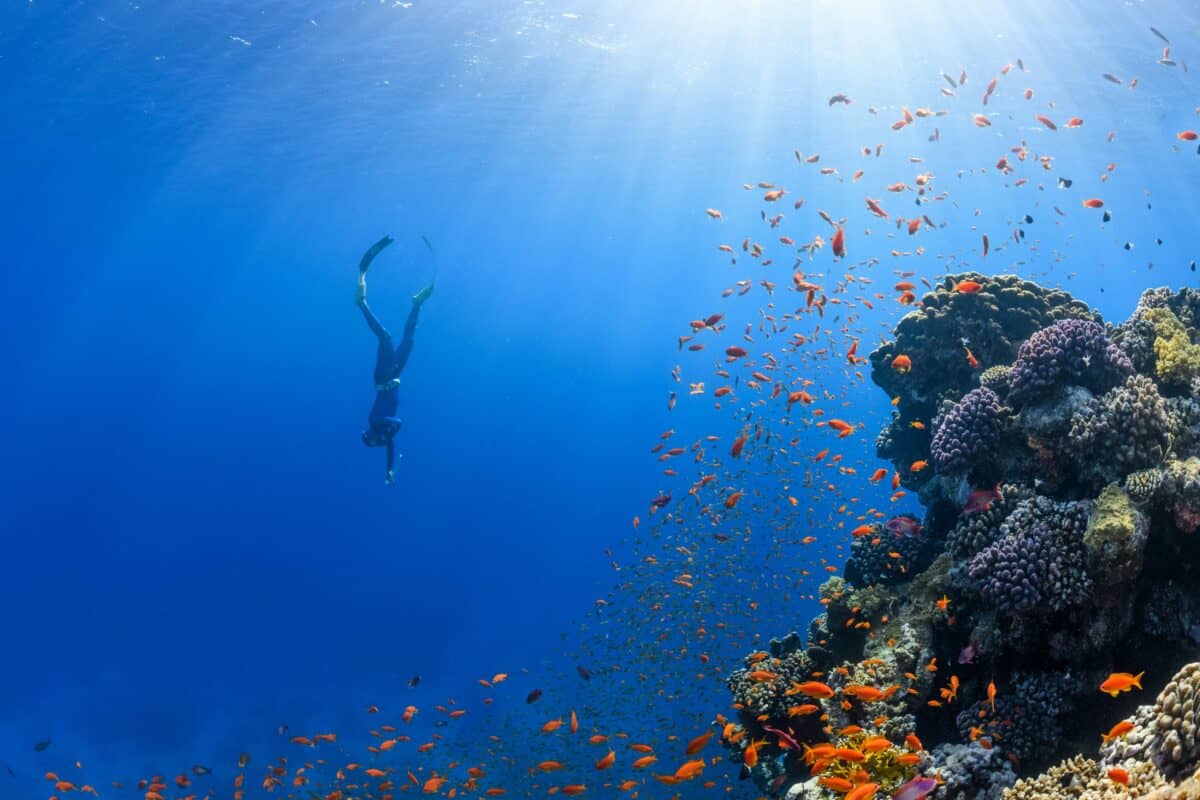
Invasive species disrupt ecosystems and outcompete native organisms. Researchers are exploring ways to use CRISPR to control invasive populations by altering their reproductive capabilities, reducing their numbers without harming other species.
Restoring Endangered Species

Many marine species are on the brink of extinction due to human activity. CRISPR provides a way to strengthen these populations by introducing genetic traits that improve survival, such as resistance to pollutants or increased reproductive success.
Preventing Disease in Marine Life
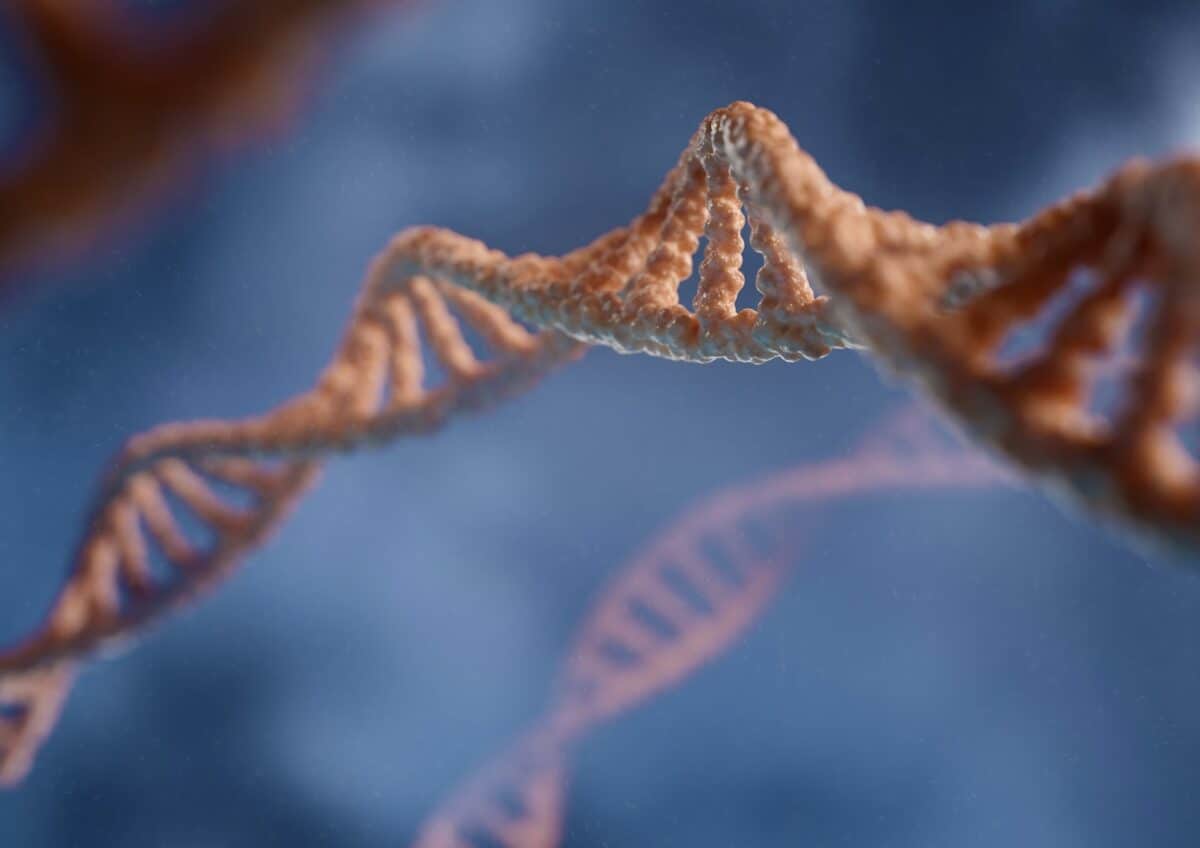
Disease outbreaks can devastate marine populations. By editing the genes of vulnerable species, scientists can enhance their immune systems, making them more resistant to infections that threaten entire ecosystems.
Reducing Ocean Pollution Impact
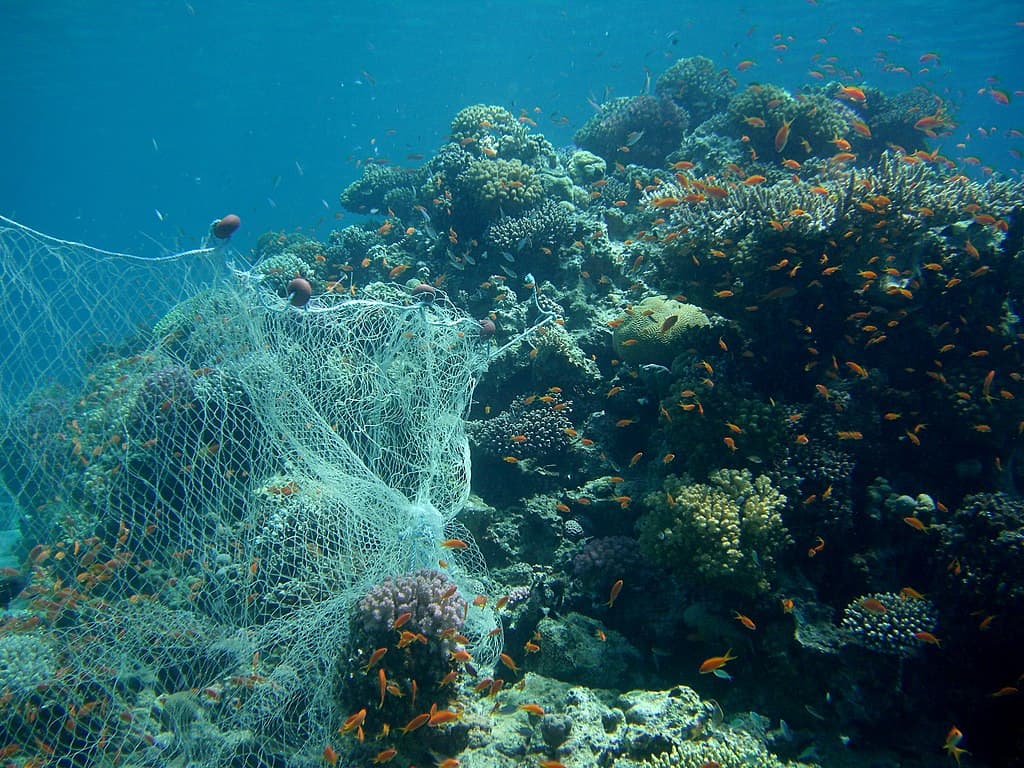
Certain marine organisms can break down pollutants in the water. With CRISPR, researchers can enhance these natural processes, helping to clean up oil spills and plastic contamination more efficiently.
Strengthening Fisheries and Aquaculture

Sustainable fishing is crucial for food security. Gene editing can help develop fish that grow faster, resist disease, and adapt better to changing ocean conditions, ensuring a more stable food supply.
Protecting Shellfish from Acidification
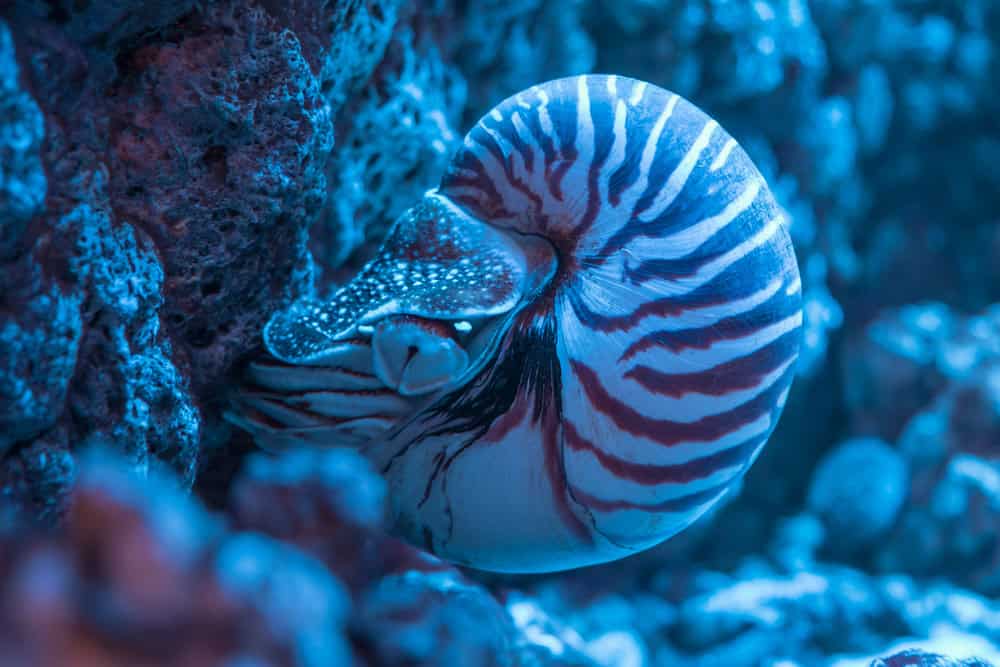
Ocean acidification weakens the shells of mollusks such as oysters and mussels. Scientists are investigating ways to use CRISPR to enhance shell formation, allowing these species to thrive despite changing water chemistry.
Improving Algal Blooms Management
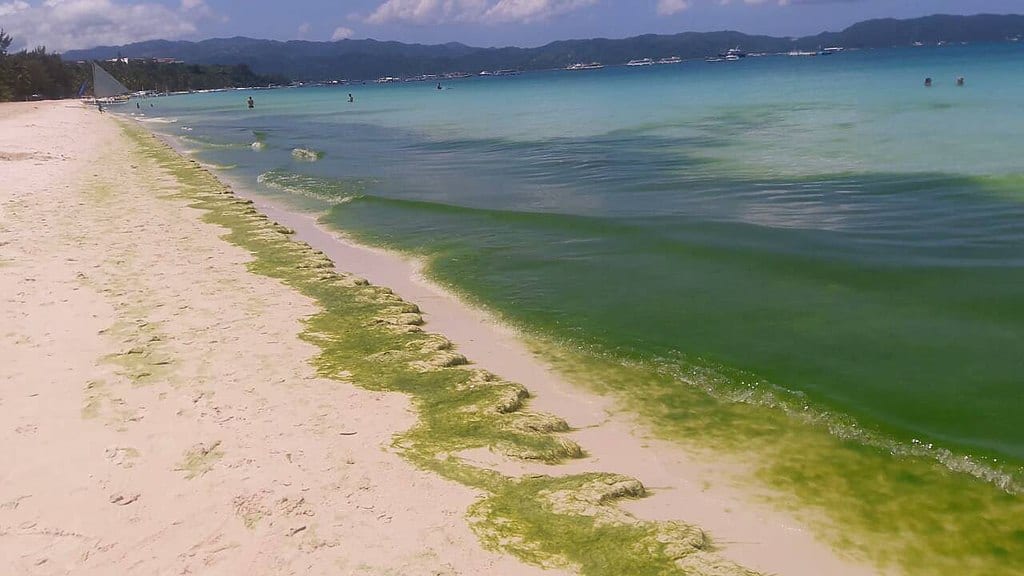
Harmful algal blooms produce toxins that harm marine life and humans. Gene editing may help regulate algal growth, reducing the occurrence of these destructive blooms and protecting ocean ecosystems.
Boosting Marine Plant Adaptability
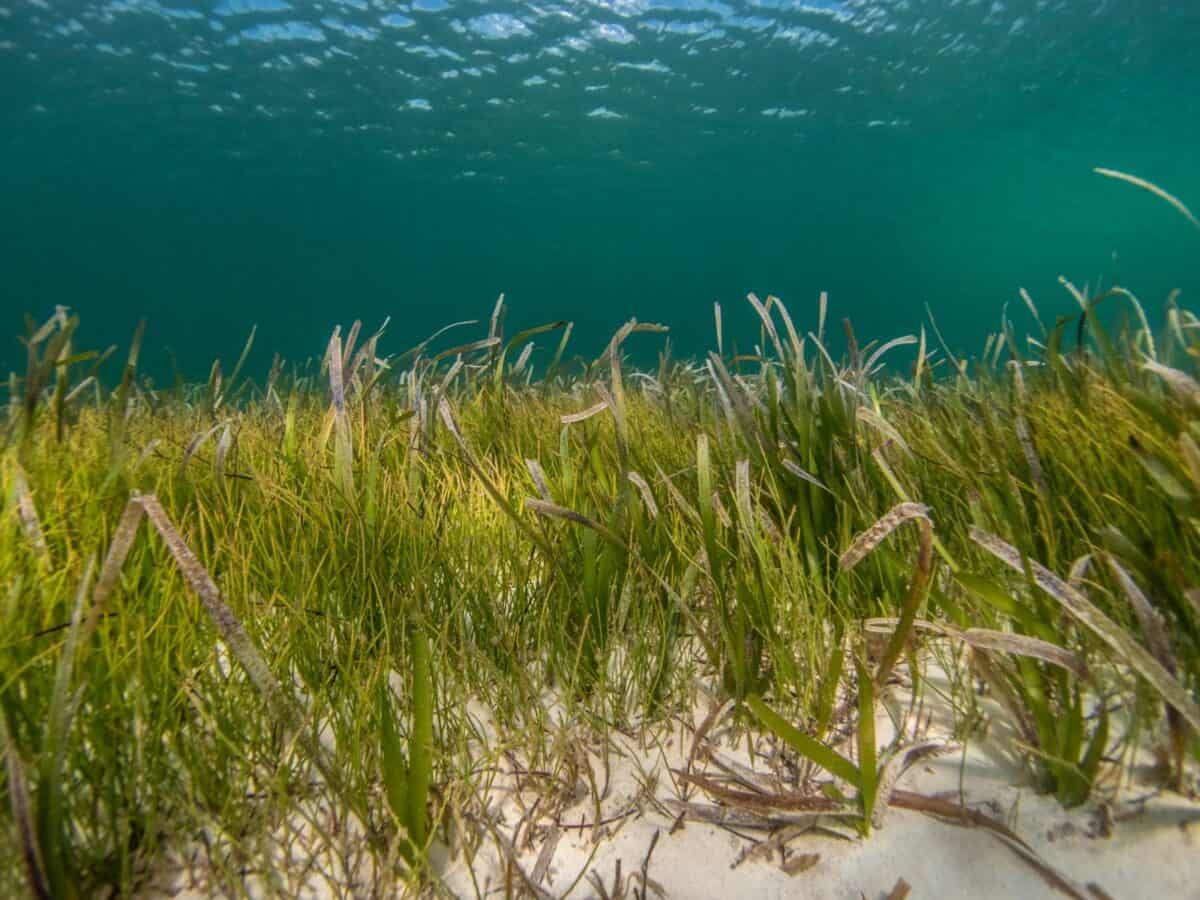
Seagrasses and other marine plants play a vital role in carbon storage and habitat protection. CRISPR can help these plants become more resilient to environmental stress, improving their ability to support marine ecosystems.
Ethical and Environmental Considerations

Despite its potential, using CRISPR in marine biology raises ethical and ecological concerns. Scientists must carefully assess the long-term effects of gene editing on ecosystems to ensure that interventions do not cause unintended harm.
Conclusion
CRISPR offers exciting possibilities for protecting and restoring marine life. By enhancing resilience, preventing disease, and improving ecosystem balance, gene editing has the potential to make a significant impact on ocean conservation. Ongoing research and responsible use of this technology will be key to its success in safeguarding marine biodiversity for future generations.

- The Perfect Pet for Each Zodiac Sign - July 7, 2026
- The Wild Animal That Embodies Your Zodiac Sign’s Spirit - July 6, 2026
- 7 Steps to Planting Admirably Beautiful Bluebonnets - July 6, 2026