
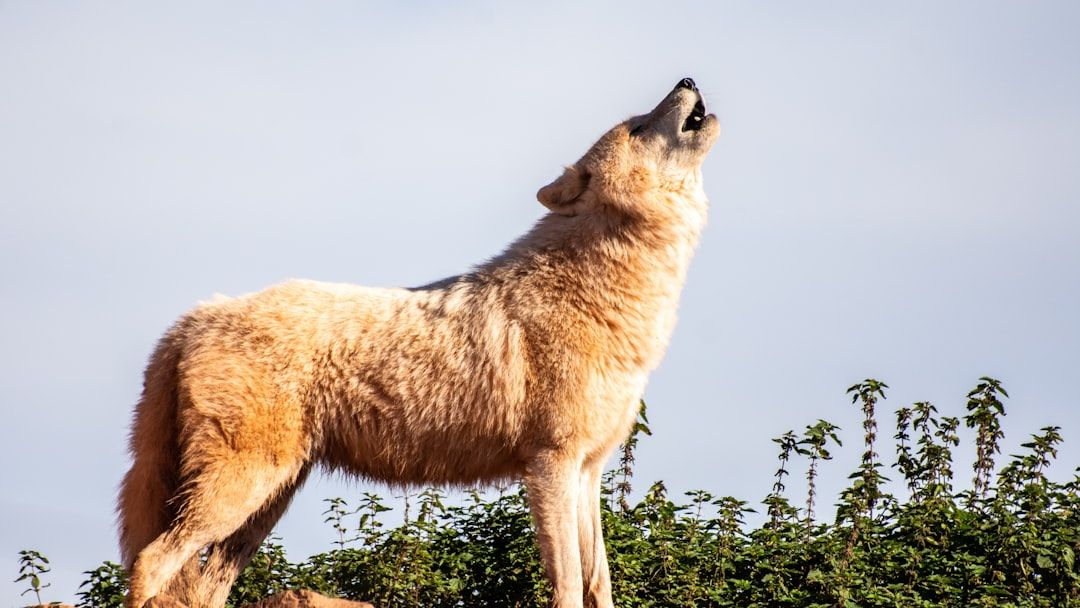
The haunting melody of a wolf’s howl has fascinated humanity for centuries, but there’s more to this ancient sound than meets the ear. Beyond the romantic image of wolves serenading the moon, these magnificent predators possess remarkable abilities to detect environmental changes that most humans can’t perceive. Their howling patterns often shift dramatically before s arrive, creating a natural early warning system that has both captivated folklore enthusiasts and intrigued modern scientists. Let’s explore the fascinating connection between wolf vocalizations and the weather patterns that trigger them.
The Ancient Folklore Behind Wolf Weather Predictions
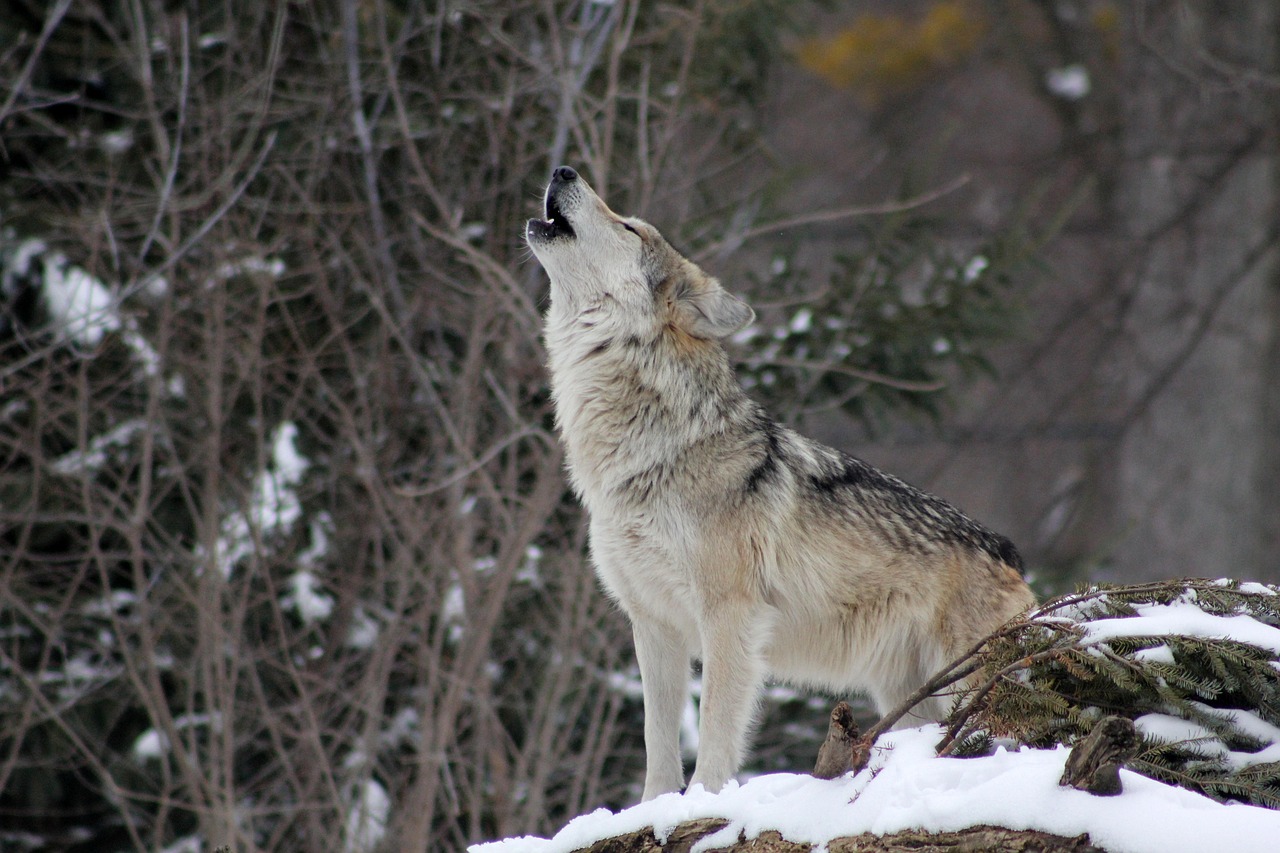
Wolves always howl more , according to traditional weather folklore that has been passed down through generations. This belief has deep roots in human observation of wildlife behavior, reflecting centuries of people noticing patterns in nature that seemed to predict changes in weather conditions.
The folklore surrounding wolves and storms isn’t just an isolated belief. It’s part of a broader tradition where humans have looked to animals for weather guidance long before modern meteorology existed. The behavior of animals like good old Bessie the cow has been popularly used for centuries to help people get a leg up on all types of weather emergencies. These traditions emerged from necessity, when accurate weather forecasting could mean the difference between survival and disaster.
How Wolves Actually Use Their Howls for Communication
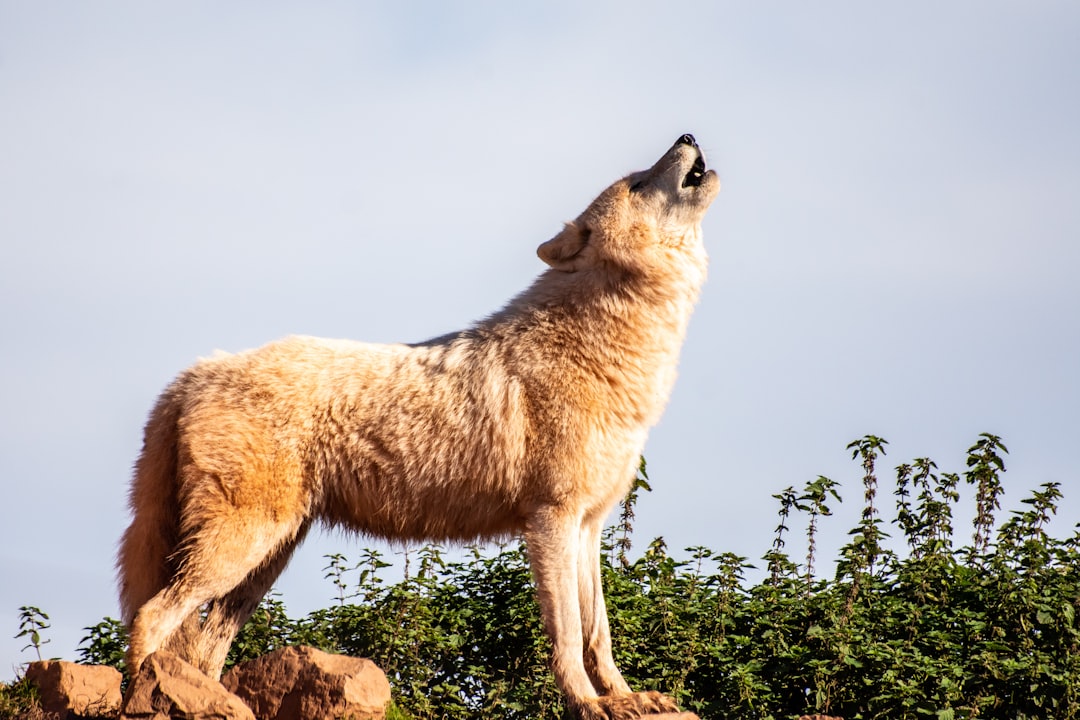
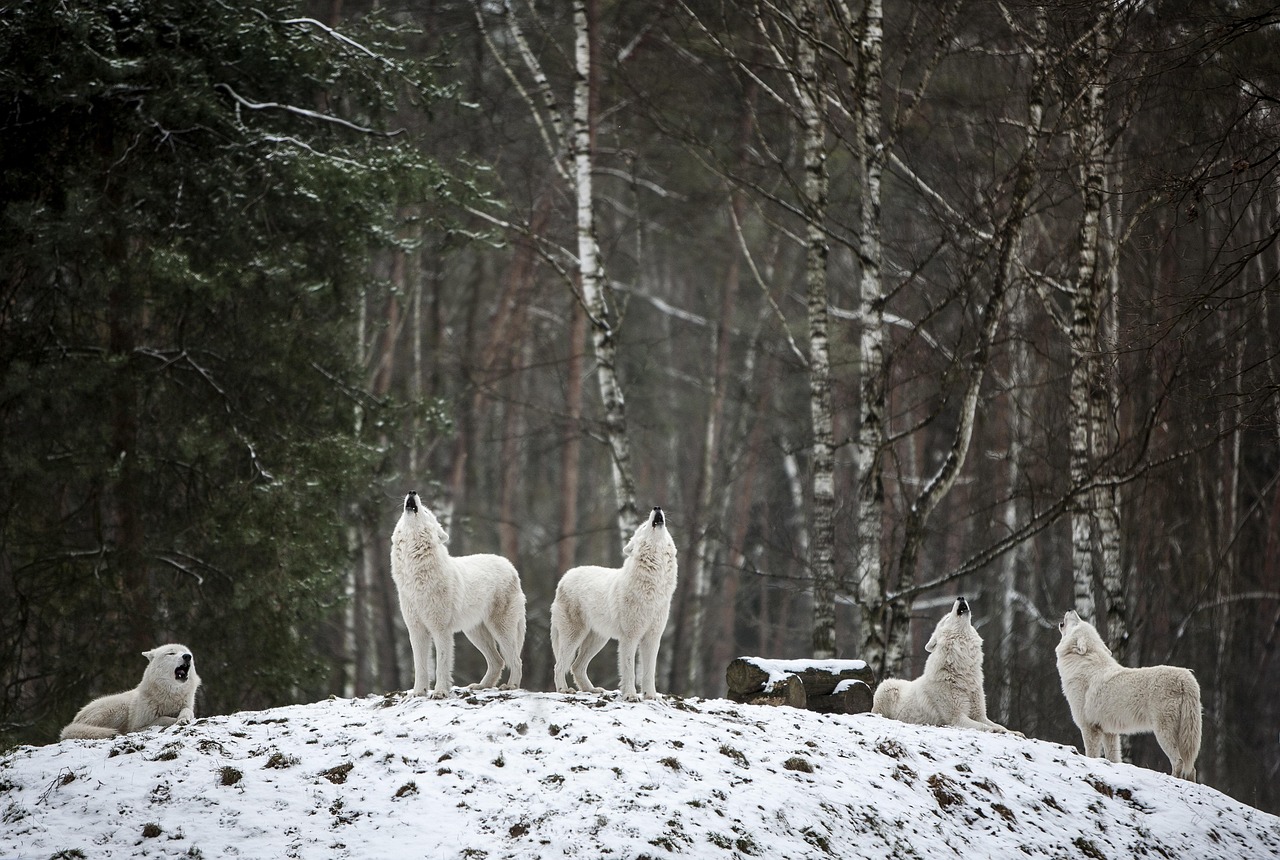
Gray wolves howl to assemble the pack, usually before and after hunts, to pass on an alarm particularly at a den site, to locate each other during a storm or while crossing unfamiliar territory, and to communicate across great distances. This natural communication system serves multiple purposes that go far beyond simple pack coordination.
The sophistication of wolf communication is truly remarkable. Wolf howls can under certain conditions be heard at distances of up to 10-15 miles (16-24 km), making them one of nature’s most effective long-distance communication systems. During storms or challenging weather conditions, this ability becomes even more crucial for maintaining pack unity and safety.
The Science of Barometric Pressure Sensitivity
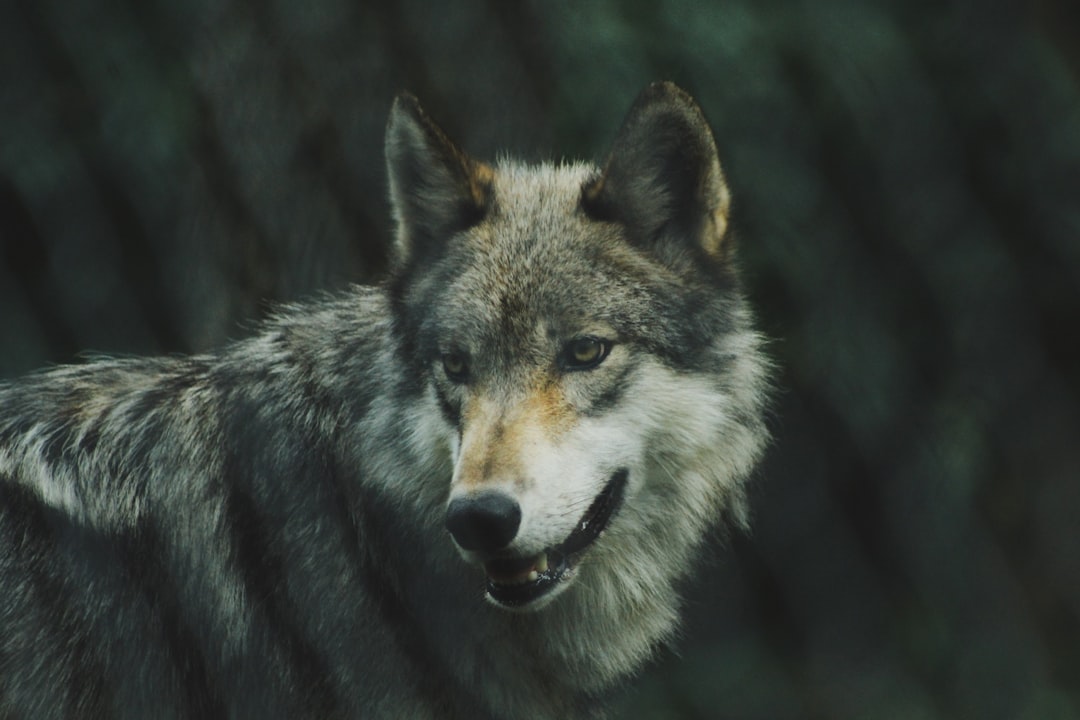
The most compelling scientific explanation for increased wolf howling before storms centers on their sensitivity to barometric pressure changes. Scientists also think air pressure from an approaching storm might cause them to howl in pain, similar to how humans might experience discomfort in their ears during altitude changes or weather shifts.
Animals are highly tuned in to any changes beyond those natural fluctuations, which can signal big changes in the weather. This heightened sensitivity to atmospheric pressure variations gives wolves a significant advantage in detecting approaching weather systems long before they become visible or detectable to human senses. Anyone with sensitive ears who’s ever driven through a mountainous region or flown with a head cold can vouch for the serious discomfort a change in air pressure can cause.
Storm-Related Behavioral Changes in Wolf Packs
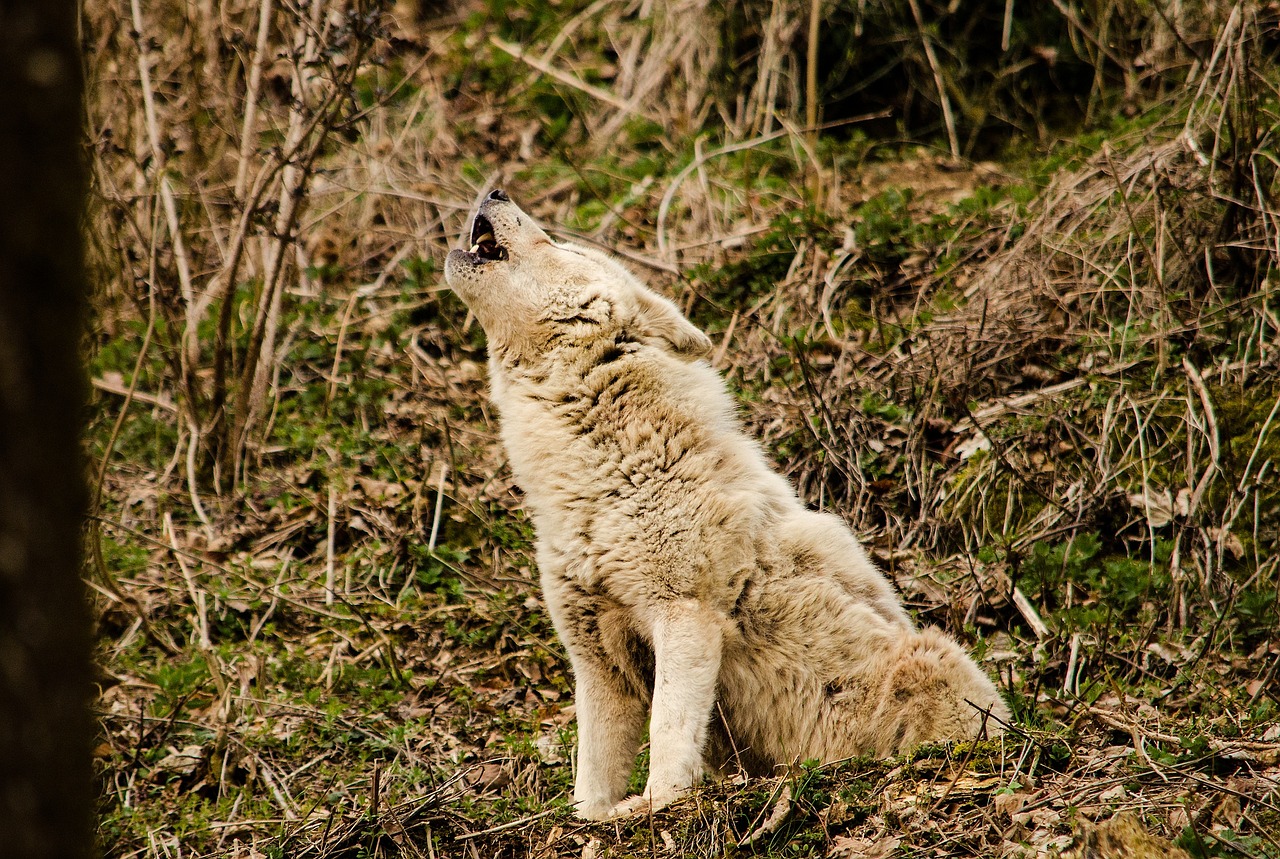
When storms approach, wolf behavior changes significantly beyond just increased howling. Wolves are least likely to travel on the night of a snowfall event, compared to dates immediately before or after an event. This behavioral shift suggests that wolves instinctively modify their activities in response to severe weather conditions.
Research has shown that effects were most pronounced at night, when movements appeared to be consistent with hunting behavior, and activity levels resumed within 24 hours of a snowfall event. The temporary nature of these behavioral changes indicates that wolves are responding to immediate environmental pressures rather than making long-term adjustments. It was classical disturbance howling, one of the key and most consistent situations triggering howling, whether caused by humans, bears, vehicles, or by foreign wolves. To our amazement, disturbance howling appeared to trump discretion.
How Other Animals Share Similar Weather Sensing Abilities

Wolves aren’t alone in their ability to sense approaching storms through atmospheric changes. After the barometric pressure dropped just a few millibars — an occurrence that causes a similar change in hydrostatic pressure — several sharks swam to deeper waters, where there was more protection from the storm. Birds and bees also appear to sense this drop in barometric pressure and will instinctively seek the cover of their nests or hives.
According to experts, animals possess an extraordinary ability to detect subtle shifts in their environment, from fluctuations in atmospheric pressure to seasonal and humidity changes. Their heightened senses allow them to perceive what often goes unnoticed by humans, which may explain their instinctive behavioral changes . This shared ability across different species suggests an evolutionary advantage that has been refined over millennia.
The Role of Infrasound in Storm Detection
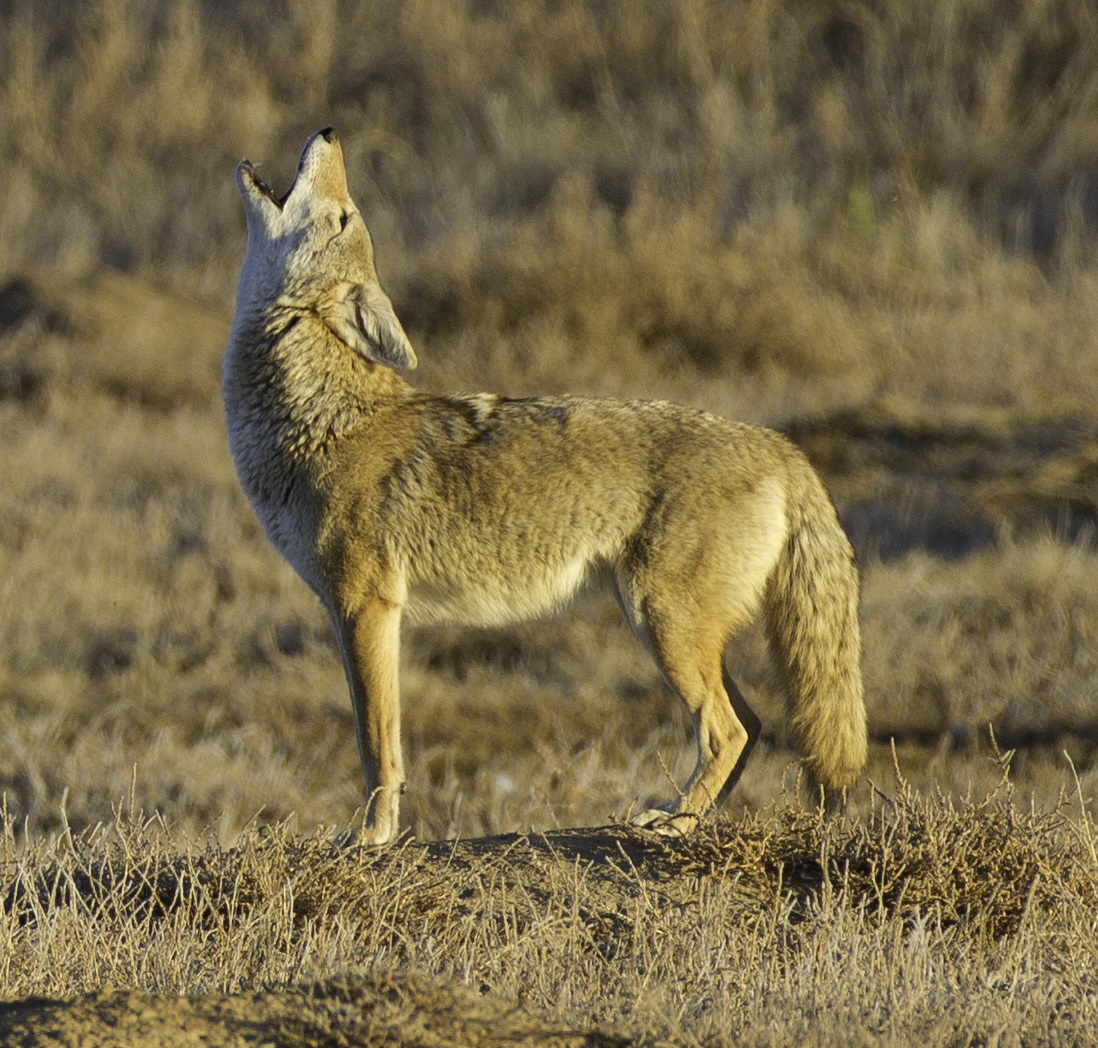
Beyond barometric pressure, wolves may also respond to infrasound waves that precede major weather events. Many weather occurrences generate noises in the infrasonic range, too low for people to usually hear, for example, but well within the hearing range of many animal species. These low-frequency sound waves can travel vast distances and arrive well before the visible signs of an approaching storm.
Scientists have documented similar infrasound detection in other wildlife. Studies hypothesize that the birds hear infrasound (a low-frequency noise) coming from an approaching storm system before it’s visible. This acoustic early warning system may explain why wolf howling increases before storms, as they respond to these imperceptible environmental signals that humans simply cannot detect.
Seasonal Patterns in Wolf Howling Behavior
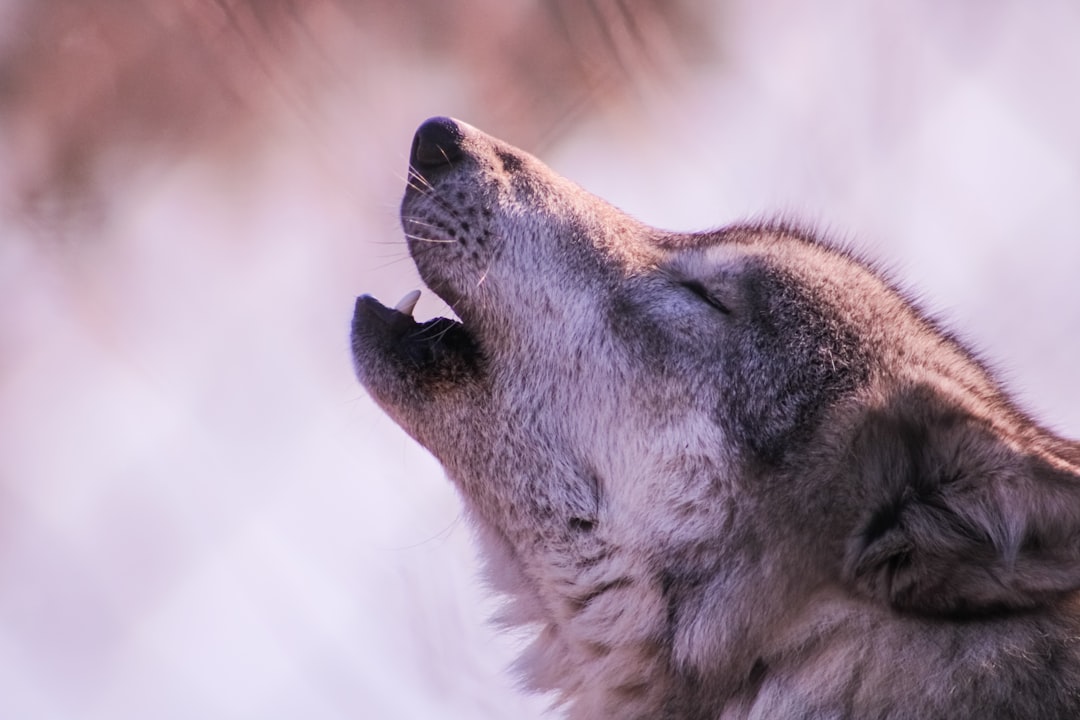
Wolf howling patterns vary significantly throughout the year, which may influence how weather affects their vocalizations. Howling was 2-4 times more frequent in the pre-breeding and breeding seasons. Pack howls primarily, but also single howls, were most common during these seasons. Understanding these natural rhythms helps scientists separate weather-related howling from normal seasonal communication patterns.
Howling frequency remained low all summer, during which time answers switched abruptly and almost exclusively from interpack to intrapack. Single howls stimulated distant pack members to answer with increasing frequency as the summer progressed. These seasonal variations suggest that weather sensitivity may be more pronounced during certain times of year when wolves are already more vocal and alert to environmental changes.
Modern Scientific Understanding vs Traditional Wisdom
While traditional folklore about wolves howling before storms contains elements of truth, modern science provides more nuanced explanations for this behavior. It’s highly unlikely animals can predict weather in an ESP-sort of way, but they very well may be able to sense environmental signals that humans miss. Reaction is another key component: A human might sense a drop in barometric pressure, for example, but not feel compelled by that sensation to seek shelter hits, as an animal might.
The reality is that wolves don’t possess supernatural weather prediction abilities, but rather finely tuned natural senses that have been honed by evolution. These behaviors are not so much predictions as they are a response to immediate environmental cues. This distinction helps us appreciate the remarkable sensitivity of wolves without attributing mystical powers to their natural abilities.
Conclusion: Nature’s Early Warning System

The phenomenon of wolves howling before storms represents a fascinating intersection of traditional wisdom and scientific understanding. While the folklore may oversimplify the complex reasons behind this behavior, the core observation remains valid: wolves do indeed change their vocal patterns in response to approaching weather systems. Their sensitivity to barometric pressure changes, infrasound waves, and other atmospheric disturbances creates a natural early warning system that has captivated human imagination for centuries.
This remarkable ability showcases the evolutionary advantages that have allowed wolves to thrive in diverse environments across the globe. Rather than magical weather prediction, we’re witnessing millions of years of natural selection that has fine-tuned these apex predators to detect the subtlest environmental changes. What do you think about these incredible natural abilities? Have you ever noticed unusual animal behavior before storms in your area?

- What Large Dog Breed Are You According to Your Zodiac Sign - August 8, 2026
- 8 Plants That Help Keep Mosquitoes Away From Texas Patios - August 8, 2026
- 10 Facts About the Grand Canyon Hidden in Its Rock Layers - August 8, 2026