

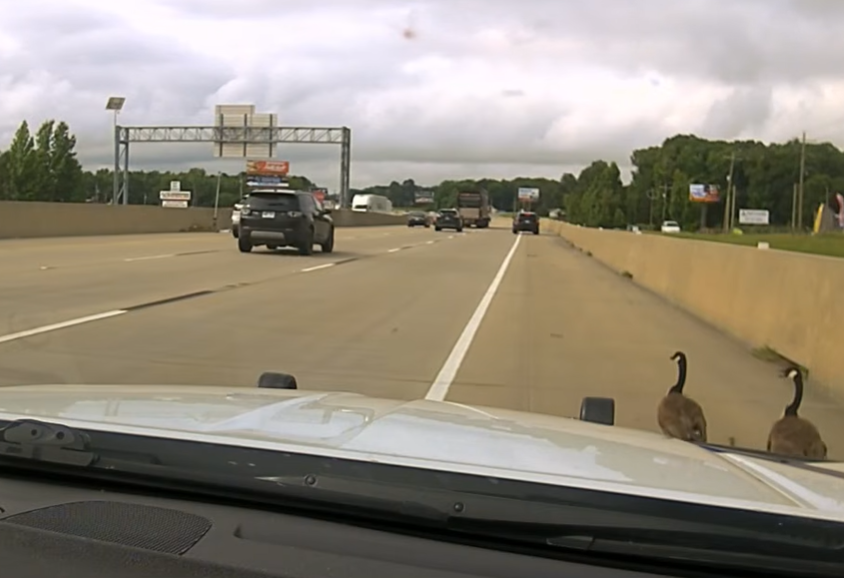
Arkansans have expressed significant concern after reports emerged of a state trooper striking a young goose during a patrol on a rural roadway. The event has highlighted ongoing questions about how law enforcement officers navigate wildlife encounters in areas with migratory birds. Residents described the situation as avoidable and called for greater attention to such risks during nesting season.
This development comes as officials acknowledge the challenges of responding to calls in regions where geese frequently cross roads. The incident has fueled discussions about officer training and wildlife awareness across the state.
Debate Emerges Over Wildlife Protection Measures
Local residents voiced disappointment and argued that the encounter could have been prevented with more attentive driving practices. Officials noted that troopers already receive guidance on wildlife awareness, yet real-time decisions on narrow or busy roads remain complex. Community members pushed for expanded training focused on seasonal animal movements to reduce similar incidents in the future.
The Arkansas State Police confirmed it is reviewing the circumstances and collecting witness statements. Spokespersons emphasized the operational realities officers face daily while balancing public safety duties. This approach aims to determine if policy adjustments are needed without compromising response effectiveness.
Advocacy groups highlighted how such events can affect public trust when they appear preventable. Calls grew for protocols that account for predictable patterns of wildlife behavior on rural routes.
Public Reaction Builds on Social Media and Local Forums
Residents across Arkansas quickly shared their reactions online, focusing on the vulnerability of goose families during migration periods. Petitions circulated urging the Arkansas State Police to examine its handling of animal encounters more closely. Several groups pointed out that these situations erode confidence when early detection seems possible.
Local wildlife experts explained that goslings often follow parents across roads near water sources in spring, creating predictable crossing points. They stressed that sudden maneuvers can pose risks to drivers and other vehicles alike. The conversation expanded to broader questions about preparedness for officers covering long rural stretches. The video below shows new dashcam footage of the incident.
Conservation organizations recommended temporary signage near known nesting sites to alert motorists in advance. These ideas seek to minimize conflicts while supporting law enforcement operations.
Broader Discussions on Training and Collaboration
The episode has sparked talks about expanding driver training programs for state agencies. Some legislators suggested incorporating wildlife modules into annual certification requirements to show respect for both safety and animal welfare. Critics cautioned against adding regulations that might burden officers already managing unpredictable situations.
Local leaders encouraged partnerships between police departments and wildlife centers to share knowledge on seasonal patterns. Joint workshops could provide practical techniques for minimizing harm while keeping response times intact. Several counties began exploring pilot programs that combine mapping technology with officer briefings to flag high-risk areas.
These initiatives focus on fostering understanding between agencies and communities rather than assigning blame after events occur. The measured response from officials reflects efforts to address concerns while recognizing daily operational demands.
Source: Original YouTube Video

As a little kid, I fell in love with nature, wildlife, and animals. Living in the USA, South Africa, Italy, China and Germany gave me the opportunity to discover the world's Wildlife. My favorite animals are Mountain Gorillas, Siberian Tigers, and Great White Sharks.
I'm a certified PADI Open Water Diver, went to Everest Base Camp and Trekked Gorillas in Uganda. I hold a Master of Science in Economics and Finance.
Please send any feedback to feedback@animalsaroundtheglobe.com
- 14 Most Intelligent Wild Creatures - July 22, 2026
- 16 Clever Ways to Attract Cardinals Without Breaking the Bank - July 22, 2026
- 11 Animals That Changed Science Forever - July 22, 2026